
Galedsa
Workshop: Galedsa
Craft: Weaving
Trail: Risaralda Route
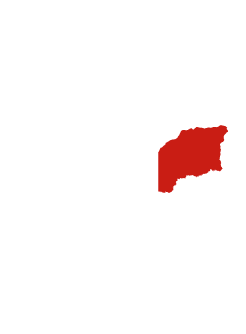
Location: Guática, Risaralda
SCHEDULE YOUR VISIT
Finca el Caney, vereda El Paraíso
3154713360
sedalatina@yahoo.es
@galedsa.sedaguatica
@sedaguatica
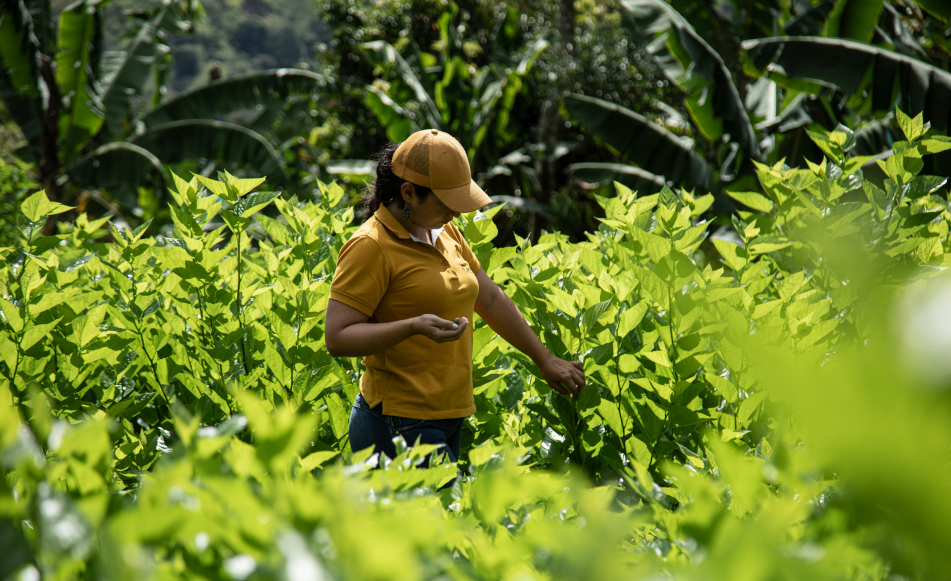
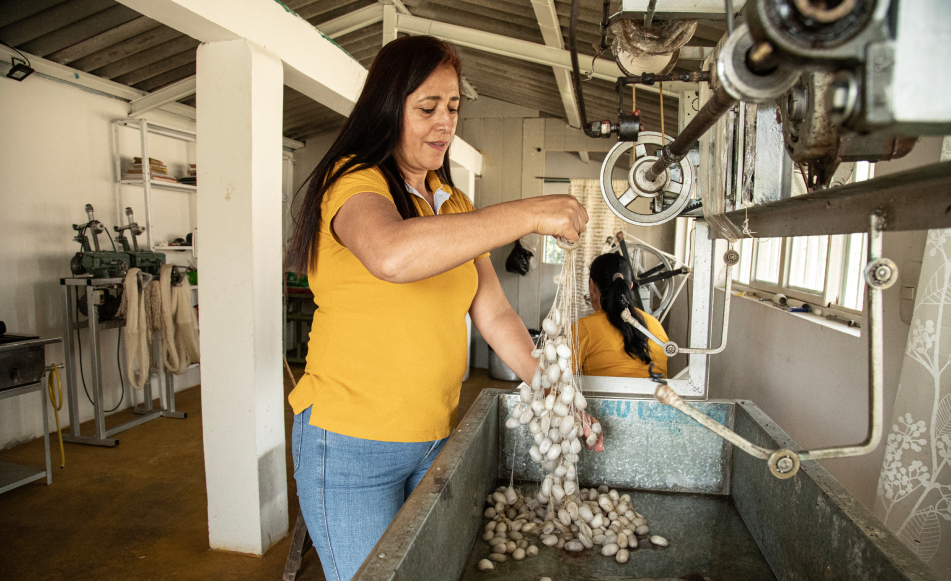
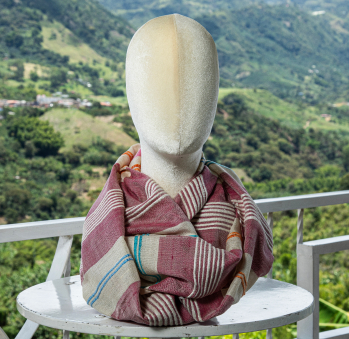
Silkworms don’t care if it’s Christmas, Sunday, or Mother’s Day—they need to eat chopped mulberry leaves every two hours. That’s how it goes through five stages: three days of eating followed by two days of sleeping. Until the final stage arrives, when they eat for seven days straight before beginning to spin their cocoons, looping figure eights from the outside in, as if they were winding a tiny thread bobbin. And then something fascinating happens: as soon as one worm begins to seal itself in, the rest follow. If their metamorphosis weren’t interrupted in order to harvest the silk thread from their cocoons, the worms would become plump, adorable moths, with wings smaller than their round bodies. Caring for them, no matter how much time and effort it takes, is what Gloria Bayer and her family devote themselves to.
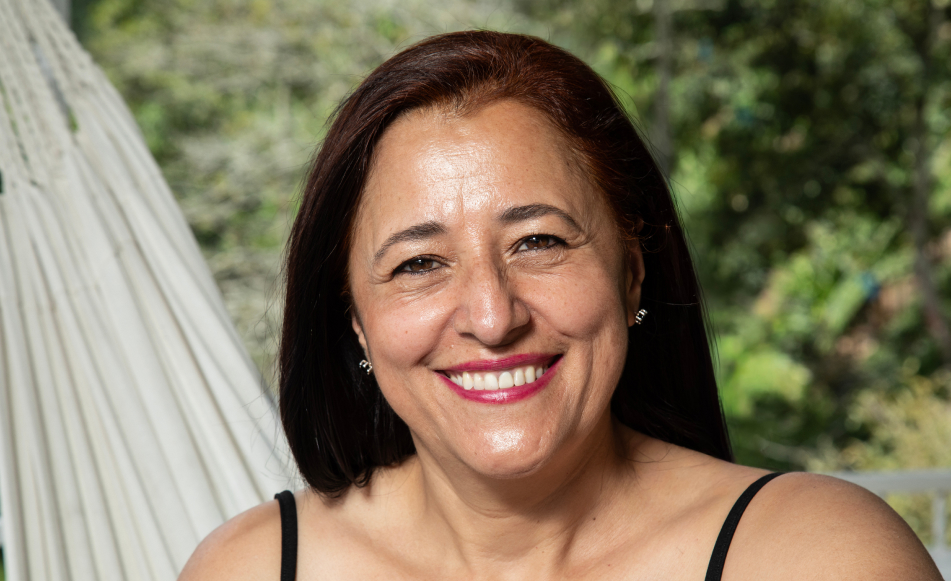
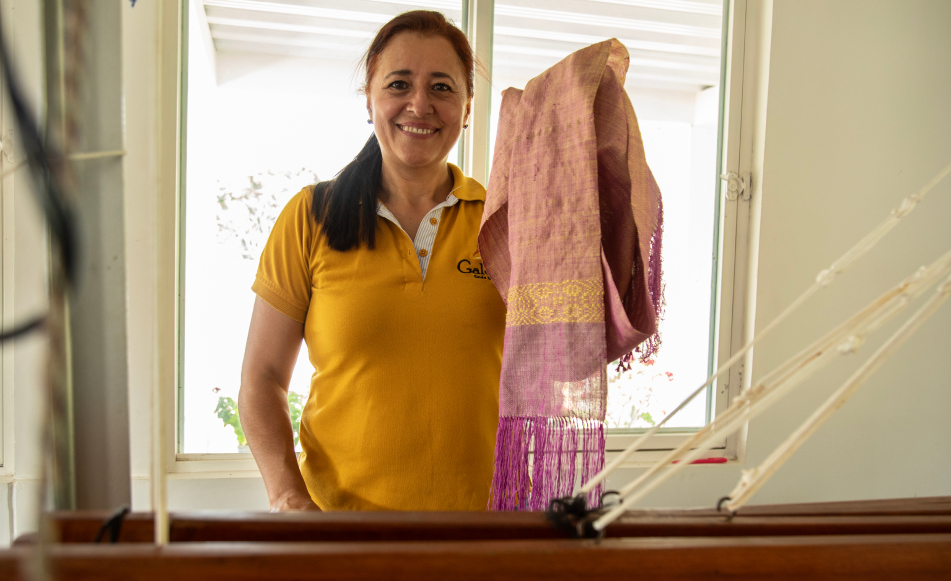
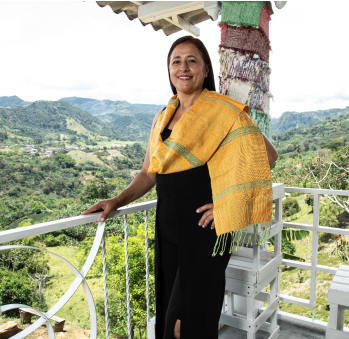
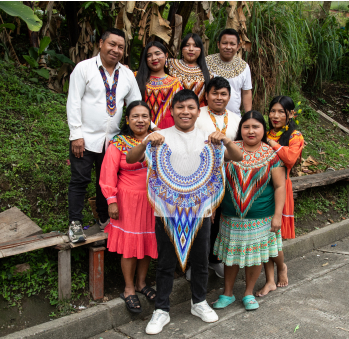
In much the same way that silkworms synchronize when they all decide to spin their cocoons at once, Gloria’s family also came together in harmony. The name Galesda is an acronym formed from Gloria, her mother Alicia, her son Edwin, and her daughter Sara—though the family business also includes sisters and daughters-in-law. Altogether, fifteen people. But to understand how it all began, we have to go back to when Gloria’s ex-husband, Arcadio Grajales—who is still part of the project as a sericulturist—started growing mulberry trees. He carved out a space among the coffee, plantain, beans, tomatoes, and corn, and luckily, mulberry adapts easily and doesn’t need much room to thrive. And thrive it did. Later, sister organizations in charge of silkworm breeding—Sedacol and the Sericulture Technology Development Center—opened training opportunities for sericulturists’ family members to learn how to care for the worms and harvest their threads. That was when Gloria discovered that the cocoons yielded the finest, most lustrous fibers—and she fell in love with the transformation. While learning, she remembered her childhood, sitting with her mother and sisters crocheting and embroidering, and how she had always cherished handcrafts.
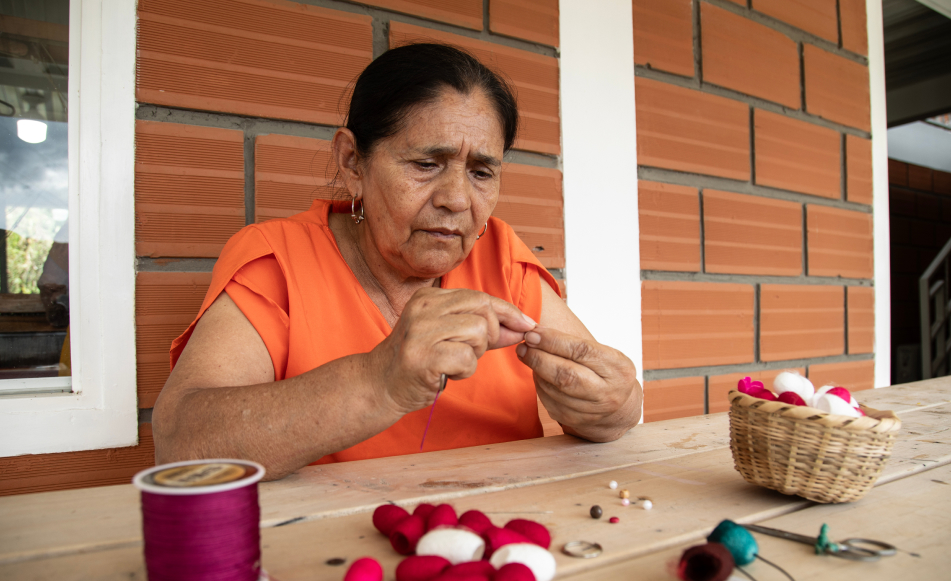
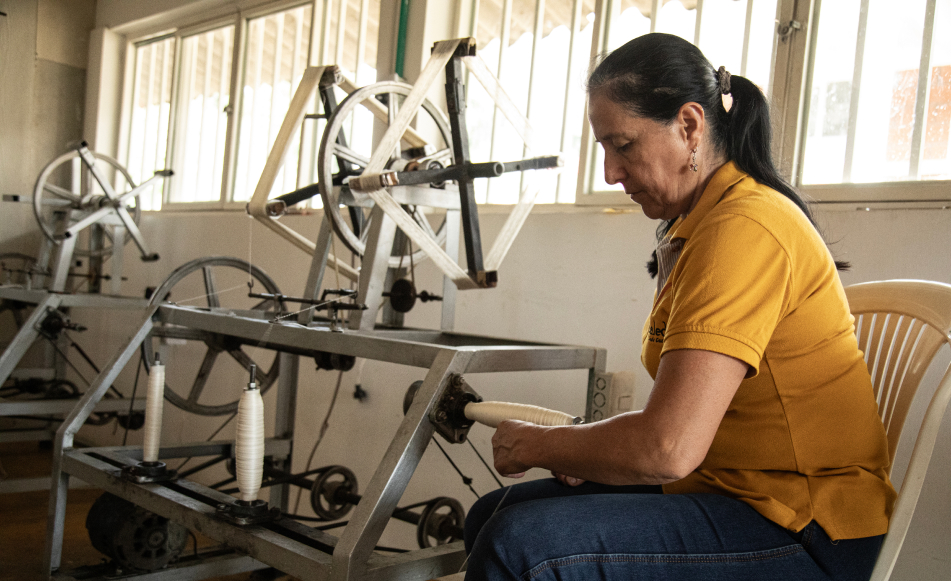
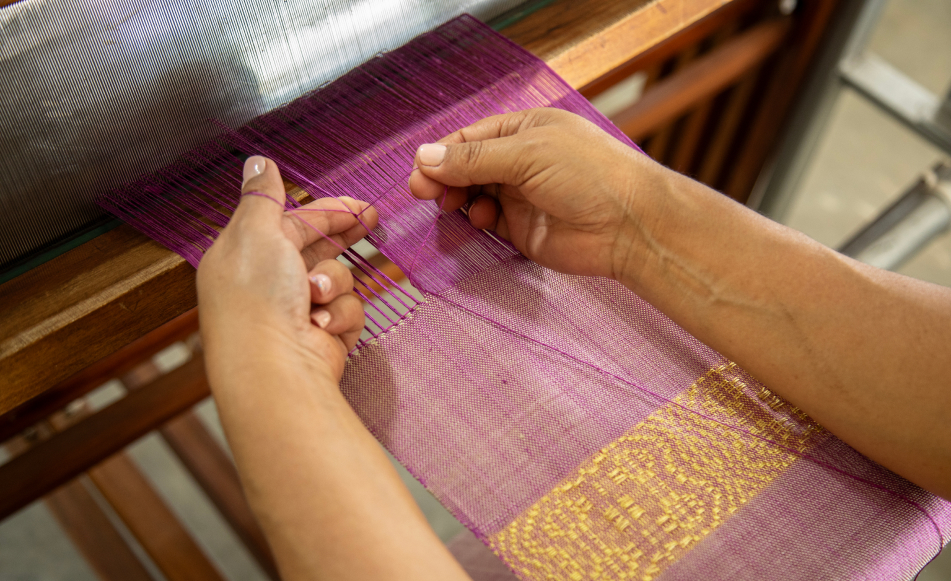
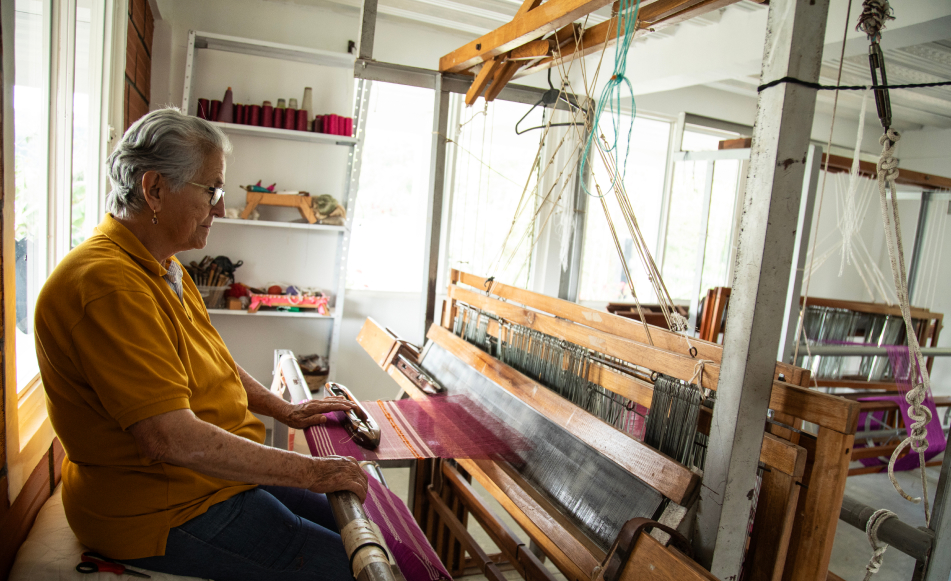
In time, the organizations that had trained them closed down. But fortune was on their side: the germplasm bank—the source of the silkworm eggs—was donated to those who had learned, so they could continue caring for the worms and producing silk. That was at the start of the century. Today, nothing brings Gloria greater joy than having her family close, united around a craft. Sitting down to reel silk and weave recalls the days when they were little girls and her mother urged them to hurry with their chores so they could all embroider together, just like when their father came back from town each week with skeins of yarn so they could make quilts and curtains. In a beautiful turn of life, Gloria was able to give something back to her mother: she taught her everything about raising the worms, harvesting fibers, reeling, washing, dyeing, and weaving silk on the loom. Doña Alicia learned it all and became the best student; now, well into her eighties, she still weaves.
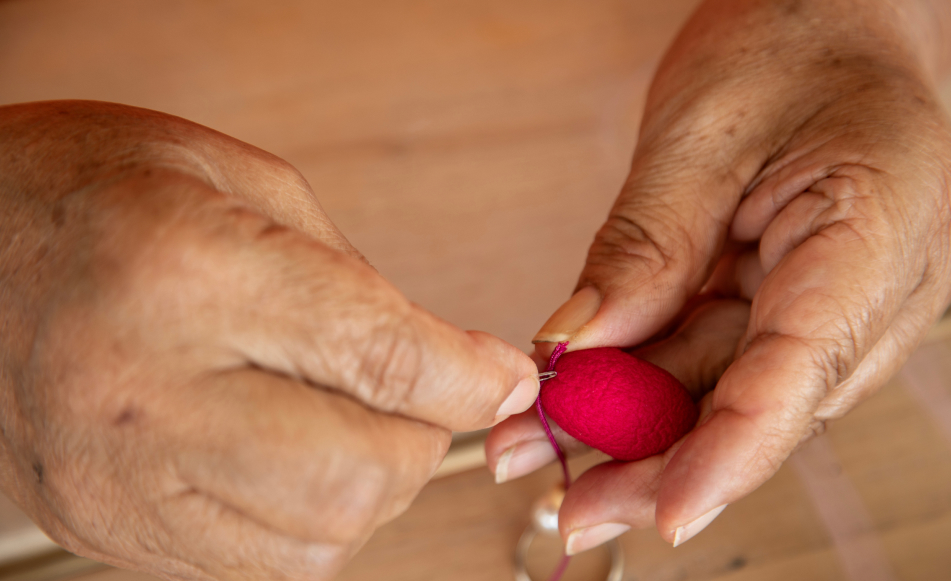
And although each day brings its bustle and Gloria must juggle many tasks, what she enjoys most will always be spinning—carefully unraveling the cocoon that each tiny worm created, and turning it into thread. She doesn’t like to leave until she has reeled them all, perhaps because she knows how much effort each little creature put into its cocoon and wants to honor them in return.
(Before visiting, keep in mind that Galesda welcomes groups of 8 to 30 people for its Silk Route experience, where visitors learn about silkworm rearing, silk reeling, dyeing, and weaving.)
Workshop and process
Craft


Artisans along the way
Artisans along the way



No puede copiar contenido de esta página