
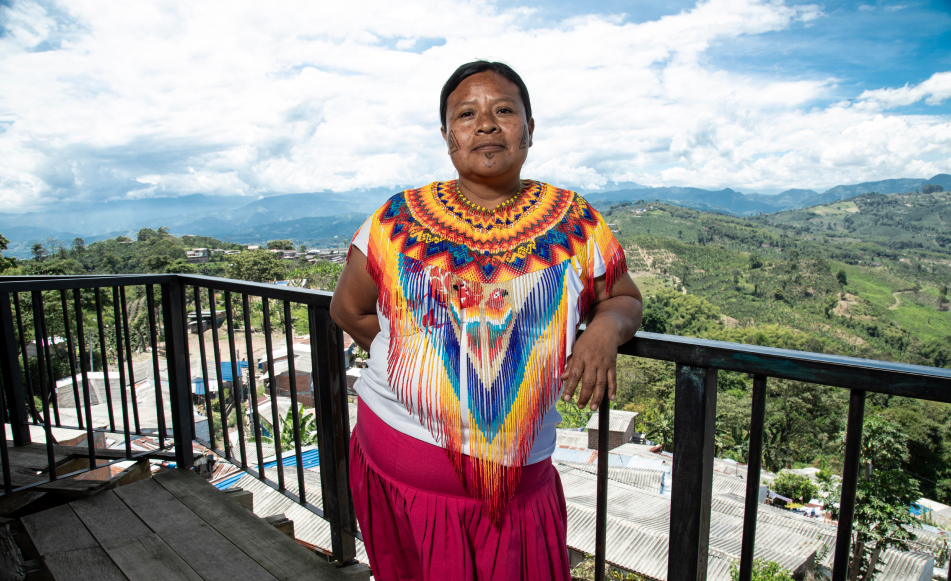
Idalba Niaza
Workshop: Arte y Joyas
Craft: Weaving
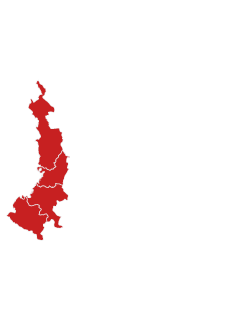
Trail: Risaralda Route
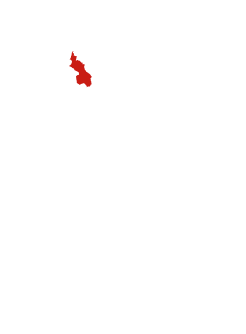
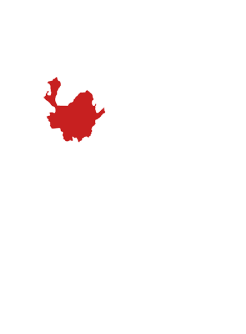
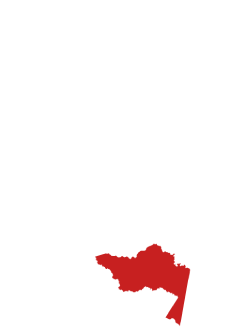
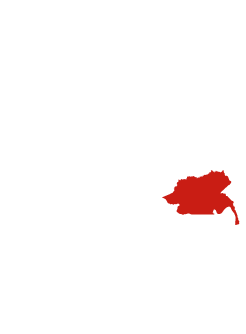
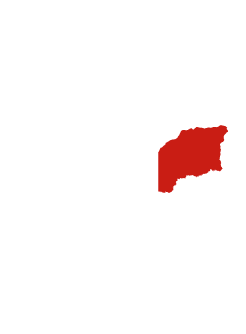
Location: Marsella, Risaralda
SCHEDULE YOUR VISIT
Resguardo Suratena Nueva, Marsella
3216322627
idalbaniaza35@gmail.com
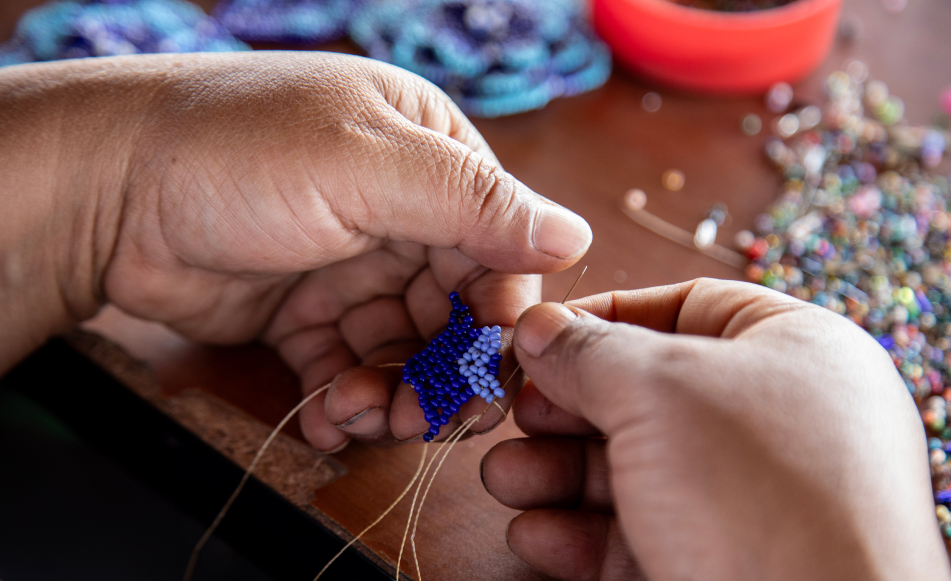
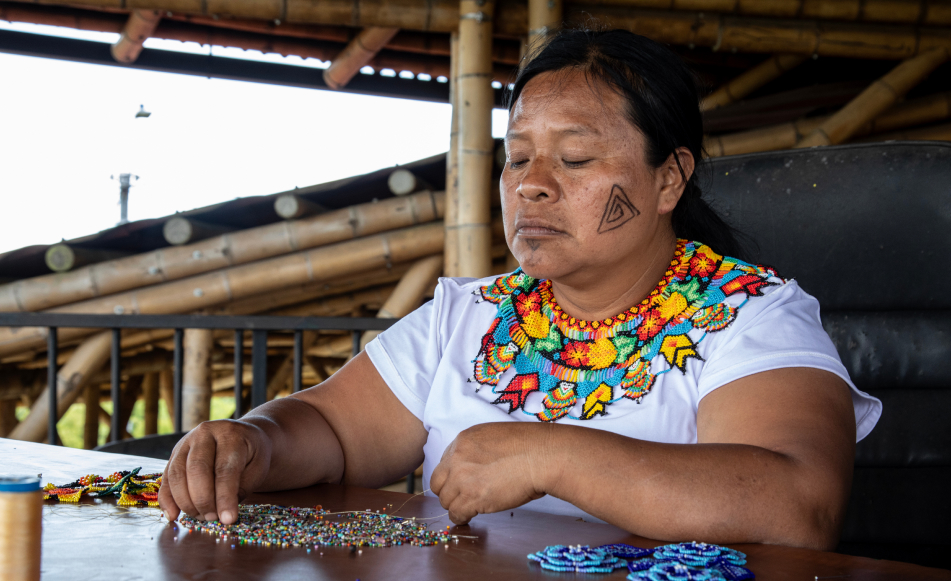
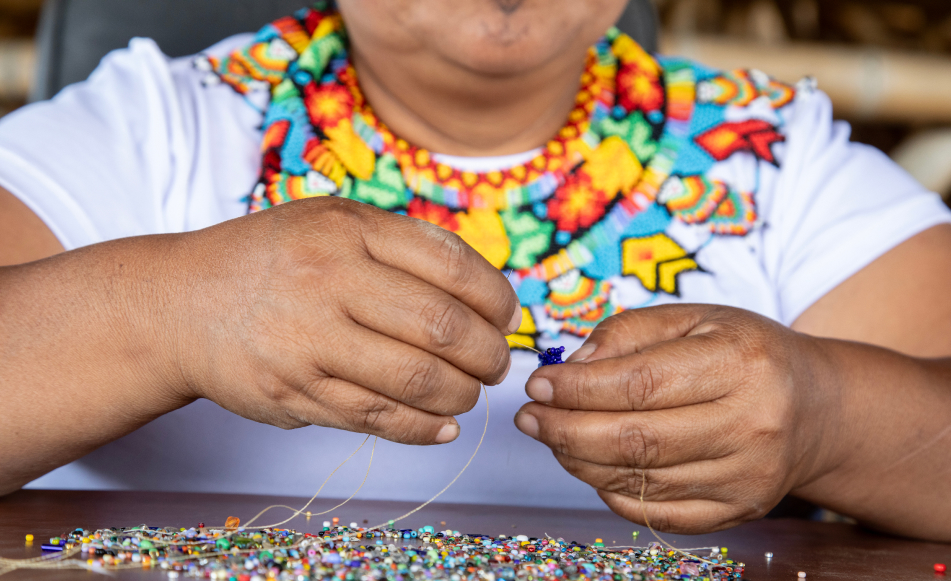
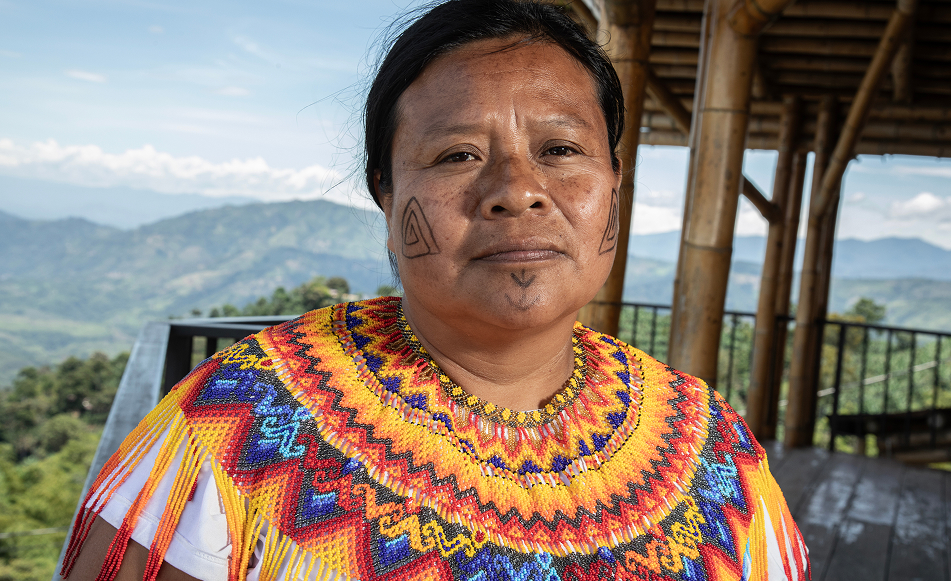
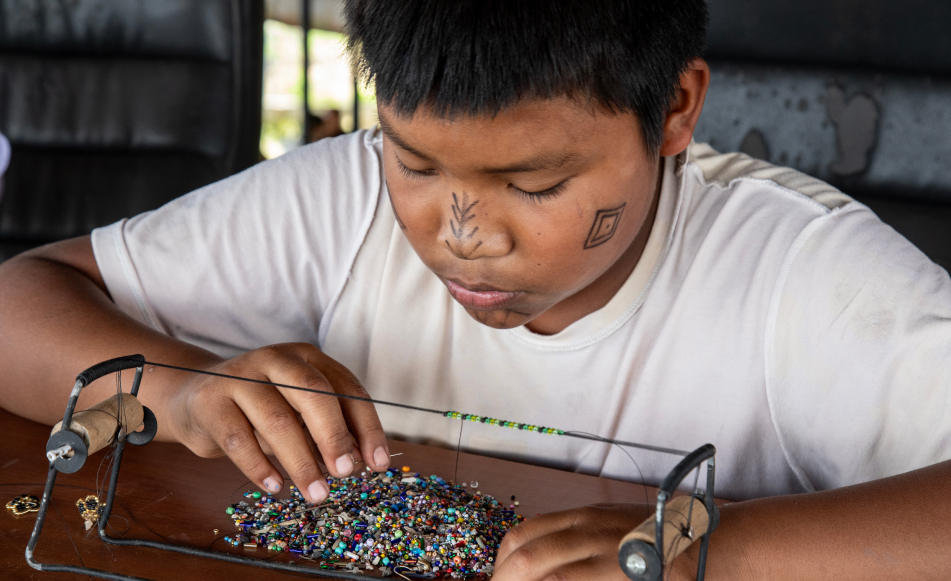
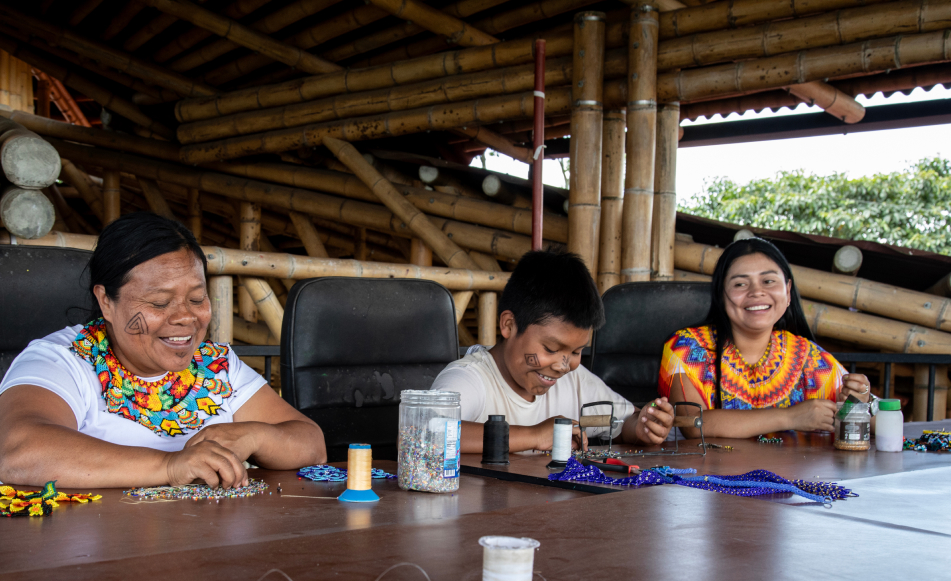
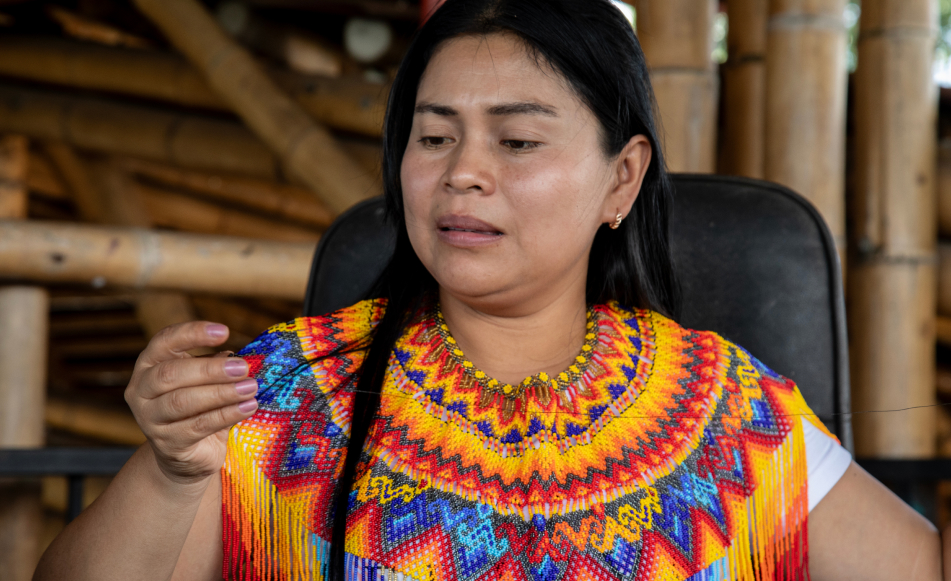
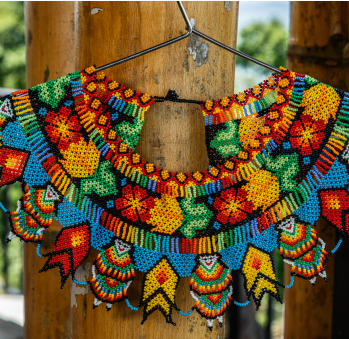
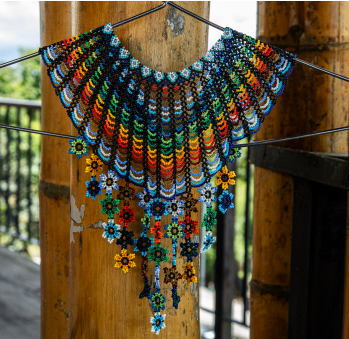
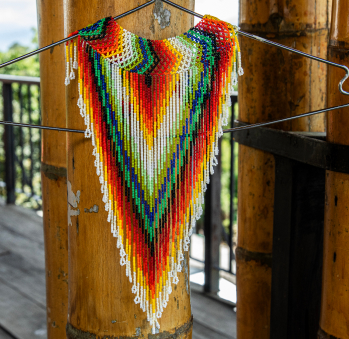
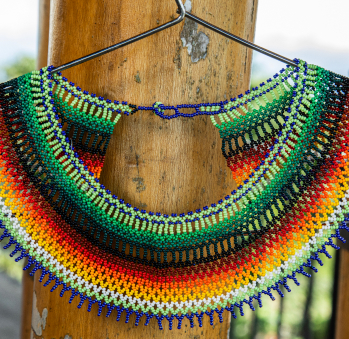
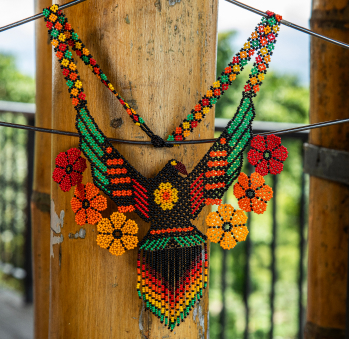
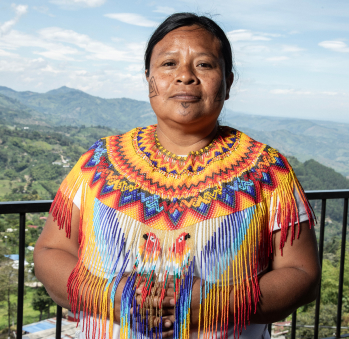
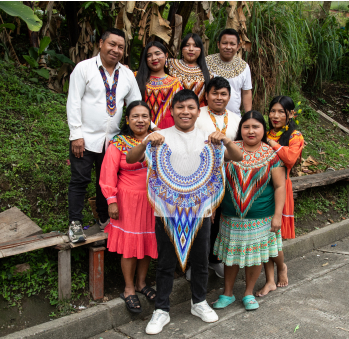
When Idalba Niaza imagines the very first person to weave the traditional pieces of her Embera Chamí community, the image that comes to her mind is that of a woman. For her, it must have begun with someone— a woman—who sat down, carefully observed nature, and thought about how to reproduce what she saw. Then she imagined the colors, the order of what she would weave with the seeds she had gathered. Idalba thinks of a woman because she knows, as a woman herself, how vast their imagination is. While men certainly have their own, she says, women’s imagination surpasses theirs. That’s because women are used to sitting down and reflecting, planning each day by revisiting what they did yesterday and anticipating what they’ll do tomorrow, patiently resolving in their minds the intricate designs they will later bring to life with their hands—day after day, without pause. And reality supports her belief: among the 800 people who live in her Indigenous reserve, it is far more common to see women weaving with Czech seed beads. Finding a man weaving would be rare. Men, instead, usually rise each morning, brush their teeth, and head to the fields to tend plantain and coffee crops.
Returning to the founding stories, Idalba speaks of her father, Mario Niaza, one of the founders of the resguardo and its first leader. The resguardo of Suratena—whose name reminds them of the Embera word for worm, surra—was established in the mountains of Marsella after the community was forced to leave northern Risaralda due to displacement. Later, they had to rebuild it a little higher up because of landslides, still accompanied by worms, opossums, armadillos, and birds—their companions and friends. Streams and waterfalls cut through the territory, constant reminders of something their people understand deeply: without water, we are nothing. That truth is woven into their crafts every time they add a small blue bead. And with the same attention and reverence, they welcome visitors into their “house of thought” to share their mountains and their craft. With equal enthusiasm, Idalba adds that anyone who wishes to learn about farming is also taught.
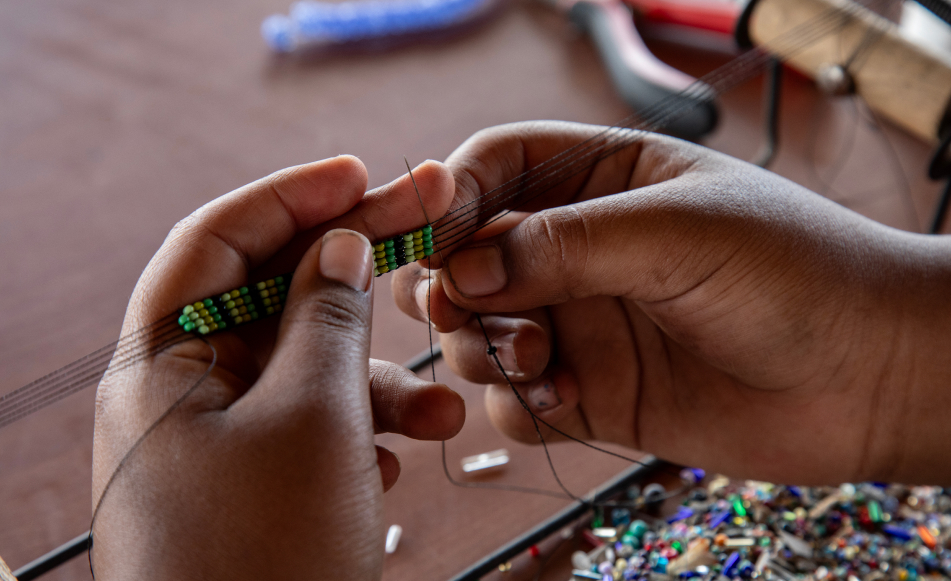
As for her own path in craftsmanship, she imagines her grandmother teaching her mother everything that was later passed down to her, and through her, to her five children. And although it was her mother who first taught her the art—placing bead after bead to recreate the natural world—it was her friend Solani Zapata who encouraged her to perfect her necklaces, bracelets, and anklets, to the point that even her teacher admitted that Idalba had surpassed her. From then on, they became colleagues, along with Noralba Murillo, and the extended families of each. They work together as a collective where every woman’s voice carries the same weight.
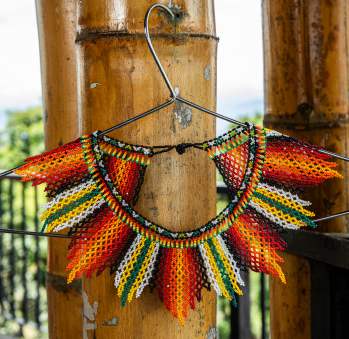
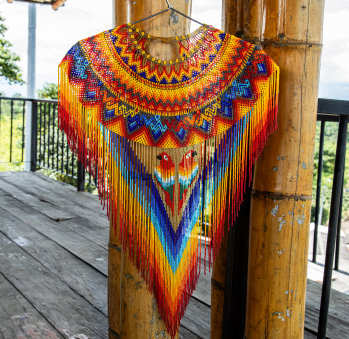
As a craftswoman rooted in tradition, Idalba imagines her ancestors weaving during their spare time in the mountains, dreaming that one day others would see their creations. After years of practice—and of feeling the toll of long hours of concentration in her tired eyes—she knows now that it has been worth it to weave. To weave the yellow of the sun, the green of nature, the red of blood, the brown of earth, the blue of water and sky, the black of darkness, and the white of purity. And she hopes that others will continue weaving, always explaining to those who take their pieces the meaning of each color, so that the practice never ends. Because if it were ever lost, their very culture—the lifeblood running through their veins—would disappear along with it.
Workshop and process
Craft
Artisans along the way
Artisans along the way



No puede copiar contenido de esta página