
Jaipono
Workshop: Jaipono
Craft: Weaving
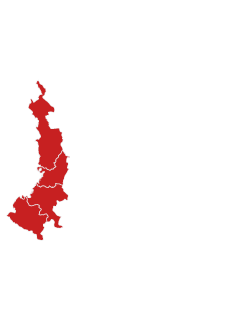
Trail: Risaralda Route
Location: Pereira, Risaralda
SCHEDULE YOUR VISIT
Manzana 29, casa 22, Barrio 22 (esquinero)
3134003964
tanigamanacavera@gmail.com
@jaipono.co
@EmberaChamiJaipono
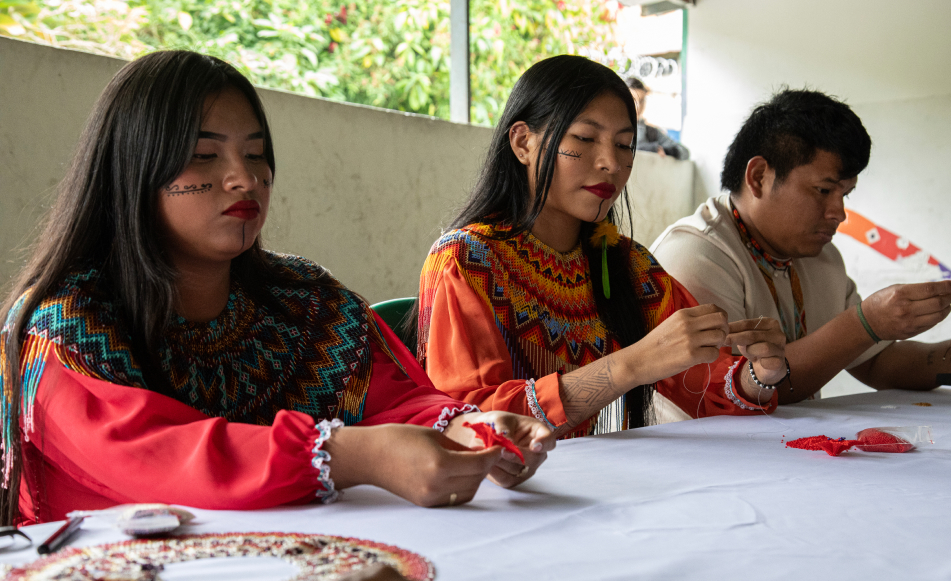
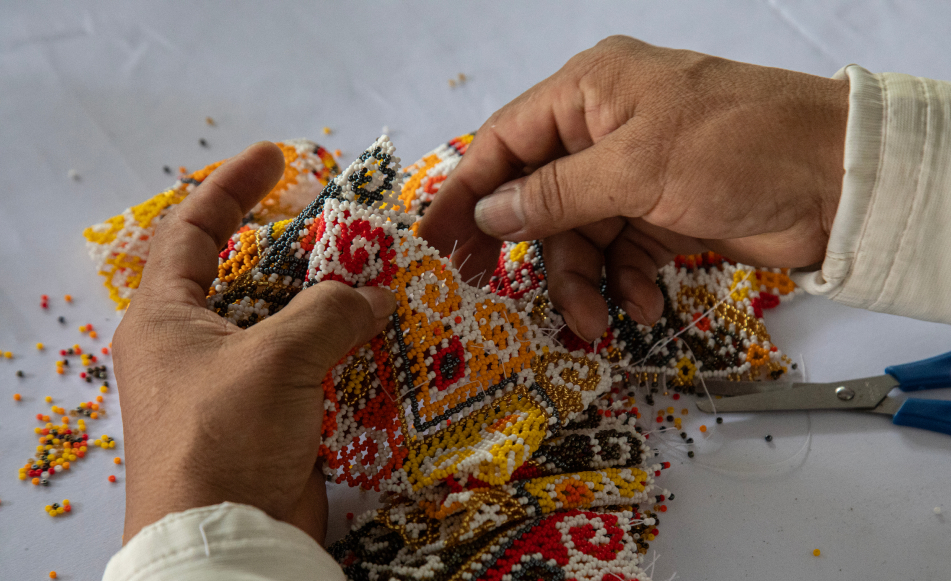
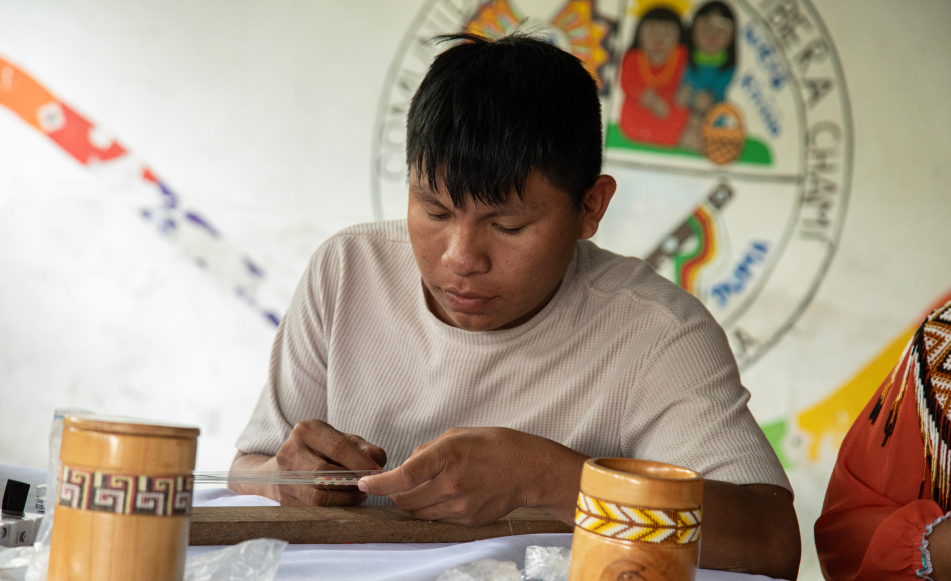
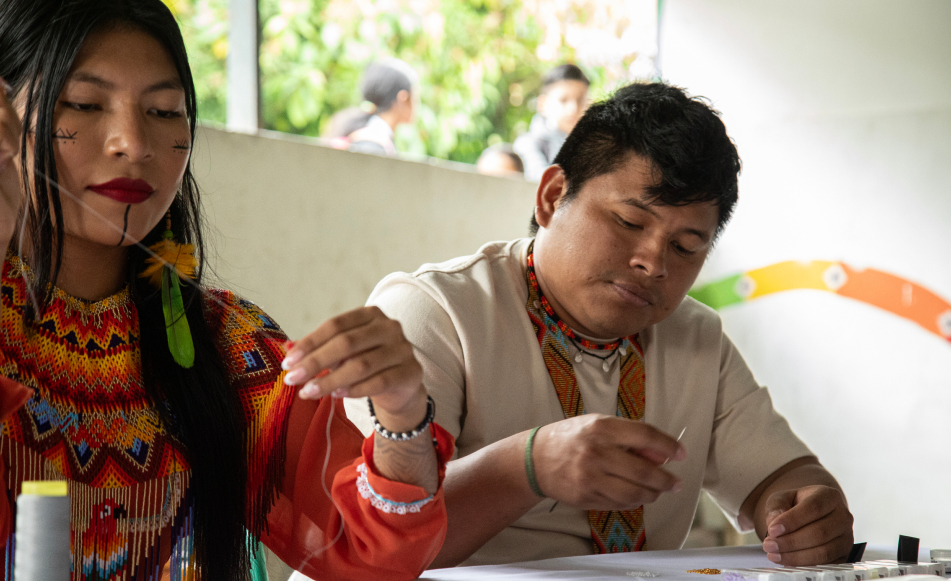
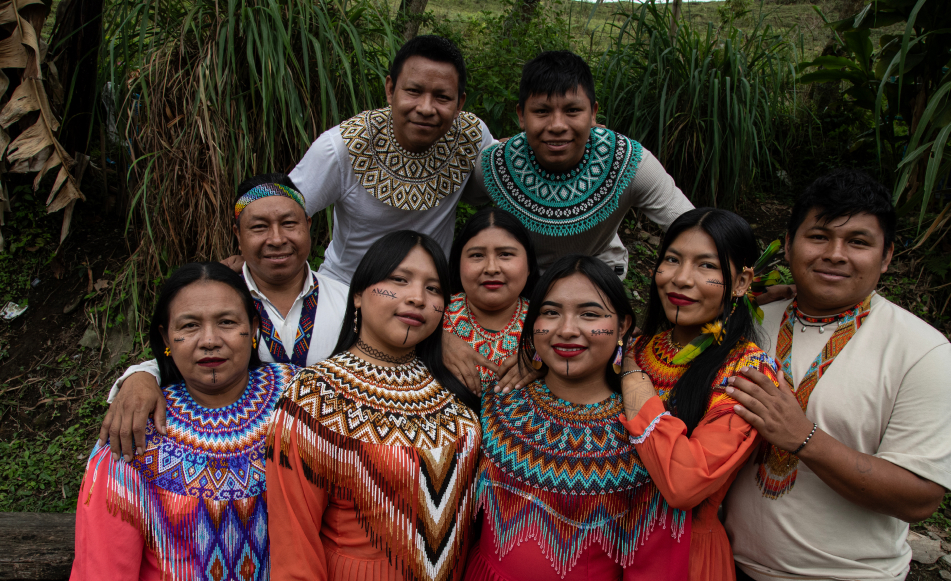
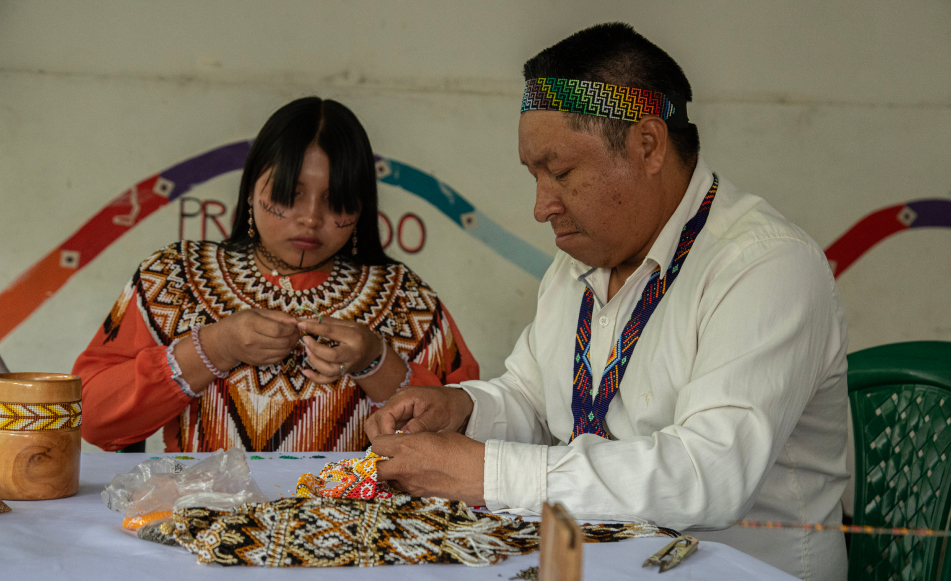
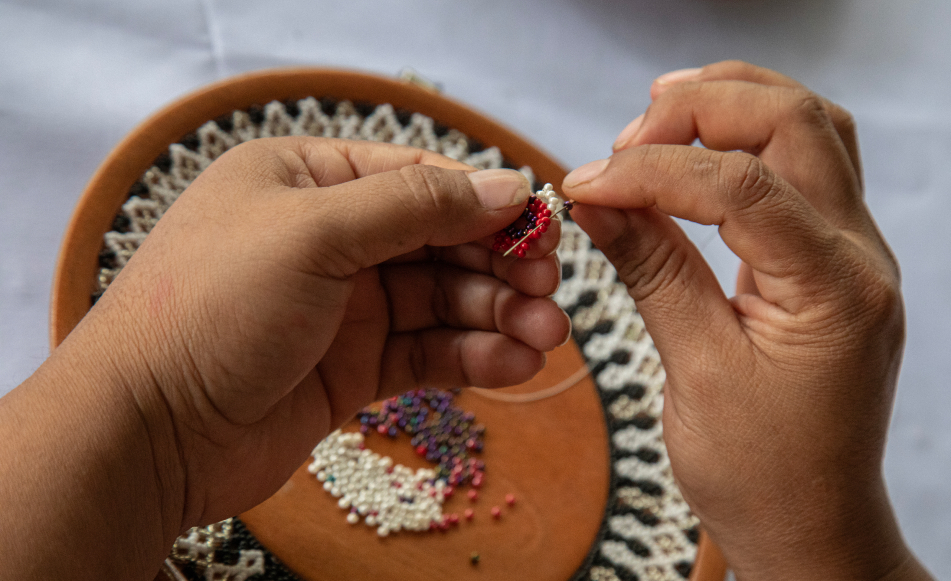
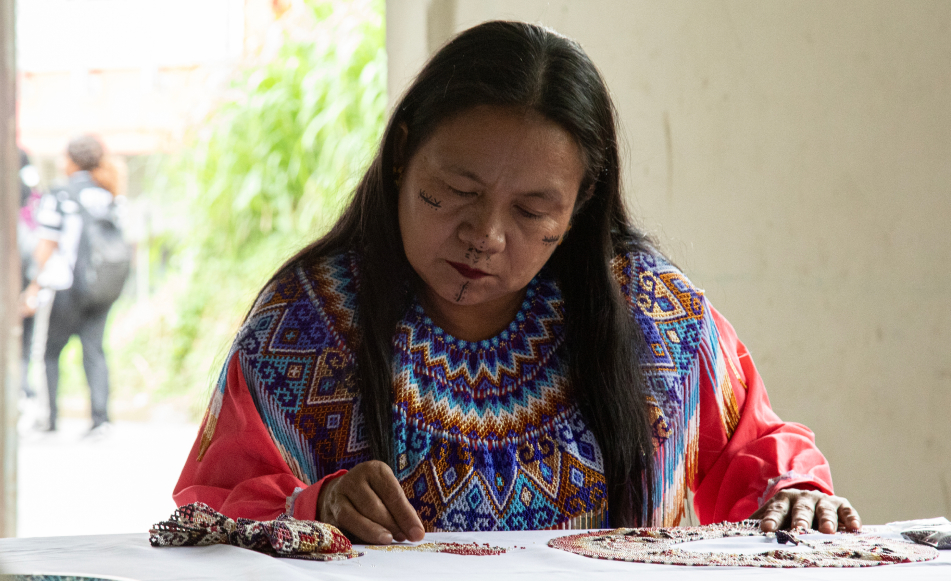
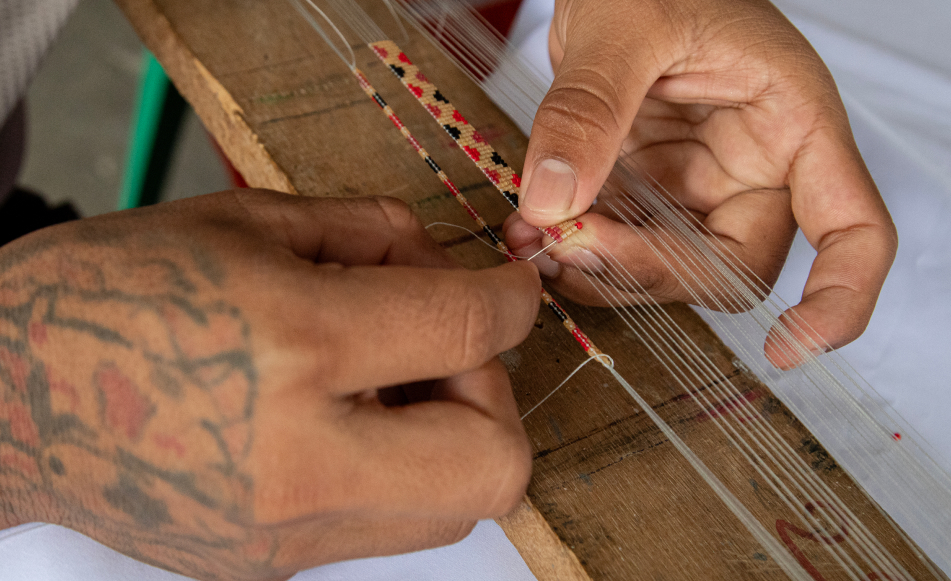
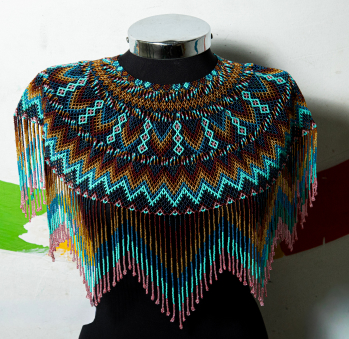
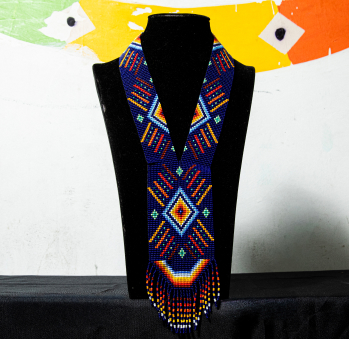
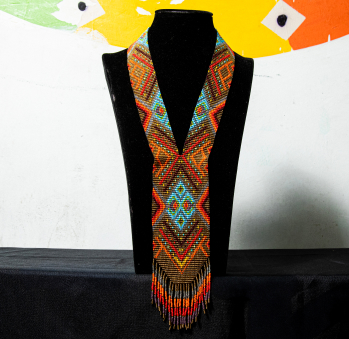
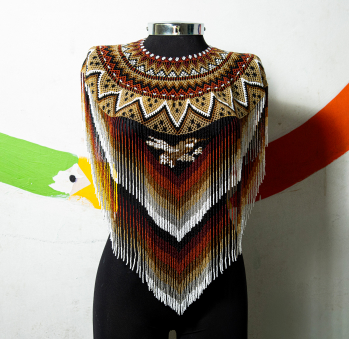
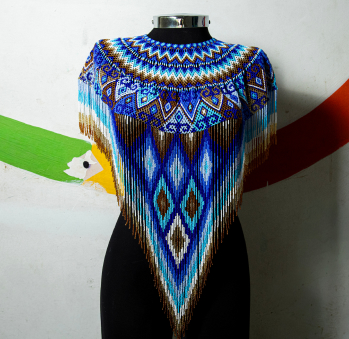
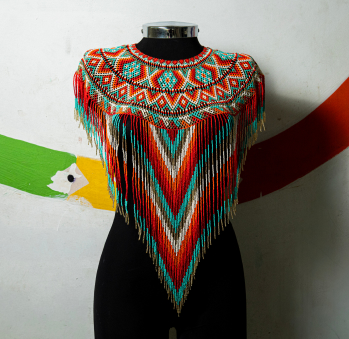
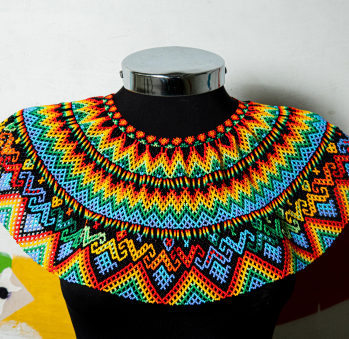
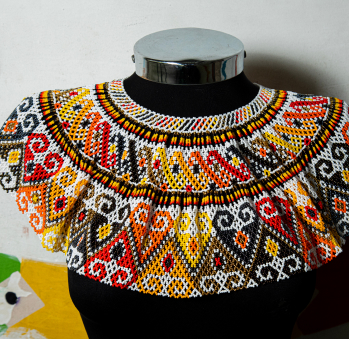
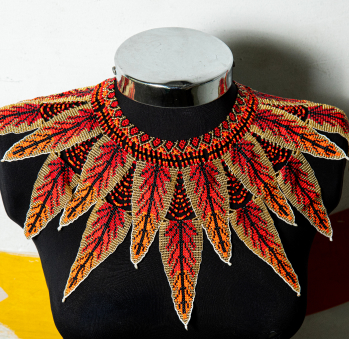
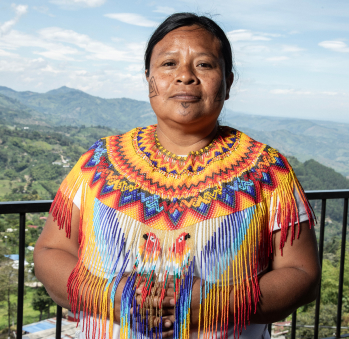
Those pieces woven from Czech beads, draped over the shoulders and chest of Emberá Chamí women—that delicate lattice of symbols that accompany them, requiring no less than fifteen days of painstaking work by two sets of hands—are called okama. The largest ones are worn by married women. These are the pieces that Gladys Nacavera and Mario Tanigama, a husband-and-wife team, specialized in when they arrived in Pereira around the year 2000. They had been forced to leave Pueblo Rico, nearly 100 kilometers from the capital of Risaralda, like so many displaced Indigenous families. And although there was no work waiting in the city, there was still rent to pay. That was when they discovered the beads that would replace the seeds of chumbimba, sirindango, and chochitos with which they had learned to weave long before their creations became something they could sell. And while they could no longer plant their seeds in the city, applying their ancestral technique to beads was not difficult. In fact, they embraced the tiny size and the wealth of colors to create ever more intricate designs.
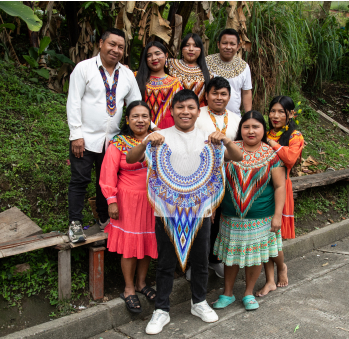
This is the story that Edilson Tanigama tells about his parents’ path. He knows they gave him the greatest example: to keep the traditions of their people alive even in the city, and in doing so, to find balance between two worlds. That is why today his life revolves around the craft he inherited—one he lovingly promotes alongside his wife, Angie Tatiana Guatiquí, from their home in the Las Brisas neighborhood of Pereira.
The okama, embodying the path and the thoughts of the person who wears them, also carry this story. Their symbolism speaks of encounter and territory. The path symbol, for instance, resembles the mountains that give his people their name, since Emberá Chamí translates as People of the Cordillera. It refers both to the land itself and to the journey his family was forced to take when they left it: the roads traveled by the Tanigama Nacavera family to sell their crafts in public parks, making their way to Ibagué and Medellín, and how those journeys strengthened them so that now the Tanigama Guatiquí family can continue walking the same path. There is also the symbol of the flute and the wind—a reminder of the instrument once used to communicate across distances, even when separated by the mountains of the Western Cordillera to which they belong. And the birds, which never fail to appear, are drawn into the okama because they have always been faithful companions of the Emberá Chamí—especially for children, who were often given a parrot to accompany them to the river or to the harvest, a friend who would look after them. That is why hummingbirds, parrots, and macaws appear in bright beadwork.
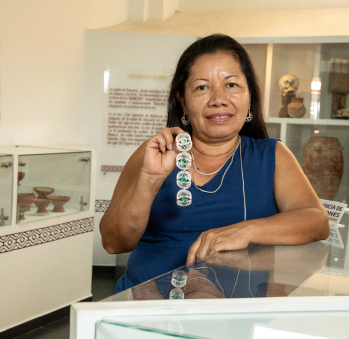
And what would the path be without the next generation to walk it? For this family, the journey flows toward their daughter, with her sacred-flower name, Emily Nepono. Her mother gently teaches her the meaning of everything they do: their makeup, their dances, their songs. Emily responds by singing in her own language, proud and sure of herself. In time, it will be her turn to shape her own journey, guided by her parents’ example. Meanwhile, they are now learning silversmithing to revive and reimagine another piece Edilson remembers seeing around the necks of his elders as a child: jewelry crafted from coins, a skill his father still recalls. Surely, these too will become another way of keeping memory alive—just as the okama have done until now.
Workshop and process
Craft
Artisans along the way
Artisans along the way



No puede copiar contenido de esta página