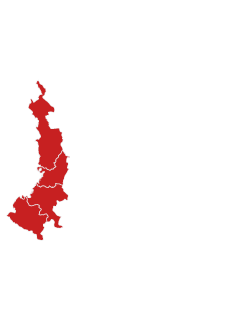
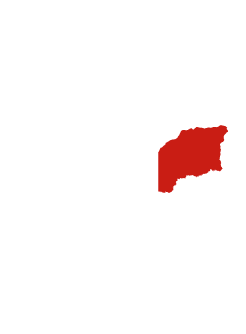

Risaralda Route
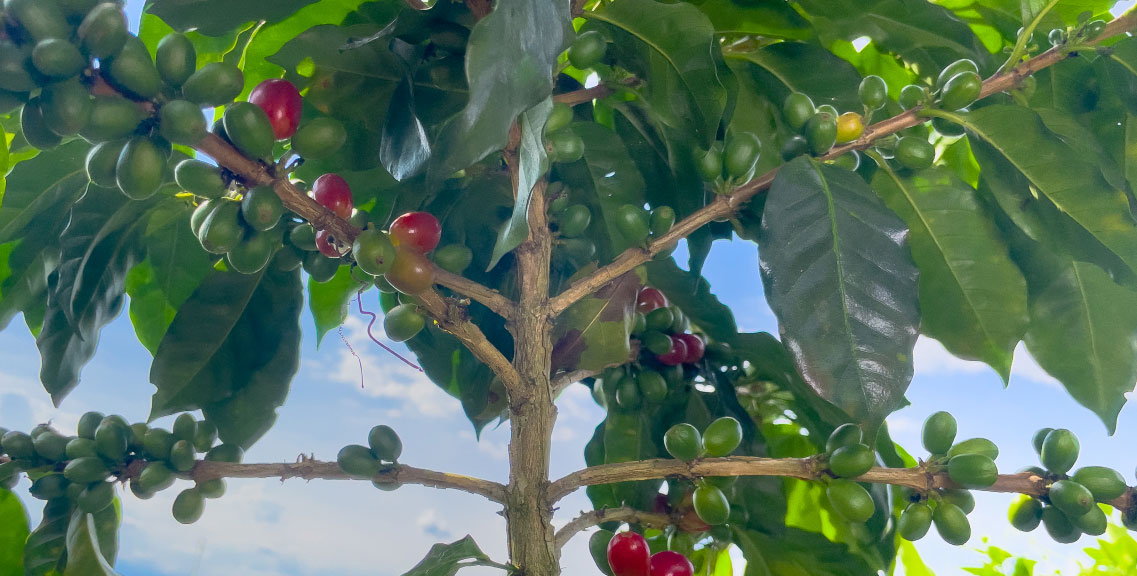
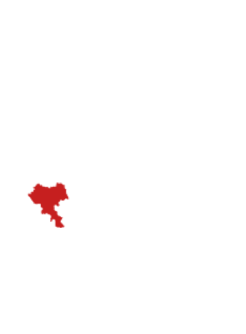
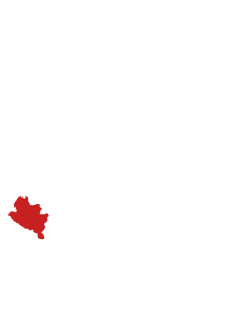
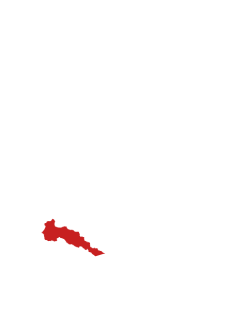
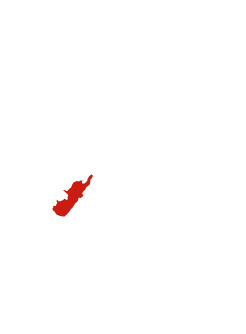
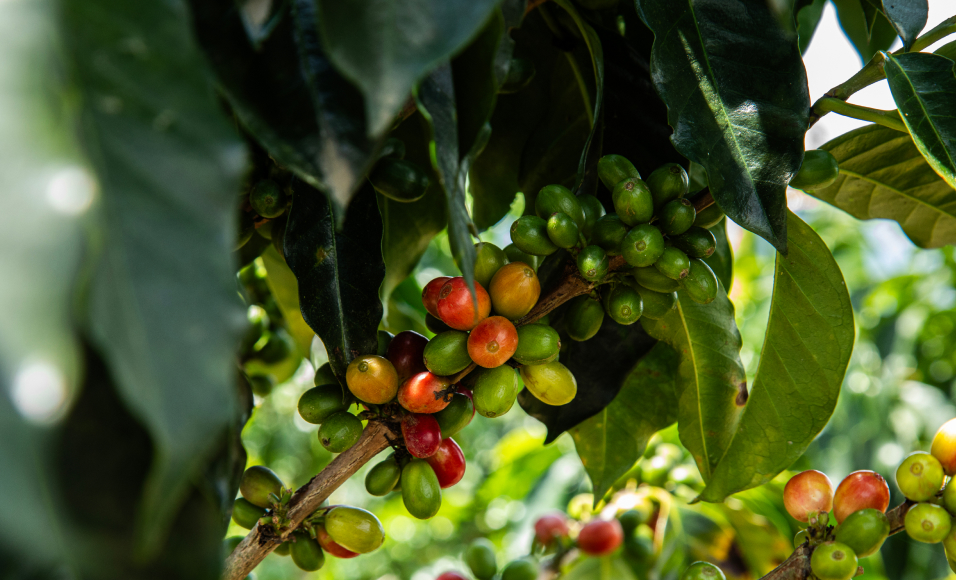
Risaralda stretches across coffee-covered, forested mountains, framed by the tropical rainforest along its border with Chocó and its neighboring departments of the old Caldas region. Expect a journey of mild weather and abundant waters: you’ll cross the Cauca River, bathe in waterfalls in nearly every artisan town, and especially enjoy the famous hot springs of Santa Rosa de Cabal (don’t miss their renowned chorizos). You’ll be surrounded by a treasure of flora and fauna, with its most emblematic plant growing on steep slopes, lovingly cared for by its people devoted to coffee traditions.
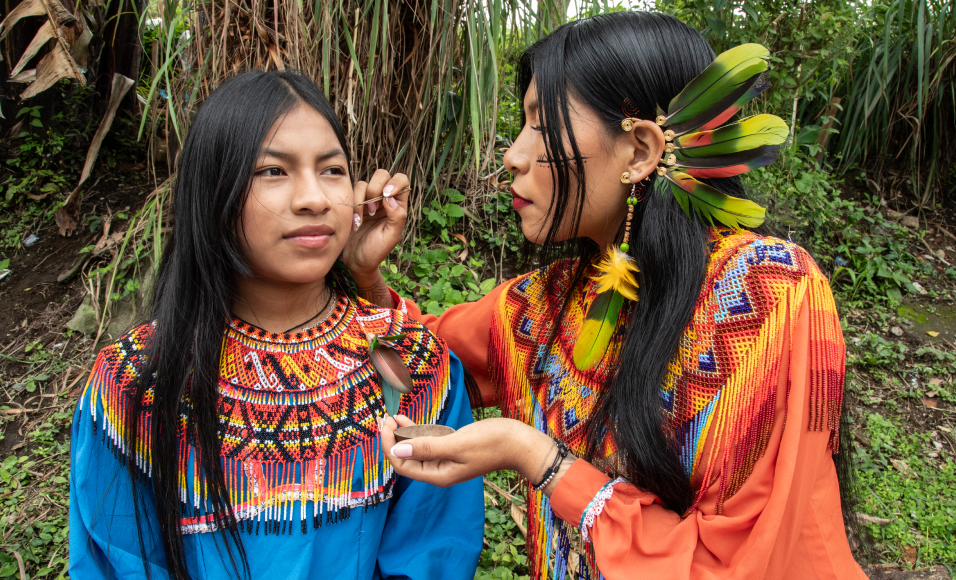
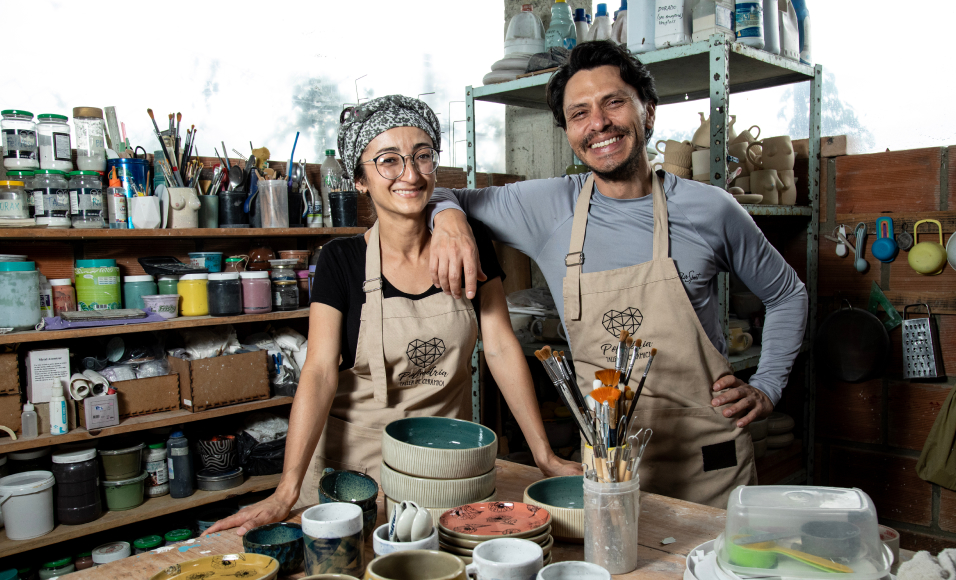
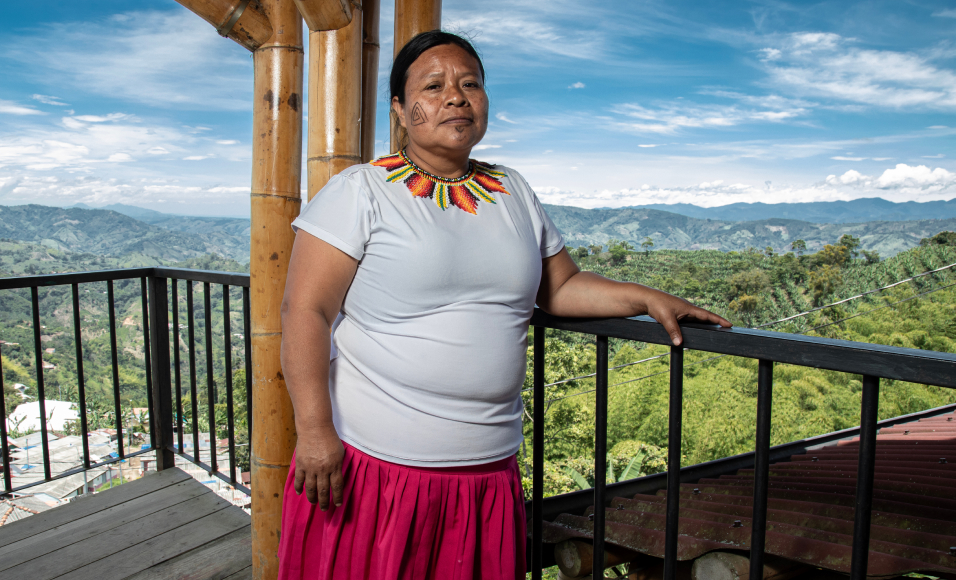
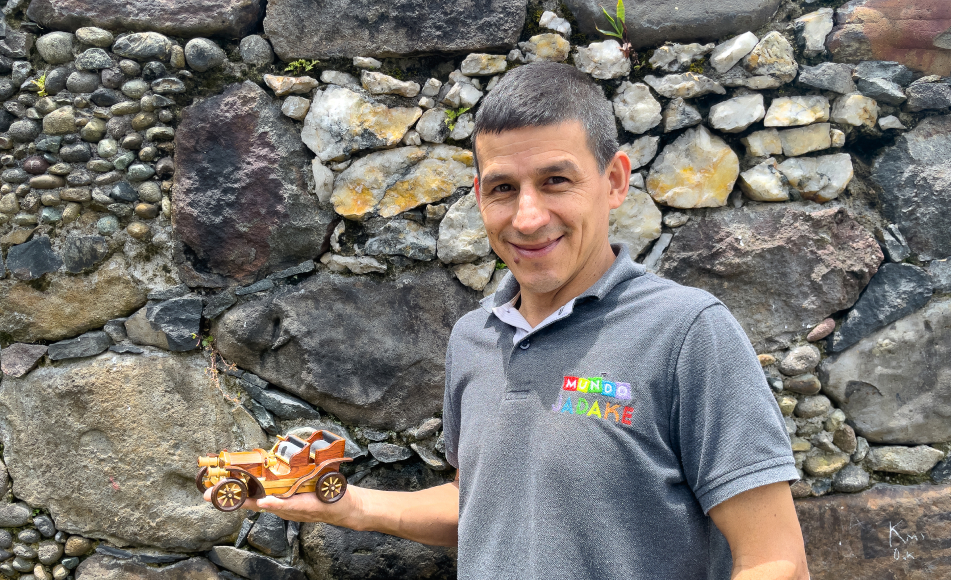
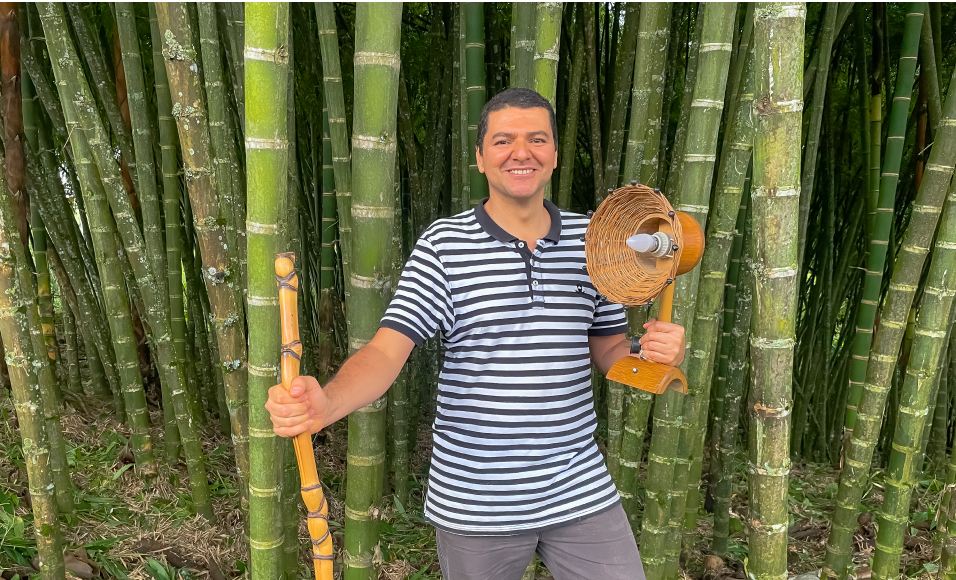
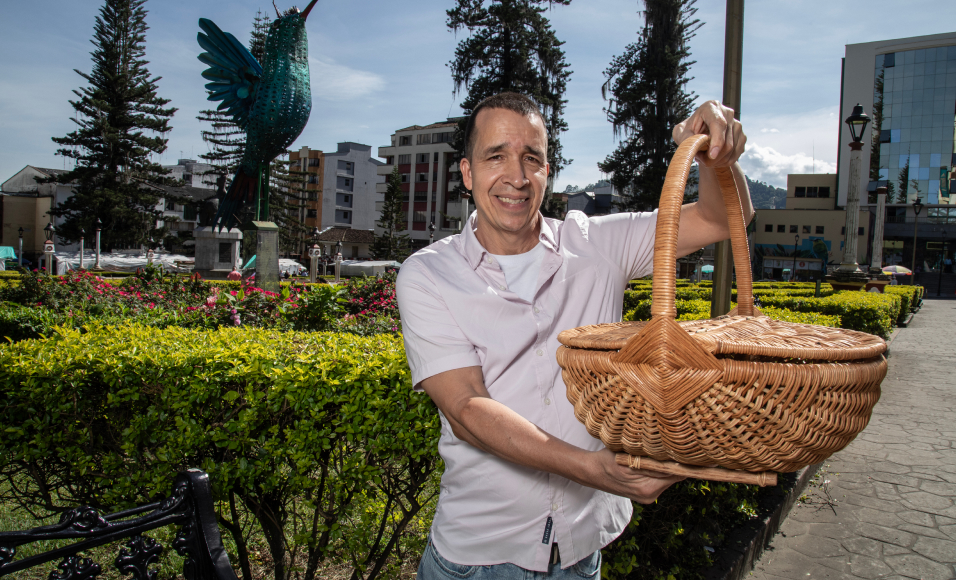
Here, you can also dive into the Coffee Cultural Landscape on farms that offer immersive experiences, and, of course, savor a cup of top-quality coffee at every café you encounter. Risaralda vibrates with the blend of cultures—visible in the variety of materials its artisans use. To the legacy of the Quimbaya people and the Embera Chamí community, you can add the traditions of settlers who arrived during the Antioquian colonization, as well as those who came from the Pacific, from old Caldas, and even from neighboring Tolima and Valle del Cauca. This cultural mix has resulted in equally diverse crafts: intricate beadwork by Embera hands, mastery of vine weaving into baskets, wood and guadua bamboo that shape the landscape, golden threads transformed into filigree jewelry, and ceramics born from the earth. Discover them all in the company of the region’s warm, welcoming people—you’ll feel right at home.
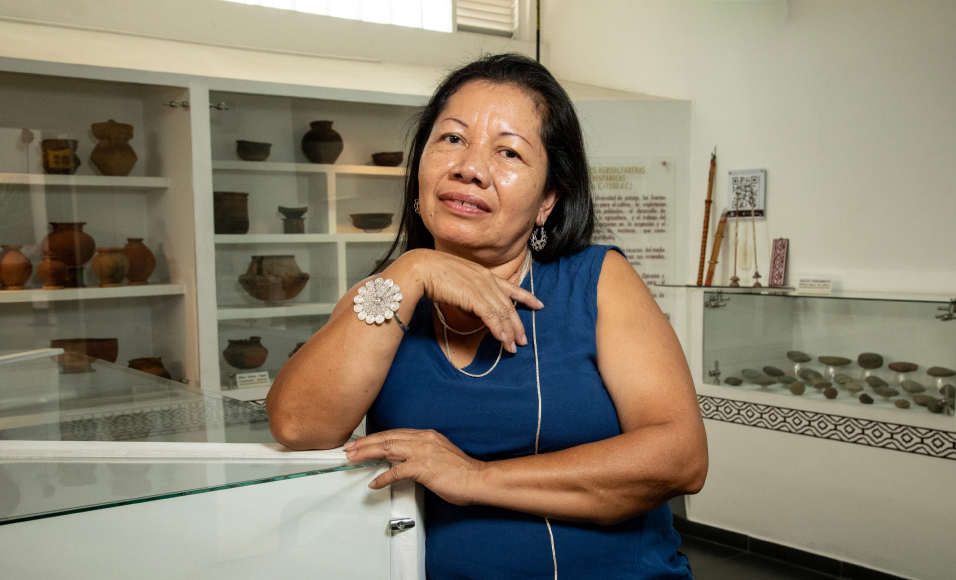
Embark on a journey full of history
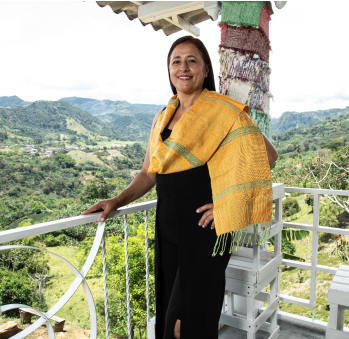
Artisans along the way
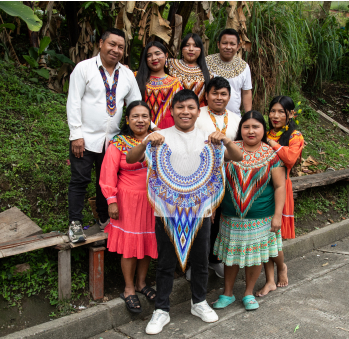
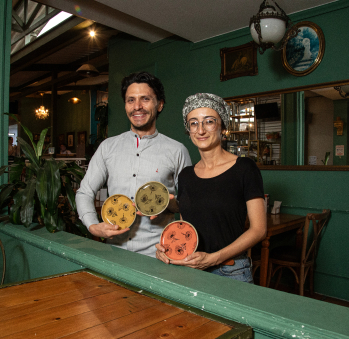
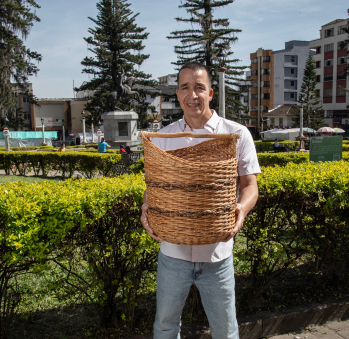
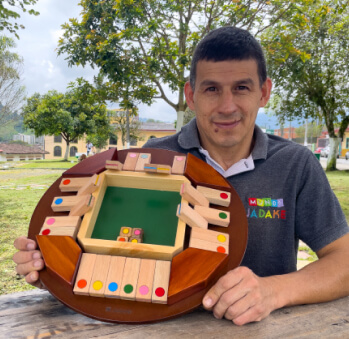
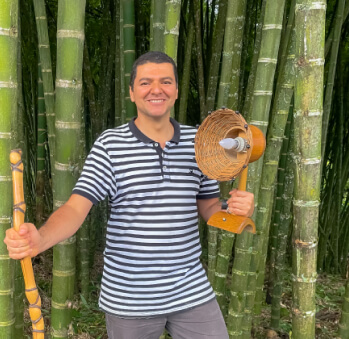
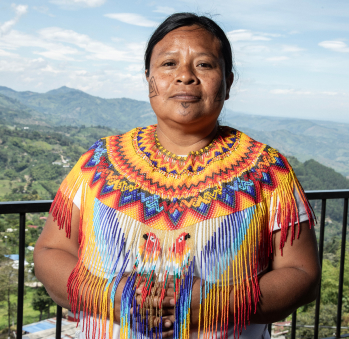
Artisans along the way
We recommended this tour
 Recommendations
Schedule the visit in advance with the artisans.
Carry cash.
 Length
5 days
 Physical Complexity
 Transportation
Car or Bus
PEREIRA
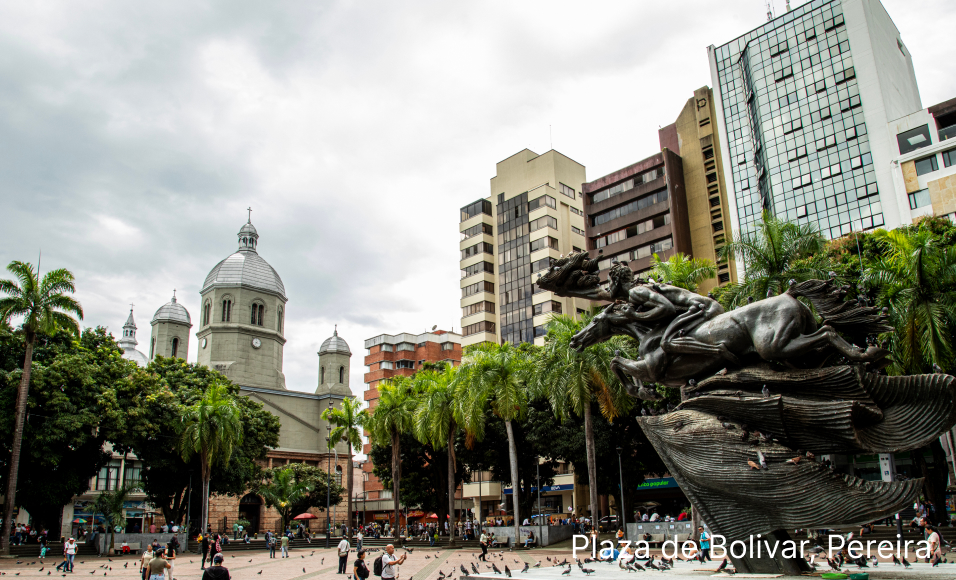
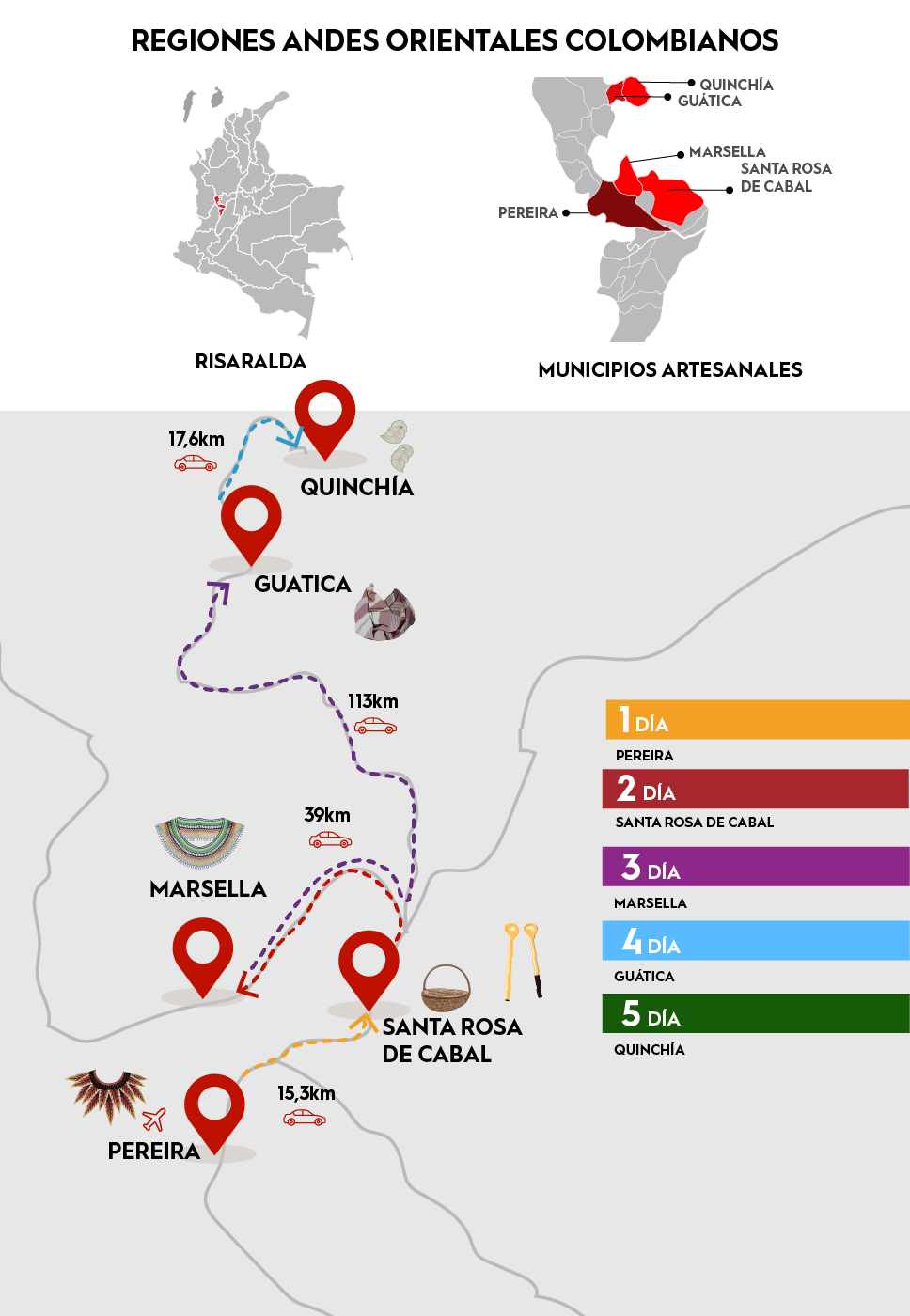
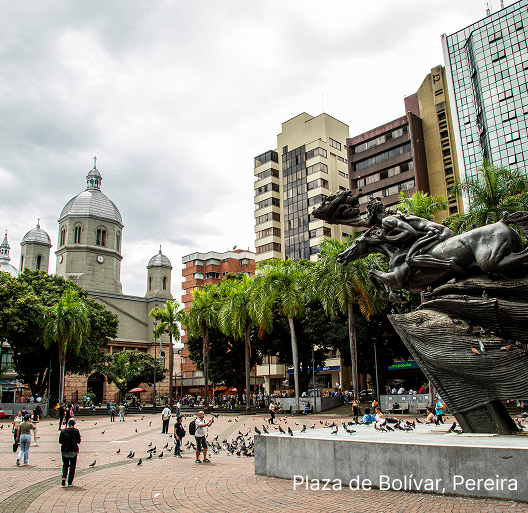
Known as the Pearl of the Otún—“querendona, trasnochadora y morena”—Pereira is our starting point. You can fly directly into Matecaña International Airport, the only international airport in the Coffee Axis. Begin your visit by discovering the work of Jaipono, one of the many Embera Chamí families established in the city. From there, explore the Cathedral of Our Lady of Poverty and the famous Naked Bolívar statue by sculptor Rodrigo Arenas Betancourt in the main square, located near the Parque El Lago Uribe Uribe and the César Gaviria Trujillo Viaduct. On the city’s outskirts, you can visit Ukumarí Biopark or ride the Megacable, Colombia’s most modern and longest cable car, which takes you to the city’s suburbs where coffee estates dominate the landscape.
SANTA ROSA DE CABAL
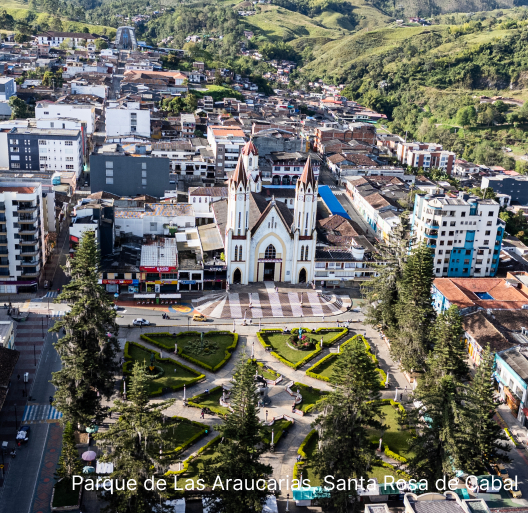
Just 14 km from Pereira—everything here is nearby—you’ll find landscapes that invite you to slow down and savor them. Along the Pereira–Santa Rosa road, stop at Mirador del Tambo, where you’ll enjoy sweeping views of Dosquebradas and Pereira, along with plenty of restaurants and cafés. Santa Rosa is home to the region’s famous sausage chorizo santarrosano and spectacular hot springs, both unmissable experiences. The town also features a striking Araucaria forest on its main square, and you’ll be amazed by the devotion to the Virgin of the Miraculous Medal in a sanctuary adorned with beautiful stained glass. Another landmark is the Monument to the Machete, symbol of this hardworking town tied to woodcraft and coffee harvesting. Here you can also meet artisans working with wood, bamboo, vine, and ceramics. Plan your time by visiting an artisan and enjoying the hot springs in one day, then dedicating the next to completing the artisan circuit and sampling the town’s culinary delights, supported by its wide range of accommodations. This is where you’ll truly experience coffee culture and its many products.
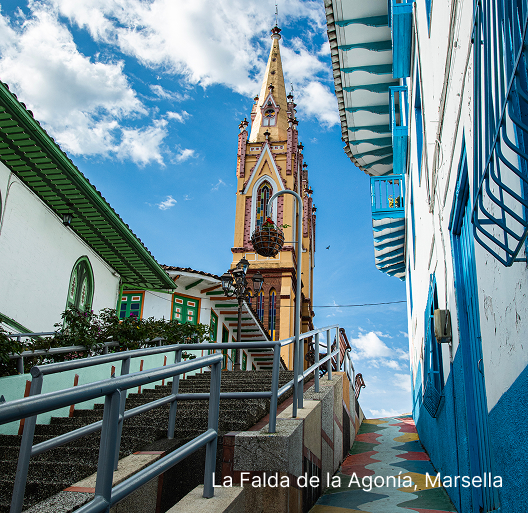
MARSELLA
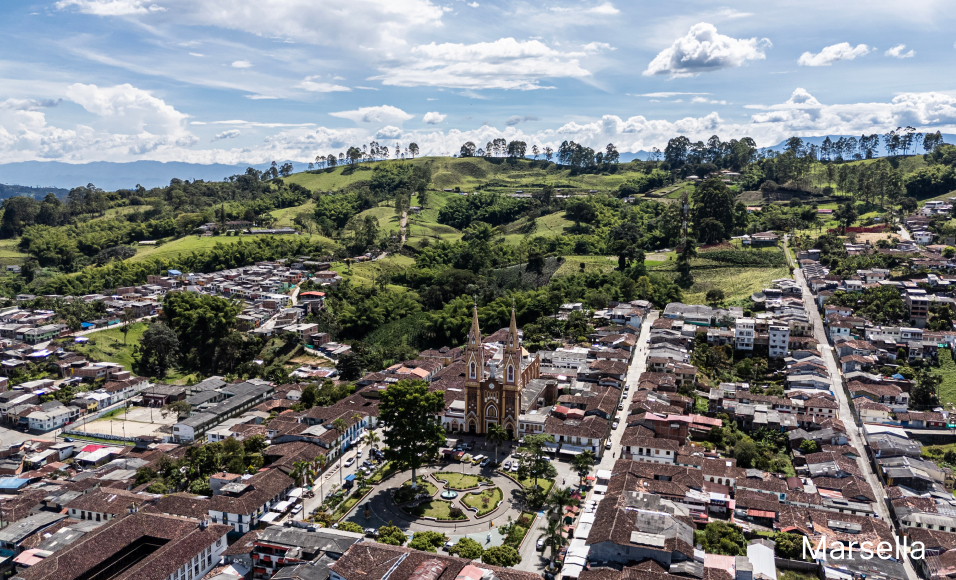
Marsella is a charming town, with Bolívar Park, colorful houses, and traditional bahareque bamboo-and-earth architecture typical of the Coffee Cultural Landscape. Its warm climate and surrounding mountains will make you want to linger. Visit its House of Culture and Museum of Victims of the Cauca River, or explore the Nona forest reserve. If you travel in July, don’t miss the Chicken and Ornato Festival. Just 25 minutes away by motorcycle lies the Embera Indigenous Reserve of Suratena, where you’ll meet artisan Idalba Niaza and her exquisite beadwork. Contact her in advance to arrange transport and entry permission. It’s best to visit during the dry season, as the road conditions can be difficult. Return to Pereira in the afternoon—it’s only an hour away.
GUÁTICA
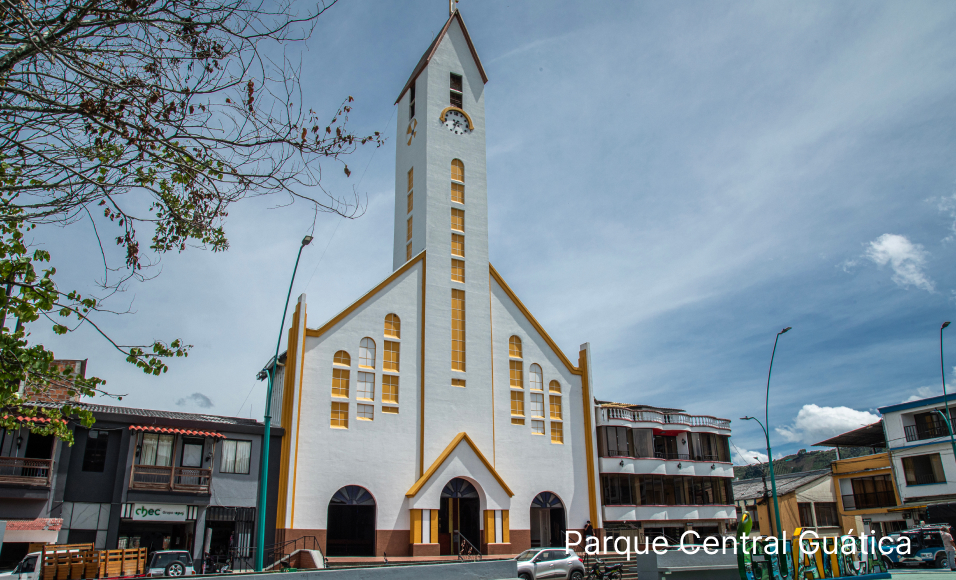
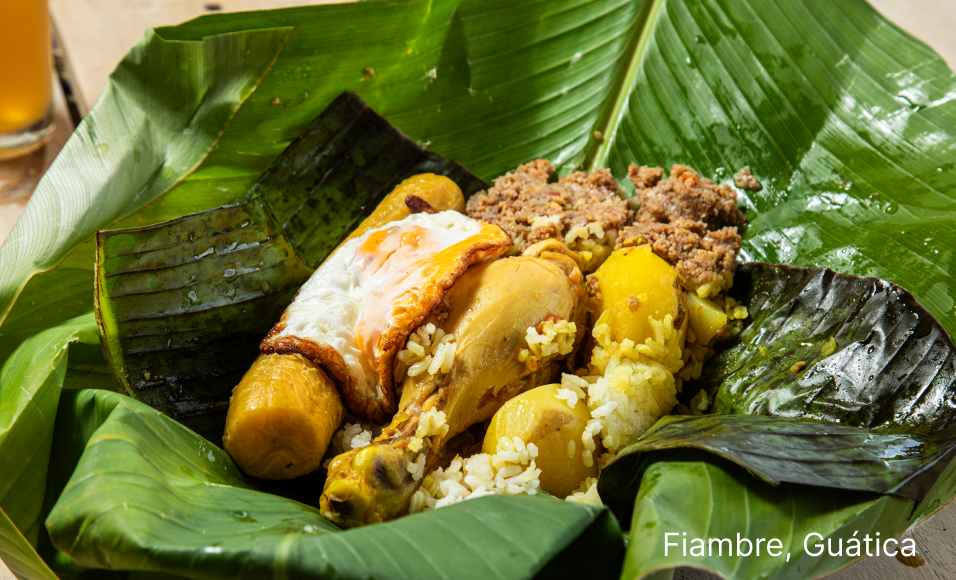
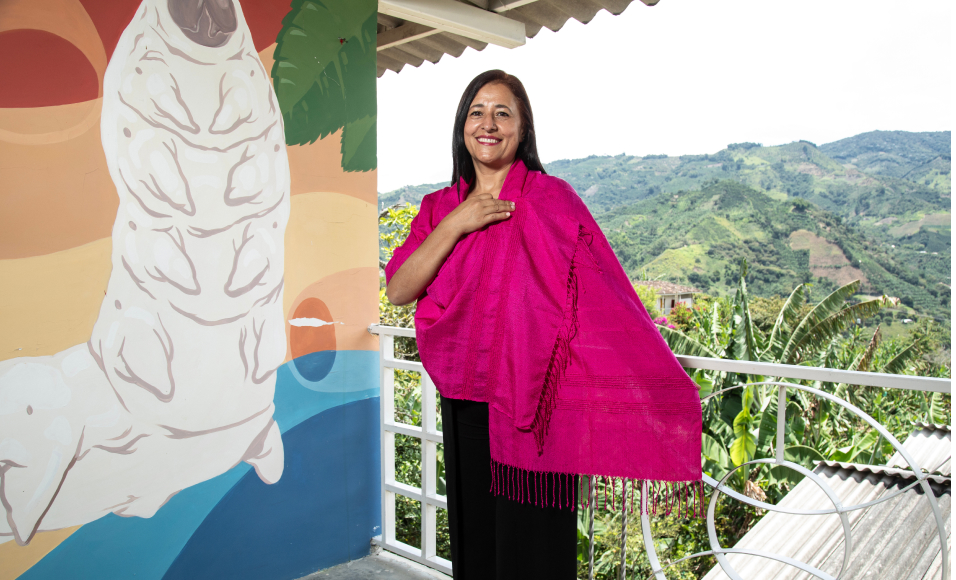
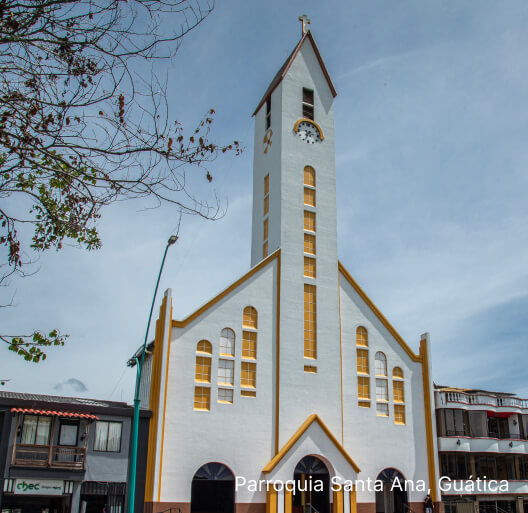
Heading north via La Virginia, Viterbo, and Anserma, you’ll reach Guática in about two hours from Pereira. Here, the silkworms tended by Galesda’s family await you. Spend the day at ecological farms like Las Diosas, Los Arredondos, or El Edén; follow the panela (unrefined sugar) route in Santa Ana; or visit waterfalls such as Guaravita and Las Diosas. While here, treat yourself to local dishes like beans with guatila and cabbage, the traditional fiambre montañero, or sweet preserves made from orange and squash. From Guática, you’re only half an hour from Quinchía.
QUINCHÍA
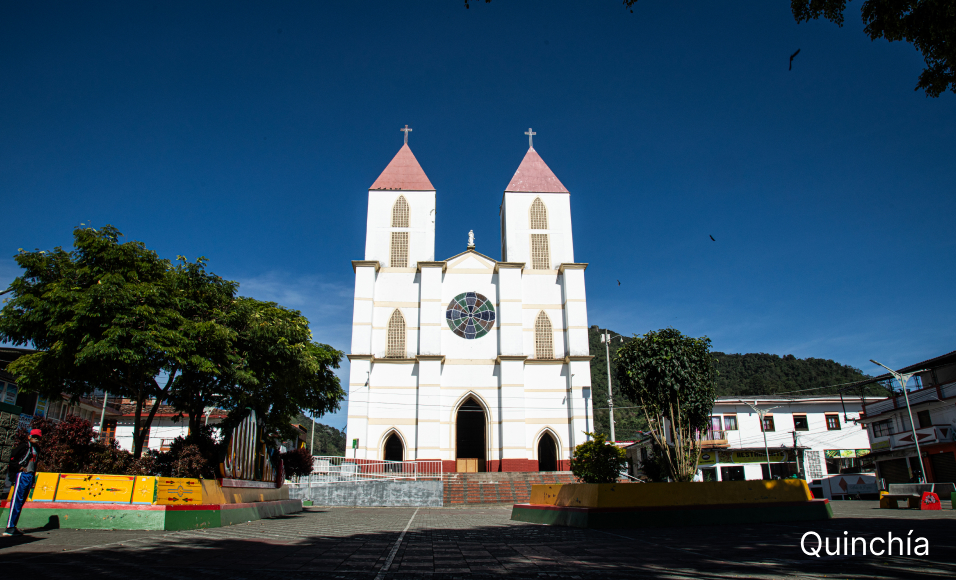
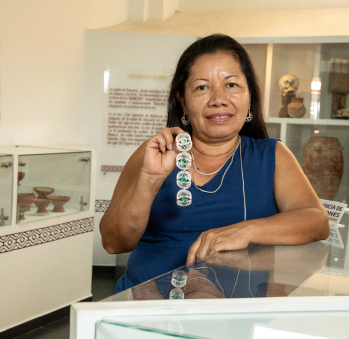
End your Risaralda journey in the Hill’s Town, Quinchía, a town known for its gold and for the skilled hands that transform it into fine jewelry. Rest while exploring the Tierras de Xixaraca Archaeological Museum or the Albeiro Manco Manzo Botanical Garden. Surrounded by fourteen hills crisscrossed with trails, Quinchía also offers easy access to numerous waterfalls. A refreshing dip in them will be your well-deserved reward.
Traditional cuisine
and typical bites
Provoke yourself
Don't leave without eating this 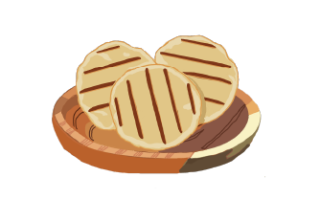
“It takes away your sorrows, it takes away your pain, if you eat with joy, you’ll live much better,” sings Joe Quijano in his song Contento. And that’s exactly how we are on this route—contentos, joyful.
Rumor has it that Risaralda is full of places of great renown and tradition, flavors with powerful intensity that captivate you, and the unquestionable warmth of its people. That’s why we’ve come all the way here. In this department of Colombia’s Coffee Region, every ingredient tells a story, and every story speaks of the hands that prepare the food, starting with the famous bandeja paisa, found throughout the entire region, and moving on to dishes that highlight coffee and extend all the way to cocoa farms—an exquisite experience for the senses.
The fiambre is a treasure of farmer and muleteer cuisine. Let’s pause to talk about it because of its tradition: it is, quite simply, the best packed lunch in the countryside. Wrapped in bijao or plantain leaves, it stays warm and preserves its ingredients for a long time. Rice, ripe plantain, meat, arepa, yucca, chicken, potato, vegetables, and egg are the ideal components if you’re going on a long journey. Be sure to carry one in your backpack to ease your hunger when the time comes.
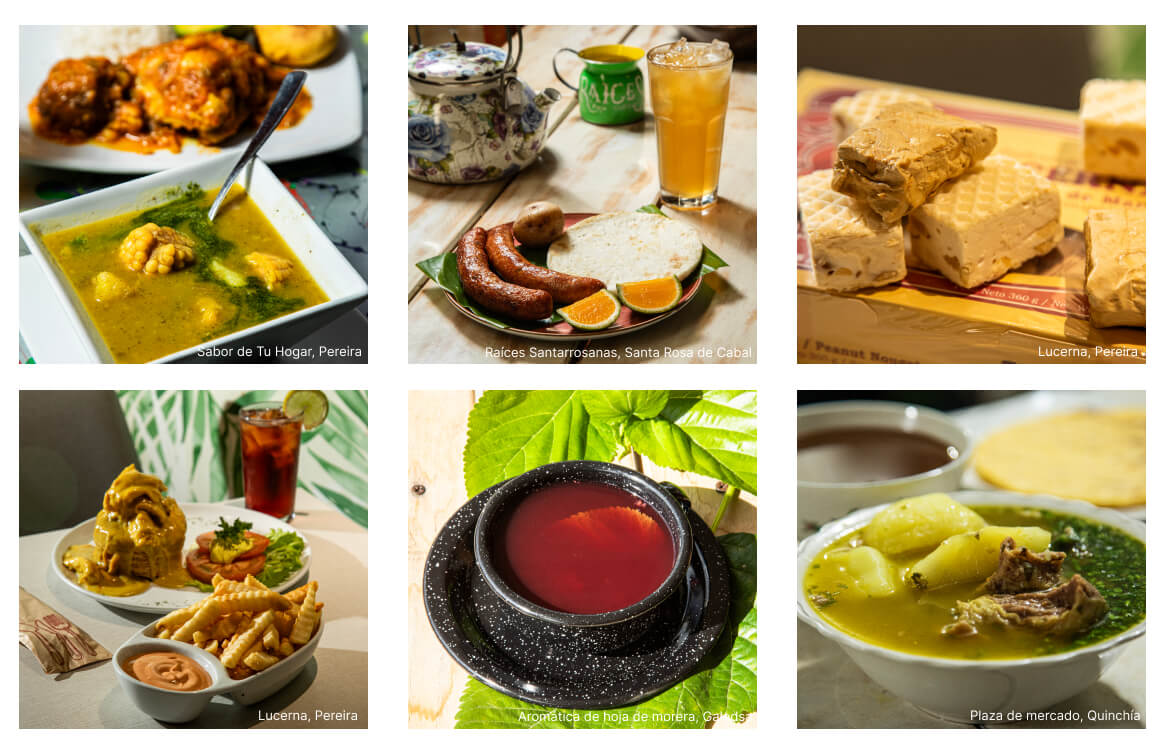
Also, keep Santa Rosa de Cabal’s chorizos on your radar—they’re a national delicacy. Let’s get ahead of ourselves: in Santa Rosa’s main park you’ll find the restaurant Raíces Santarrosanas, a cozy, traditional spot that prepares them with tender, lean pork and a light smoky touch. The casing is perfectly crispy, and they bring it to your table with house-made chili sauce, lime, and a refreshing panela lemonade.
¡A tip! Take a bite along with a piece of arepa while you admire the leafless tree inside the restaurant, which represents the birth of multiple branches—a metaphor for the other branches of this thriving business that proudly preserves tradition.
Oh—and we can’t forget to mention that they also have a kids’ menu.
To lunch we go 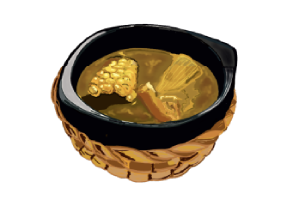
To celebrate the flavorful signature dishes of Marsella, La Estancia Restaurant welcomes you with open doors, ready to tempt you with its great seasoning and wide variety of menu options—so come with an empty stomach. The beauty of its balconies will take your breath away, and with a bandeja paisa or a succulent free-range hen sancocho on your table, you’ll acquire memories that last. They also invite you to explore other jewels of Marsella’s cuisine, such as the tamal, which reflects the farmer’s flavor and culinary identity. A full stomach makes for a happy heart!
If you lean toward idyllic landscapes and a simple life, Estercita Viewpoint Restaurant is a delight for enjoying a good hen sancocho, taking in the open-air views, and feeling the warmth of the kitchen and its wood-fired stoves. This business was born over 50 years ago selling tinto (black coffee) along the road in the rural area of La Oriental, in the municipality of Marsella.
If you reach Pereira around lunchtime, ask any taxi driver where Los Caldos de Palomo is—the king of fried foods. We guarantee they’ll take, and once there, don’t miss the meat cake, spleen soup, or the chorizo prepared by Fernando Gallón, who named his business after his own nickname. Order the mondongo soup—it’s a must-try. And for digestion, ask for a small cup of coffee straight from the pot. Keep in mind it’s open Tuesday through Saturday.
Flavors to discover and snack on 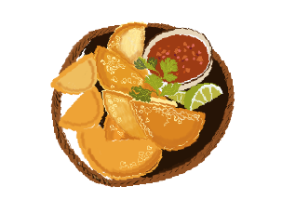
In Pereira, stop by the restaurant El Arriero Colombiano so, right from the start, you can feel the excitement of sipping a mazamorra—a corn-based drink served with milk and panela. And if you prefer, it’s also widely available from street vendors in the towns and rural villages across the department.
Don’t miss the Marsella Market either—this is where everything good and delicious to see and taste comes together. There, Willys jeeps strut about loaded with yucca, plantain, avocado, citrus fruits, and, of course, coffee. They carry people too—and are not just a mode of transport, but a vessel for the stories and loving gestures of an entire town, of country life, of life itself.
To sweeten the palate and unmissable drinks 
“I’ve traveled all over the world,
and never, never could I find
a guava that I liked enough
to stop my wandering,” sings Rubén Blades, the poet of the people.
Delighting in guava paste—bocadillo, as we call it—revives an explosion of flavors on the palate and provides instant energy. It’s part of the pantry of favorite foods among thousands of Colombians. To reach its perfect point, this fruit with its penetrating fragrance can be cooked whole or halved in syrup with cloves and sugar. You’ll find it in traditional shops across the department, especially in towns like Palestina, where guava cultivation is especially strong. Try it with cheese—it’s the perfect marriage.
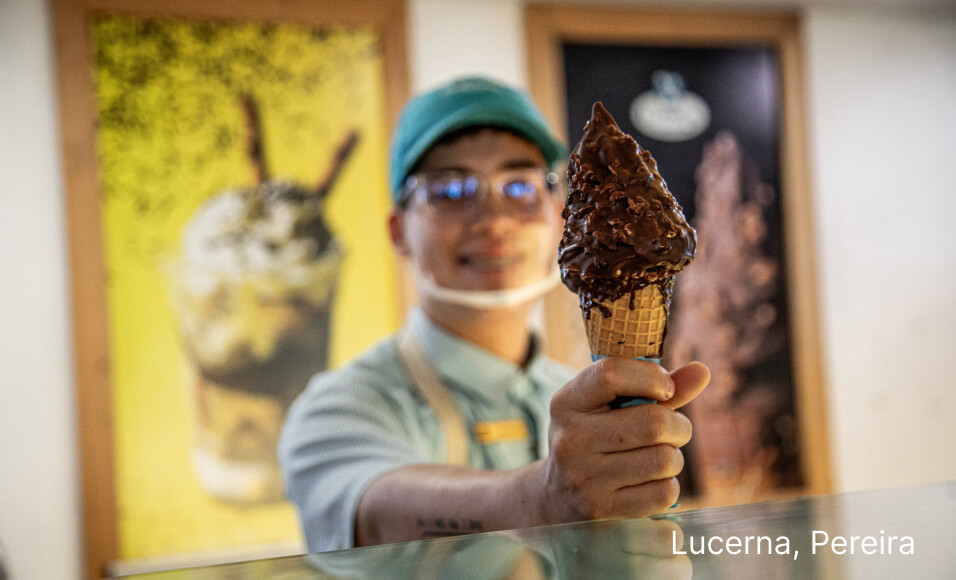
To keep the conversation going, don’t miss Lucerna Bakery in Pereira and order the traditional blackberry, coconut, or crispy chocolate cucurucho or cone—those are the most popular flavors. You can also order turrones, a semi-hard nougat candy that preserves the original European recipe using ingredients produced in the coffee region: peanuts, coffee, and sugar. The most exquisite, according to diners, are coconut and chocolate. And finally, if you’re craving something savory, the French fries with the house pink sauce are a simple and delicious option—perfect for sharing or as a side to any dish while you enjoy the homemade touch of Pereira’s cuisine. This place is a symbol of textures and flavors. Unmissable and irreplaceable!
One last recommendation to keep your joy alive on this journey: stop by Delicias Doña María in Marsella and let yourself be tempted by the chócolo (sweet corn) arepas with cheese, and the chócolo cakes they’ve been making for 17 years. It’s located on the main street in La Rioja, and like everything here, it’s easy to find. There are always reasons not to wander distracted. So take the road toward the cemetery—and while you’re at it, visit it too: it’s an architectural treasure with a beautiful view over the city.
Marsella is picturesque from every angle and is recognized as part of the Coffee Cultural Landscape for its cobblestone streets and traditional architecture. It’s a destination that makes you fall in love—and as proof of that, we want you to visit the House of Culture, located at the corner of the main square and absolutely photogenic. There, you can ask for the famous chicha, a drink fit for the gods: it’s made artisanally with cooked corn sweetened with panela, then left to ferment for several days. The result is a slightly sweet and acidic beverage that reflects the town’s farmer essence. Its flavor and tradition have made it a living symbol of local heritage.
We also recognize the cocoa from this region for its intense aroma and captivating flavor. It’s a cocoa rich in history, with a sweet, unique pulp and fruity and floral notes. With that in mind, we invite you to take a sensory route with the association ASONACA, made up of 16 women and 19 men, each with
a specific role: some harvest the cacao, others place it in wooden boxes to ferment for eight days. Then it goes to the dryer, and once dry, it’s roasted over firewood. The result is a deep understanding of the entire process and, at the end, a delicious cup of hot chocolate.
One certainty and a little trick: it heightens the feeling of fullness—adding diced cheese is absolutely worth it.
Recommended sites
Important information for your trip





Pueblo Patrimonio
La Red Turística de Pueblos Patrimonio de Colombia es un programa especial del Ministerio de Comercio, Industria y Turismo, ejecutado por FONTUR, que trabaja con 17 municipios de Colombia que poseen declaratoria de Bien de Interés Cultural (BIC) a nivel nacional para su valoración y proyección mediante el turismo, generando así más oportunidades de desarrollo y sostenibilidad en las comunidades.

La Medalla a la Maestría Artesanal es un galardón que Artesanías de Colombia entrega anualmente, con el cual se hace un reconocimiento a aquellos artesanos, empresas y comunidades artesanales que, contando con una trayectoria destacada, sobresalen a nivel nacional por su excelencia en el oficio así como por preservar el quehacer artesanal.

Denominación de Origen
Es un signo distintivo que identifica productos reconocidos o famosos por tener una calidad o características específicas derivadas esencialmente del lugar de origen y la forma tradicional de extracción, elaboración y producción por parte de sus habitantes. La protección conferida sobre una Denominación de Origen implica que ninguna persona puede identificar con la denominación protegida productos iguales o similares a los amparados, cuando no provengan del verdadero lugar y no cumplan con las características o calidades que le han dado la reputación al producto reconocido. Las Denominaciones de Origen para productos artesanales colombianos que han sido protegidas por la Superintendencia de Industria y Comercio en nuestro país son actualmente 13.



No puede copiar contenido de esta página