
DIVERSE ROUTE WITH AN LGBTIQ+ FOCUS
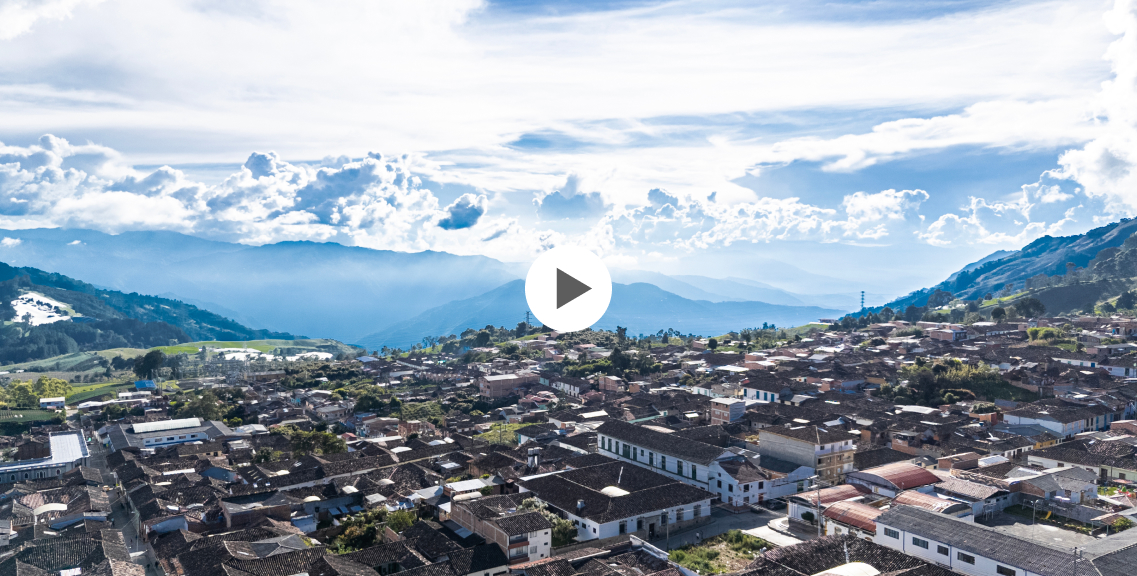
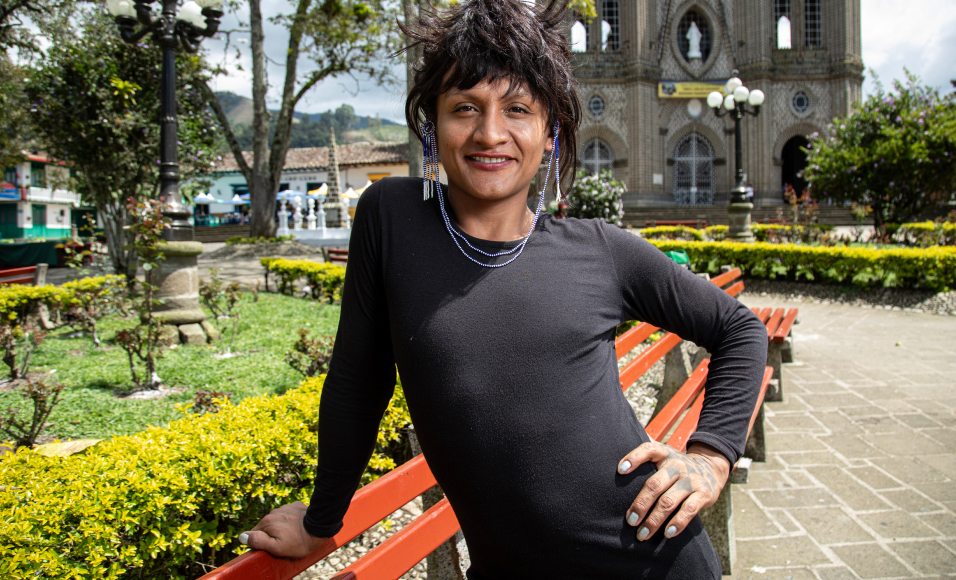
Colombia was recognized in 2017 as an “Emerging LGBT Destination in the World,” a title that not only has been maintained but has expanded and enriched itself in gender identities just as the acronym of the community has. Responding to a travel experience that is friendly, discrimination-free, safe, respectful, and equal, Colombia Artesanal could not stay out of these pursuits, which represent fundamental principles and values. And although this travel guide is entirely built around master artisans whose lives are guided by dignity and respect—and who welcome visitors accordingly—on this particular route we extend the invitation to artisans who are part of the LGBTIQ+ community, so that this identity adds another dimension to their craftsmanship and reflects, through their life stories, the immense progress made in the acquisition of rights that we celebrate and promote here.
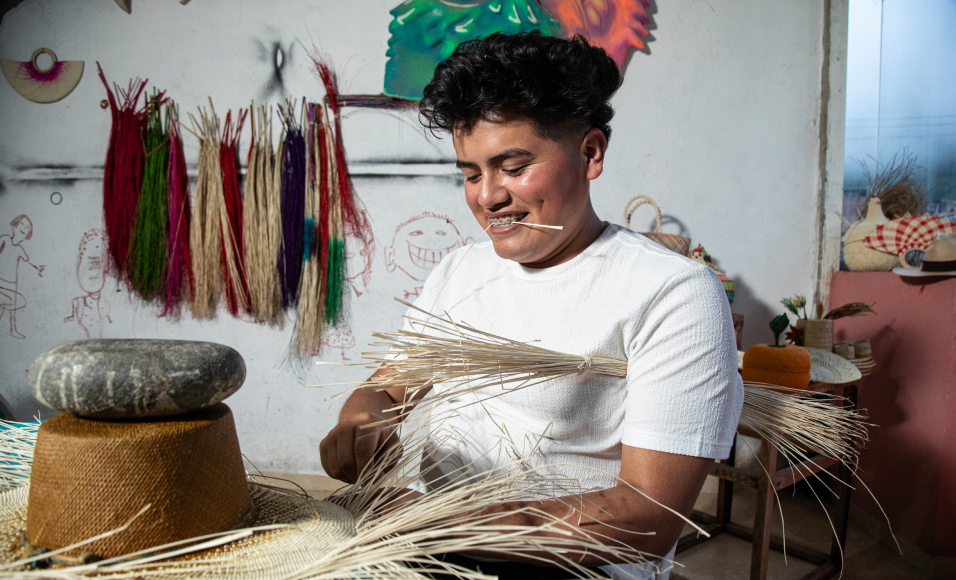
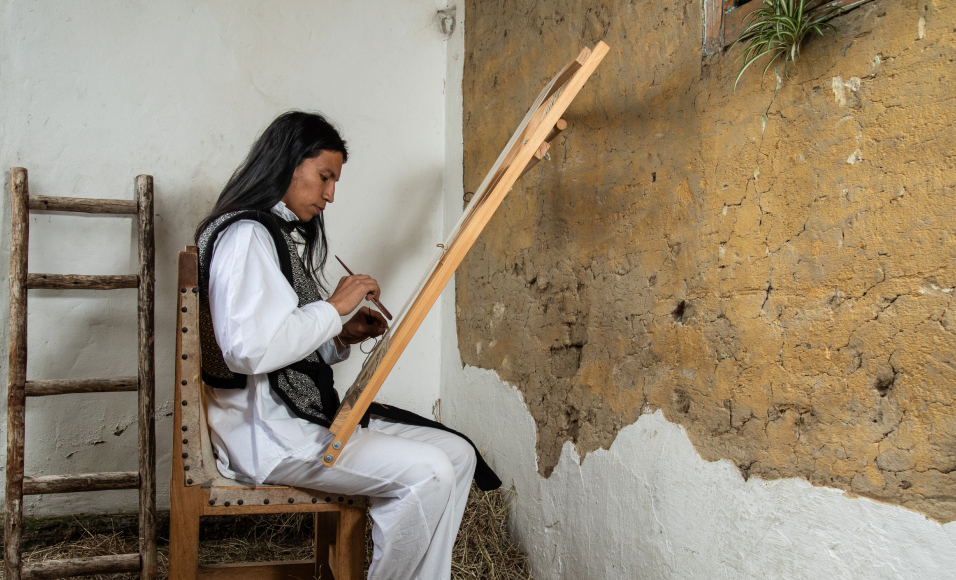
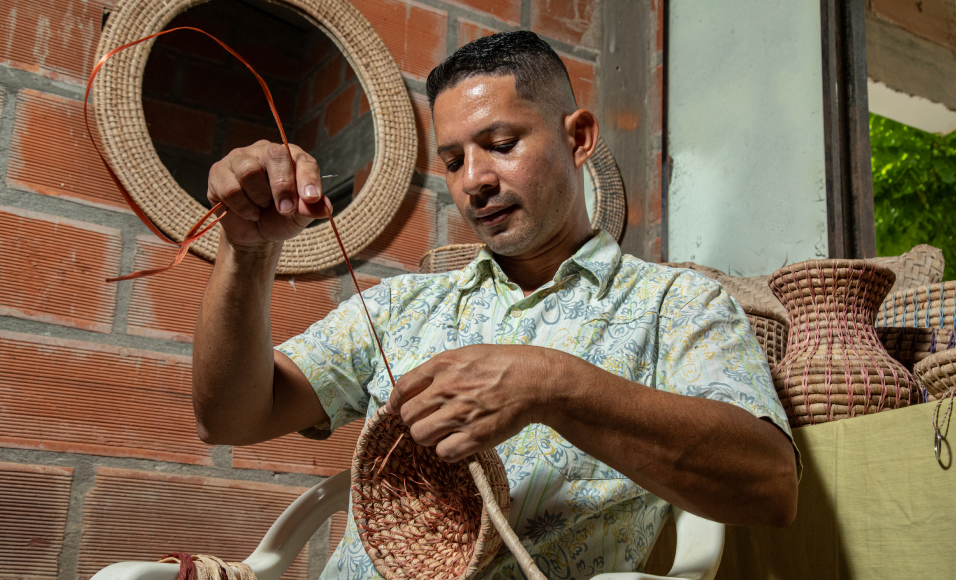
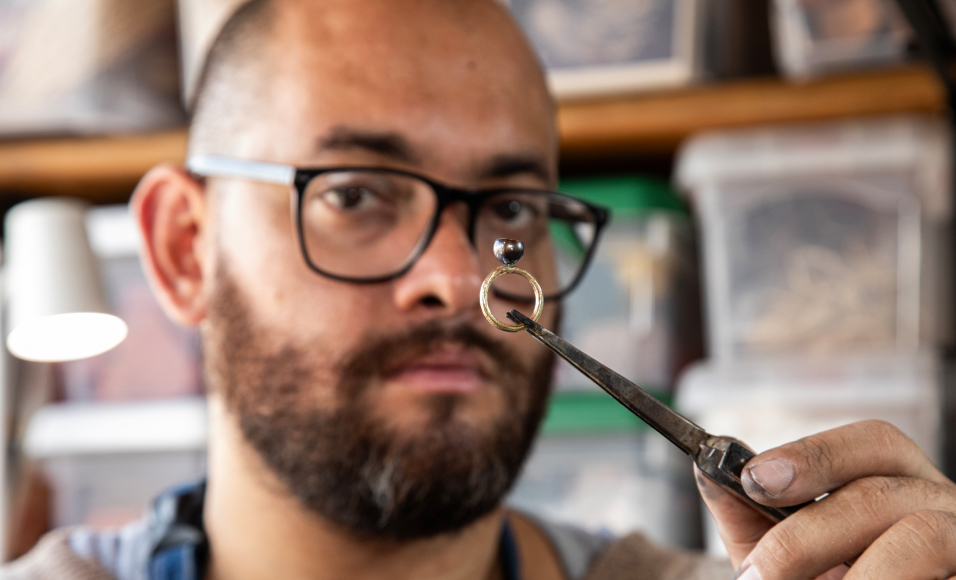
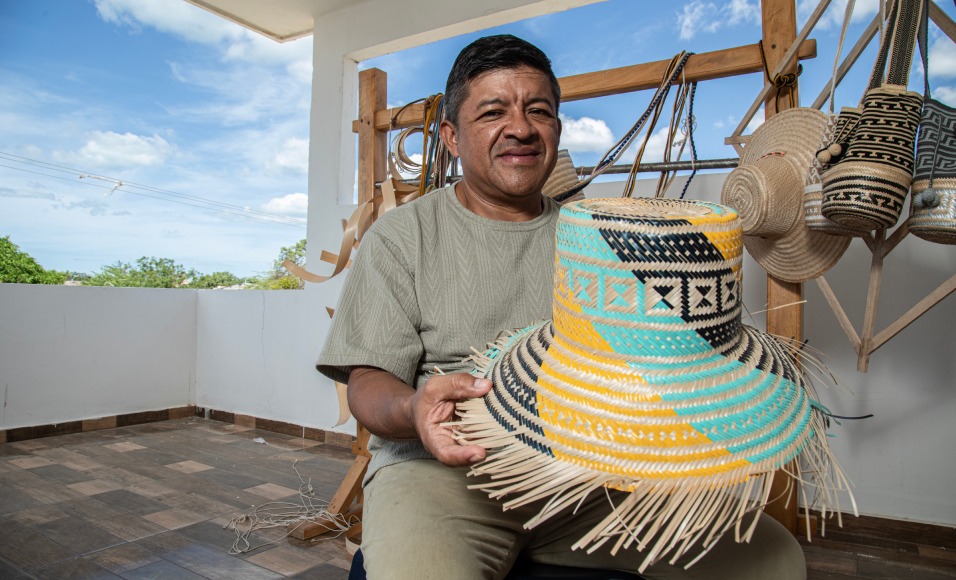
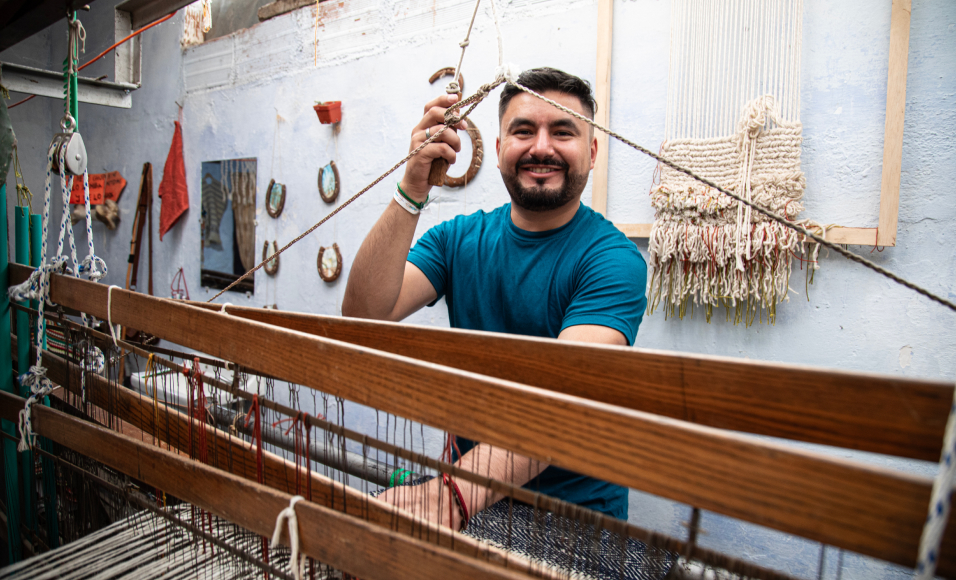
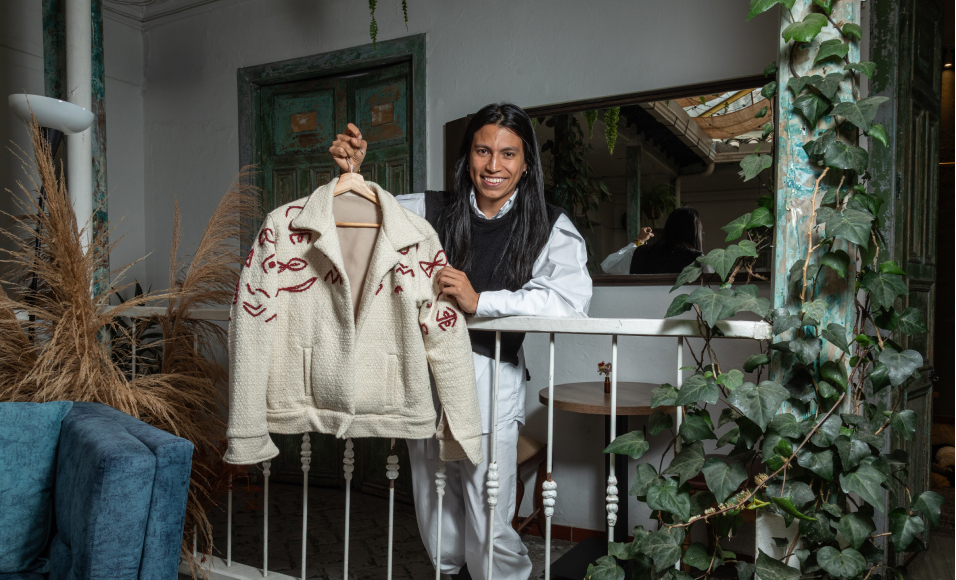
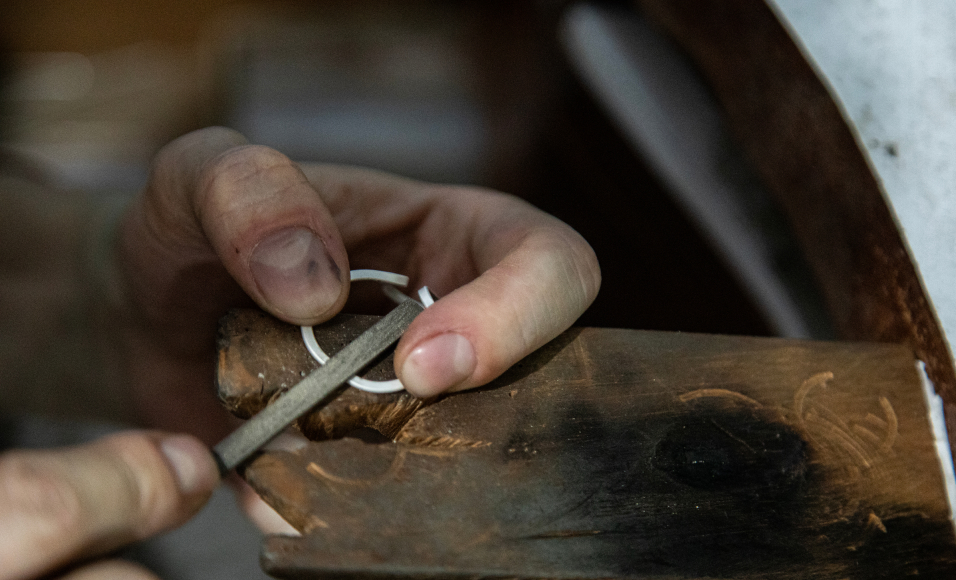
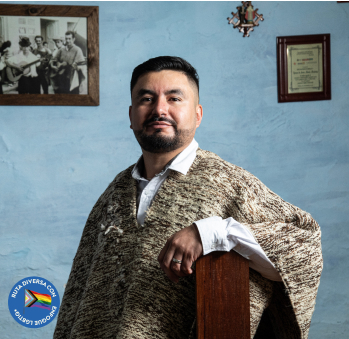
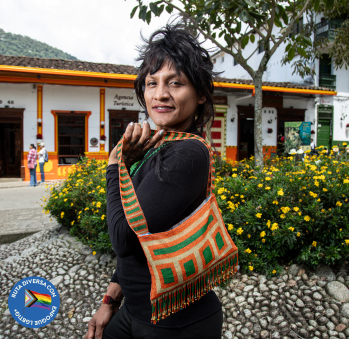
In this way, visitors will find in their workshop tours not only a deep craft immersion but also a very welcoming experience. We want everyone, regardless of sexual orientation or gender identity, to be able to travel along our routes. From north to south in Colombia, you will encounter wool weavers, artisans working with iraca, mawisa palm, and banana sock fiber, as well as exceptional contemporary jewelers, delicate Emberá bead weavers using Czech beads, and potters. Each of them shares how they fell in love with craftsmanship and how, thanks to their vocation, they are inheriting and transmitting ancestral knowledge within their communities—breaking down prejudices and opening, from their very identities, important conversations about safeguarding tradition in new hands committed to preserving artisanal trades. This route invites us to be a more inclusive society—one that embraces difference. Discover in it yet another layer of the richness of our country.
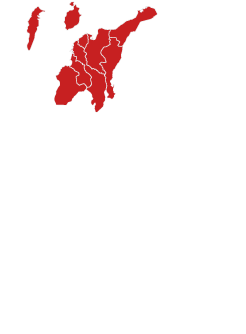
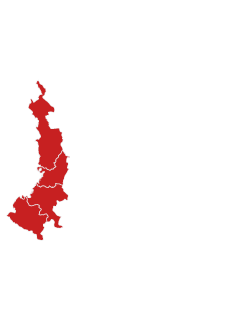
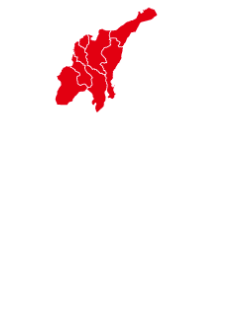
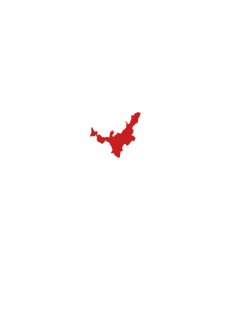
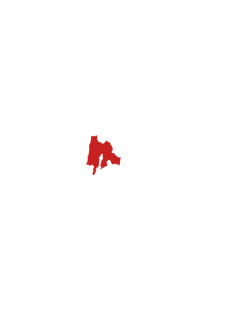
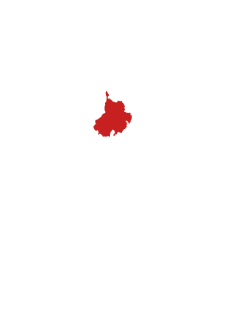
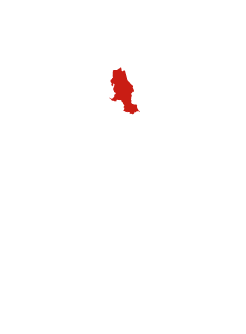
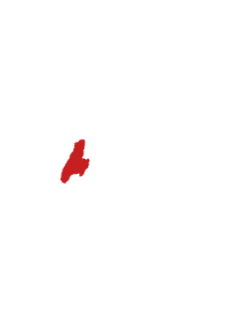
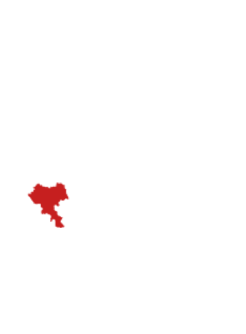
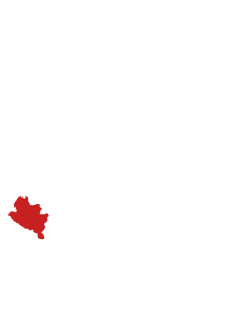
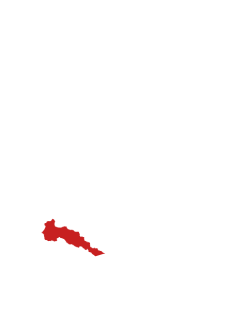
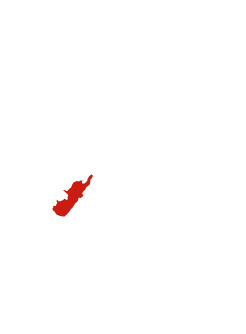
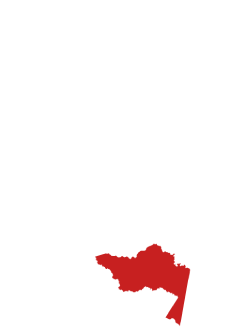
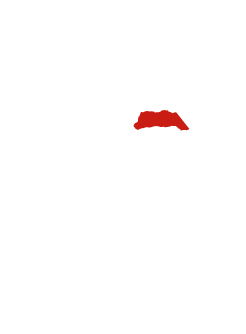
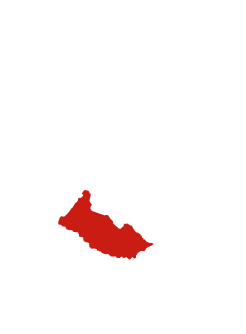
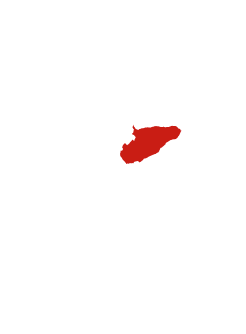
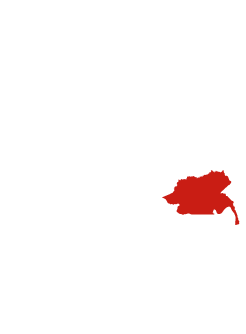
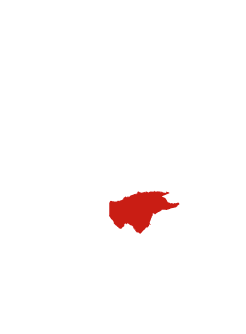
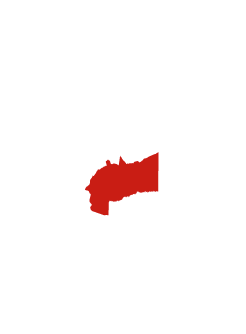
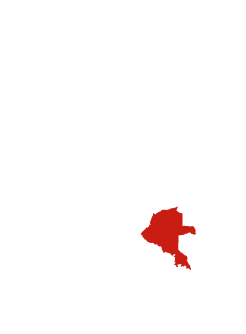
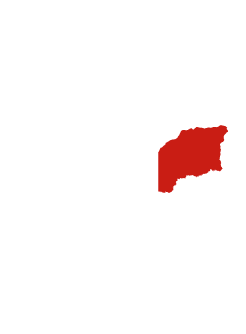
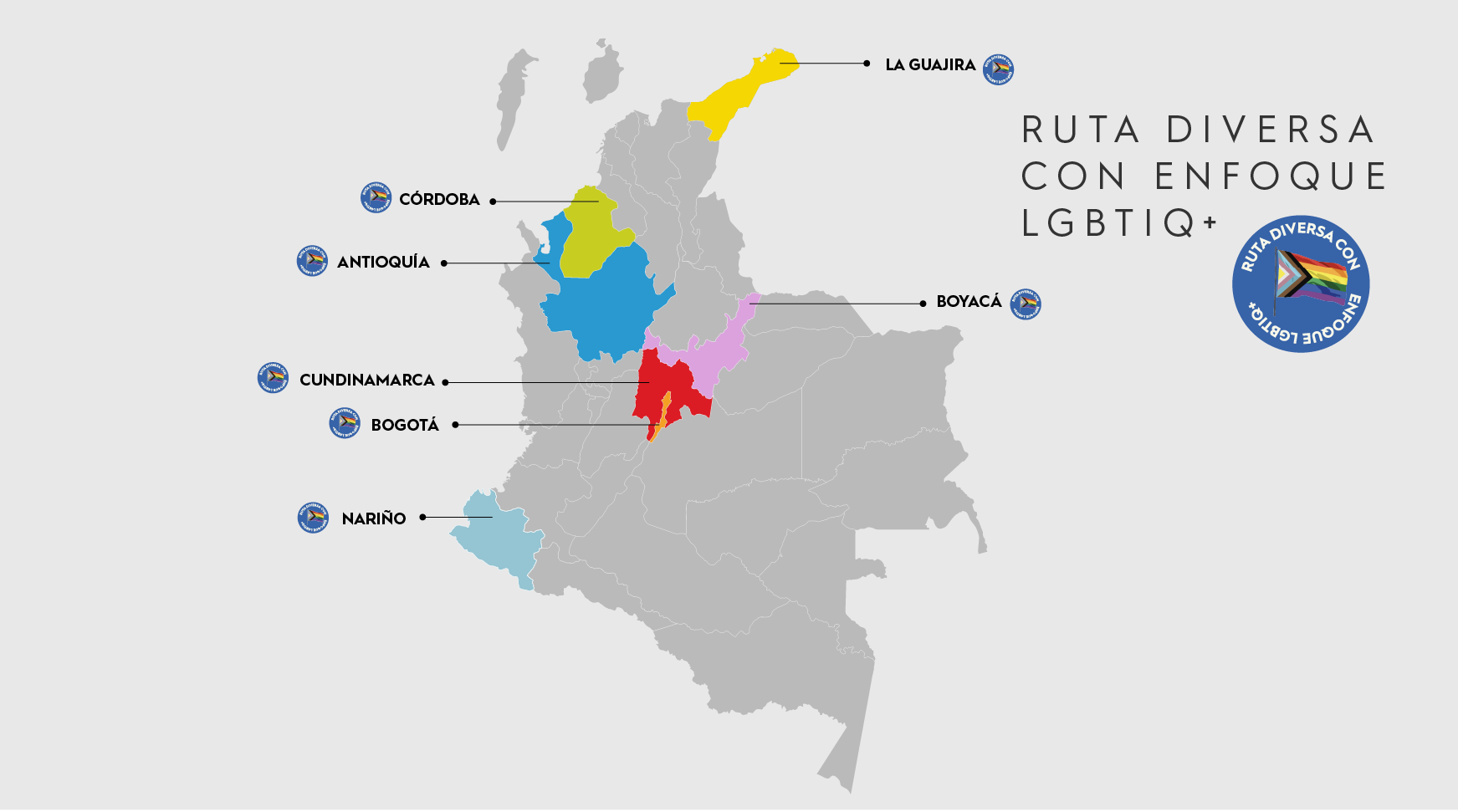
The Route is divided into four tourism regions, which will gradually expand: the Great Caribbean, the Western Colombian Andes, the Eastern Colombian Andes, and the Colombian Massif. Depending on the one you choose, we suggest the following itinerary:
Embark on a journey full of history
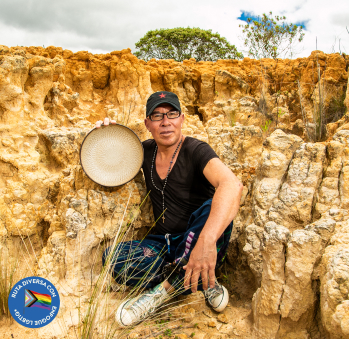
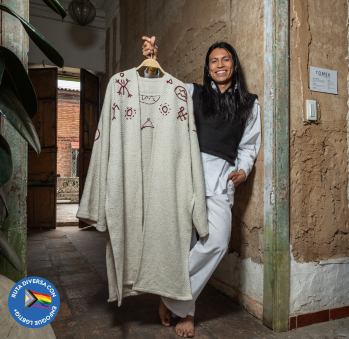
Artisans along the way
La Guajira
Córdoba
Antioquia
Boyacá
Nariño
Bogotá

Cundinamarca
Quibdó
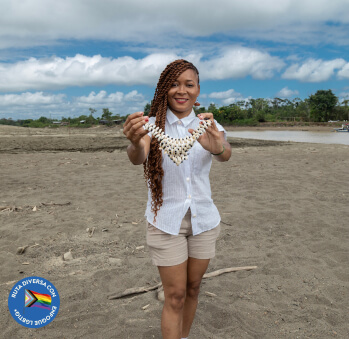
Artisans along the way
La Guajira
Córdoba
Antioquia
Boyacá
Nariño
Bogotá
Cundinamarca
Quibdó
We recommended this tour
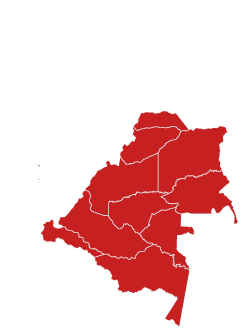
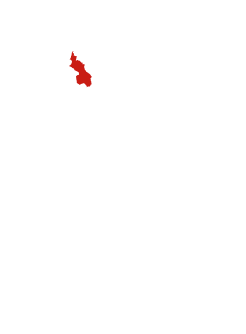
Great Caribbean: Guajira and Córdoba
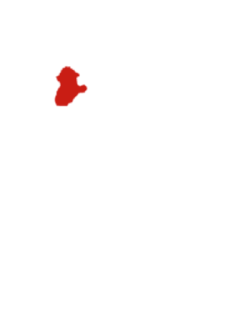
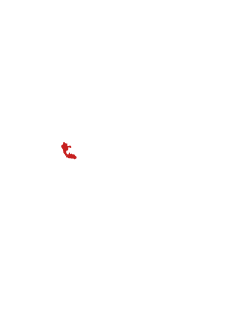
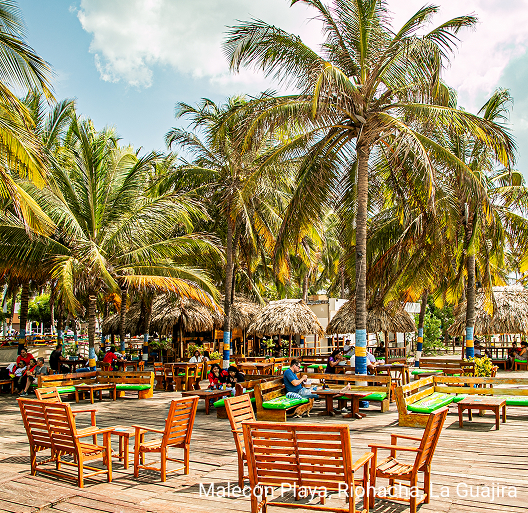
We begin at the northern tip of Colombia—La Guajira—under the warm seaside sun of Riohacha and its boardwalk, from where you can admire every color of the sunset. Start your workshop visits on a high note with Gary González, master of Wayuu hats in mawisa palm. Don’t miss the Los Flamencos Flora and Fauna Sanctuary.
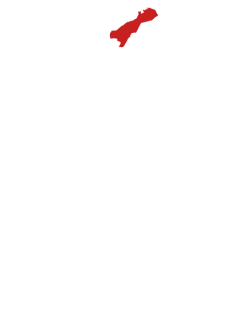
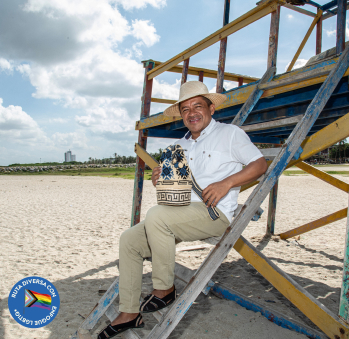
Next stop: Montería, in Córdoba. Visit Duberney Padilla, an exemplary artisan who, no matter where life has taken him, has never forgotten banana sock fiber. Keep in mind you’ll be just two hours from the white-sand beaches and crystal-clear waters of Coveñas and Tolú—a Caribbean paradise worth visiting.
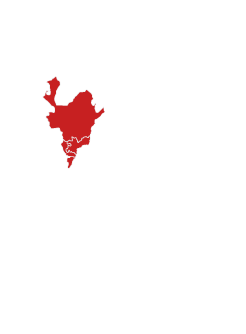
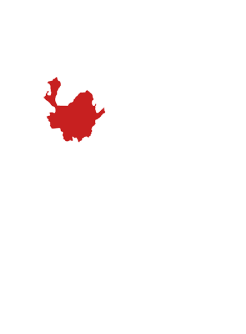
Western Colombian Andes: Antioquia
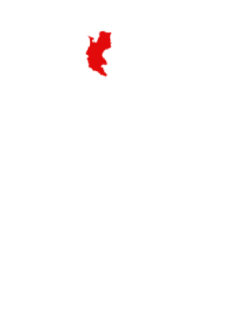
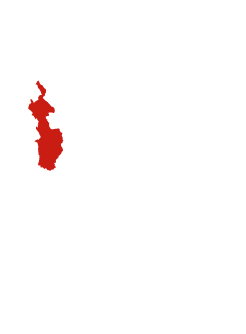
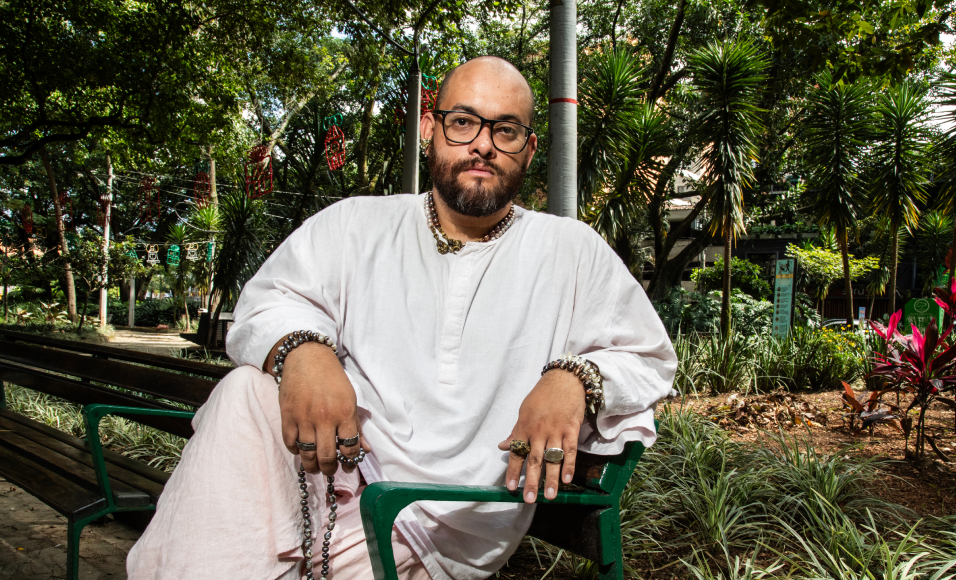
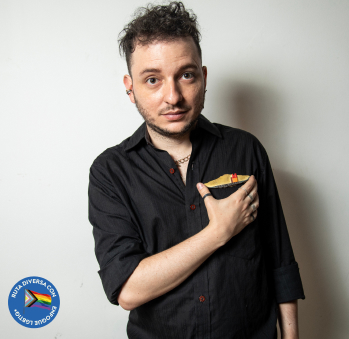
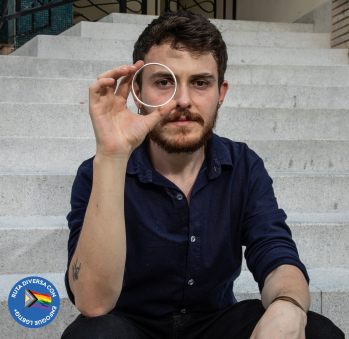
The capital of Antioquia, Medellín, is a world unto itself, with museums, parks, a botanical garden, vibrant nightlife, its warm paisa spirit, and pleasant weather. It also has Parque Explora, the planetarium, and its own green lung in Arví Park. With so much to see, start with a stroll downtown, where you can dive into the commercial district, visit Botero Plaza, and the must-see Museo de Antioquia—before meeting contemporary jewelers José Luis
Ruiz, Julián Andrés Hernández Cuartas, and Juan David Vargas.
Three and a half hours from Medellín lies Jardín—often called the most beautiful town in Antioquia. To see for yourself, take a tuk tuk ride and ask to stop at Cristo Rey viewpoint, where you’ll witness sweeping landscapes. Fifteen minutes from the town, in the Karmata Rúa reservation in Cristianía, you’ll find Roxana Panchí and her group of Emberá weavers, creators of dazzling okamás.
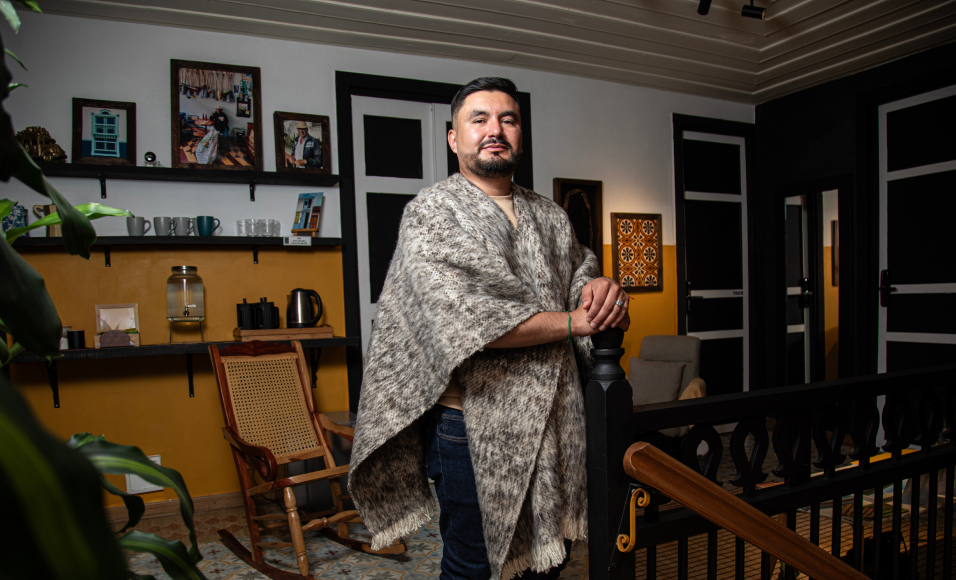
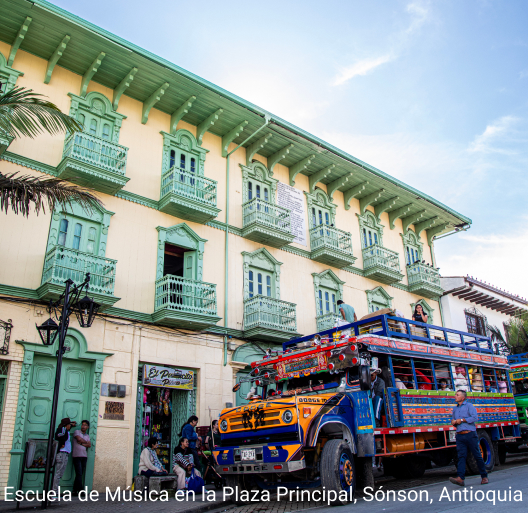
We recommend returning to Medellín to spend the night. The next day, head to Sonsón—also three hours away via Las Palmas – La Ceja – La Unión. This town of colorful balconies, once at the heart of paisa colonization, will welcome you with cooler weather—perfect for the perreleñas wool ruanas woven by Yeison Marín in his family workshop. At the end of the journey, you’ll be just steps from the Sonsón páramo and northern Caldas.
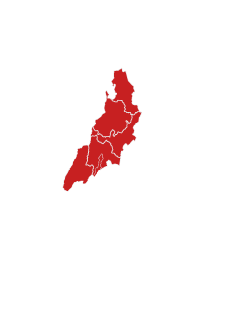
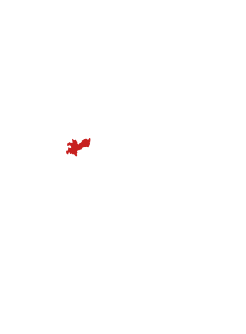
Eastern Colombian Andes: Bogotá D.C., Cundinamarca, and Boyacá
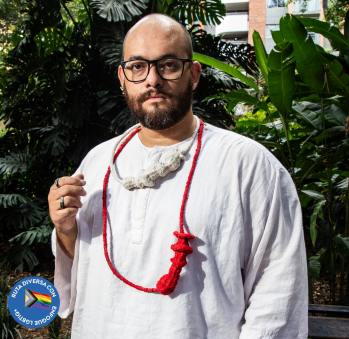
We begin in the dynamic, cosmopolitan capital, which keeps artisanal trades as one of its best-kept secrets. After the obligatory visit downtown—with its broad offering of museums and traditional food—head north to meet Alec Niño, a silver jeweler deeply inspired by the structures of mushrooms.
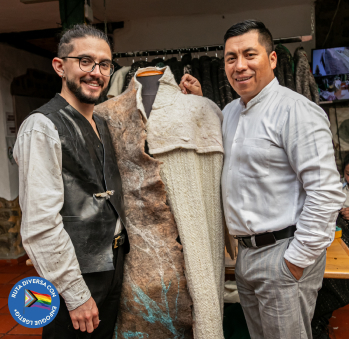
The next day, continue with the typical tour of the cold and warm-drink-loving Cundiboyacense region. Northbound toward Tunja, you will find Jaime Cortés, master potter at the wheel, in Guatavita—land of the mythical lagoon and the imposing Tominé reservoir. But if you prefer heading toward Tabio, you’ll meet Milciades Castro, the artisan behind the renowned brand Somos Muyscas, weaver and fashion designer of wool garments.
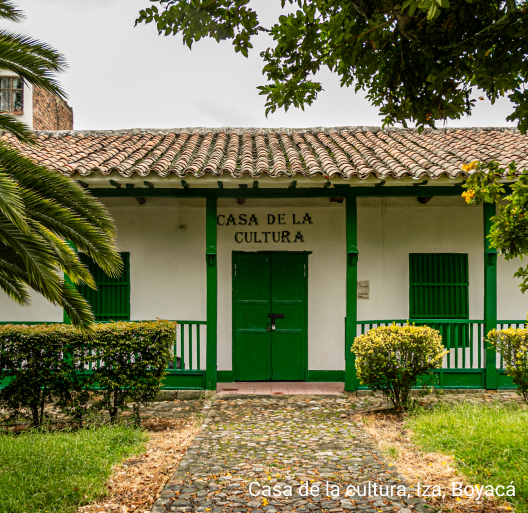
Next stop: Boyacá. We recommend an early start so you can enjoy a arepa boyacense with aguapanela on the way, and watch morning fog slowly lift from the mountains, revealing pastures and potato and onion fields along your trip. After nearly four hours from Bogotá, you’ll arrive in Iza—declared cultural heritage and home to feijoa, trout, and two great exponents of the region’s vast weaving tradition: Silvino Patiño and Francisco Gómez, master artisans of the renowned Rebancá workshop. You can spend the night comfortably there. End your journey by bathing in the Pozo Verde hot springs and visiting the turquoise waters and white beach of Lake Tota, 36 km away.
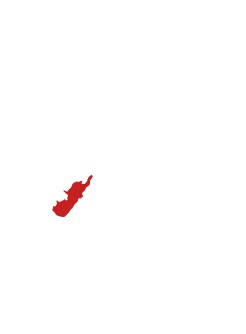
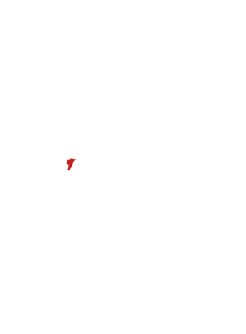
Colombian Massif: Nariño
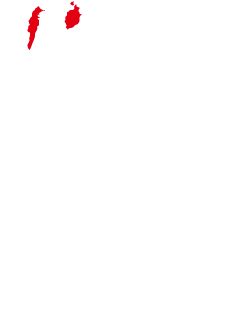
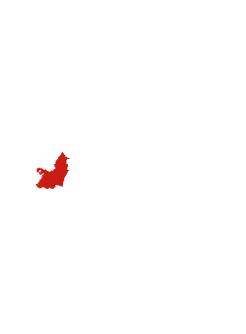
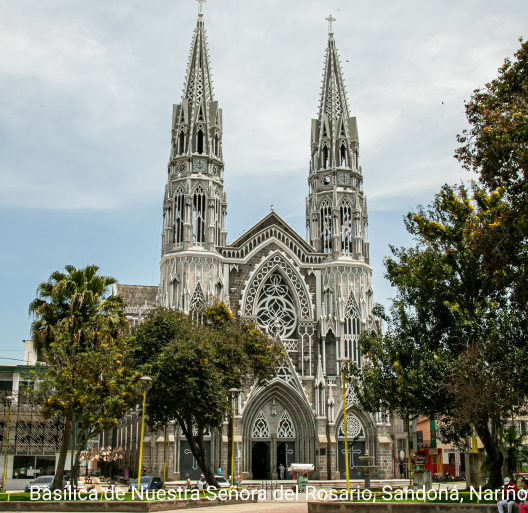
Nariño is perhaps one of the departments with the greatest number of master artisans in the country—where traditional crafts persist as a proud and wise family legacy. Its traditions confirm its status as a heritage destination: from the Blacks and Whites Carnival and Pacific music to the techniques of Pasto varnish and veneer in chaff. With so much to see, in this case we focus on Sandoná—a town deeply rooted in the tradition of iraca hat weaving. Although you’ll need to take the Galeras Ring Road to reach Sandoná—circling the volcano and enjoying breathtaking scenery—you can shorten the trip by following the Pasto – Genoy – Nariño – La Florida – Sandoná route.
Lastly, remember that arriving in Pasto is an aeronautical challenge due to strong canyon winds, so take it easy. If you cannot land immediately and end up losing the morning, stay in Pasto, explore the city (and its wonderful artisans), and begin your trip to Sandoná later—it’s about an hour and a half away.
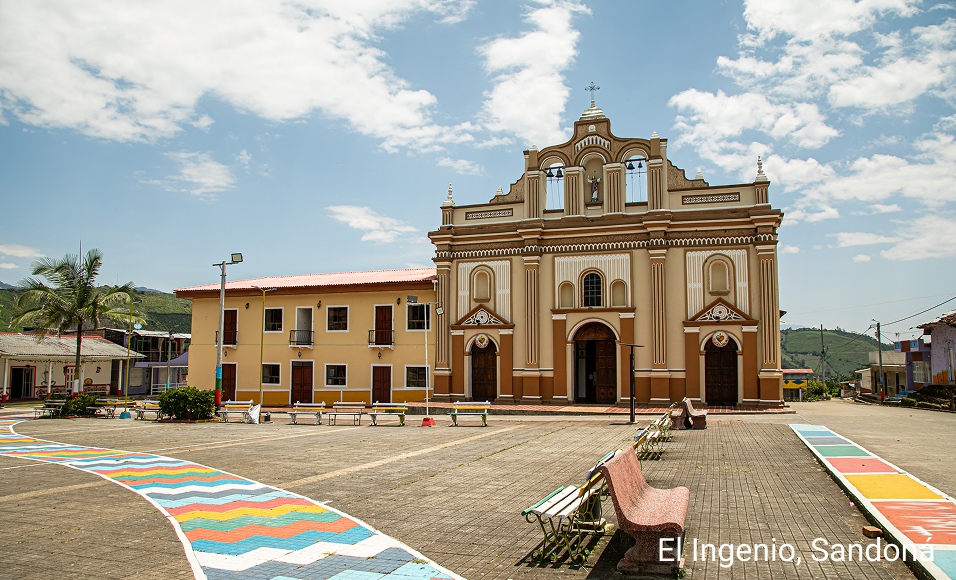
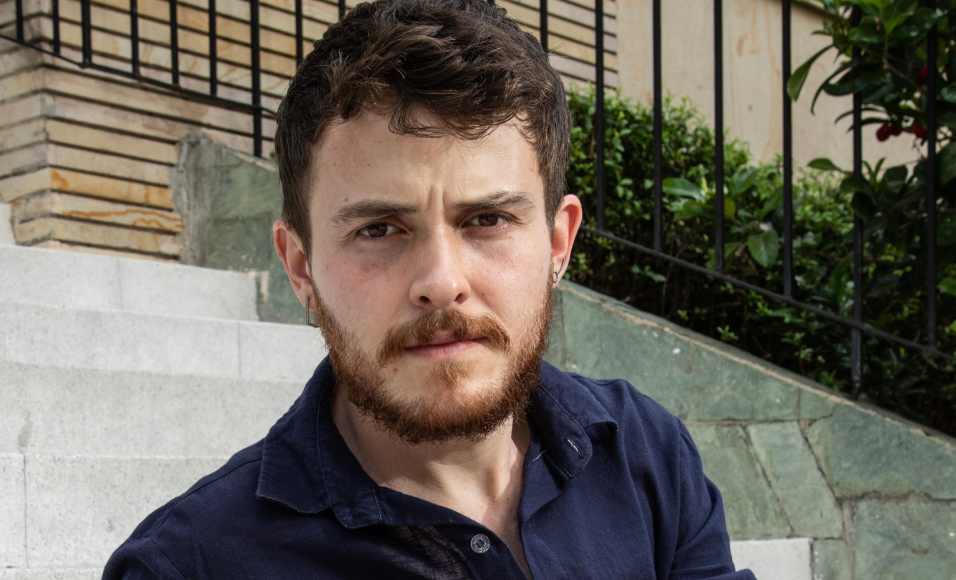
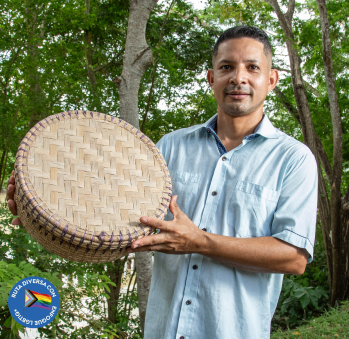
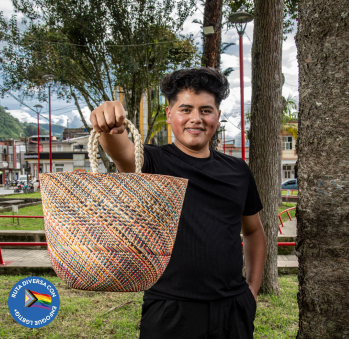
Upon arrival, you’ll meet Edwin Potosí—a charismatic and warm young artisan who embodies the return of men to the weaving tradition. To close the route, treat yourself in the main square, where it’s impossible to resist the traditional melcochas.
Traditional cuisine
and typical bites
Provoke yourself
Don't leave without eating this 
Colombia is a country where diversity is not only celebrated—it is cooked. And it’s not just an attribute: it is a culinary principle. A single ingredient is enough to tell a story with many possible paths. From the salty winds of La Guajira to the volcanic mountains of Nariño, each territory puts forth its own identity, recognizable in the smoke of its hearths, the bustle of its markets, the roadside food stalls, the patios where grandmothers knead time, and the urban kitchens—author kitchens included—that reinterpret tradition. This route, which crosses the Caribbean, the Andean heartland and the country’s far south, invites you to discover a living map where Indigenous peoples, African heritage, internal migrations, and the diasporas that once arrived through the Caribbean—Arab, Syrian-Lebanese, Sephardic Jewish, Antillean, European—come together, bringing spices, breads, sweets and new ways of preparing and trading food. Added to this mixture is the sex-gender diverse community, which has helped shape this plurality, becoming a point of encounter, resistance and celebration.
In short, this is a country that cooks for everyone—and that “everyone” includes different identities, bodies, accents, and memories.
Let’s begin this journey with a flavor that unites us all: corn. In the hands of Wayuu cooks, rural families, Afro-descendant communities, paisas or pastusos, corn is transformed into dozens of preparations—revealing its range through arepas de maíz pelao’, corn bollos, sweet arepas de chócolo, steamed envueltos, almojábanas, cucas, and quimbolitos—a delicate, butter-scented, steam-cooked cake wrapped in tender achira leaves in Nariño. Likewise, cassava can be casabe, carimañola, a thick soup or a golden fritter; ñame becomes sancocho soup, a dessert, bollos or even fermented beverages; native potatoes appear in ceremonial broths, handmade chips and rustic breads. Colombia is a place where no ingredient has only one life.
To lunch we go 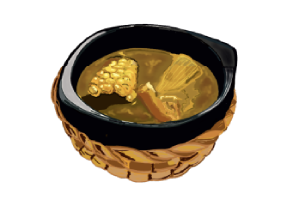
In this map of flavors, the roads lead us to Sonsón, a town where paisa tradition lives alongside new generations—a dialogue between heritage and inspiration, all just around the corner. There, La Popular honors criolla cuisine with slow-cooked meats, the very patience offered by the artisans of this charming Antioquia town we hope you visit with a happy belly.
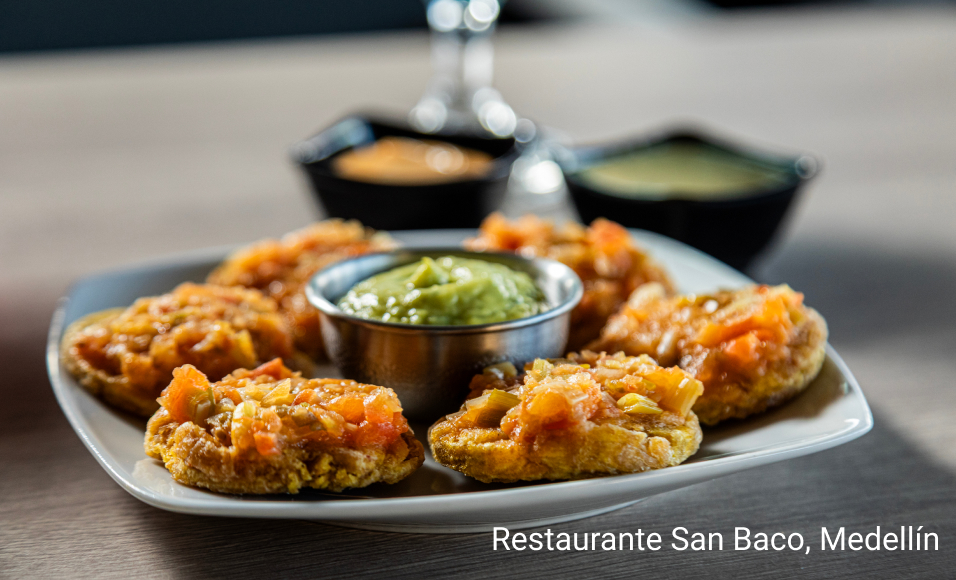
And in the cities, diversity thrives in spaces that warmly welcome everyone. In Medellín, San Baco greets you with a delightful fusion of good food to share, art and contemplative sunsets. There’s also Candelaria Café-Bar-Restaurante, a safe haven especially for lesbian women, where homemade dishes share the table with conversations that taste like community. In Laureles, Brunch Chick turns Sundays into a festive ritual: a colorful brunch, fresh fruit, indulgent dishes, and a vibrant drag show reminding us that cuisine is a perfect pretext to celebrate identity and freedom.
These places—intimate, festive, rural, urban—show just a fragment of what diversity means in Colombian cuisine. Diversity means having over a thousand fruits in a single geography; the infinite preparations made with corn, cassava or plantain; it means merging Indigenous techniques, Afro-descendant rhythms, rural heritage and flavors brought from other lands; it means that cuisine acts as a refuge, as celebration, memory, resistance and creation.
Flavors to discover and snack on 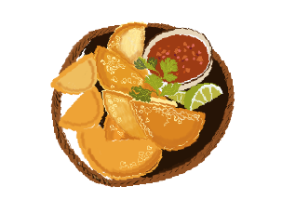
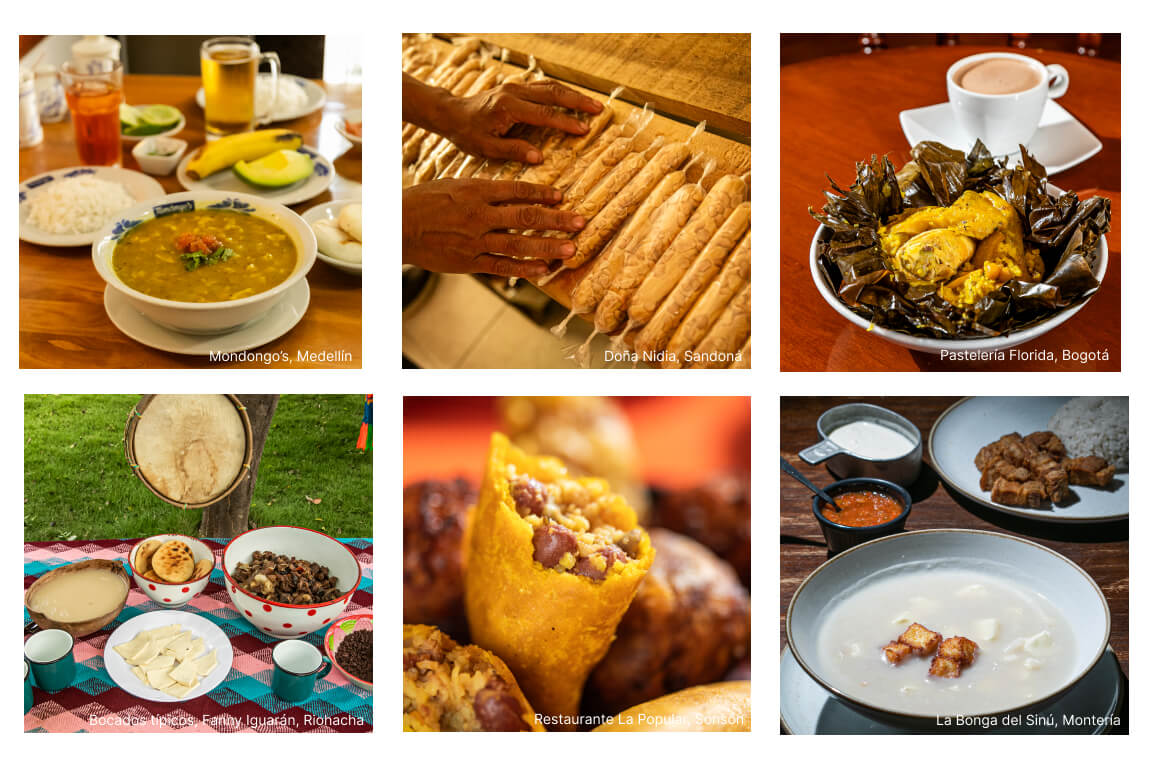
The road—always so deeply Colombian—is an open classroom with a voice of its own in this route. Improvised stands where a steaming pot, a roadside grill or a tray of fried snacks reveal the soul of a territory. There you’ll find arepas de maíz pelao’ in Uribia, bollos, bofe and Cordoban butifarras, sweet arepas along Antioquia’s highways, rural fritanga in the towns of Cundinamarca, and empanadas de añejo in Nariño. Eating on the road means stopping to talk, listening to the people who sustain these recipes—a real lesson from those who celebrate them daily, without pretension and without hurry. Silent guardians of flavor!
There are also the irresistible gems of Colombian cooking: Bogotá’s ajiaco, with potatoes that melt into a comforting broth; friche, the Wayuu dish of goat meat fried in its own fat until crispy and full of flavor; generous plantain soup from Antioquia ; and Nariño’s golden, crunchy cuy, or guinea pig, which connects you to the deepest Andes.
This route also invites you to pay special attention to a voice that protects the culinary legacy of his land: Jaime Rodríguez. When he’s not traveling to discover the next bite that crosses his path or receiving recognition for his work, you’ll find him at Celele, his restaurant in Cartagena, the result of a two-year journey through the Colombian Caribbean in search of ingredients, techniques and recipes. In his kitchen, nearly half the team belongs to the LGBTIQ+ community—a clear gesture of commitment to diversity and inclusion.
To sweeten the palate and unmissable drinks 
Corozo is not just a fruit: it can be a refreshing juice in Córdoba, a jelly spread on homemade bread in Sucre, a thick dessert for celebrations, an artisanal wine, or a boli—a kind of ice pop—sold in homes and corner stores to ease the heat across the Caribbean coast. It’s even the base for sauces served with fish or wild goat meat.
And if this tangy fruit is the Caribbean in one flavor, avocado dessert is the sweet expression of the Antioqueño mountains of Sonsón. At La Popular, try this surprising, creamy delight that challenges any preconceived idea about the fruit and proves that in Colombia, culinary imagination has no limits. In Bogotá, the route finds another beat. In Chapinero—diverse, nocturnal and full of life—Petunia has earned a special place in the city’s sweet memory. Its rainbow cake—fluffy, bright, soft—is a caress, a small joy for the soul that needs no explanation to enchant you.
This journey that honors diversity is ultimately an invitation to look at the country from the table—to understand that each culinary offering contains countless secrets and stories; behind every story, a territory; and behind every territory, a community that resists, invents and transforms. Our kitchens, no matter where they are, reveal who we are—and within that vast world of flavors and voices lies the true pleasure of traveling. Across this country, hospitality is always on the menu—served in a deep bowl. Bon appétit!
Route acknowledgement
Pueblo Patrimonio
Jardín

Denominación de Origen
Café de Nariño, Tejeduría Wayúu, Sombrero de Sandoná
Recommended sites

Important information for your trip





Pueblo Patrimonio
La Red Turística de Pueblos Patrimonio de Colombia es un programa especial del Ministerio de Comercio, Industria y Turismo, ejecutado por FONTUR, que trabaja con 17 municipios de Colombia que poseen declaratoria de Bien de Interés Cultural (BIC) a nivel nacional para su valoración y proyección mediante el turismo, generando así más oportunidades de desarrollo y sostenibilidad en las comunidades.

La Medalla a la Maestría Artesanal es un galardón que Artesanías de Colombia entrega anualmente, con el cual se hace un reconocimiento a aquellos artesanos, empresas y comunidades artesanales que, contando con una trayectoria destacada, sobresalen a nivel nacional por su excelencia en el oficio así como por preservar el quehacer artesanal.
Denominación de Origen
Es un signo distintivo que identifica productos reconocidos o famosos por tener una calidad o características específicas derivadas esencialmente del lugar de origen y la forma tradicional de extracción, elaboración y producción por parte de sus habitantes. La protección conferida sobre una Denominación de Origen implica que ninguna persona puede identificar con la denominación protegida productos iguales o similares a los amparados, cuando no provengan del verdadero lugar y no cumplan con las características o calidades que le han dado la reputación al producto reconocido. Las Denominaciones de Origen para productos artesanales colombianos que han sido protegidas por la Superintendencia de Industria y Comercio en nuestro país son actualmente 13.

Best Tourism Villages
Best Tourism Villages de ONU Turismo reconoce a pueblos rurales que destacan por sus valores culturales y naturales, la preservación de su patrimonio y su compromiso con un turismo sostenible que contribuye al desarrollo de las comunidades.



No puede copiar contenido de esta página