
Clemencia Jaramillo y Elisa Londoño
Workshop: Las nietas de María
Craft: Weaving and tailoring
Trail: Quindío Route
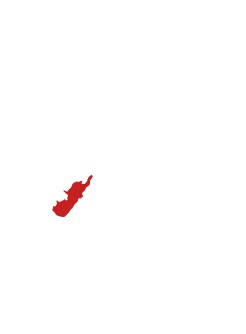
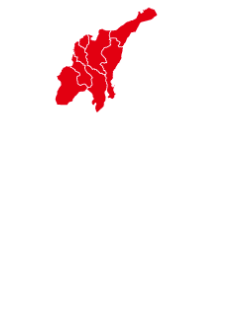
Location: Circasia, Quindío
SCHEDULE YOUR VISIT
Calle 1 #15-61
3178538069
elisalojara822@gmail.com
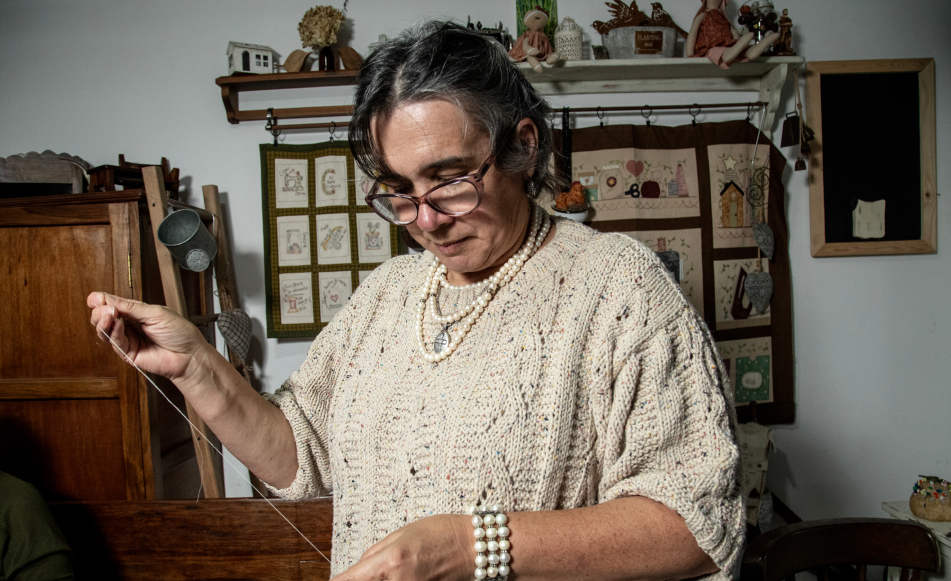
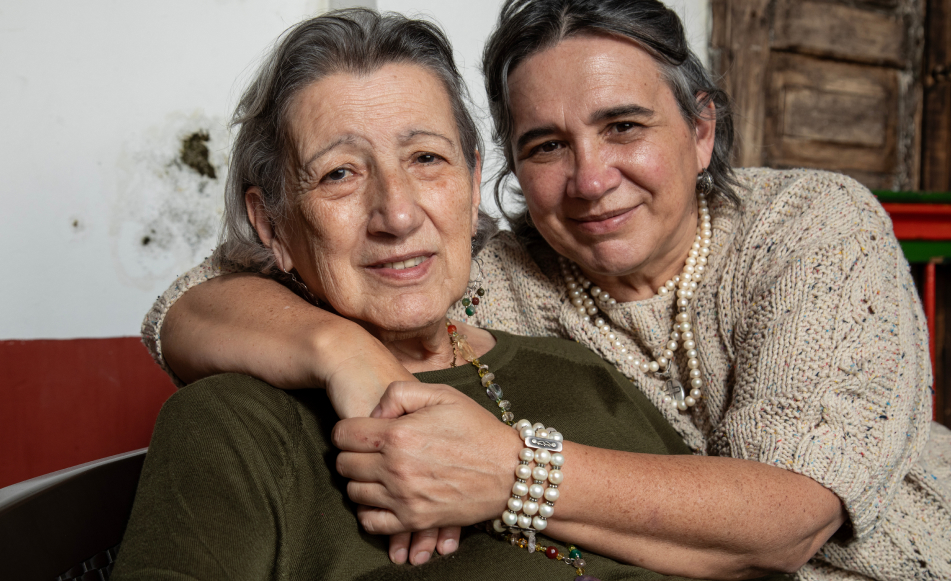
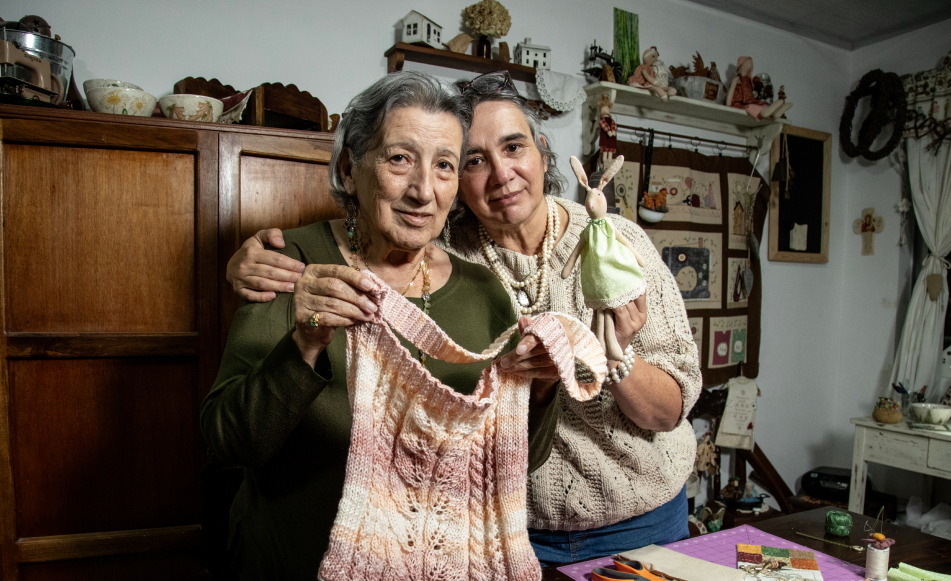
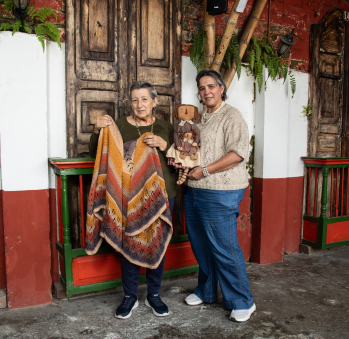
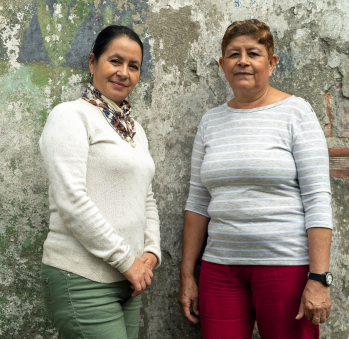
“Its more of a sewing circle than a workshop,” Elisa is quick to say, giving this space they decided to turn into a nest that aura of intimacy and trust that comes from being surrounded by threads and embroidery. Mother and daughter, Clemencia and Elisa are the heirs of the needles of their grandmothers, María and Felicidad. And although both always embroidered and knitted—each on her own—life allowed them, a decade ago, to come together and turn this shared love of craft into a life project. Elisa speaks first, perhaps she wants to break the ice, while her mother observes in silence, with careful attention. Only when she feels the moment is right does Clemencia open her box of memories. And it’s worth the wait, because what looks like unease is really just her not having her hands occupied—surely she feels she’s wasting time.
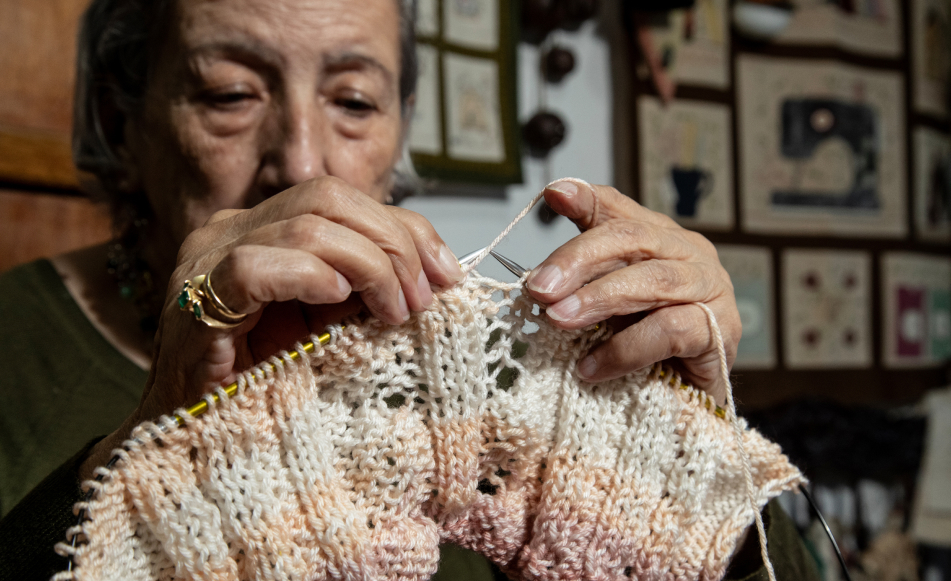
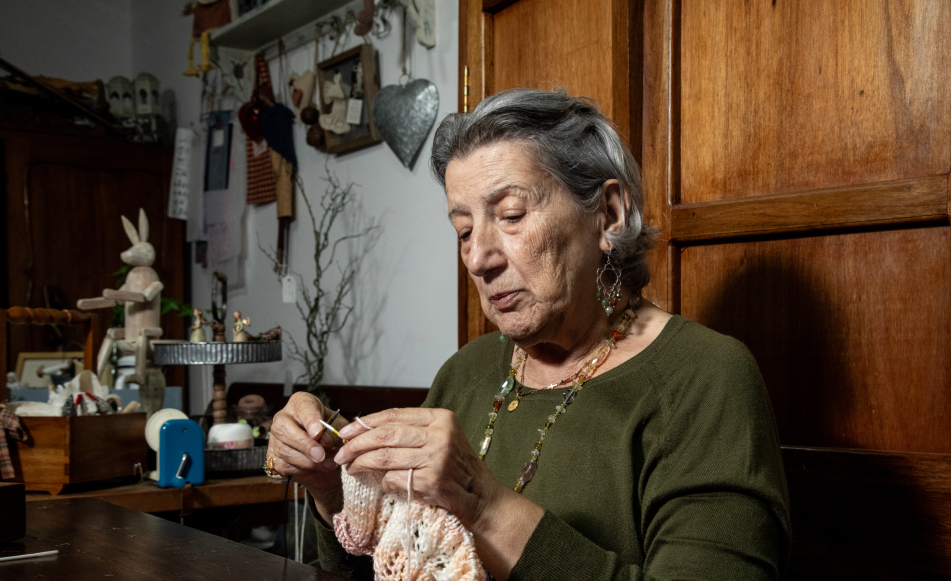
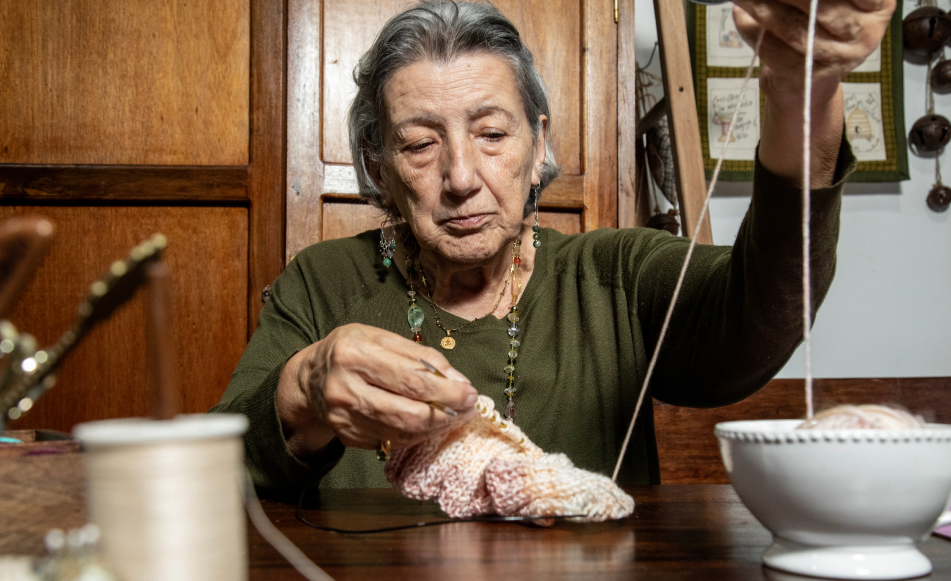
Mamá is always doing something,” Elisa tells us, trying to recall a time when she saw her mother resting, and finding none. Instead, she lets Clemencia tell her own story: she is the daughter of Felicidad Botero, a woman from Santuario, Risaralda, who in 1954 had the courage to leave her husband and raise her three children on her own. Strength, after all, was already in her blood: Felicidad’s own mother was widowed while carrying her seventh child and raised them all single-handedly. Clemencia, too, had to fend for herself from a young age, and following a job offer from the Caja Agraria, she left home before she turned 18 and started her life in Circasia. Perhaps that is why the sweetness she carries lives in her hands, when she takes up her needles and devotes herself to cross-stitch, crochet, bobbin lace, Norwegian drawn thread, or mesh—weaving something for the ones she loves.
Unlike Clemencia, who learned to master her needles under the guidance of the Salesian nuns, Elisa studied in a co-ed school where sewing and embroidery weren’t even offered. And although she always saw her mother and grandmother working with threads, she never felt drawn to learn, perhaps because Clemencia often stitched late at night, after long days at the Comptroller’s Office of Armenia, where she worked until retiring after 24 years of public service—having studied law in her mid-thirties. Still, what is inherited cannot be denied: at 15, Elisa gave her first stitches, and when her son Miguel was born, she made all his baby clothes.
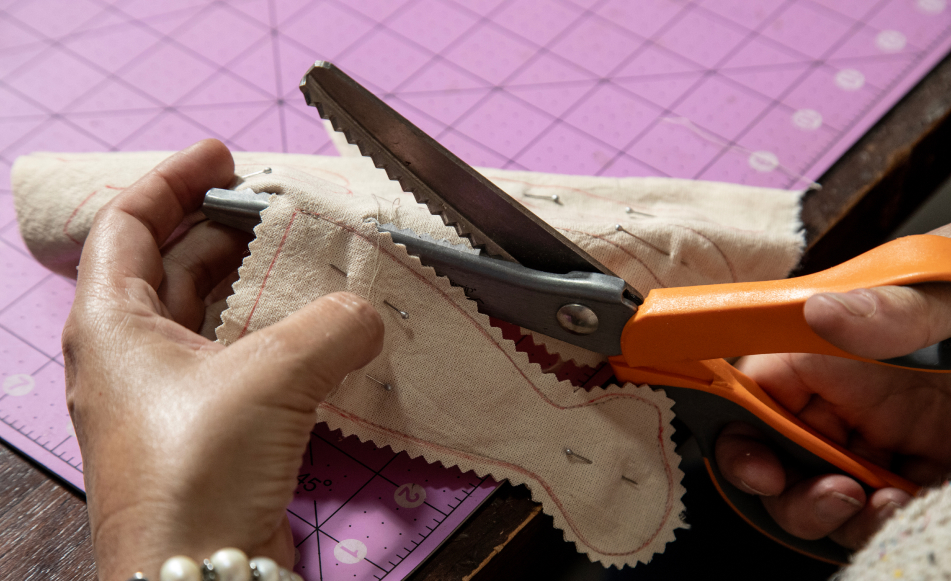
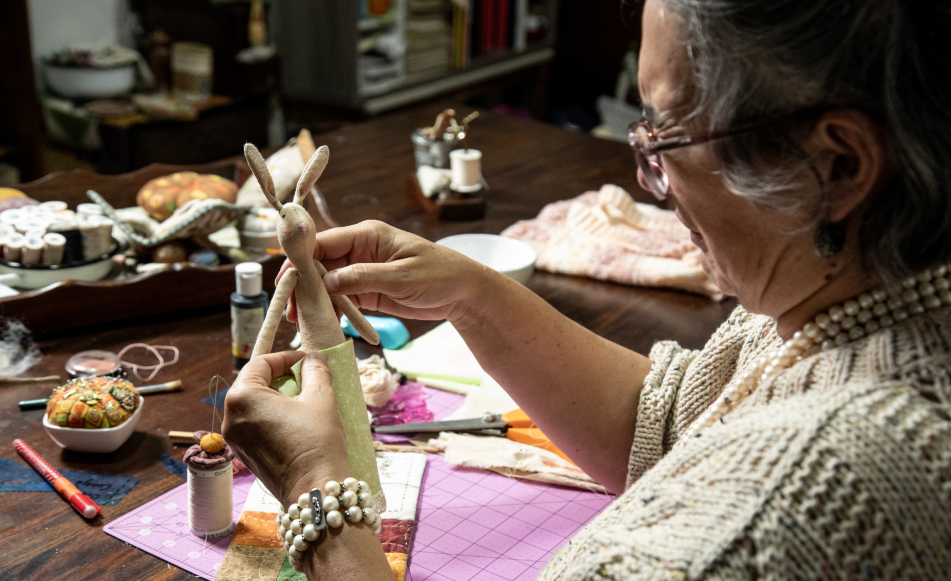
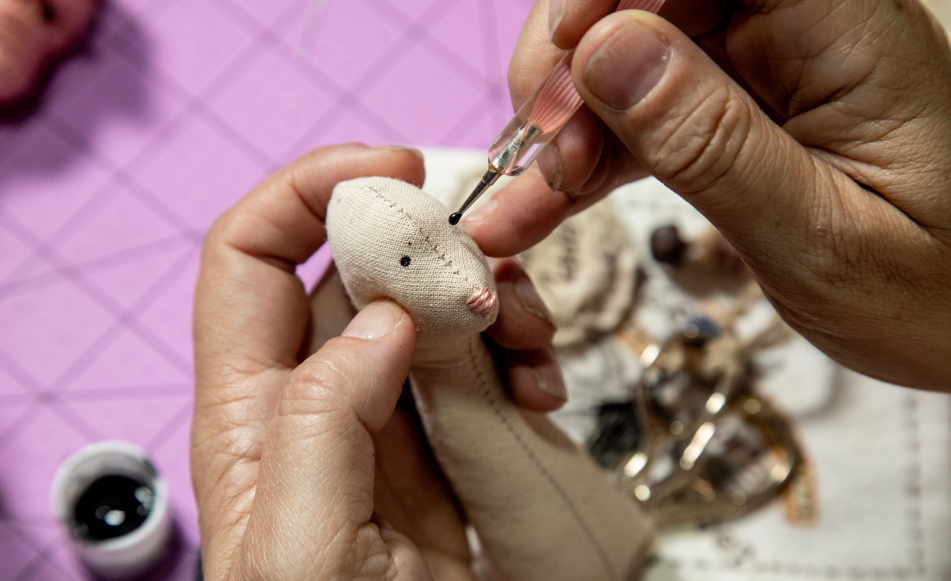
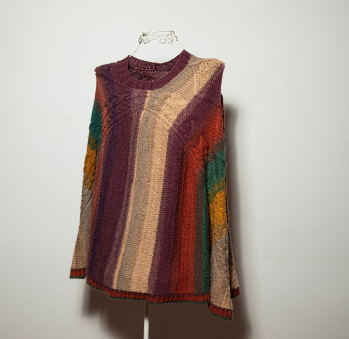
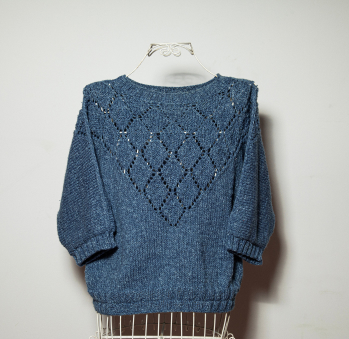
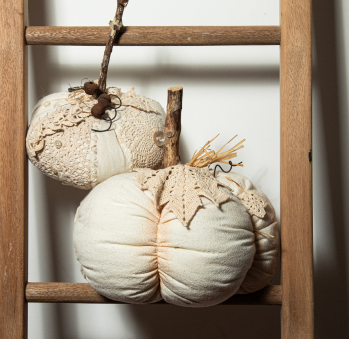
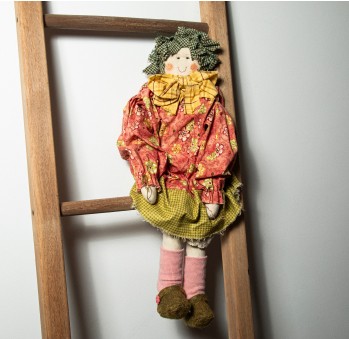
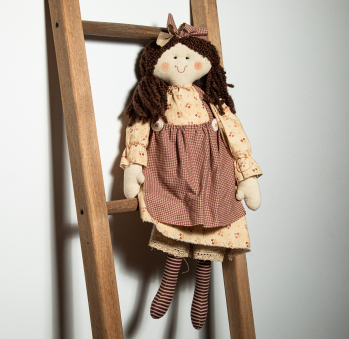
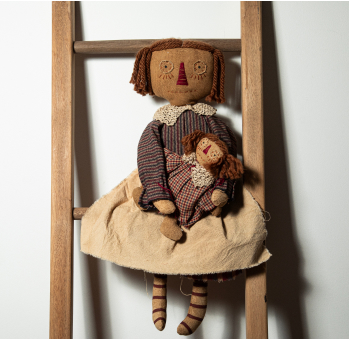
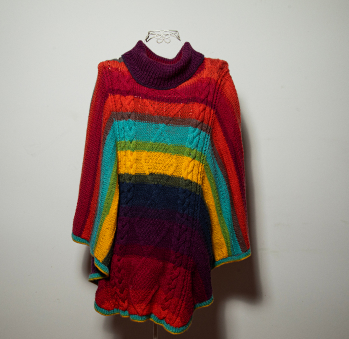
Life went on with its days and nights, until these two women, fully themselves, decided to join forces and embrace the family’s vocation for needlework. The right moment came when Clemencia finally received her pension at 65. By then they had already been living together for several years, after Elisa’s separation, so what better time to turn their love of embroidery into an enterprise? They opened their sewing room, Las Nietas de María (María’s Granddaughters) as a tribute to that first great needlewoman of the family, and with it, they offered a corner of beauty in the charming town of Circasia. Inside are cross-stitch and Norwegian drawn-thread table runners, mesh blouses, rag dolls and fabric hens, pincushion hearts, bobbins for lace collars, crochet placemats and tablecloths, and many other treasures. Among them, Clemencia’s embroidery sampler, proudly made in second grade, and Felicidad’s own collection of stitches—rare, intricate works no one has ever been able to replicate. Elisa laughs when she says the sewing room is chaotic, bursting with things, but then she pauses: “If a kitchen is perfectly tidy, it probably means it’s never used.” That’s what happens in their sewing room—it is alive, ready to let us lose ourselves among their stitches.
Workshop and process
Craft
Artisans along the way
Artisans along the way



No puede copiar contenido de esta página