
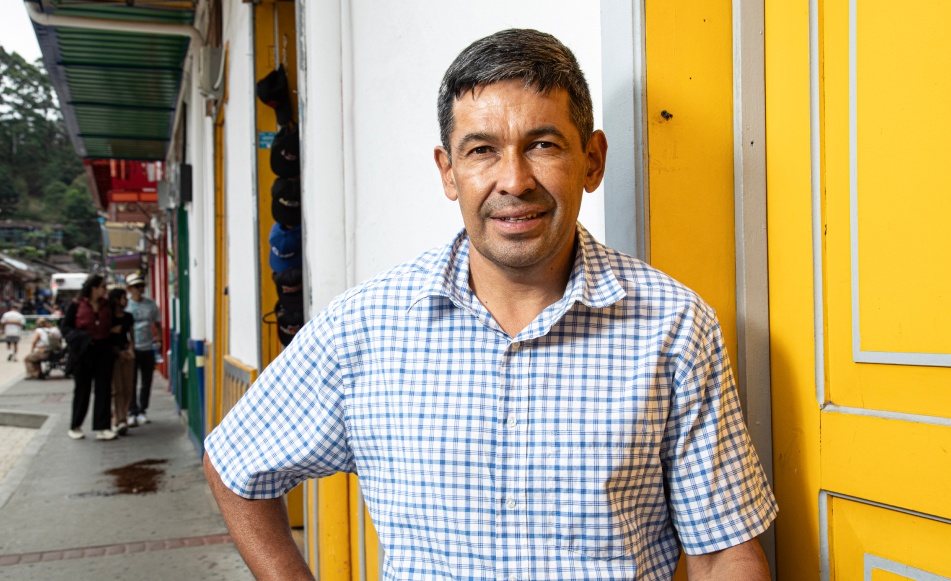
Duberly Galeano
Workshop: Tocora
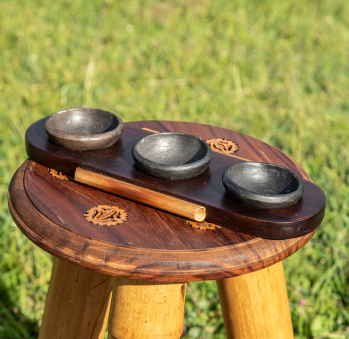
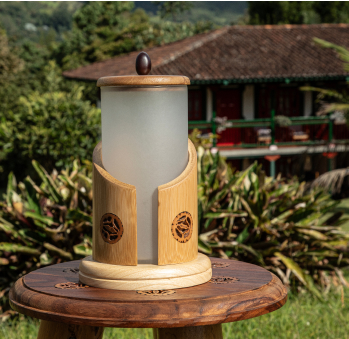
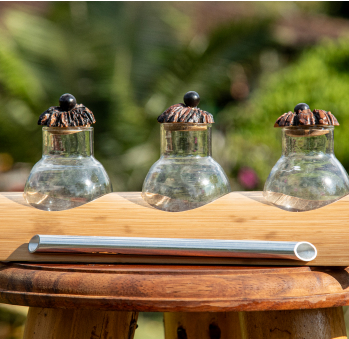
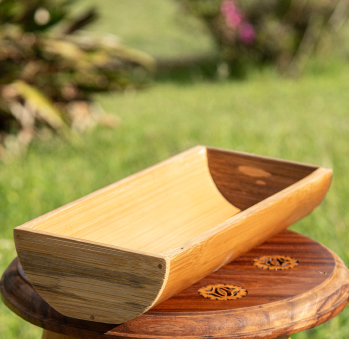
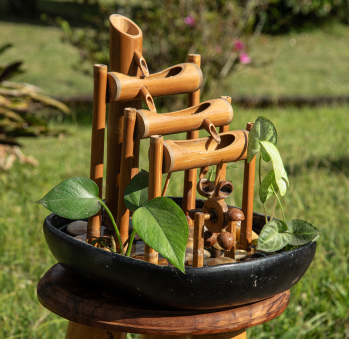
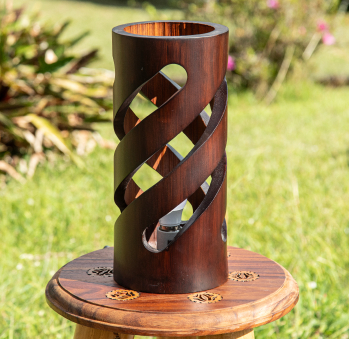
Craft: Guadua and wood crafts
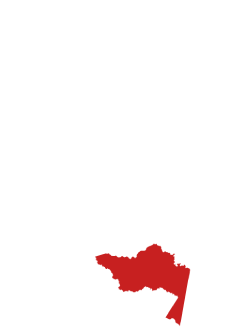
Trail: Quindío Route
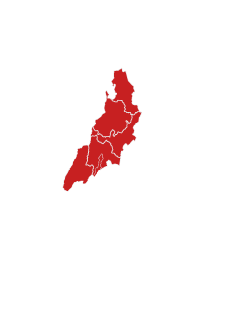
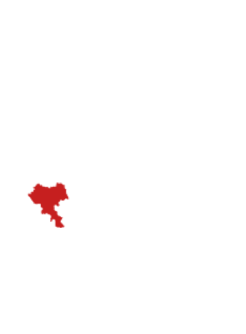
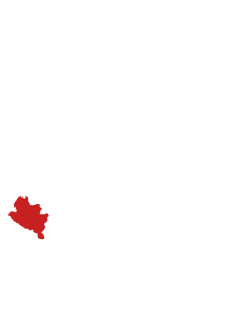
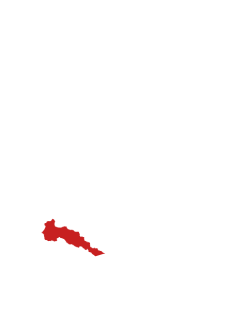
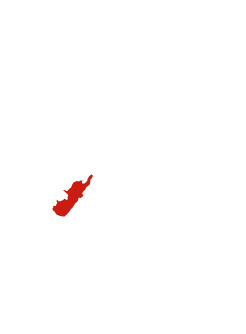
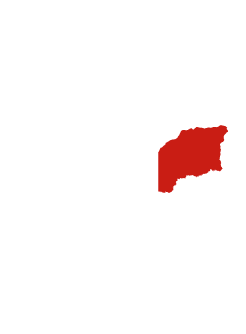
Location: Salento, Quindío
SCHEDULE YOUR VISIT
Aldea del Artesano
3146671243
ttocorasalento@hotmail.com
@p/Artesanias-Tocora-100063727956019
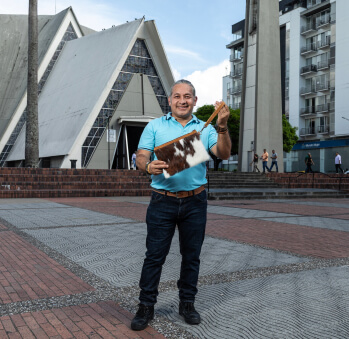
Duberly was born among coffee plantations and guadua bamboo groves. But not in Quindío—his birthplace was Quinchía, Risaralda, a land his parents were forced to flee in 1989 because of violence, despite living in Río Manso. Salento, in neighboring Quindío, took them in. And although they too endured the fear of a guerrilla takeover there, living on the outskirts meant they didn’t experience it as directly, and so they stayed in this new land—a place where his mother could still raise her animals, her hens and turkeys, and his father could continue harvesting coffee. And though he tells these stories with a touch of nostalgia, what he recalls most is not the fear his family endured, but the joy of growing up in the coffee landscape, surrounded by mountains heavy with red beans ready for roasting, the guadua sugar mill built by his grandfather, and the toys fashioned for him by crossing two wheels on a guadua stick. He also remembers how, alongside coffee, the household economy relied on small-scale mining, a job he began at seven years old—one that shaped his character and taught him the value of money.
Duberly loves to talk, goes into detail, is charming, and knows life rewarded him with an exceptional gift: working with wood and guadua. He’s convinced that each time he does so, he is honoring his family’s coffee-growing past, and, in a way, caressing the hands of his grandfather and father, both pickers, and of his tireless mother, who raised him while working in family’s homes, and who, when she saw her husband too weary to continue harvesting, found a way to learn how to make traditional Quindío sweets and kept the household afloat selling solteritas, obleas, and the rich fermented drink known as forcha.
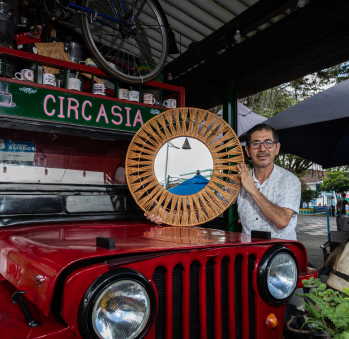
Those adolescent years in new territory were not easy, since he no longer had the extra income from mining that had given him some freedom back in Quinchía. Without that boost—and without much desire to sit in a classroom—he turned his focus to learning from his father all the skills of building with guadua. Later, he would take every course available to specialize in the craft. To make some extra money, he even worked at nightclubs. But in the end, tourism became his best ally—and, above all, the guadua that had always been a part of his life. He partnered with the owner of a hotel who saw in handicrafts a way to recover investments endangered by conflict. Together, near the Coffee Park, they acquired the necessary tools, and Duberly finished learning everything he needed to declare himself a true artisan.
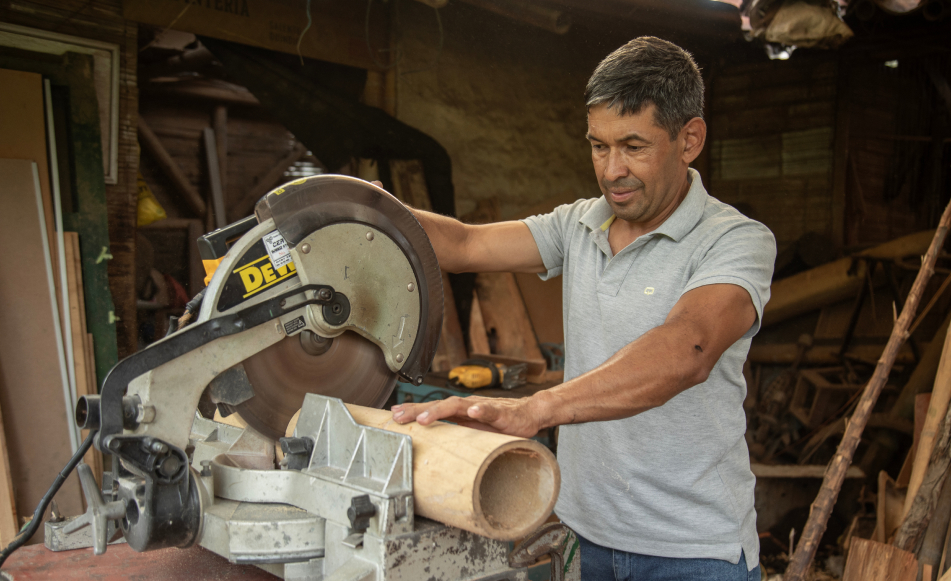
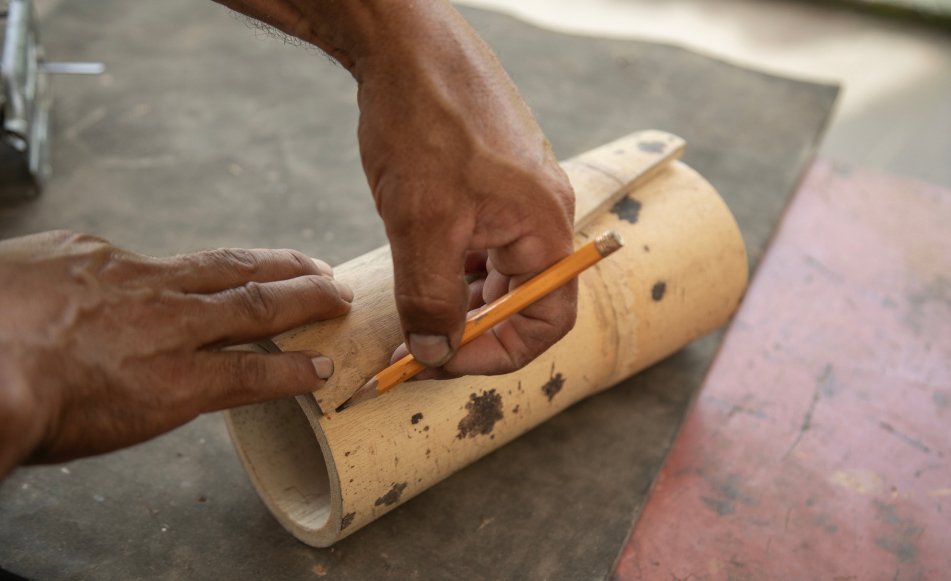
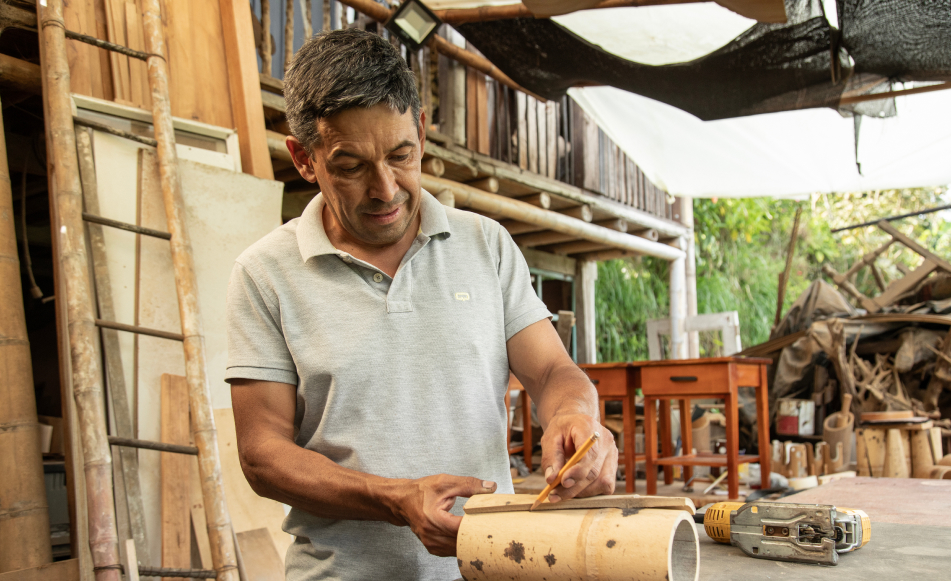
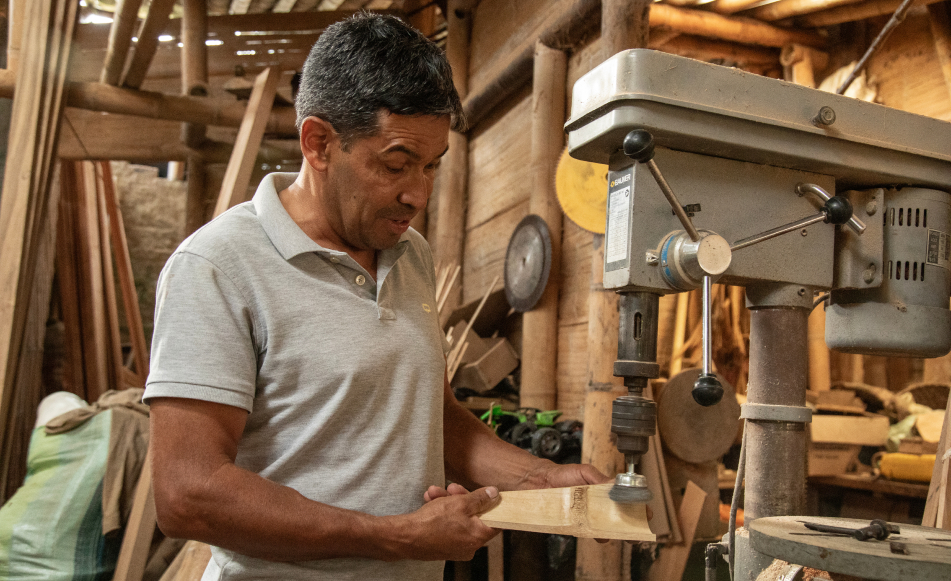
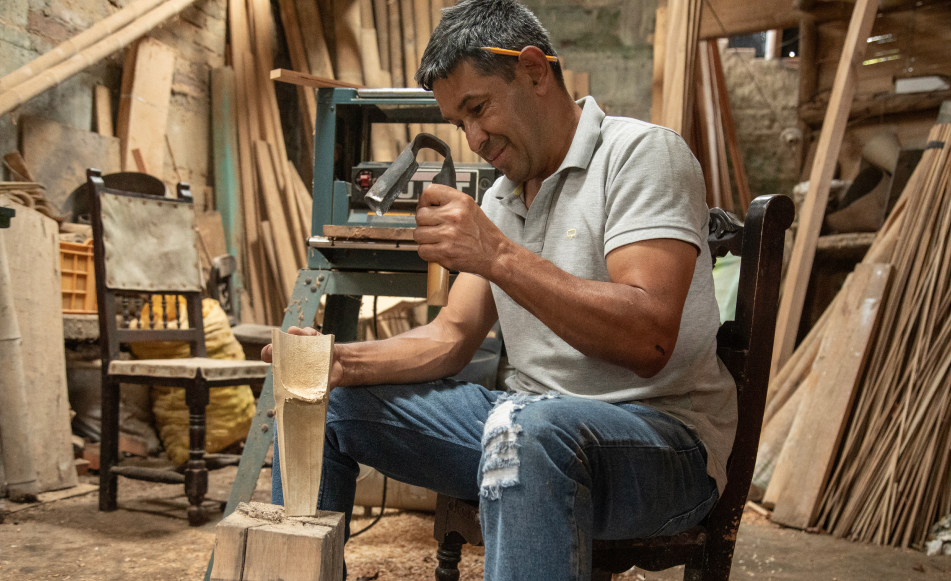
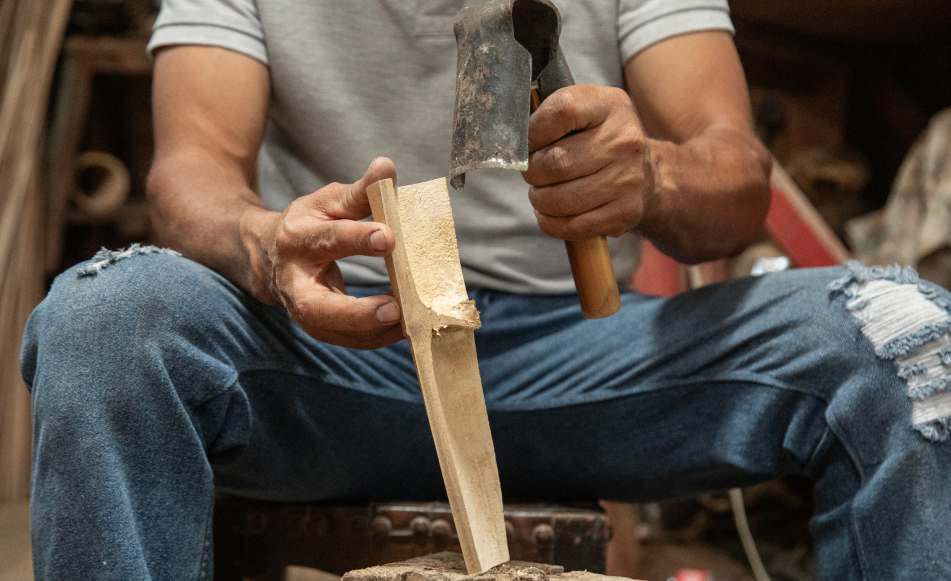
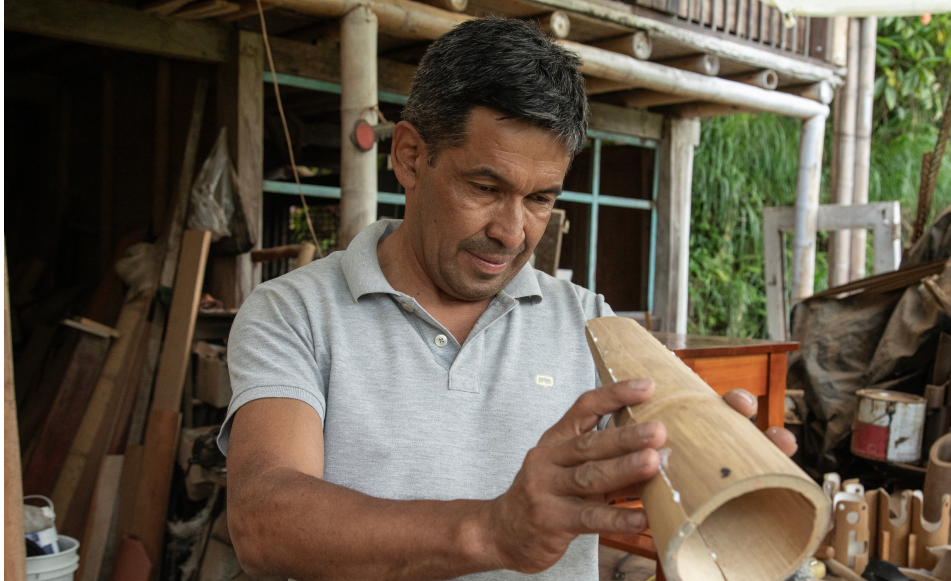
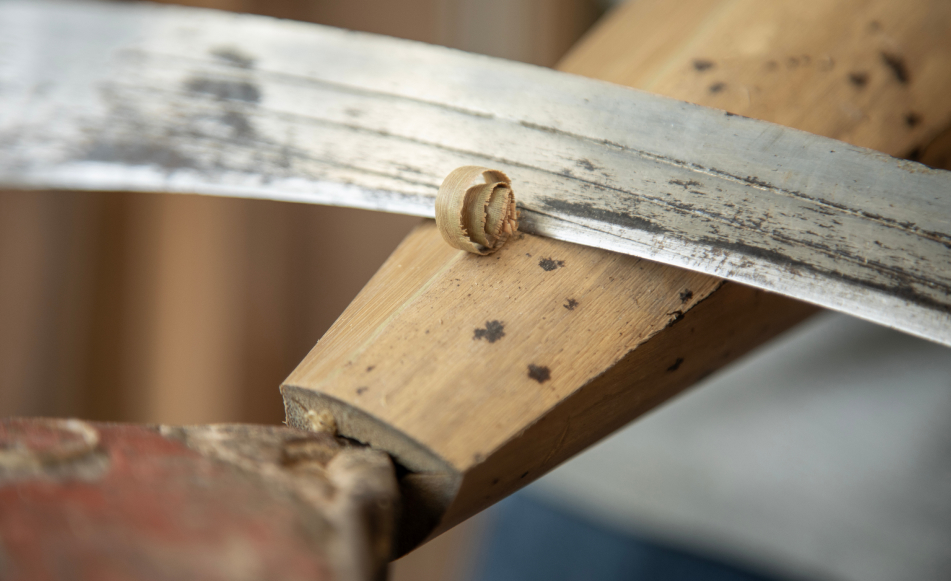
Salento has provided the perfect landscape for his craft, as he lives surrounded by guadua groves. He is a master of cutting this raw material, experimenting with it through intricate carvings and assembling pieces with remarkable skill. His journey has been one of exploring wood until mastering it and understanding its behavior in different climates—something he realized when he first brought his pieces to Bogotá and the cold, dry weather caused them to crack and split. He also understands the importance of working with treated wood for a product’s durability. Looking back, he sees just how much he has grown.
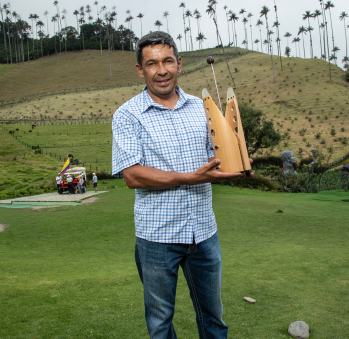
Today, he celebrates that the town has become a tourist destination, for decades overshadowed by the Cocora Valley just twelve kilometers away, home to the iconic wax palms featured on the 100,000-peso bill. He also lives in the artisans’ village, a project developed by the Japanese government through which the department honored its finest artisans by providing them housing among ecological trails. Yet, as in many parts of his story, this good fortune was born of tragedy: on January 25, 1999, an earthquake struck the Eje Cafetero with Armenia as its epicenter, leaving him once again without a home. By then, however, he had already earned a respected place in Quindío’s world of craftsmanship and, alongside the region’s greatest masters, was featured in the book that formally recognized them.
Workshop and process
Craft
Artisans along the way
Artisans along the way



No puede copiar contenido de esta página