
Fredy Morales
Workshop: Arte y Diseño FMC
Craft: Basketry
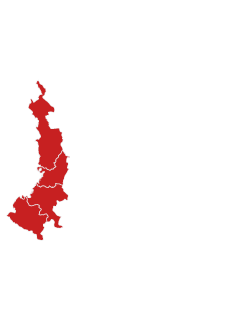
Trail: Risaralda Route
Location: Santa Rosa del Cabal, Risaralda
SCHEDULE YOUR VISIT
Carrera 24B #18-17
3138478322
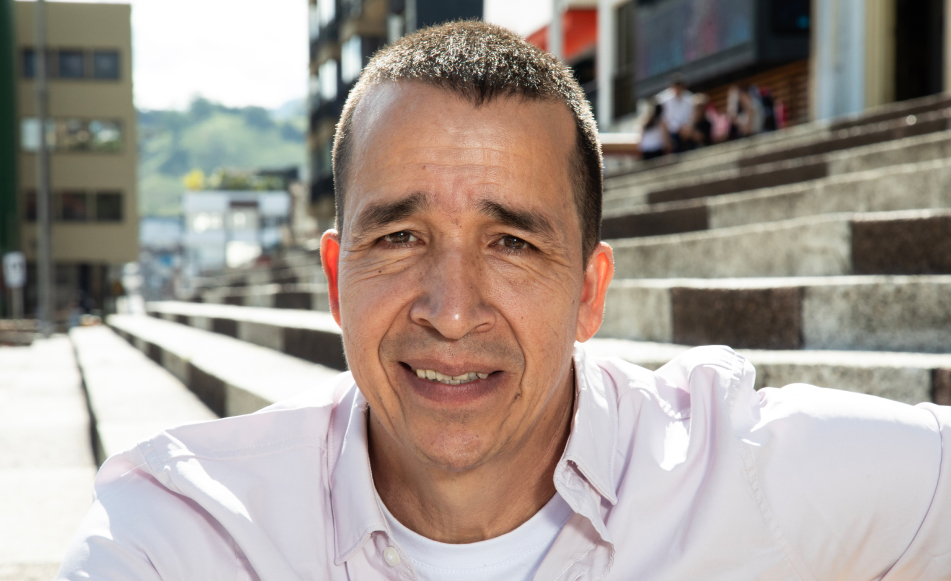
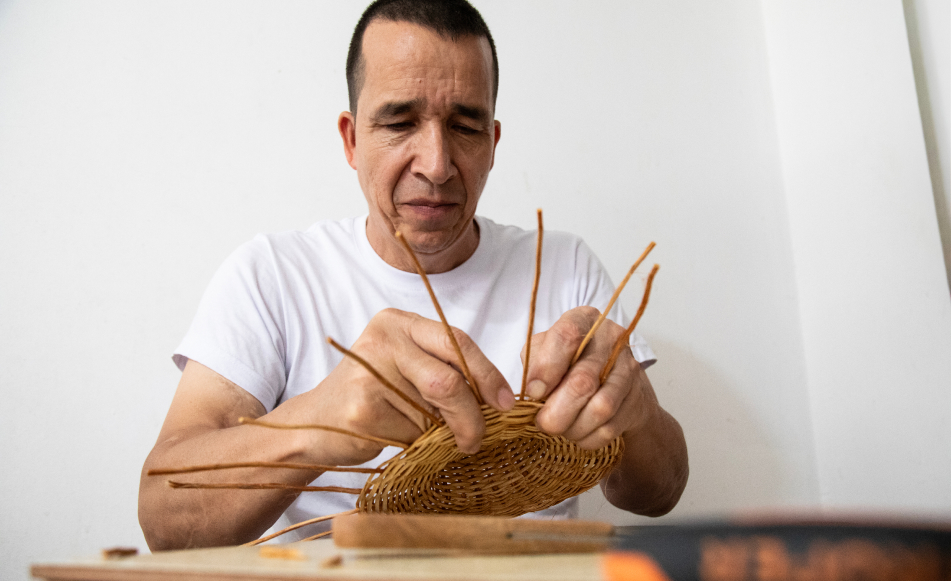
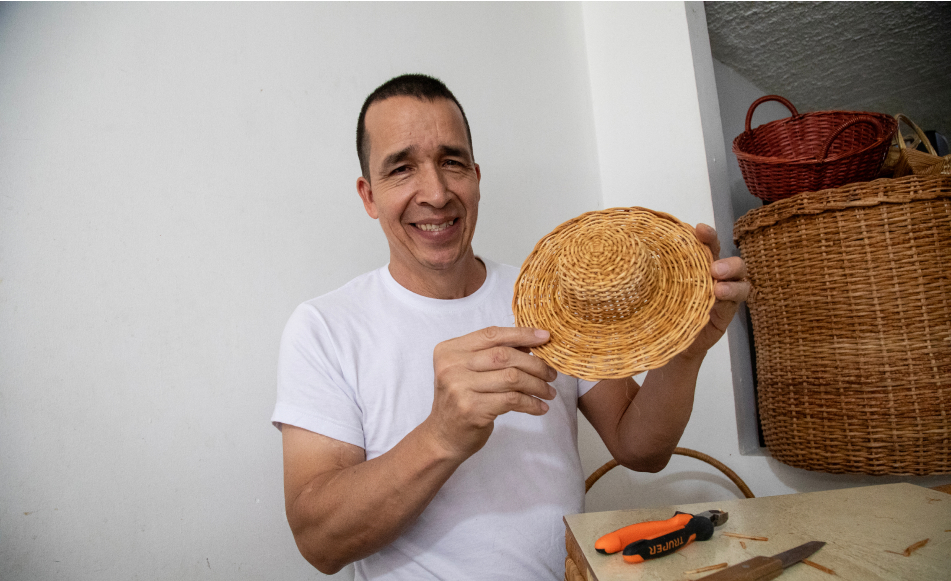
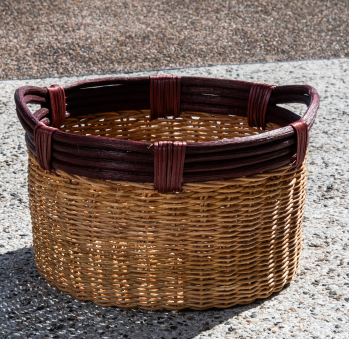
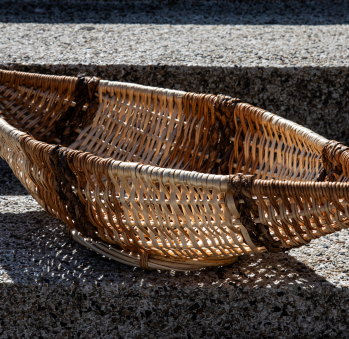
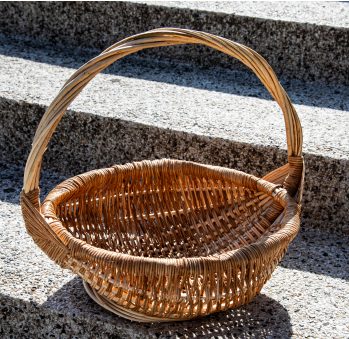
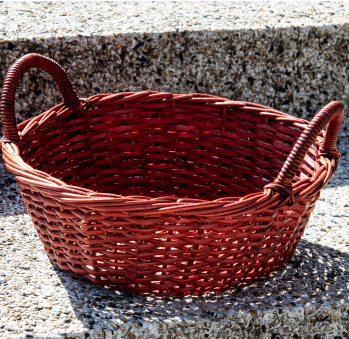
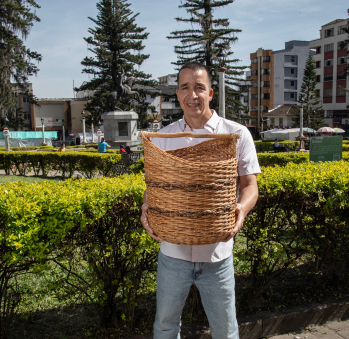
It has been a lifetime of weaving baskets from vine, of crafting with his hands the legacy of the Morales men: his father Francisco José, his grandfather Vicente, and his great-grandfather Serafín. Fredy learned the craft as a child, when his father took him and his six brothers into the mountains of Cartago, Valle, to gather cucharo and yute. That is where he spent his childhood, before the family moved to Santa Rosa de Cabal in Risaralda—something that left Fredy with an accent that swings between Antioquia and Valle accents.
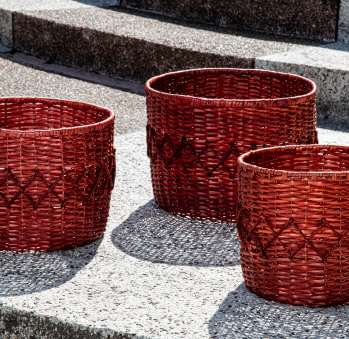
Back then, all the brothers learned by making the old coffee baskets that pickers tied around their waists to collect ripe red cherries—long before plastic containers came along. When those arrived, most of the brothers had to turn to other trades, not only to survive but also to escape the stigma that painted vine gathering as harmful to nature, even though the plant regenerates and blooms again. Fredy tells this story knowing that, though he learned the craft early and still practices it today, he first had to endure the harsh blows life can bring—like the loss of the brother who fueled the family’s work with his energy.
Walter, his brother, was fearless. One of those people you can tell push forward. So fearless that when a man in Santa Rosa de Cabal offered him a house to sell their crafts—right across from La Postrera, a traditional roadside restaurant at the town’s entrance—he said yes, barely twenty years old and with no idea how he would make it work. He convinced his brothers to join him, to pool their strength so their mother, Luz Marina Carmona, could finally have some rest after raising seven sons and four daughters on her own. And they did it. They had so much work that their hands couldn’t keep up. Customers came to them—they no longer had to go looking. Until the lean years came. And with them, tragedy: a car accident that took Walter’s life and that of his five-year-old son. With him went the dream of the basket workshop. It was simply too painful to keep it alive without him—especially for Doña Luz Marina.
Even after such a devastating loss, Fredy chose to return to his craft. Three years in a gas pipe factory confirmed what he already knew: nothing stirred his love the way working with vine did. He puts it simply: you can care for a basket, but never for a gas pipe. In the end, life is about doing what speaks to your heart. That’s why he has turned down other jobs, even knowing his family reproaches him for not chasing the one that “makes the most money.” For Fredy, its important to work with joy, to do what he loves—otherwise, what’s the point?
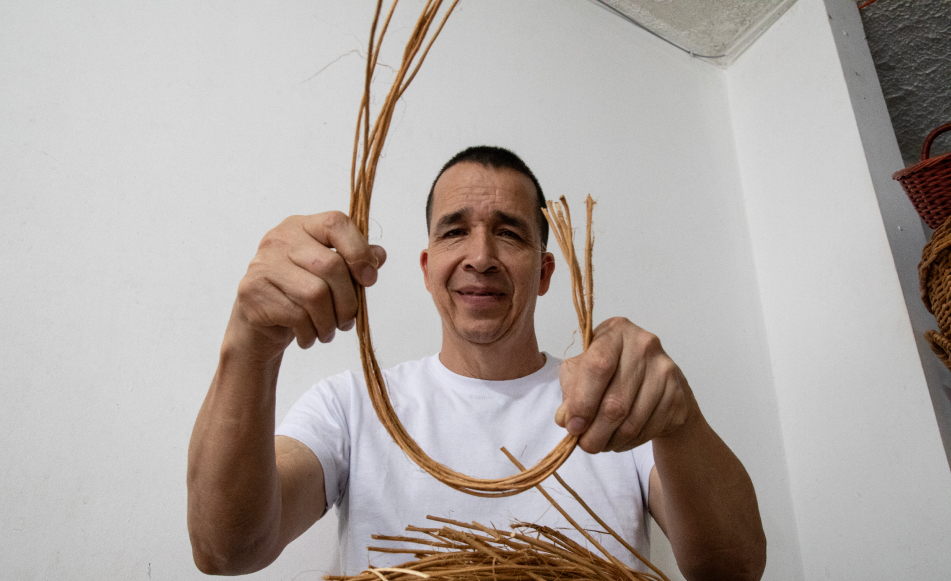
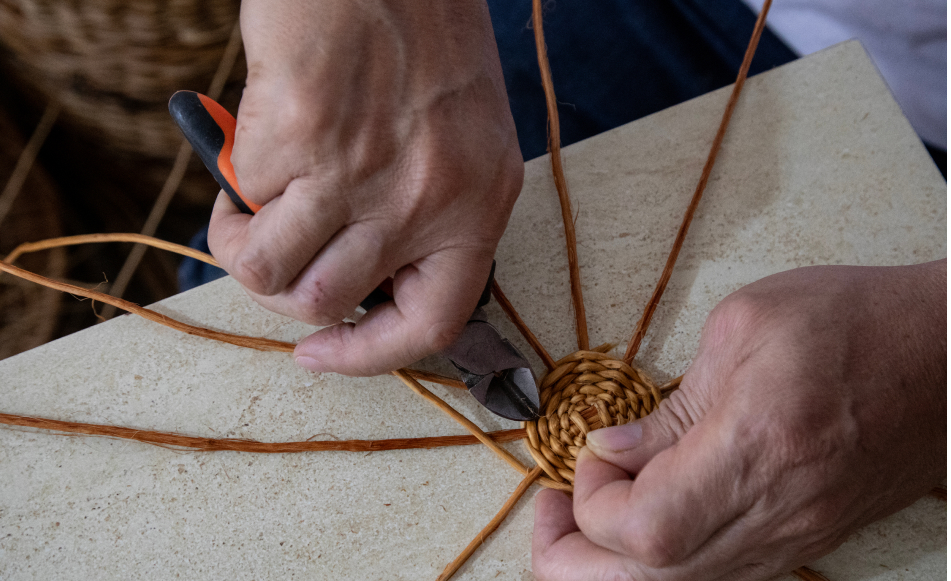
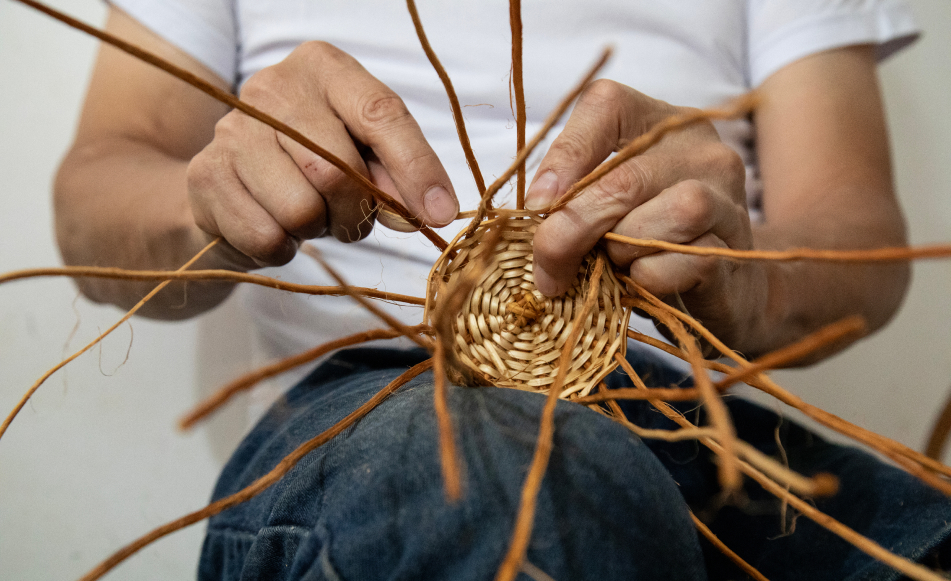
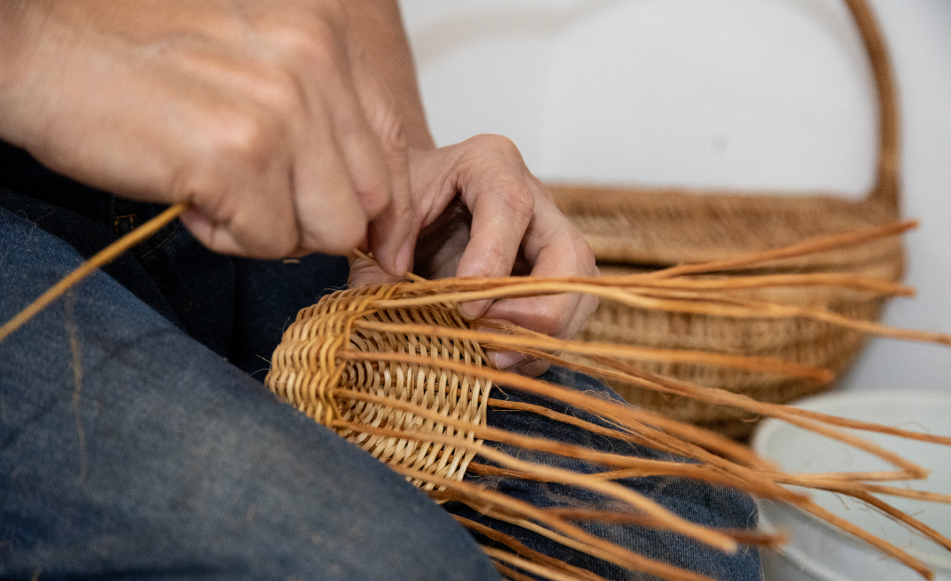
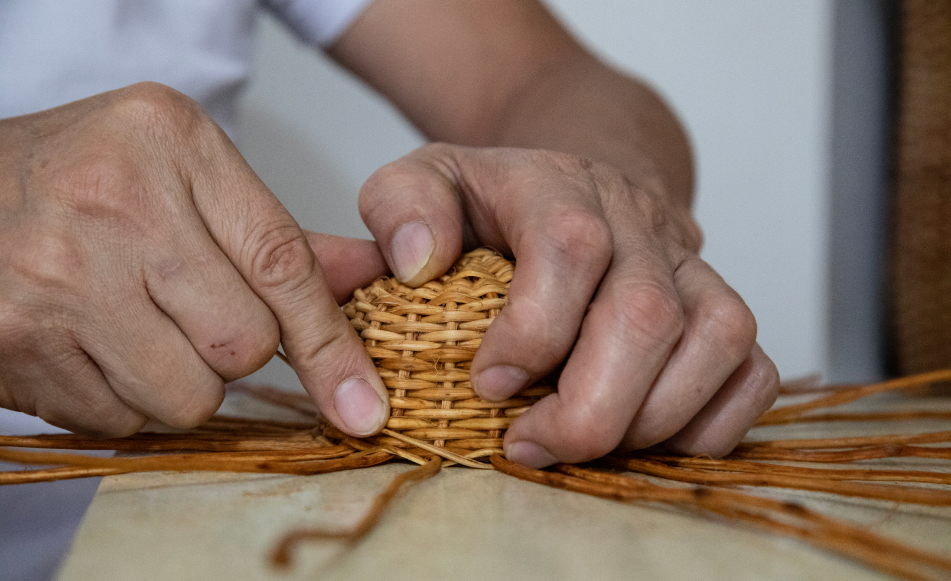
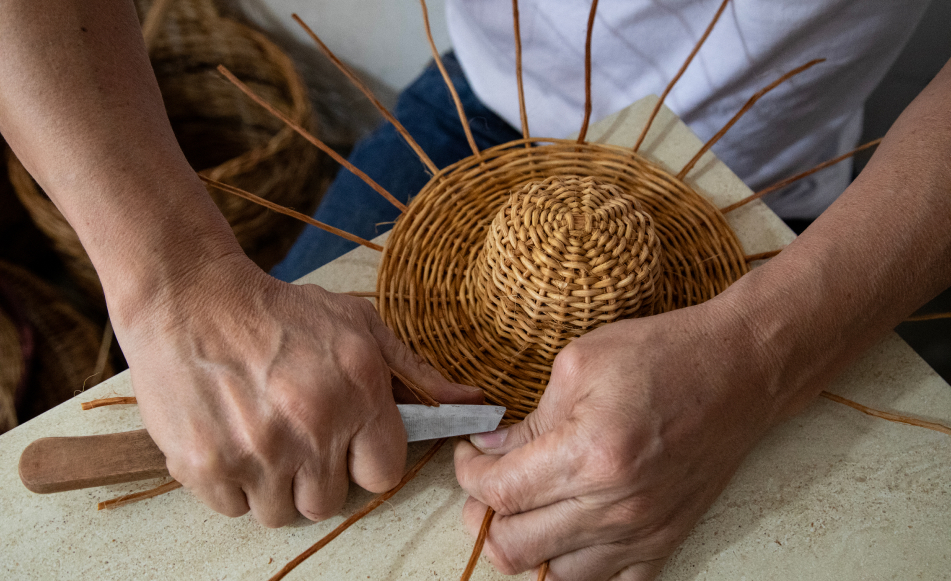
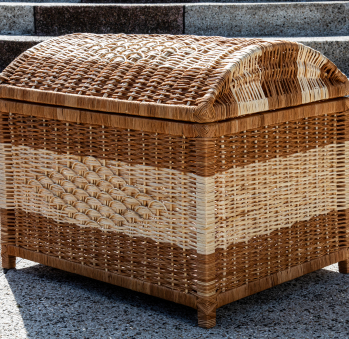
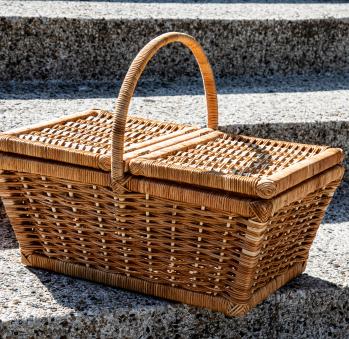
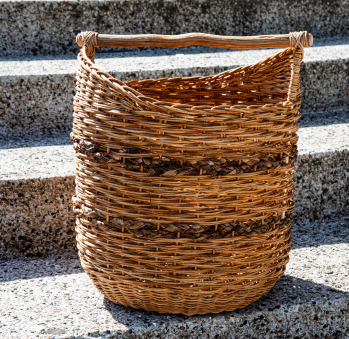
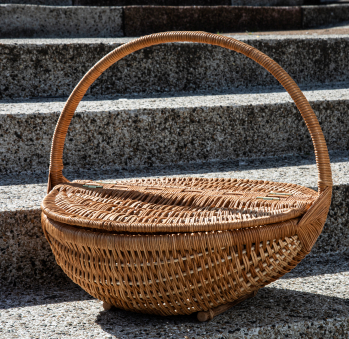
Perhaps none of this would have happened without Walter’s drive—the brother who, even in his absence, taught him to grow again, to believe again, clinging to life like the tripa e’ perro vine, also called tripillo. Growing in the highlands above Cartago, it has become Fredy’s favorite raw material after years of working with cucharo and yaré. Tough and fibrous, it must be pulled from the trees it wraps around, peeled, and sorted before being turned into lamps, trunks, or Moses cradles—pieces that few still make today. It is this vine that echoes one of Fredy’s simplest yet most powerful ways of describing himself: “I was born inside a basket, and that’s where I’ve stayed.”
Workshop and process
Craft
Artisans along the way
Artisans along the way



No puede copiar contenido de esta página