
Gary González
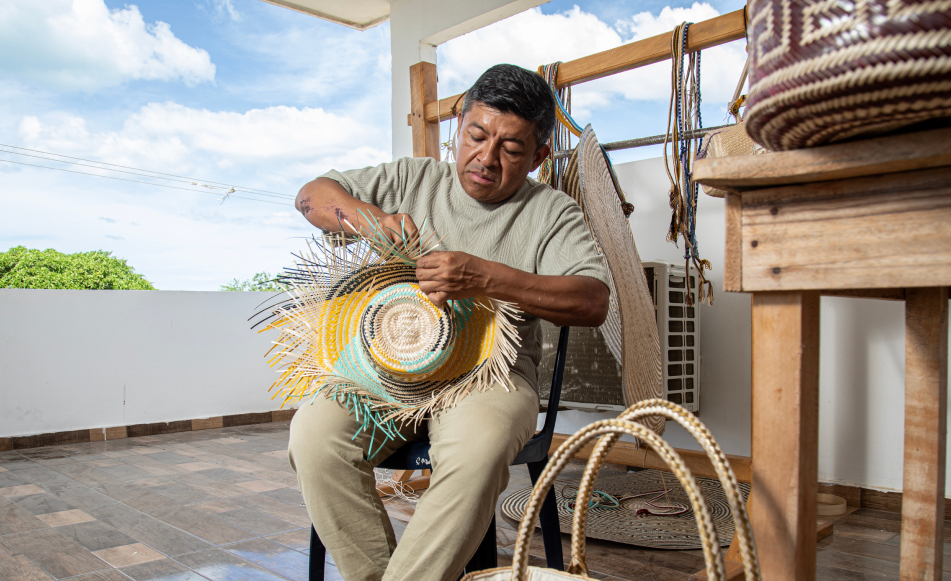
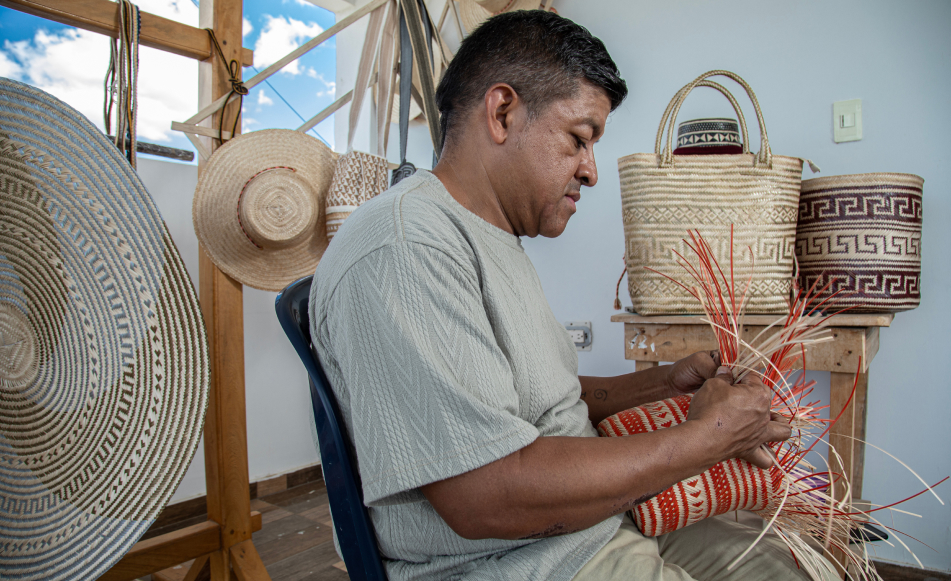
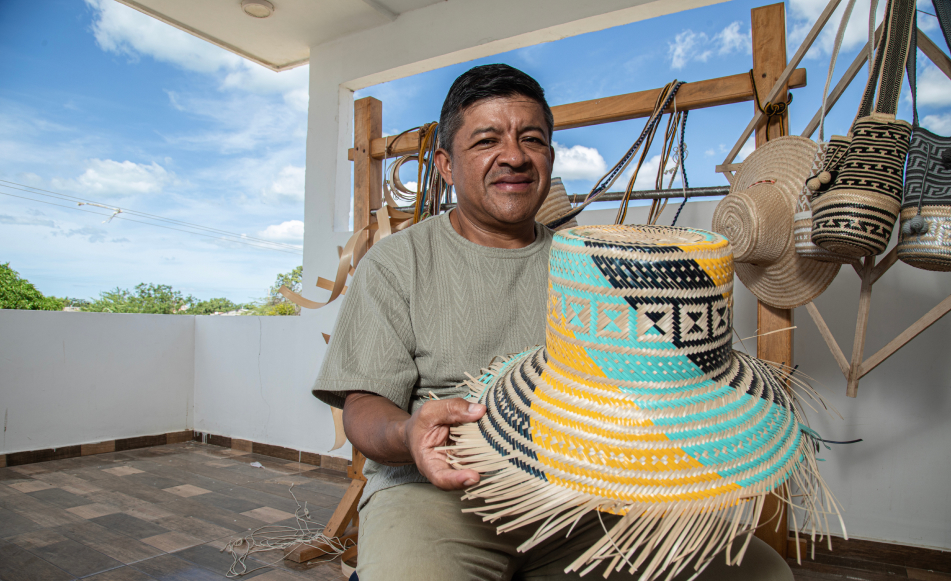
Taller: Centro temático artesanal del sombrero wayuú
Oficio: Tejeduría
Ruta: Ruta Diversa con enfoque LGBTIQ+
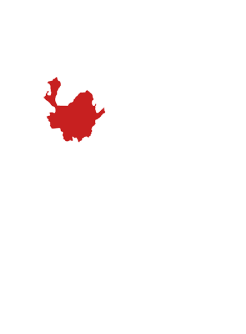
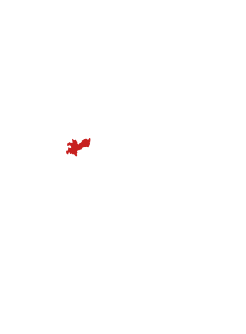
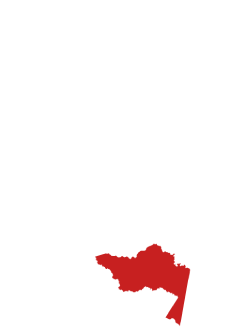
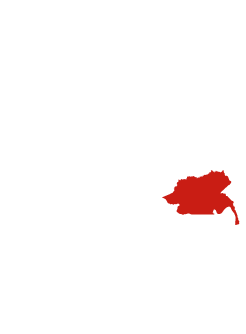
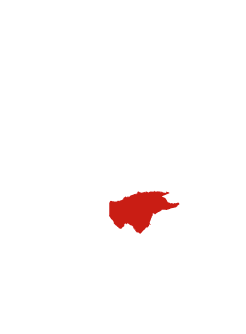
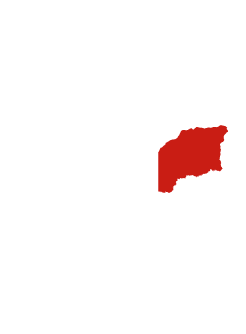
Ubicación: Riohacha, La Guajira, Ruta Diversa
AGENDA TU VISITA
Calle 14c 36 11, Riohacha La Guajira
3104241963
garyuwoma@gmail.com
@garygonzalezartesanias
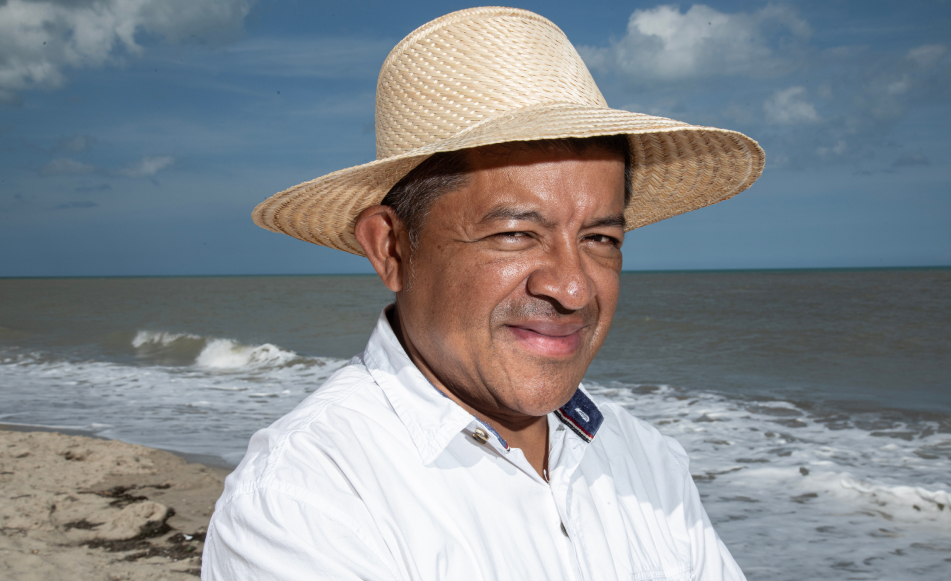
Lo único que Gary quería que pasara cuando niño era la llegada de las vacaciones. Ese día anhelado, su abuela Graciela lo esperaba en la ranchería en la Alta Guajira de Kaparala con los brazos abiertos. Eran sus tres meses más felices del año. El premio por un buen año de clases. Y es que desde sus cinco, su mamá se lo llevó a estudiar a Venezuela porque, por más extraño que parezca, cruzar a Maracaibo era, definitivamente, más cerca que bajar a Riohacha, 8 horas de viaje, en lugar de 15…
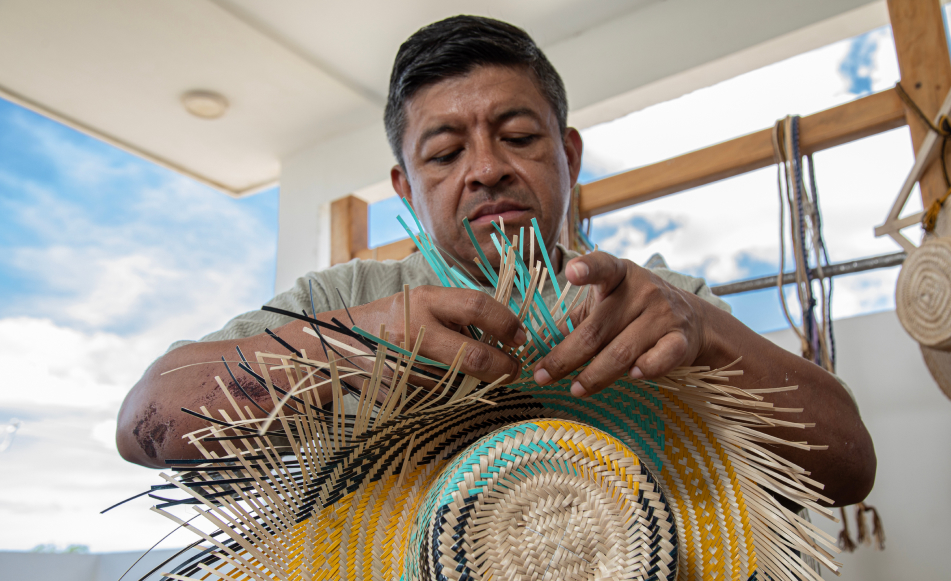
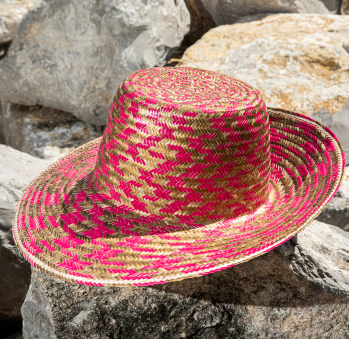
La distancia le hizo añorar su vida guajira, al menos la rural, la de su abuela y sus tíos y primos, pues en Venezuela la amplia comunidad wayuu que vivía –y sigue haciéndolo– en la frontera, le impedía olvidar sus raíces, y su lengua. Gary agradece que su pueblo sea tan unido y que donde estén, los guajiros, se buscan y atraen, y así preservan su identidad. Sin embargo, lo que vivía en la ranchería era distinto. Porque su paisaje lo era. Vecinos del imponente cerro Macuira, su comunidad creció con un arte único: el de la tejeduría de sombreros en palma mawisa, trabajo al que, después de mucho tiempo, le consagró su vida.
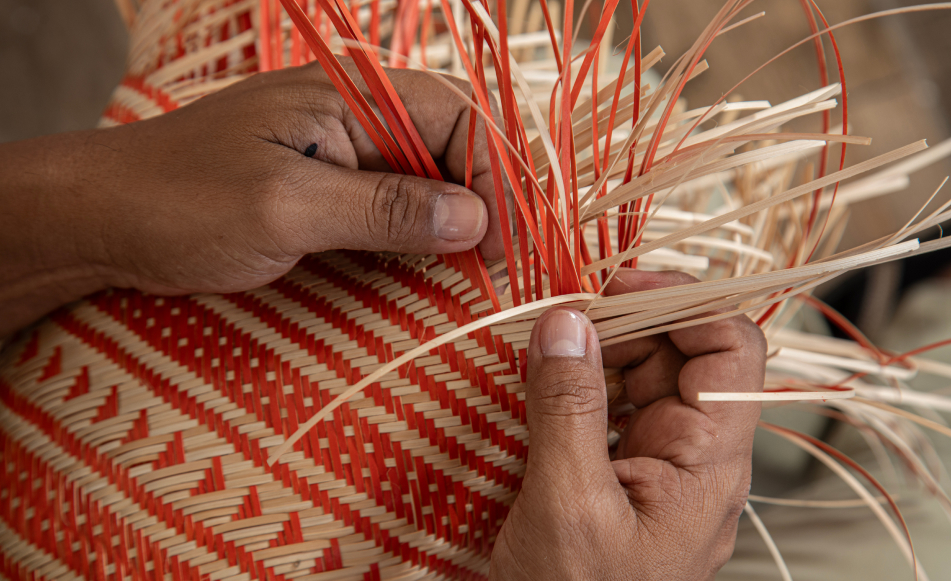
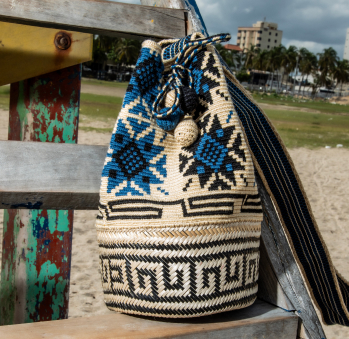
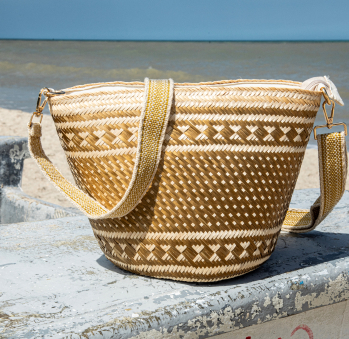
Los años le han enseñado que lo más valioso que tiene es su origen wayuu. Por eso, aunque empezó una Ingeniería, rápidamente se dio cuenta que lo que debía hacer era cultivar sus raíces y mirar con detenimiento lo que siempre había estado allí frente a sus ojos: la tradición de un pueblo, ni más ni menos. Abrió entonces los oídos y aprendió de cómo la península de la Guajira, en los tiempos de la Conquista, estuvo transitada y visitada por barcos holandeses y españoles que dejaron regada la tradición del bordado en croché, dominio manual que luego los indígenas adaptarían en sus propios tejidos y les imprimirían sus tradicionales símbolos, llamados kaanás. Así mismo, supo de aquellos primeros wayuus que un siglo atrás habían empezado a recolectar la palma en las montañas altas del cerro y a tejer el sombrero que acompaña la vida del guajiro, lo cubre del sol al pastorear, y lo acompaña con el chinchorro que le sirve para dormir, y la mochila para cargarlo todo. El gusto por estas historias, además de entender a la perfección el linaje matrilineal de su cultura, ese poderío femenino que rige los destinos wayuu, lo llevó a estudiar etnoeducación.
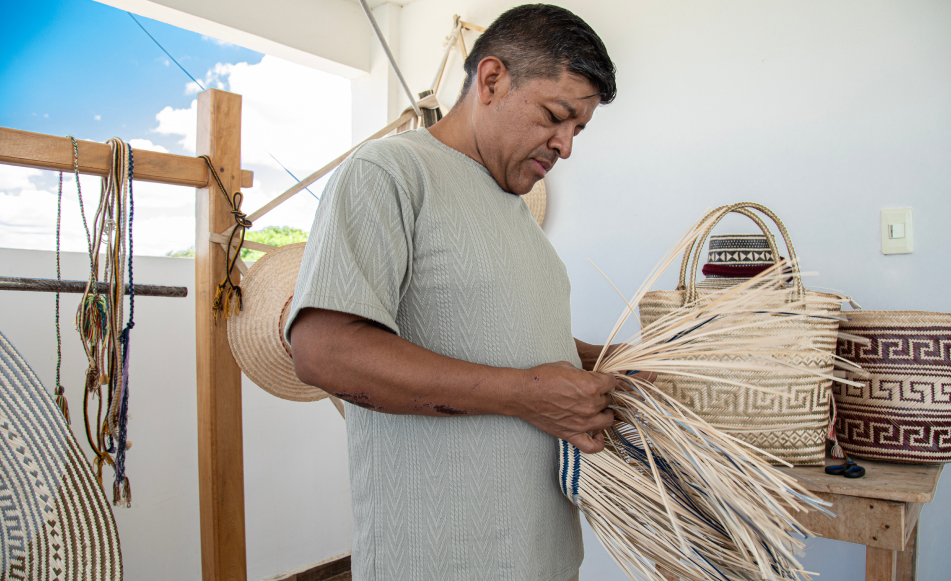
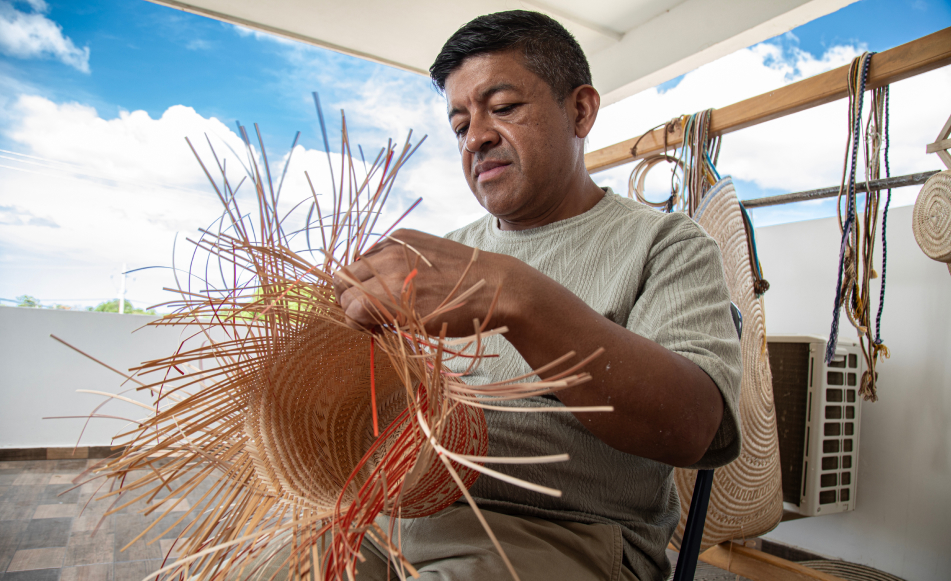
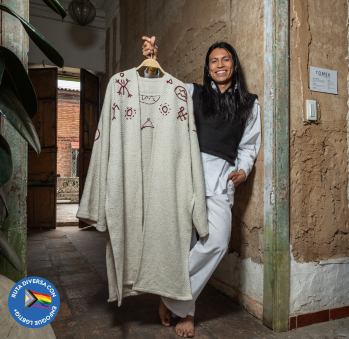
Así que este hombre alegre y generoso de palabra, comparte su tiempo tejiendo el sombrero e impartiendo lecciones sobre la vida wayuu, sus tradiciones y lengua wayunaiki. Recuerda aquellos años en donde participaba como artesano en el Festival de la Cultura Wayuu, en el municipio de Uribia. Sus sombreros lo llevaron a ganarse la medalla al mejor artesano por cuatro años consecutivos, hasta que le dijeron que ya no más… eso lo hizo irse a trabajar como profesor de la cultura wayuu por todo el departamento, de la mano de la Chevron. Fueron años lindos, como los recuerda, viendo a los niños fascinados con la tejeduría del sombrero. Hasta que en 2009 conoció Expoartesanías y vio el furor que produjo el sombrero.
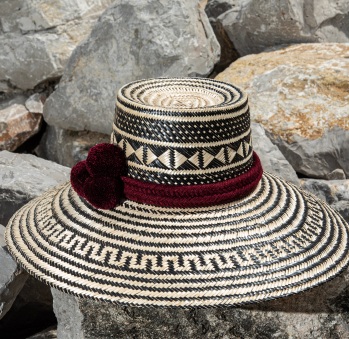
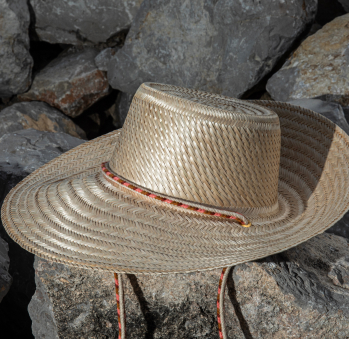
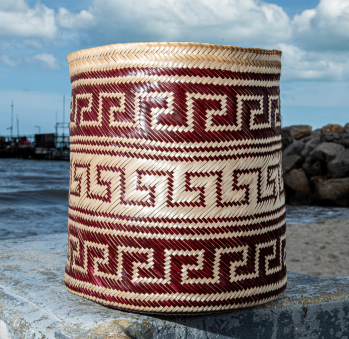
¿Quién se hubiera imaginado que ese sombrero de paja rígida iba a convertirse en una de las artesanías más buscadas de las ferias? Originalmente, con diseños de kaanás tradicionales, como el del caparazón de la tortuga, teñido en rojo sangre, se fueron transformando los sombreros en colores pasteles que se ven en las estaciones de los países europeos, con borlas de colores tejidas para hacerlos más coquetos. Es una adaptación que les hizo, basándose en las sillas de montar de los burros del desierto.
Hoy Gary divide su tiempo entre Riohacha y la Alta Guajira, cerca de su cerro de la infancia. Su comunidad hace lo mismo, su grupo artesanal también. Sabe que subir a la Alta es toda una tarea, una voluntad, a la que nos invita a sumergirnos a todos, con la promesa del descubrimiento de un paisaje único. Pero si no lo logramos, también nos enseñará de sus sombreros en la capital del departamento, porque lo que más quiere es hablar de su pueblo y, para ello, puede hacerlo donde lo desee.
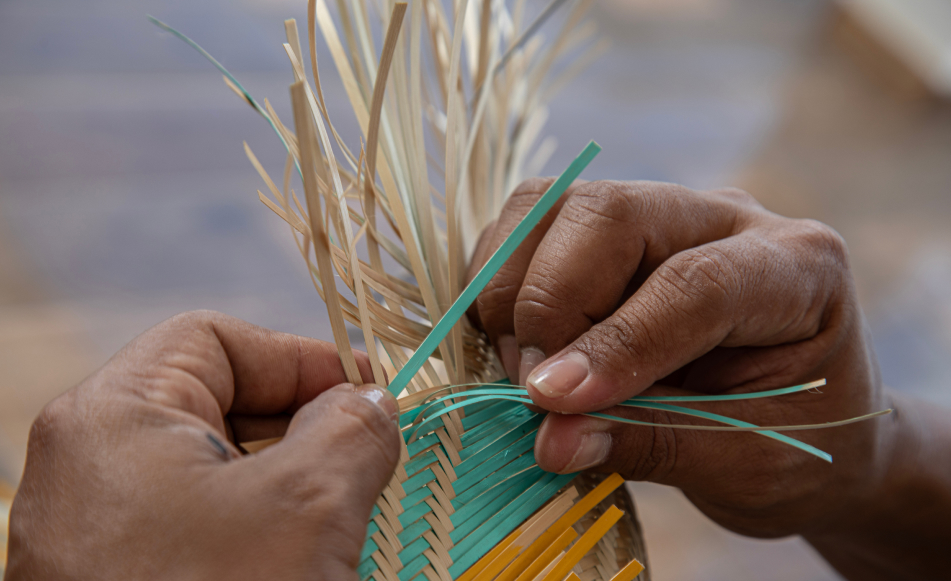
Taller y proceso
Artesanías
Artesanos de la ruta
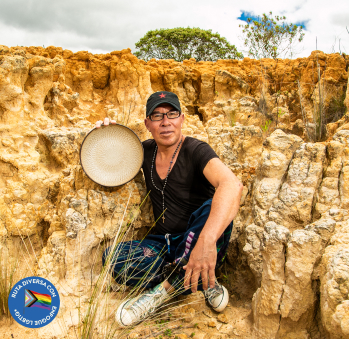

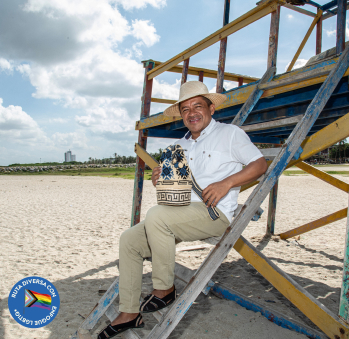
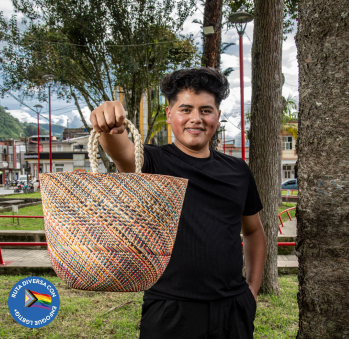
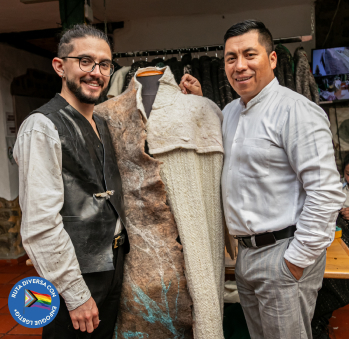
Artesanos de la ruta



No puede copiar contenido de esta página