
Gladis Quintero y ASODISQUIM
Workshop: ASODISQUIM
Craft: Jewelry
Trail: Quindío Route
Location: Quimbaya, Quindío
SCHEDULE YOUR VISIT
Cra 6 con calle 12 esquina – Alcaldía municipal de Quimbaya 3er piso
3146539536
gladisquintero2358@gmail.com
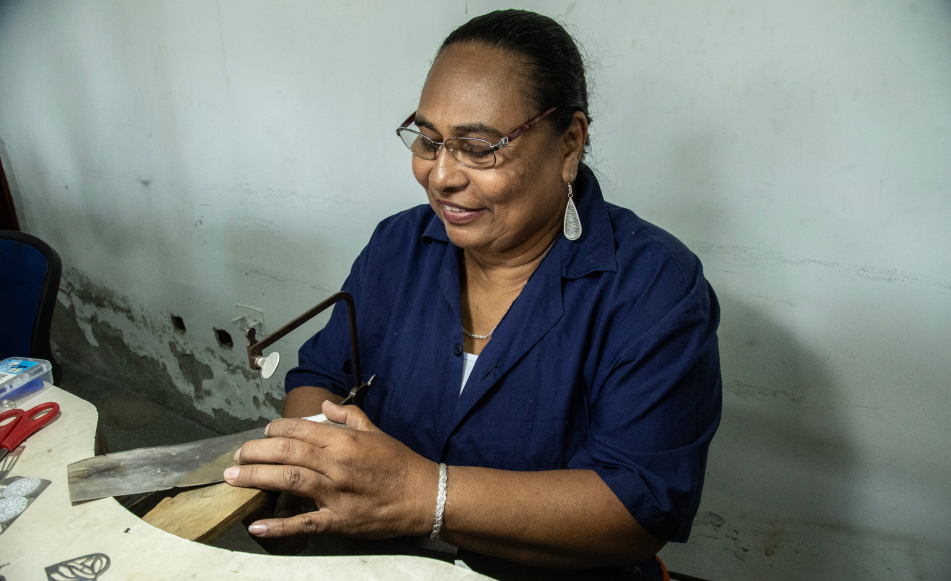
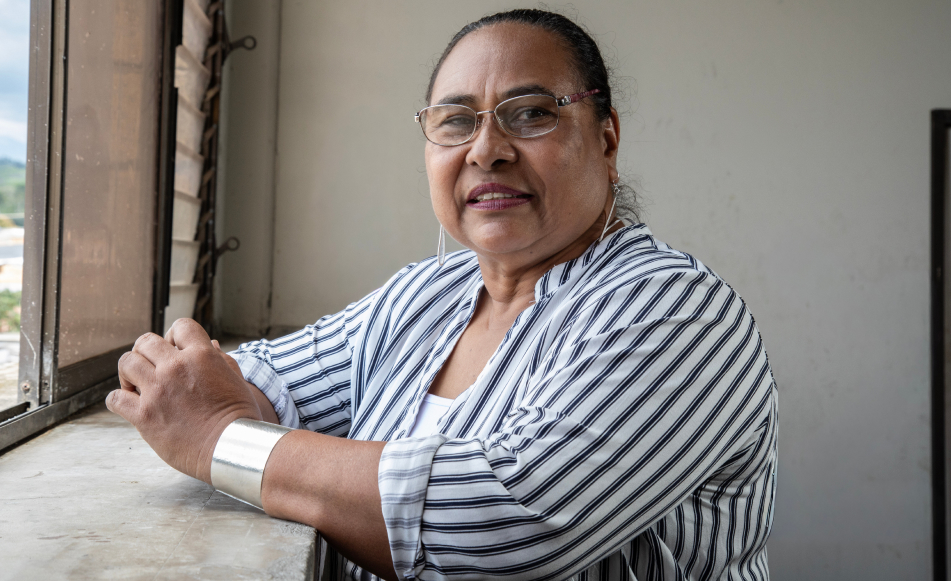
For Gladis Quintero, as for so many people in Quindío, January 25, 1999, is a date forever etched into her body and memory. For her, it was life-defining. Not only because the earthquake that devastated Armenia also shook Quimbaya and terrified her, but because it became the marker for all the upheavals that arrived at once: the death of her father, the separation from her husband just months before, and the stroke she suffered on April 9 that left half of her body paralyzed. The image is powerful enough: like the earth itself, her life was split in two.
And yet, had it not been for this devastating episode, she never would have discovered the world of goldsmithing, nor become the jeweler she is today. To arrive at this hard-won happy ending, one must retrace the slow reconstruction of her life—step by step, like with the walker she learned to master thanks to a character that refuses to give in to anything. When she looks back, she can only thank God for the miracle of being alive and, even more, for revealing to her a vocation and a talent.
In the wake of the trauma and economic hardship left by the earthquake, local and regional authorities began offering training in trades to people with disabilities (whether caused by the earthquake or preexisting), as well as to women heads of households and young people without formal education. It was through this initiative that Gladis embarked on her personal crusade, one that revealed to her an infinite strength she never knew she had—and that has made her a leader in her community today.
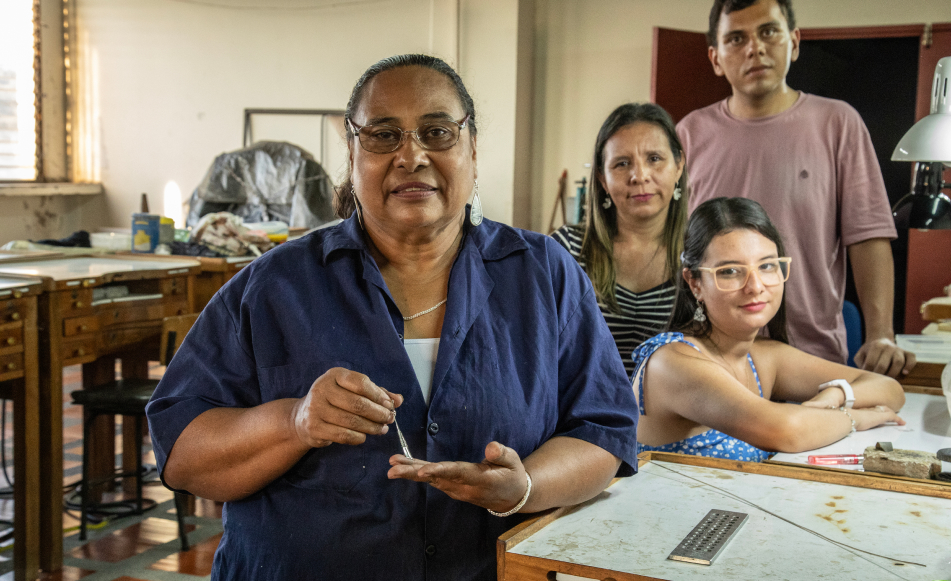
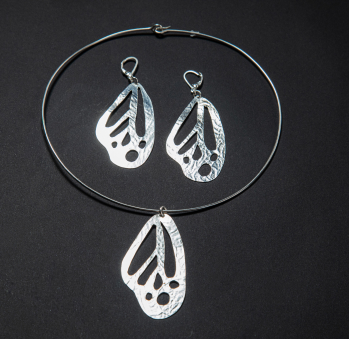
She recalls those first steps in the world of jewelry: the pain she felt moving her left arm, the sense she wouldn’t be able to go on; the tears when her saw blades snapped; or watching her fellow wheelchair-using classmates burn themselves accidentally with hot material spilling on their laps. But alongside that pain, she celebrates the moments when, together with a group of fellow students who would go on to form the Quimbaya Association of People with Disabilities—Asodisquim—she followed the lead of her teacher, Luz Helena Buitrago, and, with the guidance of the sisters Olga and Diana, a psychologist and therapist respectively, discovered the wonders of Quimbaya pre-Columbian culture. In that discovery, sorrow transformed into butterflies, crescent moons, birds, poporos, and seals.
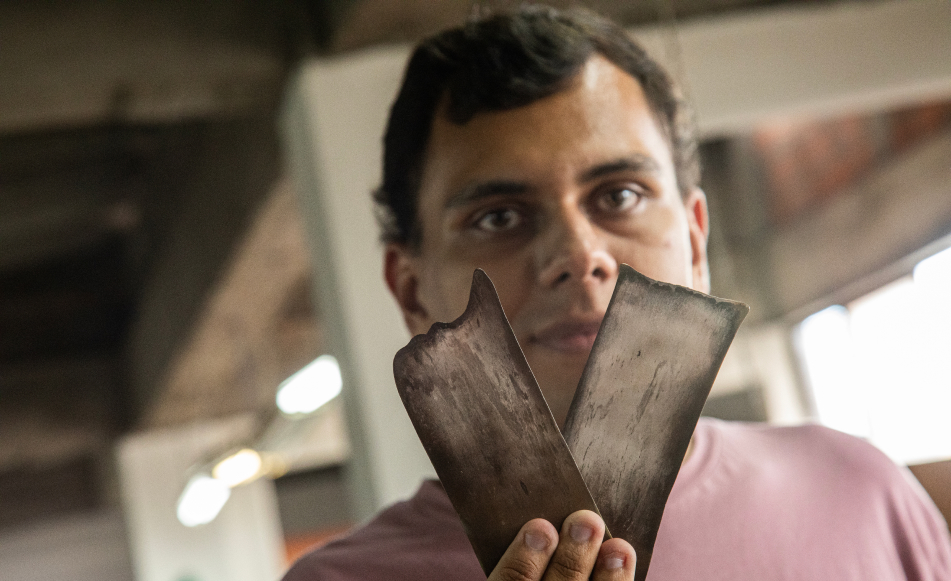
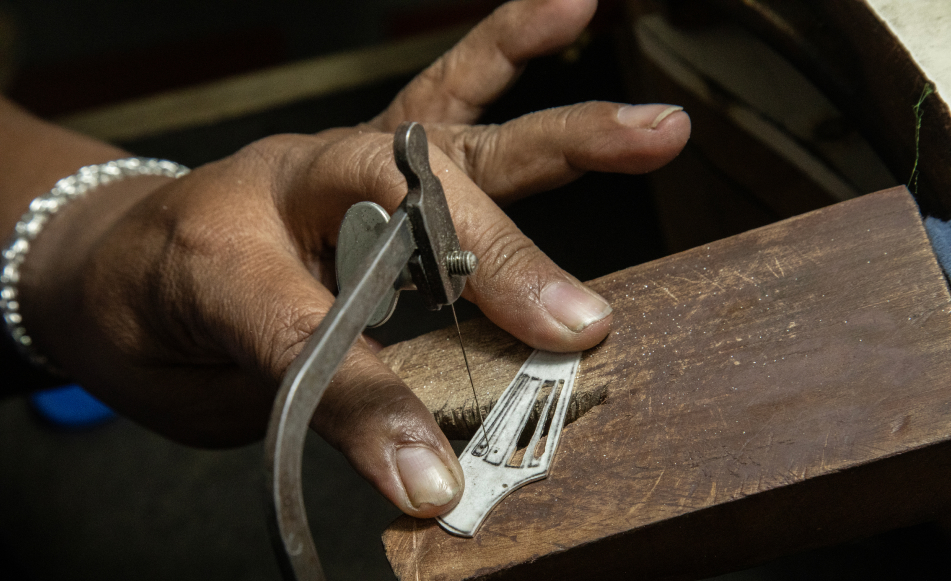
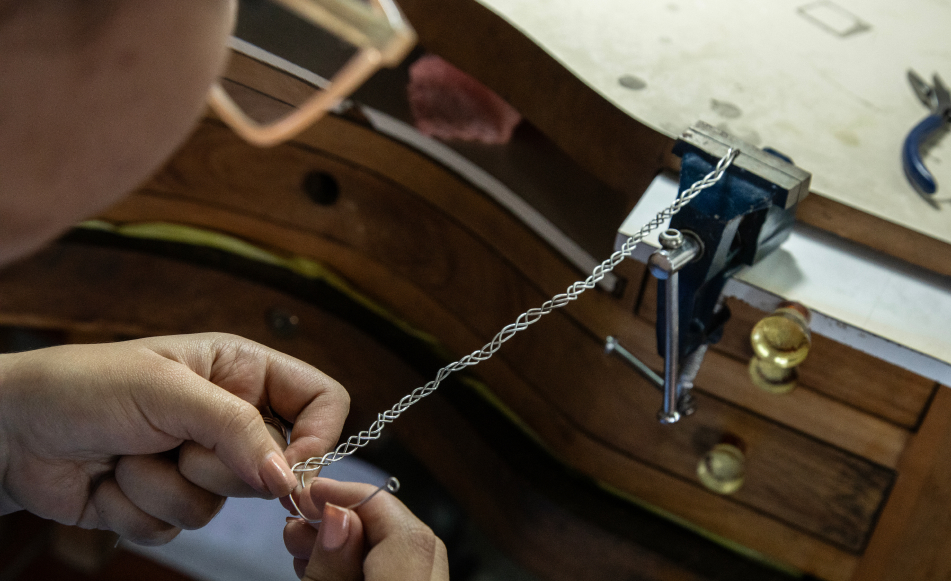
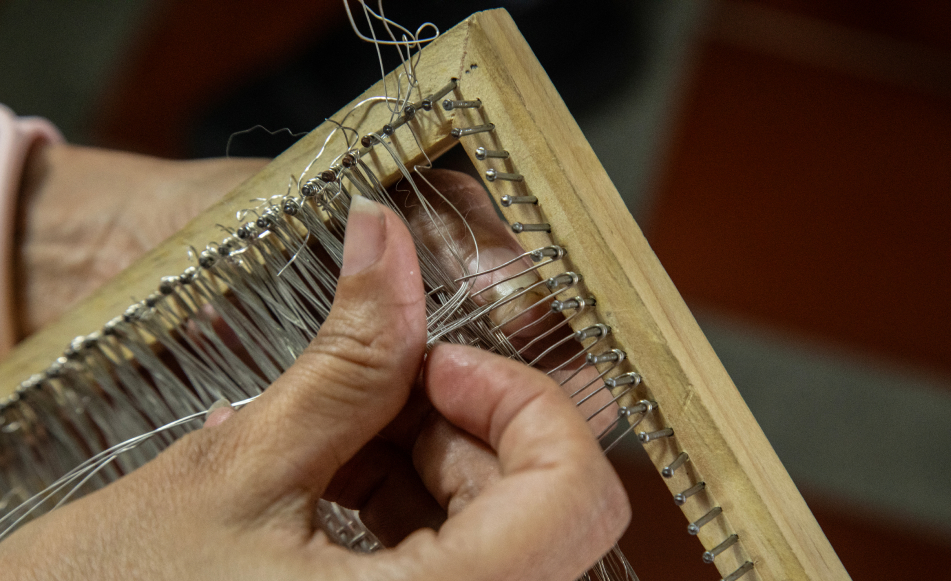
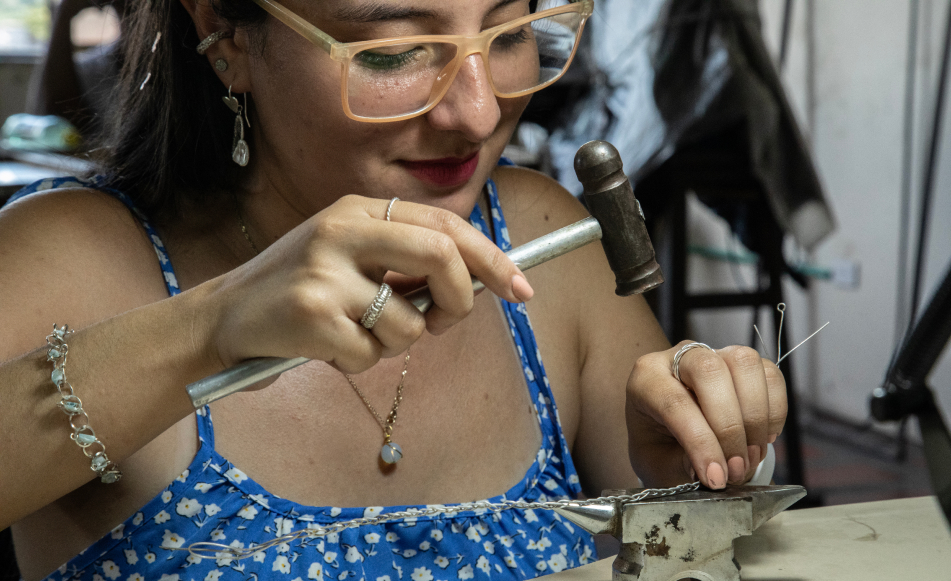
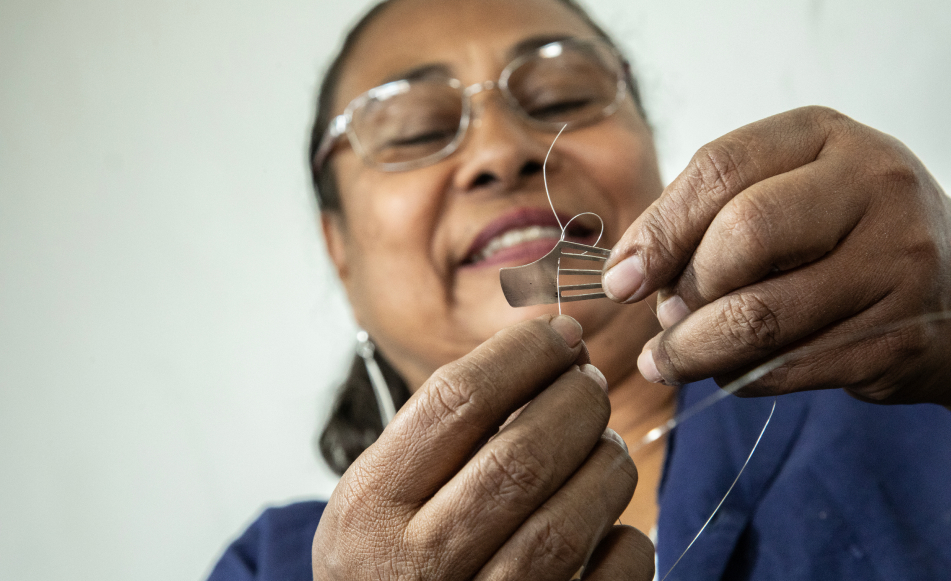
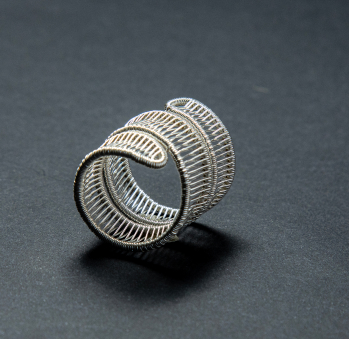
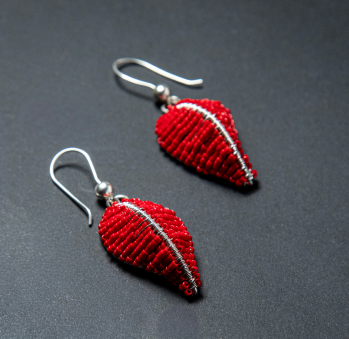
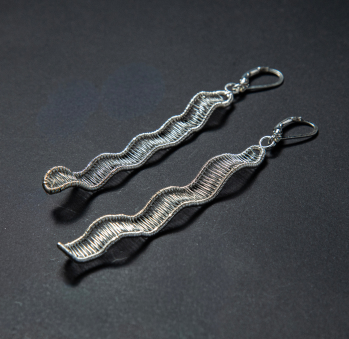
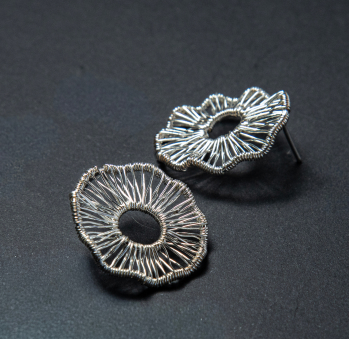
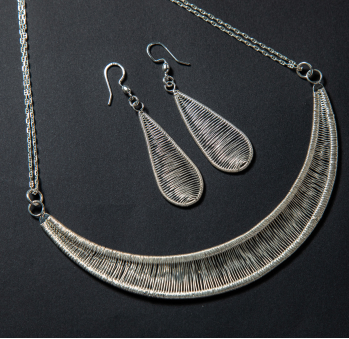
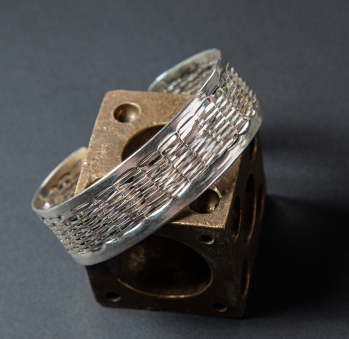
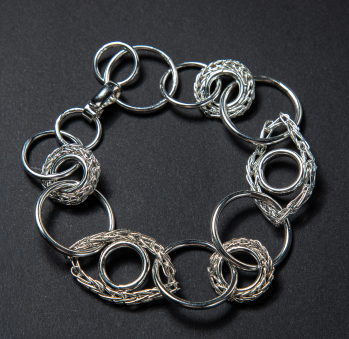
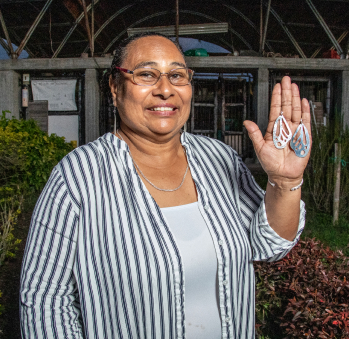
She also learned to work with semiprecious stones such as carnelian and green agate, yellow and green jade, deep-blue lapis lazuli, black onyx, and green-banded malachite. Today, they are innovating by experimenting with leather and different braids to make men’s bracelets. She still treasures the very first ring she ever made, and laughs at how, for years, she couldn’t stop making chains. She takes pride in the refined work they do across various weaves: basket, macramé, flat, round, or loom-based, as well as more intricate ones such as Viking, espartillo, and Cuban—types of knots crafted in metal that demand immense precision and knowledge. Just as proudly, she lists the techniques her association specializes in: alloying, casting, drawing, rolling, weaving, texturing, chiseling, assembling, and piercing—the last two being her greatest strengths.
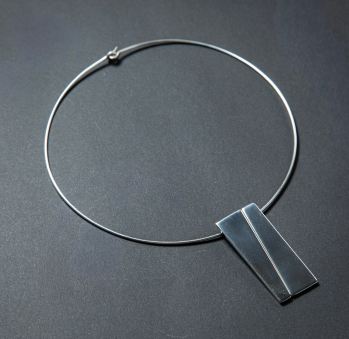
Even though a trip of just a few minutes stretched into nearly an hour and a half, she tirelessly goes back and forth from her home to the workshop on the third floor of the Quimbaya Town Hall. Today, she leads Asodisquim and proudly showcases the goldsmithing work of the hands that accompany her. She is also committed to seeking out the best opportunities for her community. Her greatest joy has been working with metals and knowing herself to be a true master of her craft. Her days are filled with pendants and earrings—and with the living proof that nothing is impossible.
Workshop and process
Craft
Artisans along the way
Artisans along the way



No puede copiar contenido de esta página