
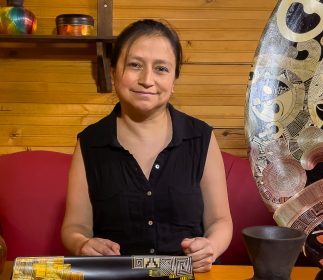
Guido Arcos
Workshop: Artesanías Don Guido
Craft: Weaving
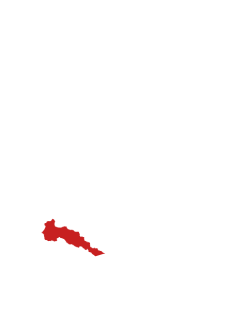
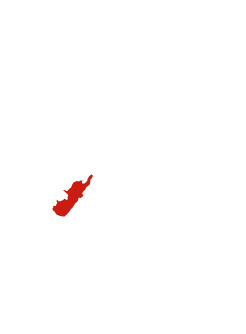
Trail: Sandoná - Pasto Route
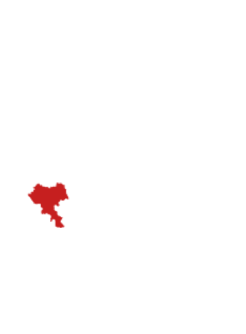
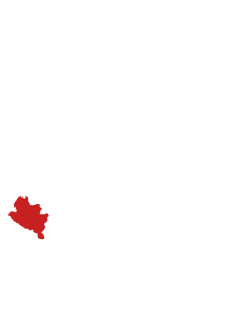
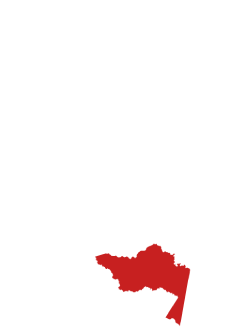
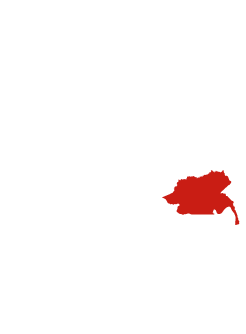
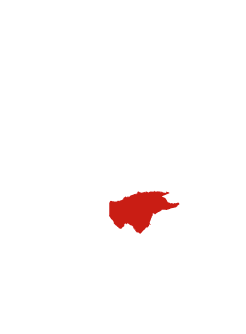
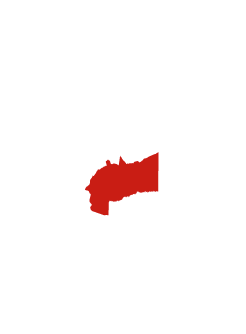
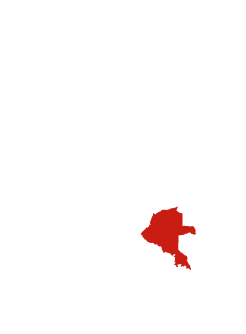
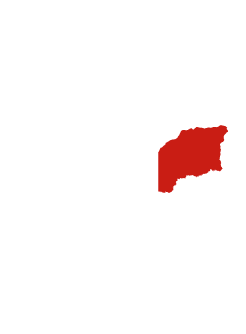
Location: Sandoná, Nariño
SCHEDULE YOUR VISIT
Taller: Calle 7 #05-46, Barrio el comercio Tienda: Centro Comercial Calle Real, Barrio El Comercio
3227014806
guidofernando@gmail.com
@artesanias_don_guido_oficial
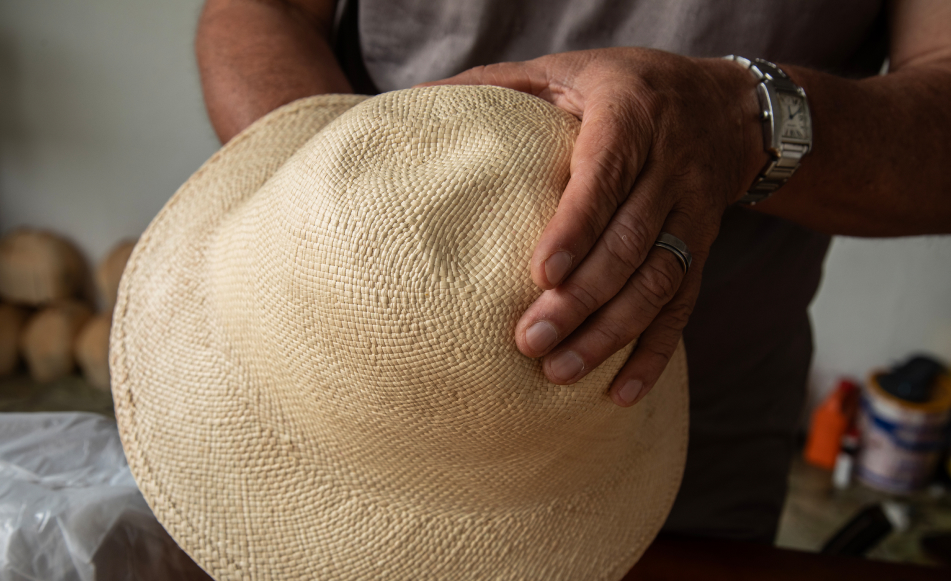
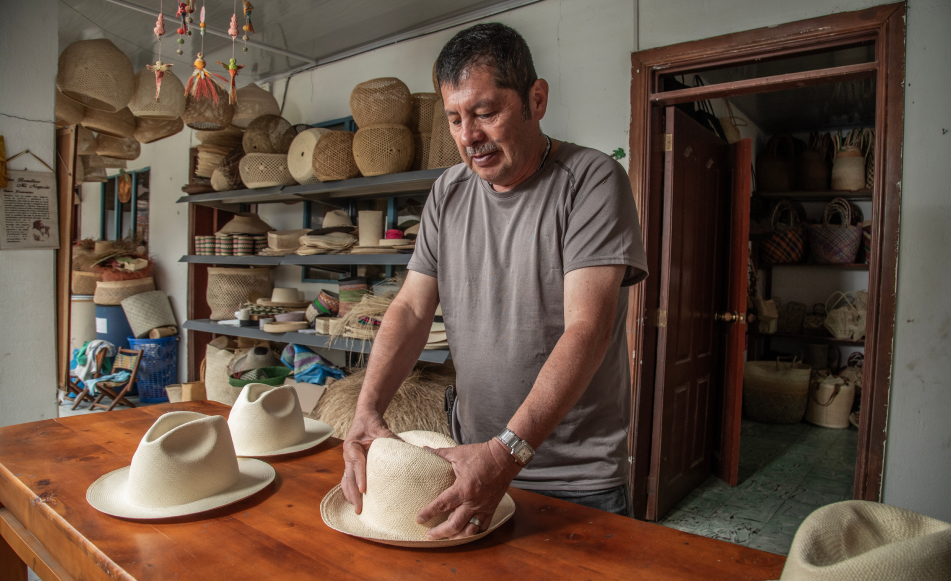
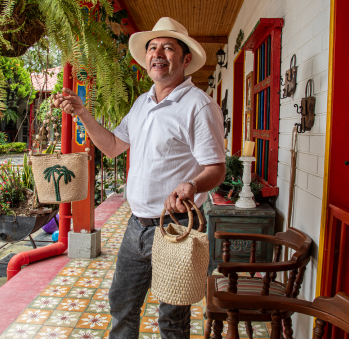
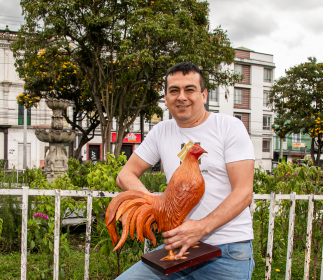
Twenty-five years ago, Guido Fernando Arcos Arcos’s life was nothing like that of an artisan. He had spent eight years working as a judicial technician, shuffling between legal documents and courtrooms. But in the year 2000 he fell in love with an artisan, Juanita Castillo—and with her came an inevitable love for craftsmanship. He then left the world of tribunals behind and learned a new trade. Even though he was born in Sandoná and had seen its traditional iraca crafts—especially hats—all his life, Guido had never worked with the material himself.
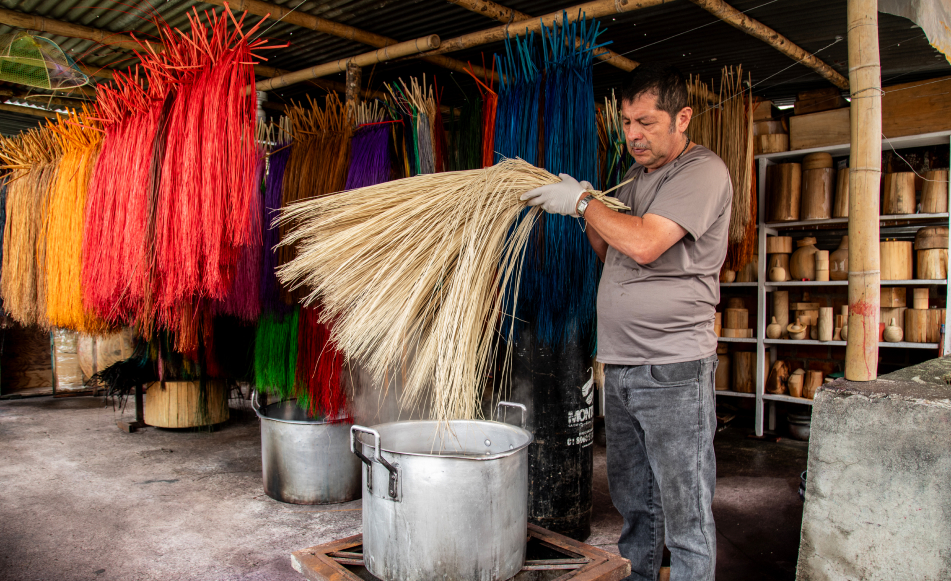
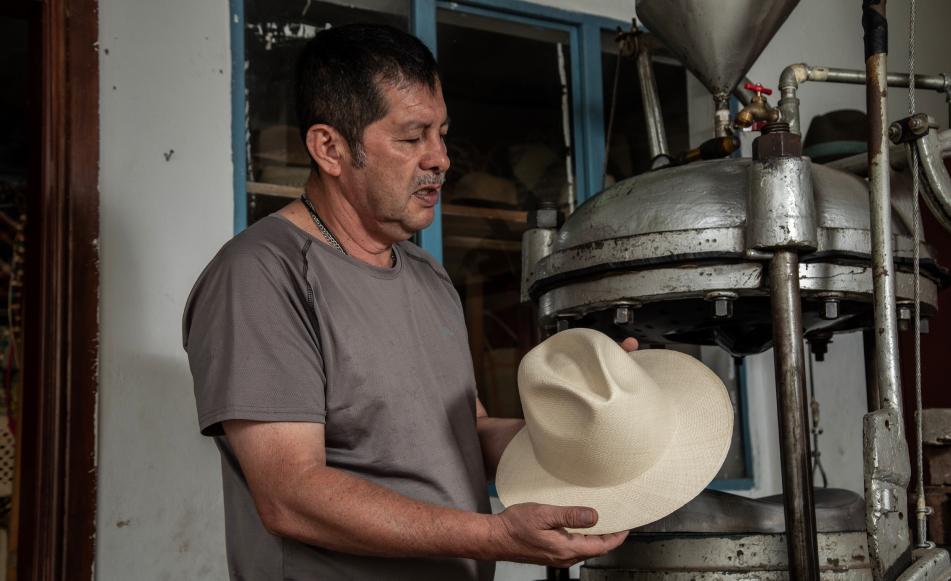
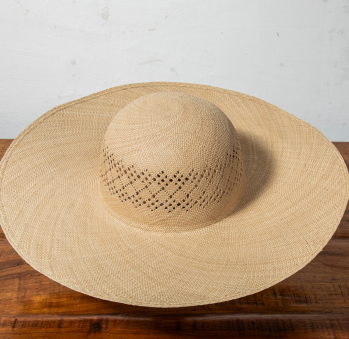
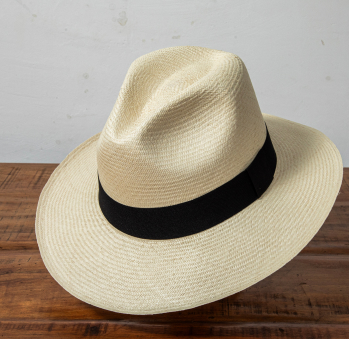
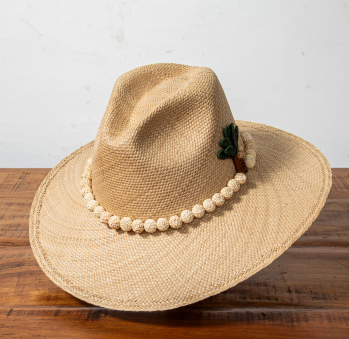
He remembers those first lessons with Juanita and tells us they clashed quite a bit, because learning how to dye was not easy. It took them several attempts to get the formulas and methods right to give iraca the color of walnut, annatto, green onion, and pichuelo. In the end, they invented their own effective system, where the units of measurement were buckets and tablespoons—no grams or milliliters involved. He also learned the pressing and finishing of Panama, Cordobés, and Paso Fino hats, a task traditionally carried out by men. And he caught Juanita’s passion—the enthusiasm and love she brought to the craft—as she became a cornerstone in Sandoná’s community of weavers, teaching anyone who wanted to learn without expecting anything in return, undoing stitches as many times as necessary until the work was perfect, and encouraging her peers to “go a little wild, as good things come from madness.”
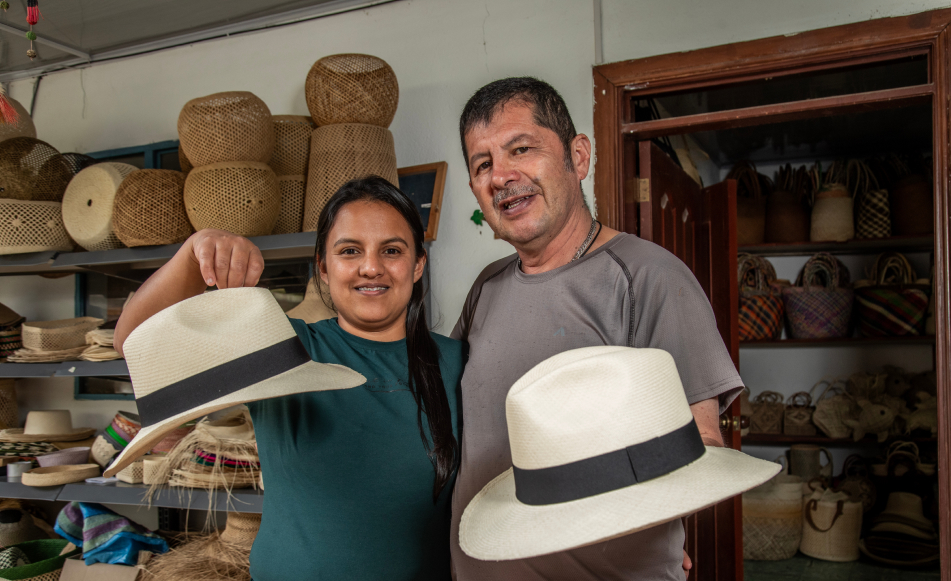
Then the pandemic arrived, and life changed for him once again, bringing one of the greatest challenges he had ever faced: moving forward after Juanita’s sudden death. It was anything but easy, and the memories still bring a lump to his throat. He himself was on the brink of death, but survived. By 2022, he had regained his health, but not the will to return to the craft; it was simply too painful. He felt he could not go on—but he did. He knows he wouldn’t have made it without the support of the weavers, the mutual trust, and their words of encouragement. They would tell him: Come on, you can do it, you’re strong—we need you. This is how they convinced him to return, to lead the workshop on which so many women heads of household depended; to call clients, rebuild the group’s presence after the uncertainty. He did all this alongside Diana Marcela Vallejos, a weaver and unconditional support in the new workshop, which he named Artesanías Don Guido.
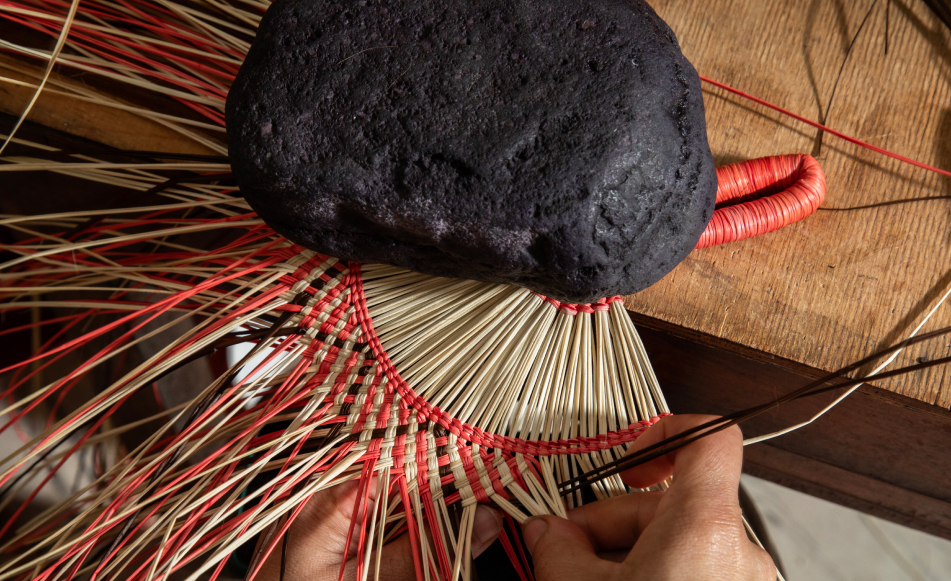
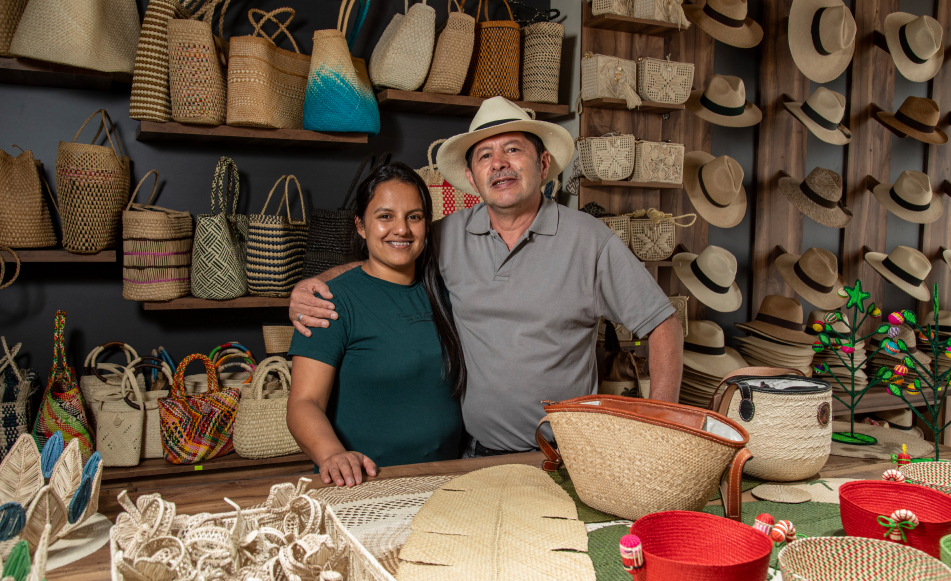
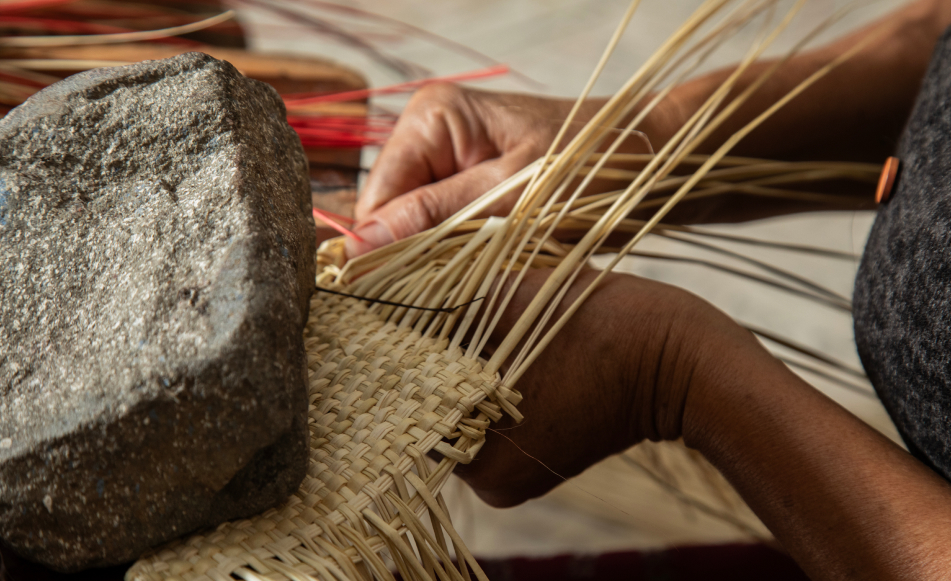
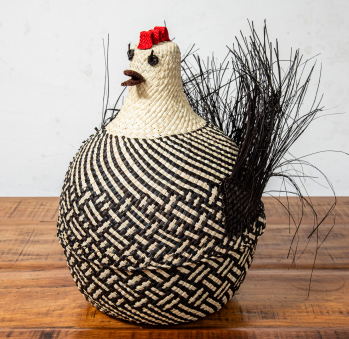
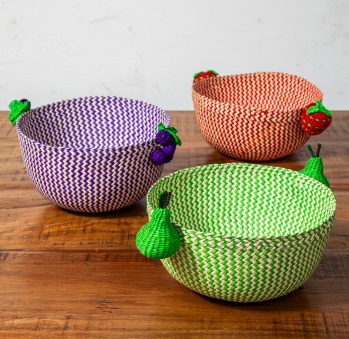
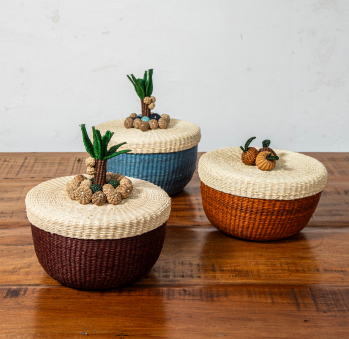
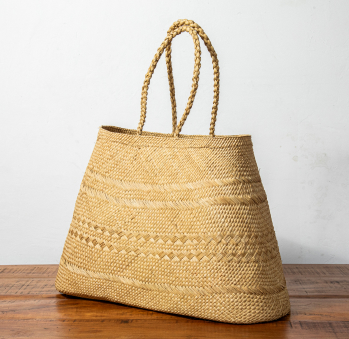
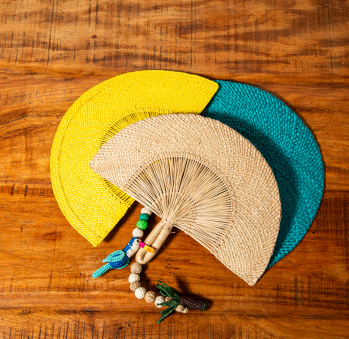
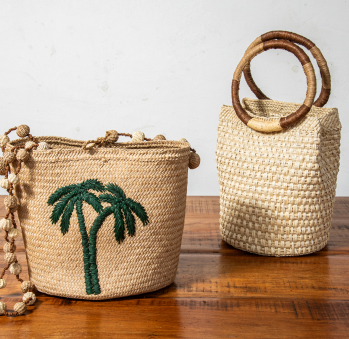
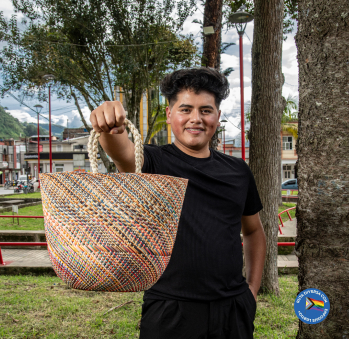
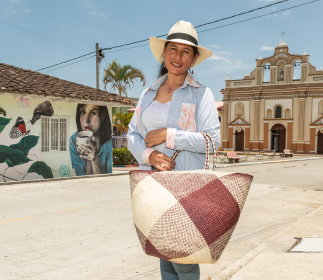
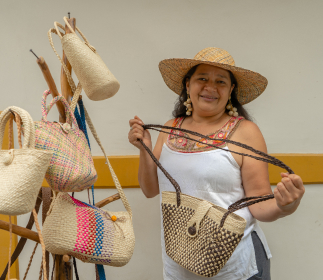
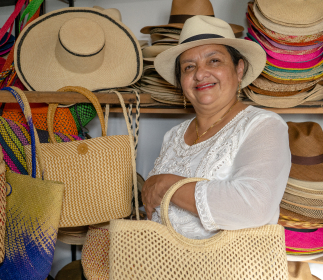
After 25 years in the trade—after the pause and the rebirth—Don Guido has witnessed major changes in Sandoná’s artisanal ecosystem. He saw how, after focusing primarily on hats, the workshops expanded their repertoire to include tableware, décor, and jewelry. He has watched trends come and go: one year all sizes of baskets are in high demand, the next it’s fans, or fruit and animal shaped napkin holders. They create everything from miniature fruits to baskets large enough to hold a person, showcasing their mastery of the many weaving techniques they know: common weave, granizo, espumilla, ventilated, paired, among others.
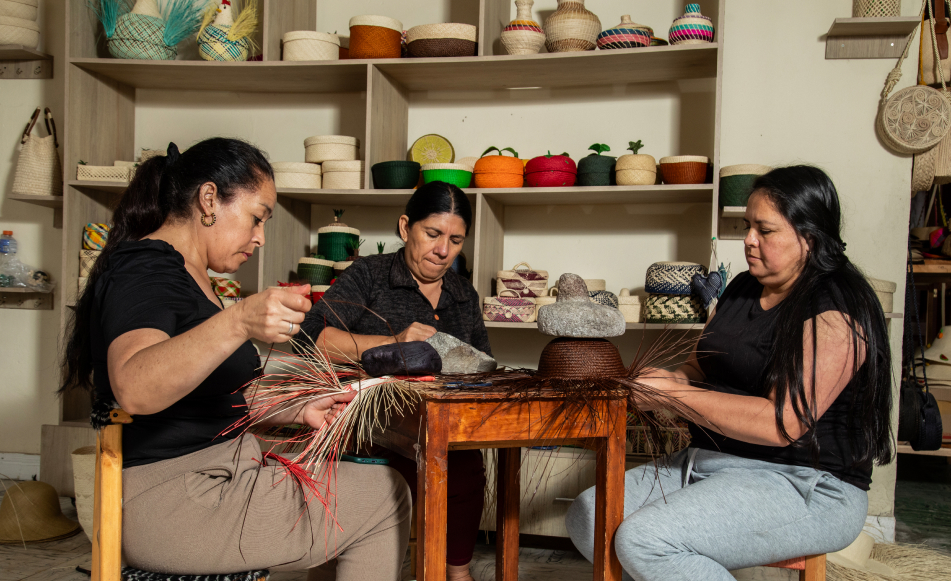
Naturally, he continues the custom he developed with Juanita—teaching anyone who wants to learn. He knows they are giving people, especially women, a means to support themselves and doing everything possible to preserve a legacy and pass it on to new generations. Every Saturday, the artisans arrive in Sandoná to buy groceries, deliver what they have woven throughout the week, and return home with bundles of iraca for the work ahead. They live in the districts of Santa Bárbara, Santa Rosa, El Ingenio, San Antonio, and San Miguel, and range in age from 18 to 80. Every Saturday, Don Guido meets with the 180 weavers and the six men dedicated to pressing and finishing hats—those who make the workshop function. And although he was never trained in weaving, he recognizes immediately when a piece has been made with care and love by the women devoted to this art. In fact, it is precisely that attention to finishing and detail—the care they put into every piece—that has multiplied their work and kept the workshop afloat, even in the most difficult times.
Workshop and process
Craft
Artisans along the way
Artisans along the way



No puede copiar contenido de esta página