






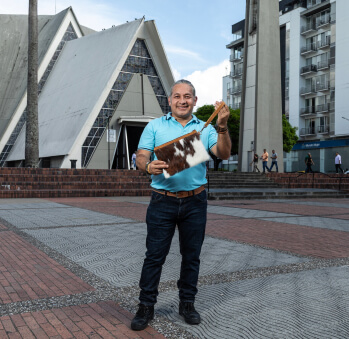
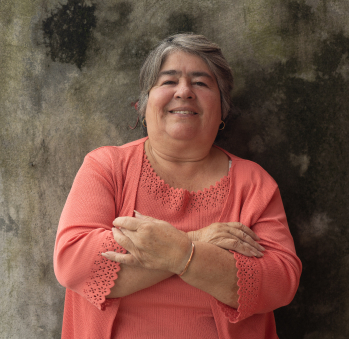
Jose Alejandro Bautista
Workshop: Beauty G
Craft: Leatherwork
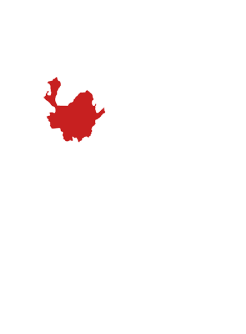
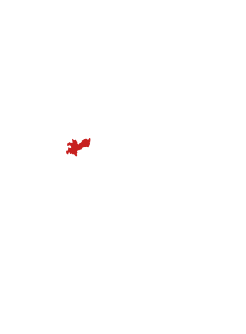
Trail: Quindío Route
Location: Armenia, Quindío
SCHEDULE YOUR VISIT
Carrera 12#15- 15 Barrio Guayaquil
3002069837
josealejandrobautista388@gmail.com
@bauty.g_cuero
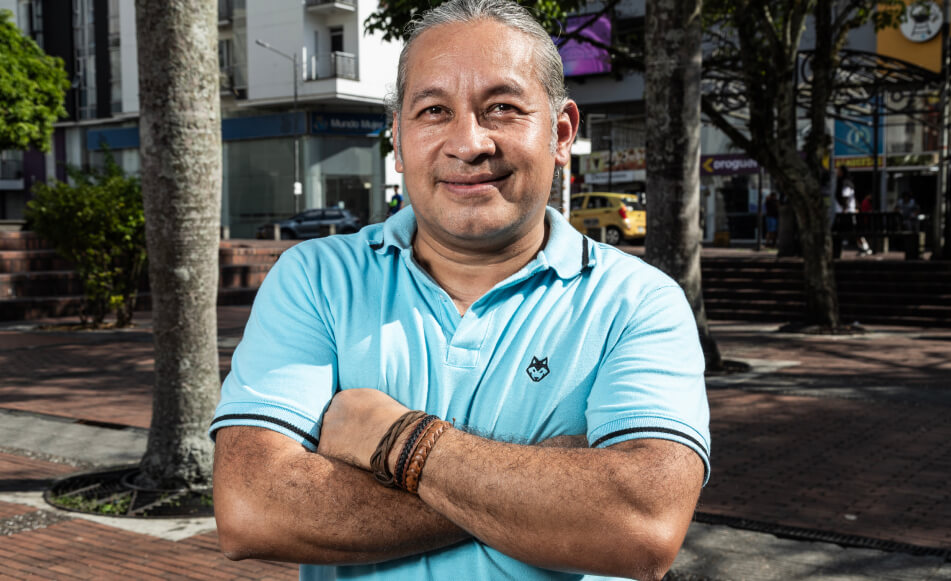
José Alejandro says that everything in his life came early—starting with his desire, at just 16 or 17, to become a father. With that clear in his mind, time seemed to speed up. While he worked during the day, he studied at night, determined to fulfill his goals. He laughs when he remembers how calculating he was back then: while attending night school in the Granada neighborhood of Armenia, he looked for a young woman who not only liked him but who was also willing to learn to work alongside him, so they could quickly start a family. And though his classroom sweetheart thought it all a bit rushed, she went along with it and became his life partner and the mother of his two children.
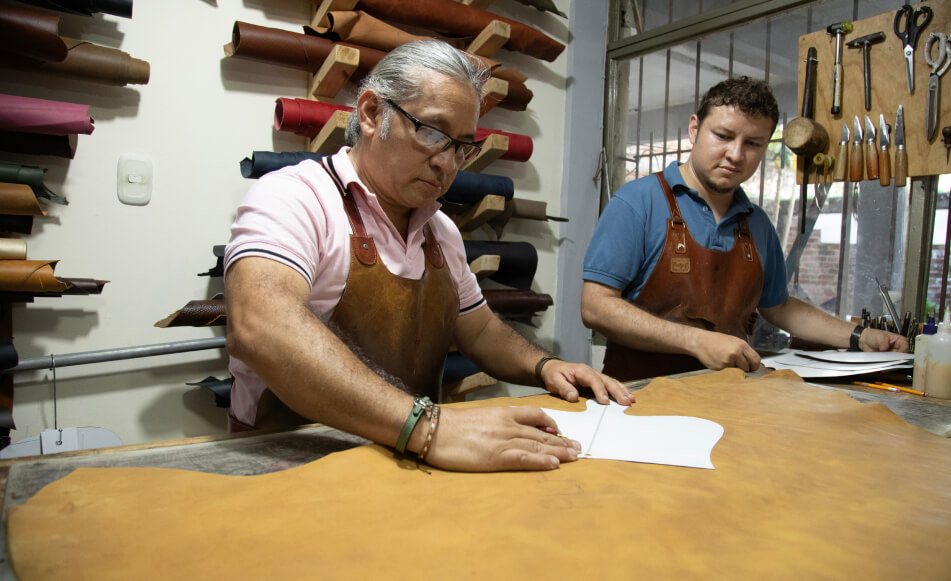
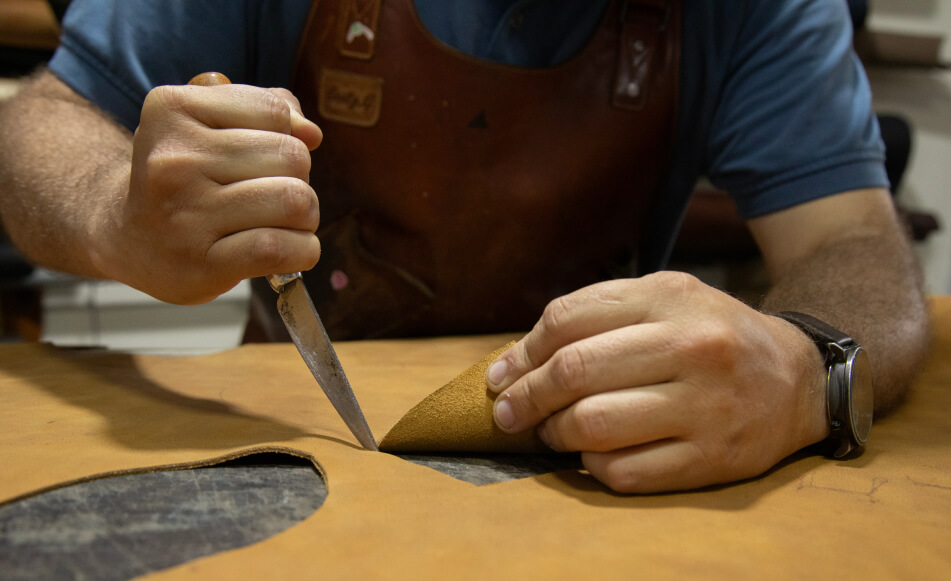
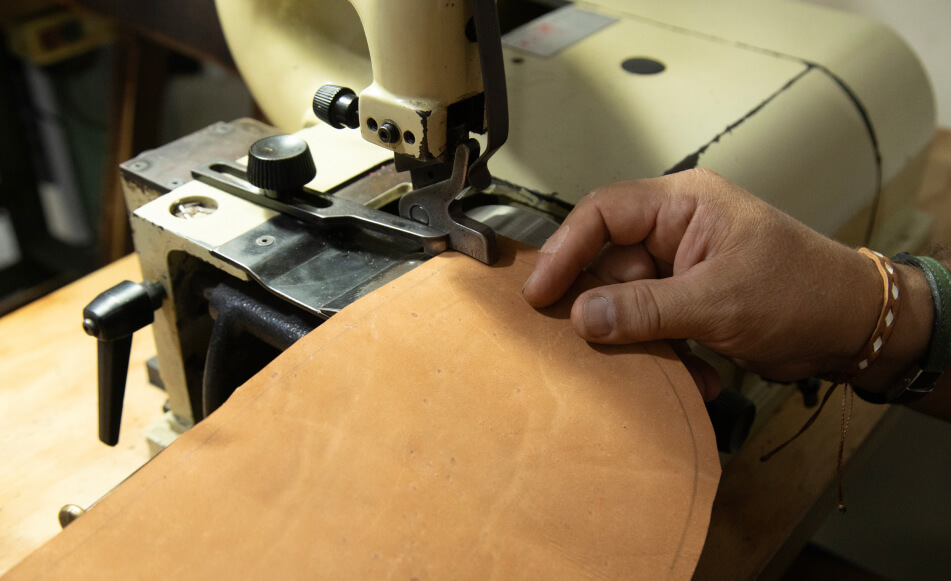
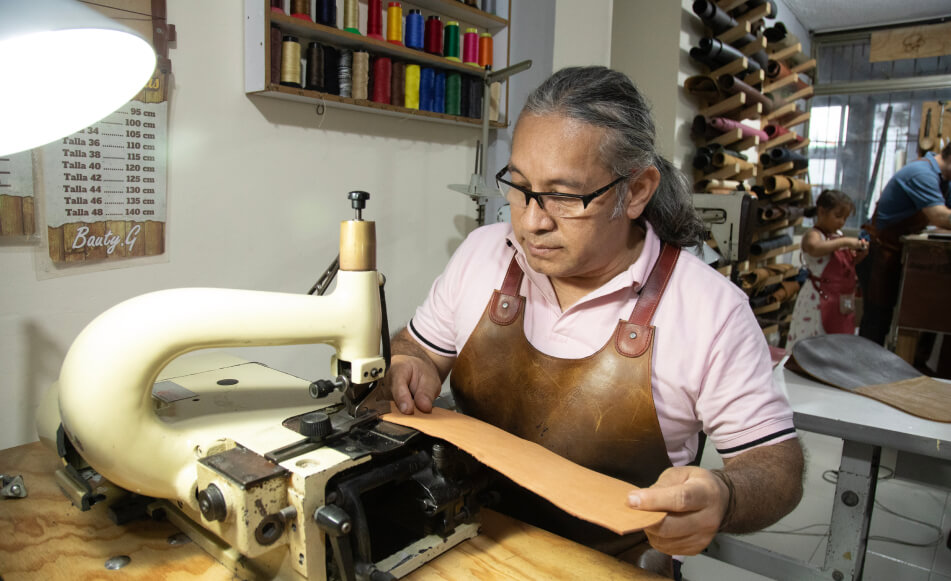
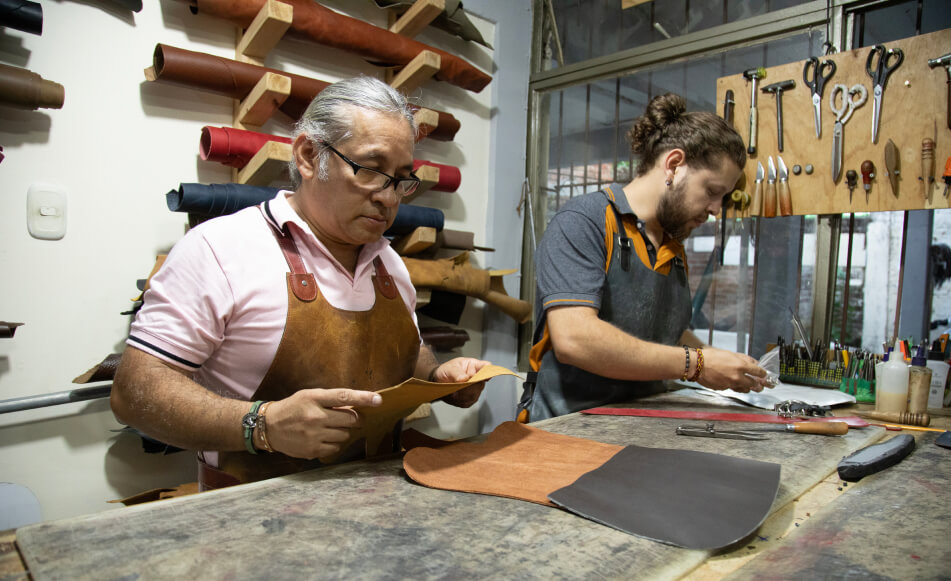
By day, the craft he devoted himself to was leatherworking, an incredibly technical art through which master artisans create, for example, horse saddles. Saddles demand cuts of leather with extreme precision; if done poorly, the hides are ruined. Like fabrics, leather has its “right” side to cut from so the pieces don’t end up looking lumpy or uneven, which would spoil their form. His memories of those days are paradoxical: he treasures all he learned and recognizes how much it helped him in life, but he also regrets how harsh the training was and resents the severity of some of his bosses. Perhaps that is why he now teaches with kindness—with firmness, but always with respect—so that no one grows resentful of the craft. He prays that no apprentice will ever be scolded or humiliated the way he was at 16, when he mistakenly cut some school uniform straps too short.
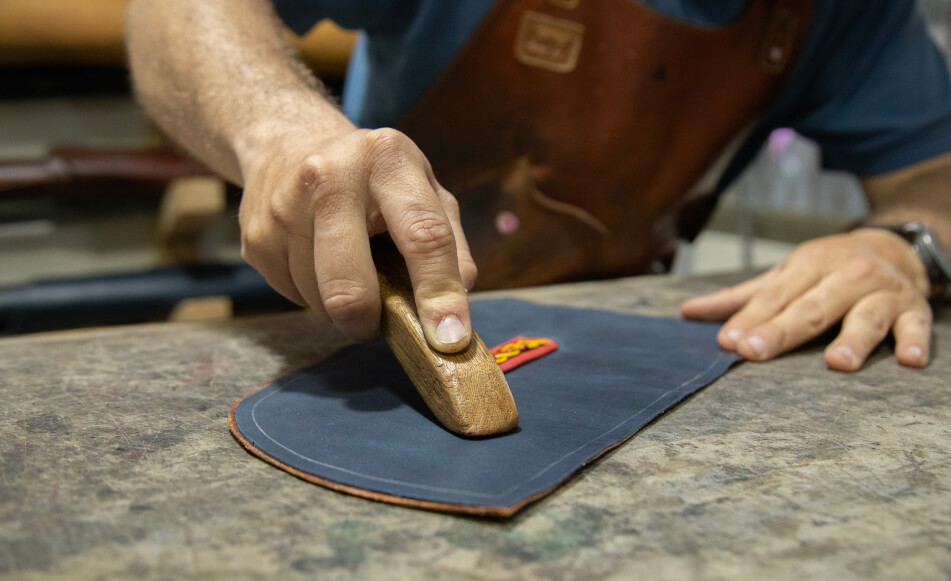
Looking back more than thirty years, he remembers how natural it was for him to work with his hands, and he smiles recalling the three-strap flip-flops and sandals he once dared to make and sell to his sister’s friends. He admits, however, that those were simple compared to what awaited him when he began to truly master leatherwork through the making of carrieles. In this coffee-growing region, the carrieles differ from the traditional ones made in Jericó, Antioquia. In fact, he is quick to point out that the ones from Armenia—known locally as cuyabros, after the fruit of the same name, similar to the calabash—are even more elaborate. Unlike those from Jericó, which are bordered with stitching, these versions are hand-polished and hand-dyed. They also remain in natural leather tones rather than using colors. This was his true school.
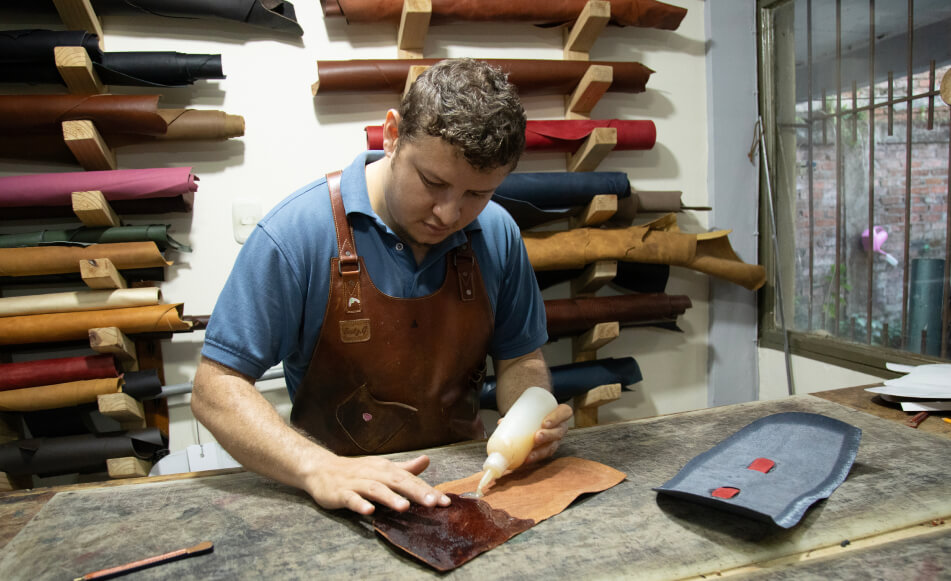
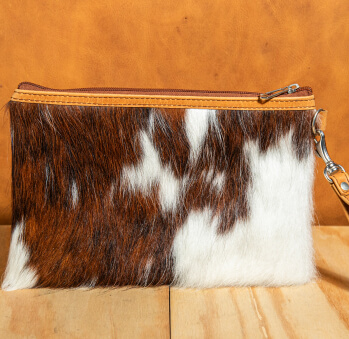
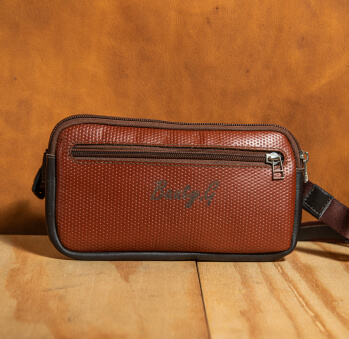
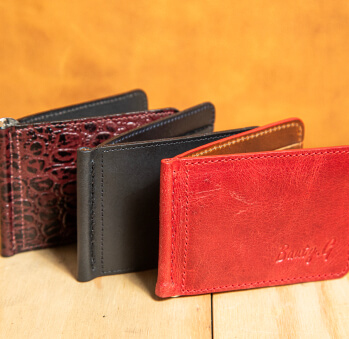
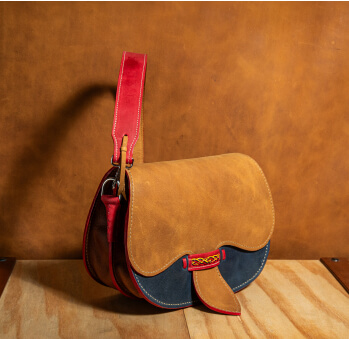
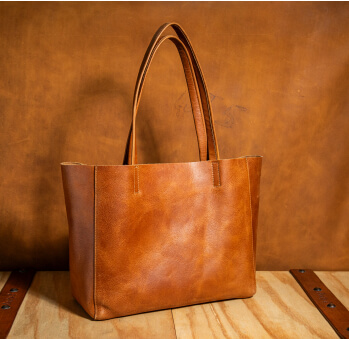
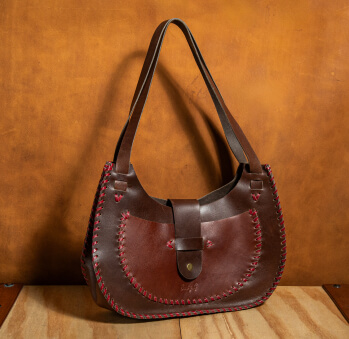
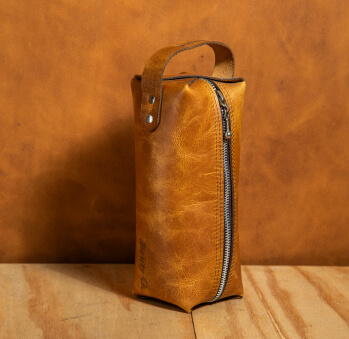
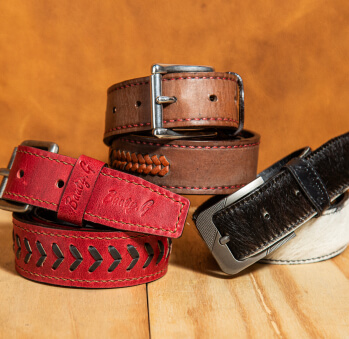
The market, however, gradually pulled him away from this branch of saddlery and into another: leather goods. This field, more focused on shoes, bags, and belts, became his mainstay as commissions and invitations to craft fairs—through his role as a master artisan and member of the Association of Artisans of Quindío, and as one of the artisans honored in the book of the region’s finest makers—kept coming his way. Little by little, he shifted focus, and today bags and belts dominate his everyday work. Still, he makes space for the rustic hides he loves to tame and shape. He also tries not to forget his origins, producing miniature carrieles and saddles as souvenirs, crafted with all the technical rigor of traditional saddlery. These smaller-scale pieces allow him to keep alive the craft he loves—and they never fail to bring a smile to his granddaughter Lorraine’s face. He dreams that one day she will carry on his legacy.
Workshop and process
Craft
Artisans along the way
Artisans along the way



No puede copiar contenido de esta página