
Artesanías Toro Miura
Workshop: Artesanías Toro Miura
Craft: Woodworking
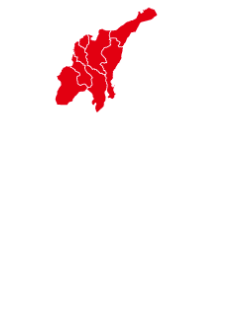
Trail: Macondo Route
Location: Galapa, Macondo
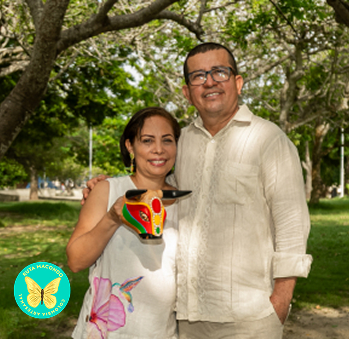
Yenis’ story is a love story—one that reached a happy ending when she finally decided to follow her heart. When she was still a young girl, she left her hometown and moved to Barranquilla, where some relatives who could help her find work lived, since things back home were difficult. And so she arrived in La Arenosa, with the great luck of doing so during the Barranquilla Carnival. Even though she was a responsible girl, how could she resist the idea of joining a parade to dance and have fun? At first, shy, she said no—she didn’t know anyone. But she was quickly convinced to go, to witness something unique and beautiful. So she agreed, and it turned out to be the best decision she could have made, because if she hadn’t gone, she would never have met Manuel Pertuz, the man who would become her life partner until death parted them.
Manuel was a bit older than she was, and of course, he noticed those caramel-colored eyes immediately. It seems that once he saw her, he could never stop looking. And it didn’t take long for her either—she couldn’t stop looking at him, or dancing with him. Their connection was so strong that those who witnessed the beginning of their love said it felt as if Yenis and Manuel had known each other their whole lives; once they started dancing, they never let go. And, as the song says, they spent many, many hours like that—until dawn, in each other’s arms.
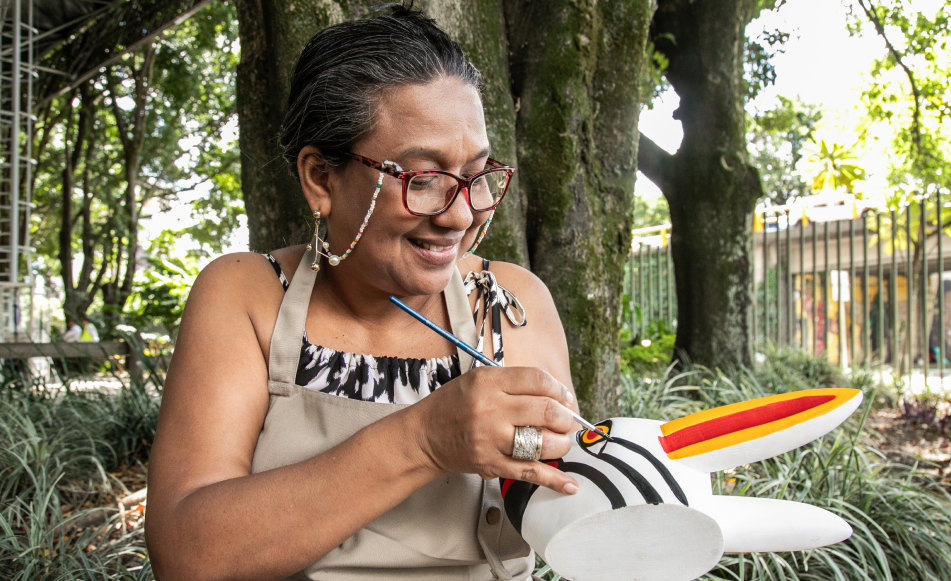
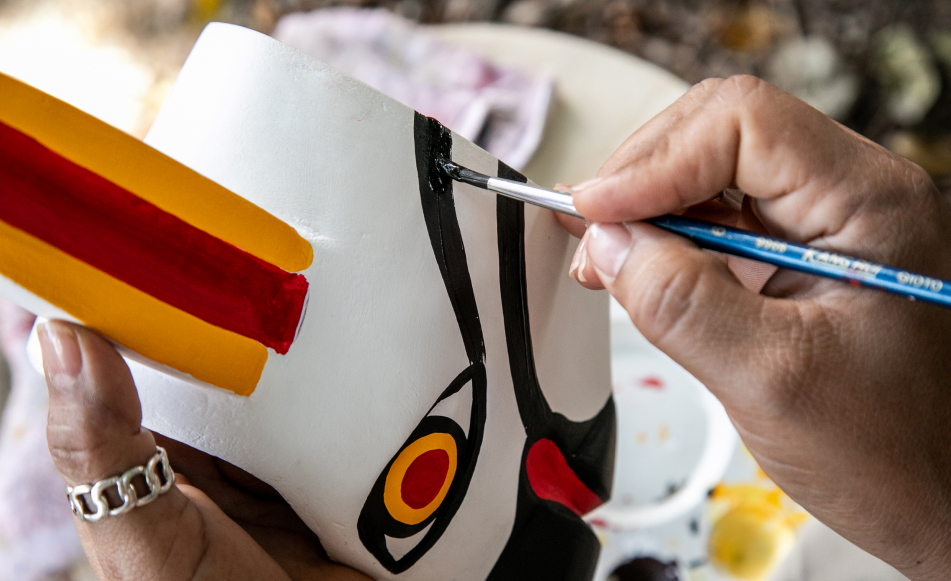
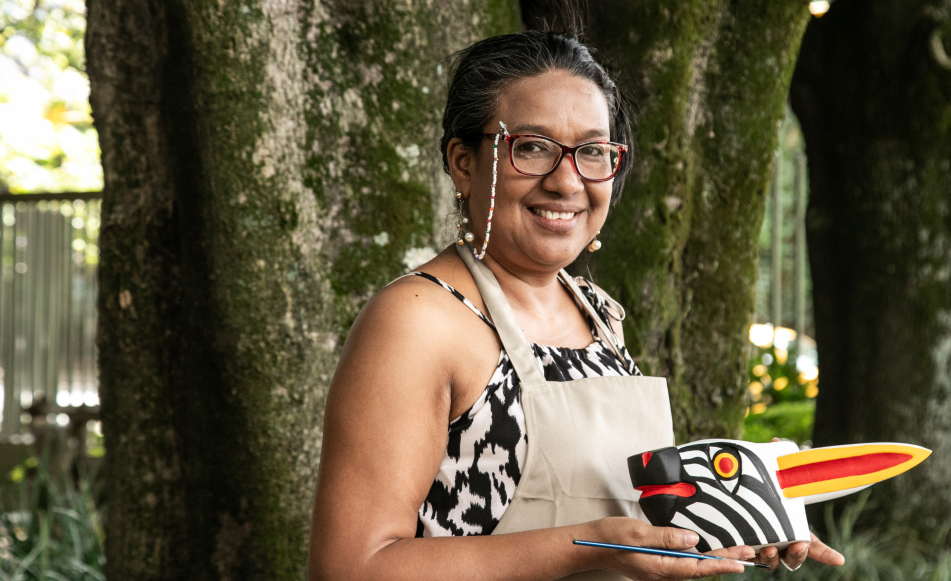
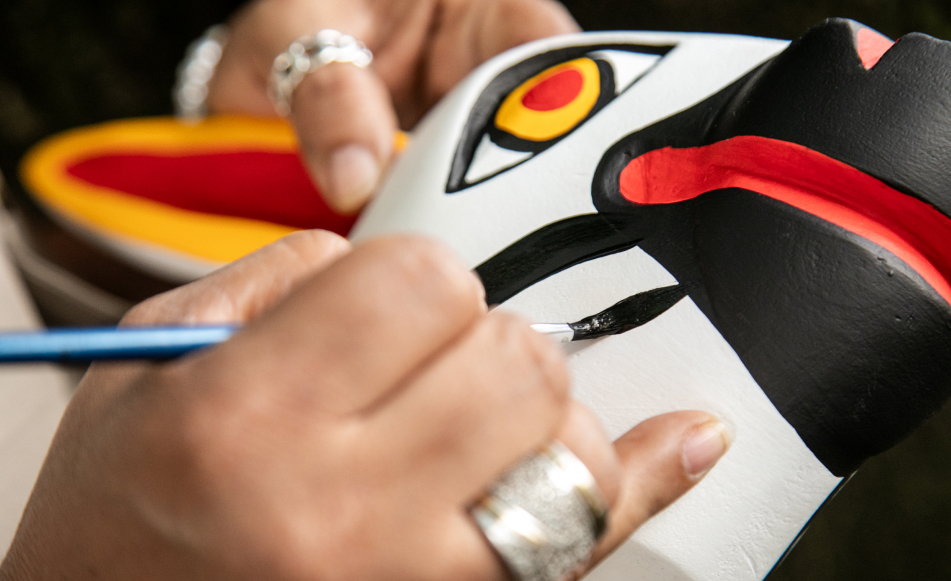
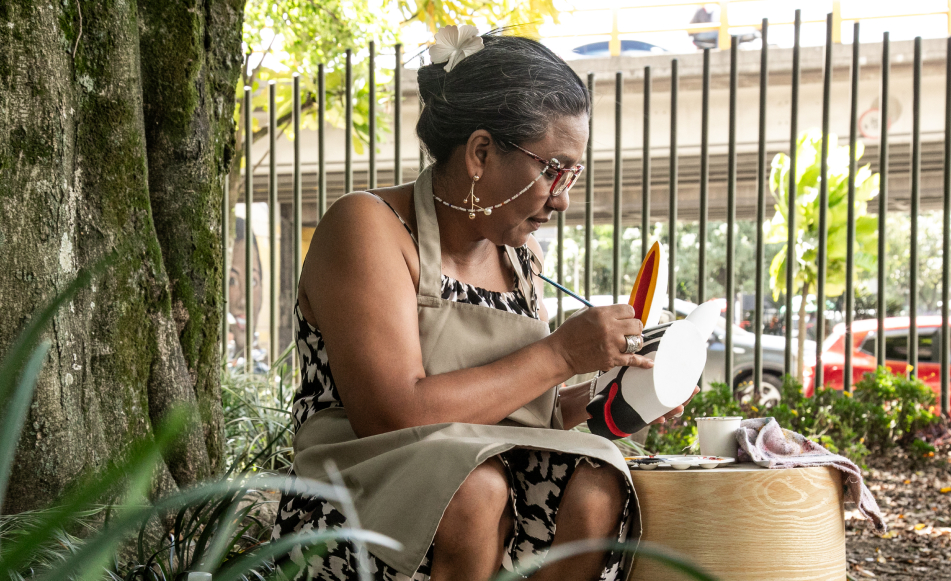
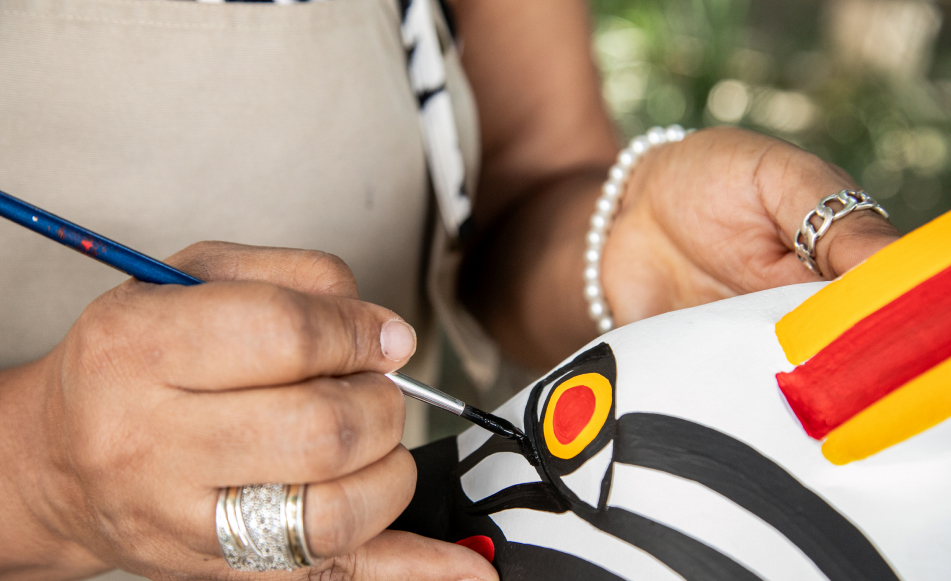
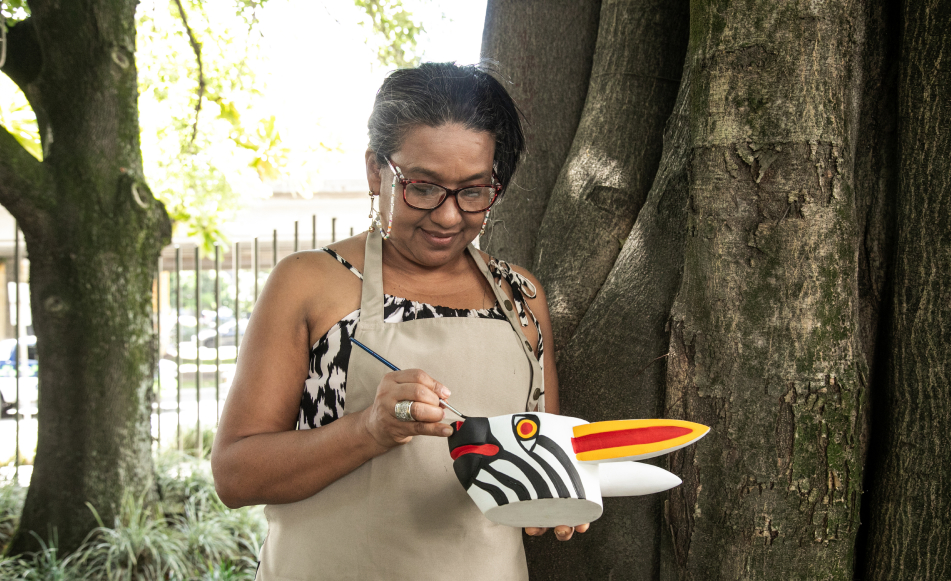
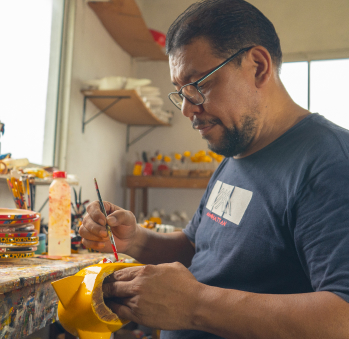
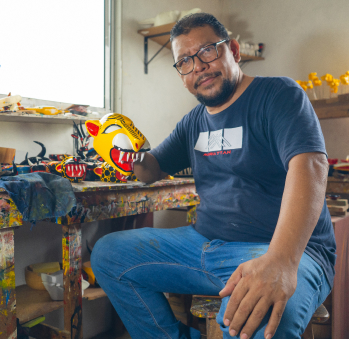
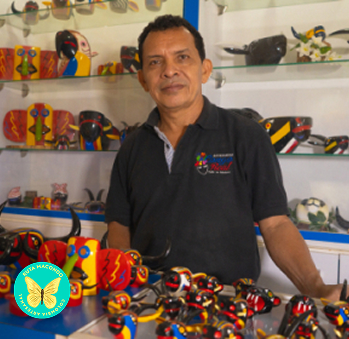
Yenis learned everything from Manuel. She knew how to paint and was quite good at it, but she had never painted a mask. And masks are precisely what this story is about, because the workshop founded by Manuel Pertuz—and now run by Yenis—Toro Miura, became one of the most emblematic in Galapa, turning their surname into a seal of quality. But to get here, we must go back to the beginning, to when everything was just starting.
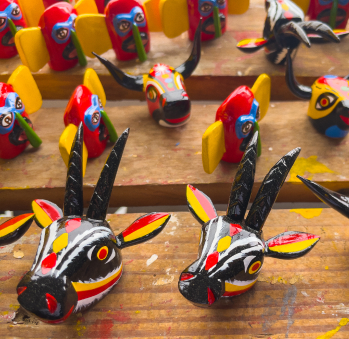
One day, Manuel was surprised when his father, seeing him struggle while repeating mask after mask that just wouldn’t come out right, offered to teach him how to make them. Manuel had no idea his father had an artisan’s hand; he worked for the water utility company. His only childhood memory was of seeing him arrive home with friends, carrying trumpets, trombones, and drums, singing and dressed up to enjoy the Barranquilla Carnival. But he never imagined that those costumes and those striking masks—including the donkey mask, his favorite—had been made by Don Miguel himself.
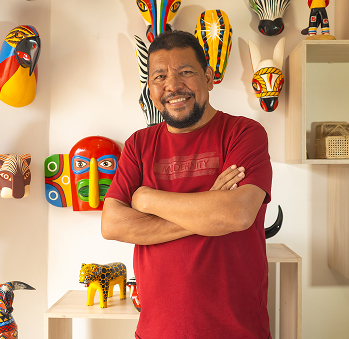
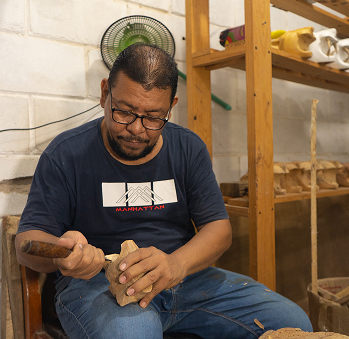
From that moment on, Manuel dedicated himself to learning the craft that ran in his blood—as in the skilled hands that also served him well when drawing architectural plans for his job. He proudly recounted that he worked alongside his father for four years and that Don Miguel hired him for his first artisan workshop nearly four decades ago. His father taught him geometry, how to understand the volume of wood, and how to cut it properly. Then Manuel committed himself to tracing the origin of these masks—symbols of a people’s identity—and uncovering their ritual meanings, brought from Africa and rooted along the Magdalena River, in the resilient communities of cimarrón descendants.
Manuel learned that masters like Francisco Padilla had begun making their own masks in Galapa instead of relying on those from nearby Malambo. He discovered that in the Rebolo neighborhood, where he lived, there were people determined to preserve an ancestral tradition now strongly tied to religious devotion but originally much more spiritual—a celebration of belief systems.
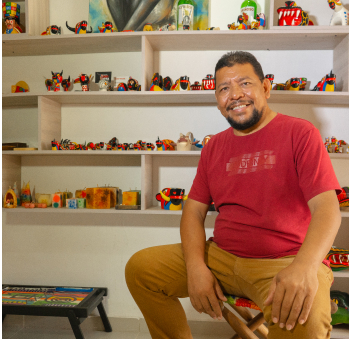
It was to this cultural preservation that Manuel devoted his life, planting it deeply within his family—with Yenis leading the way—as well as in his children. He did it with a clear intention, one that always filled him with joy: to cultivate new generations of artisans. Because he had learned the craft rigorously—first from his father, then through more specialized technical training—he honed the skill in his hands to such a level that he earned the Medal for Artisan Mastery in the Traditional category and was recognized as a Master of Masters.
Nothing made him happier than seeing his dream come true: the creation of the Creative Artisan Classroom, designed to foster cultural development and identity in his town. Thanks to that project, students from the public school María Auxiliadora de Galapa graduated with technical knowledge through the Craft Program. He also strongly supported the implementation of a local timber repopulation initiative, including the endangered red ceiba tree—the traditional raw material for mask carving. That responsibility now rests in the hands of Yenis and their children.
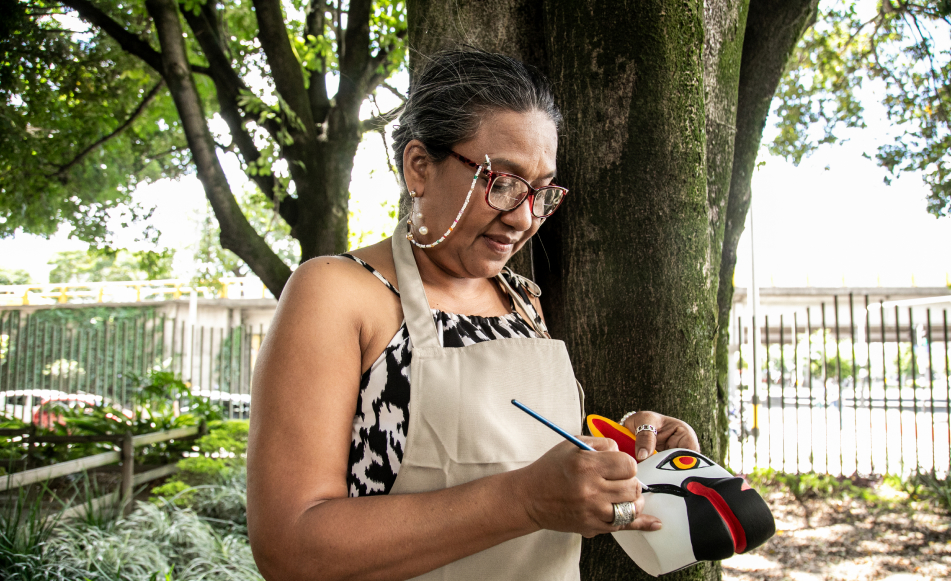
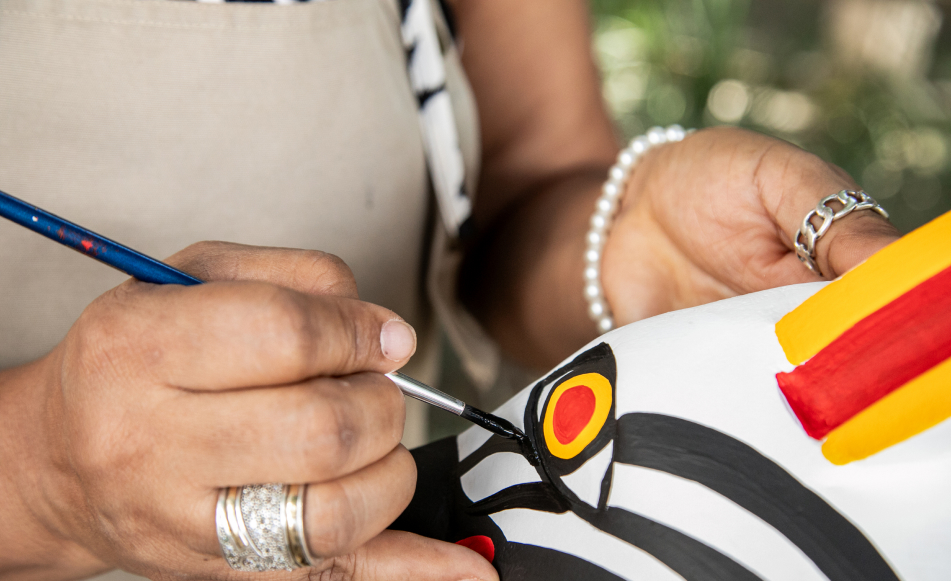
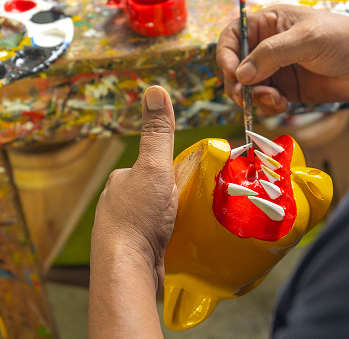
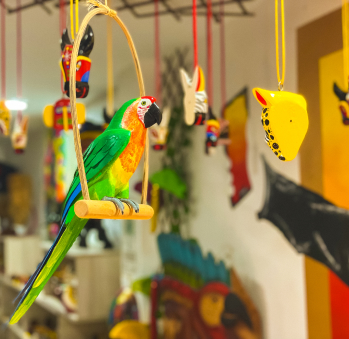
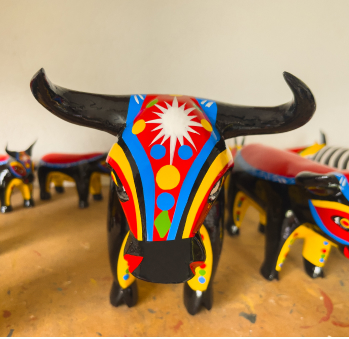
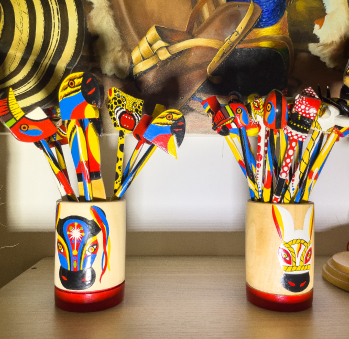
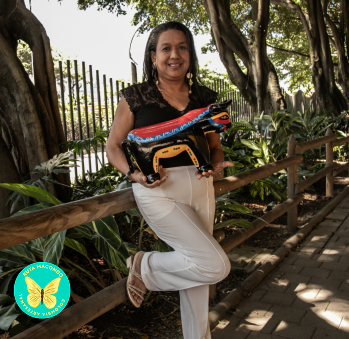
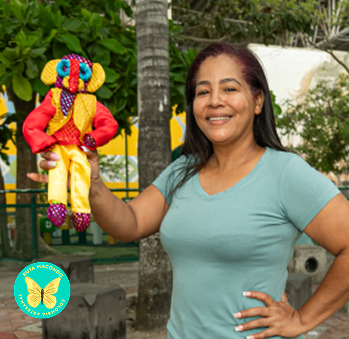
It was his legacy, and he lived it every day. At school, in his teachings, and in the workshop, he brought to life the vibrant colors of the Caribbean spirit on every mask—celebrating the joy of the “costeño arrebatado,” as he affectionately referred to his people. With firm strokes he painted the tiger, his favorite animal to carve, “because it is cautious, always watching its surroundings, always tending to win, never to lose.” Today, seeing Yenis paint the entire Carnival animal kingdom with that same steady hand is moving, and undoubtedly, Manuel would be immensely proud to have left her as the heir to his immense knowledge. Although she sighs from time to time, more often laughter escapes her as she remembers the joy of dancing and how they managed to build a business that turned their passion into their legacy. And how could she not feel happy, when their son has also chosen to dedicate his life to his own workshop, honoring his father and beginning a new chapter.
Workshop and process
MANUEL PERTUZ
(1966-2024)
Craft
Artisans along the way


Artisans along the way



No puede copiar contenido de esta página