
ASOGRUCA
Workshop: ASOGRUCA
Craft: Basketry
Trail: Caldas Route
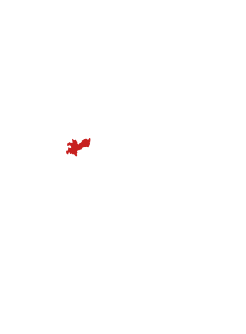
Location: Supía, Caldas
SCHEDULE YOUR VISIT
Vereda Santa Ana, resguardo Cañamomo
3104720910
asogruca030@gmail.com
@tejidos_nativos
@tejidos.nativos.del.territorio
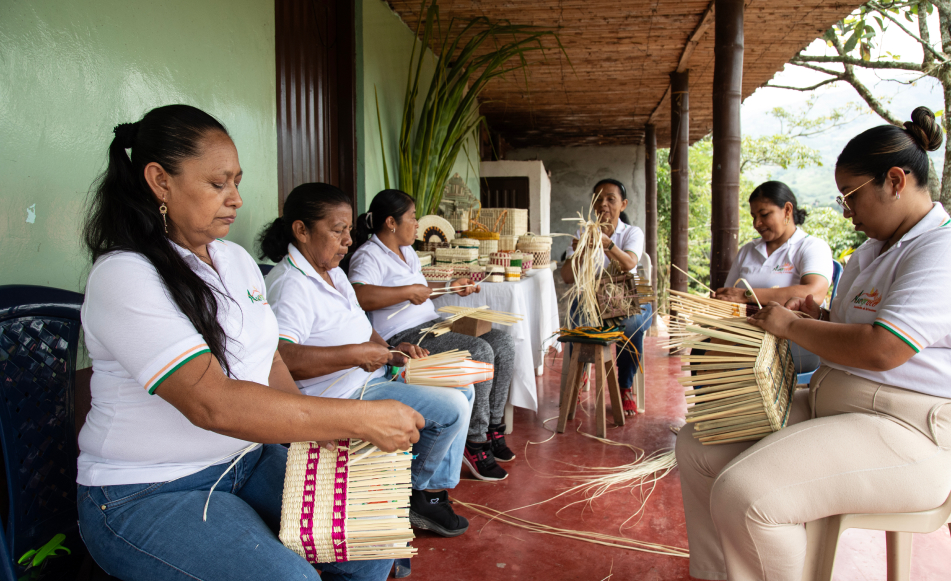
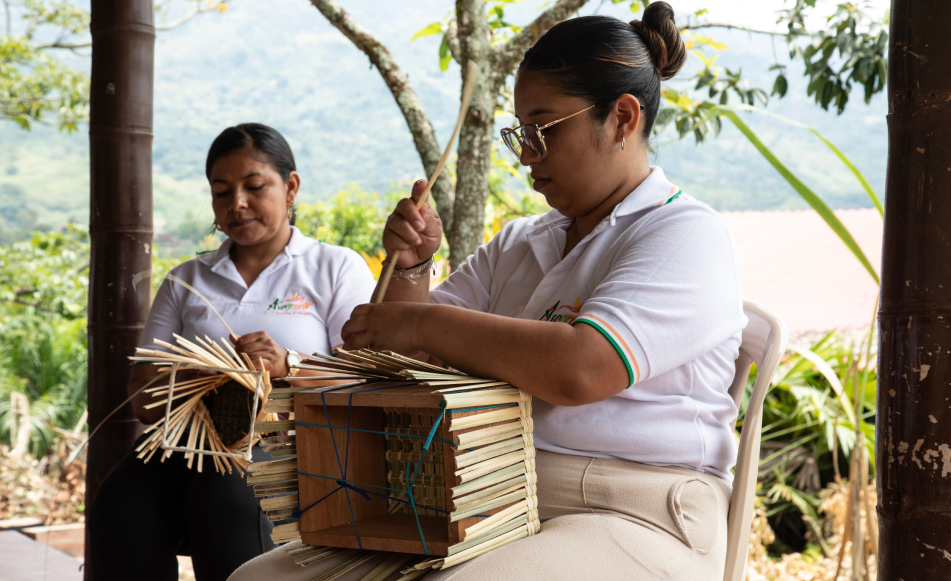
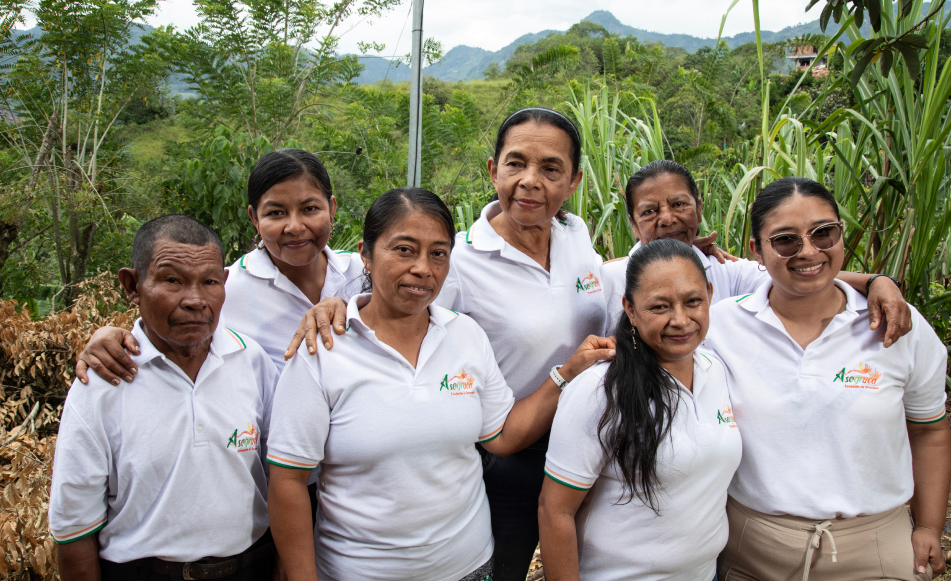
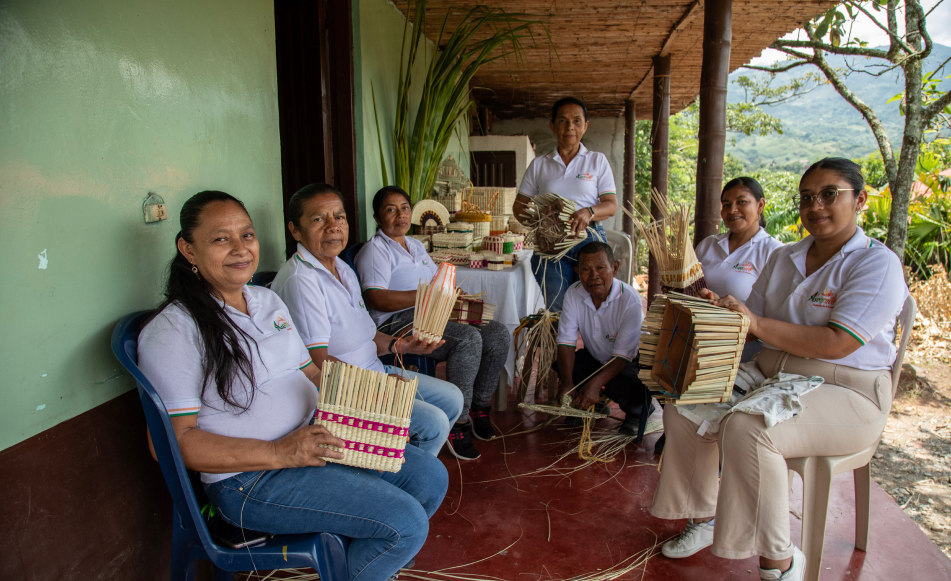
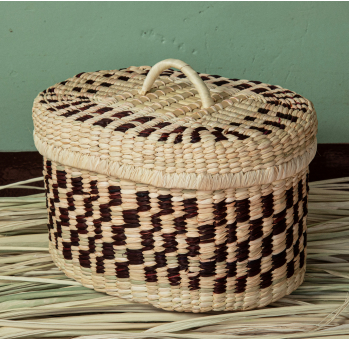
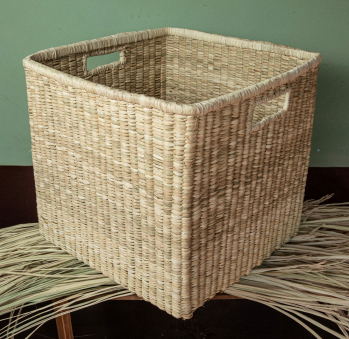
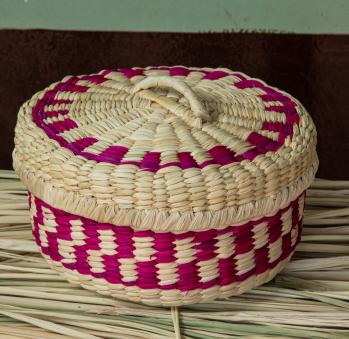
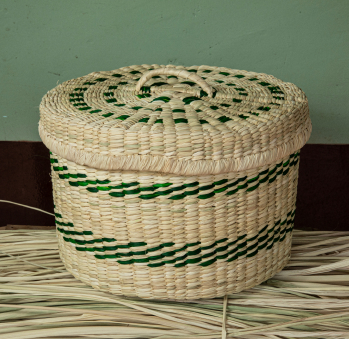
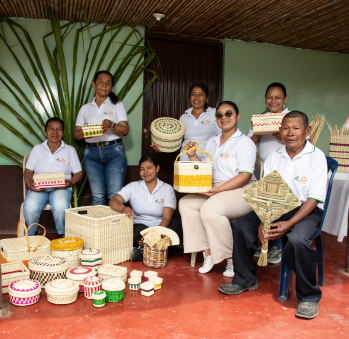
Almost thirty years ago, the large caña brava baskets woven by Emberá women from the reserves surrounding Riosucio sold for barely 2,000 pesos. Middlemen would buy them up, leaving the region loaded with baskets to resell elsewhere. That is why, at the start of this century, several women decided to join forces—to give the craft they had inherited from their mothers and grandmothers the value it deserved. Thanks to their persistence, the tradition was passed on to their own daughters, sons, and grandchildren. And that is how ASOGRUCA was born.
Two of its founders and members, Marina Gañán and Claudia Esperanza Reyes, share the story of how this practice took root in their lives—so deeply now that it has become part of their very spirit, something they keep alive as a way to preserve Emberá traditions. It has been a collective effort across the reserves of La Montaña, Escopetera Pirza, Cañamomo Lomaprieta, and San Lorenzo, all of which have worked to reclaim their traditional foods, dances, and the Emberá language that children now learn in their schools.
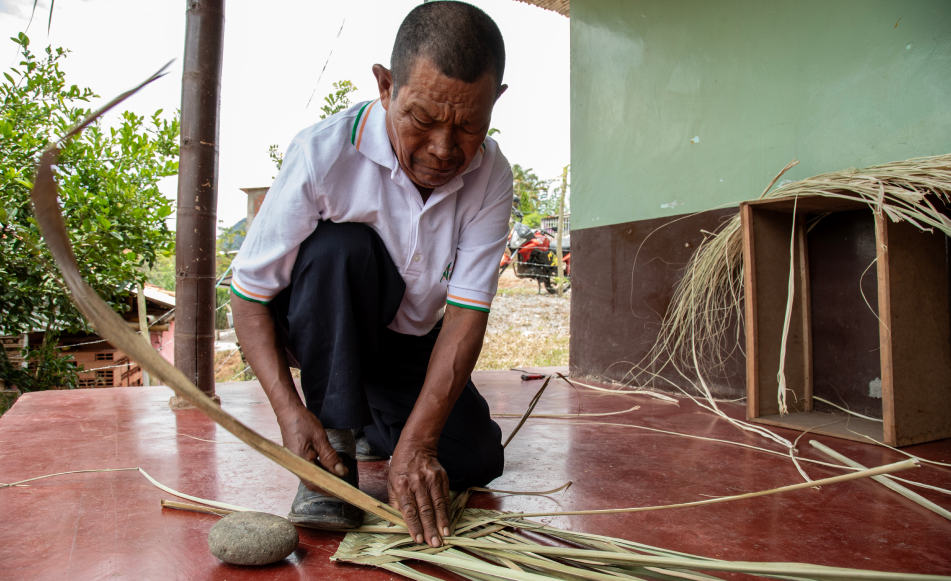
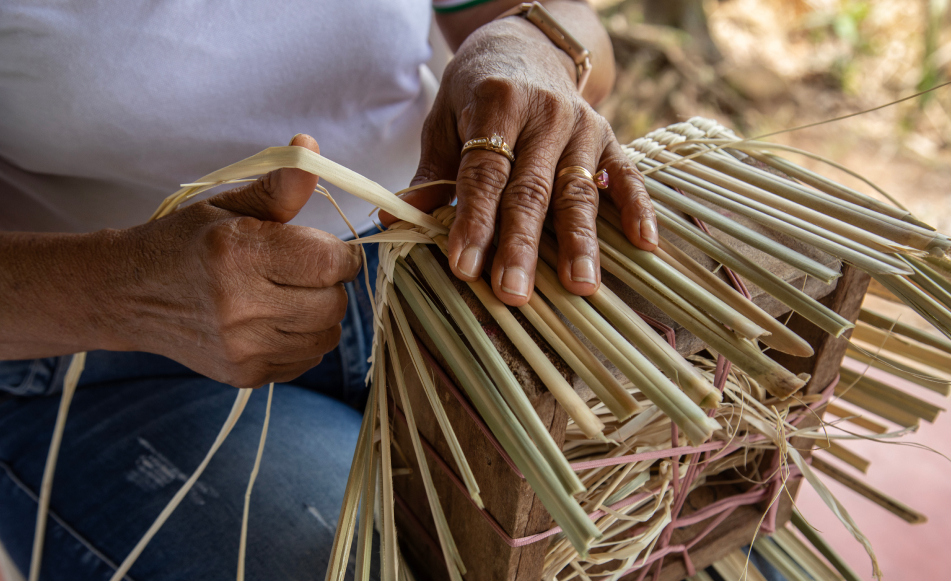
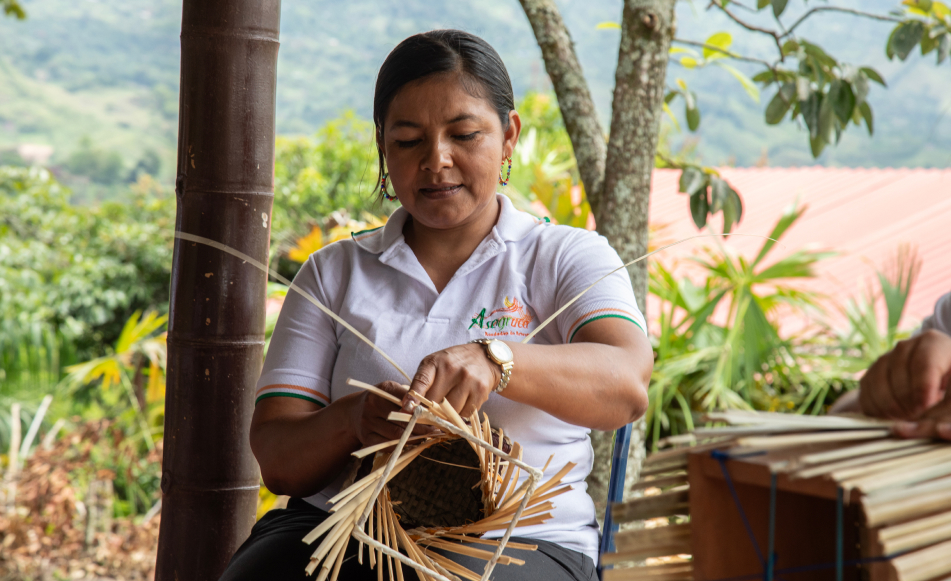
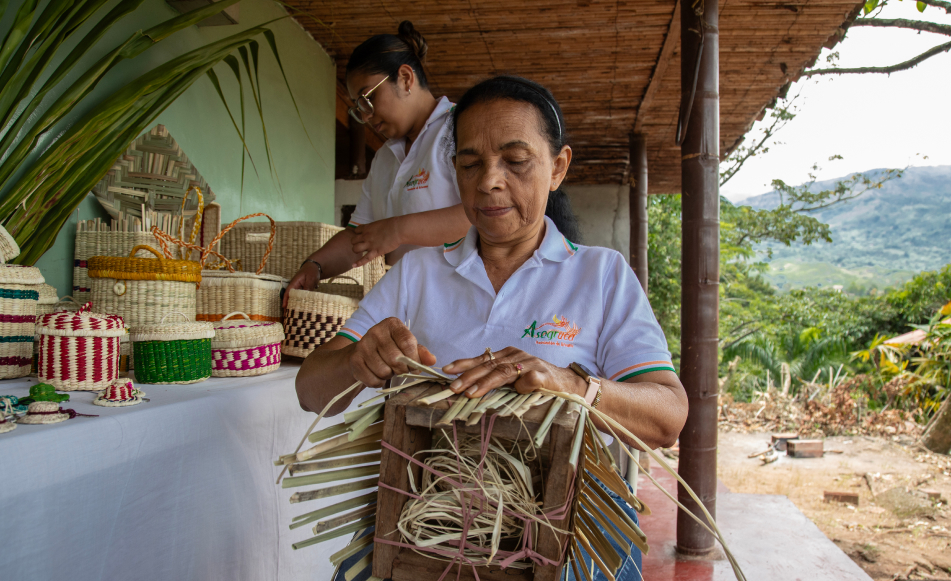
For Marina, basket weaving came into her life after she got married and went to live with her mother-in-law, María del Carmen Andica. She remembers sitting close by, watching her prepare baskets after they had gone together into the mountains to collect caña brava. Selecting the stalks—a task done only during the waning moon to prevent spoilage—was meticulous work. She watched María del Carmen strip off the branches, remove the leaves, and unwrap the tender core, which was left to dry for four days. Gently, her mother-in-law would ask if she wanted to learn, guiding her hands as she split the stalks and carved them firmly to form the bases. She would show her how to weave, then immediately unravel the piece so Marina could redo it herself—the best way to learn. And if Marina’s work turned out a little crooked, she would take it apart on her own and start over. The joy she felt when her mother-in-law took her baskets to sell—and came back with a bit of money, however small—was immense. Today, Marina is grateful for her patience and generosity, because without learning the craft, she doesn’t know how she could have paid for her children’s schooling, uniforms, and all the expenses that came with it. And now she has been able to teach them too.
For Claudia Esperanza Reyes, the craft came through her mother, María Alicia Gañán, who herself had learned from her great-grandparents. They were artisans who bartered their work for meat or rice—things that weren’t grown in their lands, then rich with coffee, cacao, plantain, and even gold mines. From the time she was born, Claudia Esperanza absorbed the skill at her mother’s side, watching in awe as she wove while explaining each step. Her father, Gabriel Ángel Reyes, also learned from María Alicia after they married, and he proved to be even more daring, as Claudia recalls. Once he had the basics, he began experimenting, incorporating seeds into the curtains he wove: chumbimba, San Pedro’s tears, corozo amolador, and macadamia collected in the mountains. He even used bamboo. His designs became so popular that he began traveling to Medellín, Pereira, and Manizales to sell them. After his death, María Alicia continued his legacy, keeping the work with seeds alive.
Claudia Esperanza’s path was more winding before she fully dedicated herself to crafts and the association. She first went to Medellín to study Social Work—starting out alone, managing a small fast-food cart she bought to save enough to bring her son to live with her. Eventually he joined her, finishing high school just in time to graduate at the same moment his mother completed her degree. It was an unforgettable day. Later she returned to Riosucio, got married, taught her husband how to weave baskets, and continued her work as a social worker—now focusing on supporting her fellow artisans, teaching them how to weave and offering them guidance. Social work, she says, has never left her.
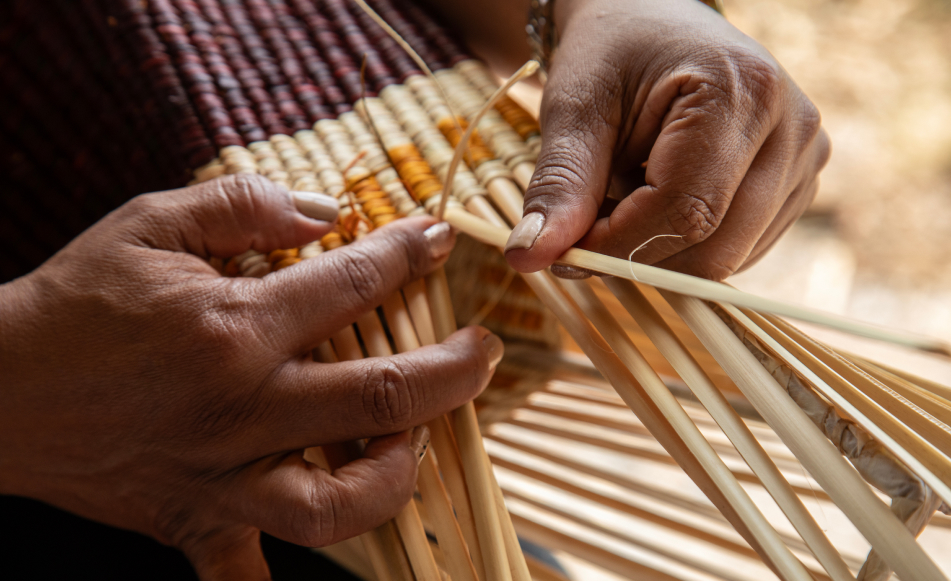
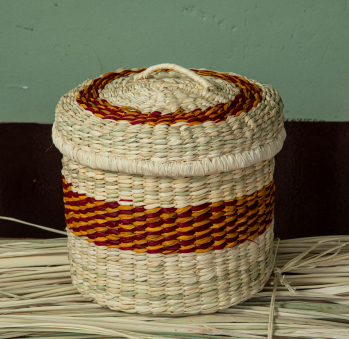
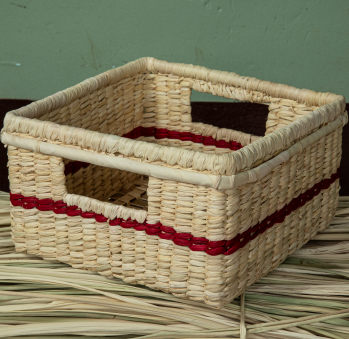
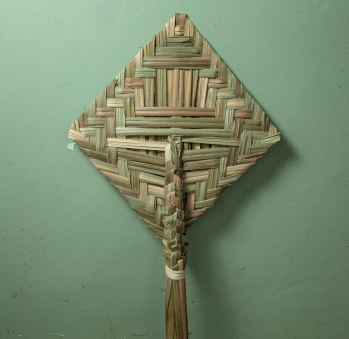
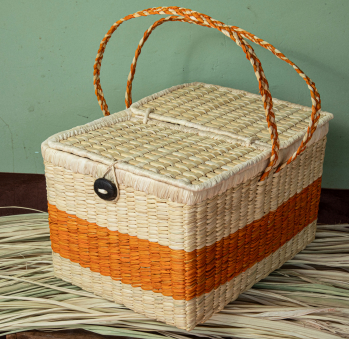
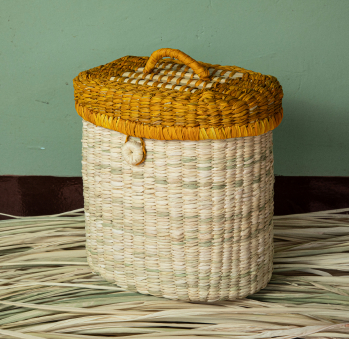
And that’s how diverse the stories of ASOGRUCA’s fourteen members are. Together, they have combined their mastery of caña brava basketry with other fibers such as iraca palm, banana sock, enea, and fique, which they use to weave traditional jíqueras and mats. They also work with beads. Fully aware of the immense cultural and natural wealth of their mountainous territory, they dedicate themselves to keeping it alive with love—passing it on to those who, when the time comes, will defend it just as they have.
Workshop and process
Craft
Artisans along the way


Artisans along the way



No puede copiar contenido de esta página