
Blanca Inés Romero
Workshop: Cestas y sueños Blanca Romero
Craft: Basketry
Trail: Oriente Route
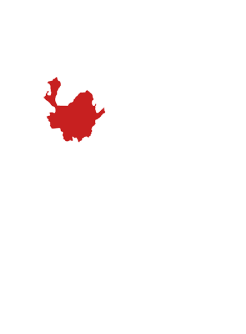
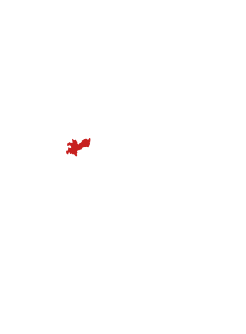
Location: Fómeque, Cundinamarca
SCHEDULE YOUR VISIT
Cra 1 #2-41, sector La Bomba
3115153631
roblain08@gmail.com
@artesaniasblanca_romero
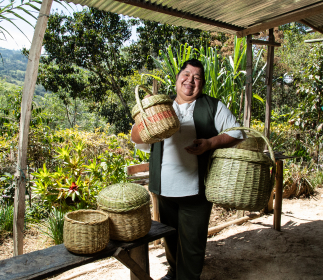
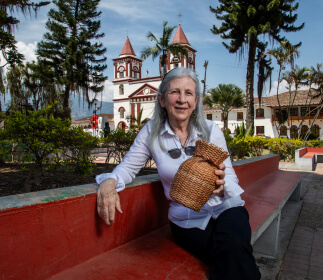
Blanca Inés’s story is deeply rooted in the countryside. Her earliest memories—the ones that have always stayed with her—are inseparable from the lush green mountains of Fómeque. She was born into a large farming family of eight siblings and their two parents, and she vividly remembers the days when she would go out to graze the cows. Along the paths and dirt trails of the countryside, she and her siblings would end up playing with the mud that clung to their boots. They made sticky little balls of it and tossed them at each other, laughing all the while. She also remembers shaping tiny cups, pitchers, and little vases with her hands. She would leave them to dry somewhere along the path, though without a kiln they inevitably cracked or broke. That never bothered her. She would simply make new ones. It was her childhood game, and whenever she reaches back into those distant memories she cannot help but sigh—and smile.
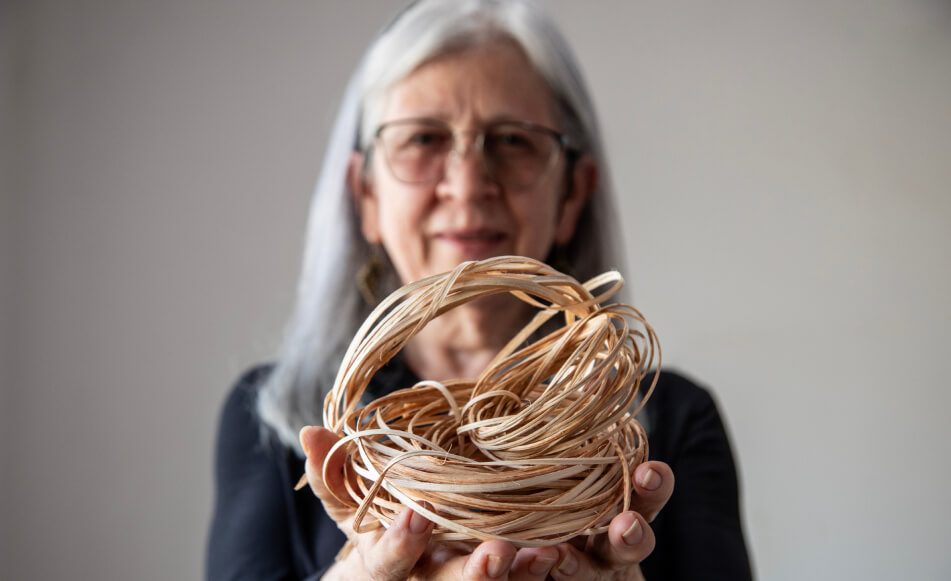
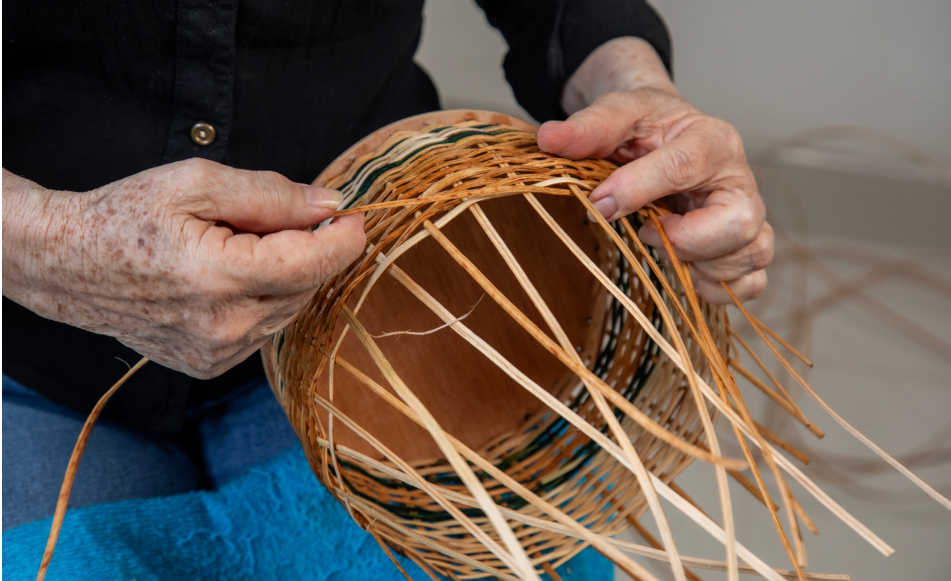
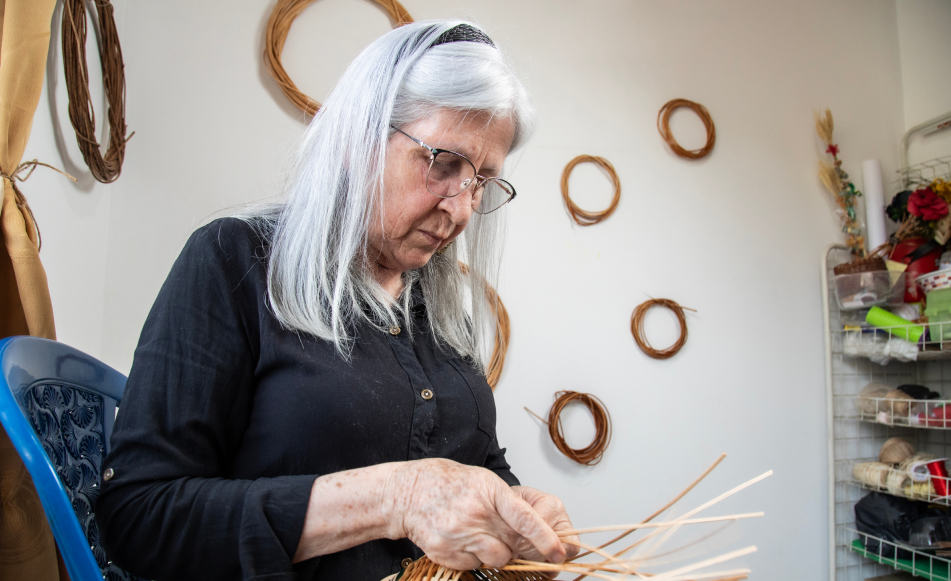
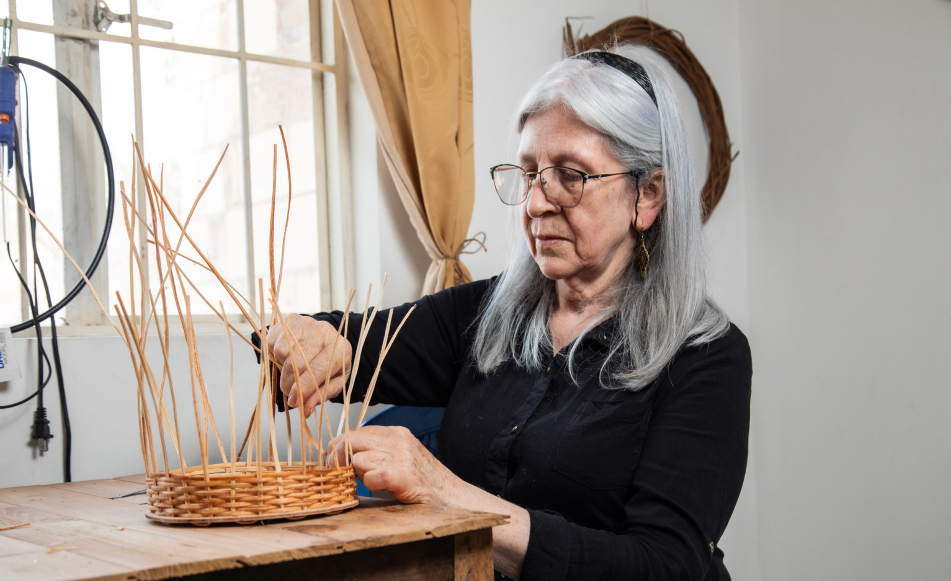
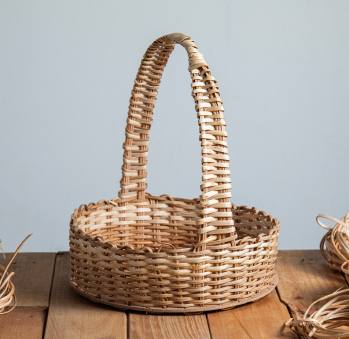
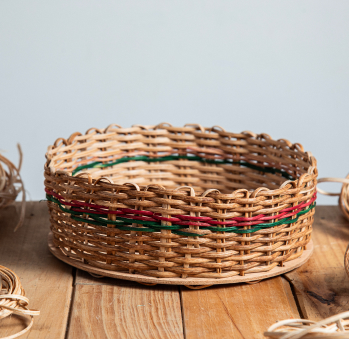
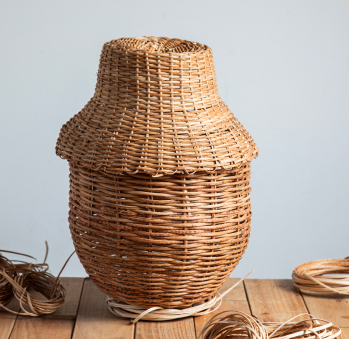
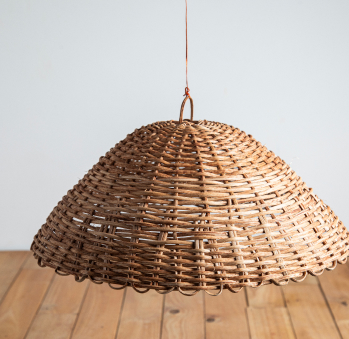
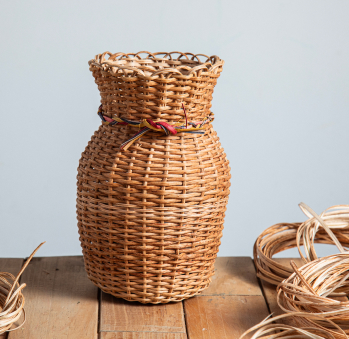
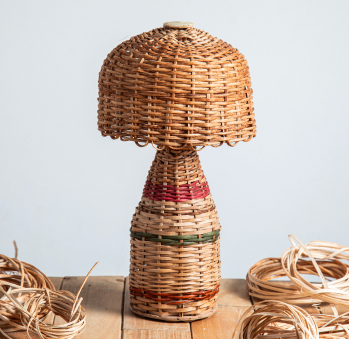
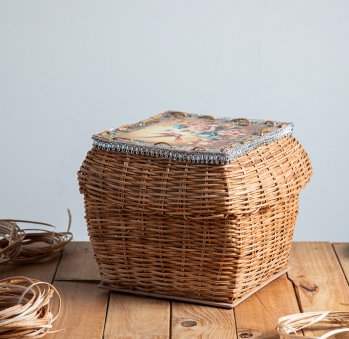
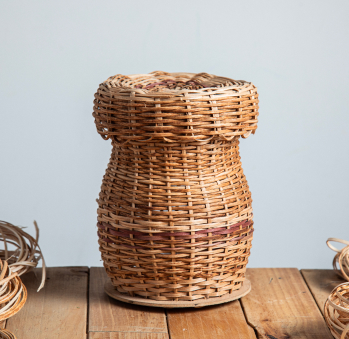
But childhood eventually passed, and life unfolded with both good times and difficult ones. Some of those hardships were so profound that, when she begins to recall them, she falls briefly silent. It is as though the memories rush through her mind all at once, leaving her momentarily speechless. Fortunately, she has learned how to shake off that silence with her hands. Those same hands are what have brought her to the best place she could be today: leading her own crafts workshop. Yet the technique she works with now is not the clay of her childhood, but chipalo basketry, a fiber native to Colombia’s coffee-growing region. From this vine-like material an entire world of woven objects has taken shape through skilled hands.
The story goes that after retiring from the cooperative where she had worked for more than eighteen years as a cashier and storekeeper, she once came across a basket that captivated her. Curious, she began asking questions: what was it made of, and how had it been woven? The answers slowly emerged. It was made from a vine that immediately fascinated her—but one that was not easy to obtain. In fact, she had to travel all the way to Bogotá to find and order it. Rather than discouraging her, that obstacle only strengthened her resolve. In truth, finding a vine was hardly the greatest challenge she had ever faced. Her entire life had been about finding ways forward through difficulty. She had already endured far harder trials—raising her children after losing her husband when they were still very young.
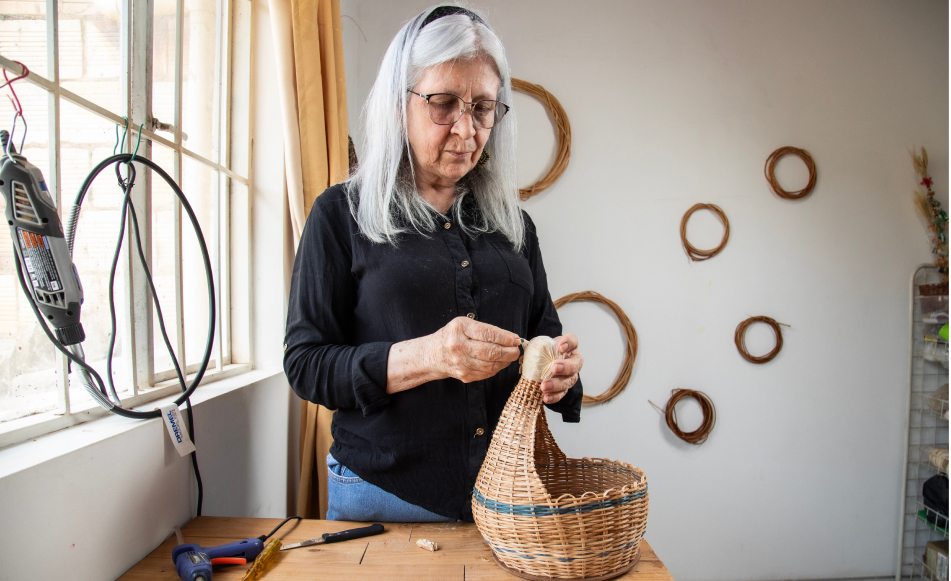
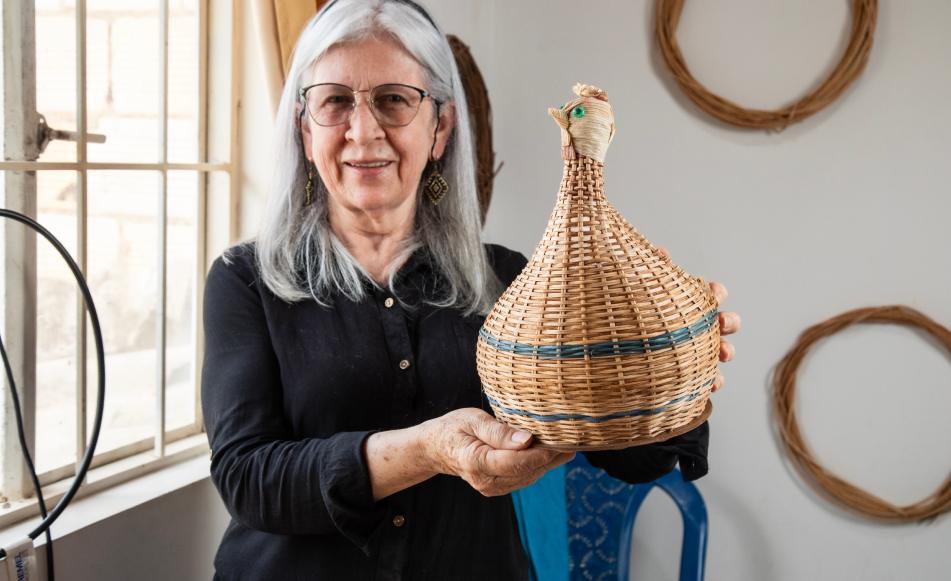
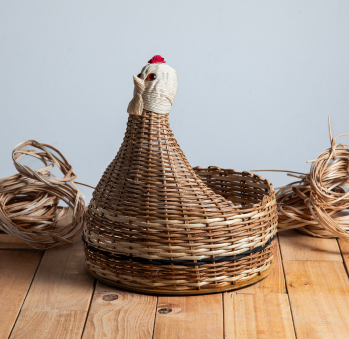
In a way, it seems almost providential that craft saved Blanca Inés. And it was a friend, Martha Ilma Sabogal, who first showed her the path. Martha insisted again and again that she should learn to weave, that it would offer her a beautiful way to stay busy and soothe the soul. Eventually she convinced her. And in time, Blanca Inés was able to see the talent that Martha Ilma had recognized from the very first moment she watched her weave. Watching Blanca Inés work today—so focused, so patient, and so devoted—one quickly understands that each of us finds our own way of confronting sadness. She is perseverant, resilient, and demanding of herself. She may spend months trying to perfect a new basket design, unraveling the fiber again and again until the piece matches exactly what she had imagined. Because for her, imagination is the driving force. If she decides she wants to make, say, a chicken, she will not rest until she has brought it to life.
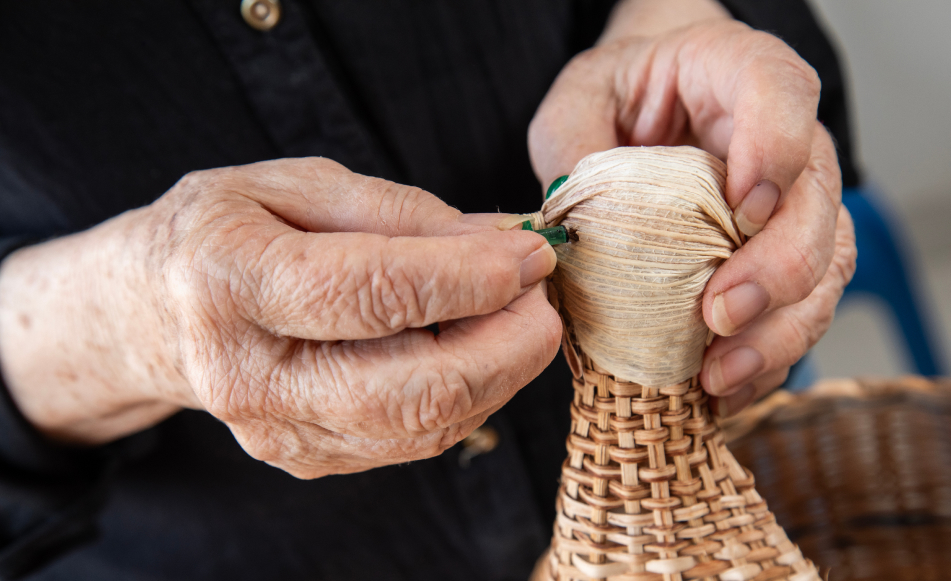
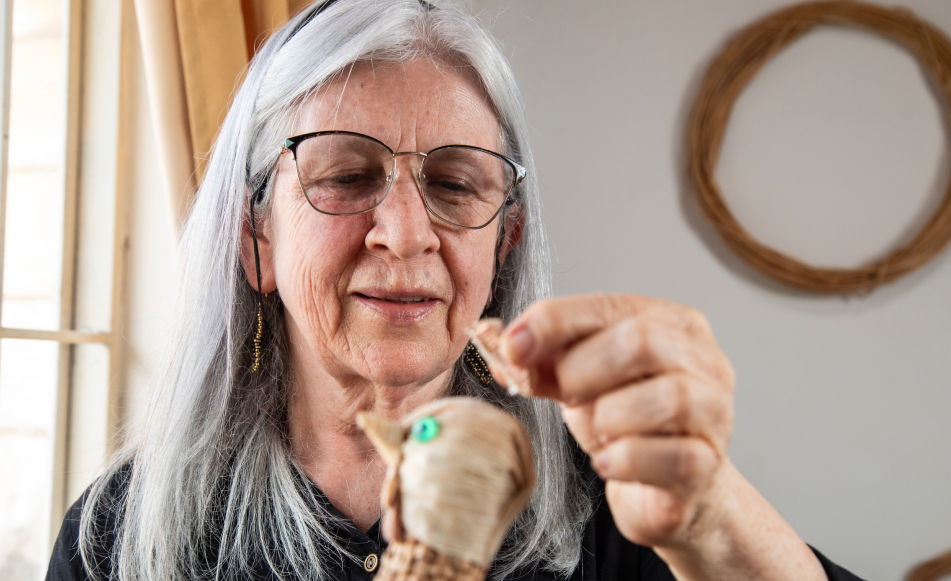
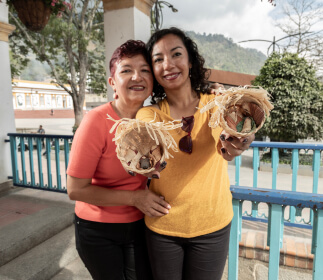
Today she and Martha Ilma travel together to craft fairs, praising each other’s work with genuine affection. Blanca Inés is gentle and somewhat reserved, while Martha is a torrent of energy; together they balance one another perfectly. Yet their creations now stand strong on their own, sustained by the quality of their work. Blanca Inés does not reveal the secret behind the little heads of her woven hens—though she lets slip that corn husk plays a role. Spending time with her means meeting a woman whose children are deeply proud of her: a mother who raised them through hardship and who, far from slowing down, has embraced a vibrant second chapter in her life. It is a chapter she wants to fill with imagination—the very source of the joy she continues to pursue.
Workshop and process
Craft
Artisans along the way
Artisans along the way



No puede copiar contenido de esta página