
Clara Inés Camico – Inaapeda Iñakapee
Workshop: Mujeres tejedoras
Craft: Basketry and weaving
Trail: Guainía Route
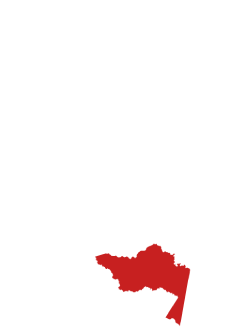
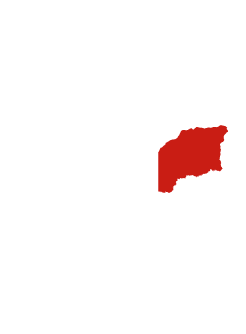
Location: Inírida, Guainía
SCHEDULE YOUR VISIT
Comunidad Sabanitas
3105327900
cl0492623@gmail.com
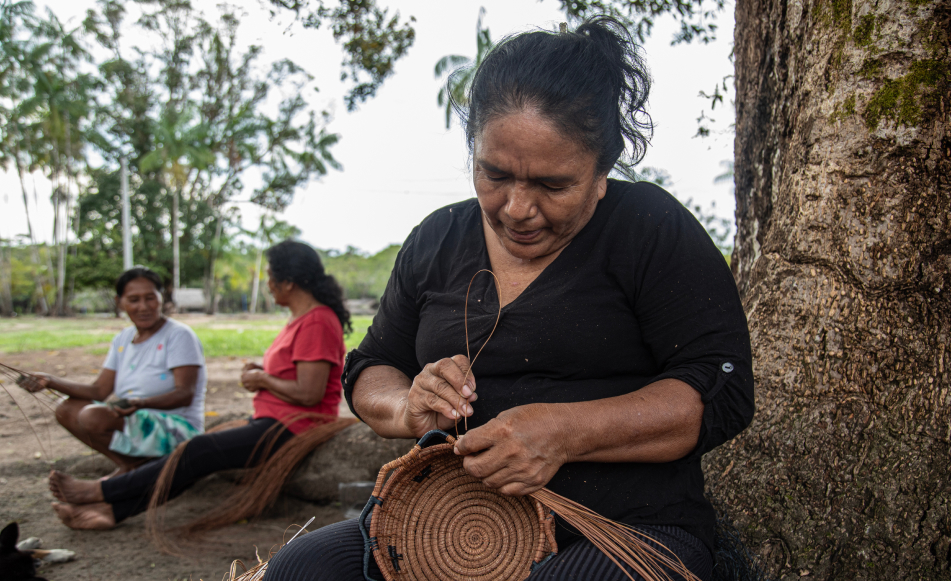
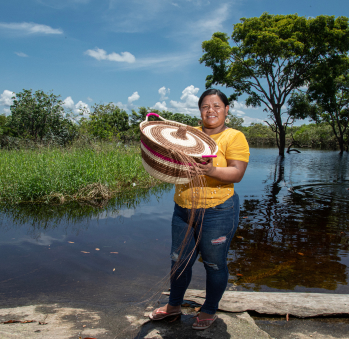
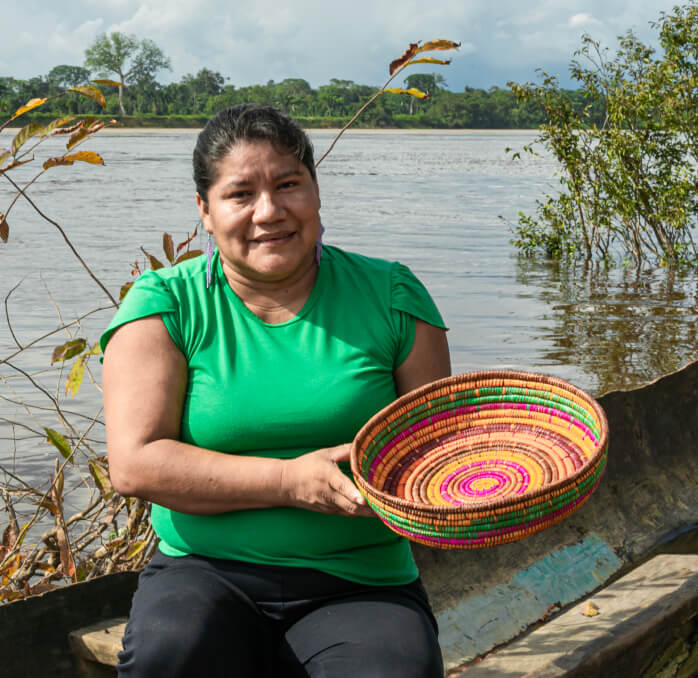
It’s certainly moving to see new generations of Indigenous women speaking with pride about their roots—about their grandparents, their parents—practicing their language, and becoming powerful mediators between their world and ours, those of us who come from outside and often feel we still have so much to learn to truly understand lives so different from our own, even though we all share the same land where we were born. This is the case of Clara Inés Camico, a Curripaka woman carrying one of the founding surnames of her people, who inhabit the forests of Guainía and have settled in Inírida, the capital. Not yet thirty, she has become an exceptional spokesperson for her community and proudly upholds the chiquichiqui weaving legacy of the women from the Sabanitas Community.
Clara Inés says that her mastery of the craft came to her more out of necessity than choice. She became pregnant in her teens—at just 14—and had to quickly figure out how she would provide for the baby that arrived so soon. Though unexpected, her family stood by her, and her mother Rosa taught her everything she needed to know to begin a family: how to gather, plant, and harvest to feed them, and how to weave for everything else. Today, after years of living by these teachings, Clara Inés cannot find enough words to thank Rosa for everything her ancestors had to offer. Her community not only gave her solidarity and the tools to grow—no small thing—it also gave her pride in her origins.
Perhaps this is why she feels the need to give back to the strong and wise women of her territory, to return even a fraction of what she herself received, something that could be called beauty. She did so by restoring faith in what they have always done: weaving. One day, someone had told them that their work was “ugly.” The word landed without grace but carried destructive power. Words, after all, can build the impossible—or bury dreams. That’s what happened to the elderly women of the community: their pride was shattered, their confidence broken, even though there’s nothing stronger than the knots they weave, for it carries the harvest. But Clara Inés saw it, she felt it. So, the moment she had a chance to give back, she didn’t hesitate. When she was invited to an artisan fair in Medellín, she told the master weavers she couldn’t go alone. At first reluctant, they quickly agreed to join her if she led the process. And so it was.
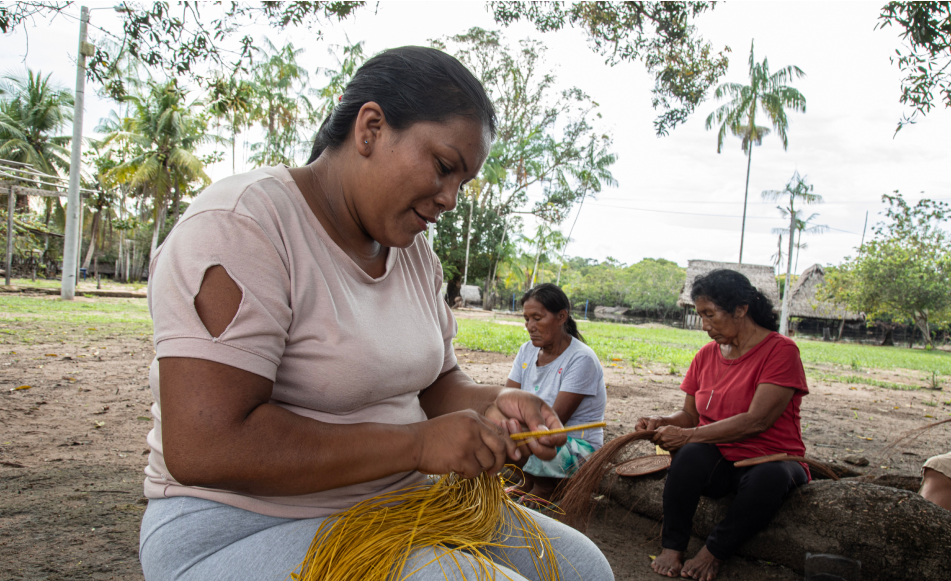
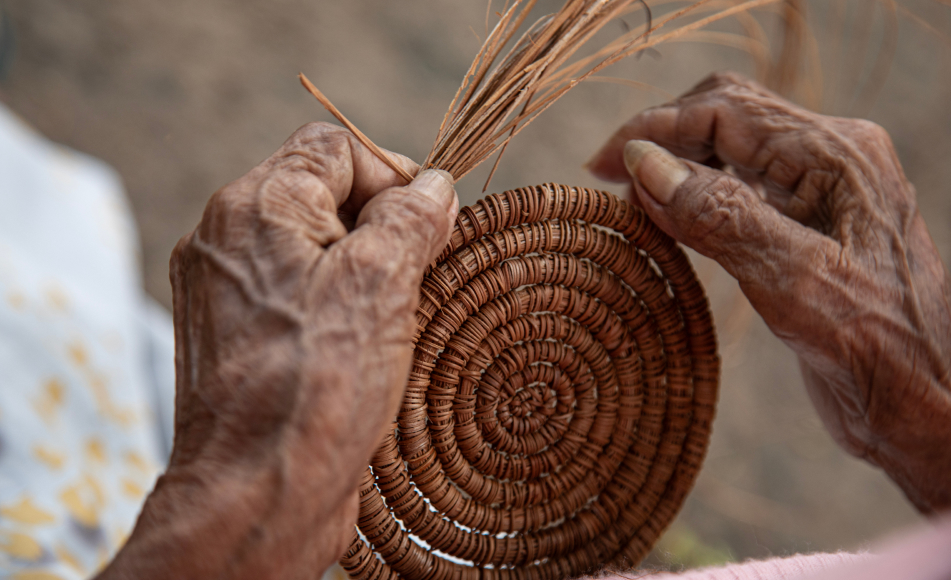
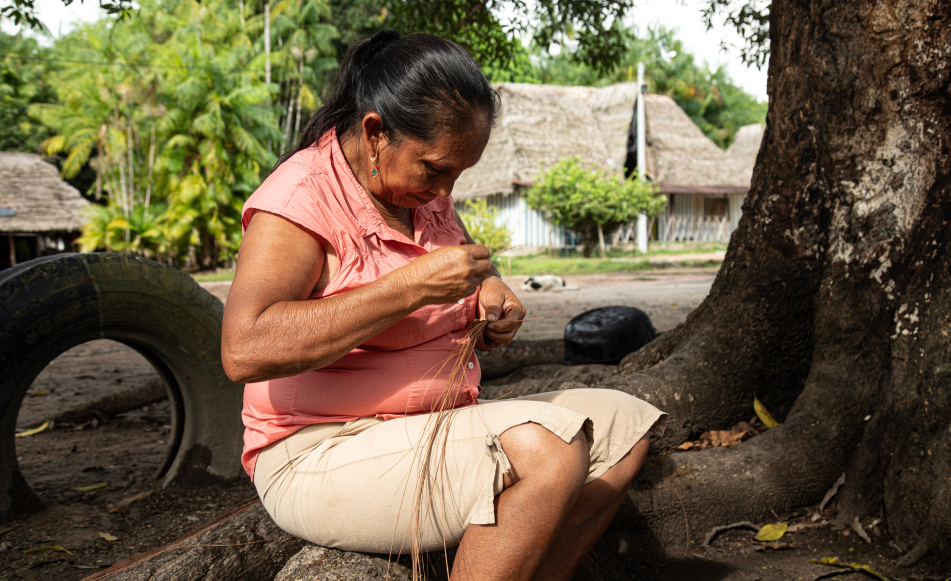
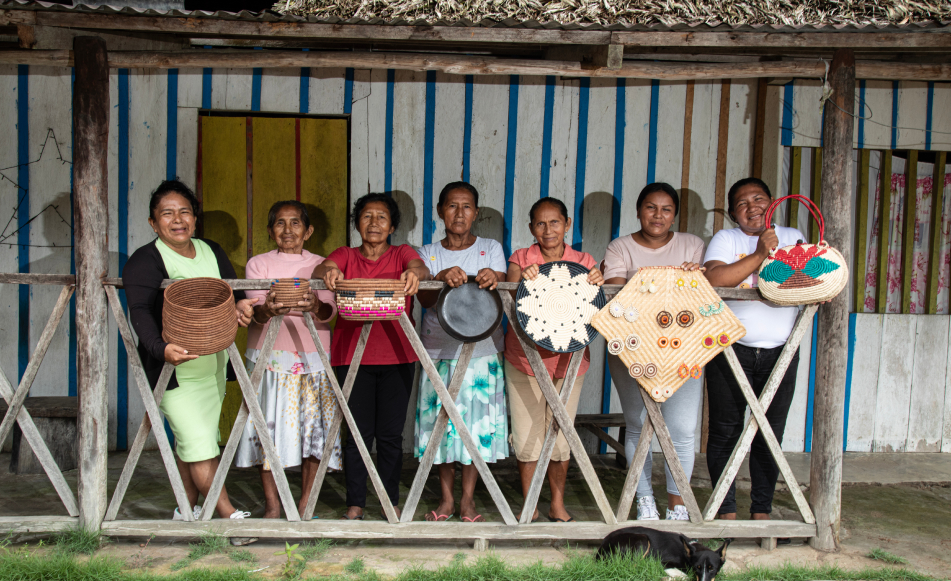
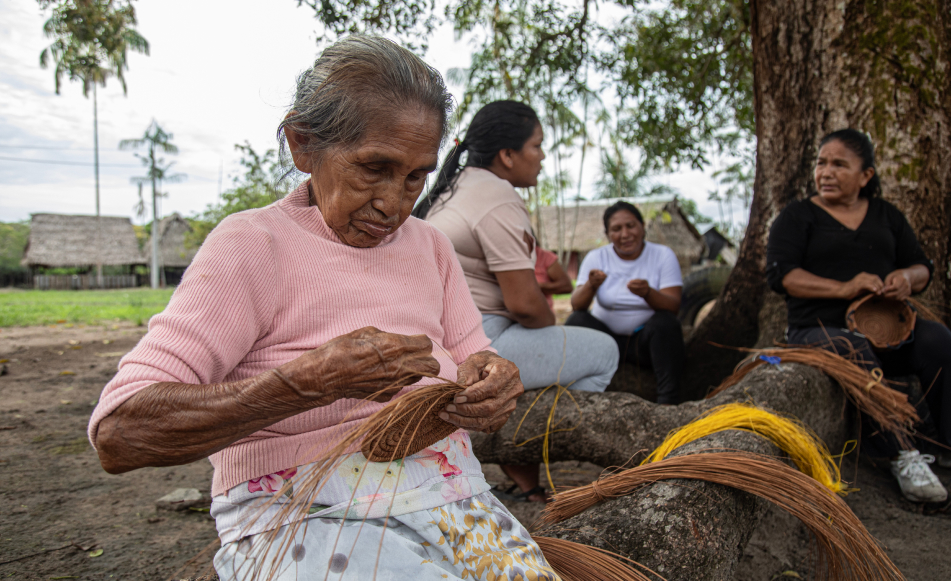
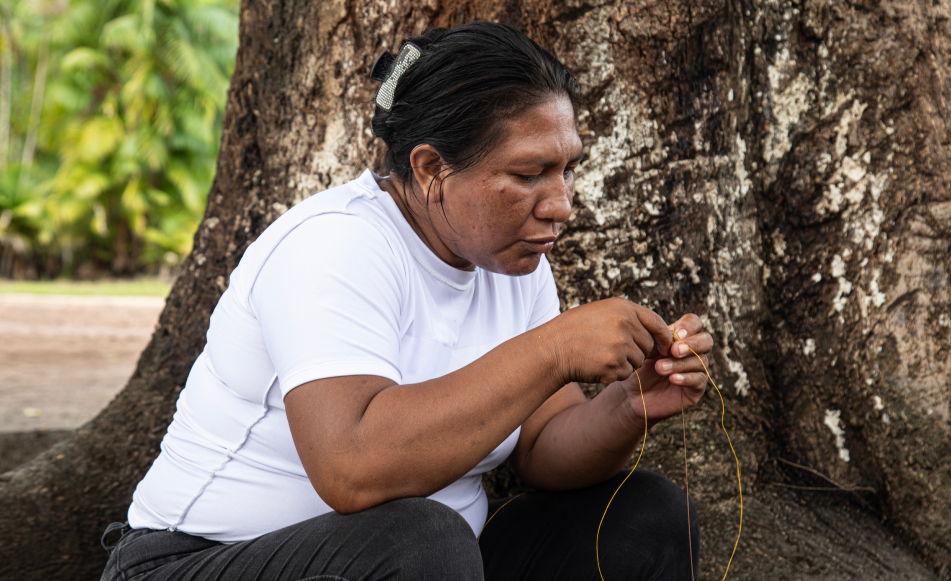
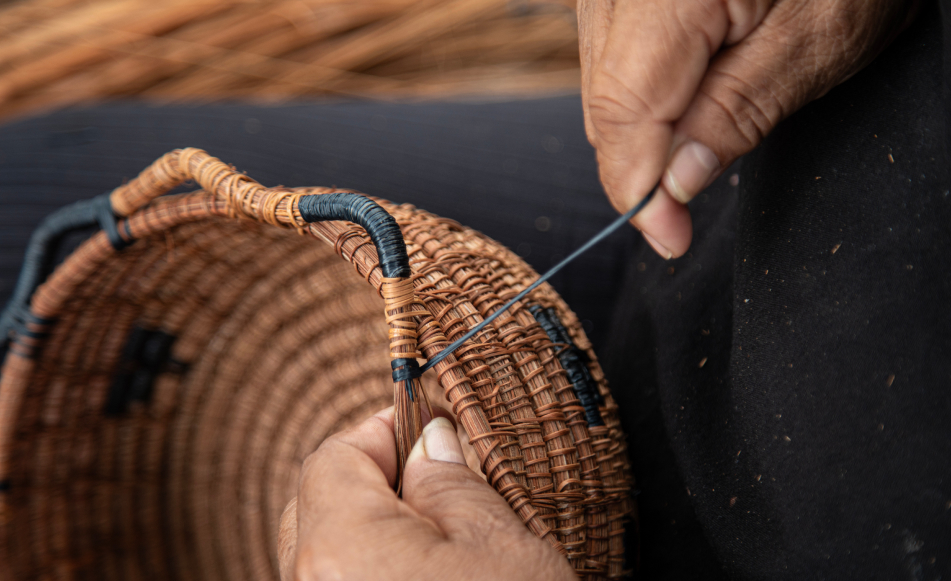
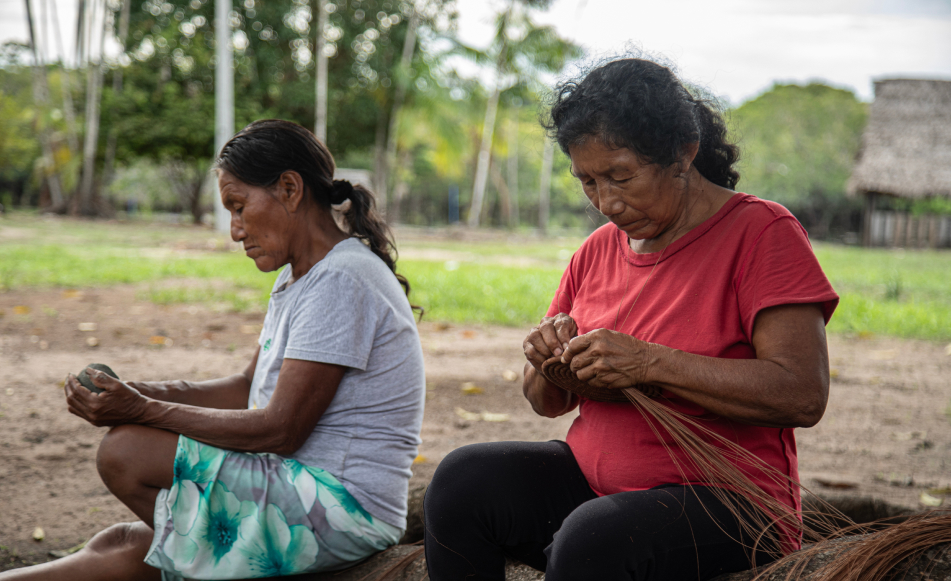
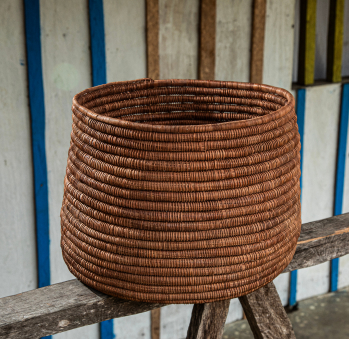
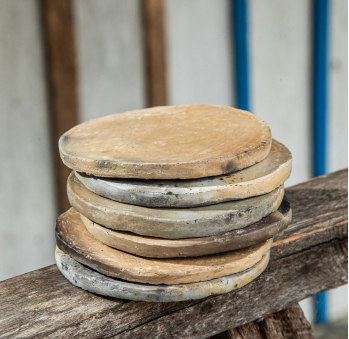
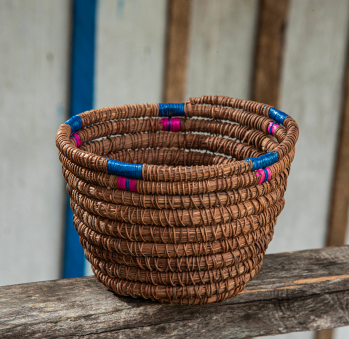
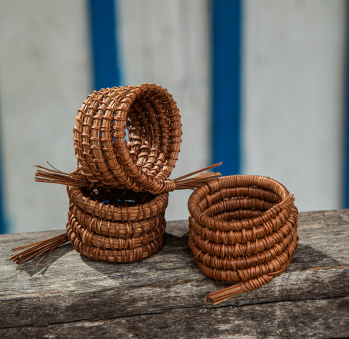
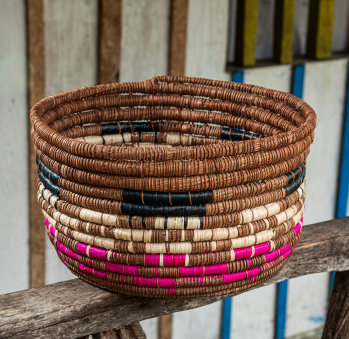
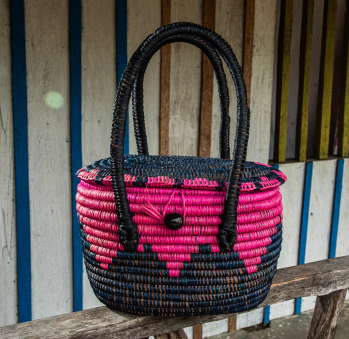
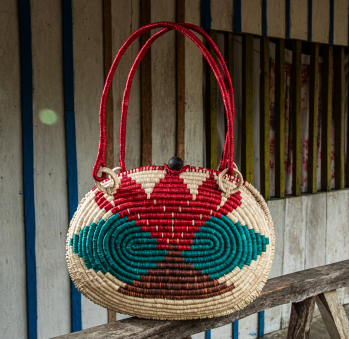
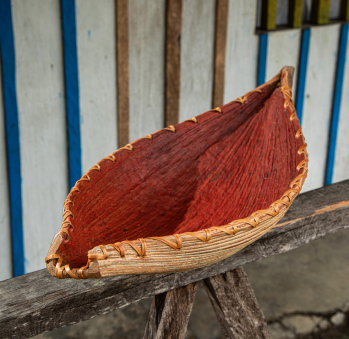
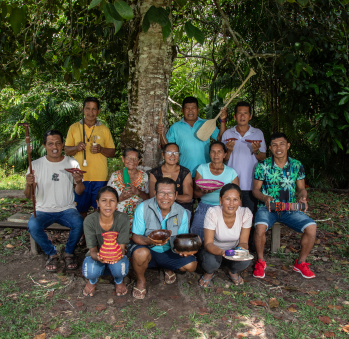
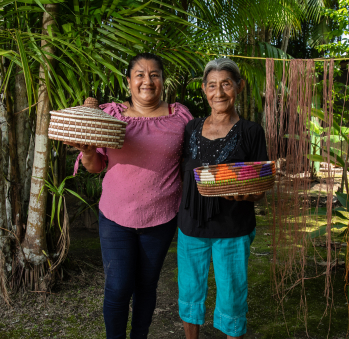
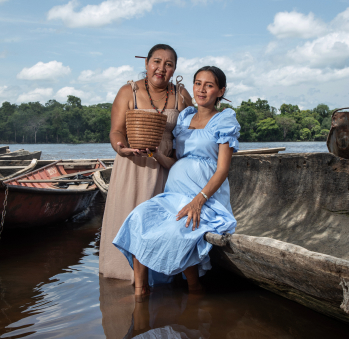
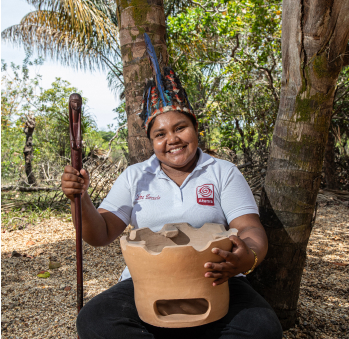
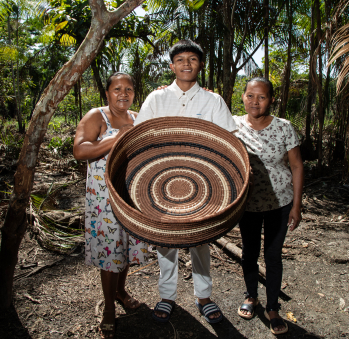
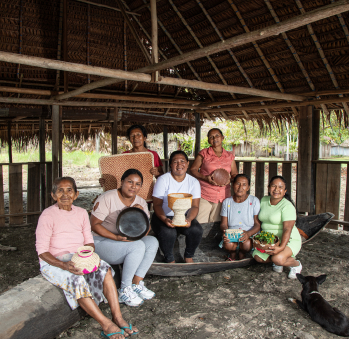
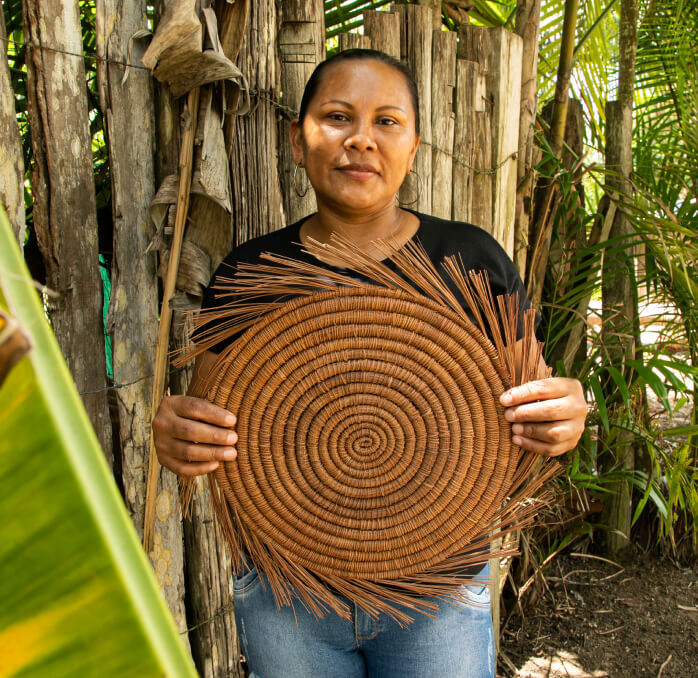
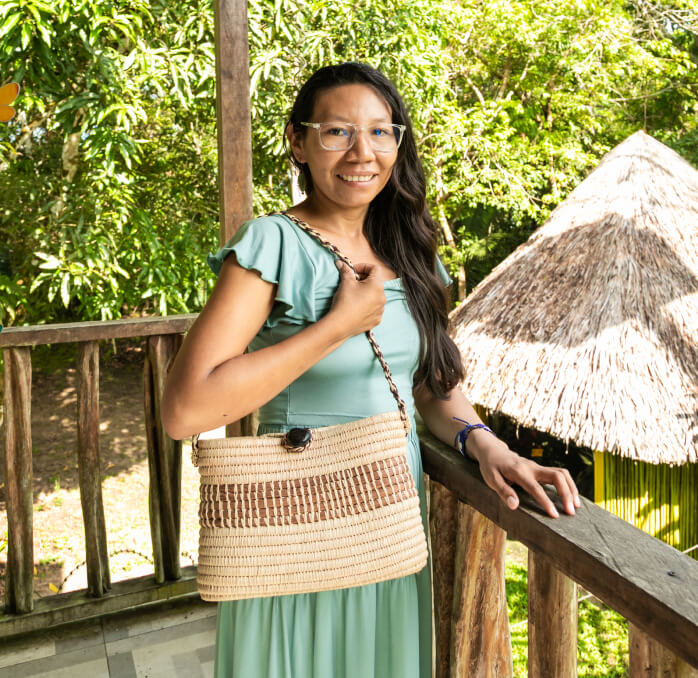
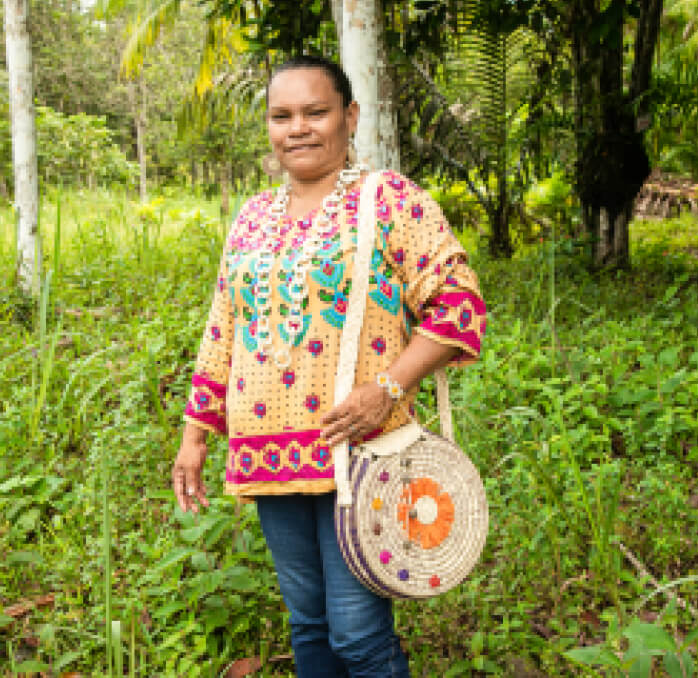
Today, they are a group of artisans where the elder women contribute their experience and the younger ones learn all the secrets of chiquichiqui and cumare. They do not hesitate to undo an entire piece if it does not meet the quality required. Grandmother Pola and Doña Lucinda, the oldest in the group, set the standard with their hands, teaching the others techniques of gathering and preparing raw materials. Then come Cristina, Alicia, Cecilia, Marina, and Rosa—Clara Inés’s mother—and finally Clara herself, along with Yeni and Mónica, the youngest of the group and the heirs to such vast knowledge. Clara Inés loves making necklaces and earrings; Mónica has specialized in handbags; Grandmother Pola weaves but also masters clay, creating plates and stoves; and the rest of the Curripaka women, make exquisite fruit bowls and placemats out of chiquichiqui. In this way, they have reaffirmed themselves as a community, joyfully sharing and teaching their craft. With pride, they name themselves Inaapeda iñakapee: women weavers.
Workshop and process
Craft

Artisans along the way
Artisans along the way



No puede copiar contenido de esta página