
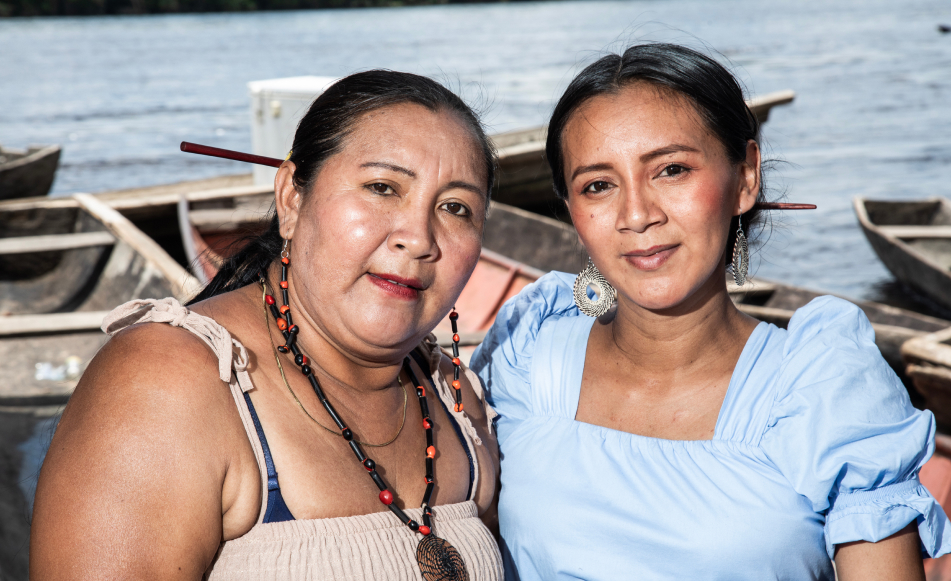
Marta y Diana Yavinape
Taller: Artesanías Yavinape
Oficio: Cestería y Trabajos en madera
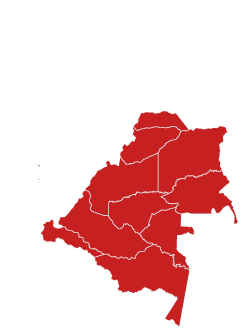
Ruta: Ruta Guainía
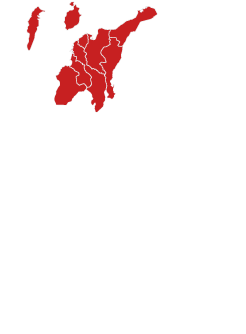
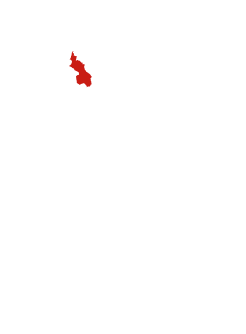
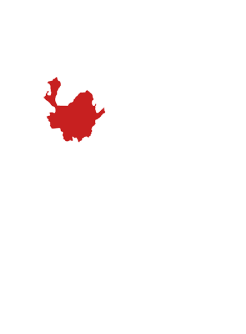
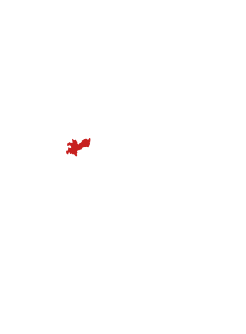
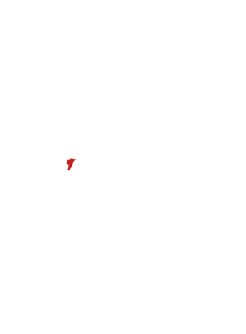
Ubicación: Inírida, Guainía
AGENDA TU VISITA
Comunida El Porvenir, Resguardo El Pajuil
3142810381
"artesaniasyavinape@gmail.com dianaptrcyvnp@gmail.com"
@artesanias_yavinape
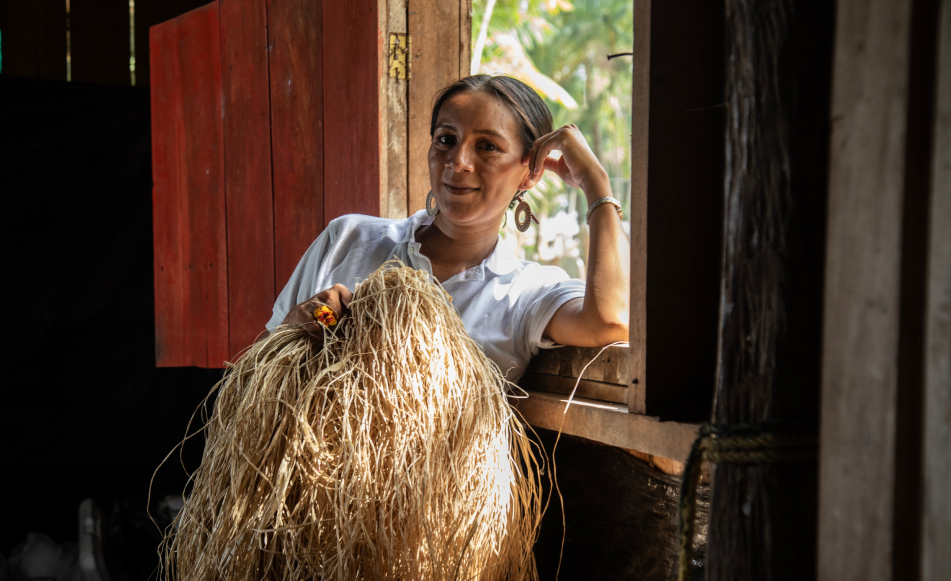
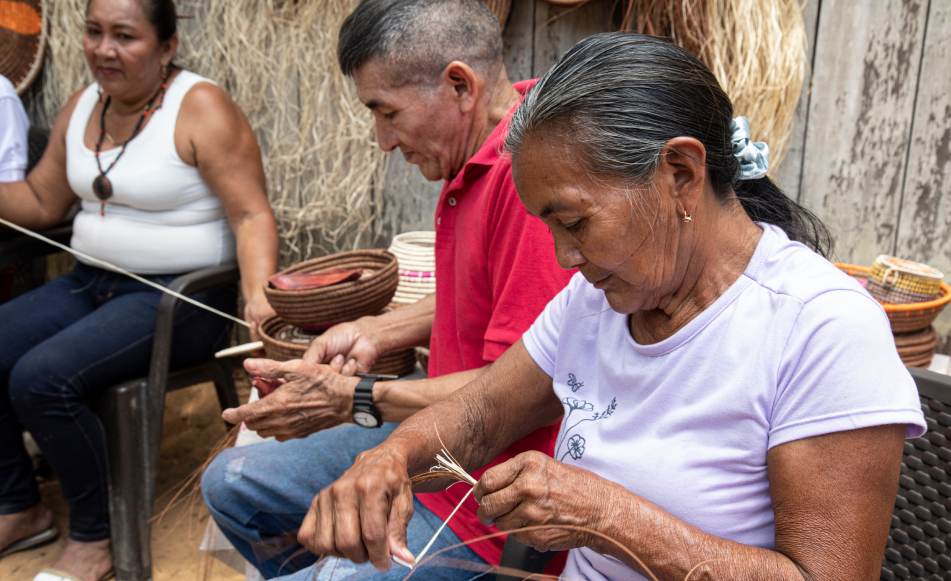
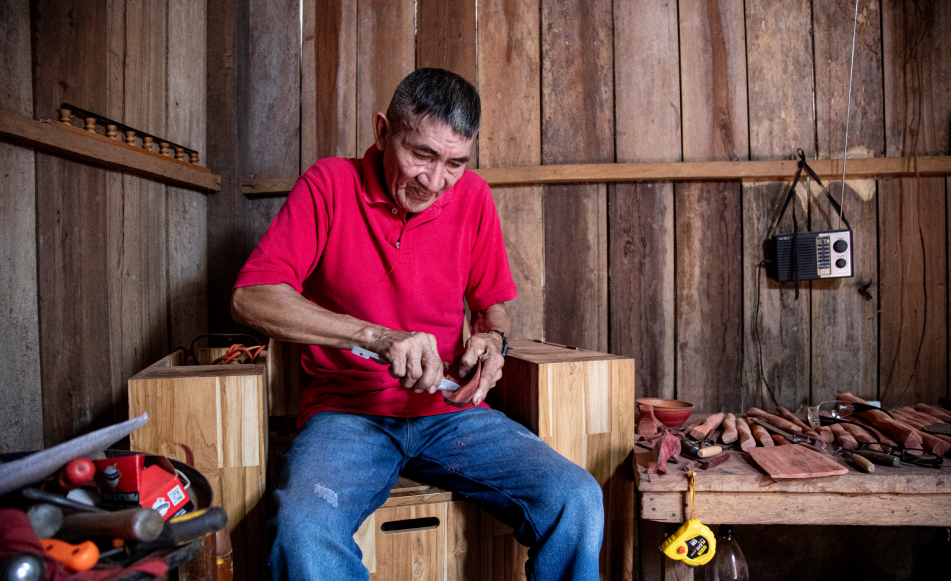
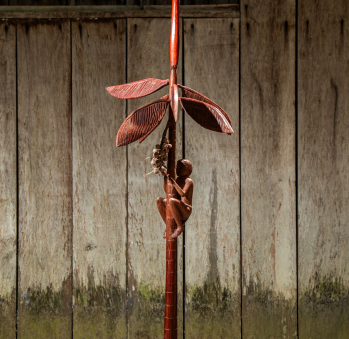
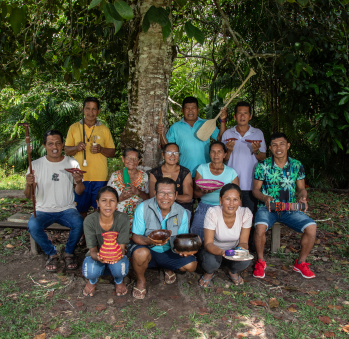
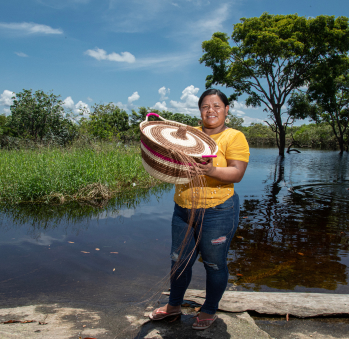
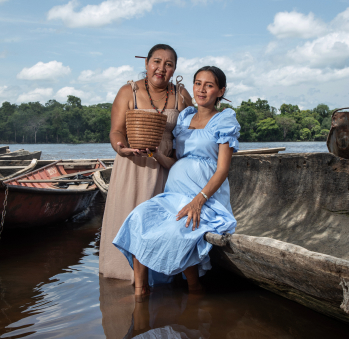
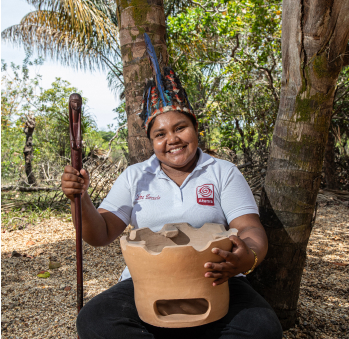
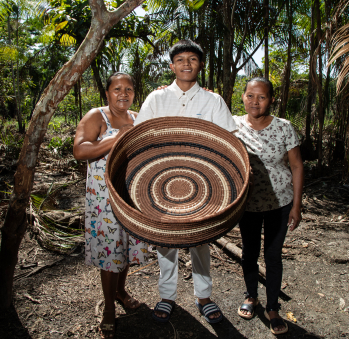
Yavinape es un apellido curripako y es un apellido artesano. Representa el clan tigre y así se sienten quienes lo portan. De hecho, una de sus herederas, Marta Yavinape, dice que el curripako es el que teje en Inírida, como si el oficio lo tuvieran impreso en la sangre y en las manos. Y puede que así sea, porque de generación en generación, las mujeres de esta comunidad, que vive al pie del Río Guainía, han sabido tejer. Y tallar, por el lado de los hombres, entre los cuales el padre de esta familia, don Antonio Yavinape, tallador en madera de palosangre, o palobrasil, como se le conoce en la frontera y de donde es oriundo este grupo étnico.
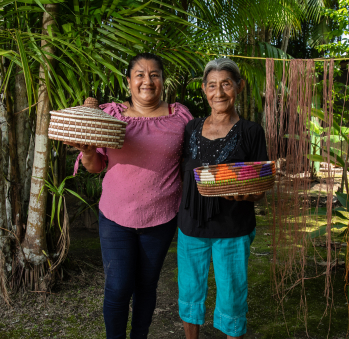
Esta historia de familia tiene un cimiento muy importante: la abuela Anita Garrido, la matriarca nacida en Brasil y llevada por la viudez a buscar nuevos horizontes hacia otras geografías, y así, pasar por el Vaupés y terminar en el Guainía para poder criar a sus siete hijos. Tuvo que juntarse con un familiar político que fue quien le ofreció techo y sostén en Caño Bonito. Pero ella, aunque tenía este apoyo, nunca dejó de buscar su manera de ser independiente y de enseñar de libertad. Sus nietas no tienen sino palabras de admiración por esta mujer fuerte, la que a todos y todo lo enseñó de su sabiduría tejedora. Vivió hasta sus 98 años y, en ese largo trasegar, dejó regadas sus enseñanzas de vida. Sus herederas nos la presentan con una imagen que habla por sí misma. Un día, uno de sus hijos le dijo a doña Anita que su jarrón estaba como “chueco” y ella, mirándolo con atención y con la serenidad que la caracterizó, le dijo que ese mismo jarrón le había dado el café que se había tomado por la mañana, refiriéndose a cómo cada artesanía que hacía con las manos la cambiaba por alimentos para la familia. Se lo dijo para que aprendiera a valorar, para que respetara el trabajo y criticara menos e hiciera más. Ay, cuántas Anitas necesitaríamos hoy más cerca…
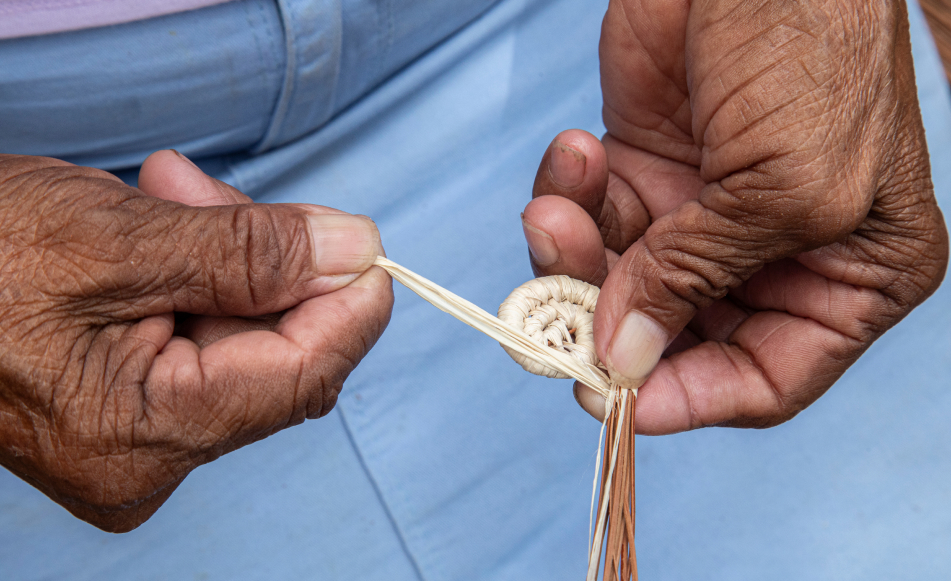
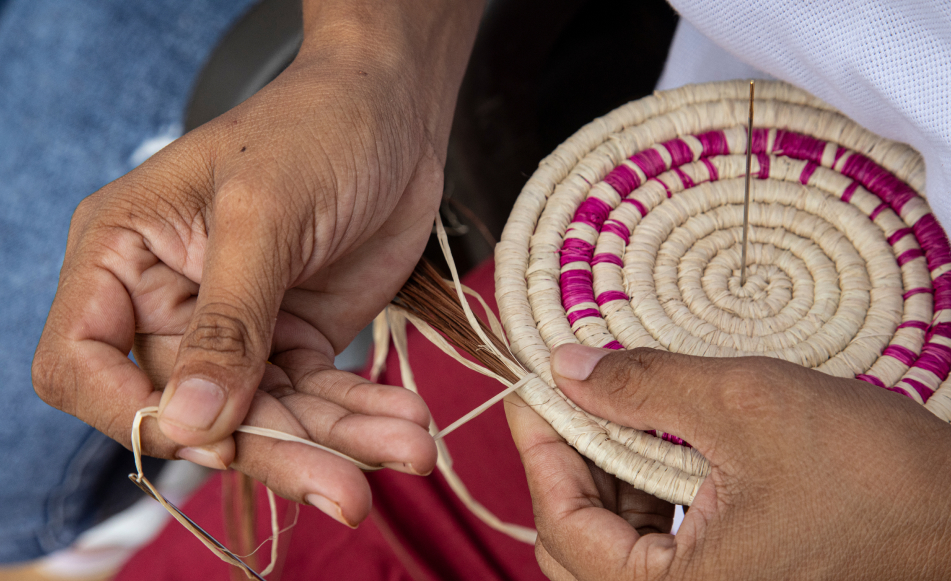
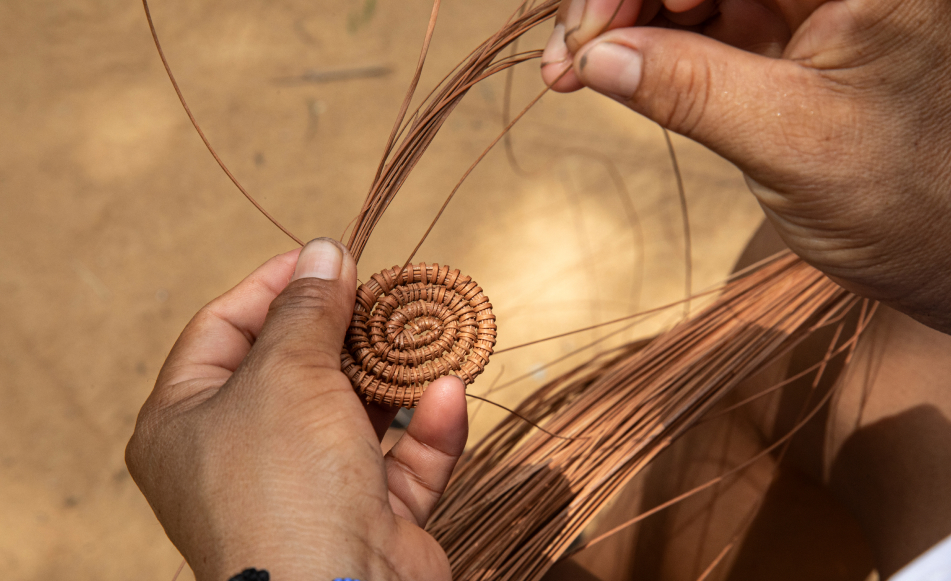
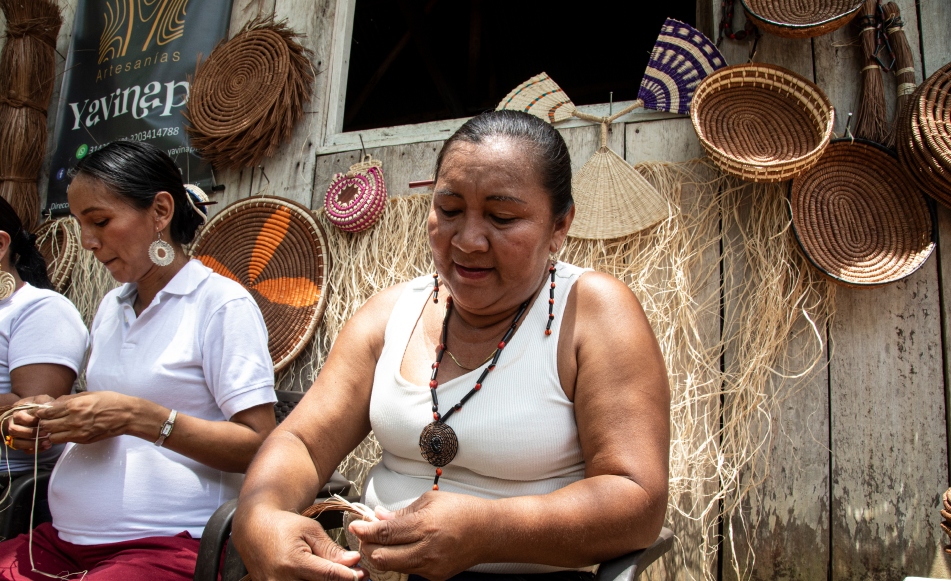
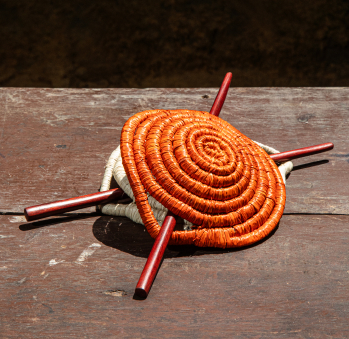
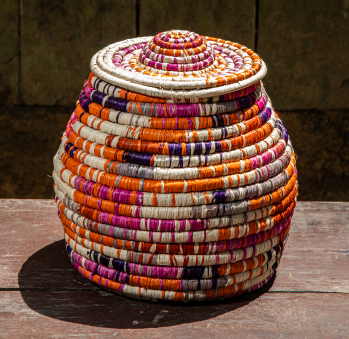
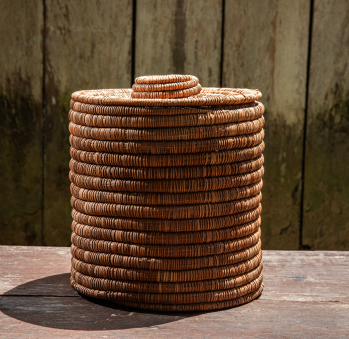
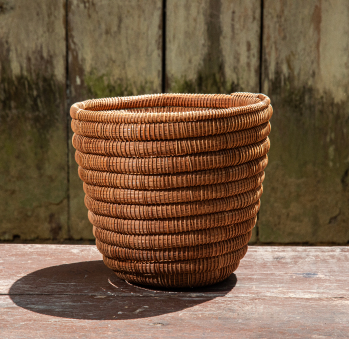
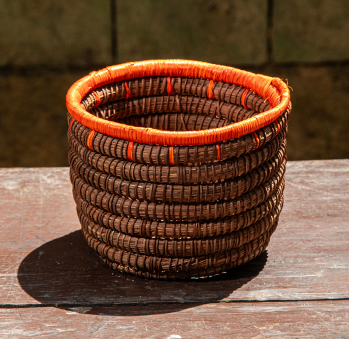
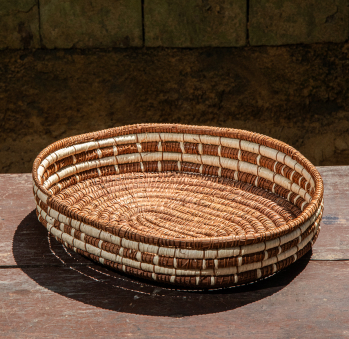
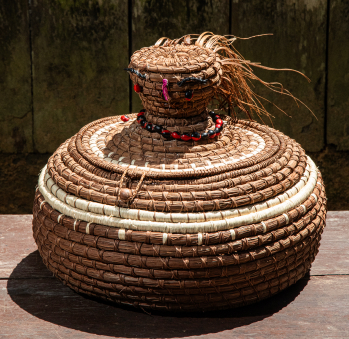
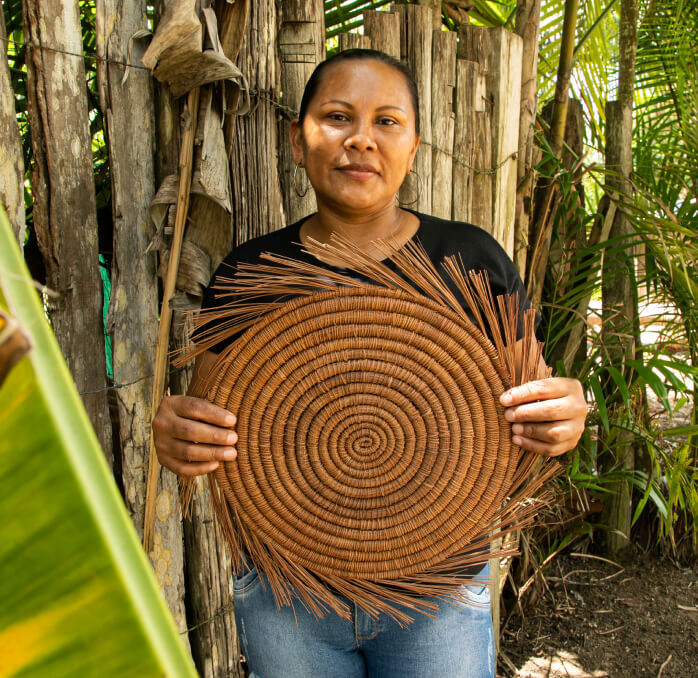
Porque las Yavinape saben que lo que se vende no es una artesanía, sino la tradición de un pueblo y todas tienen la mira puesta en hacer hasta lo imposible por no desaparecer, por seguir transmitiendo los valores de su ser curripako, sus mitos de origen, sus rituales, su honra al alimento sembrado y cosechado en el conuco, su lengua esencial para heredar su mundo. Será por eso que cuando tejen su chiquichiqui sonríen, porque se acuerdan de su abuela, porque piensan en los colores que ella les enseñó a trabajar, por las fibras que le aprendieron a extraer y a preparar. Sonríen y bendicen, pacíficos como son estos hermanos que se definen como evangélicos.
Aprender les ha significado, además, cuidar su materia prima, ver que cada vez se hace más difícil la recolección del chiquichiqui, entre otras razones, por las cada día más frecuentes inundaciones de su territorio, lo que destruye el ciclo de la cosecha de la palma y hace que tenga que conseguirse más lejos. Es por ello que están tratando de consolidar negocios verdes que protejan el medioambiente y les garantice la provisión de la materia prima con la cual las familias de esta comunidad se mantienen.
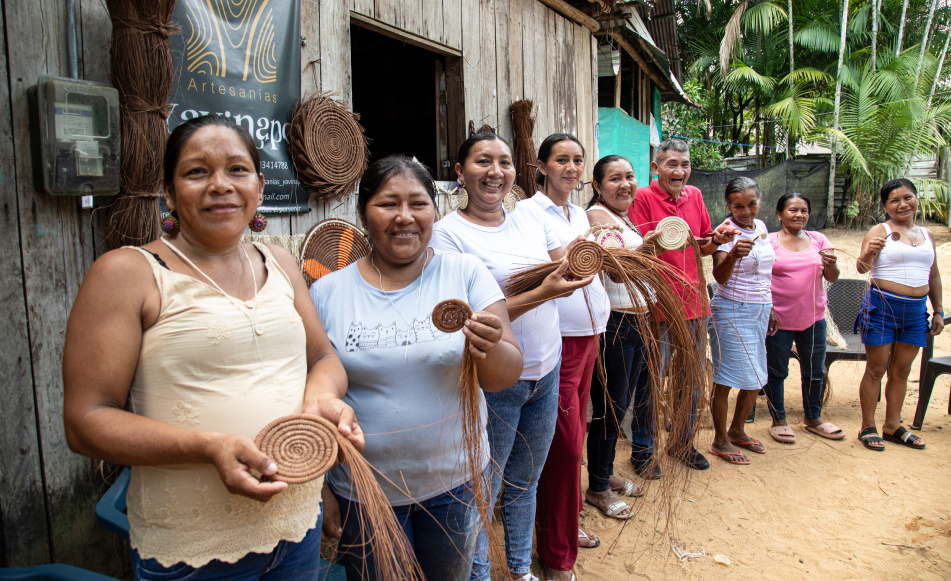
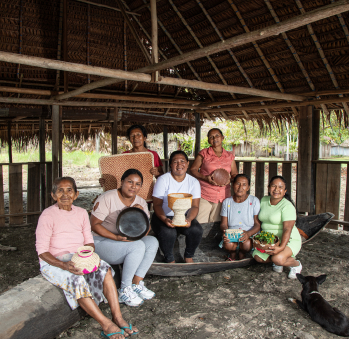
Así se mueven y piensan las Yavinape. Las mujeres de la familia, primas y tías, todas trabajan con ellas, también Rosa, su mamá, tejen y tejen para seguir caminando e imaginando. Porque como buenos tigres, la resistencia las acompaña y les hace andar con paso firme.
Taller y proceso
Artesanías
Artesanos de la ruta
Artesanos de la ruta



No puede copiar contenido de esta página