
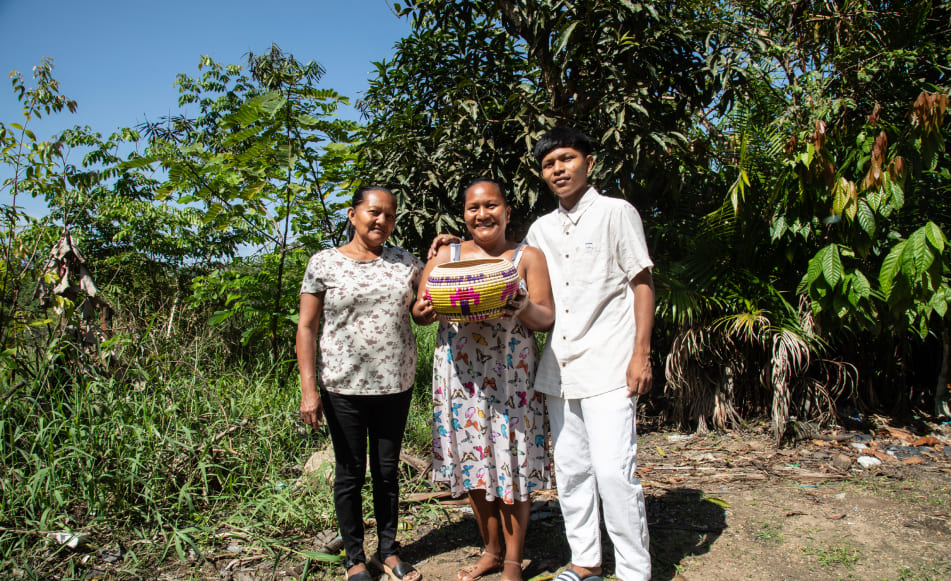
Clara, Lilia y John Sebastián Gutiérrez
Workshop: Artesanías Parina
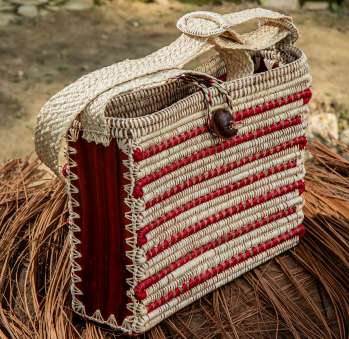
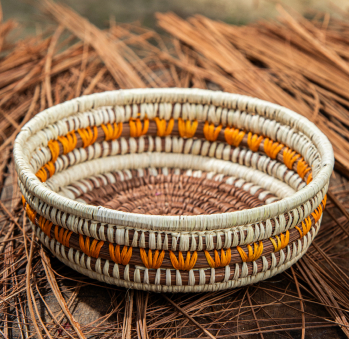
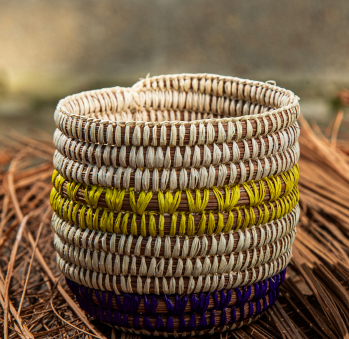
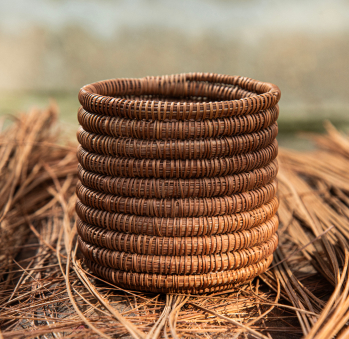
Craft: Basketry and weaving
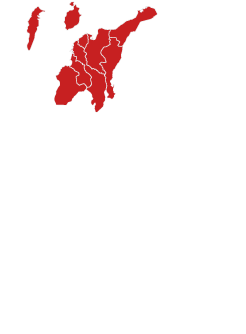
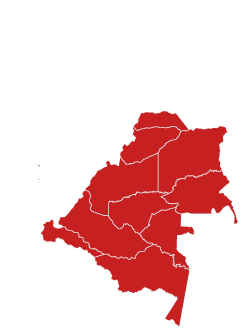
Trail: Guainía Route
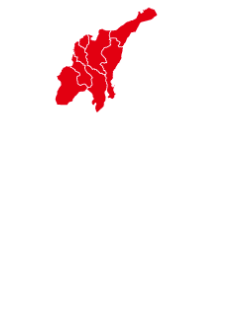
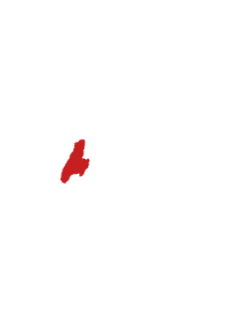
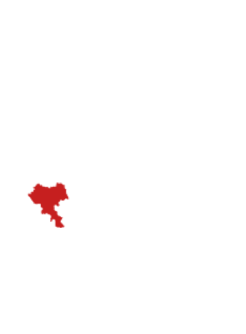
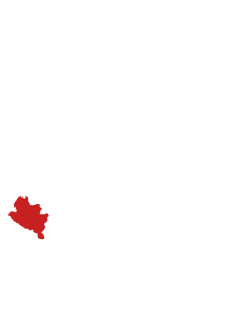
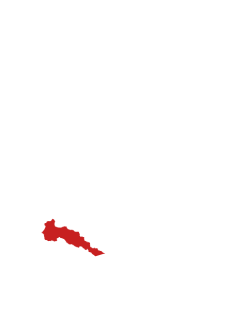
Location: Inírida, Guainía
SCHEDULE YOUR VISIT
Cra 6a #20-22, Barrio La Primavera I, Casco Urbano
3143201240
artesaniasparina@gmail.com
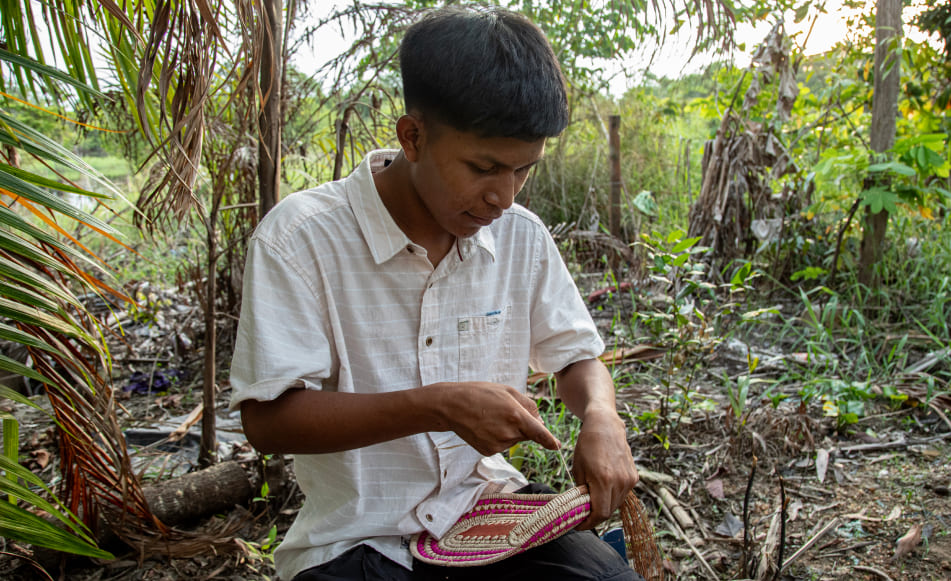
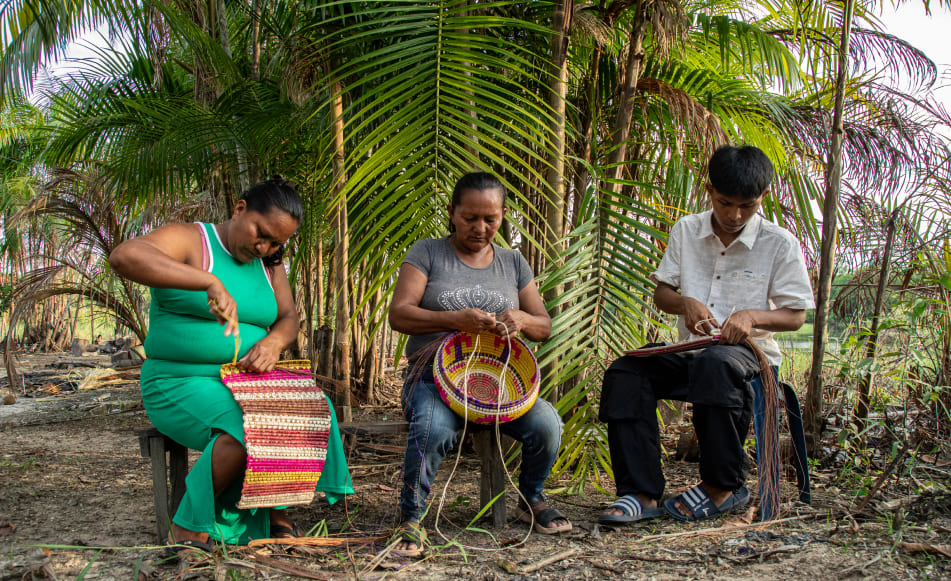
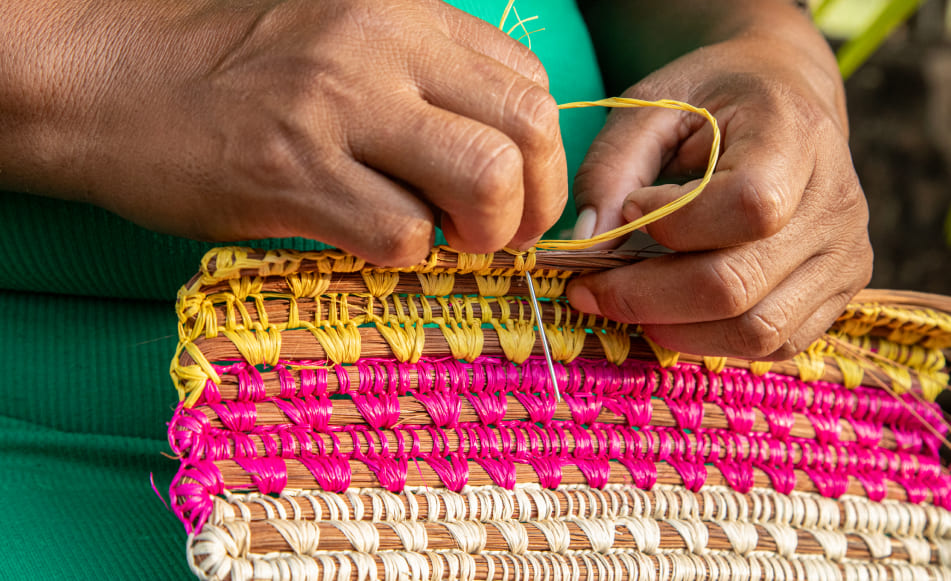
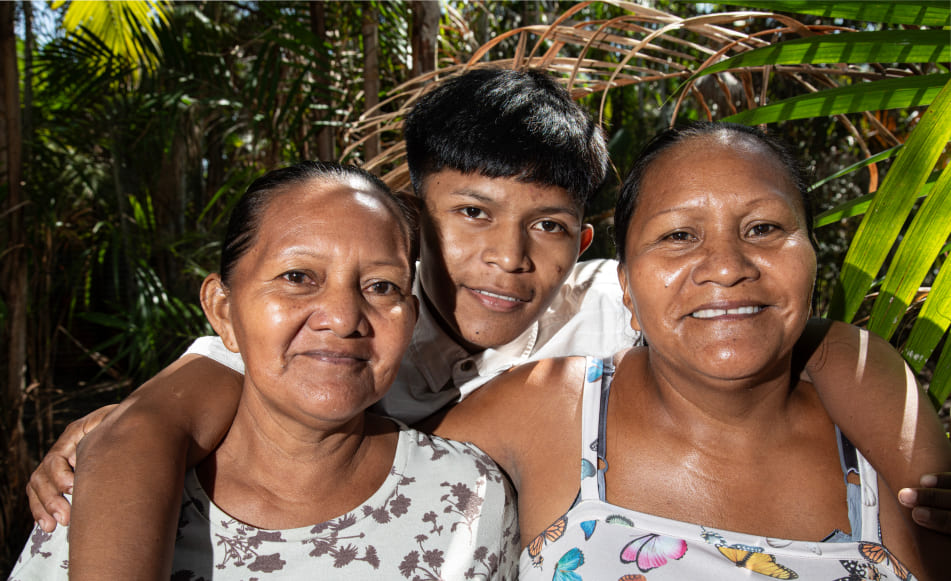
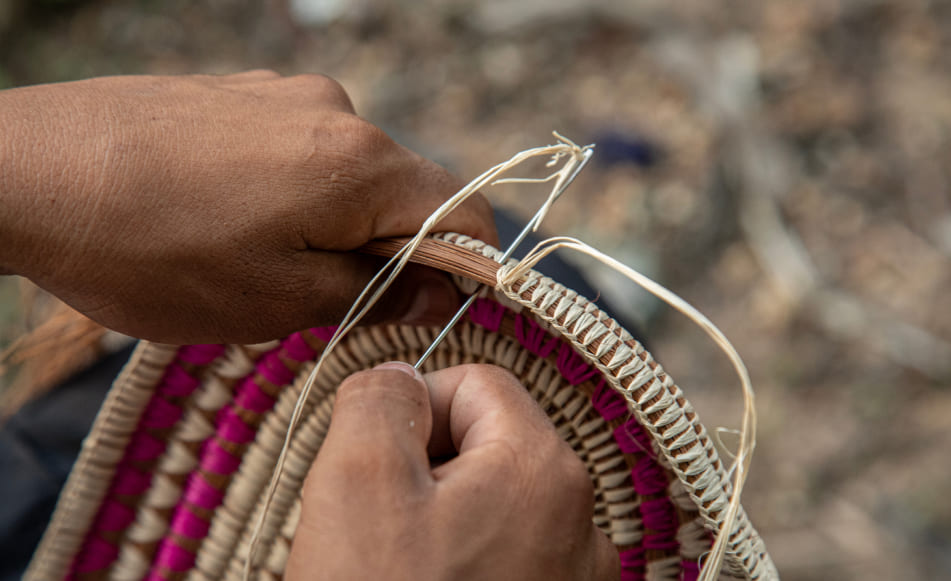
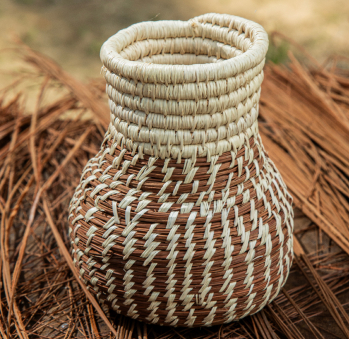
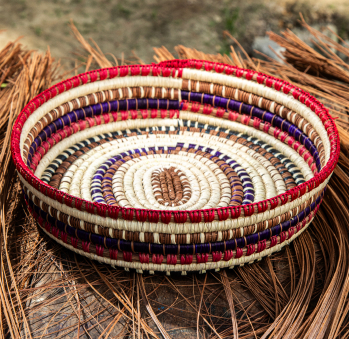
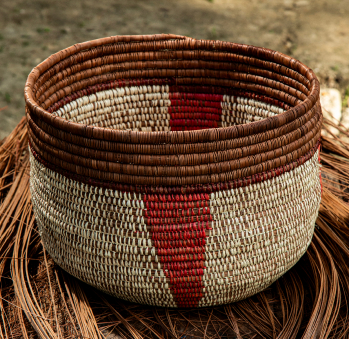
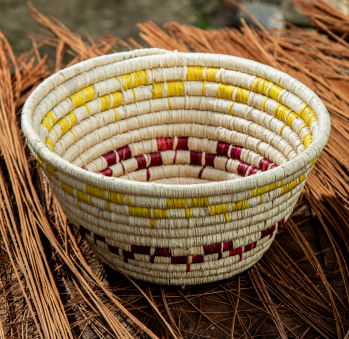
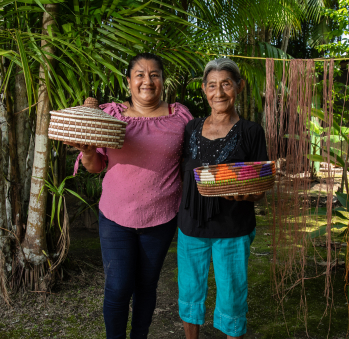
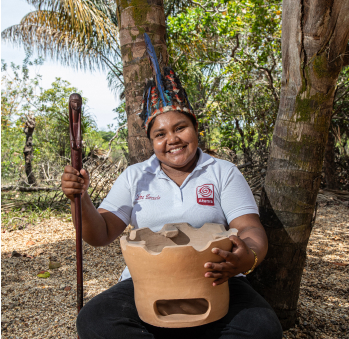
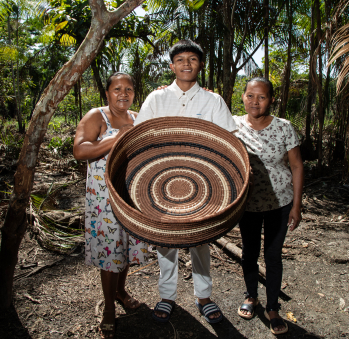
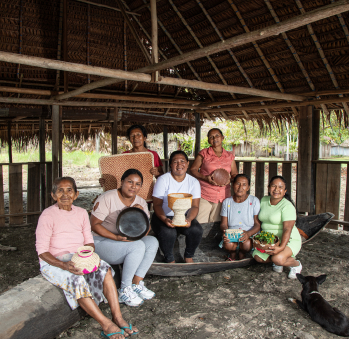
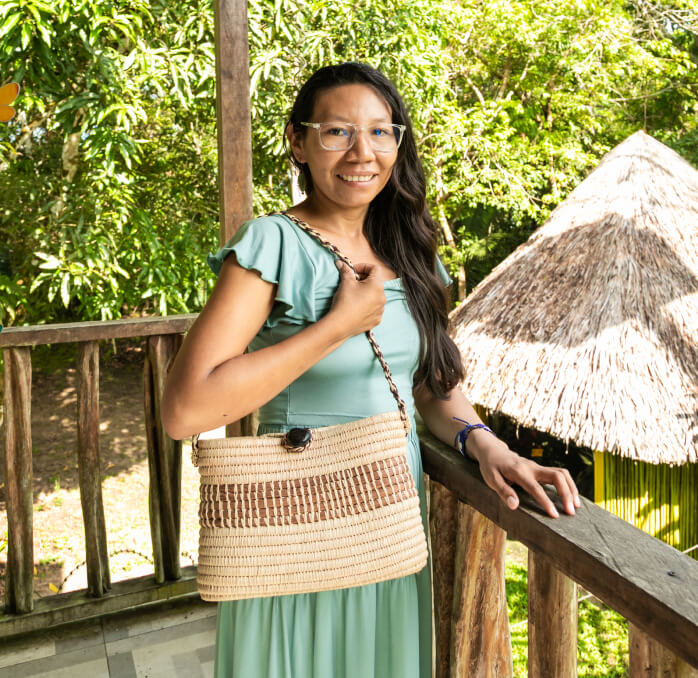
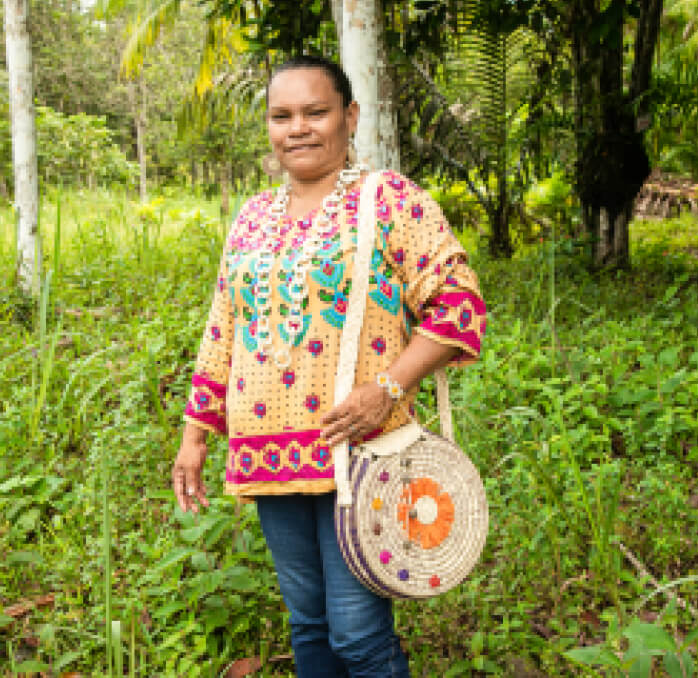
Clara is the youngest in the family, and Lilia the eldest. Together with their nephew, John Sebastián—the innovative spirit of the Gutiérrez family—they work diligently on chiquichiqui crafts in the Primavera 1 neighborhood of Inírida, Guainía. We say “diligently” with intention, because their workshop is called Pariná, after the little bird that never rests and delicately weaves its nest over and over again. That is exactly how these children of chiquichiqui threads see themselves: tireless workers striving to create beauty with their hands. These women carry the artisan heritage of their parents, Don Manuel Francisco and Doña Ercilia. He made brooms, carved canoes, and worked with palobrasil or palosangre, while she wove hammocks from cumare palm and shaped clay stoves.
The Gutiérrez family is a good example of how the Curripako people move across the porous borders of Brazil and Venezuela, carried by the rivers without hardly noticing when they’ve crossed from one country to another. Their parents were born in Brazil, as were the first four sisters of the family, including Lilia. Another sibling was born in Venezuela, and the last three—including Clara—were born in Colombia. Their places of birth trace the family’s journey across waters, until they finally settled in Guainía.
Clara is expressive and talkative, while Lilia is more reserved—she watches carefully and smiles when something amuses her, often gently suggesting to her younger sister if something needs to be added. Together, they recount their father’s story: the ordeal of being orphaned as a child and watching his brave mother raise seven children on her own; the hardship of working in the rubber plantations at just 12 years old; and how he learned to master his hands so that he would never be left helpless. That was the lesson he left them. As they tell it, the image of the Pariná bird comes back—the endless search for a nest, finally granted to them by the Inírida River.
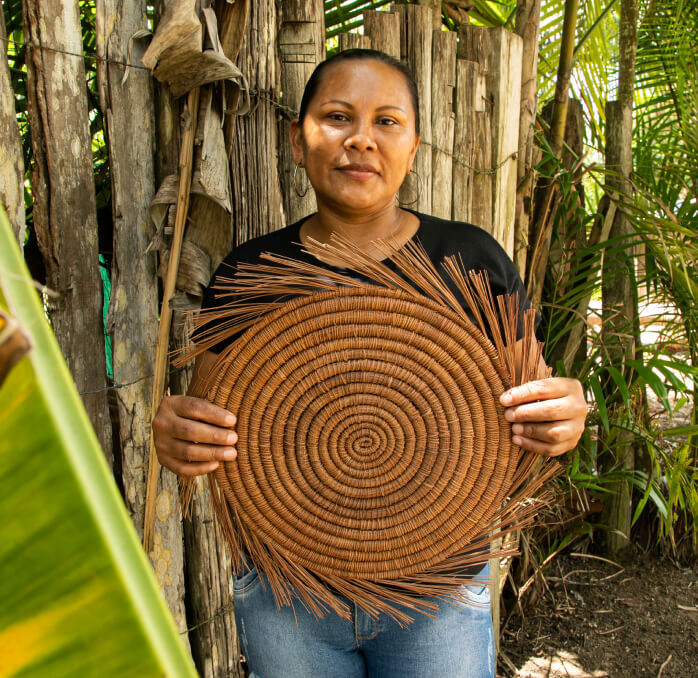
Clara and Lilia speak of chiquichiqui and moriche, of how they used to collect raw materials years ago—running through the forest and along riverbanks with their parents, gathering the shoots needed for basket-weaving. They recall the long hairs that distinguish chiquichiqui, the precautions they had to take when harvesting in the jungle—tapping the shoots first, in case a snake was hiding inside. Their voices carry a sweetness, using affectionate diminutives, as when they explain that if the shoots were cut incorrectly, the little plant would be left “all dried up.” Listening to them also reveals truths about nature: about scarcity brought on by rampant deforestation, illegal mining, climate change, and exploitation. Today, they no longer gather the fibers themselves; others bring them from far away, from the Atabapo River or the upper Inírida.
These women are extraordinary—so affectionate, even a little playful, delightful as they recount the beliefs passed down from their grandmothers and mothers. They tell how they used to submerge themselves in the river at three in the morning to ask the gods to keep evil spirits away and to preserve their beauty. And, well, it seems the pact still holds, because they look untouched by time. “You should see our mother’s hair,” Clara laughs, “not a single gray strand!” It is easy to be with them. They are warm and hospitable, always ready to keep telling their stories in all their detail, helping us to understand, as fully as possible, what it means to be a Curripaka woman at this moment in history.
Workshop and process
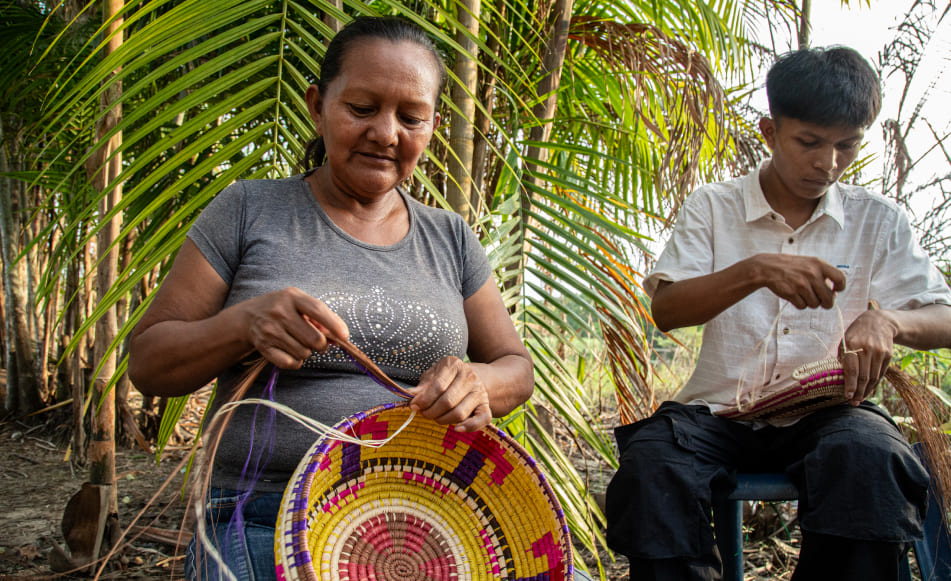
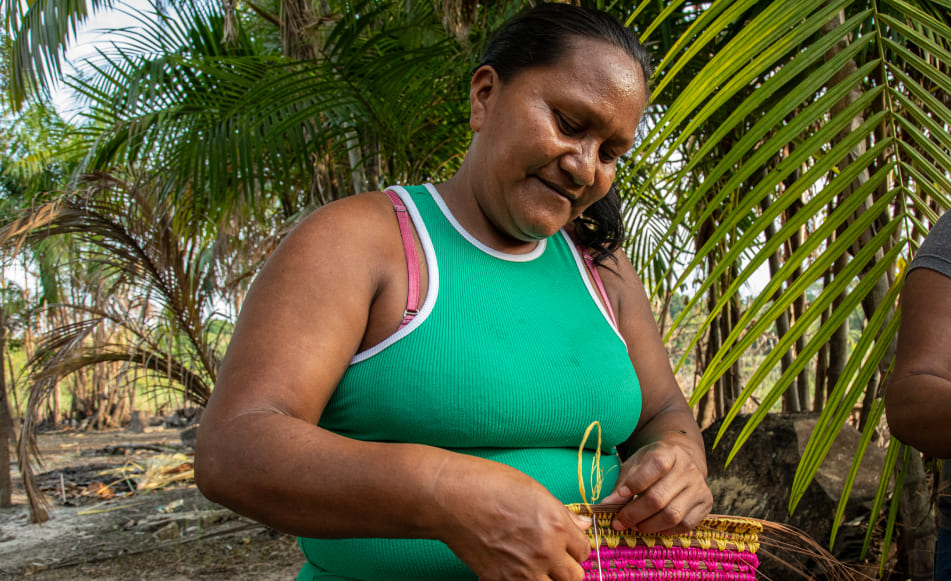
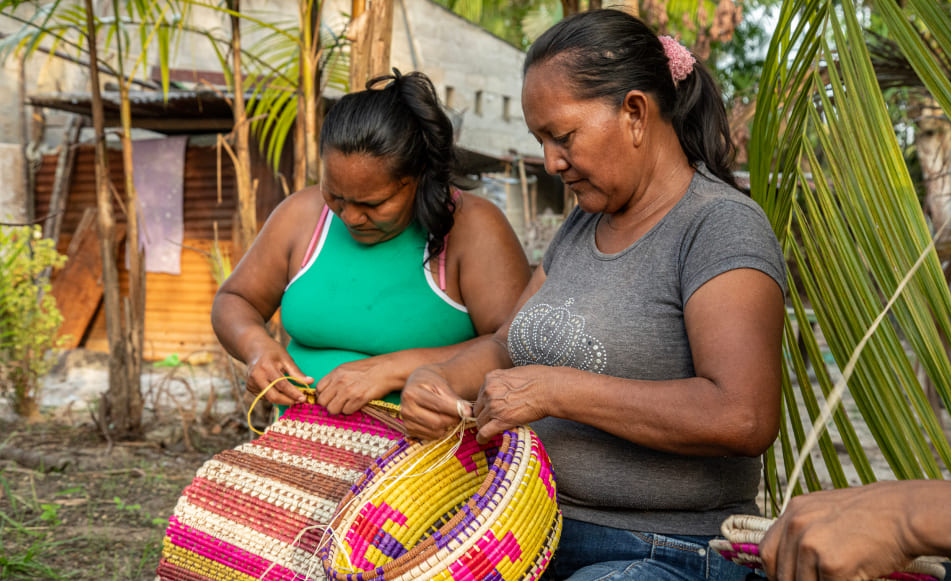
Craft
Artisans along the way
Artisans along the way



No puede copiar contenido de esta página