
Élida Jaramillo
Workshop: CISLOA
Craft: Basketry
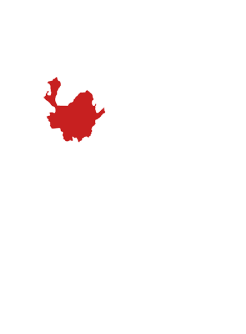
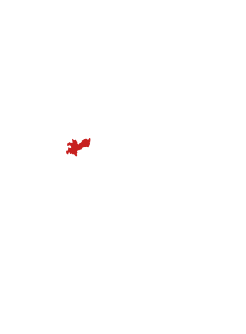
Trail: Caldas Route
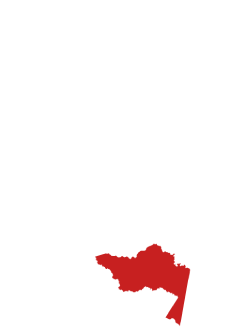
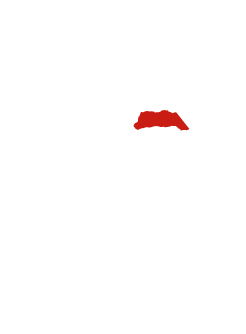
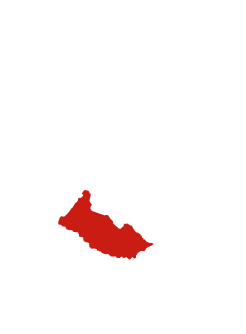
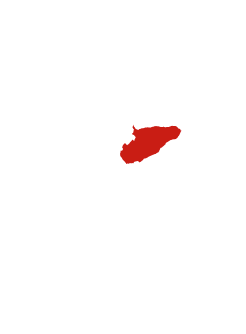
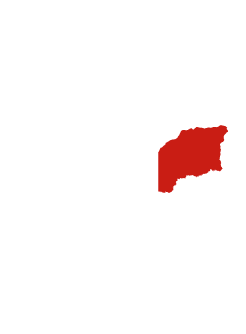
Location: Riosucio, Caldas
SCHEDULE YOUR VISIT
Terminal de transporte Riosucio, local CISLOA
3178251219
elidajaramillo028@gmail.com
@artesaniascisloa
@artesaniascisloa
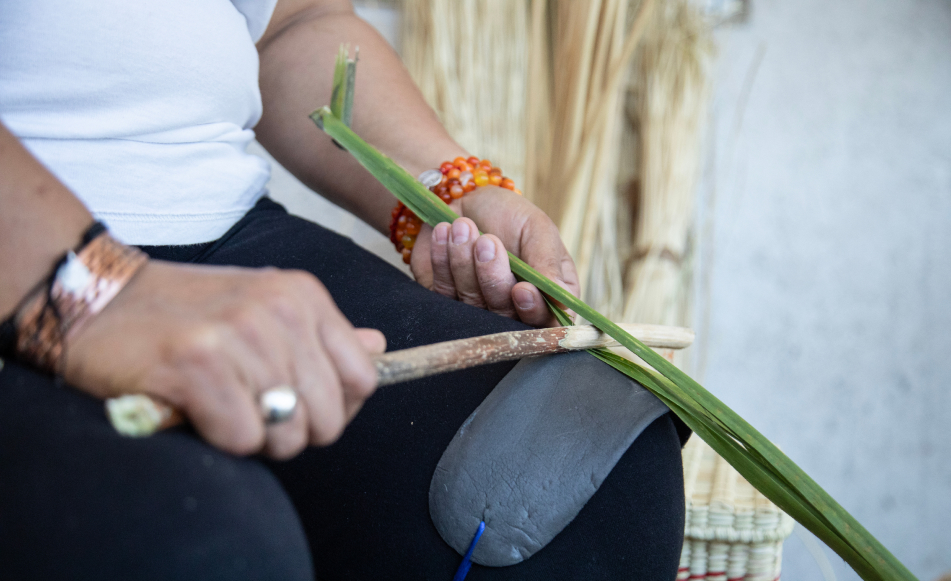
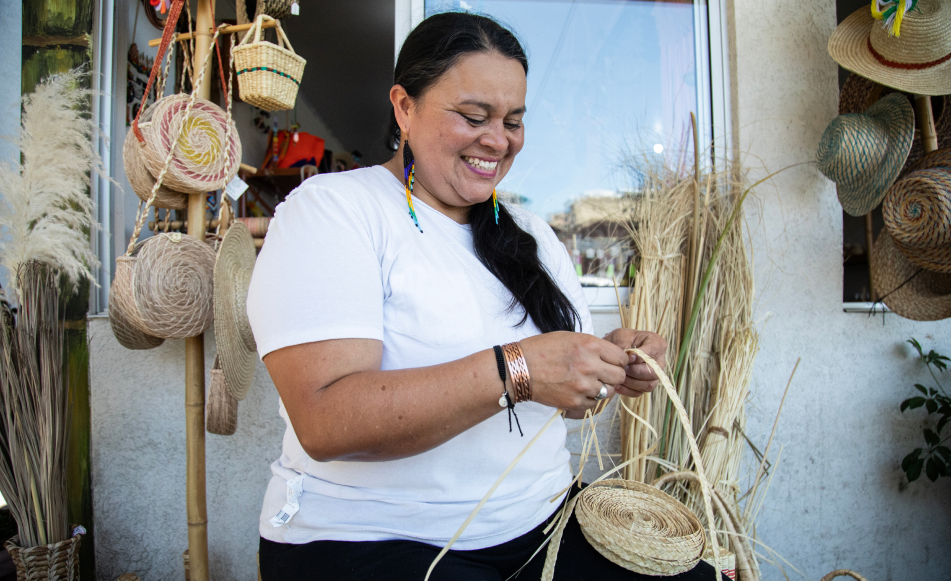
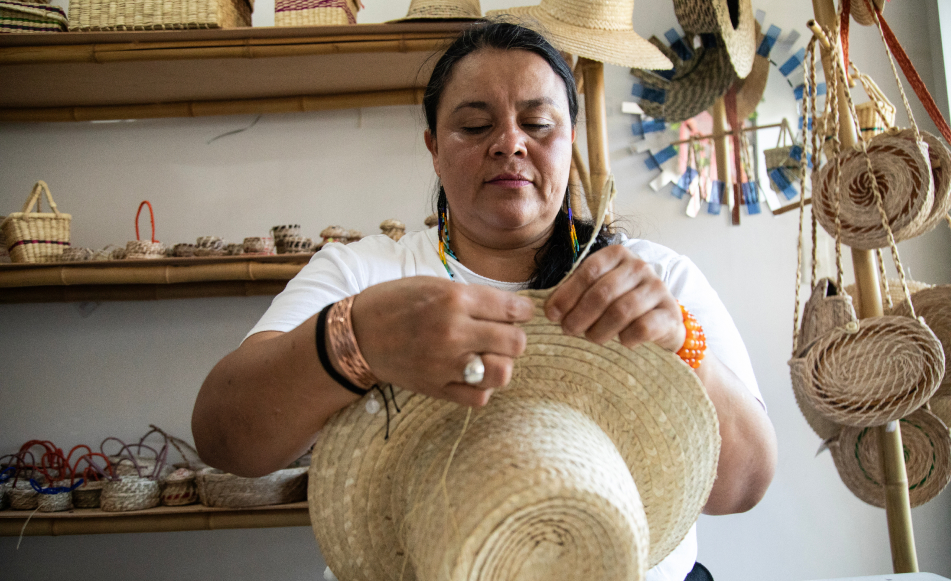
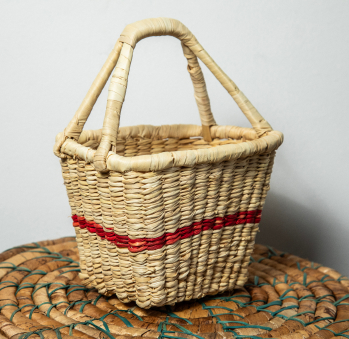
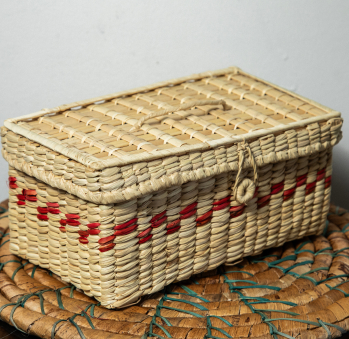
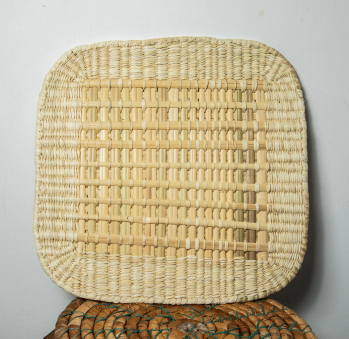
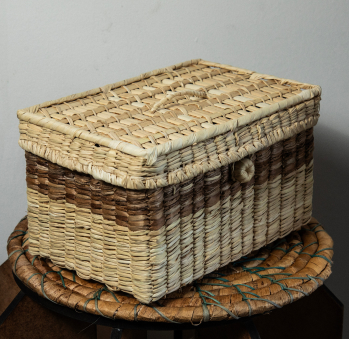
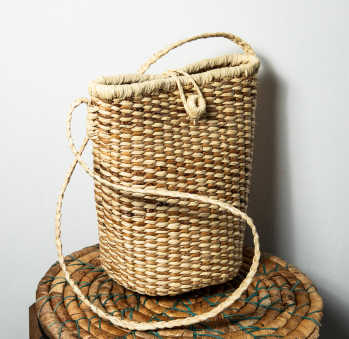
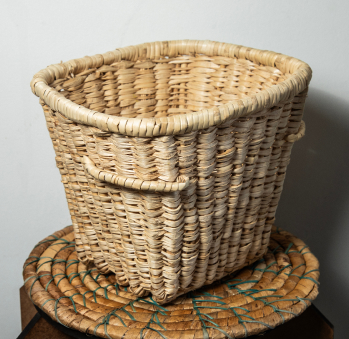
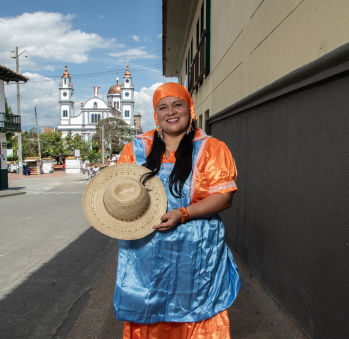
For Élida Jaramillo, a basket weaver working with caña brava, it’s crystal clear that everything began by watching her grandmother, Ana Julia Largo. She describes her as a practical, resourceful woman, in every sense of the word. Ana Julia supplied everything her household needed with her own hands: in a time without electricity she made her own kerosene lamps, ground her own cane and coffee, wove chinas (tools for stoking the fire), and when it was time to gather firewood, she carried it in baskets she had woven herself from fibers collected in the fields. Today, whenever we need something, we simply go out and buy it. What Élida most admired about her grandmother was that instead of purchasing things, she made them herself—obtaining everything without exchanging it for money. And she did this in a time when the baskets and chinas she created weren’t even considered crafts, but rather essential household goods.
Among all her siblings and cousins, Élida was the only one to learn and embrace that way of being. She was fascinated by her grandmother’s self-reliance, by the way she lived out her love of freedom and independence. Élida inherited that same indescribable love for resourcefulness, a spirit that was deeply frustrated when her family was forced to flee Riosucio due to conflict, taking refuge in Cali for five years until calm returned.
For her, it was unbearable to ask permission just to go out while working in other people’s homes, to need money for everything, to be unable to walk to the rivers and streams where she used to bathe. It was a hard trial, one that made her reaffirm the kind of life she wanted—always remembering her grandmother’s example. Returning home, she valued every moment with her even more, caring for her and becoming her eyes when she went blind, while learning all that she knew: the secrets of plant dyes, the wisdom of colors, and the piece of advice Élida never forgets: “Everything you’ve learned will serve you, and it will carry you far in life.” And it has—because life has been good to her.
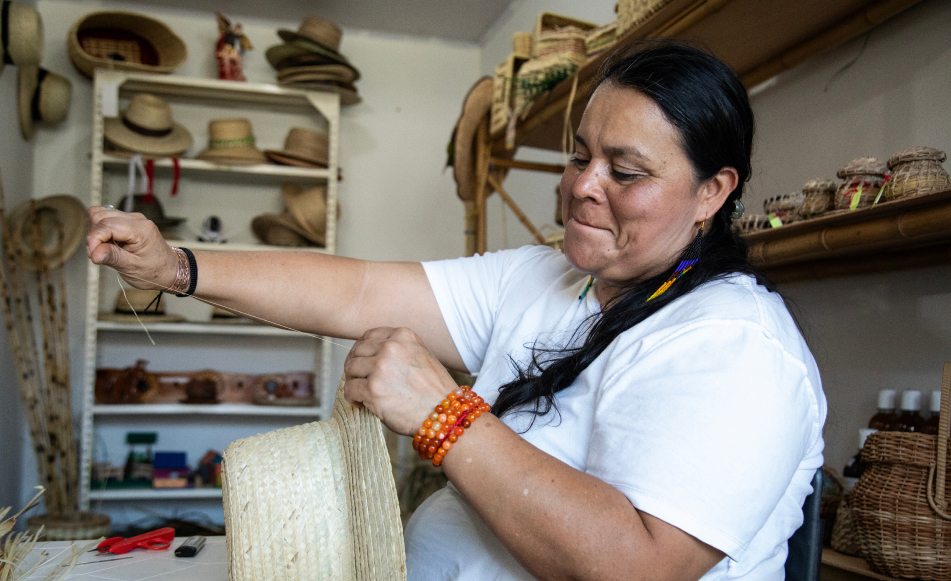
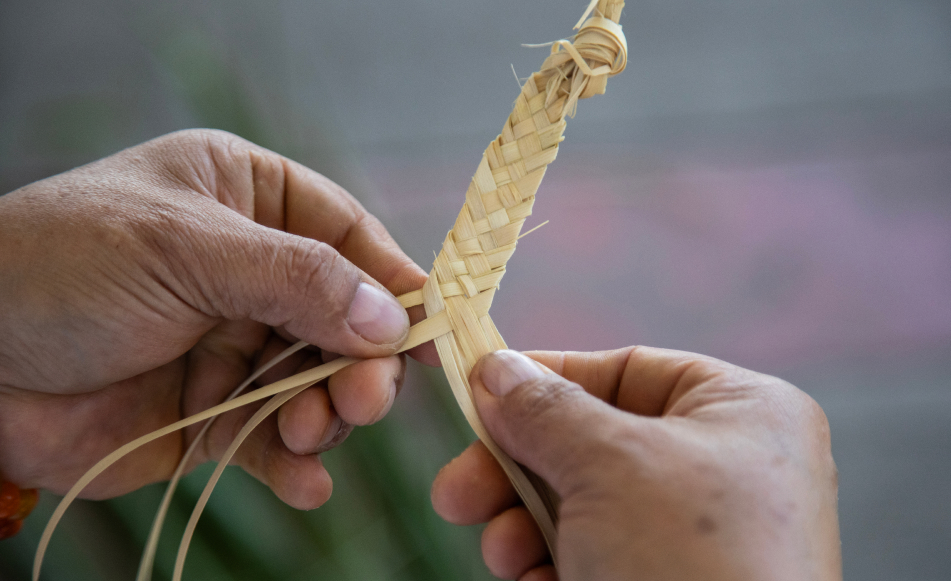
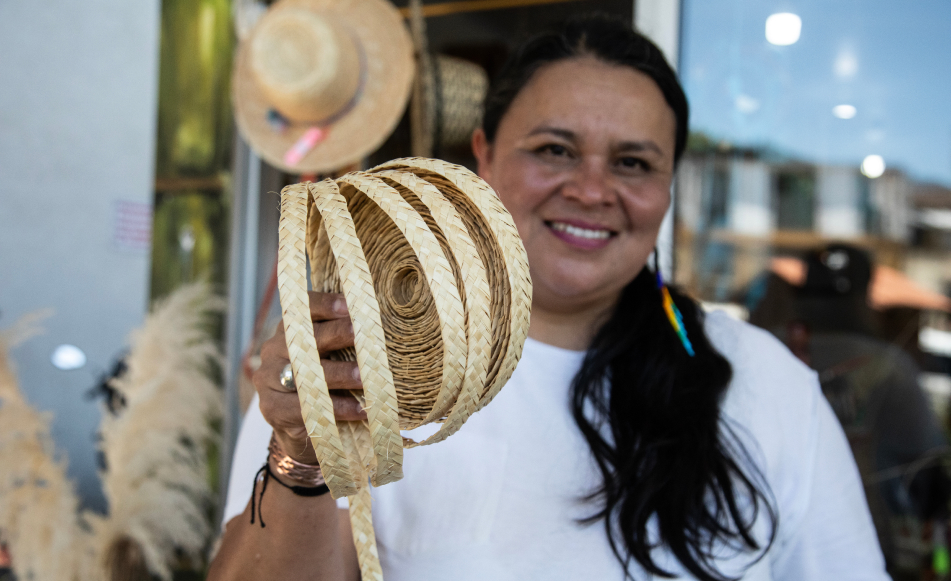
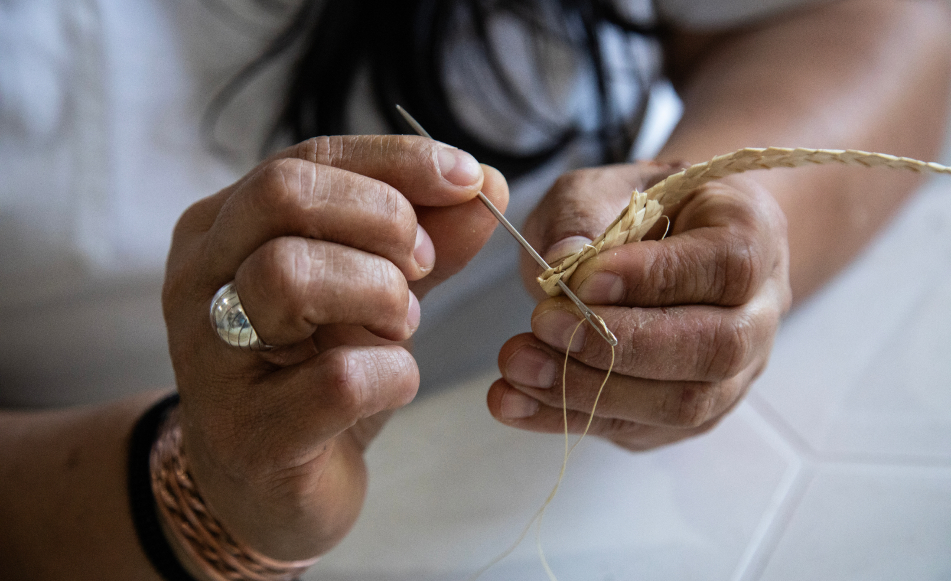
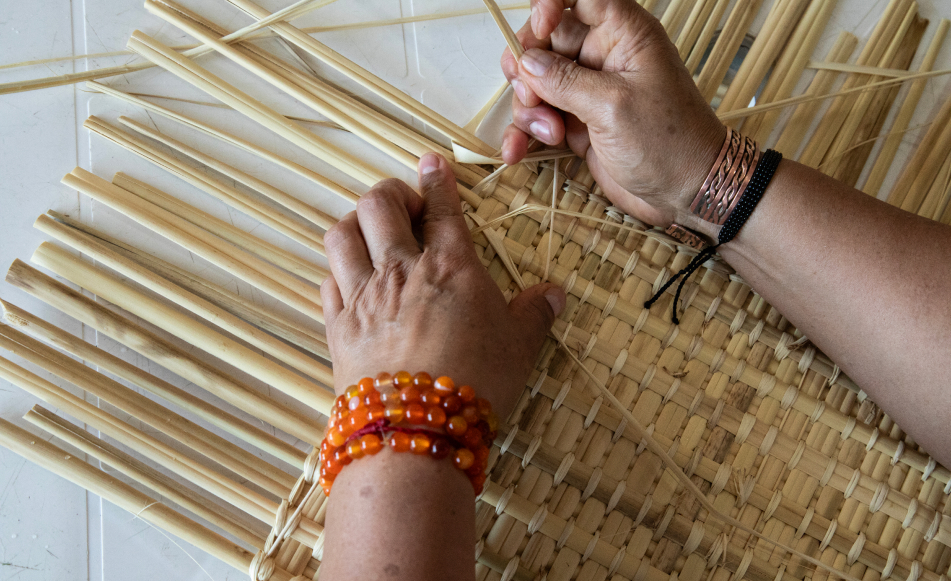
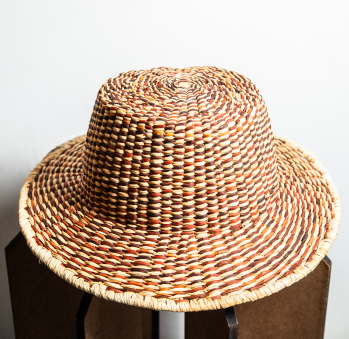
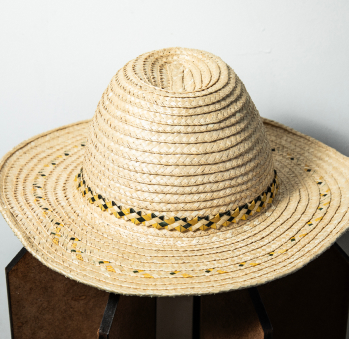
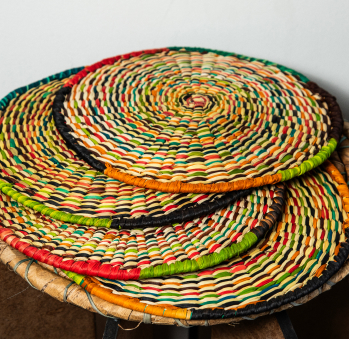
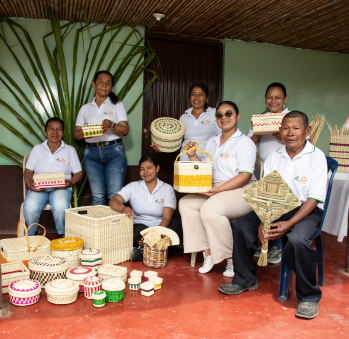
Now she has built a life on her own terms in the San Lorenzo reserve, surrounded by fields of sugarcane, coffee, plantain, and cassava, where the caña brava grows—the same plant she and more than twenty artisans from CISLOA, their association, use to weave. Together they make the traditional hats of San Lorenzo, and those of the other three Indigenous reserves of Riosucio: La Montaña, Escopetera Pirza, and Cañamomo Lomaprieta. Each hat has a name as beautiful as its weave. There is the Guardientero of San Lorenzo, made of caña brava, and named after the custom of sitting to drink chirrinchi (a local sugarcane liquor) and leaving the hat forgotten on the table. There is the Tumbaguayabas, woven from iraca palm, so heavy it can be thrown to knock guavas from the trees. The Cañafiestero, made with the lower part of the caña brava, which is worn during the traditional Ingrumá dances. And finally, the Típico of La Montaña, a design Élida herself rescued from the few families—two or three—that still preserved the tradition.
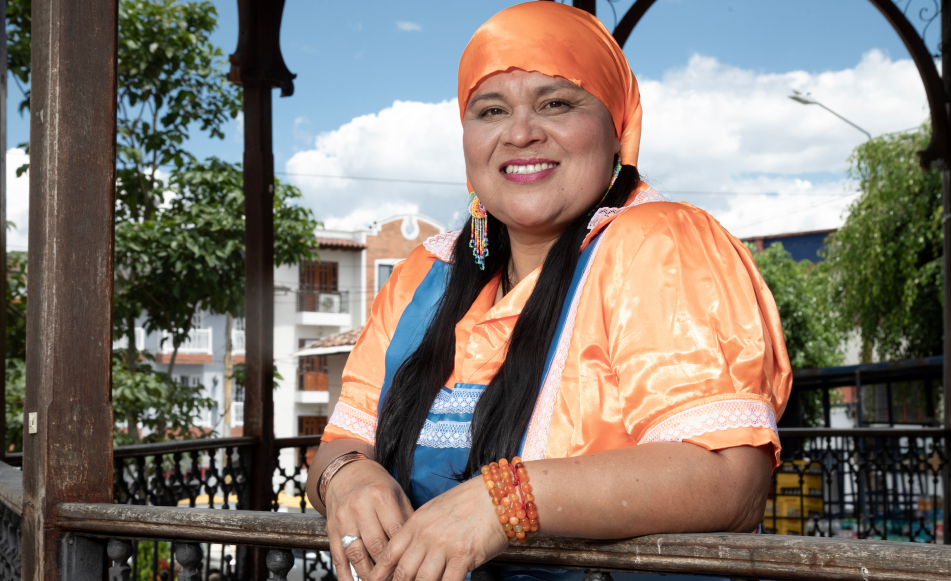
Her grandmother had told her that with what she learned she would never suffer, and so it has been. Élida lives happily, traveling to fairs, coming and going as she pleases. She found the freedom that only her grandmother’s craft could give her. Like Ana Julia, she enjoys teaching anyone who wants to learn: in the Center for Resocialization of Indigenous Justice within the reserve, to families, to children whose parents send them, and even to groups who come from the cities. She welcomes them into the craft and into life in the countryside, offering a transformative experience among the mountains, far from concrete and screens. This is how she stays in love with what she does—and that love is the main reason she refuses to let it die.
Workshop and process
Craft
Artisans along the way



Artisans along the way



No puede copiar contenido de esta página