
José Camargo
Workshop: Arpas El Tranquero
Craft: Luthiery
Trail: Casanare Route
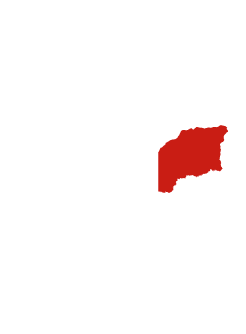
Location: Tauramena, Casanare
SCHEDULE YOUR VISIT
Calle 2 #2-71, Barrio Gaitán, Tauramena
3107873994
jhcarpaseltranquero@gmail.com
@instrumentosJM
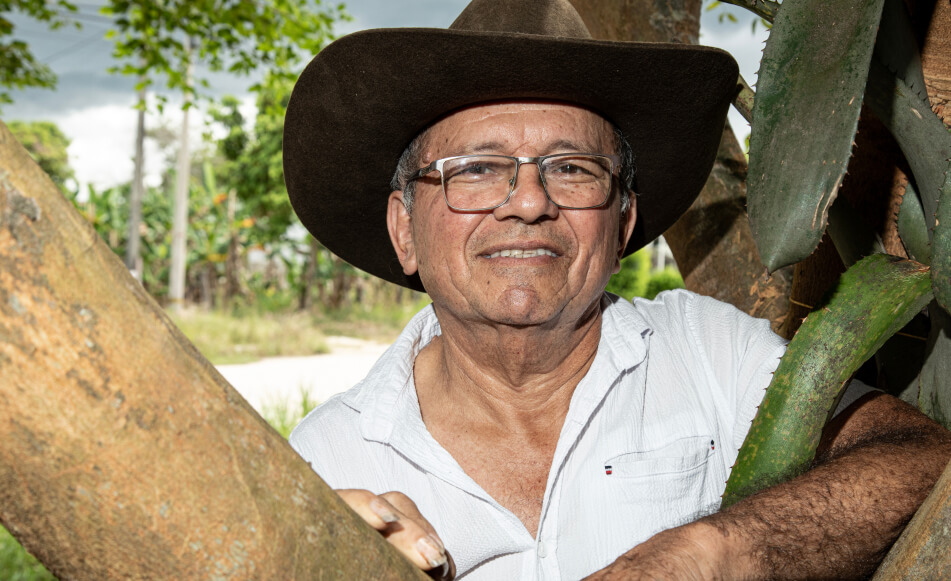
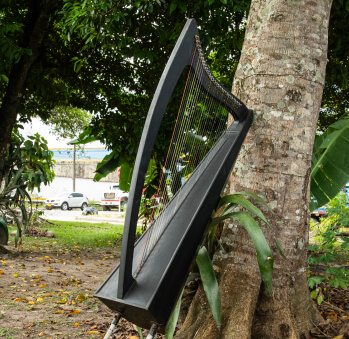
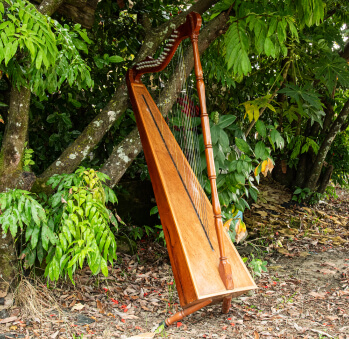
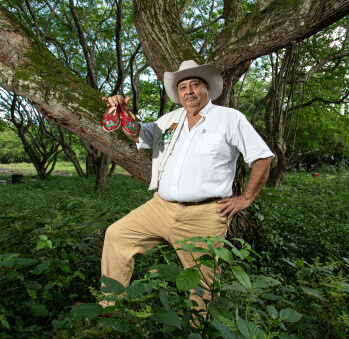
The first time José Camargo saw a harp, its shape stayed etched in his memory. It belonged to Don Honorio Delgado, his neighbor in La Niata, Yopal. José was so captivated by the tall, curved instrument that he set out to build one himself. He carefully studied every detail, size, and proportion before getting his hands on a piece of cedro amargo wood. With only a machete and his own strength, he carved the wood into the form he wanted, bending it little by little until the curve appeared. Once the frame was ready, he had to solve the problem of the strings—luckily, a friend showed up who knew how to tune the different gauges of nylon José had chosen. That was how he began to practice, until he could play the llanero songs he loved, “Fiesta en Elorza” and “Carmentea”, among others.
He recalls selling that first harp for 80 pesos to a farm worker who admired it so much he wanted to buy it. The second he traded for a bicycle. Later, when he went to study in Sutatenza, Boyacá, on a scholarship for rural students, he became known for the talent he had discovered on his own. There, he built another harp, which he ended up leaving behind since carrying it back to Casanare would have been too difficult. Harps, in this way, charted the course of his life, giving him the means to live. They also reminded him that the love of music ran in his family—his father and grandfather before him had cultivated it. That was why the three years he spent working as a security guard in Yopal after his military service felt so strange. All that time, he longed for music.
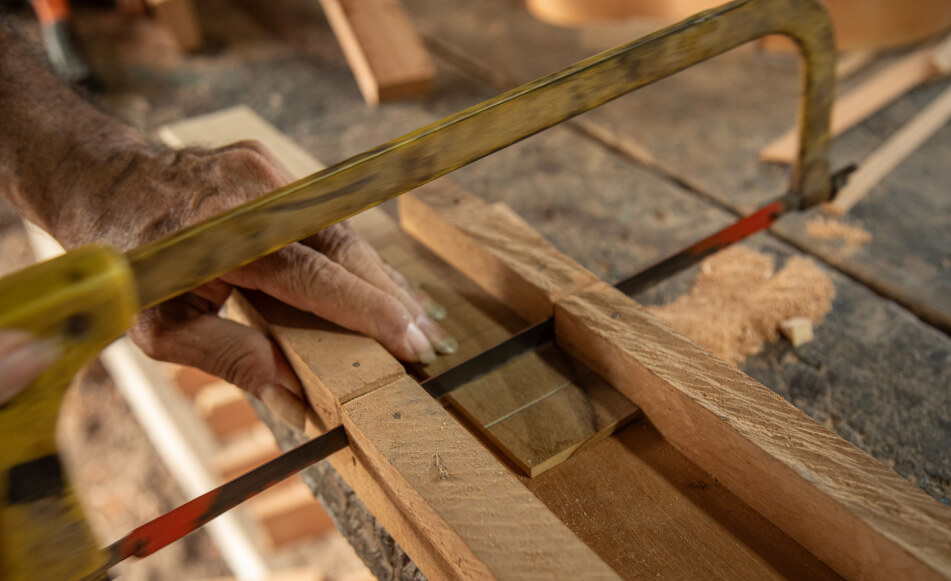
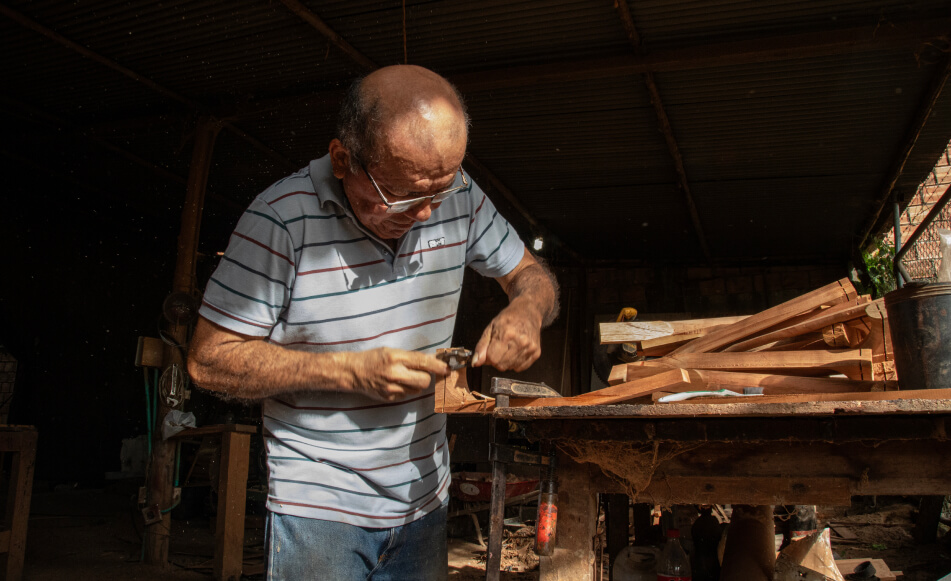
Still, despite not enjoying that job, he wasn’t yet fully convinced of his calling. He moved to Tauramena to work as a carpenter in an oil company. Fate caught up with him there: one day he asked his boss if he could keep the leftover pine boards used in construction to make himself a harp. His boss agreed—and when he saw the finished instrument, he found it so beautiful that he commissioned José to make twenty more, which he gave away as gifts. From then on, José leaned into destiny. He opened a workshop, and word of mouth brought more commissions. He fondly remembers the time the Casanare government ordered 115 harps from him to distribute among the department’s 18 municipalities. It was a massive challenge, but he pulled it off—more than fifteen years ago now.
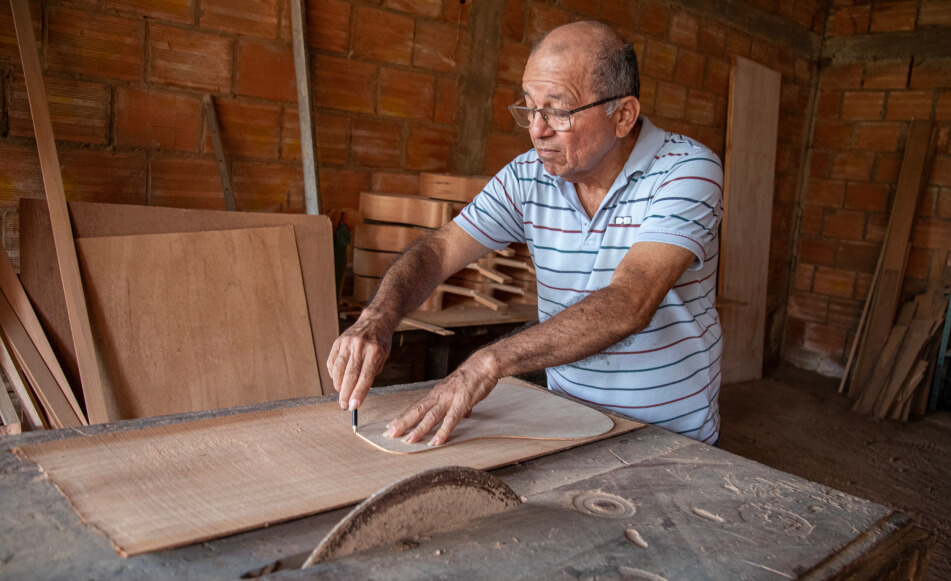
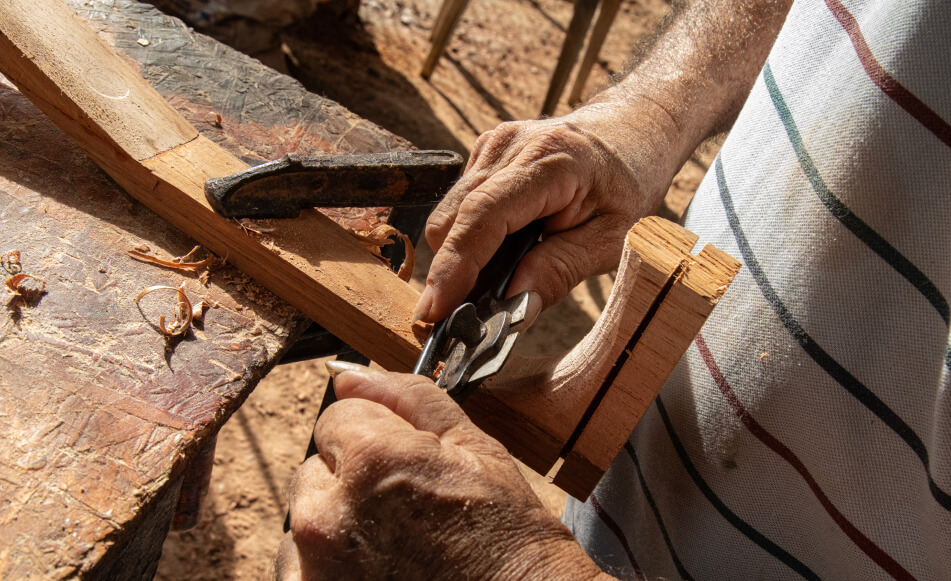
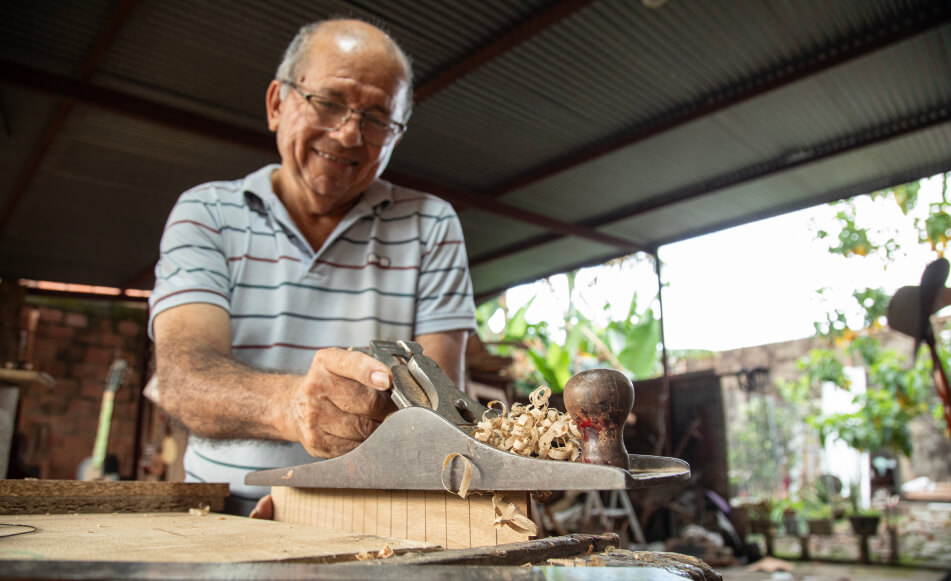
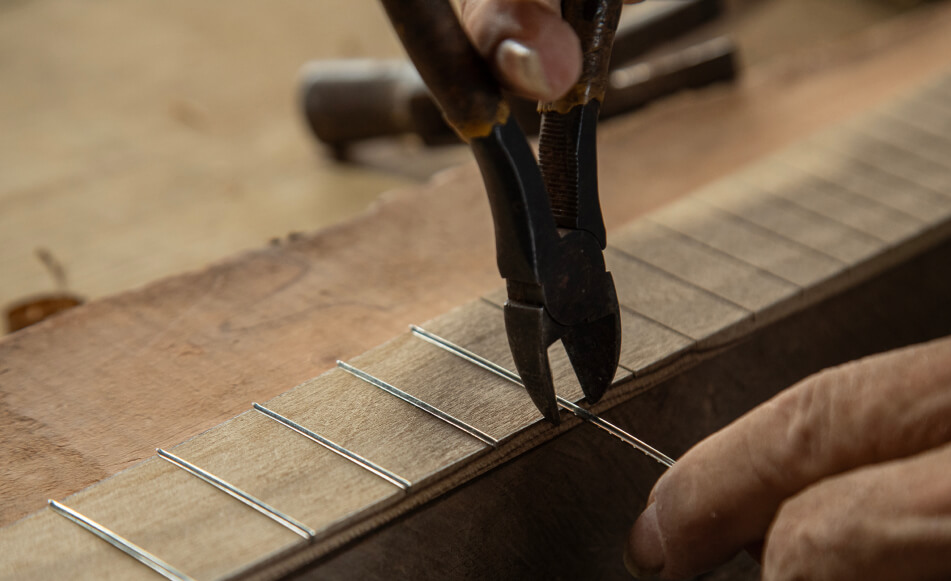
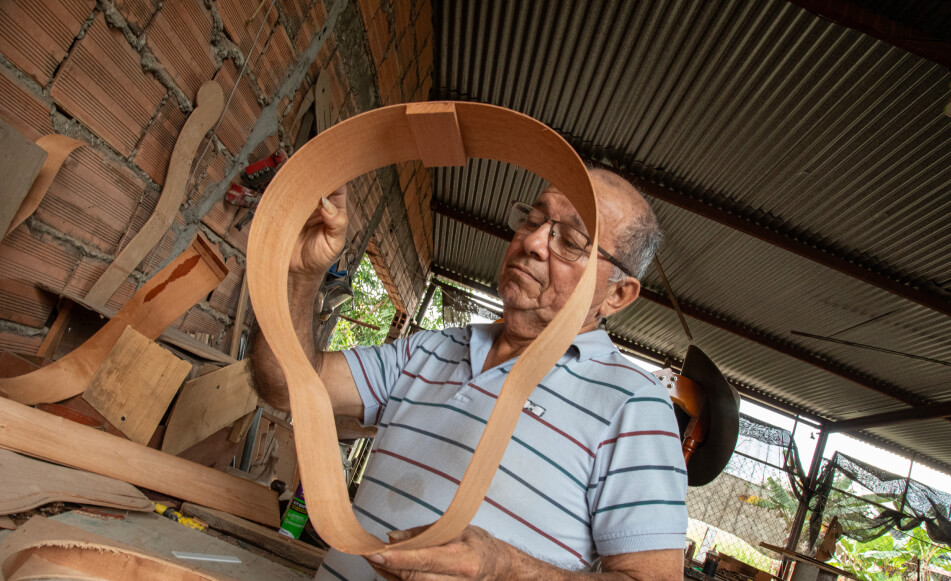
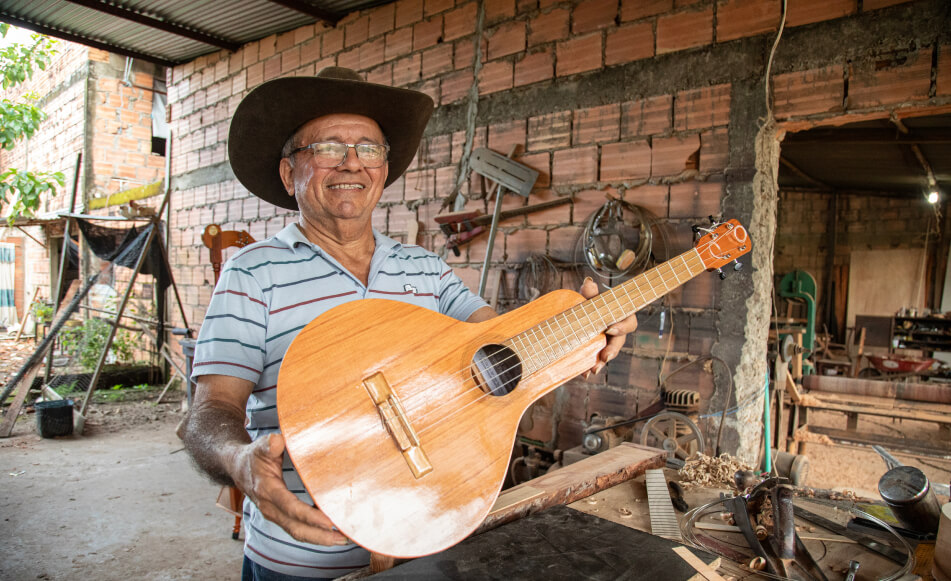
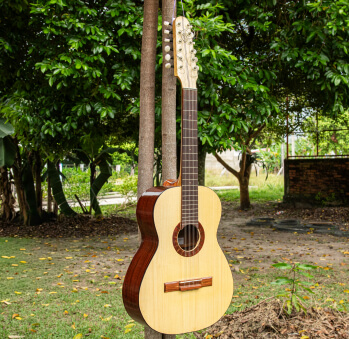
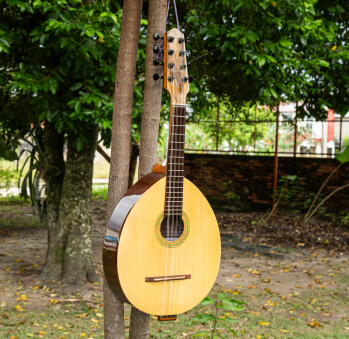
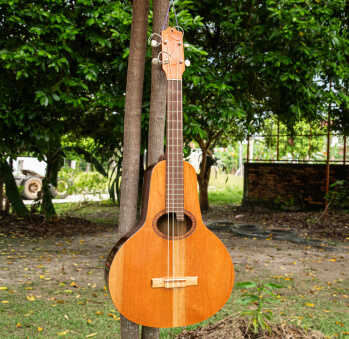
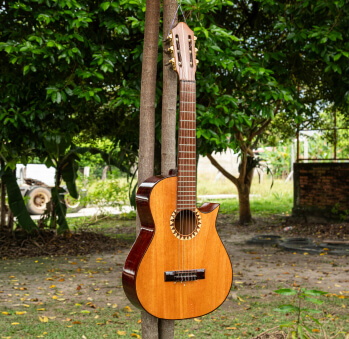
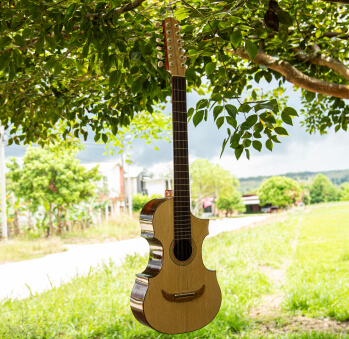
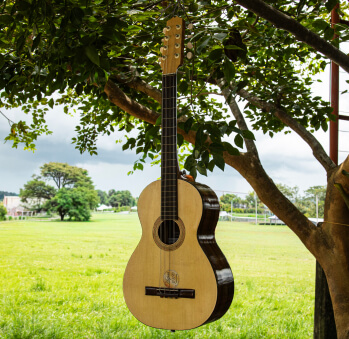
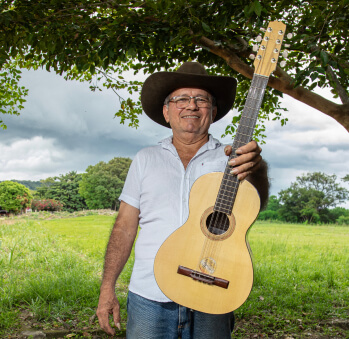
Over forty years have passed since this artisan first began building harps, and he can proudly say that for the last twenty-five he has also been making bandolas, cuatros, and guitars. He learned from master luthier Hernán Bastidas, one of the pioneers of the Canto por la Vida Foundation in Ginebra, Valle, and since then he has broadened his repertoire. Today, he not only crafts instruments from scratch but also repairs old ones. It’s common to find him at night playing alongside his friends in llanero ensembles. He doesn’t sing, but he keeps playing the same rhythms he started with: periquera, joropo, gabán, zumba que zumba, and carnaval. He knows this trade isn’t for everyone, only for those truly willing to dedicate themselves to learning and loving it. That is how he has taught his three daughters and son, all of whom are now musicians, as well as several apprentices spread across Aguazul, Cumaral, and Monterrey. It’s clear—José Camargo is a man blessed with luck.
Workshop and process
Craft
Artisans along the way

Artisans along the way



No puede copiar contenido de esta página