
Luzdary Sánchez y la Comunidad de la Ceiba
Workshop:
Craft: Weaving / Rolled Basketry / Woodwork
Trail: Guainía Route
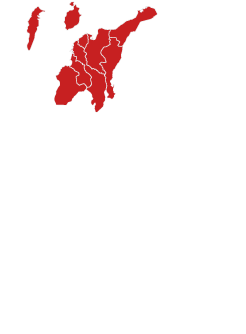
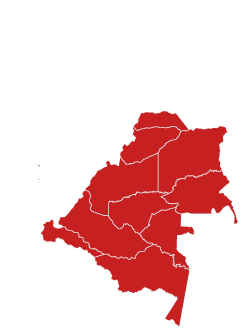
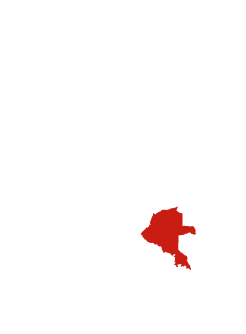
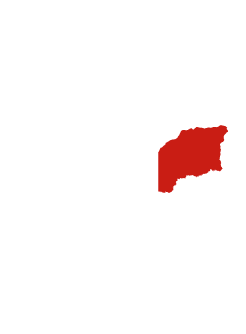
Location: Inírida, Guainía
SCHEDULE YOUR VISIT
Comunidad de la Ceiba.
3004991791
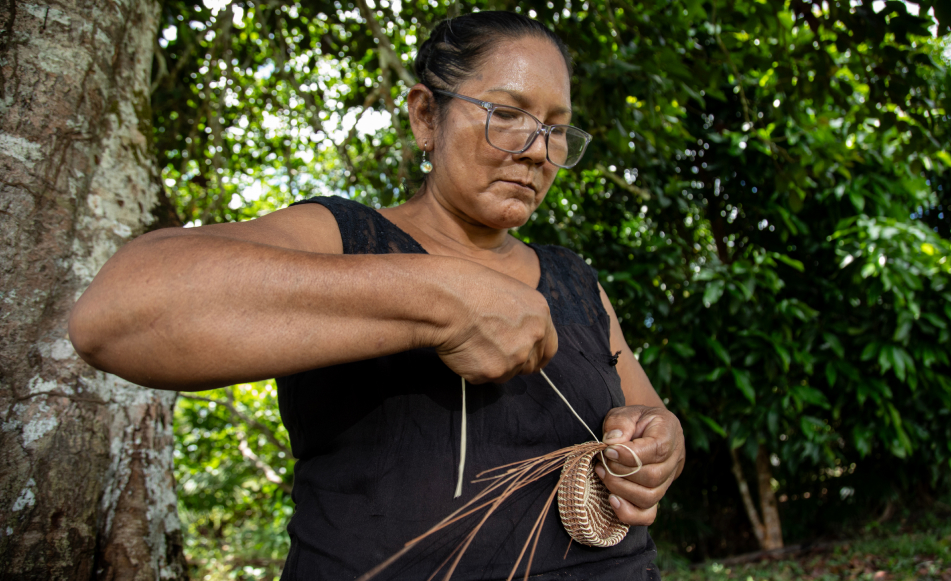
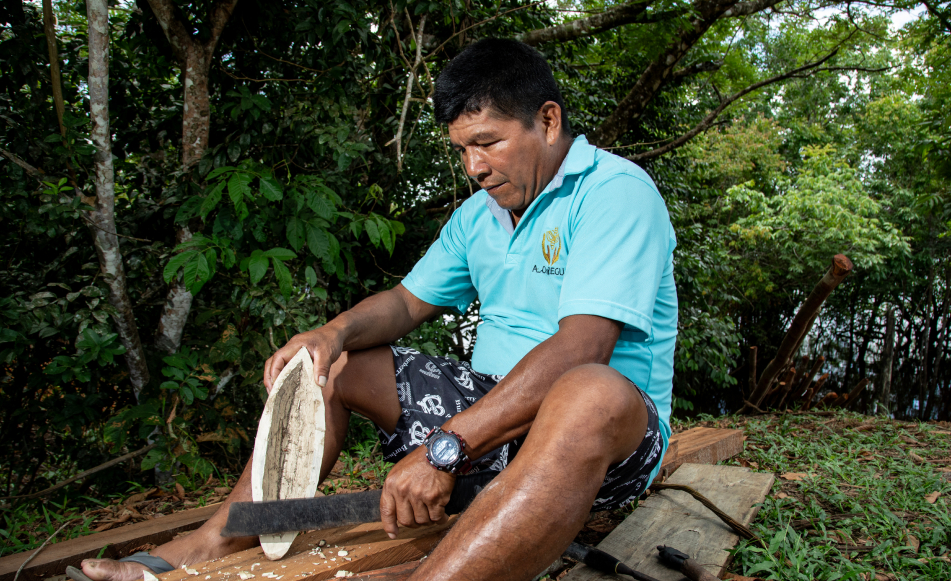
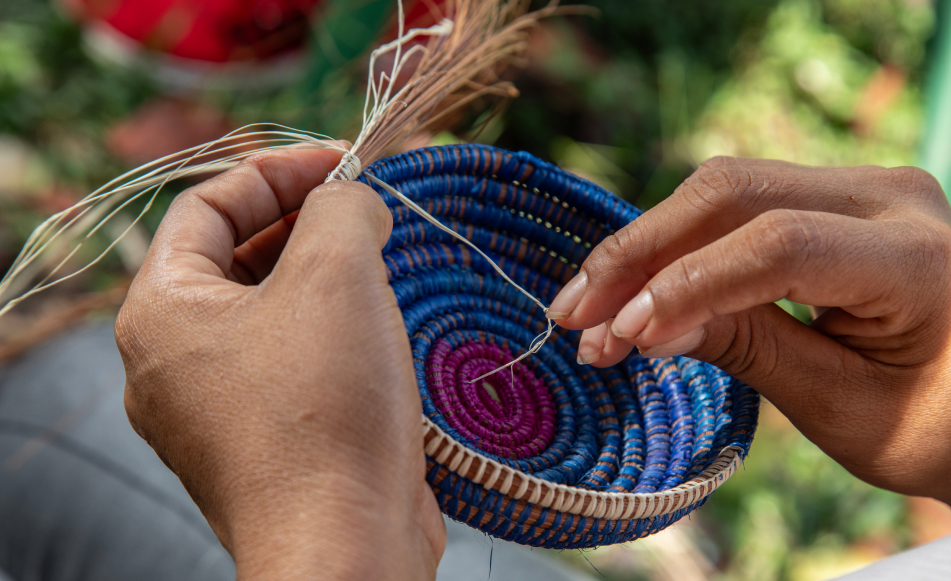
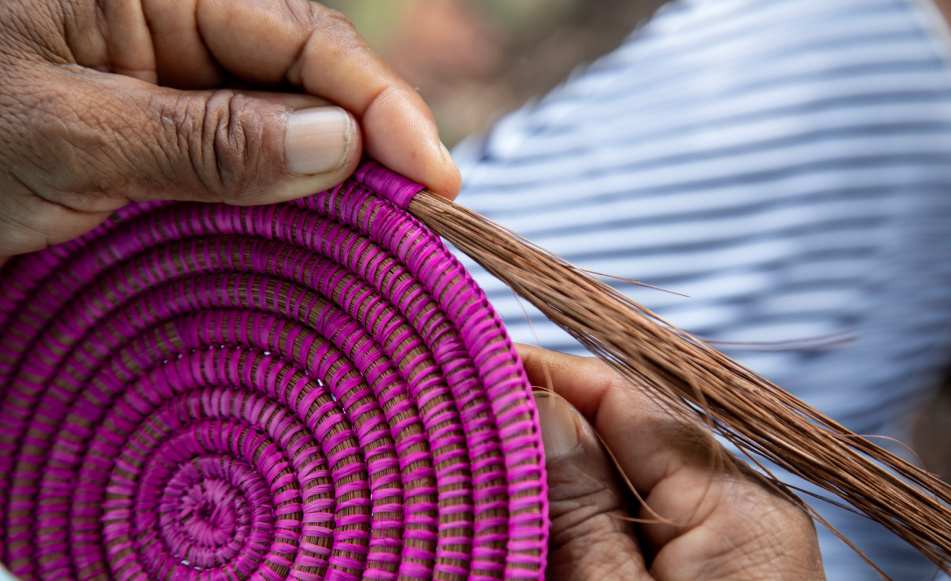
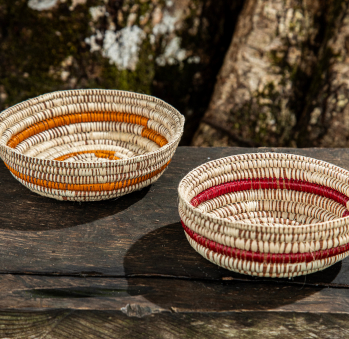
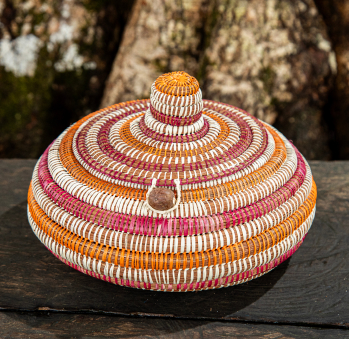
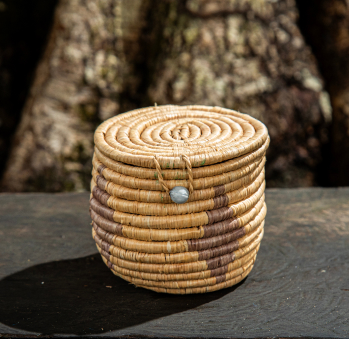
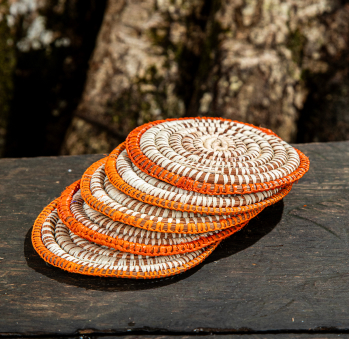
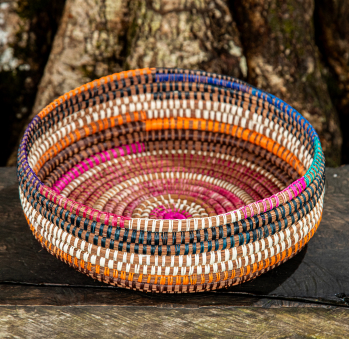
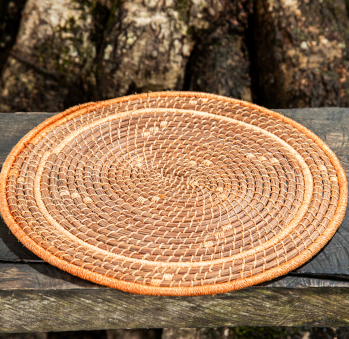
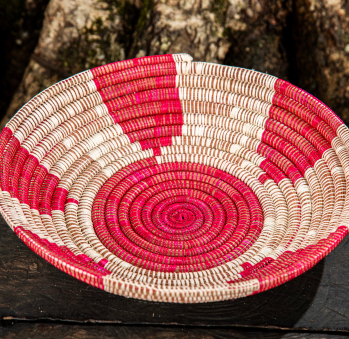
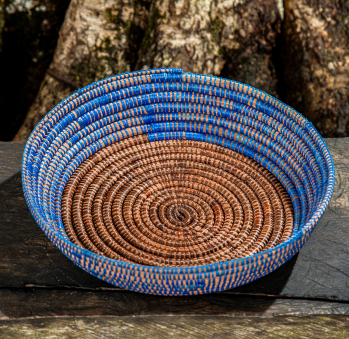
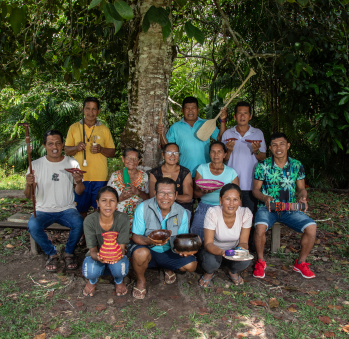
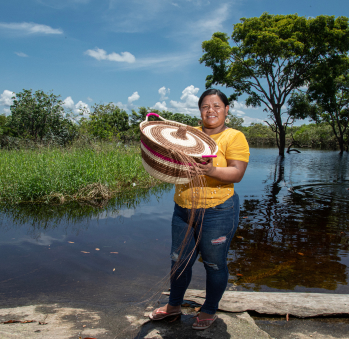
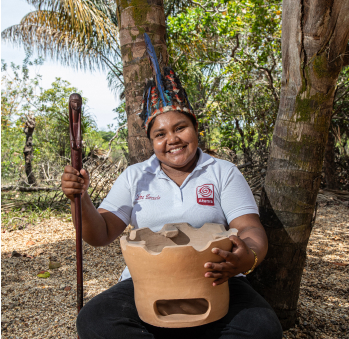
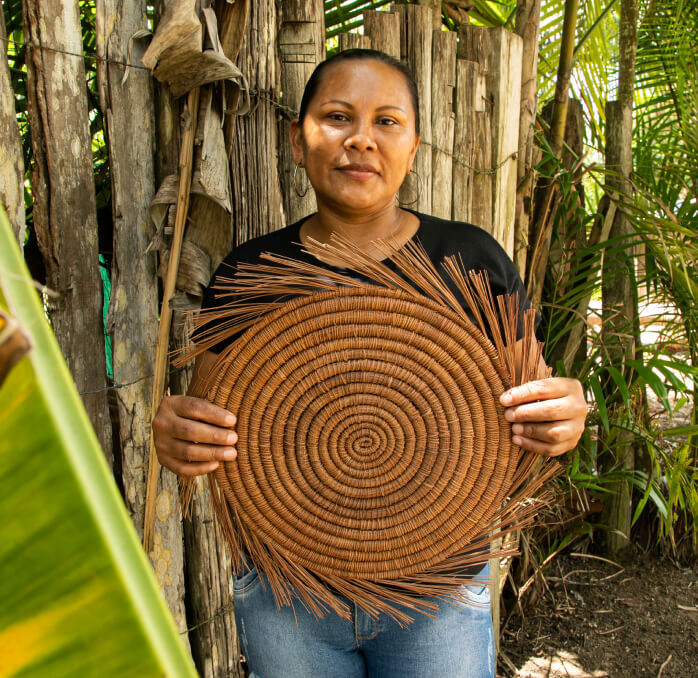
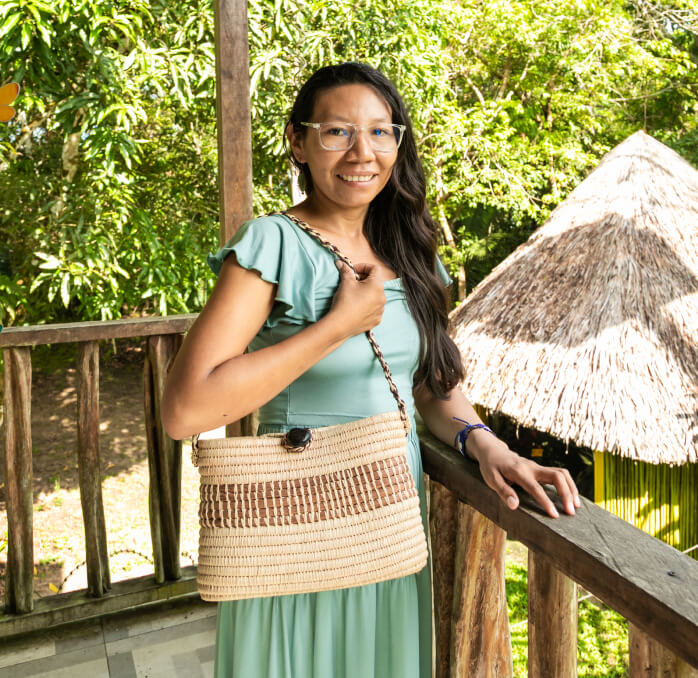
Once, in La Ceiba, there stood one of those imposing trees with roots that spread wide like umbrellas. It gave its name to this Indigenous reserve along the Inírida River. Its inhabitants—primarily Curripako, Puinave, and Tucano peoples—remember it as something immense. Though the tree itself is gone, and the young one planted to reclaim its memory will take years to grow, the dream of seeing it again remains alive among them. Luzdary Sánchez, a Curripako weaver of chiquichiqui and moriche palm, is from La Ceiba. She has taken on the role of promoting the crafts of her territory.
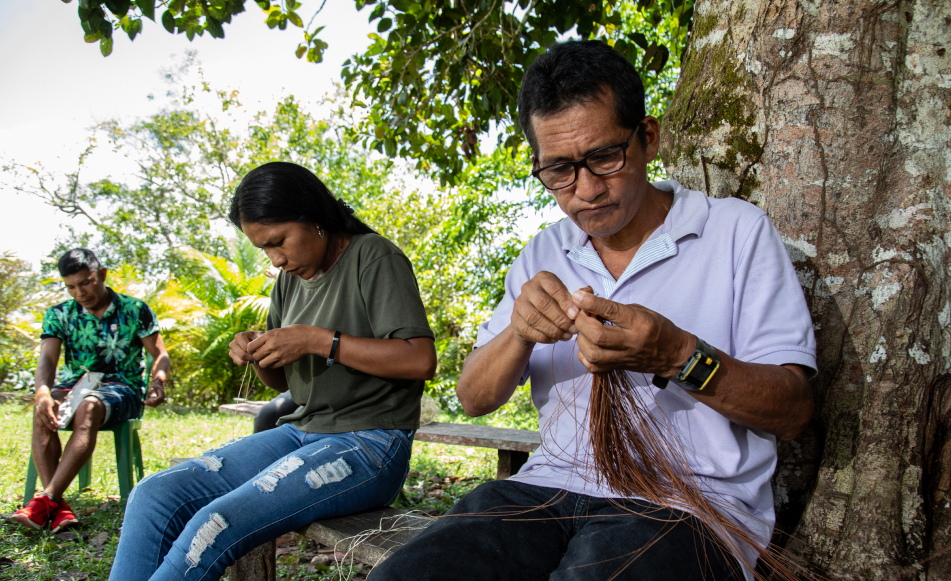
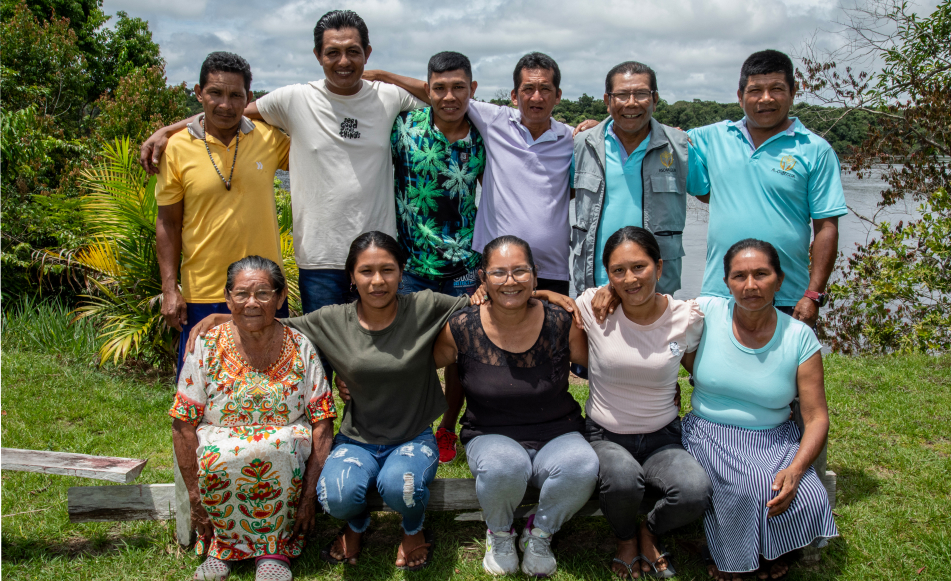
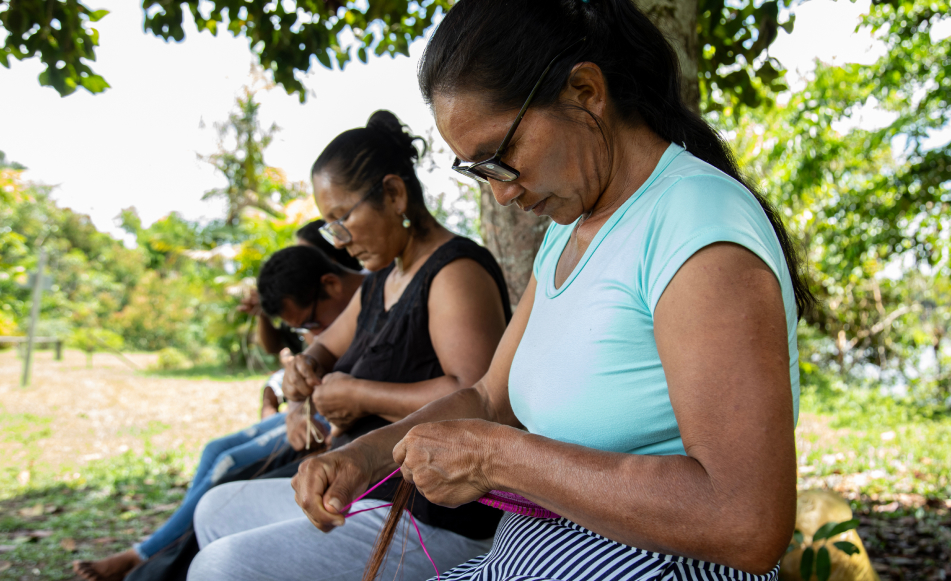
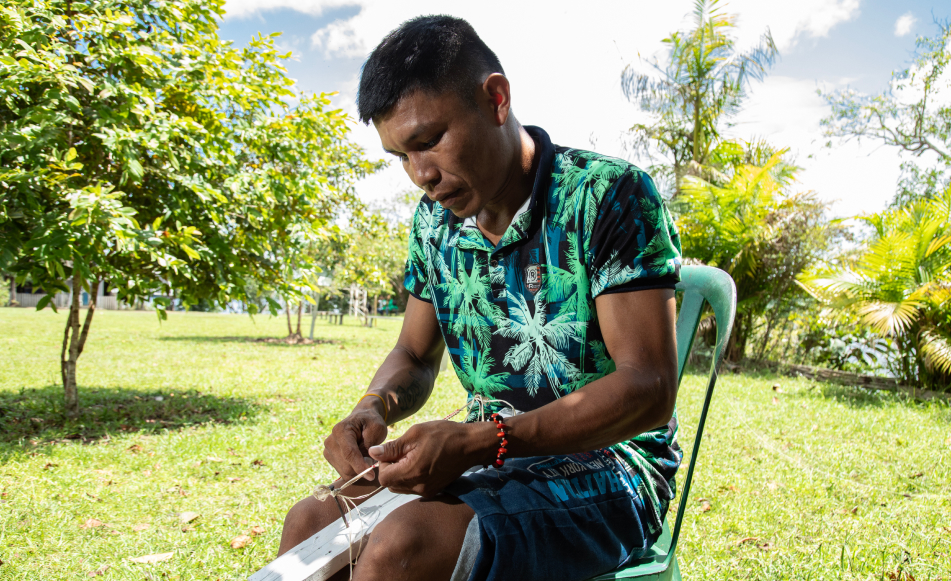
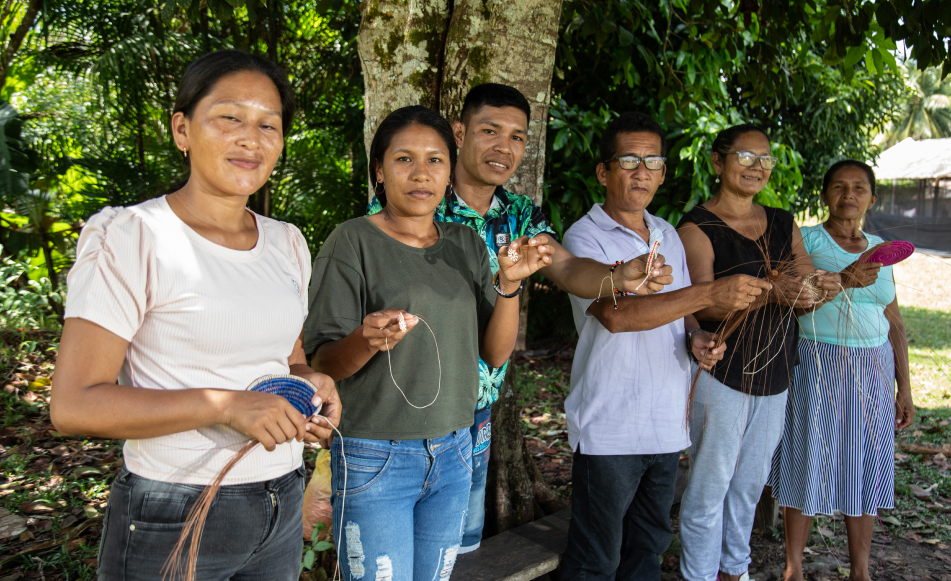
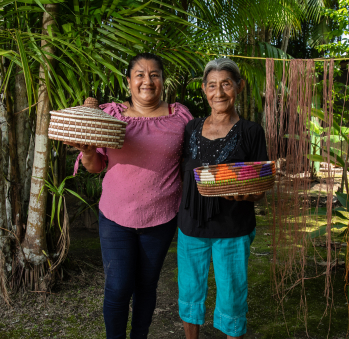
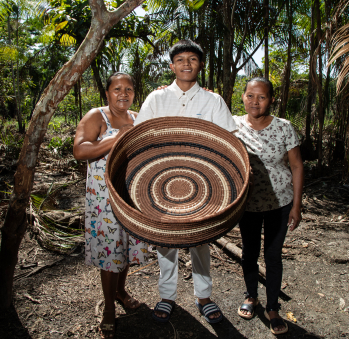
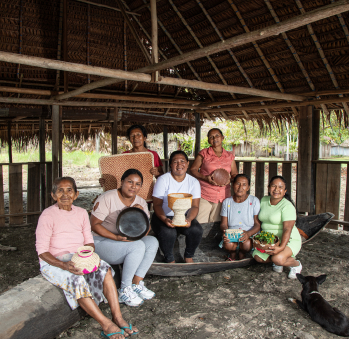
It all began about ten years ago, when she noticed that visitors would arrive asking for handicrafts, and none were available to sell. She quickly set to work, gathering the enthusiasm of younger artisans with the wisdom of the elder women—the full weaving legacy of the Curripako—and together they launched into action. Today, she is proud of the way weaving and basketry have strengthened the family economies of her community.
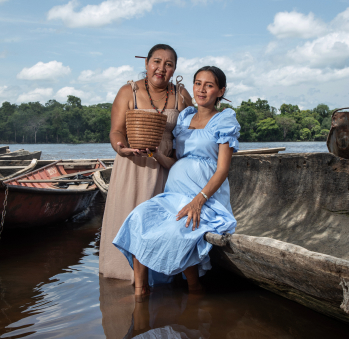
Luzdary shares that she was born a little upstream from La Ceiba, in the community of Punta Ratón by Caño Mina, but her parents later moved to La Ceiba, where they settled for good. In her case, the craft was passed down by her uncle Fabio, who had learned it from their grandmother Regina. He then taught it to his sisters, and they, as mothers, passed it on to their daughters. That is how Luzdary learned the art from her mother, Miriam.
In La Ceiba, she also met her husband Aimer, a Puinave and her great partner in both life and work. He is eloquent and gentle, often putting into words what his wife, out of initial shyness, might hesitate to say. His name—“to love” in French—comes from the doctor who delivered him, a Frenchman, and whom his mother honored in choosing it. Aimer knows the story of the weavers inside out, and he himself has mastered much of the process of harvesting and preparing chiquichiqui and moriche. He speaks of it with the certainty of someone who knows every detail.
As a gracious host, Aimer adds yet another essential element that has given this community its unique character: honey. He recalls when, years ago, a German man named Bolle arrived in La Ceiba. An apiculturist, accompanied by students from the University of Pamplona, he was determined to raise stingless bees in the rainforest. He found in Guainía just the right combination of environmental challenges and richness to care for the bees and allow them to continue their precious work of pollination. He taught the Indigenous families to respect the bees and process honey. And one day, realizing they were ready, he left them to continue on their own. Indeed, they were ready. Today, he only returns from time to time, to see how the community is doing with their splendid “Honey Route,” created for those who wish to learn from the beauty of nature.
This loving Puinave–Curripako couple, Luzdary and Aimer, know they live in paradise. They also know that their children have the privilege—and the challenge—of growing up learning the wisdom of their ancestors while also engaging with the Western world. From the healthy balance of these two sources of knowledge, new generations of Indigenous children will be born and raised, aware that life will never be the same as before, nor should it be. For now, the questions are just beginning to take shape. And surely, with the guidance of such a large and vibrant family, the answers will emerge with wisdom.
Workshop and process
Craft
Artisans along the way
Artisans along the way



No puede copiar contenido de esta página