
Magdalena Guayabo
Workshop: Artesanías Magdalena
Craft: Pottery
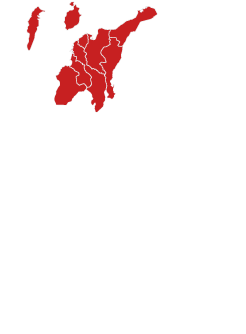
Trail: Casanare Route
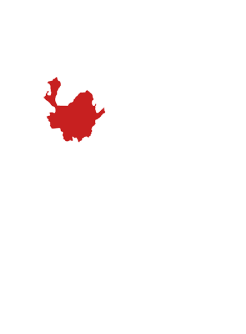
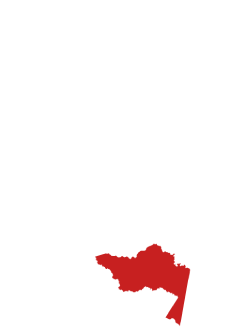
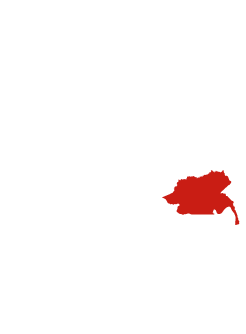
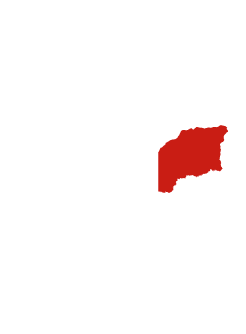
Location: Orocué, Casanare
SCHEDULE YOUR VISIT
Vereda Remolino, Finca La Esperanza
3224563152
mariamagguayabo@gmail.com
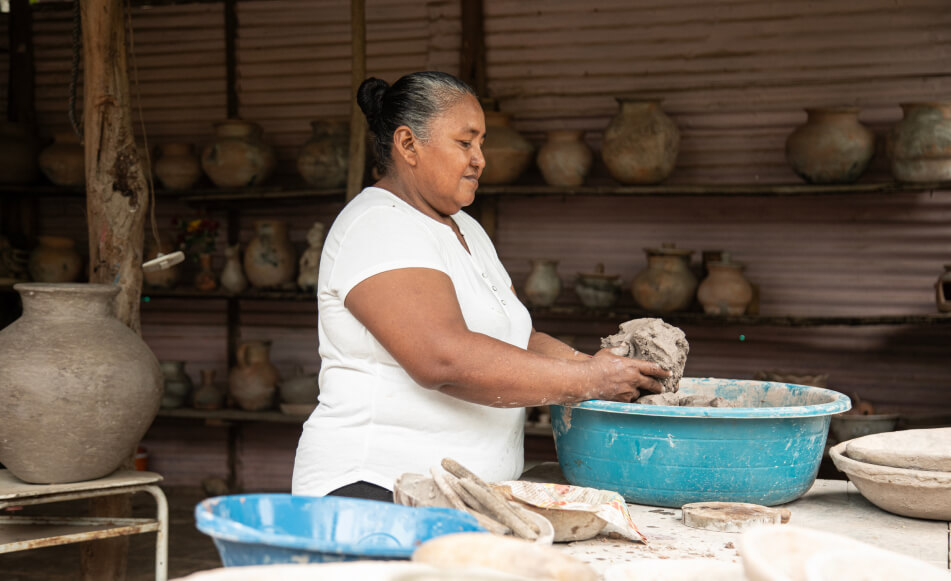
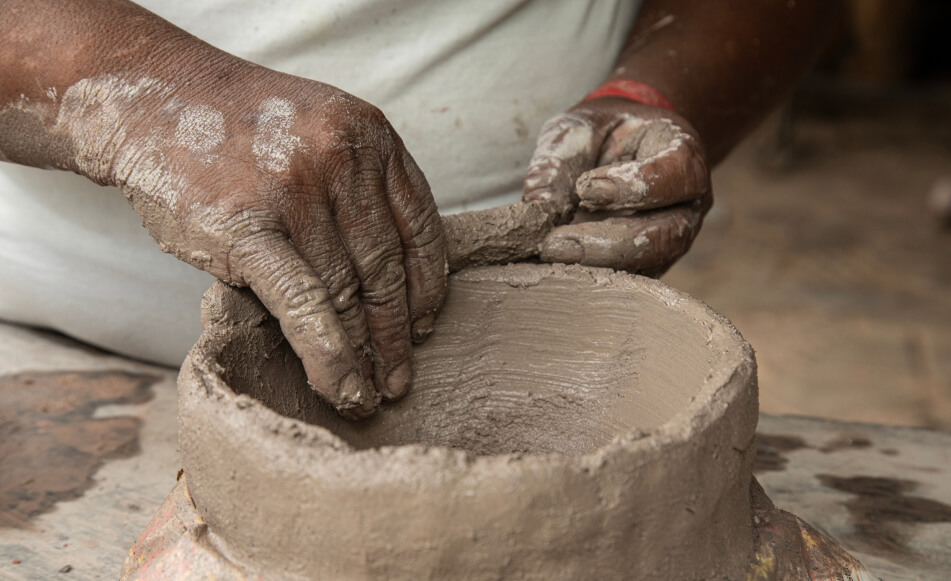
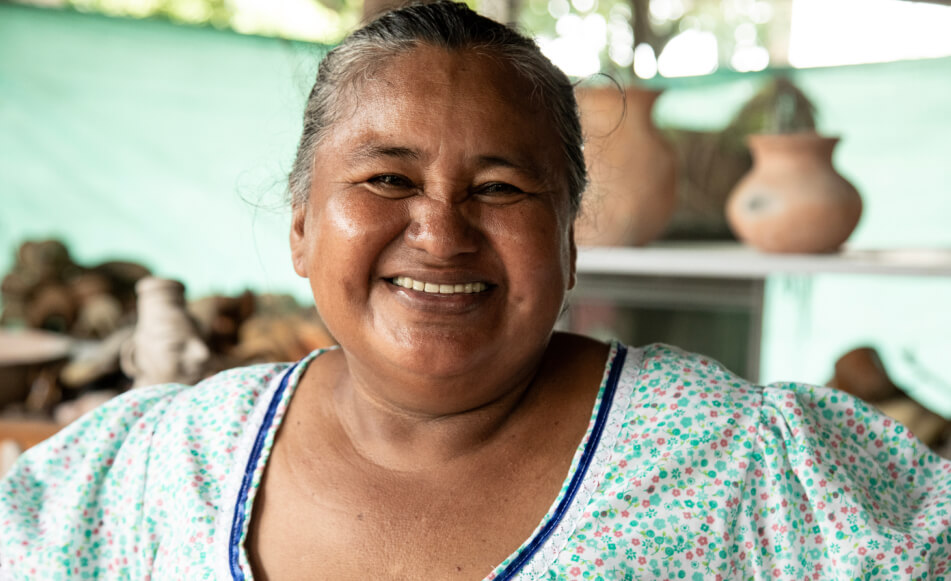
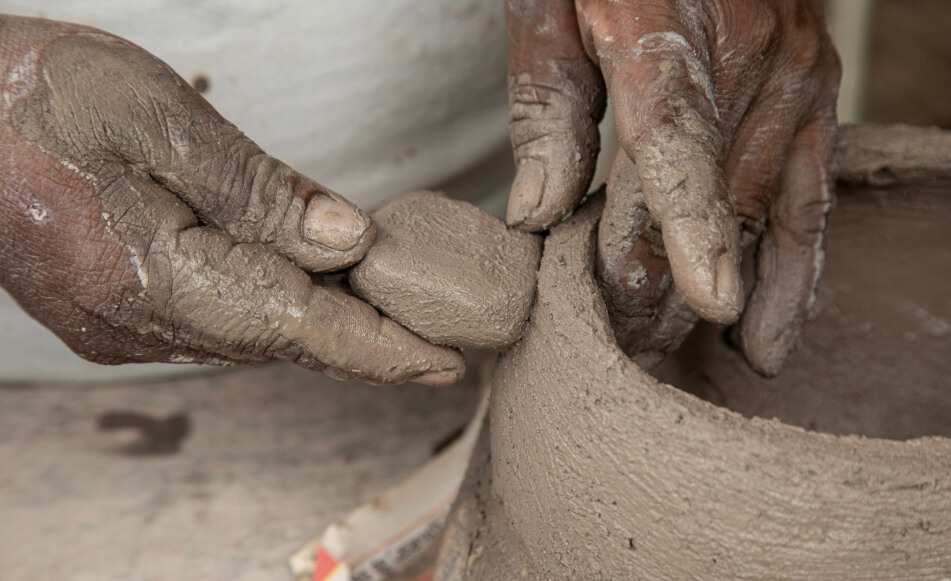
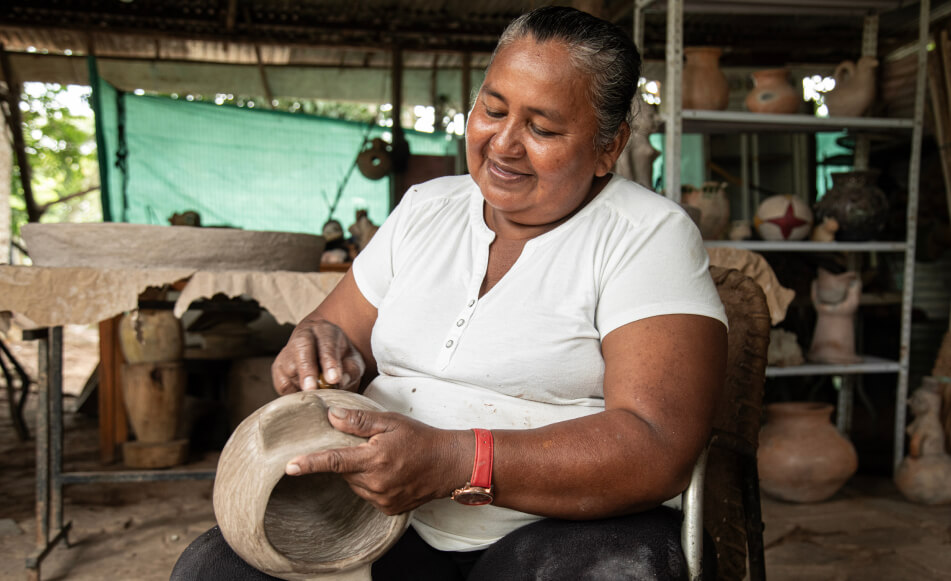
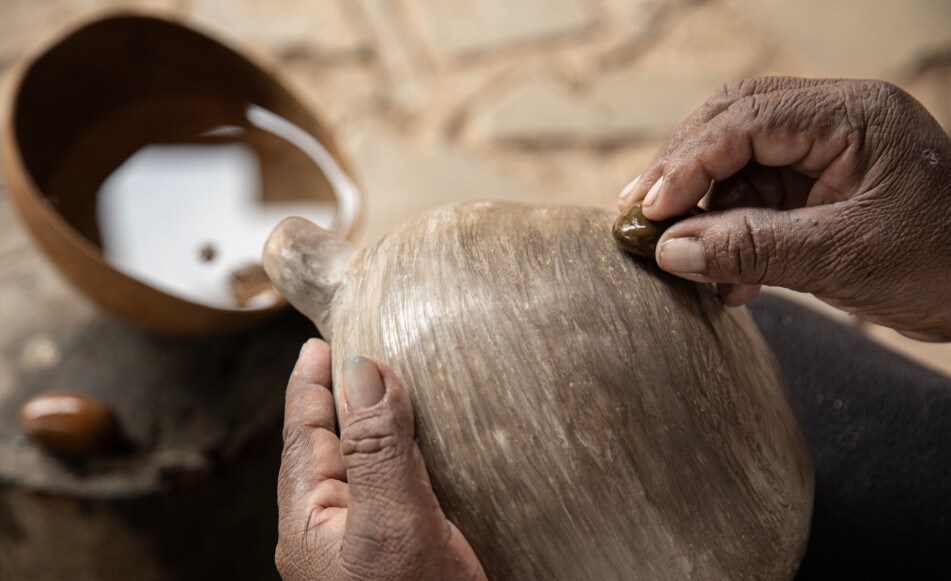
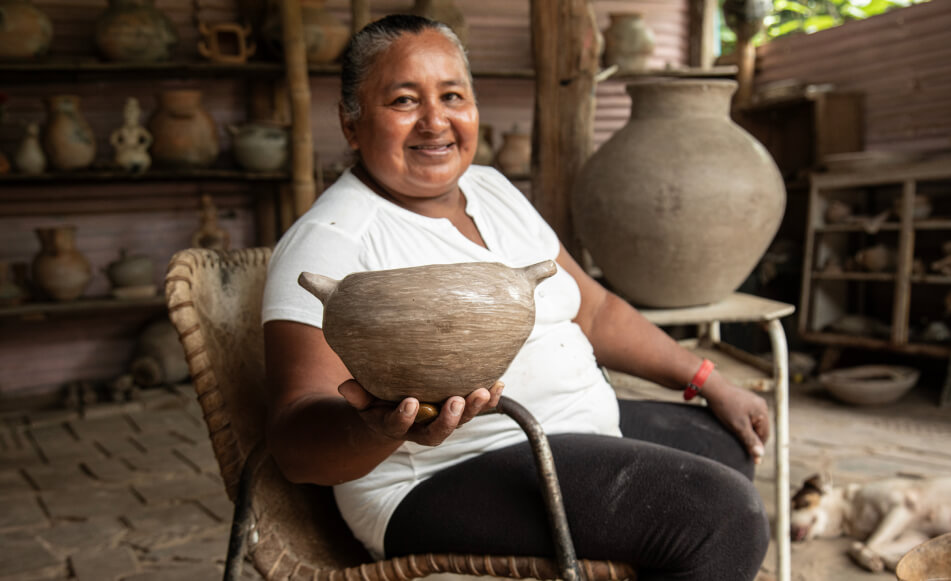
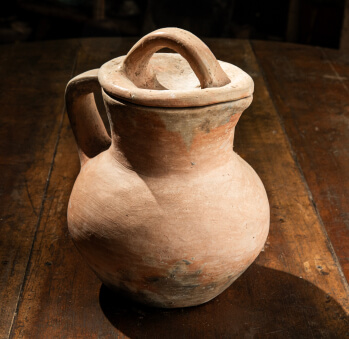
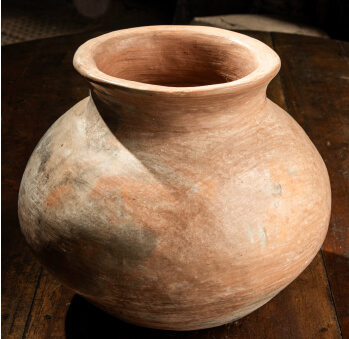
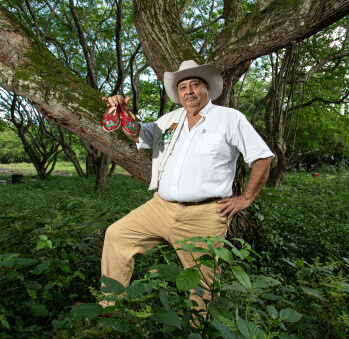
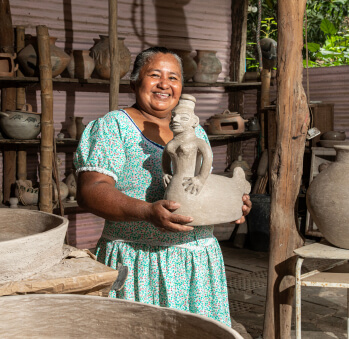
Magdalena knows the world around her intimately. She knows how to read the sky to harvest moriche palms in the right lunar phase. She knows how to use nature as medicine, which is why, as her six children grew up, she always cured them herself—bringing down their fevers with matarratón leaves. She knows the freshness that water acquires when kept in clay jars with river pebbles. She knows how to season pork with wild cilantro, onion, chili, and peppers in pots she has made with her own hands, because above all, she knows how to work with clay. Hers is a wisdom woven of details and devotion, kept alive through perseverance.
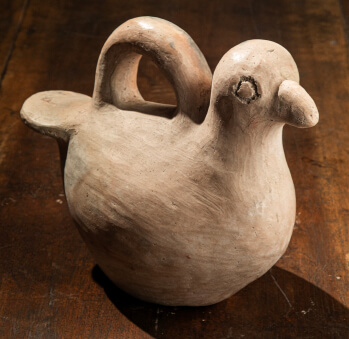
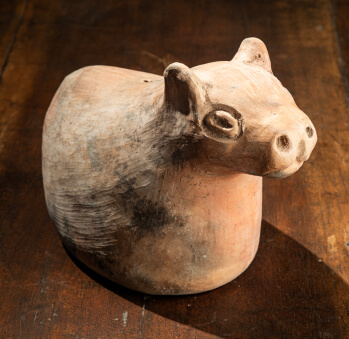
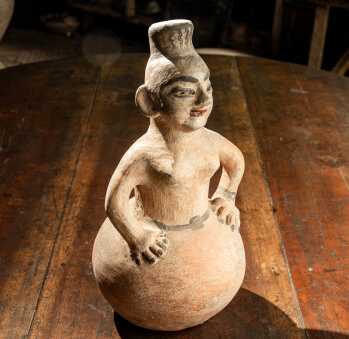
She is as warm as the lands she has lived in—her native Casanare, where she returned after being raised in Vichada under the guiding wing of her grandmother, Clarisa Chamarraví, a Sáliba woman who lived to 125 years making pottery, and from whom Magdalena learned nearly everything she knows. But becoming a potter was never going to be easy. She grew up torn between opposing forces: a grandmother eager to teach her the secrets of clay, and a mother who refused to let her inherit the family trade of women. When her mother, Lucrecia Chamarraví, went off to work in the fields, Magdalena would sneak into her things, stealing bits of clay to mold little figurines in secret. And even though her mother would scold her when she found out about these mischievous escapades, Magdalena knew from childhood that she could not stop. It was a stubborn, insistent calling that ignored prohibitions—and fortunately found an ally in her grandmother, who began teaching her in secret. The conflict between mother and daughter was only resolved when Magdalena turned fifteen, and Doña Clarisa took her to the clay mine to present her before the spiritual guardians of the material. “It was like attending mass,” she remembers. From then on, her mother had no choice but to accept the fate of her daughter, who could finally embrace pottery openly, without hiding her desire or her destiny.
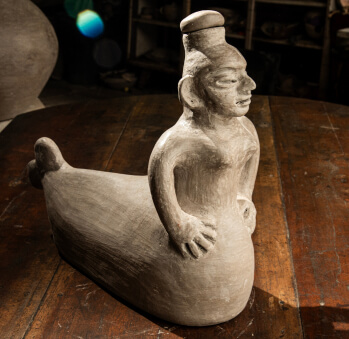
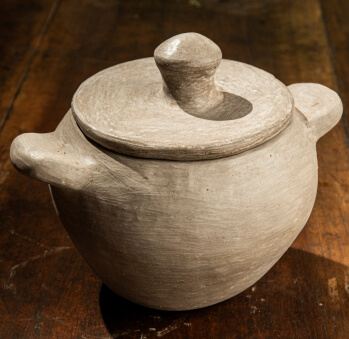
Magdalena still treasures her grandmother’s tender words, who before passing away advised her never to forget what she had taught her, because this craft would provide her with food, a house, and the independence never to have to beg from a husband. Later, those words proved true. She realized she could raise her six children making jars, water vessels, griddles, and cooking pots—and that none of them would go hungry under her care. She believes her wisdom was a gift from the spirit of the clay itself, just as her grandmother foretold when she said that once introduced to him, he would guide her path as a potter, showing her how to walk and how to handle the material. That is why Magdalena says with conviction that when she dies, she will turn into a mermaid of the Meta River and go live in the clay mine to guard the earth.
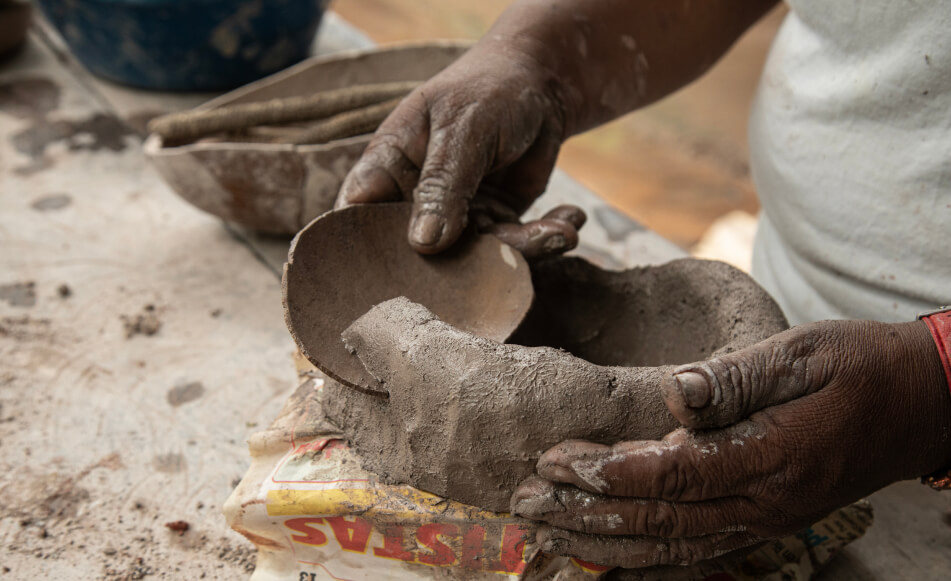
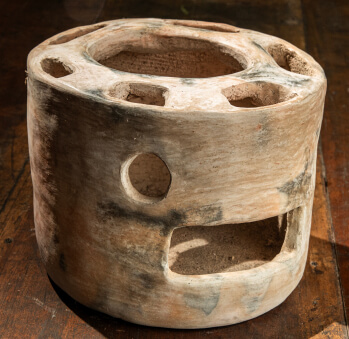
And although her life is proof that it was worth following her calling, the other side of the story is less encouraging. “No one wants to learn anymore,” she tells us. Despite her willingness to share her knowledge, young people are not interested in a trade that demands so much effort and physical labor. To give us a sense of the dedication required, she explains that one must first go deep into the forest to find the bark of the only tree whose ashes can be mixed with the clay so it survives firing. Then comes the clay itself, available only in March, when the river recedes and the mermaid guarding it allows people to collect it—but it must be done properly, because if taken with a bitter heart instead of a joyful one, the person may be struck with a deadly illness, suffering from high fevers and aching eyes. And as if that weren’t enough, the day of firing requires fasting, drinking only hot water, caring for one’s own body as if it were the clay itself, slowly hardening for hours in burning wood. Those who have ignored Magdalena’s advice have found their entire batch of pieces shattered after firing.
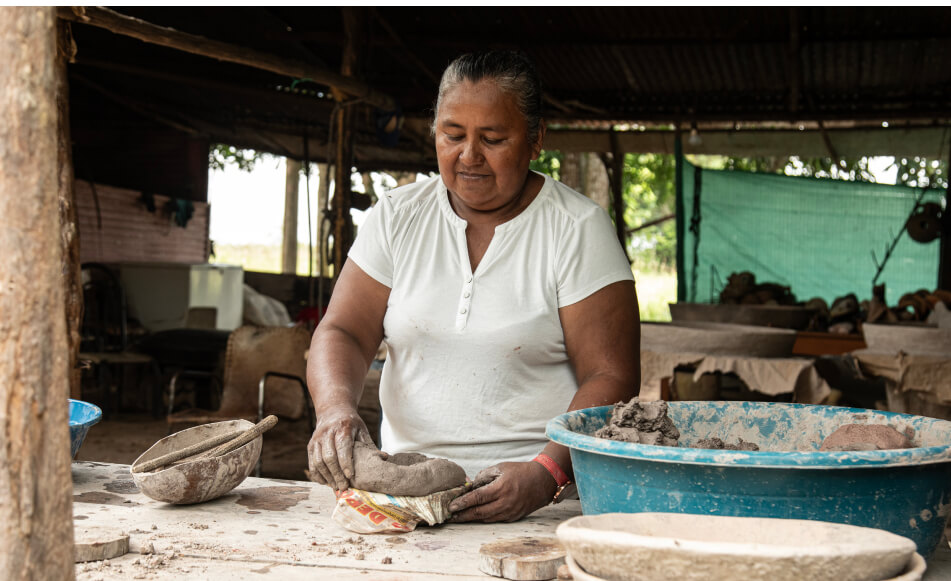
So most of the time, she works alone. She is both boss and worker of her craft—the one who encourages herself when strength wanes, who knows the right ritual to summon energy and chase away yawns, so she can keep creating, always guided by her deep love for what she does.
Workshop and process
Craft
Artisans along the way

Artisans along the way



No puede copiar contenido de esta página