
Martha Ilma Sabogal
Workshop: Canastos y cañas
Craft: Basketry
Trail: Oriente Route
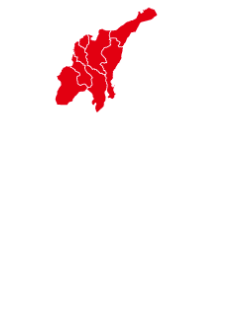
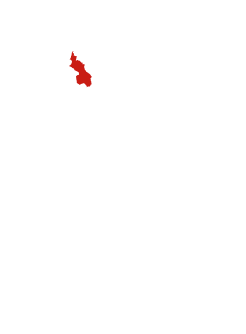
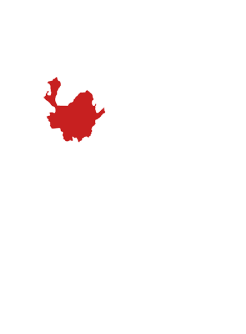
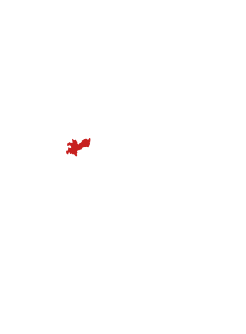
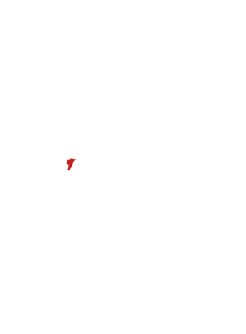
Location: Fómeque, Cundinamarca
SCHEDULE YOUR VISIT
Fómeque, Vereda Lavadero
3057474956
marthasabogalB16@gmail.com
@saguycanastos
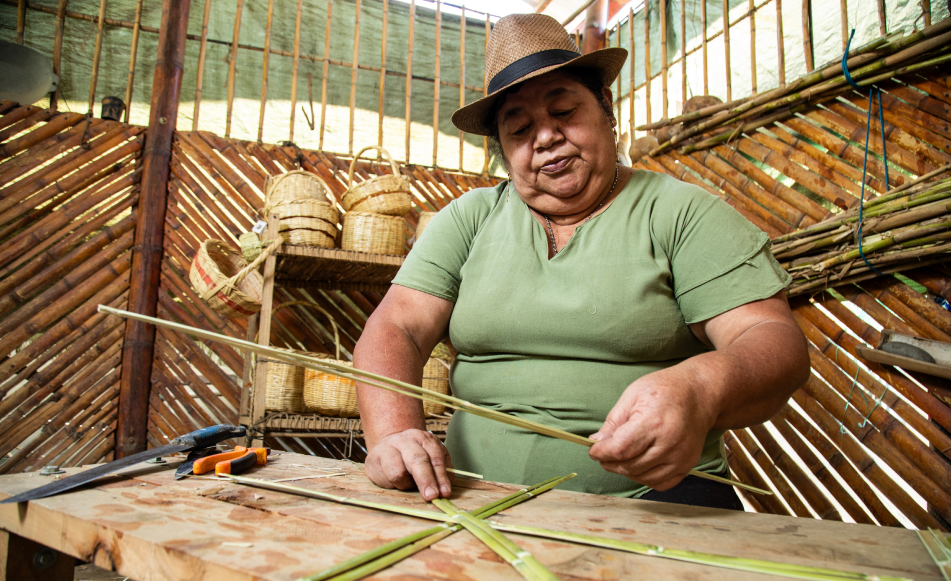
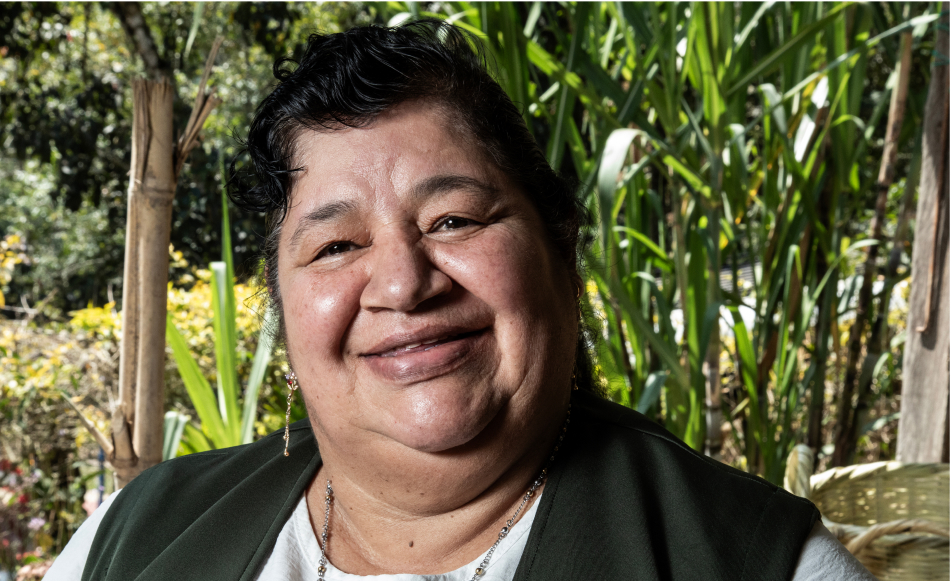
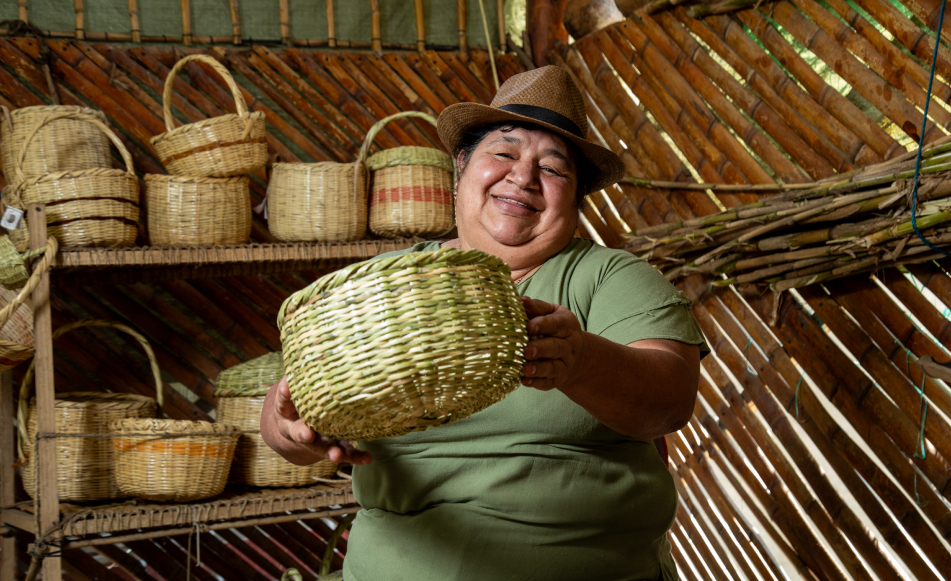
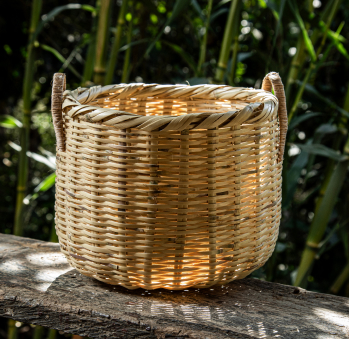
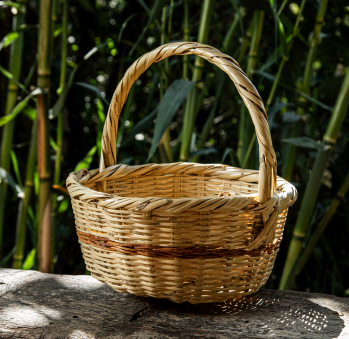
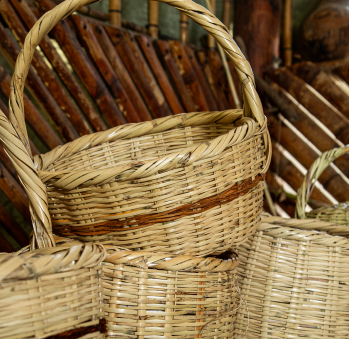
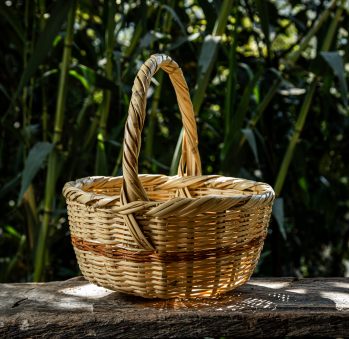
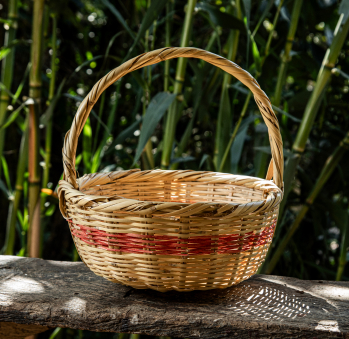
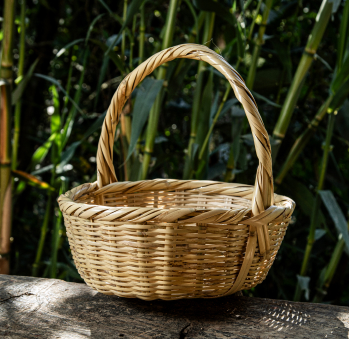
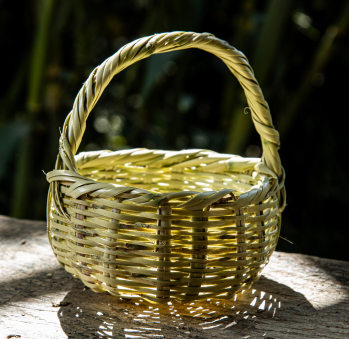
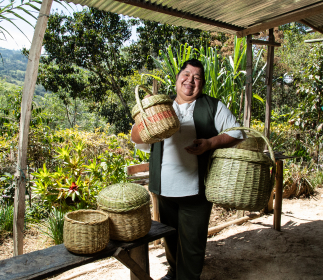
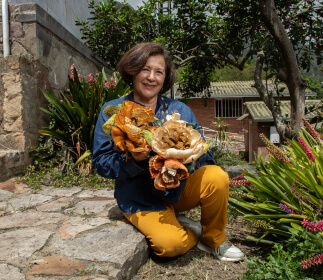
Sometimes the decisions we make about what we do in life seem to mirror who we are—or who we aspire to be. In Martha Ilma Sabogal’s case, her life has been devoted to caña brava. In many ways, she herself resembles one of those resilient stalks: impossible to break, yet—when approached with care, patience, and dedication—capable of being shaped, bent, and woven into a magnificent basket. Martha Ilma is the heir to a weaving tradition rooted in this raw material, which grows abundantly along the creeks of Fómeque. When she was a child, four or five families in the area practiced this craft. Today, she is the only one who remains. That reality is precisely why she takes her work so seriously. She knows the tradition could disappear if she does not continue it, and for that reason she has committed herself to teaching the craft to children in the surrounding rural communities.
She remembers beginning to weave caña brava when she was just five years old. She tells the story with vivid detail because she lived every moment of it—sitting beside her mother, with whom she wove baskets for more than half a century. Her mother passed away not long ago, so recently that Martha Ilma still mourns her deeply. Yet she wipes away the tears because she knows she must carry forward the legacy her mother asked her to continue. From her memory emerges a scene that seems almost frozen in time: “On one side of the living room, my father was sorting coffee beans, rolling cigars, organizing his things. Right in the middle there was a hammock where I rocked my little siblings. And on the other side, my mother was weaving her baskets at eleven at night.” How could she not want to continue a story so deeply rooted?
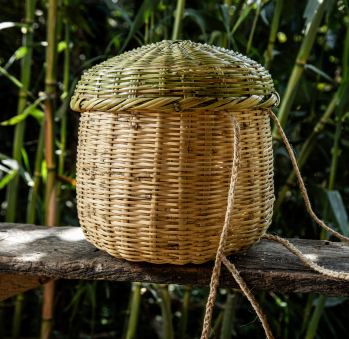
Martha Ilma goes on to explain that the tradition of basketry in Fómeque began thanks to several remarkable men—Salomón, Iduvín, and Alcides—three deaf master weavers who possessed extraordinary skill in working with this fiber. They dedicated themselves to teaching many people in the town because there was strong demand for the baskets. A family from Cáqueza used to buy them and distribute them commercially. She also remembers her grandparents carrying enormous maletero baskets, so large they could hold a whole bundle of provisions—mantecadas, bread, chicha—along with other baskets and travel belongings. They would load them onto their backs and walk for days to sell their goods in places like Chiquinquirá and Villavicencio. Her grandmother would tie her children to her chest with a shawl as they traveled. Martha Ilma grew up within that ethic of work and perseverance, and it is the same ethic with which she has supported her own family.
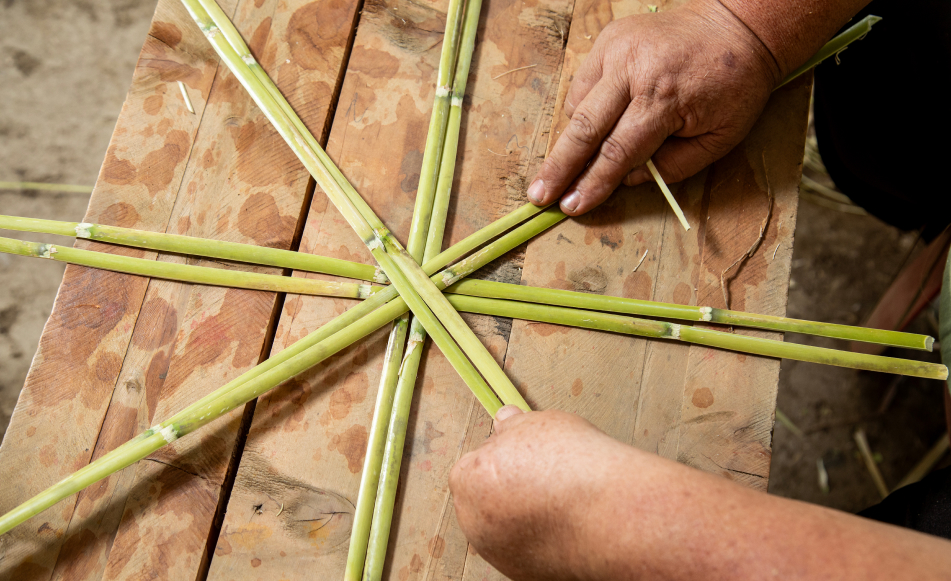
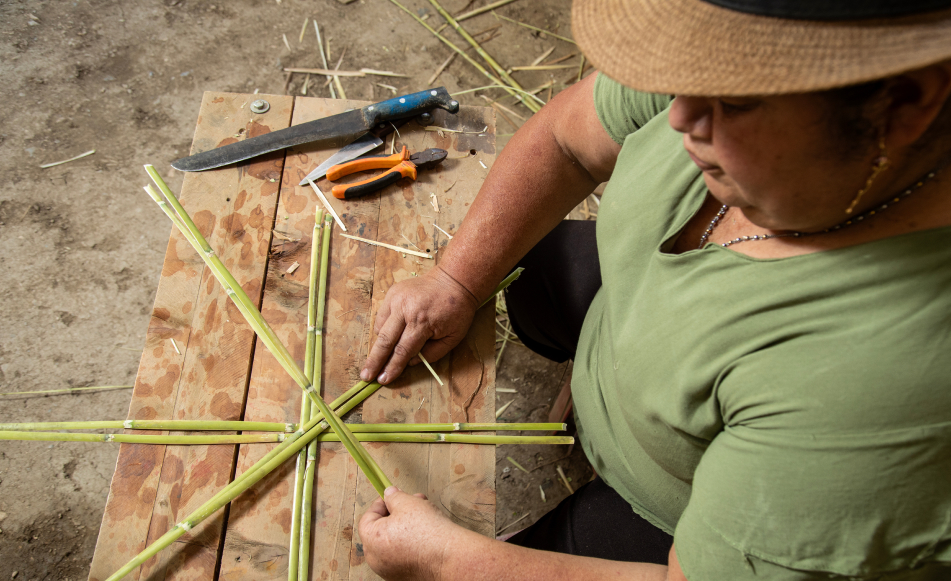
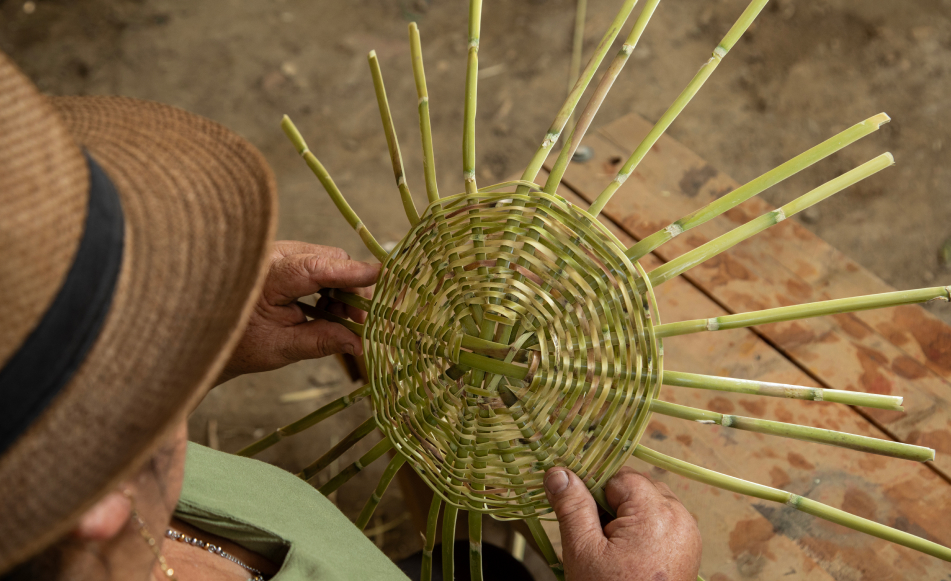
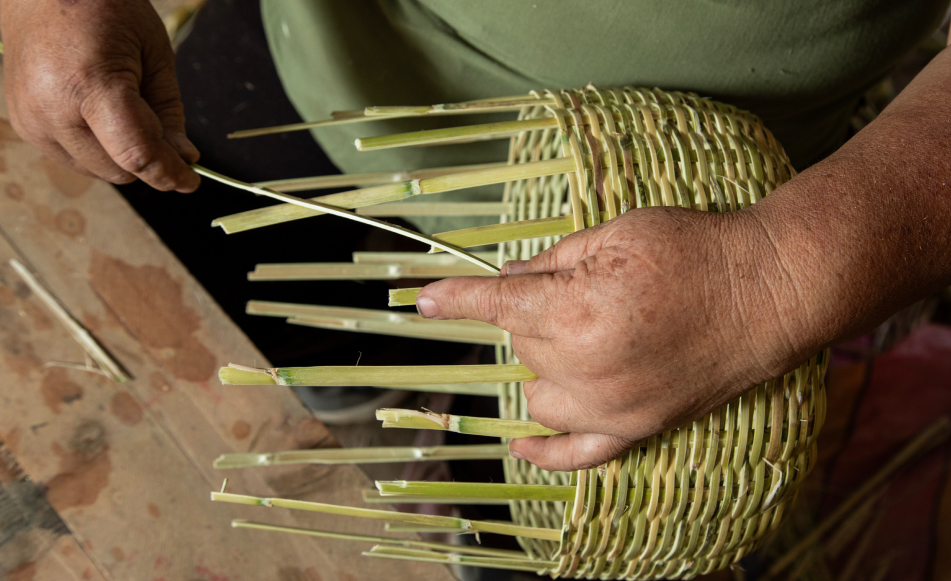
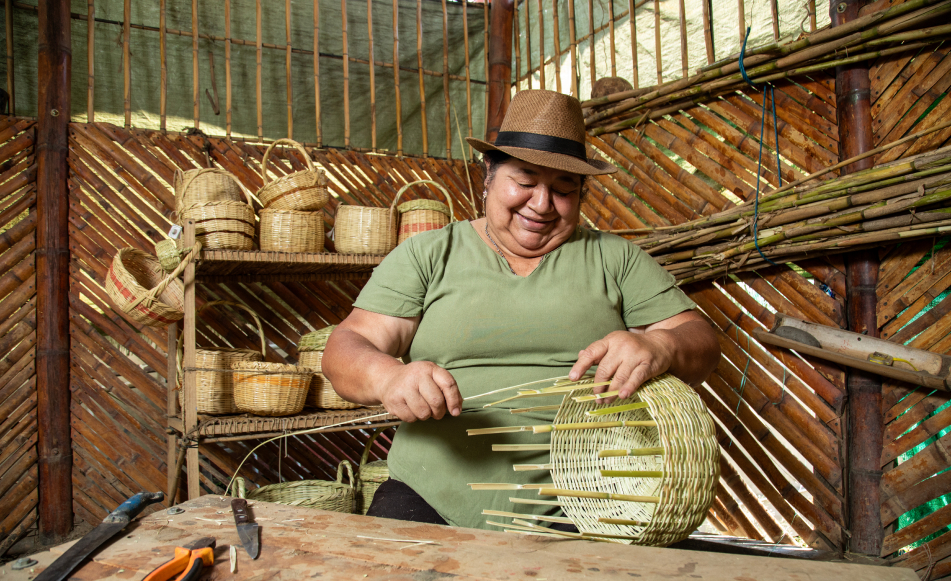
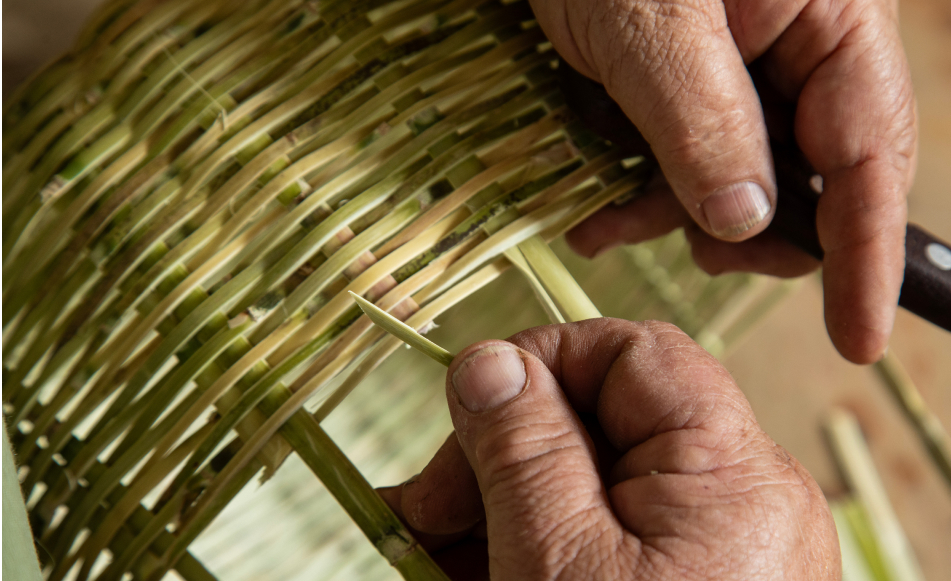
For her, basket weaving is not just about making the final object. It involves the entire chain: planting caña brava, harvesting it, preparing it, dyeing it, and finally weaving it into craft pieces. And even that is only one part of everything she knows how to do. She has always been taught to rely on her own skills. Among many other abilities, she knows how to build bahareque walls, something she learned by watching her grandfather, the barber Don Buenaventura Sabogal. She also weaves with fique, as many people in earlier generations once did.
As we listen to her, completely captivated, she invites us to visit her farm, about forty minutes from town, driving in the family jeep that easily handles the rugged roads. There, after preparing arepas made from peeled corn over an open fire—corn grown on her own land—she tells us about her personal circular economy. Nothing goes to waste: any leftover material becomes fertilizer for the soil. She speaks of planting sagú and sugarcane, of harvesting plantain stalks whose fibers she also uses to weave baskets, and even mentions that she brought back a small esparto plant from Cali to see if it will grow in her land. It was in Cali, in fact, where she traveled as an exhibitor representing Corpoguavio at COP-16, where she spoke about what she knows best: sustainability and responsible agricultural practices. In recognition of her work, she has been named “Godmother of the Earth.”
And if listening to her is remarkable, watching her work is even more so. She tames that tough fiber—one that once intimidated many apprentices with its sharp edges (and perhaps for good reason it is called brava, which means “fierce”). She cuts it, bends it, and weaves it with the quiet certainty that it will become the same beautiful basket with which her story first began.
Workshop and process
Craft
Artisans along the way
Artisans along the way



No puede copiar contenido de esta página