
Zulma Torcuato
Workshop: Atuma
Craft: Ceramics and Basketry
Trail: Guainía Route
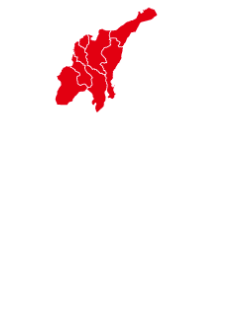
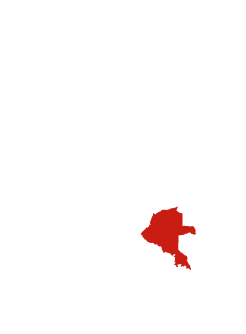
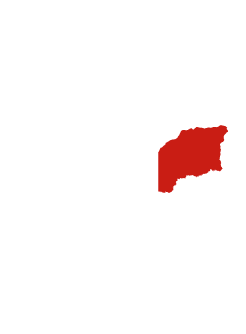
Location: Inírida, Guainía
SCHEDULE YOUR VISIT
Comunidad indigena Coco Viejo.
3222839319
zulmatorcuato@gmail.com
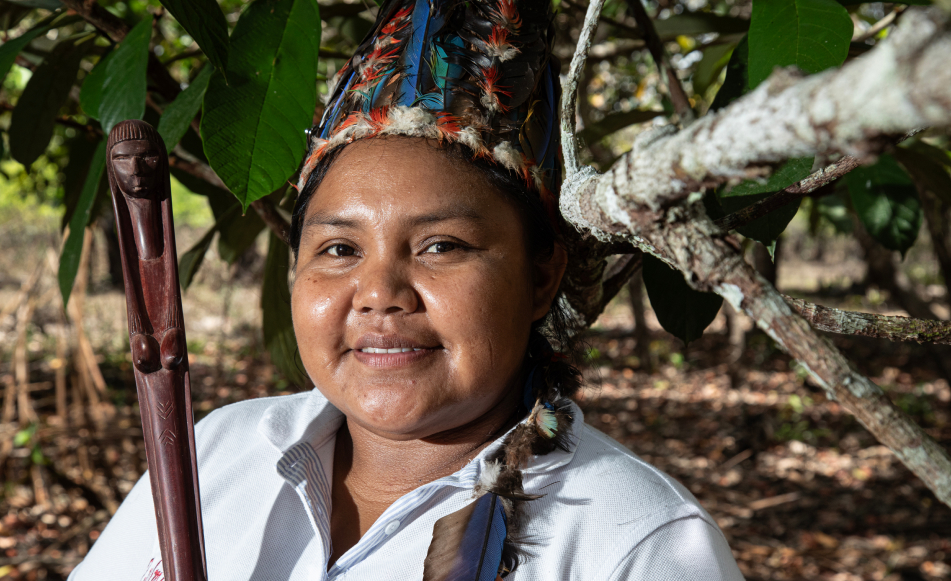
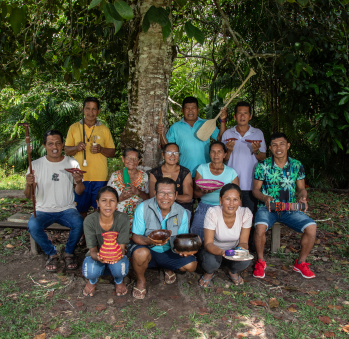
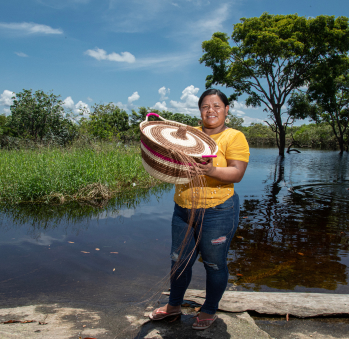
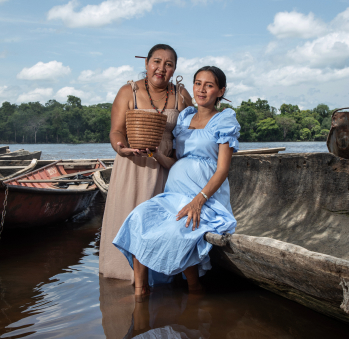
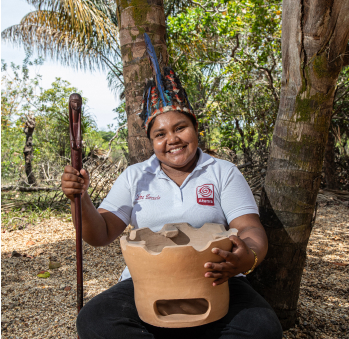
Zulma is a torrent of joy. A proud daughter of Guainía, Curripaka leader, and guardian of her ancestral artisan lineage, she carries forward the legacy of the women potters from the community of Coco Viejo, just ten minutes from Inírida, the departmental capital. It’s impossible to speak of her without evoking the beauty of the landscape where her peaceful people settled, a community whose founders bear the Torcuato name, which she carries with pride. Coco Viejo is surrounded by two lovely freshwater streams—Caño Mota and Caño Coco—with dreamlike beaches. A paradise for birds, it is a haven for those who delight in watching them perch on branches. This is where Zulma and her people live.
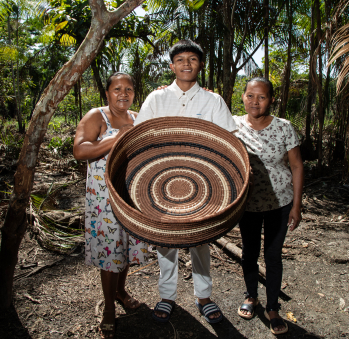
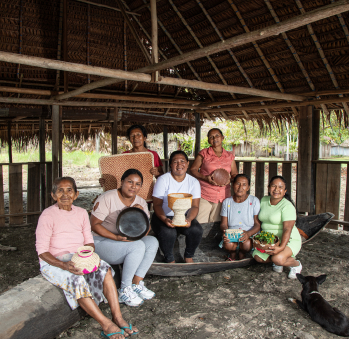
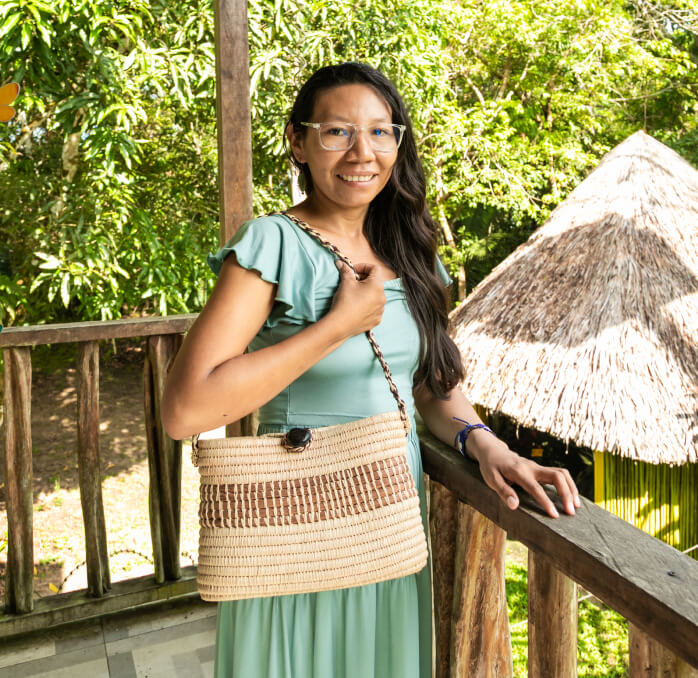
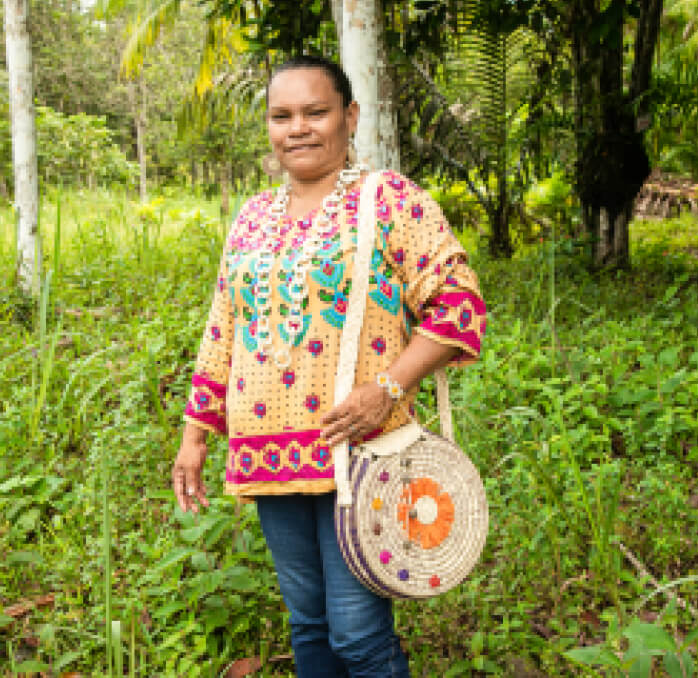
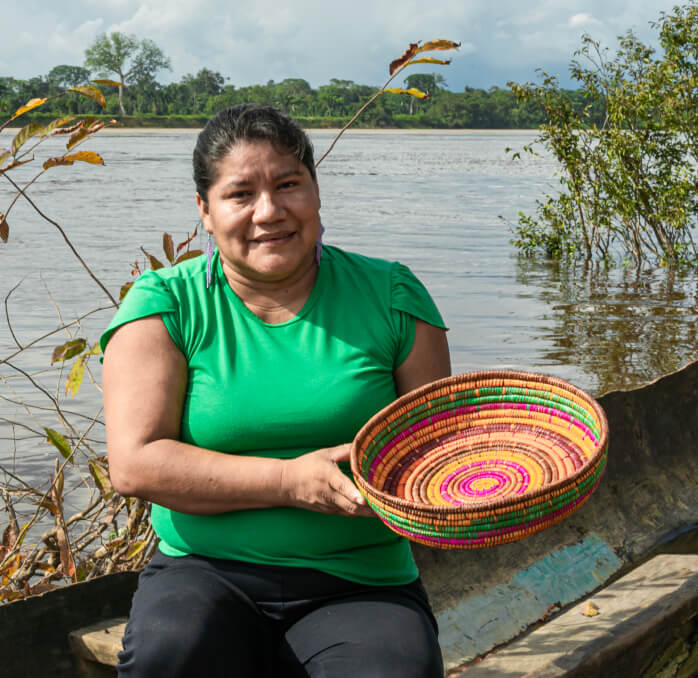
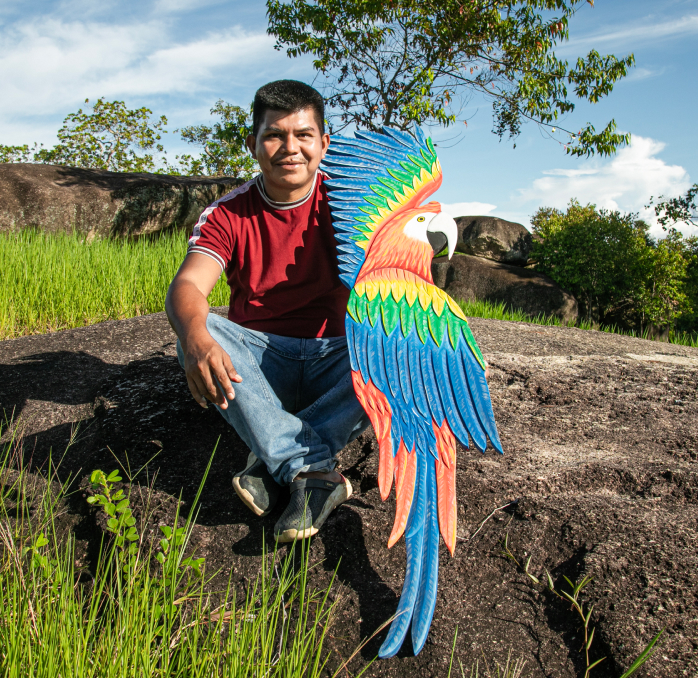
She speaks of crafts, but she is quick to add that her community has also organized itself around tourism, through several associations, and that they genuinely enjoy sharing their daily lives—and the delights of their cuisine—with visitors. In Coco Viejo they have found a healthy balance, building respectful relationships and working toward sustainable practices that offer real possibilities for the future. Many are drawn here precisely because of the community’s extraordinary craftsmanship.
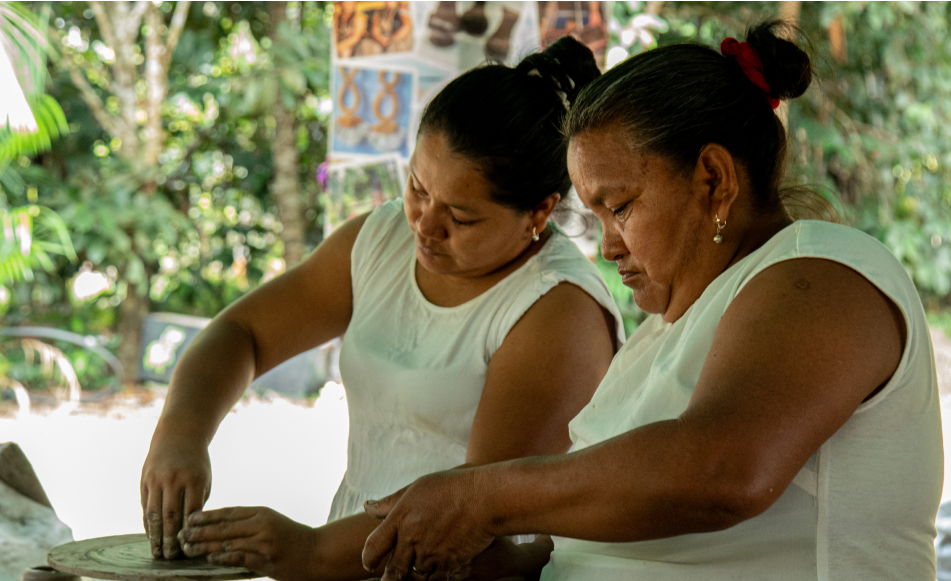
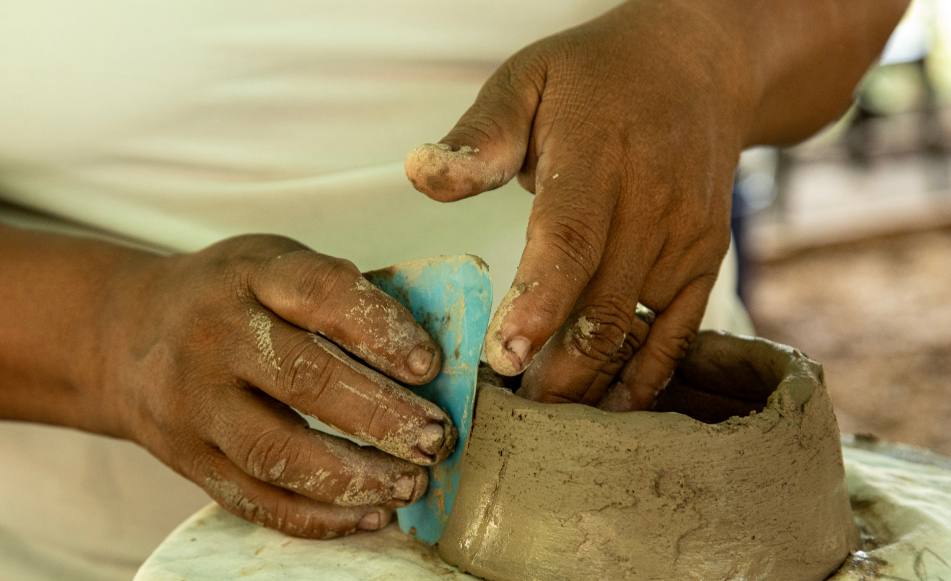
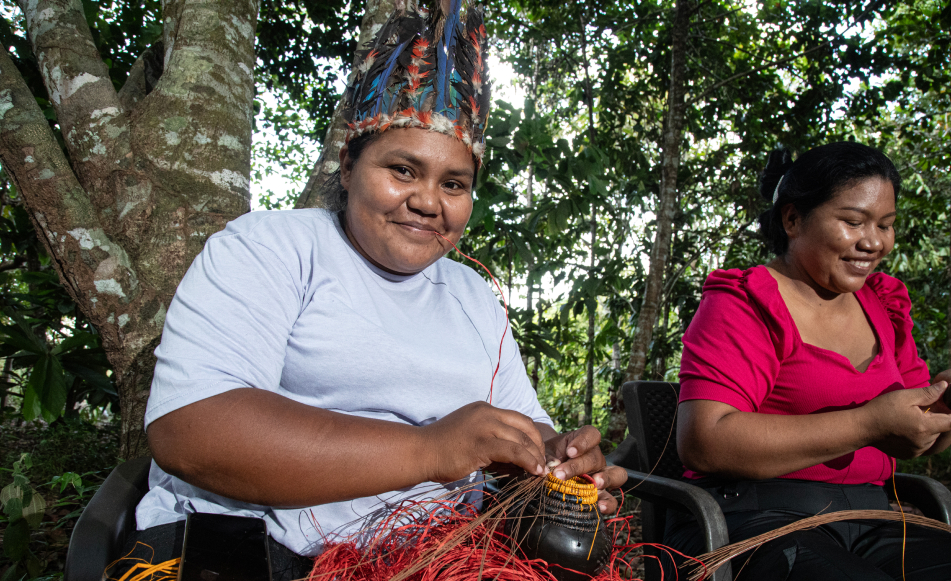
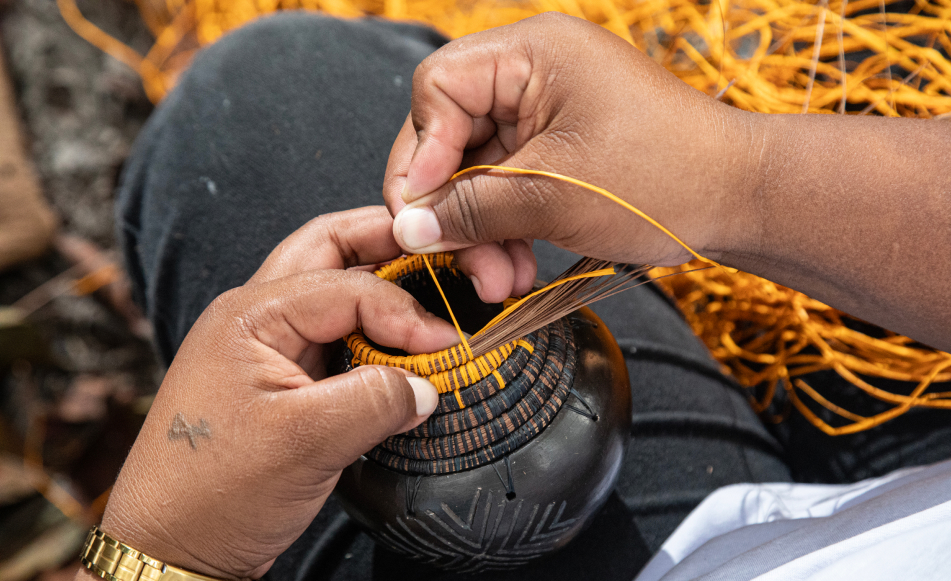
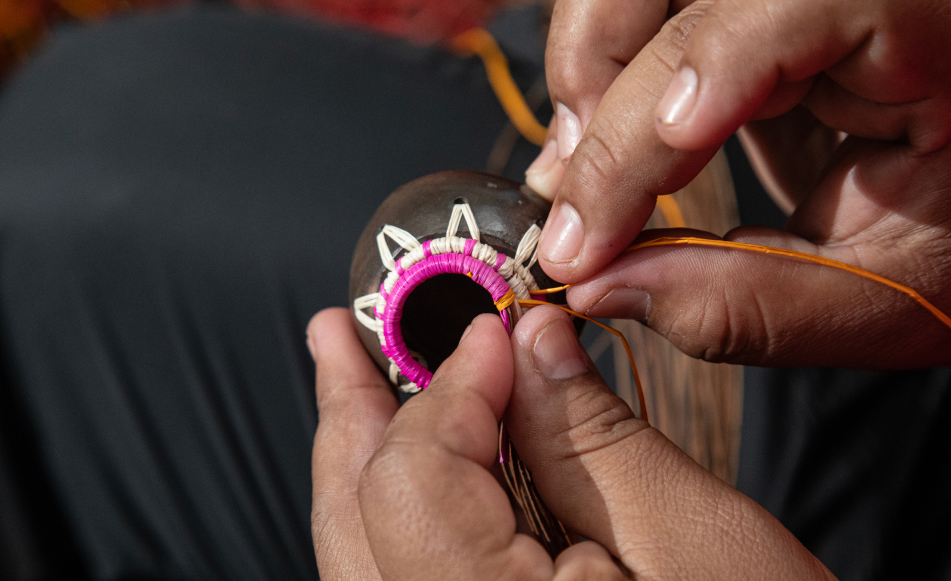
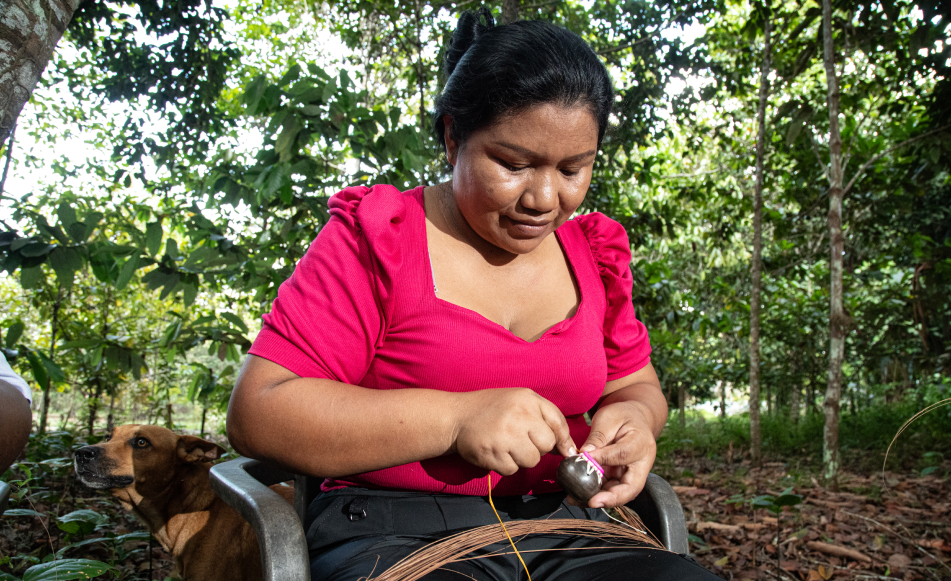
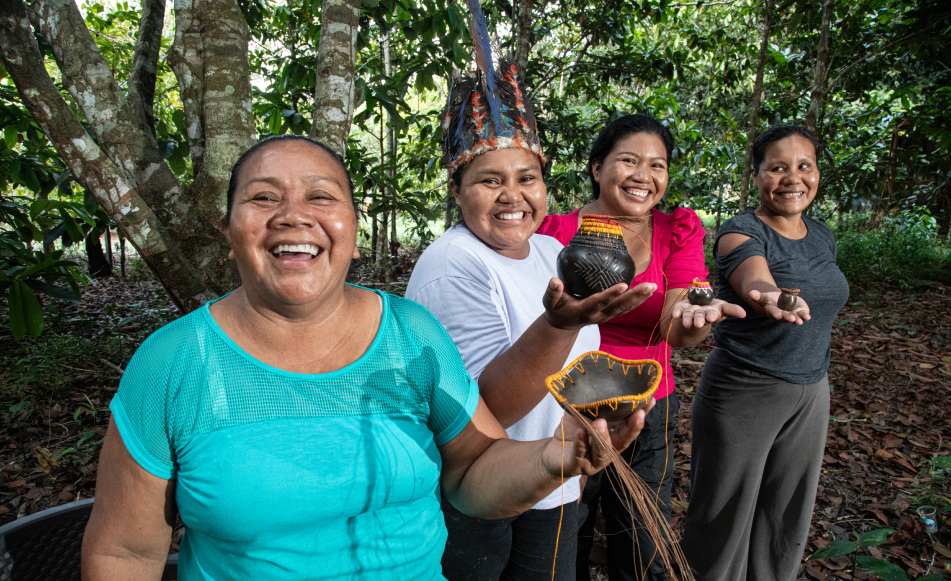
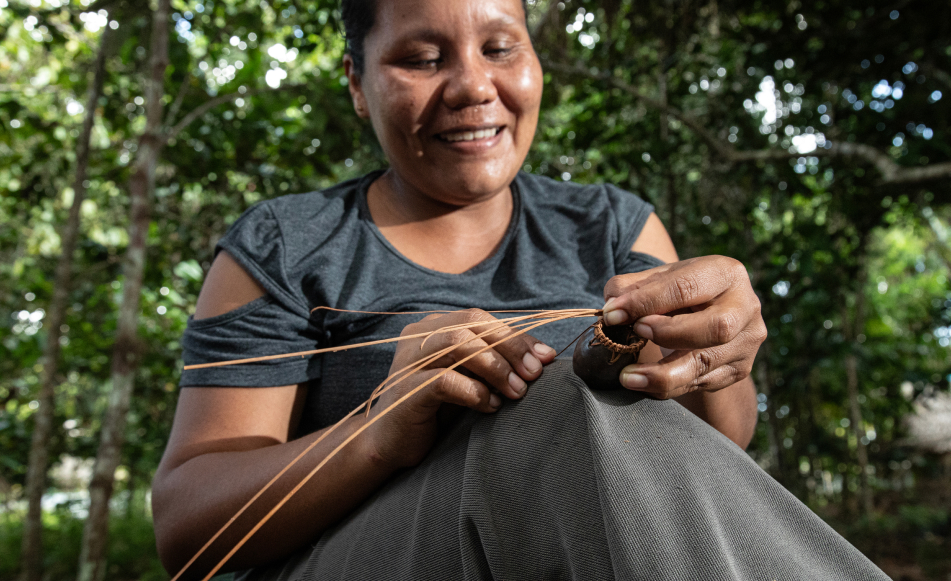
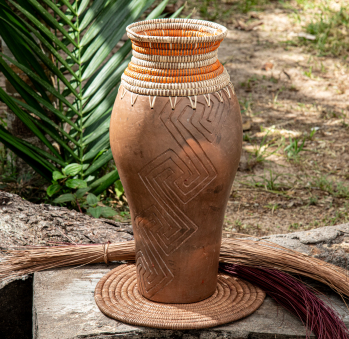
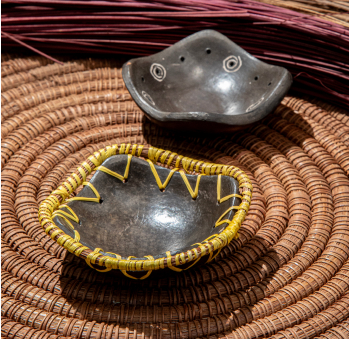
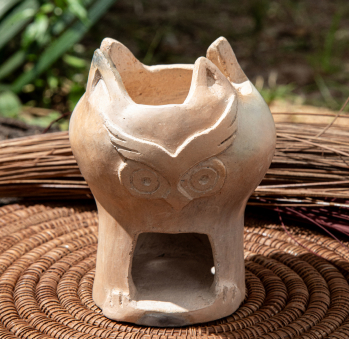
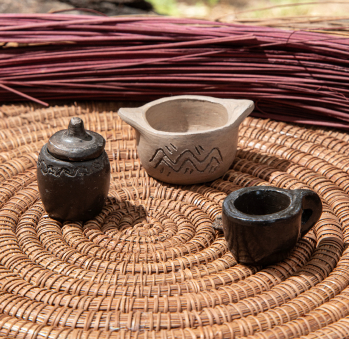
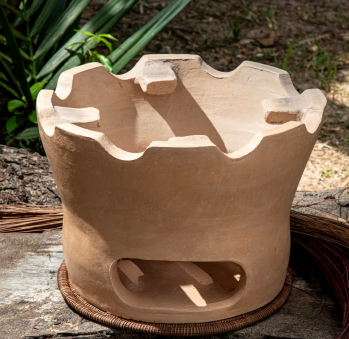
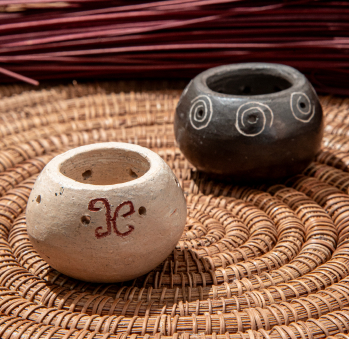
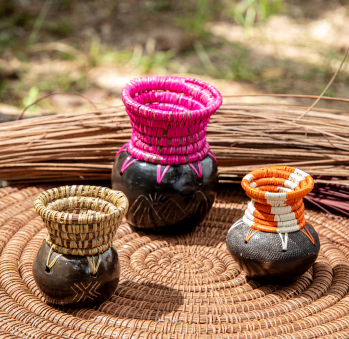
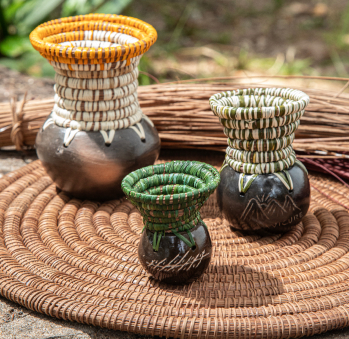
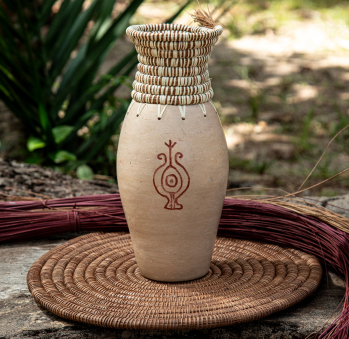
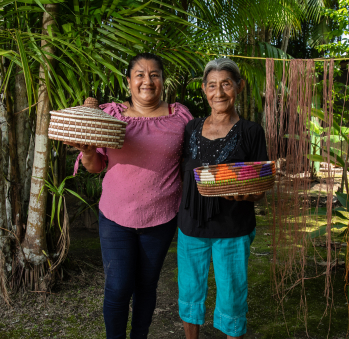
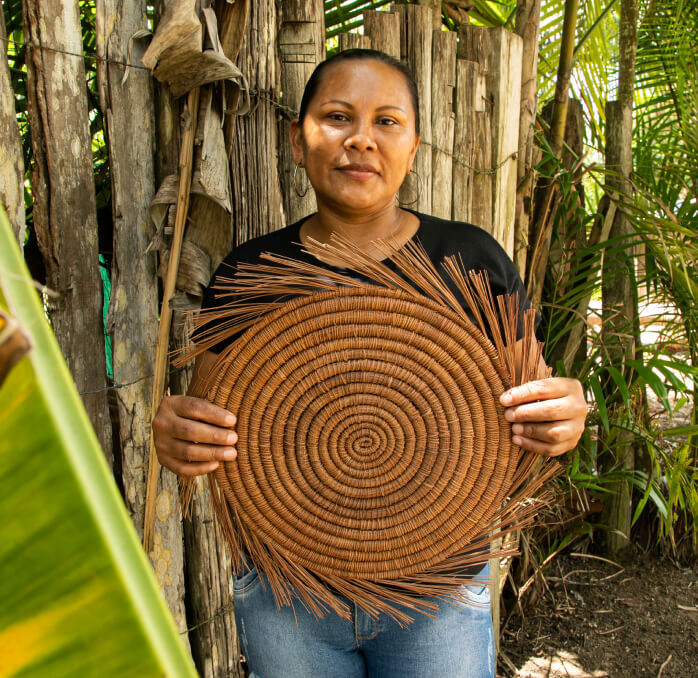
From here come the renowned carved clay pots finished with chiquichiqui weaving. Though today they are emblematic of the community, for many years this knowledge lay buried underground. Thanks to field research, some of it supported by Artesanías de Colombia more than two decades ago, fragments of engraved ceramics were uncovered. These sparked a process of recovering artisan memory of elderly women potters, who recalled the meaning of the symbols and the forms of the pots and hearths of their childhood. Having discovered such an abundant and rich heritage, they also came to know the work in chiquichiqui, used in a unique way: crafting brooms which they remembered, funny enough, as witch’s brooms. That’s how artisans and designers of Coco Viejo created a perfect synthesis of two complementary worlds: clay and fiber woven into a single craft.
It was in this resurgence, in this reclaiming of her people’s past, that Zulma came of age. As layers of earth and time were lifted, the five types of clay gifted by the landscape became central once again—alongside the imperative to relearn all the knowledge of the hands and what they do to honor memory. The younger generations of the community now care for, sketch, and speak of their petroglyphs with devotion. These marvelous carvings on massive river stones are messages from ancient times: instructions, connections to the beyond, their history told in three stages— the arrival of the demigods, the learning of drawings and attire, and the graduation or punishment for forgetting. Among these splendid engravings, one stands out: the Waliperre, or “calendar stars” in Curripako, an essential guide by which the people read the night sky and learn its teachings. In this way, when Zulma and the new ceramists engrave symbols on clay, they perpetuate their meanings and call for their conservation. For her, for example, the butterfly is woman, ovary, life itself.
Equally important are the ancestral plant-based dyes for the fibers: the leaves of tarantantán for green, açaí seeds for purple, annatto for red and orange—all hues that harmonize with the black, white, red, yellow, and gray clays hidden in the soil. And as if this were not enough, Zulma insists that when we visit, we mustn’t forget to try the ice creams made from Amazonian fruits, or the manaca (açaí) wine—sweet delights that pair beautifully with ajicero and are often shared during the community’s version of the Last Supper, a Curripaka tradition of hospitality where neighbors are invited to eat together.
Workshop and process
Craft
Artisans along the way
Artisans along the way



No puede copiar contenido de esta página