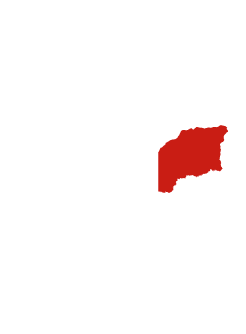

Popayán-Páez Route
Back to main route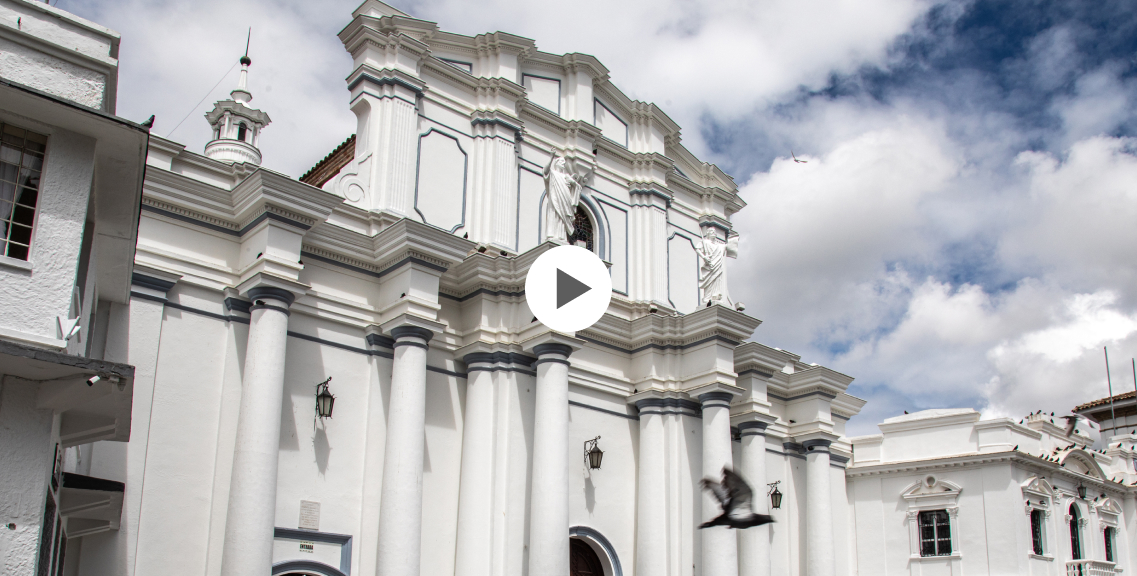
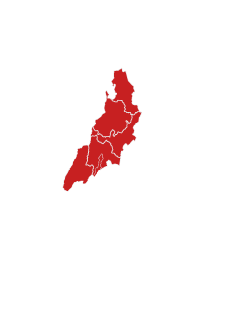
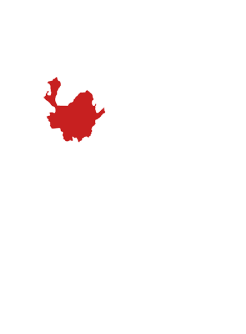
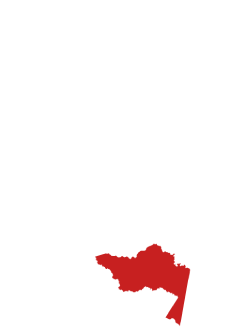
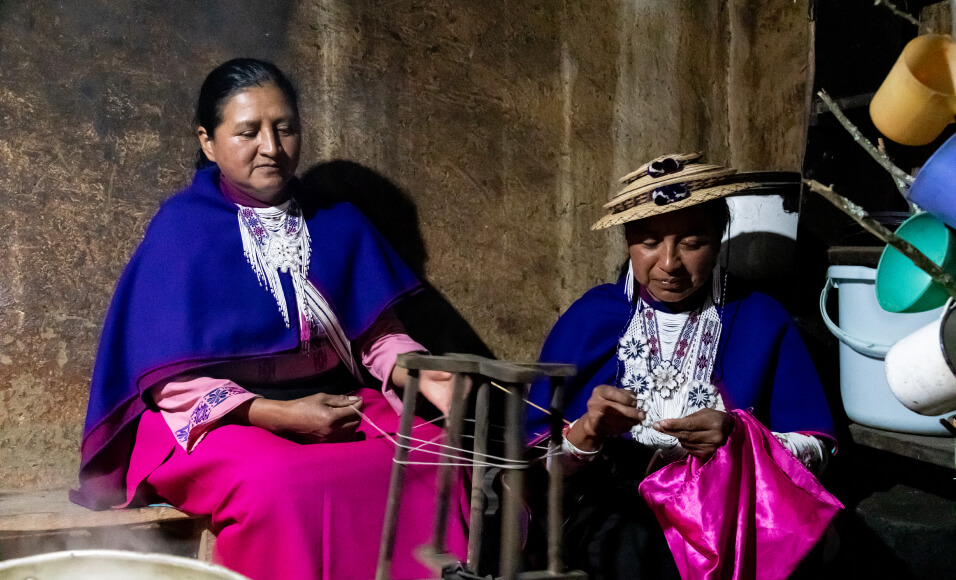
If the coastal route introduces you to the Eperara Siapidara people, the central-eastern route of Cauca brings you into the worlds of the Nasa and Misak peoples—two extraordinary cultures known for their communal weaving traditions. Popayán, the capital of the department, serves not just as a starting point but as a historical reminder of its colonial past and the lasting memory of the 1983 earthquake.
Embark on a journey full of history
Artisans along the way
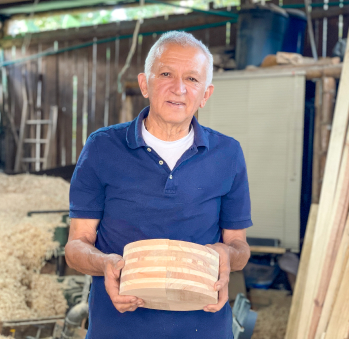
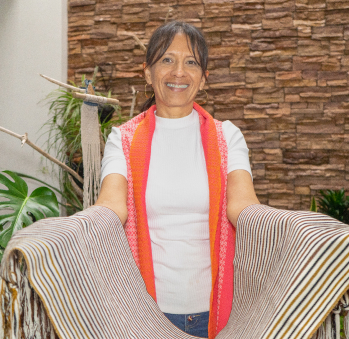
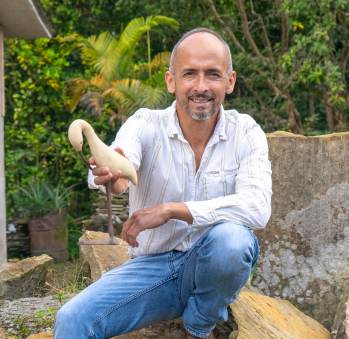
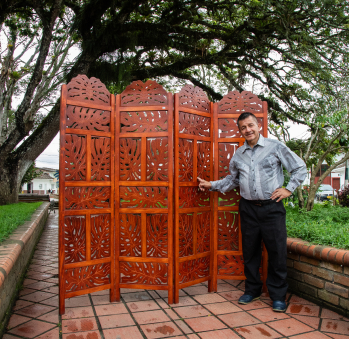
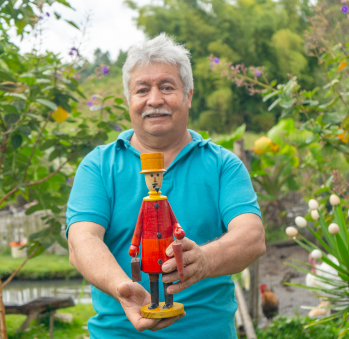
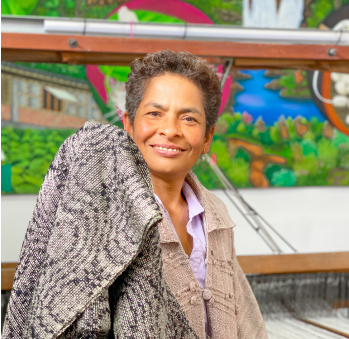
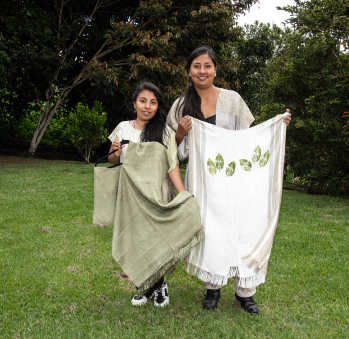
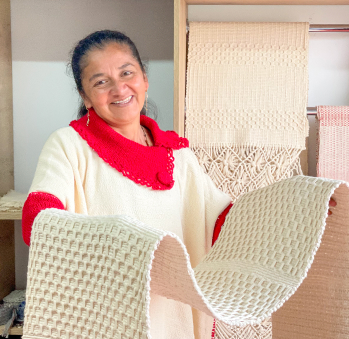
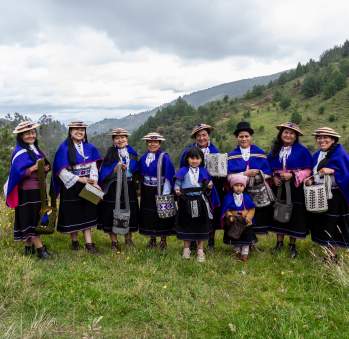
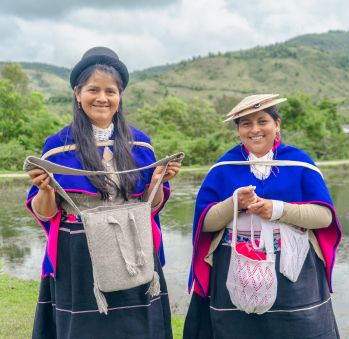
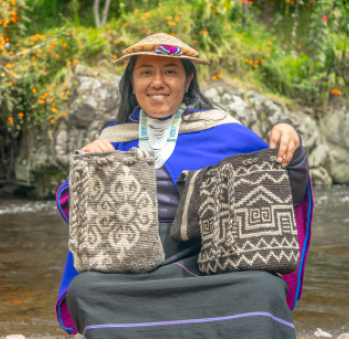
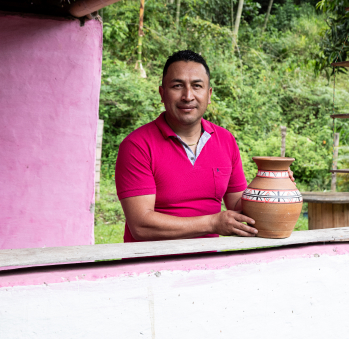
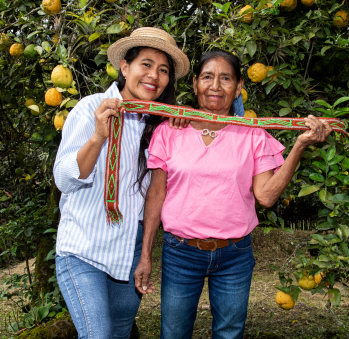
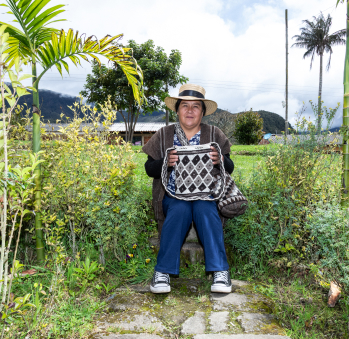
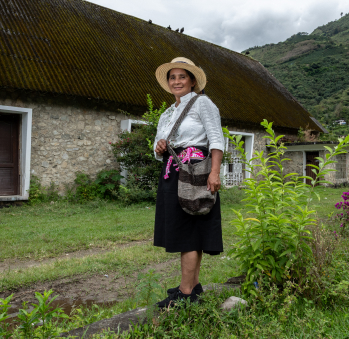
Artisans along the way
We recommended this tour
 Recommendations
Viajar con un operador turístico o con un líder del territorio.
Agendar anticipadamente la visita con los artesanos, tener en cuenta que la señal en el territorio no es estable.
Llevar dinero en efectivo.
Por precaución, se recomienda evitar caminatas y trayectos nocturnos.
Llevar botas de senderismo o tennis (idealmente no llevar botas de caucho).
Comprar con tiempo los pasajes para los recorridos entre municipios y averiguar los horarios con precisión. Tener en cuenta que las vías, en su mayoría, no están pavimentadas.
 Length
5 days
 Physical Complexity
Medium
 Transportation
Car or bus
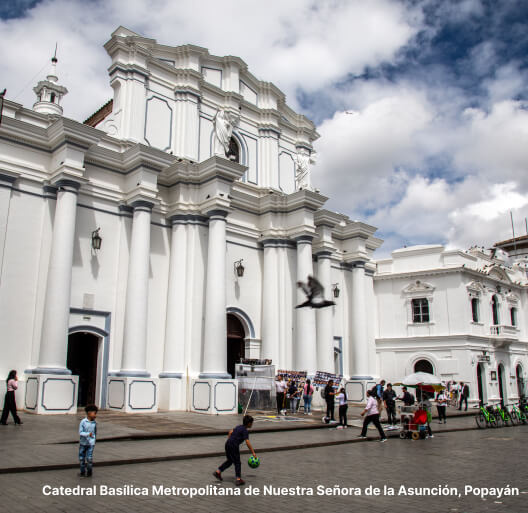
POPAYÁN
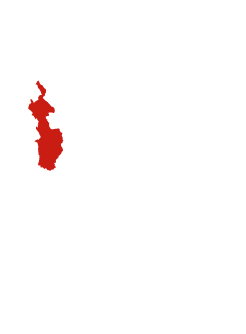
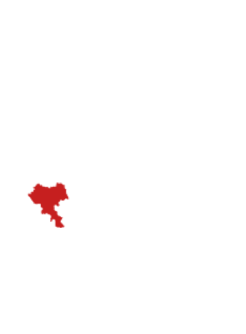
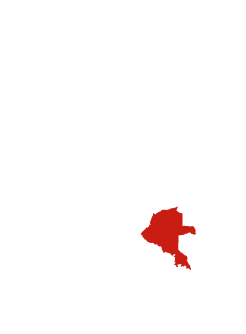
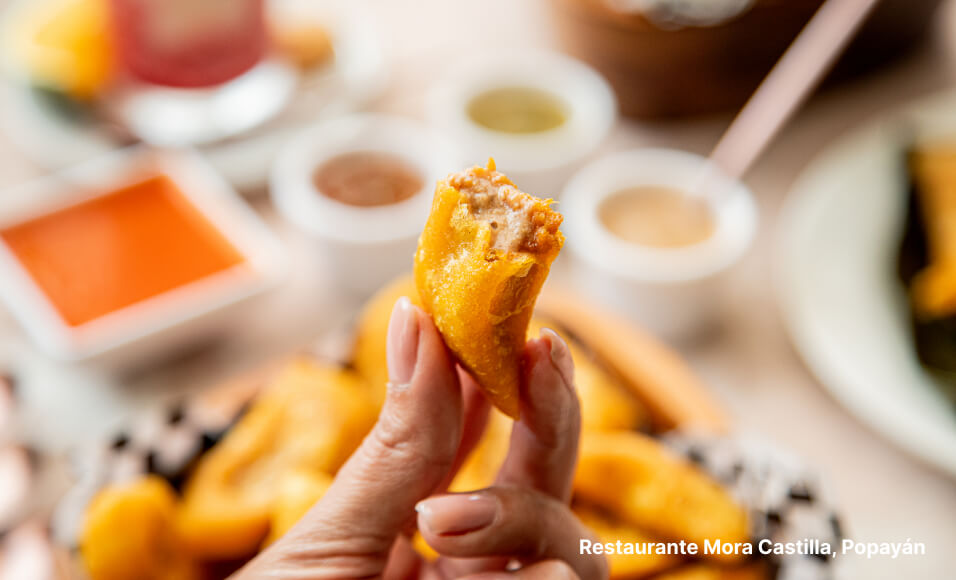
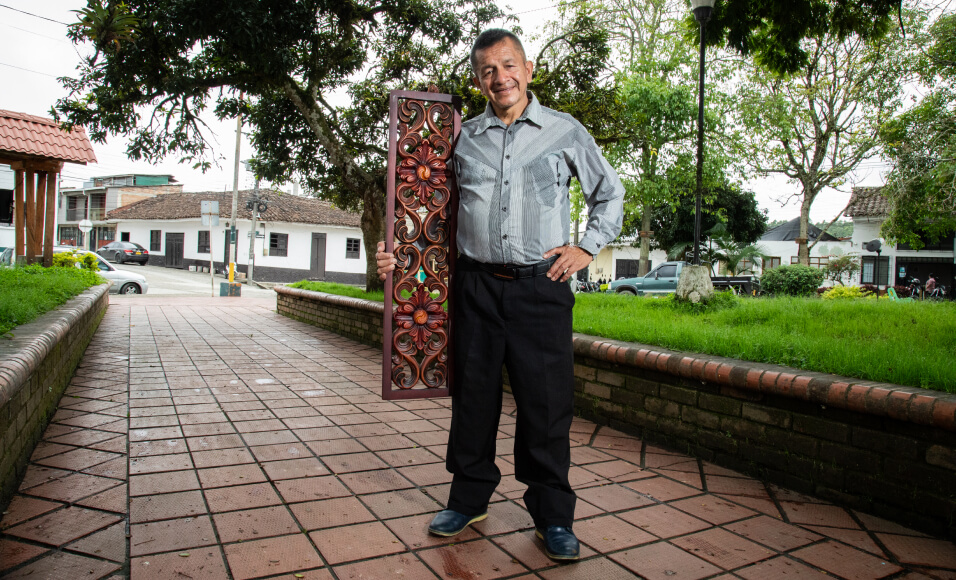
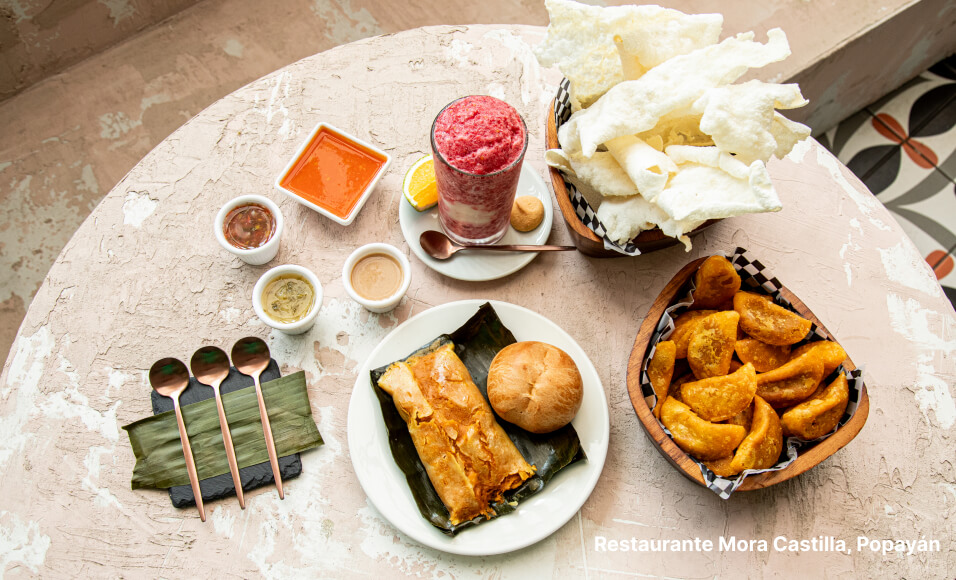
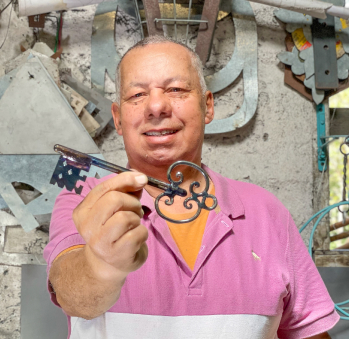
Every day, there are more frequent flights to Popayán. This has encouraged direct tourism to the city and makes us very pleased for the purposes of this map (keep in mind that, although Popayán can be reached through Cali, a major road construction will soon begin, which will make it difficult to access this road due to periodic closures). In this city of white houses stained with lime, famous for its Holy Week processions in the Historic Center, you will have the opportunity to meet two unique artisans: a great weaver and a magnificent carver. The latter is considered an institution since he was the one who built the Cauca wood library. You can also discover its colonial traces meeting a couple of forge and stone masters who live in Pueblillo: a village that is already considered a Popayán neighborhood, just 12 kilometers away from downtown. It is essential to visit the museums and churches of the Historic Center. Many of them are samples of impressive Quiteño art. If it is January, enjoy the Pubenza Festivities, a tribute to mestizaje. In Pueblillo, look for don Ovidio Gerardo Ordoñez, owner of the oldest nightclub in Colombia, where there are more than 6,000 vinyl records. He can take you on the water route tour, a beautiful river walk. In these landscapes you will be able to bird watch and meet the local “barranquero”. The cuisine is a whole different chapter. The intricacy of the food is an experience that has been rigorously studied in academical contexts (Cocinas escondidas de la ciudad blanca, by anthropologist Carlos Illera). The richness of the food comes in all kinds and shapes: soups, stews, cold cuts, tamales, and sweets. These dishes have allowed the UNESCO to acknowledge Popayán as a creative city. They also credited the scene of the Gastronomic Congress of Popayán, which is an already famous event held every September. In addition to pipián, essential in its cuisine, it is important to try the chulquín: a stew based on treated hearts of giant reed (caña brava). You should also try the champús and the salpicón caucano. This last dish is a delicacy that was created by Doña Baudilia in the middle of the previous century. It is made with shaved ice from the Puracé Volcano. This shaved ice was also used to make blackberry ice cream with specks of soursop, lulo and panela syrup. The menu is endless, so you better prepare your suitcases and your palate. Use Popayán as your base to plan a trip to the coast or the eastern highlands.
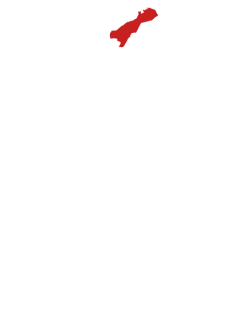
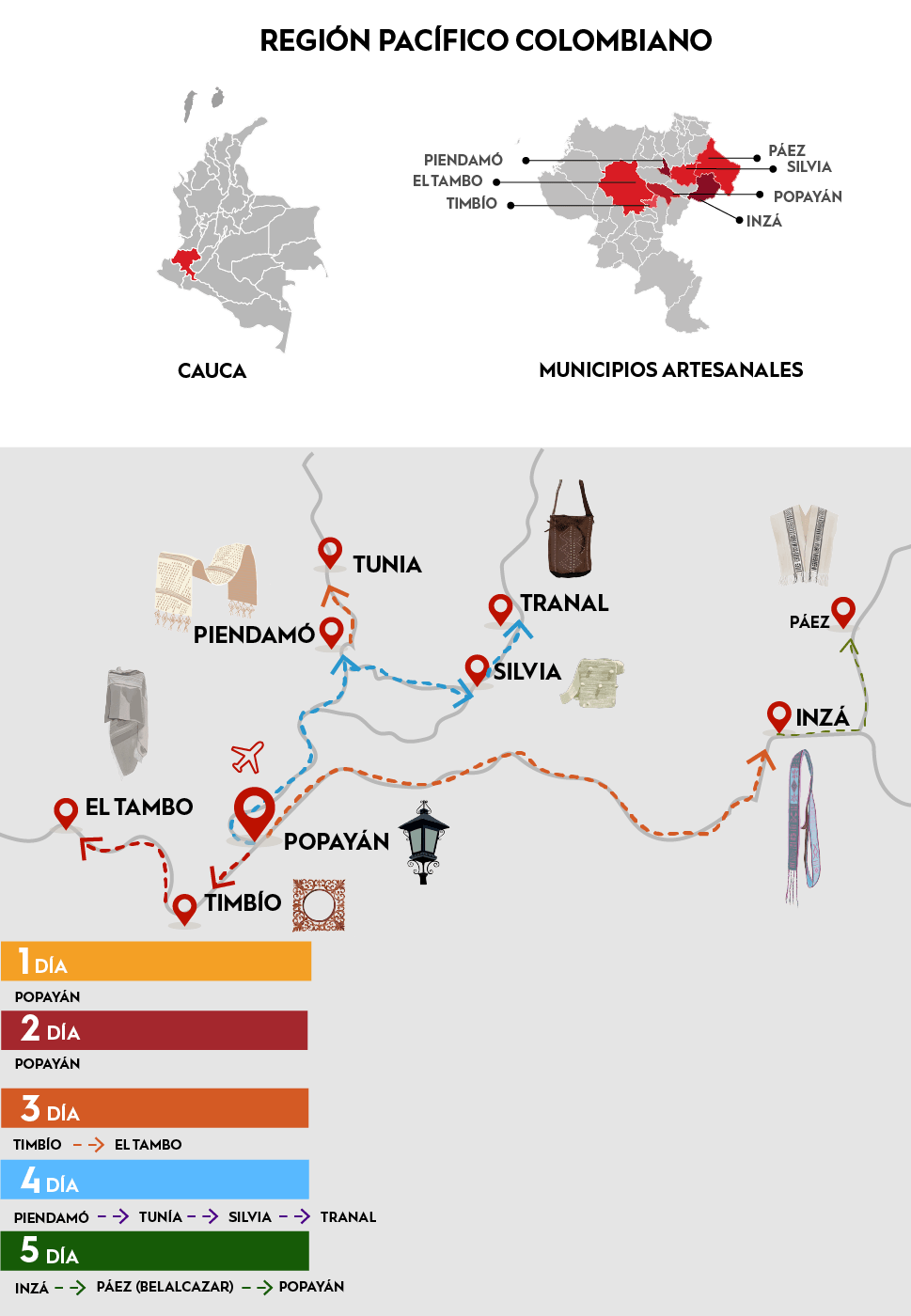
POPAYÁN - TIMBÍO – EL TAMBO
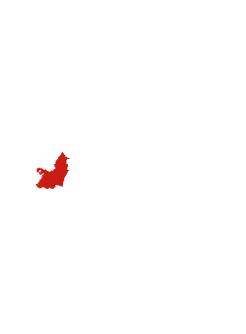
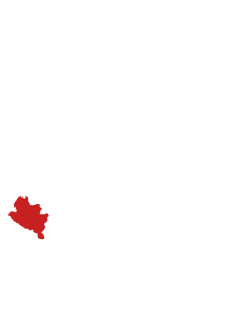
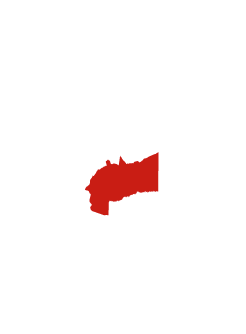
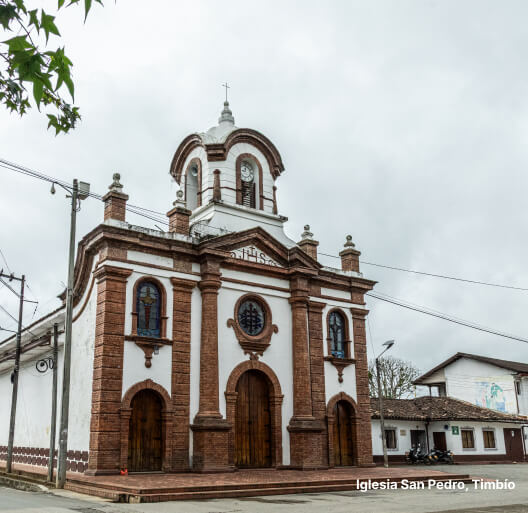
It is located less than 30 minutes away from the capital (14 kms.) To make this visit something exquisite, it is key to prepare yourself with memorable recipes such as the Timbiano bread and amasijos. Amasijos are piso breads made from corn. They are baked in wood-fired ovens and bring out the most delicious flavors of corn. In addition, in its market square it is commonly said that people eat “de la paila al plato” because of the freshness of the ingredients they use. So, be sure to try its stew, its sudado de pezuña, its beef tail and its lengua criolla. All of these are typical dishes worthy of being savored. And, finally, with a satisfied belly, you can visit Doña Amparo and her silkworms, and Don Jesús or Carlos, two woodcarvers worth visiting. If you wish, you can also stroll by a beautiful area and take a tour of the haciendas. These are tremendous mansions that were built in colonial and republican times. There, you can taste its specialty coffee “Tintos del campo”. Drink the flavors of the land and live a wonderful tasting experience! Also, visit the Perolindes waterfall and take a boat ride on Lake La Marquesa.
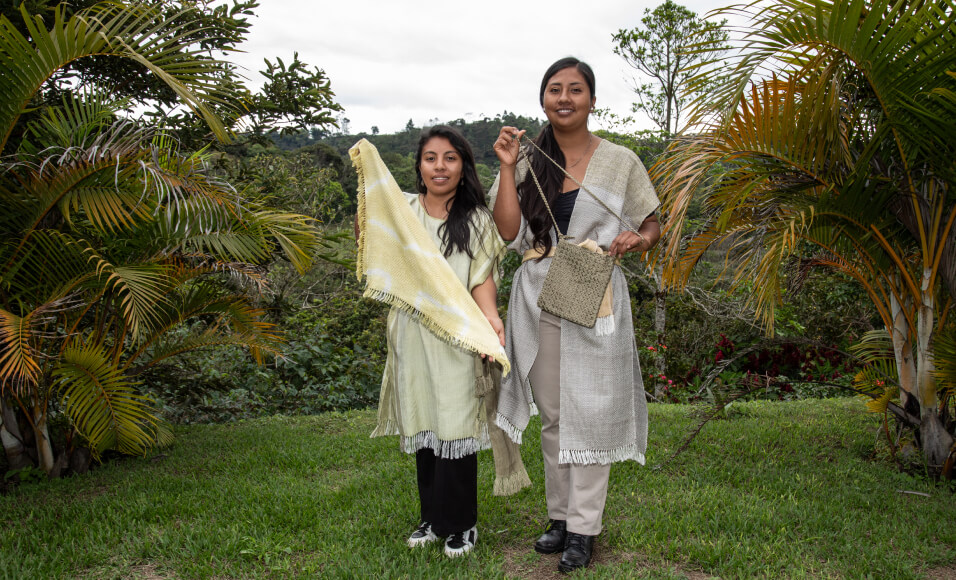
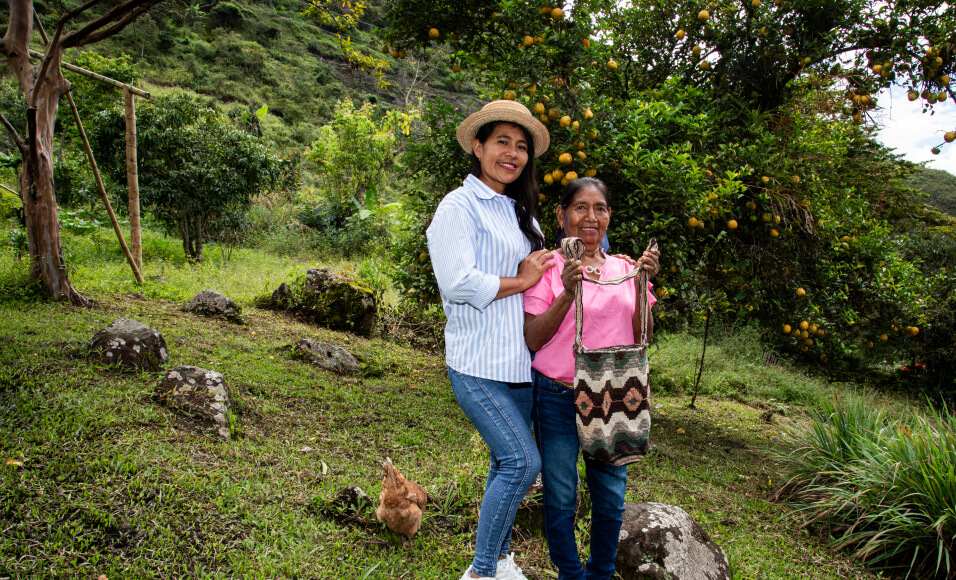
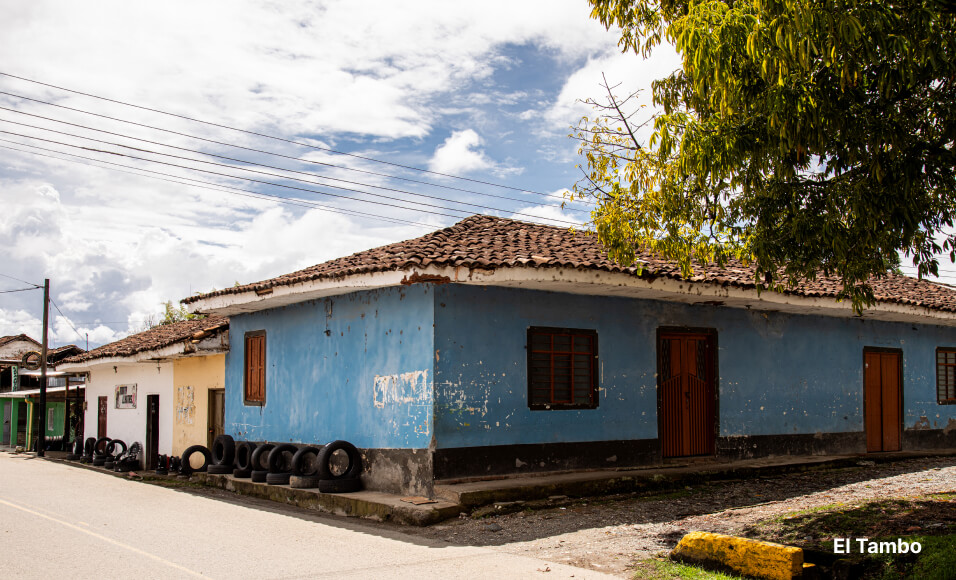
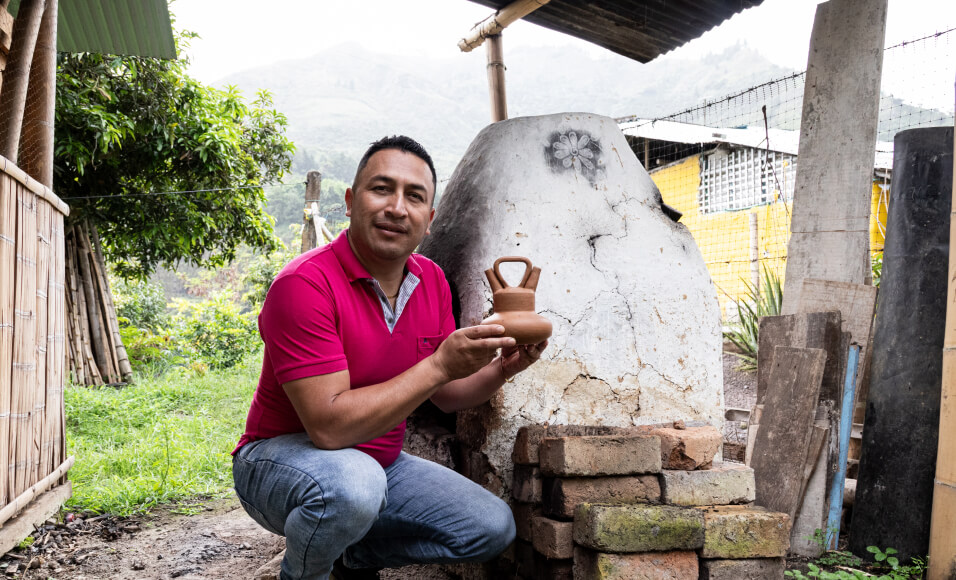
Just 24 kilometers away lies El Tambo, home to Agroarte, a collective of young artisans who are brilliantly combining the art of silk weaving with local tourism—an effort to put their town on the map for visitors to Cauca. Travel with local operators who can guide you safely to every corner, as they know the territory inside out.
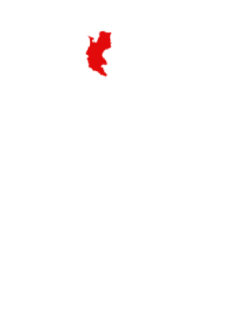
PIENDAMÓ-TUNÍA – SILVIA – TRANAL
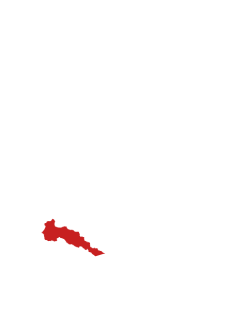
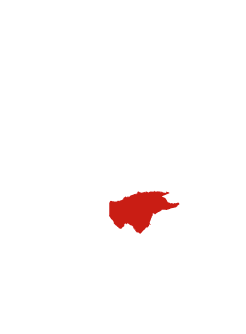
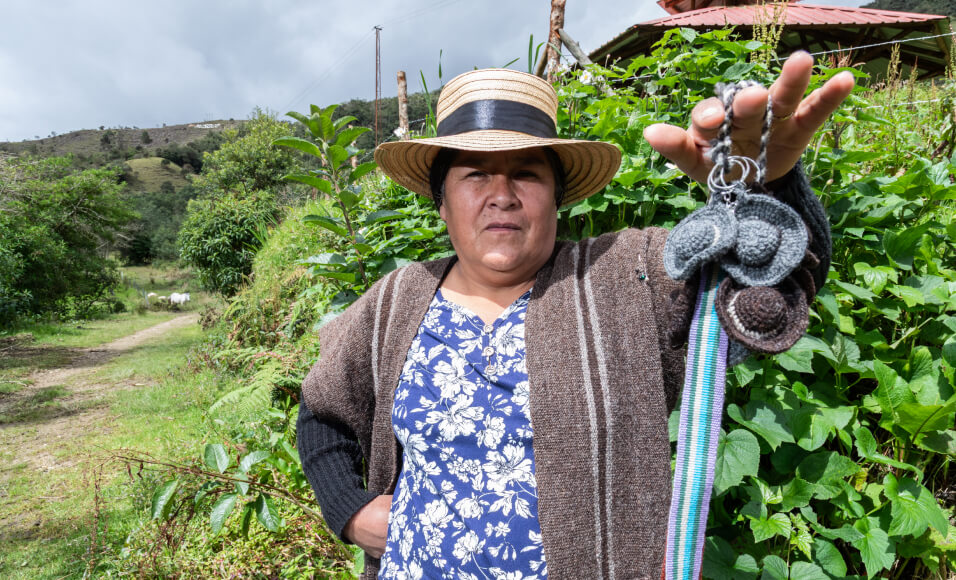
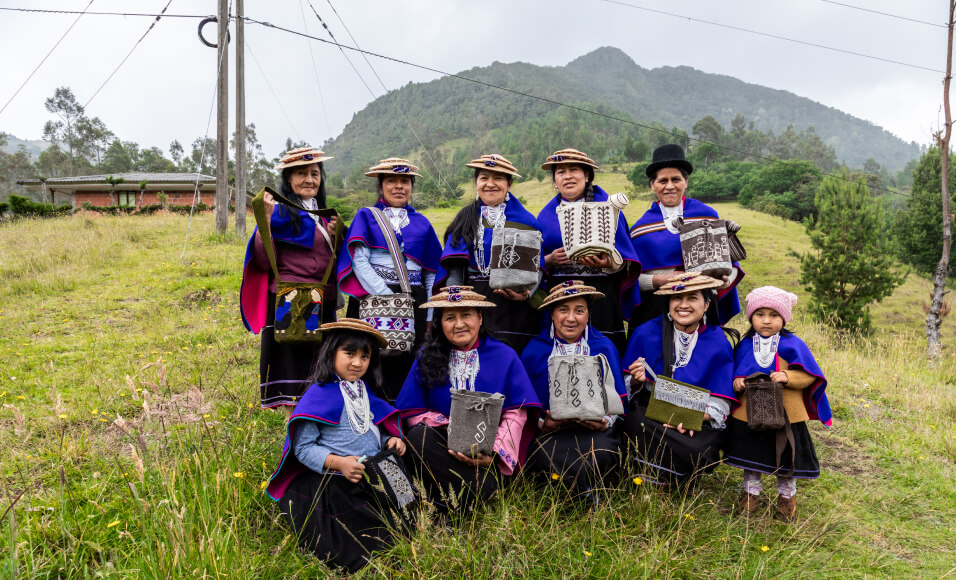
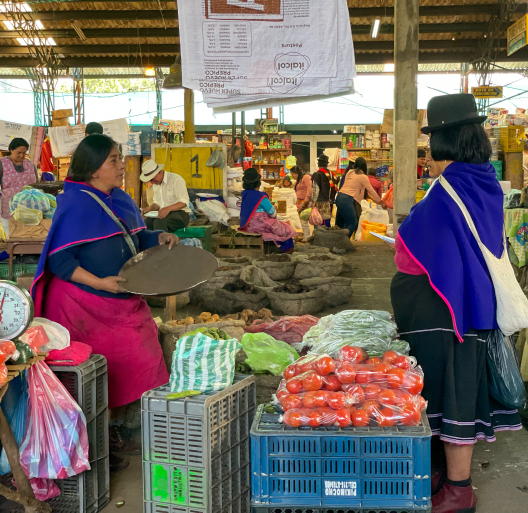
Located 37 km. from the capital, you will find the town of Piendamó. It is a great spot for you to plan your trip to Silvia and an extraordinary place to taste more delicious things like the famous lemon chicken. There, in the town of Tunia, you will be able to meet Maria Leida Calambás and her cotton weaving skills. Also, if you go in August, you will be able to enjoy a land filled with flowers. You will have the opportunity to visit the flower fields and the Coffee and Flowers Fair: a colorful display of beautiful silletas. You can add to your trip a handful of tours through ecological trails. Also, in Piendamó, you are going to find a railway station that is a nostalgic trace of a dream of progress that never came to be. You will also find several accommodation options. You can stay for the night, wake up early, and go visit one of the indigenous communities of the department: the Misak in Silvia. It is located 25 km. away from Piendamó and 59 km. away from Popayán. The best day of the week to go to this village is Tuesday because it is market day. On Tuesdays, you will be able to see the entire indigenous community tinging the streets of blue and fuchsia. This isn’t anything weird or peculiar: the Misak people usually wear their traditional colors during their daily lives. But being able to see them gathered in a single place is a beautiful experience. Here, guided by the artisans that we encourage you to visit, you will be immersed in their culture, which offers a singular way of perceiving the world. You will understand the colors, the uses, and the customs that govern and encompass them. With their guidance, you will be able to climb to the reservation where they live: Guambía. There, you will find their Tulpa or thinking center and the Misak university. You can also have a walk around Lake Chiman. Since it is a very cold region, evenings and mornings can be particularly chilly. You should pack warm clothes or even get yourself a Misak weave. Also, don’t miss out on the trout and on the traditional Aguapanela: it is a delicious drink made with sugarcane that you can enjoy with cheese. And don’t forget to pack boots for hiking through its steep mountains! You won’t regret the effort—the landscapes and the people are simply wonderful!
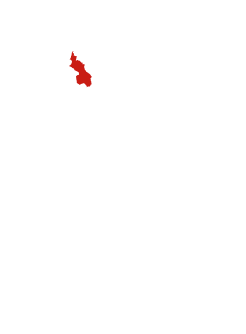
INZÁ – PÁEZ (BELALCÁZAR)
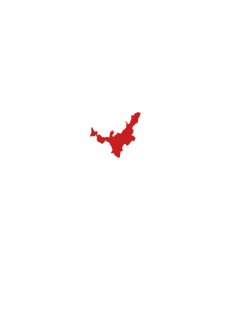
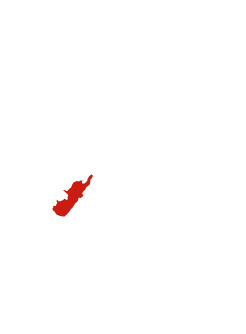
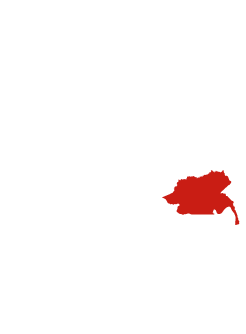
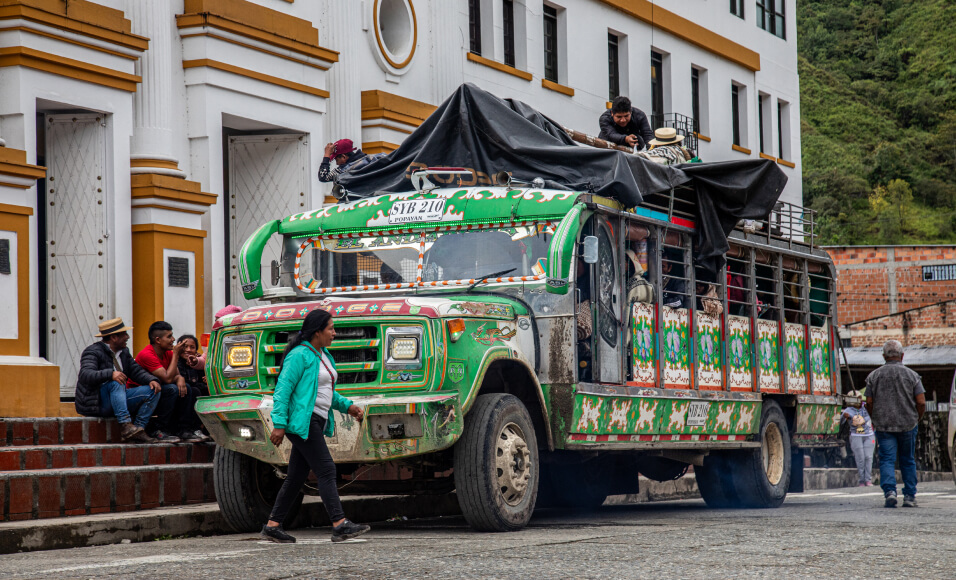
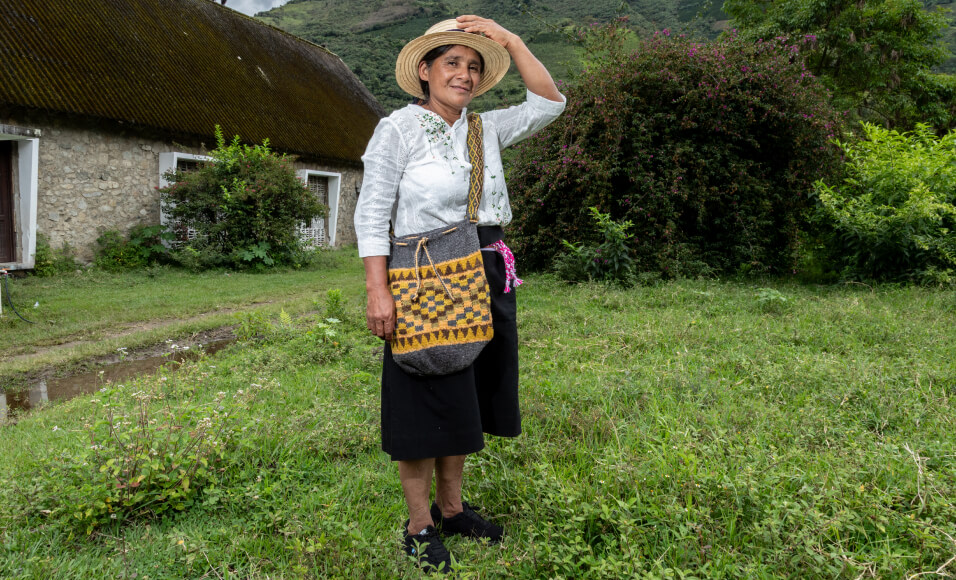
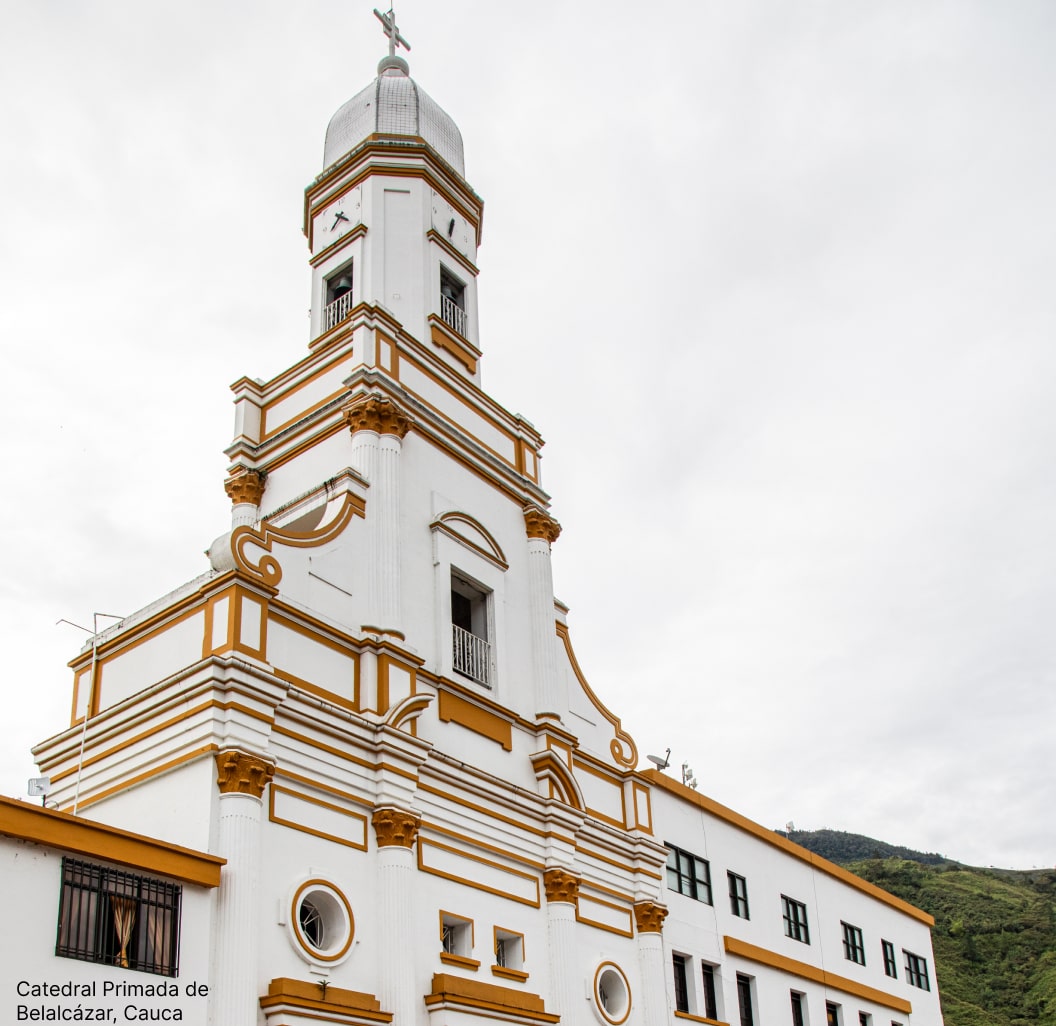
The final stage of the journey is no less thrilling than the rest. You can reach Inzá easily from Popayán (about 101 km, roughly a two-hour drive along the Totoró–Inzá road). But take note: to get to the Mosoco reservation in Páez-Belalcázar, you must travel from Silvia (46 km, about two hours on the road). Buses arrive in Silvia on Mondays, Wednesdays, Thursdays, Fridays, and Saturdays around noon, and from there they continue on to Mosoco. On Sundays and Tuesdays, however, they depart at 9 a.m. and head straight to Mosoco. This part of Cauca is home to the Nasa people, makers of the cuetandera, their traditional handwoven bag. Avoid traveling at night and always go with local operators who know every corner of the region—they will guide you on transportation options and schedules so you don’t lose valuable time, since bus service is not frequent. At these two stops, you’ll have the chance to meet Rosalba and Jeni Mildréd, Florinda and María Laura, and Diva Eufemia—the master artisans who have passed on to their daughters the beauty and depth of these richly meaningful weavings.
Route acknowledgement

Denominación de Origen
Café de Cauca
Recommended sites

Important information for your trip





Pueblo Patrimonio
La Red Turística de Pueblos Patrimonio de Colombia es un programa especial del Ministerio de Comercio, Industria y Turismo, ejecutado por FONTUR, que trabaja con 17 municipios de Colombia que poseen declaratoria de Bien de Interés Cultural (BIC) a nivel nacional para su valoración y proyección mediante el turismo, generando así más oportunidades de desarrollo y sostenibilidad en las comunidades.

La Medalla a la Maestría Artesanal es un galardón que Artesanías de Colombia entrega anualmente, con el cual se hace un reconocimiento a aquellos artesanos, empresas y comunidades artesanales que, contando con una trayectoria destacada, sobresalen a nivel nacional por su excelencia en el oficio así como por preservar el quehacer artesanal.
Denominación de Origen
Es un signo distintivo que identifica productos reconocidos o famosos por tener una calidad o características específicas derivadas esencialmente del lugar de origen y la forma tradicional de extracción, elaboración y producción por parte de sus habitantes. La protección conferida sobre una Denominación de Origen implica que ninguna persona puede identificar con la denominación protegida productos iguales o similares a los amparados, cuando no provengan del verdadero lugar y no cumplan con las características o calidades que le han dado la reputación al producto reconocido. Las Denominaciones de Origen para productos artesanales colombianos que han sido protegidas por la Superintendencia de Industria y Comercio en nuestro país son actualmente 13.

Best Tourism Villages
Best Tourism Villages de ONU Turismo reconoce a pueblos rurales que destacan por sus valores culturales y naturales, la preservación de su patrimonio y su compromiso con un turismo sostenible que contribuye al desarrollo de las comunidades.



No puede copiar contenido de esta página