
Mónica González
Workshop: UNECOSOSTENIBLE
Craft: Weaving
Trail: Cesar Route
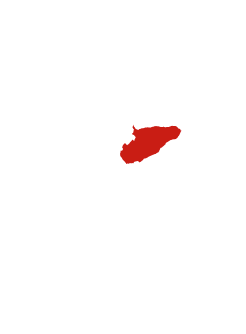
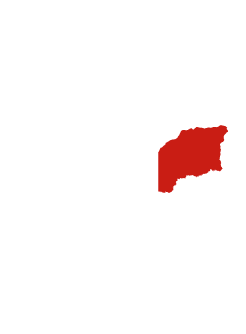
Location: Chimichagua, Cesar
SCHEDULE YOUR VISIT
Calle 1 # 16-05, Corregimiento Candelaria
3135039896
monica21mariaallan4@gmail.com
@esterasmundoartesanal
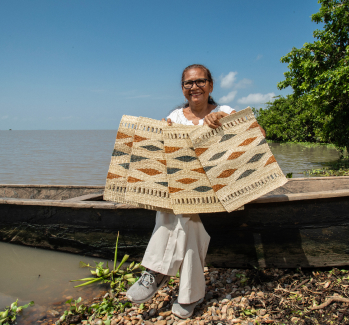
Nothing can stop Mónica. She knows exactly where she stands, and she knows there is no time to waste. The race against climate change has already left us behind, and far too many efforts and collective commitments are still needed to repair the damage we have done to the planet. Even so, she is not the kind of person who will sit idly by. She will do everything in her power to contribute to her world—that paradise she had the privilege of being born into: the Ciénaga de la Zapatosa in the department of Cesar.
She quickly points out that it is a Ramsar site, meaning a wetland of exceptional environmental importance because of the biodiversity it shelters. And she celebrates the fact that, thanks to the work they have carried out for more than a decade, mangroves are being restored and the wildlife that depends on them is beginning to return. Sloths have been spotted again. The area has become a sanctuary for migratory birds and for the trees that gift us the very air we breathe. She could talk about this endlessly. She is deeply passionate, and this is where her connection to craftsmanship comes in, because her mission has been the recovery and replanting of the fiber that has sustained the economy of Chimichagua—and especially the district of Candelaria, where she lives: estera palm. For nearly a century, people here have woven mats from this palm.
The shortage of raw material, however, is not simply the result of artisanal use. Rather, it forces us to confront the way wetland territories where the palm naturally grows have gradually been taken over by landowners—cattle ranchers, more specifically—who clear the land to create pasture for their livestock. The problem is that estera palm trunks are covered in sharp spines. When cows try to eat the leaves, their snouts swell painfully; the wounds can become infected and sometimes even fatal. Because of this, the palms are cut down. And the consequences are devastating. A palm capable of producing weaving shoots for thirty years takes fifteen years to fully mature. Do the math. Today, artisans say they must travel farther and farther every year just to gather the raw material from which they make their living.
Faced with this reality, Mónica and her organization, Unecosostenible, committed themselves to building a nursery that could both supply estera palm and cultivate all the additional species necessary to keep the ecosystem in balance. Their contribution has become so significant that they now work alongside foundations such as Natura and Alma. Today, they already manage a full hectare of the palm that provides work and sustenance to their community.
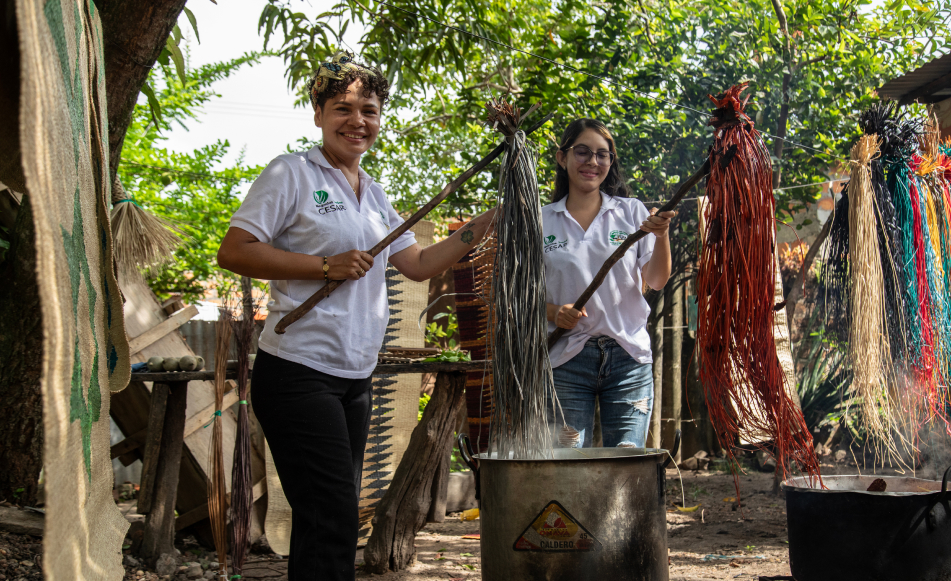
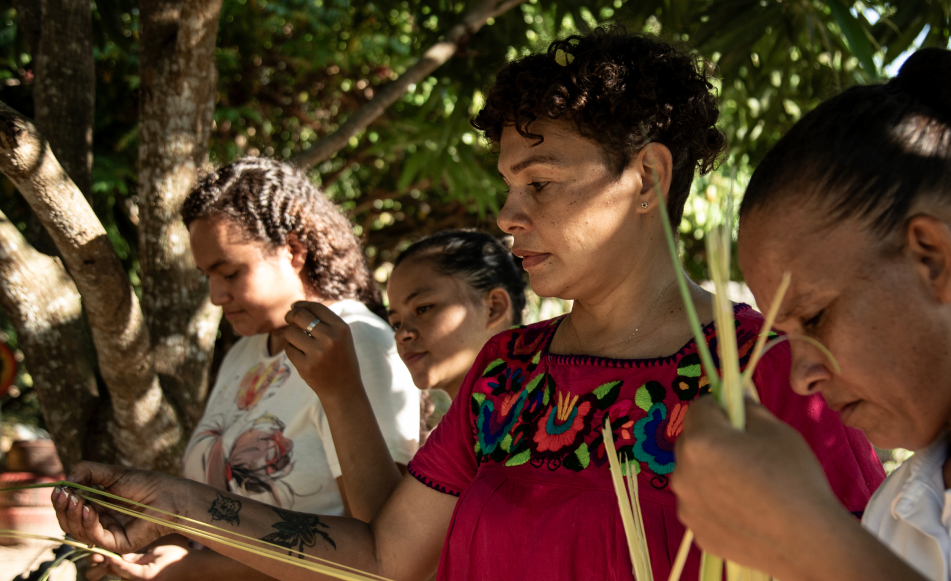
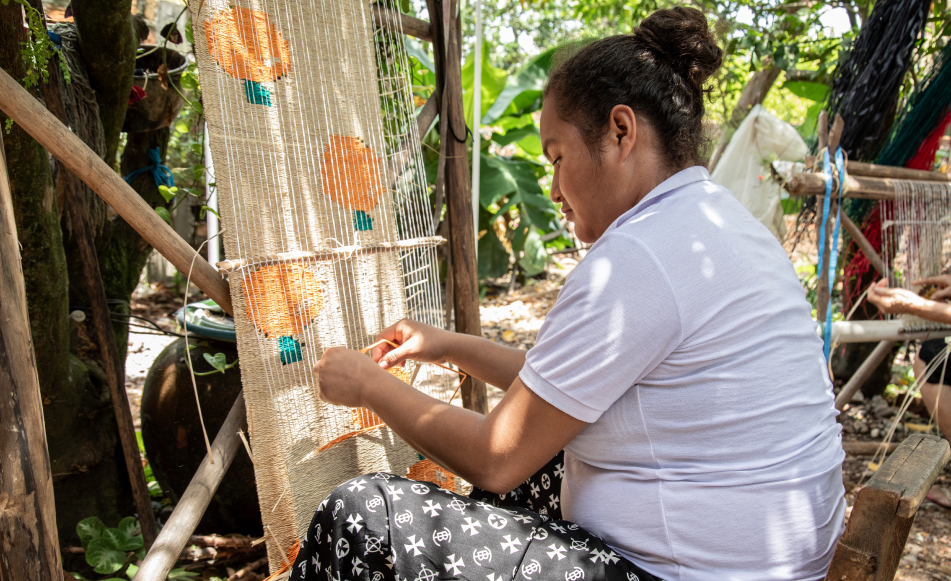
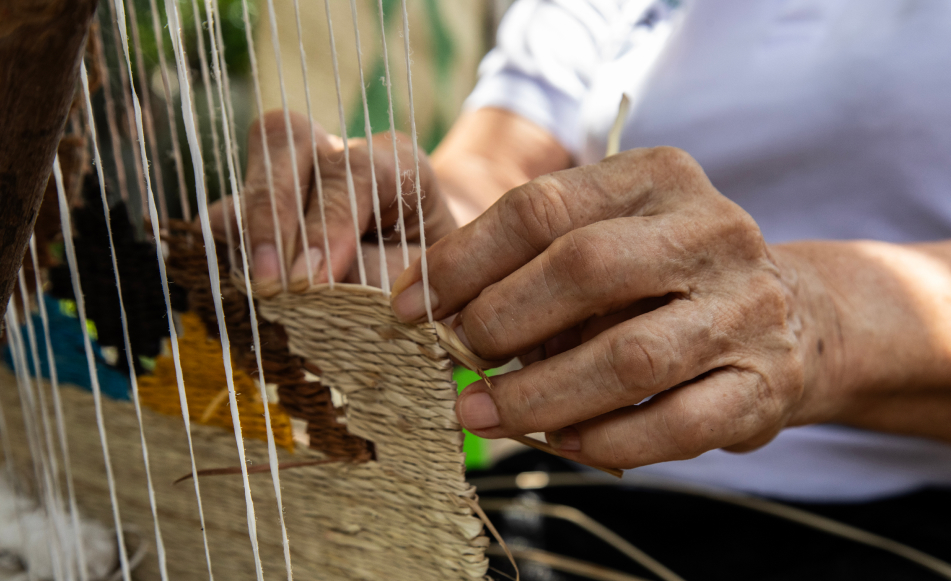
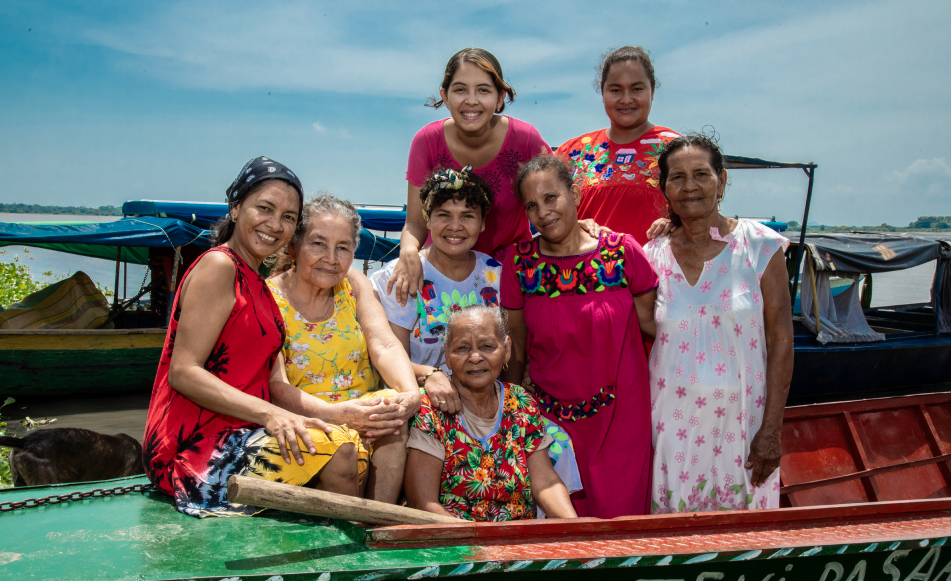
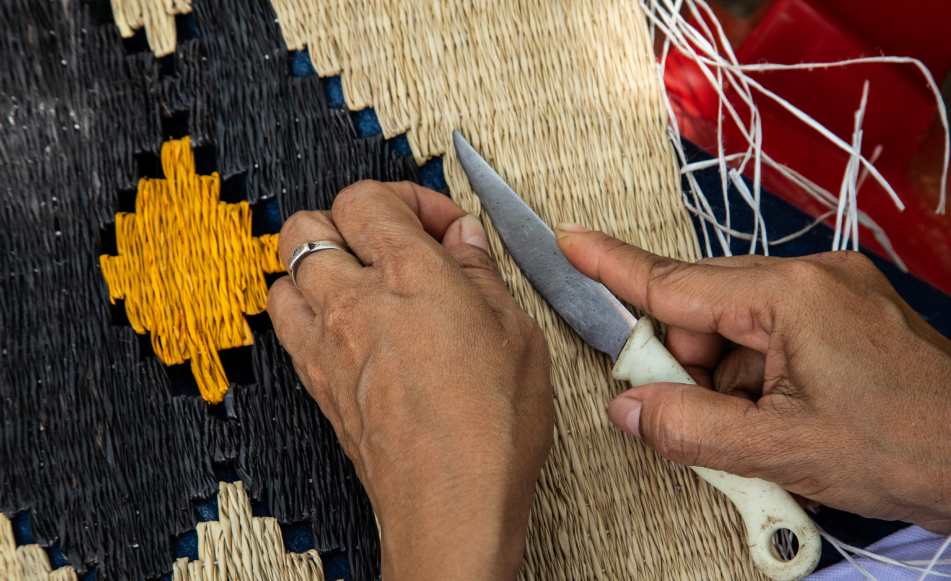
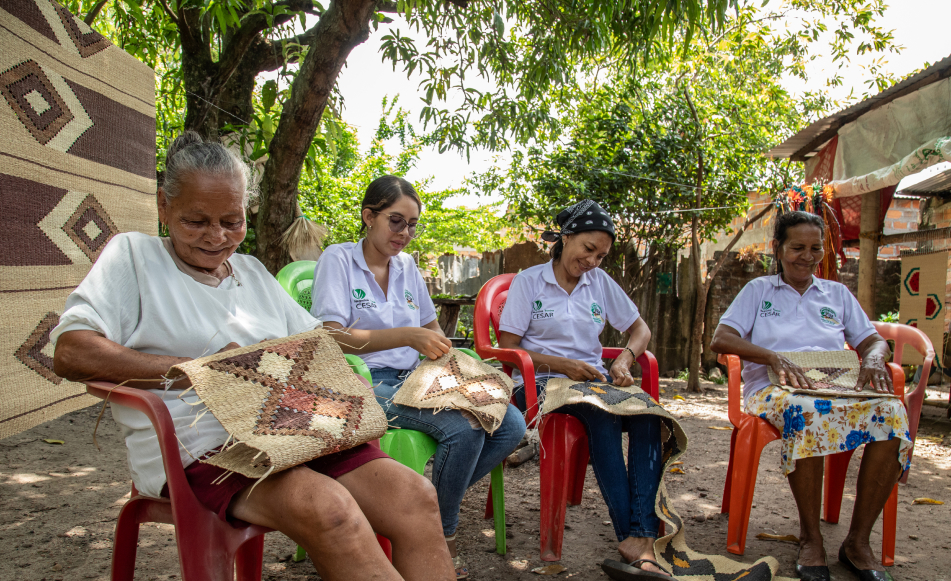
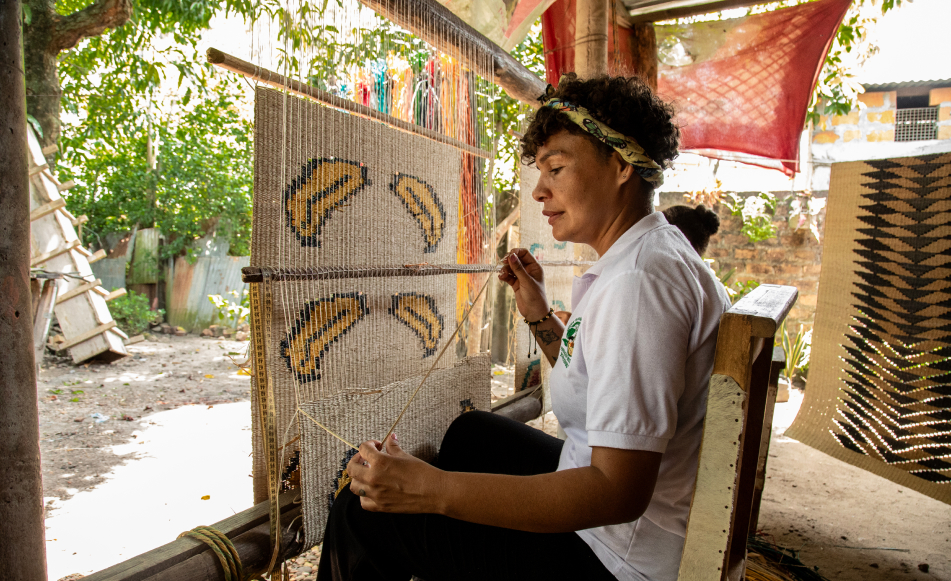
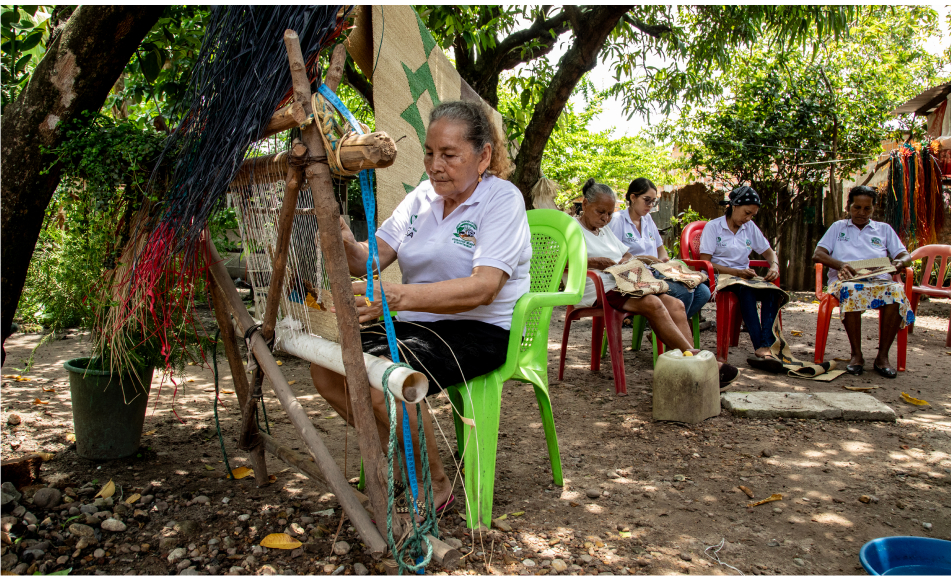
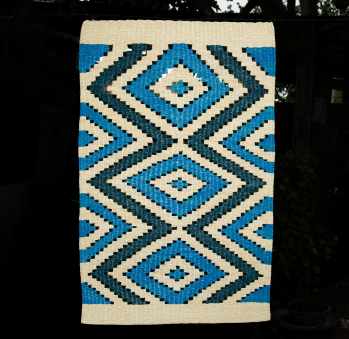
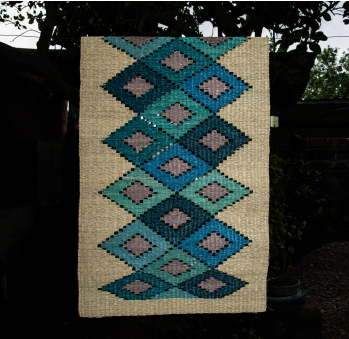
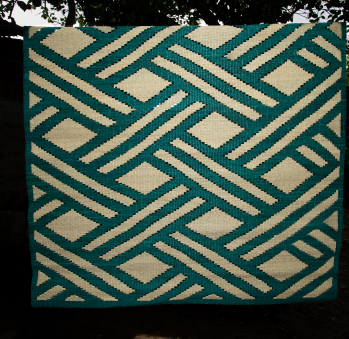
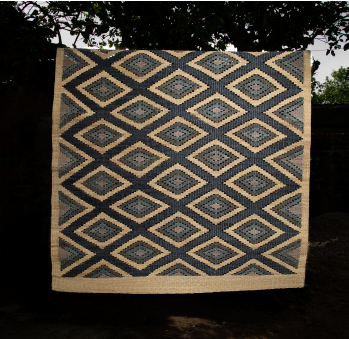
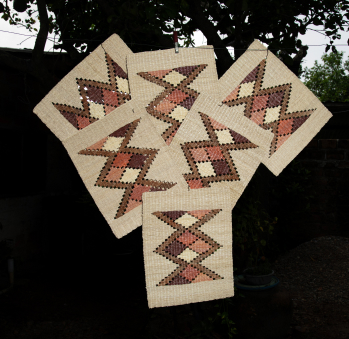
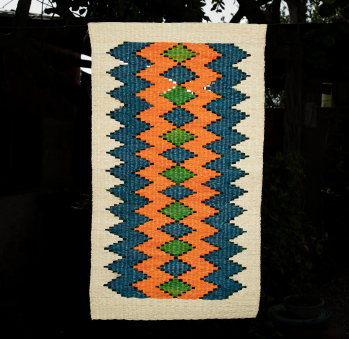
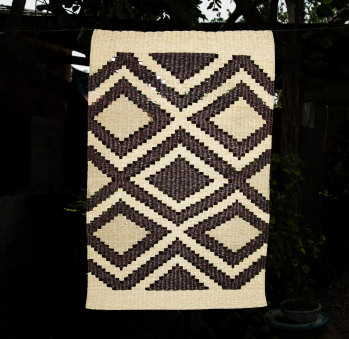
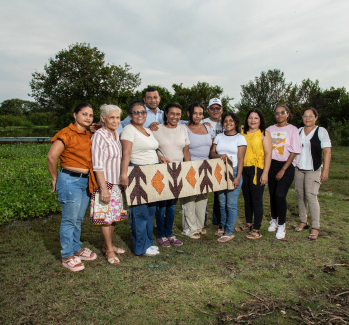
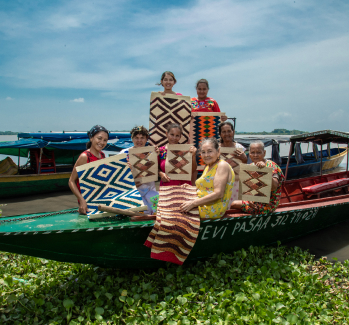
And the nursery did not emerge out of nowhere. Mónica vividly remembers her grandfather’s nursery. Though it lacked the technical sophistication theirs now has—thanks to the many training programs they have received—it held ancestral knowledge about native trees. For her, that is reason enough to reclaim the legacy and feel that she is honoring it by grounding herself in the deeper meaning of what we are, who we are, and where we are. That has been her driving force: standing on tradition in order to look toward the future. She speaks with authority about everything she has learned. But of course, she has not done it alone. Unecosostenible is made up of forty people: twenty-two artisans, along with fishermen and farmers. They support one another because they understand that each depends on the others. The artisans continue weaving traditional mats because they never want to forget their origins, but they also create innovative products so as not to be left behind by the market. Still, they remain committed to natural dyes and take pride in their broad palettes of ochres, greens, and grays—all drawn directly from plants. Because they strive, with consistency and conviction, to push back against destruction using their greatest strength: beauty.
Workshop and process
Craft
Artisans along the way
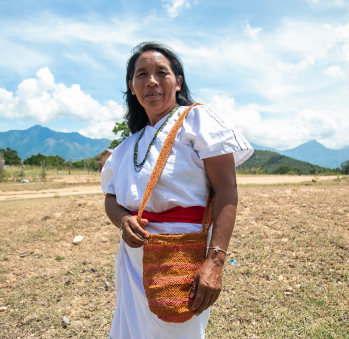
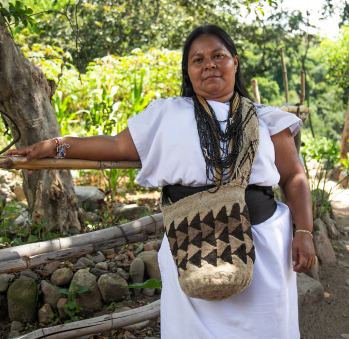
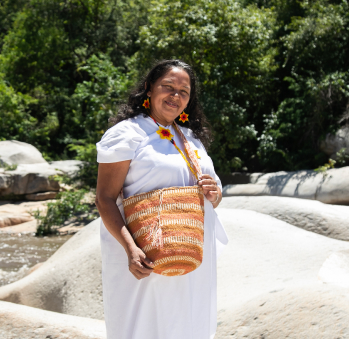
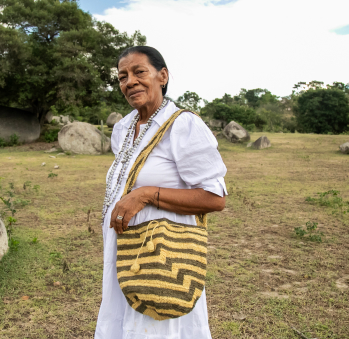
Artisans along the way



No puede copiar contenido de esta página