
Yamile Guzmán
Workshop: APROARPECC
Craft: Weaving
Trail: Cesar Route
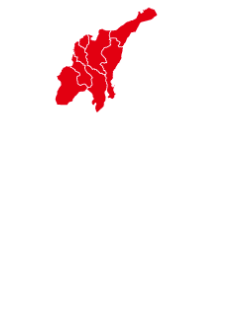
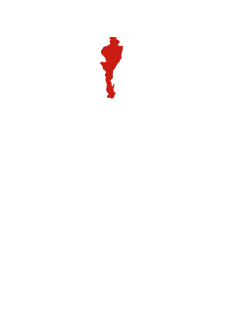
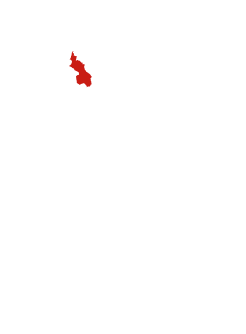
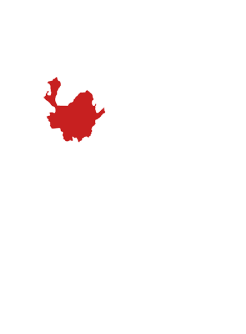
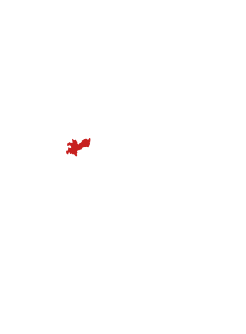
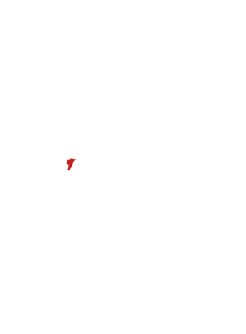
Location: Chimichagua, Cesar
SCHEDULE YOUR VISIT
Calle 1B # 4-58 Corregimieto Candelaria, Chimichagua
3135359383
aproarpecc2015@gmail.com
@esterascandelaria
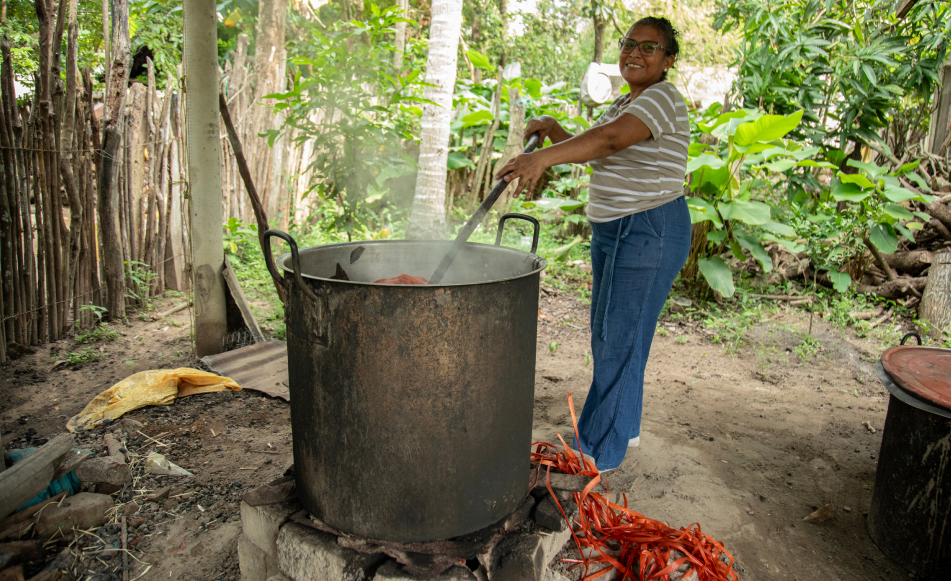
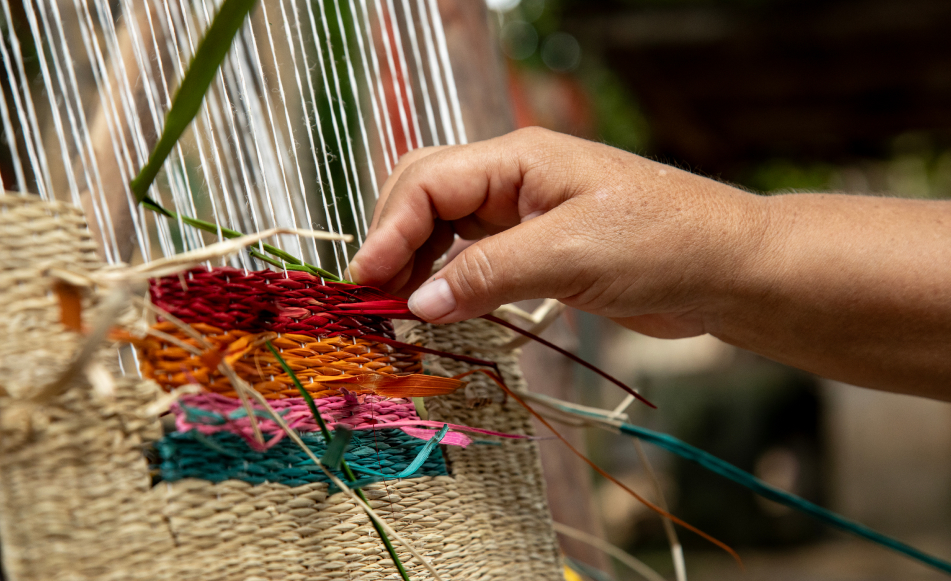
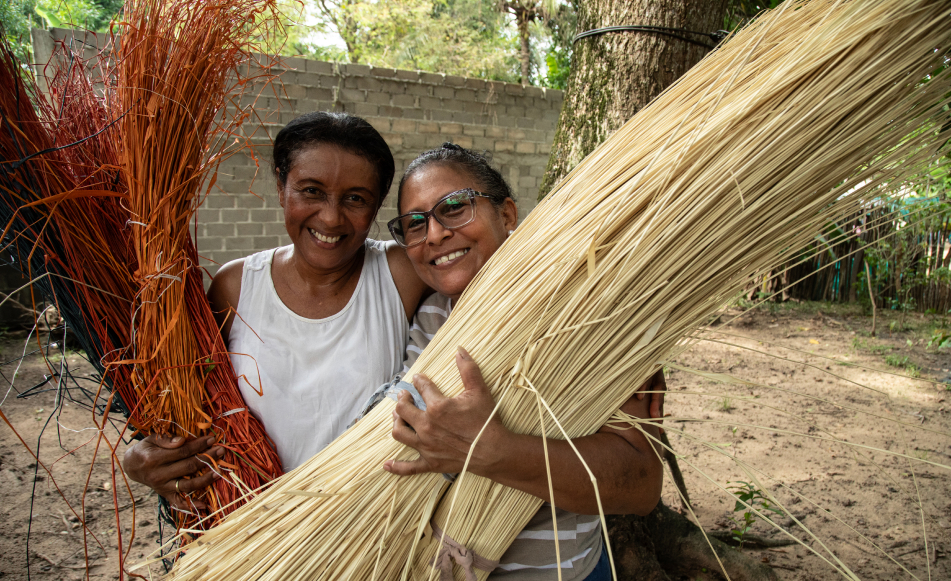
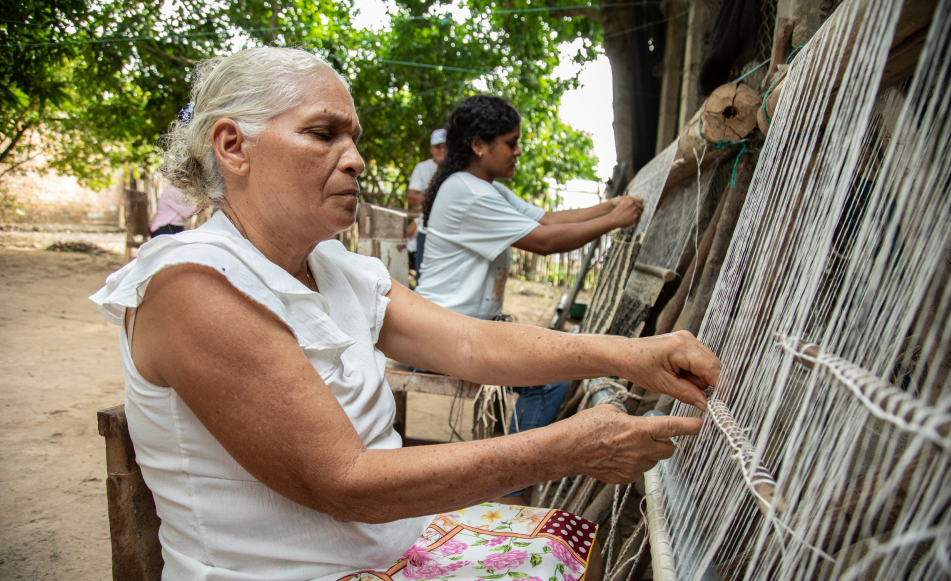
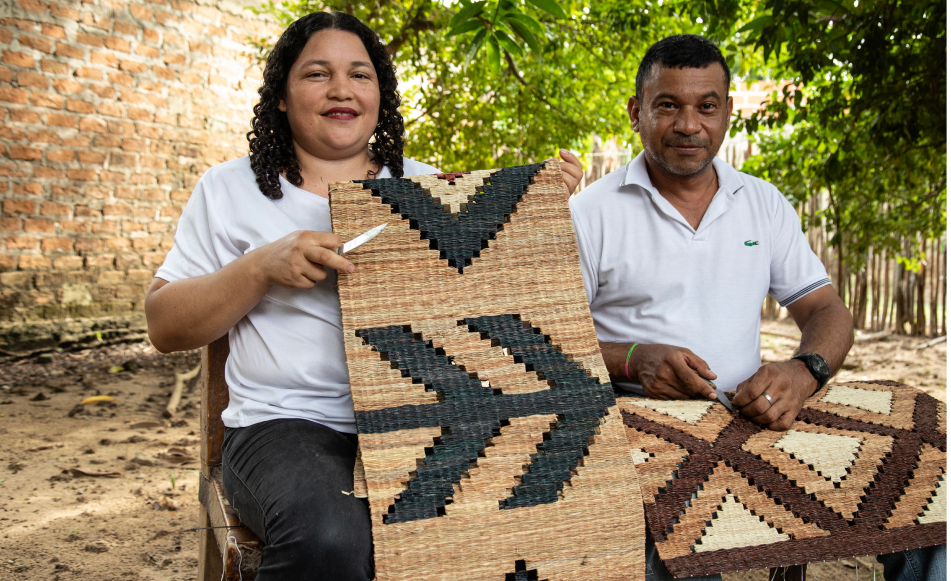
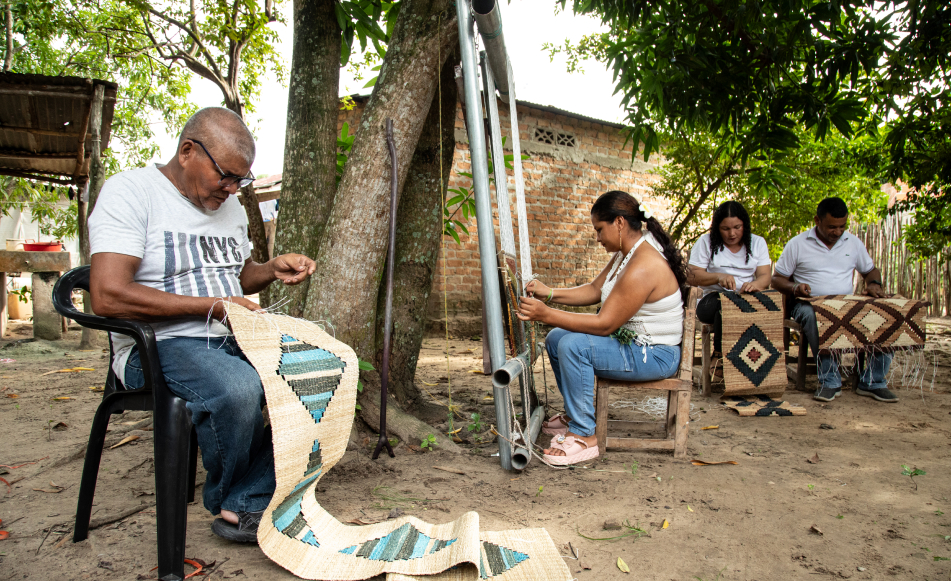
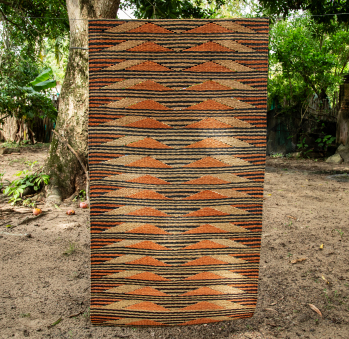
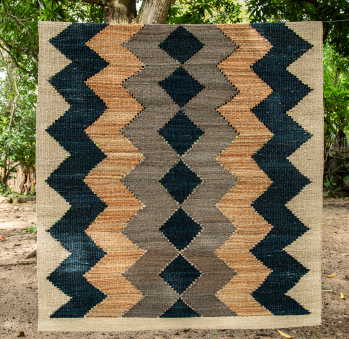
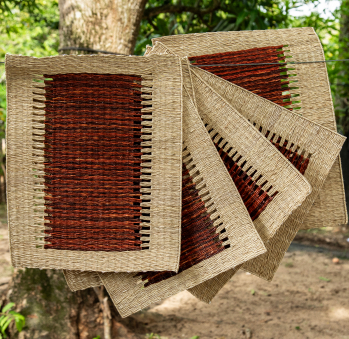
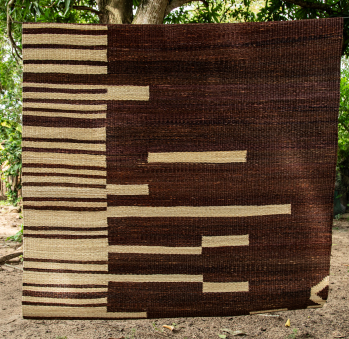
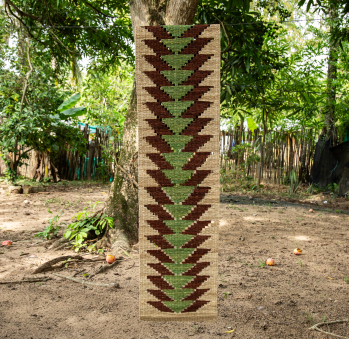
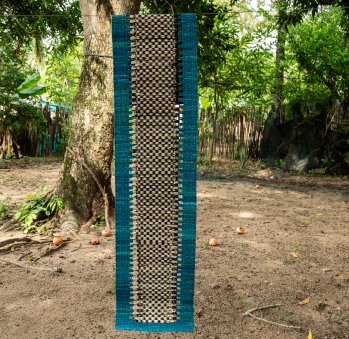
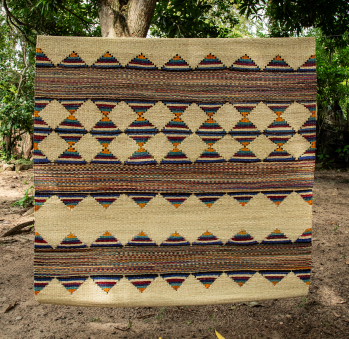
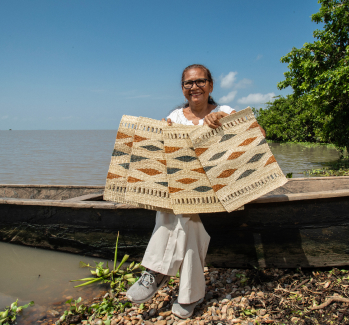
Yamile is an extraordinary source of knowledge. She effortlessly unfolds countless essential details about the sustainability of her beloved Ciénaga de la Zapatosa, weaving them together with the very real—and increasingly urgent—reasons behind the growing difficulty of accessing the raw material central to her craft: estera palm. In the end, it all comes down to one blunt truth: not owning land, despite living from the land. She speaks, too, about the deep-rooted connection her community in Cesar has to weaving estera palm mats, and she knows firsthand how this fiber has fed entire generations through its trade. She openly acknowledges that no one there becomes wealthy from the craft and that it was only a few decades ago that this traditional practice began to be recognized as true craftsmanship at artisan fairs. Still, as impressive, grounded, generous, and illuminating as everything she says may be, nothing compares to the way she refers to the palm itself. She once said that what they create with it is “the loom of life.” A phrase so powerful deserves to be slowly unraveled, just like the palm itself.
“For us, that loom represents so much,” she says in a rhythmic, self-assured voice filled with warmth that moves you. “It represents dreams—dreams we can achieve, thoughts we can express and shape while weaving.” She pauses, then continues: “And since life itself is a weaving, that’s where we begin to weave our first ideas, our dreams. But it wasn’t easy. It’s never easy at the beginning.” She closes her eyes and remembers—not only her own life, but also the lives of so many artisans from her town with whom she has woven existence itself. They were children of farmers and fishermen, all hardworking, all devoted. Mothers who gave birth to countless children and still, with babies latched to their breasts, kept weaving because those mats meant groceries for the week. And then, with a knot in her throat, she speaks about what it means to truly know economic hardship: not having money for sandals, for school snacks, for pencils; carrying belongings in plastic bags because there was no suitcase; going hungry. “Violence is not only what comes from armed groups,” Yamile says, looking straight into our eyes. “Even if your own house survives a flood like the one we experienced in 2011, but your neighbor’s house sinks—that suffering affects you too.”
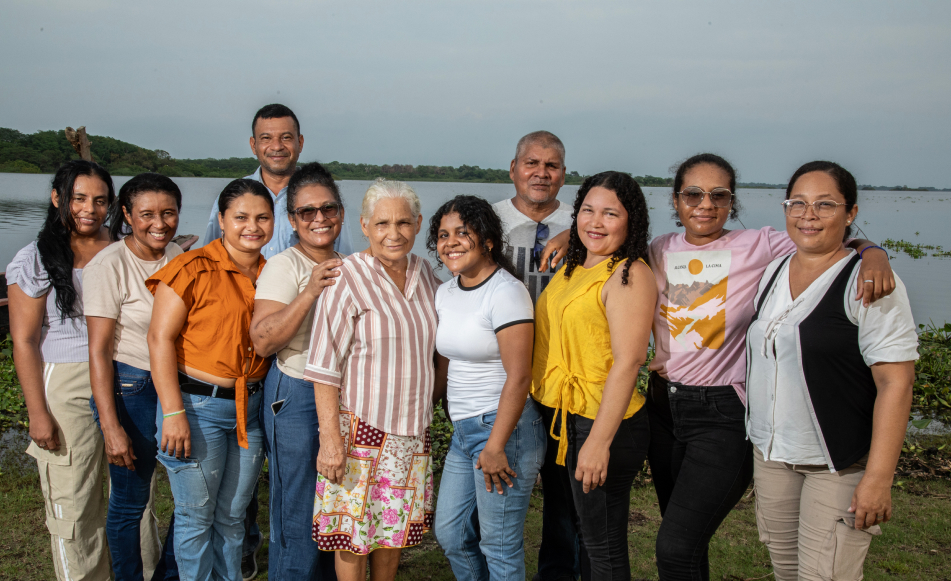
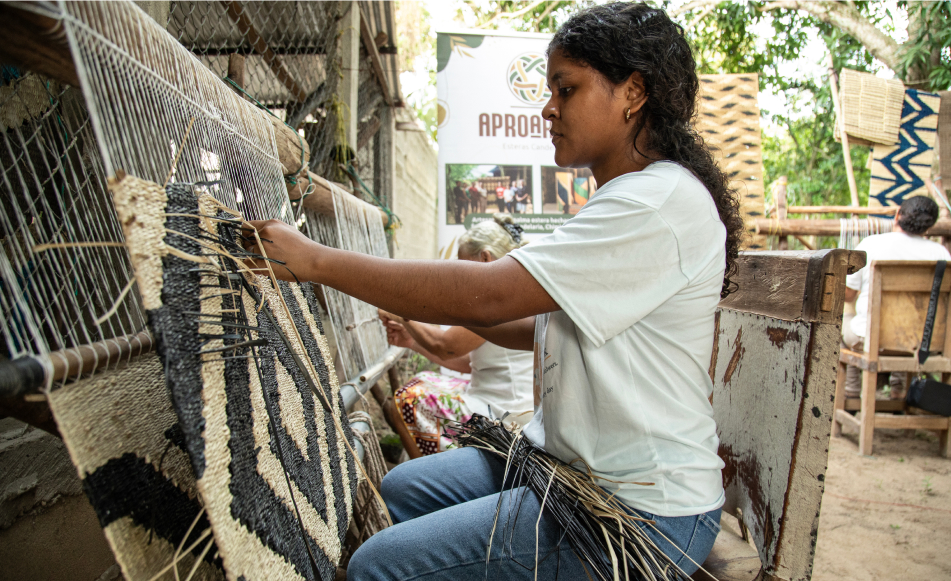
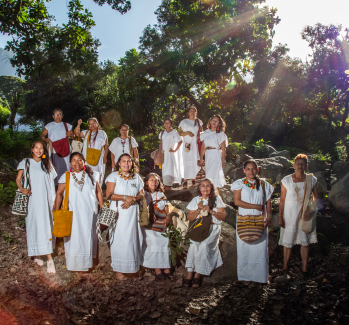
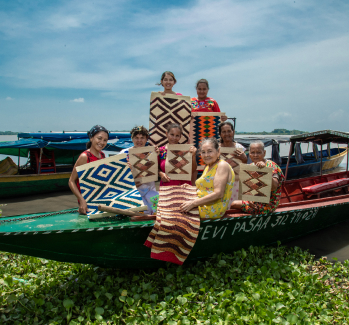
She brings up the devastating floods that struck Colombia in 2011 and eventually led to the government program Colombia Humanitaria. Ironically, it was through that tragedy that the helping hand they needed finally arrived. For years, they had been trying to formalize themselves as an artisan organization, but every step forward brought another expense they could not afford. If they managed to gather enough money to open a bank account, then they no longer had enough for taxes. They lived on the edge, and building a formal enterprise seemed impossibly difficult. So when the disaster struck and government aid and subsidies arrived to help communities rebuild, they held onto that support like a miracle. And they used it to finally establish the organization they had dreamed of for so long. With that came training opportunities, including programs from Artesanías de Colombia, which helped them improve their estera palm products and gain access to the market they so desperately needed. And so, in 2012, AproArpec was born: the Asociación Procesadora Artesanal de la Palma de Estera de Candelaria, Cesar.
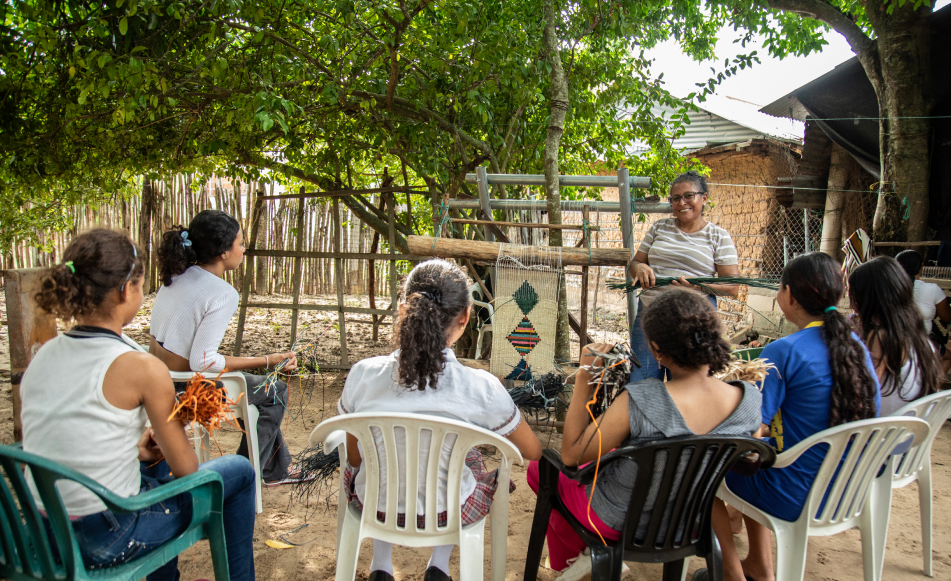
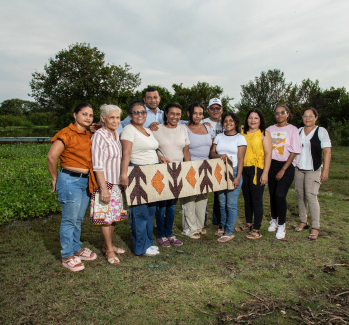
Many years have passed since the beginning of this initiative—and there is no denying that it changes lives. It has changed theirs. You only have to hear Yamile speak, or watch her move through the workshop, to understand that. You only have to see Mariana, a serious-faced twelve-year-old girl who arrived while we were talking and quietly explained that learning this legacy from Yamile mattered deeply to her. Like Mariana, many girls come to the workshop after school to learn weaving. Whenever they arrive, Yamile congratulates them—not only because the transmission of knowledge is guaranteed, since, as she herself says, “we won’t always be around,” but also because these teachings give them autonomy and freedom. Happily, she notes that the rate of teenage pregnancy in the community has gone down, and she is convinced that, in some way, her work has contributed to that change. “These girls no longer need to depend on a man or someone promising them five thousand pesos, only to demand something terrible in return later.” She knows this because she also understands that, given the needs people carry with them, the best thing her workshop can offer is not weaving lessons first, but a good meal. And so it becomes clear that the loom of life is filled with meaning. Because Yamile knows that the artisan’s true gift—the weaver’s true gift—is patience: that rare quality the rest of us so often lack, and that they seem to possess in abundance. How much there is to learn from them.
Workshop and process
Craft
Artisans along the way
Artisans along the way



No puede copiar contenido de esta página