
Jadis Garrido
Workshop: Asociación de artesanos de Candelaria ARCA
Craft: Weaving
Trail: Cesar Route
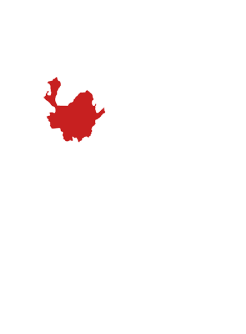
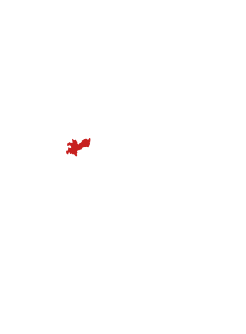
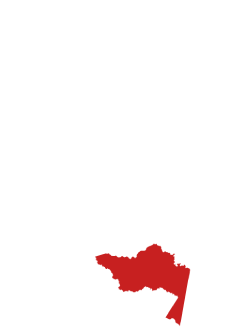
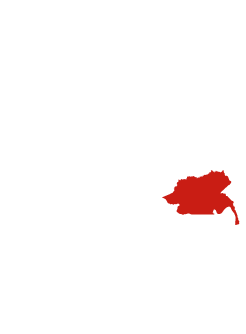
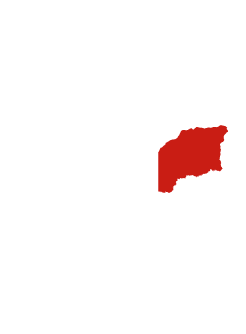
Location: Chimichagua, Cesar
SCHEDULE YOUR VISIT
Calle 1B cra 4-39, Corregimiento Candelaria
3134567332
jadisgarrido@gmail.com
@arca_jadisgarrido
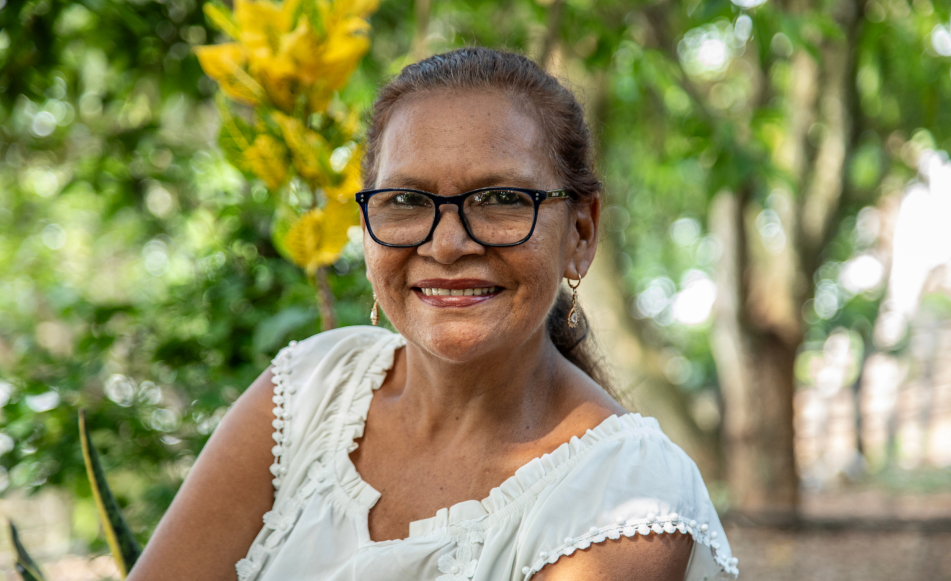
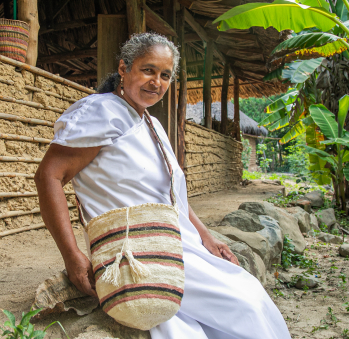
After speaking with her, one thing becomes unmistakably clear: Jadis is defined by sweetness. With the warm cadence so characteristic of Caribbean voices, she tells her story in vivid detail, drifting back through memory to her childhood home, remembering her parents fondly, her many siblings—fourteen in total!—and feeling grateful for the woman she has become: kind, generous, hardworking, and resilient. When you are tasked with helping raise half a family, there are only two ways to face it: with grace or with bitterness. There is no middle ground. Jadis, wise as she is, embraced it with tenderness and strength. Surely, when she was a young girl, she never stopped to think about any of this—how could she have, with so much to do? But now, with a little more serenity and distance, she looks back on her life and knows she did it well. And she smiles.
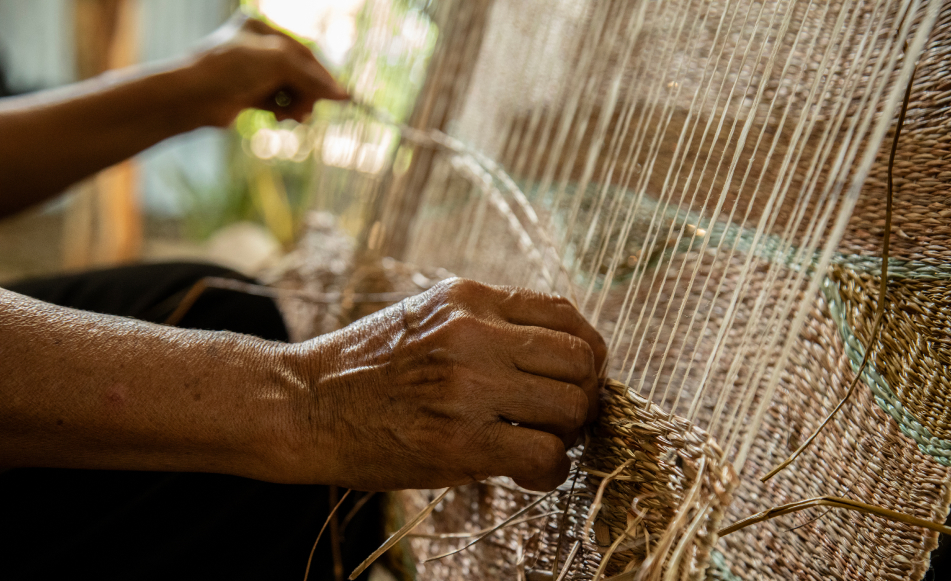
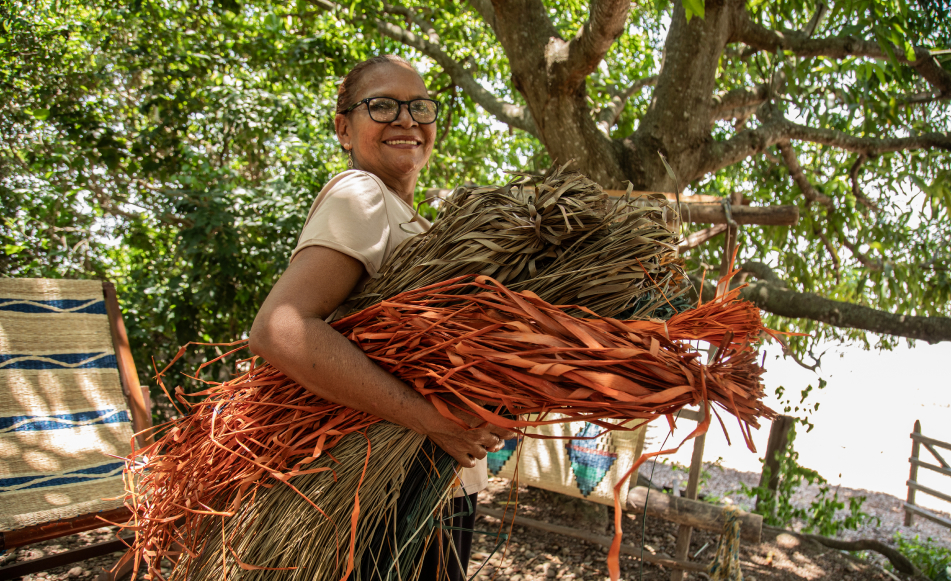
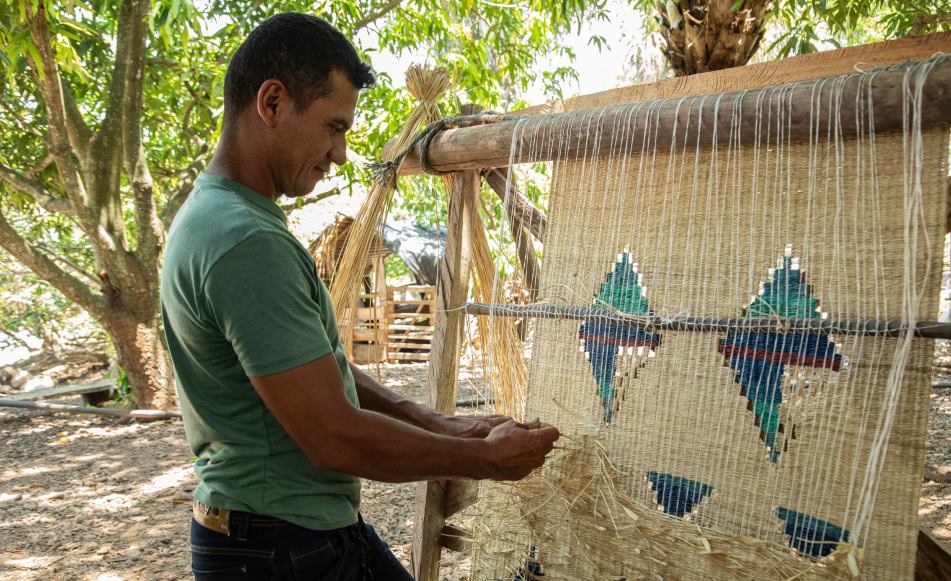
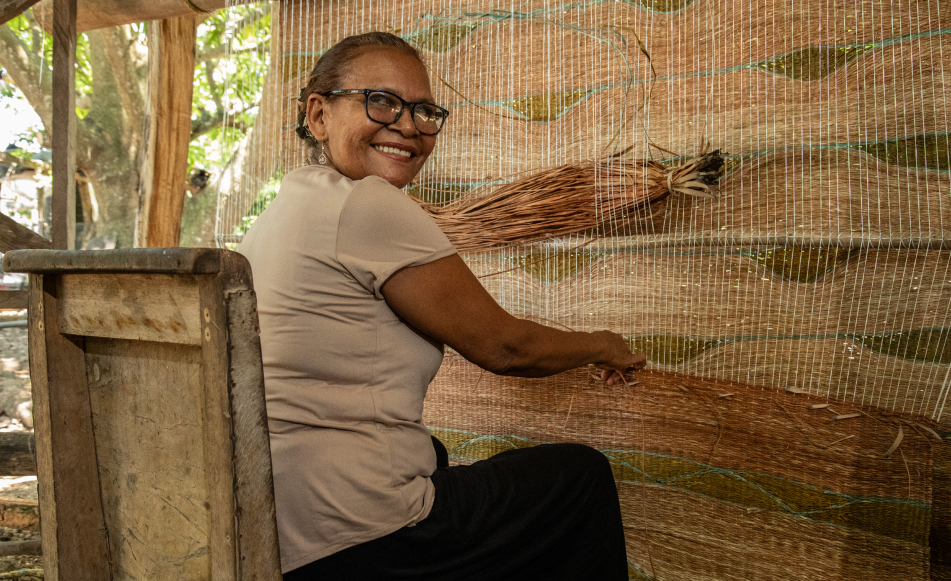
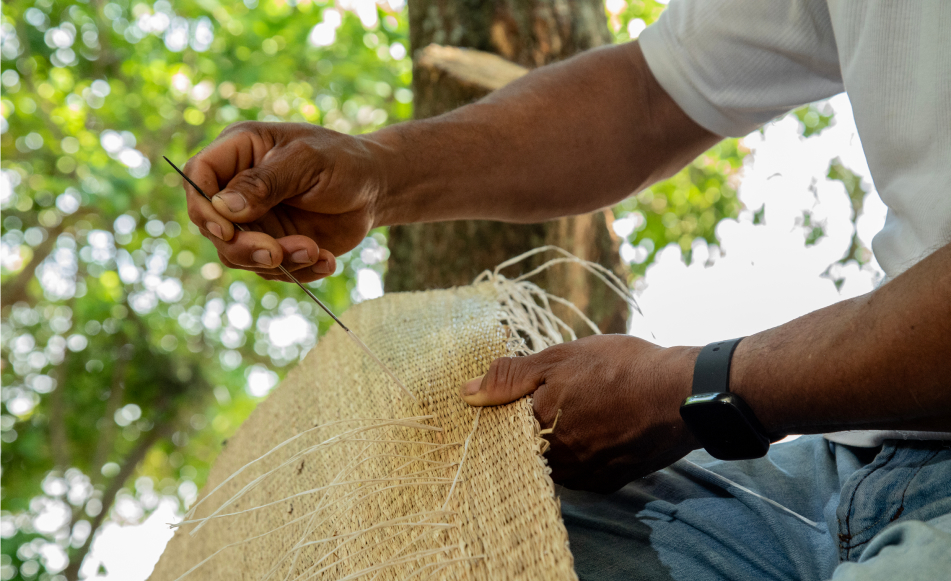
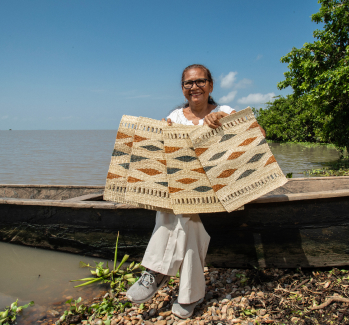
Her artisan memories are beautiful ones. She remembers how everyone at home, each with their own loom, wove estera palm mats—because every mat sold meant food on the table. Her mother, Doña Ana Julia, wove beneath the palm-thatched roof, while Jadis preferred to work in the patio listening to radio dramas like Arandú, Prince of the Jungle, or to the news and educational programs broadcast by Radio Sutatenza. Together with her father, Don Alberto—whom she still mourns deeply despite the years since his passing—she would ride out on their little donkey, La Negra, to gather palm, carrying along a few snacks for the journey. They never harvested during a new moon, though, because tradition says that palm cut during that phase will grow moth-eaten and spoil. She also recalls that she never truly learned weaving from him because he worked too quickly. Her mother, on the other hand, had more patience, even letting her slip a strand or two into the weave, though they occasionally had to unravel everything to correct her mistakes. That was how she learned at eight years old, and by ten she was already weaving her own little mats.
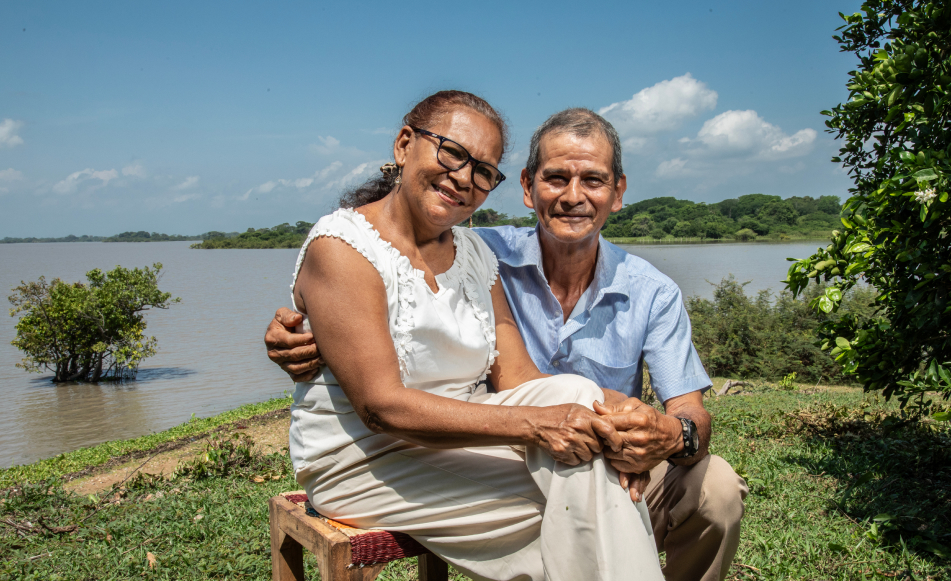
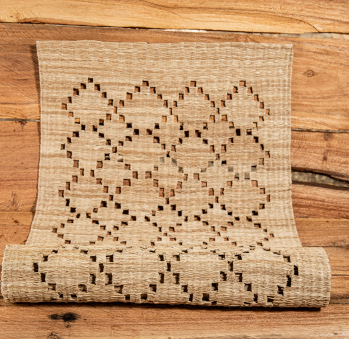
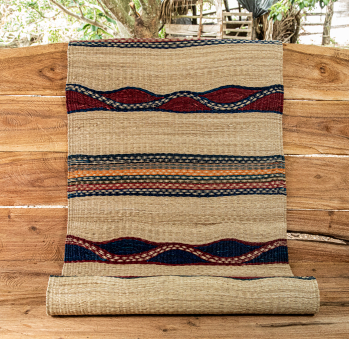
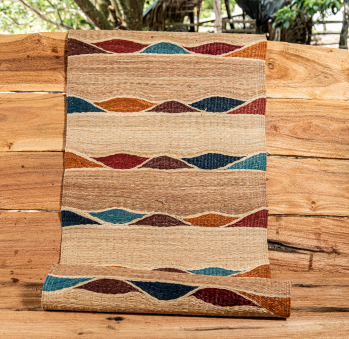
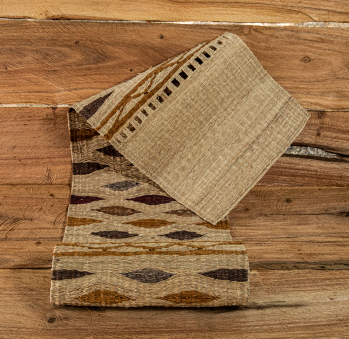
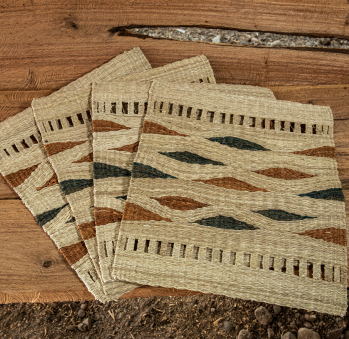
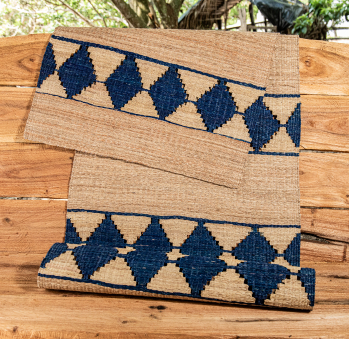
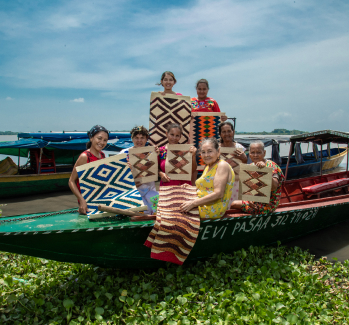
As a teenager, she cared for her younger siblings, but she also fell in love with the man who is still her partner today, Eduardo Rosado. They married—or, as she beautifully puts it, they “destined themselves” to one another—when she was sixteen, and together they began creating life. They had seven children, and today she celebrates the fact that all of them inherited a love for craftsmanship. From both parents, of course, because Eduardo had also learned weaving from his own mother and became a highly skilled artisan himself. Together, they love inventing new designs because Jadis has always liked standing apart from other artisans. In fact, she knows she was the one who started the trend of adding variations to traditional mats—creating moon-like patterns, as she describes them, instead of the customary stripes. Inspiration comes easily to her; she only has to look toward the magnificent Ciénaga de la Zapatosa, the vast wetland landscape that surrounds her home.
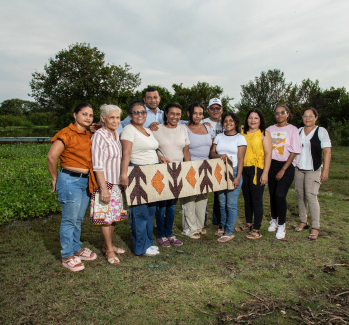
Still, reaching the place she occupies today—working alongside her family, leading a team of seventeen artisans, and having founded the first women’s weaving collective in her hometown of Candelaria back in the early 1990s—required enormous sacrifice. She shakes off the memory of those difficult years when estera palm weaving was not even recognized as handicraft work at fairs, when she would travel and fail to earn enough money even to return home. For nearly ten years, she and her husband endured hardship together, sometimes even hunger. She thanks God, and the generous spirit shared among artisans, because time and again it was fellow craftspeople who organized raffles so they could return home with at least a little money in their pockets.
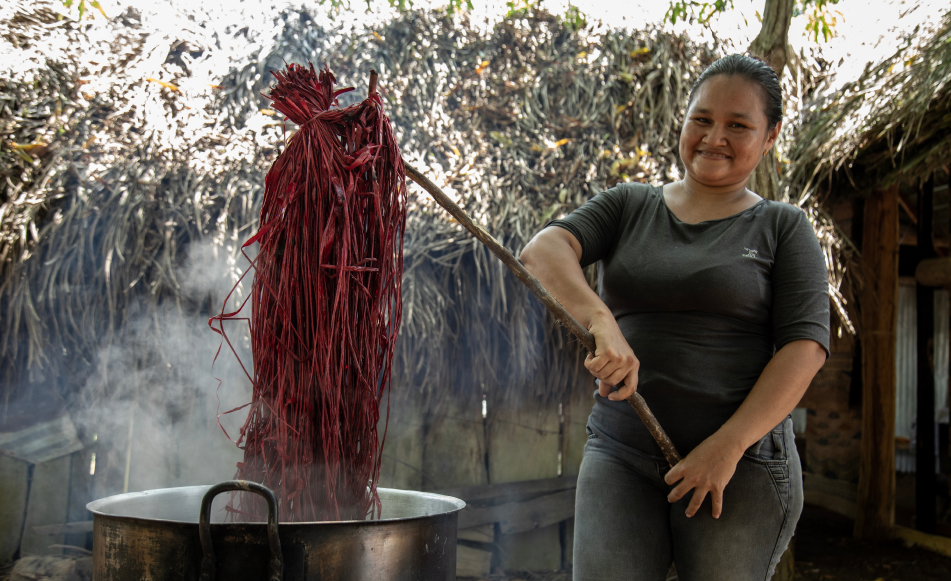
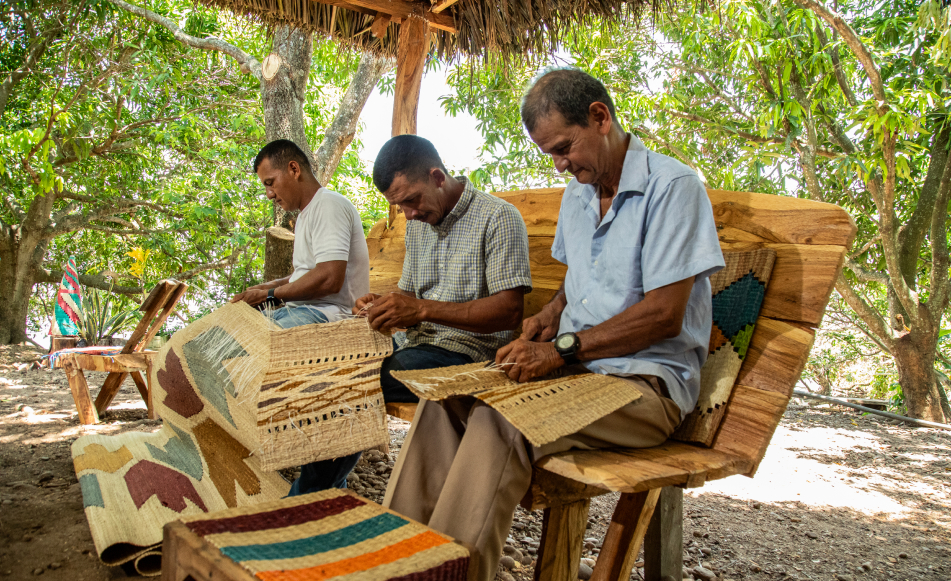
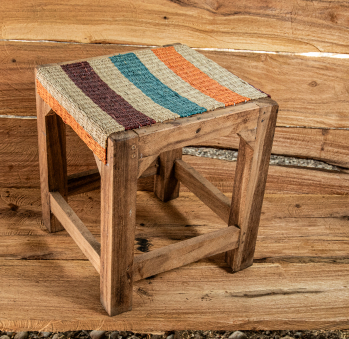
Eventually, estera palm creations claimed their place within the competitive world of Colombian craftsmanship—and what a place they earned. Today, this sophisticated fiber, dyed with natural pigments and shaped into exquisite designs, decorates homes across the country. Jadis looks back on the road she has traveled and humbly acknowledges the contribution she has made to the tradition of her land, her home. To celebrate life, she cooks with love, makes sweets, raises ducks, and serves her family a sancocho capable of making anyone happy. Just as she is.
Workshop and process
Craft
Artisans along the way
Artisans along the way



No puede copiar contenido de esta página