
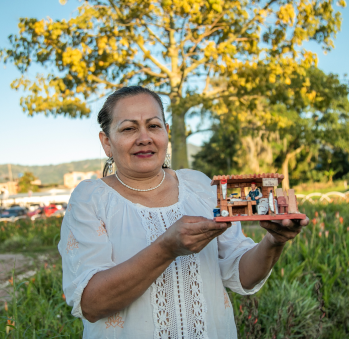
Judith Astaiza
Workshop: Astaiza Artesanal
Craft: Horn work
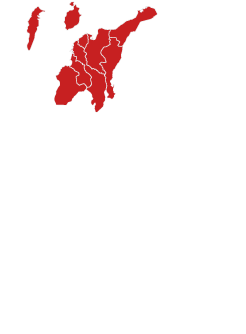
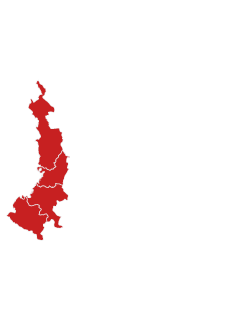
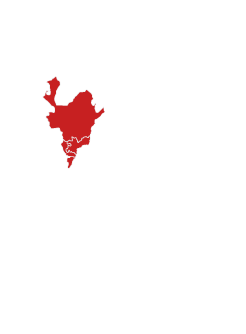
Trail: Huila Route
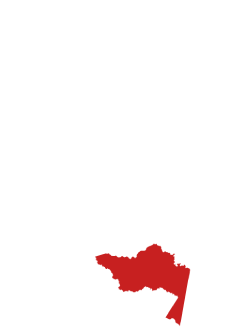
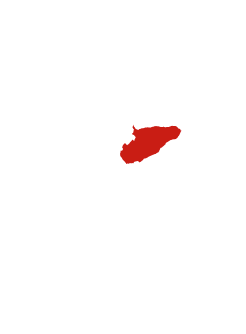
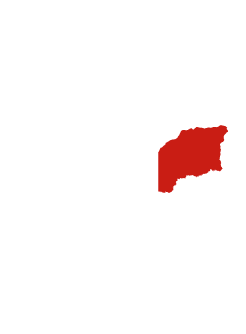
Location: Neiva, Huila
SCHEDULE YOUR VISIT
Calle 32 #10 A W-33
3124086298
astaizaar@gmail.com
@astaiza_artesanal
@100064327053287/mentions
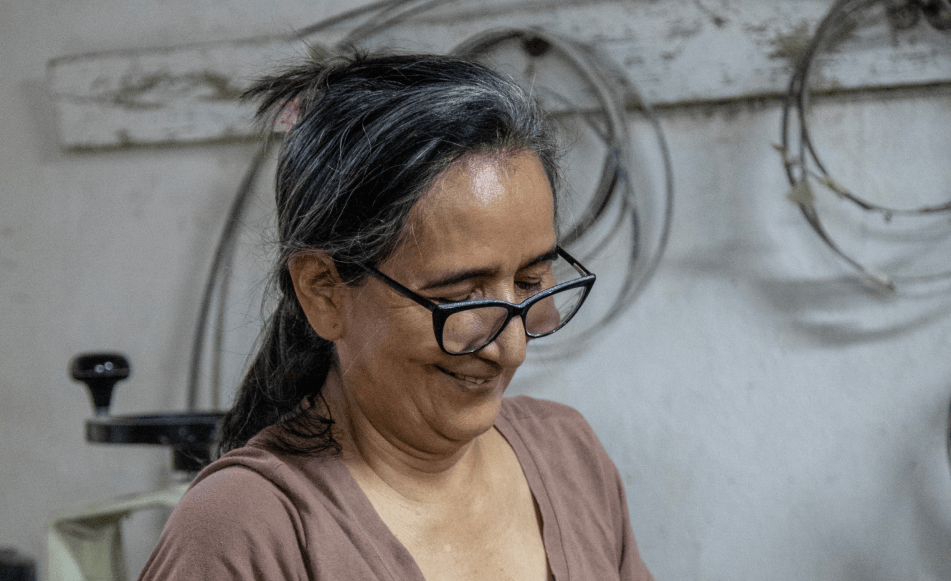
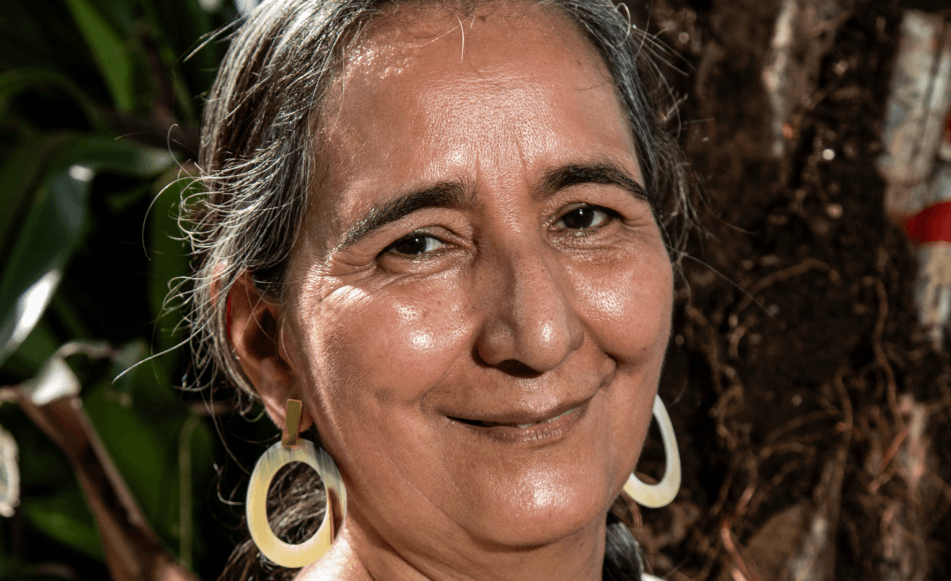
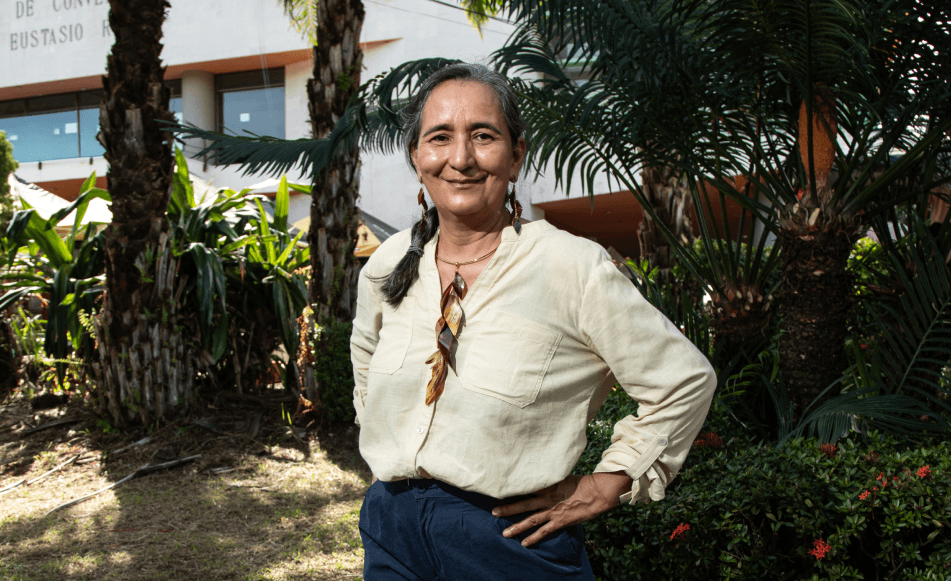
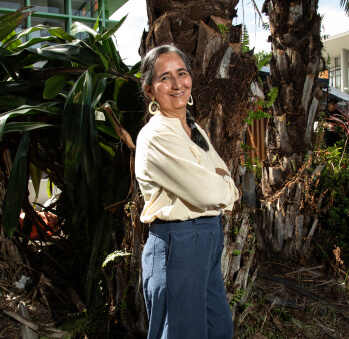
Judith Astaiza has always loved things made by hand because she grew up surrounded by them. Whenever she walked through her native Cauca with her mother and grandmother, they never went anywhere without their jigras—fique fiber bags worn with a strap across the forehead and hanging down the back. At home, they also wove using a technique similar to crochet, though with small wooden sticks instead of hooks. They embroidered as well. That appreciation for handmade objects, and for weaving itself, became second nature to her. When you grow up with something like that, she says, continuing the practice simply feels natural.
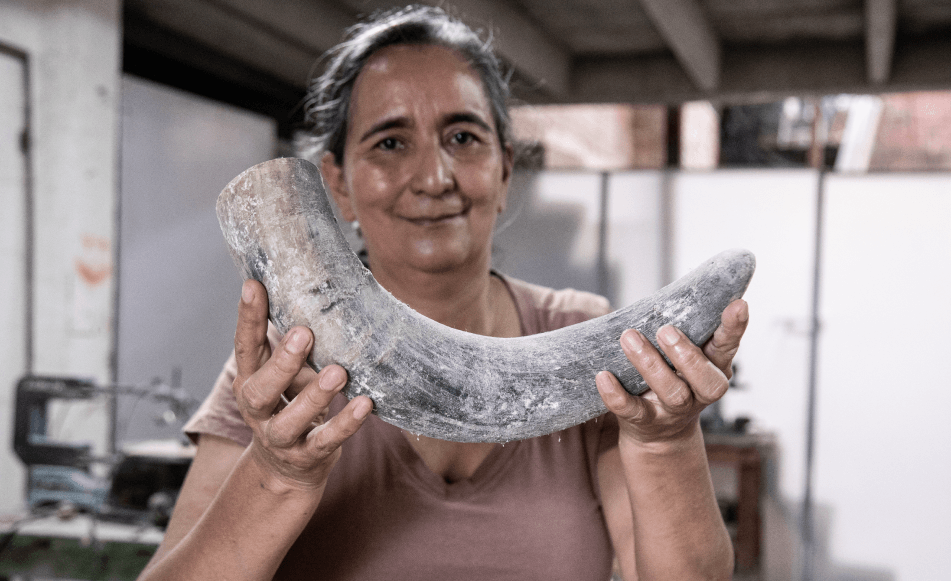
She believes she inherited her creative spirit from her grandmother, Ercilia Astaiza, because they were especially close. Her grandmother took her everywhere—to church and on visits to relatives. They walked distances that seemed endless to little Judith, always with the jigra slung across their backs. She also watched her grandmother care for her dairy cows, chickens, and guinea pigs, never imagining that those early encounters with cattle would one day lead her to become an expert in working with cow horn.
She came to the craft of hornwork only after a series of events turned her life upside down. The first was separating from her husband and moving to Neiva with her two young daughters, where her sisters lived. Faced with the challenge of supporting them on her own, she turned to weaving, working day and night in macramé and crochet. She made handbags, swimsuits, dresses, even curtains—whatever customers requested, because she simply could not afford to turn down any job. It took an enormous amount of weaving to provide for two little girls, and there were times when she wished life did not have to be so demanding, but she persevered. From 2000 to 2005 she devoted herself to weaving, while also creating necklaces that combined seeds, totumo gourd, and coconut.
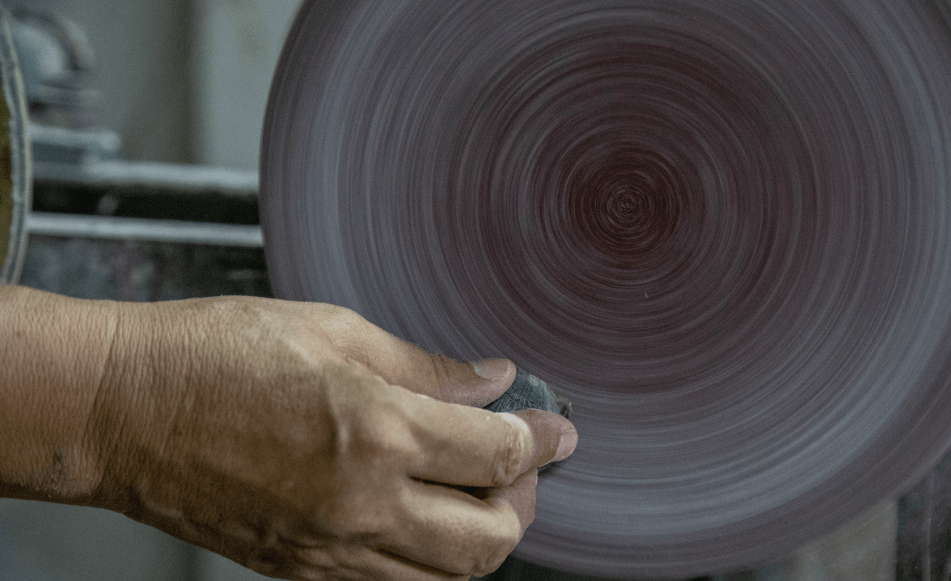
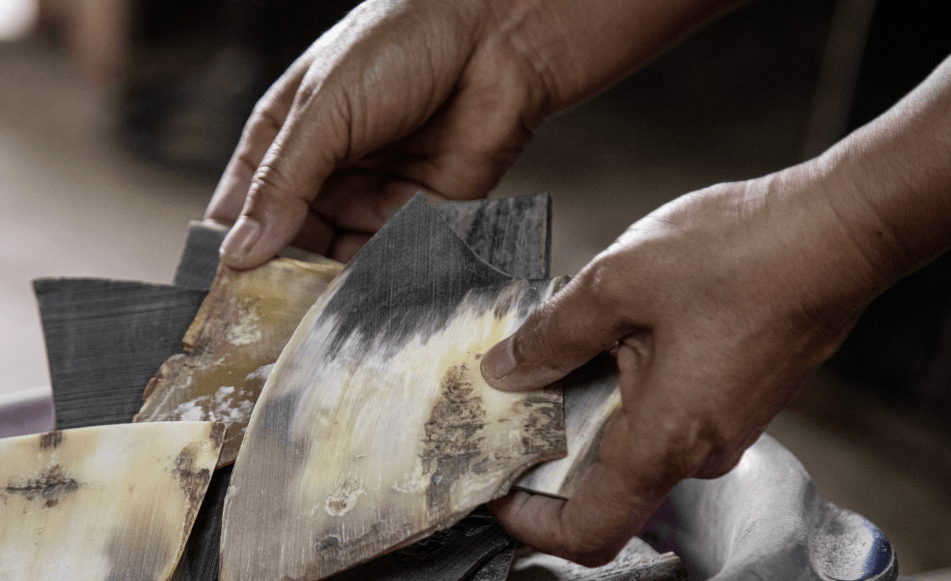
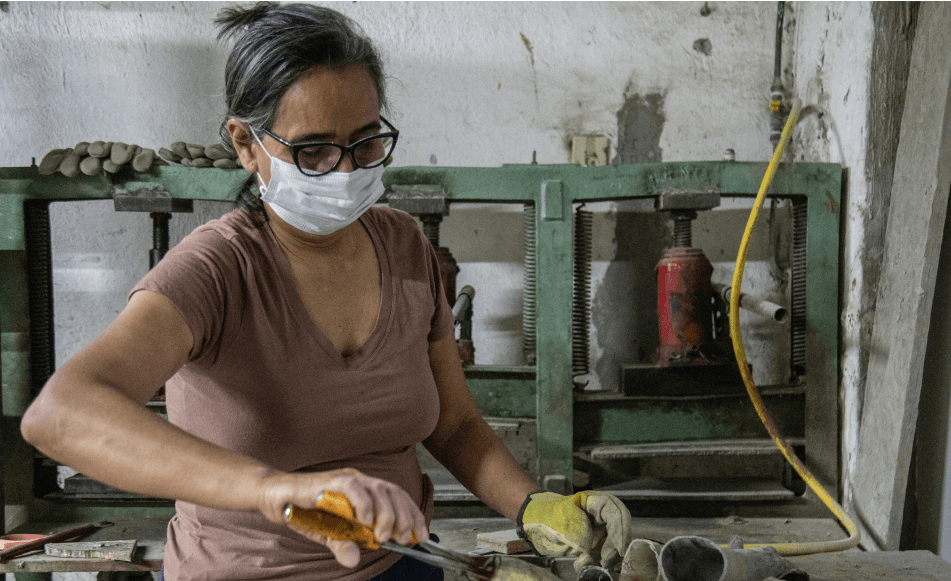
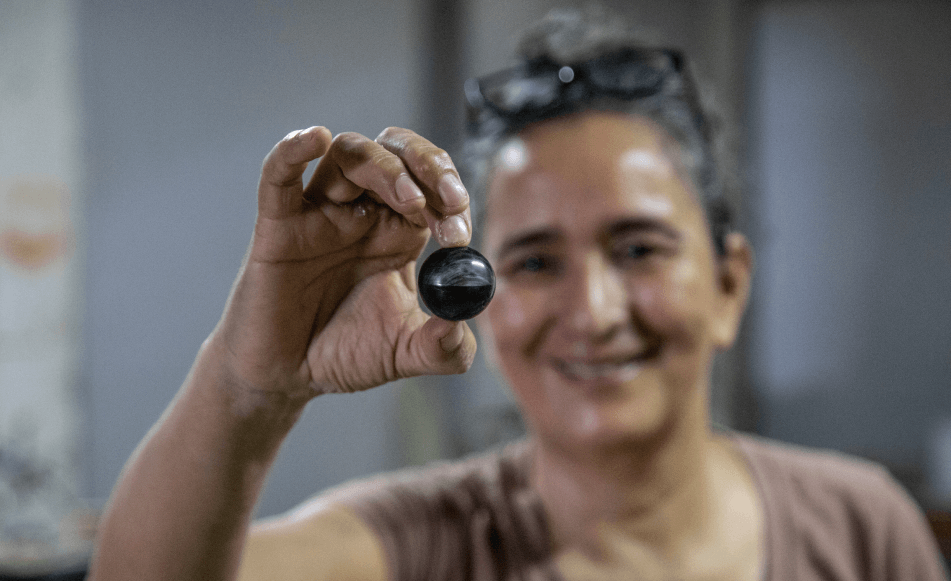
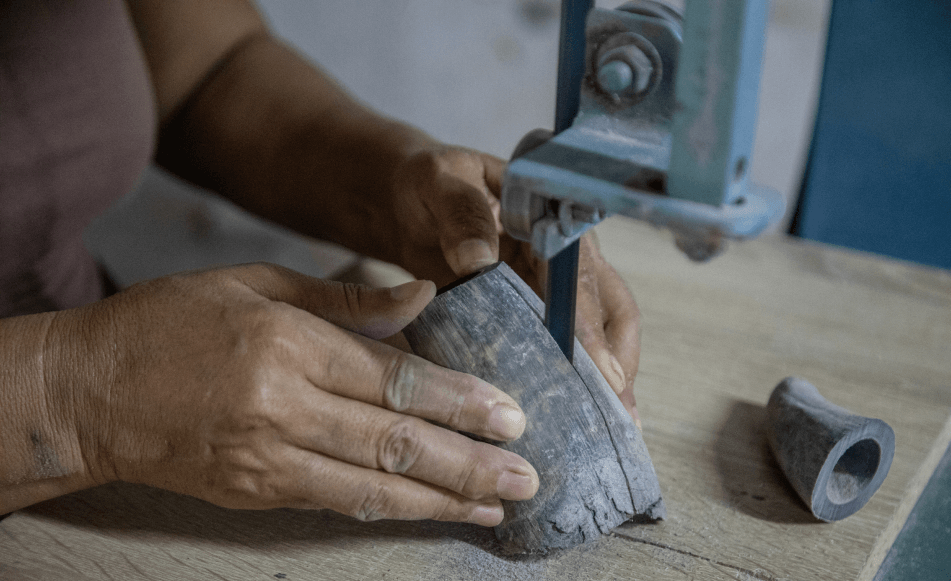
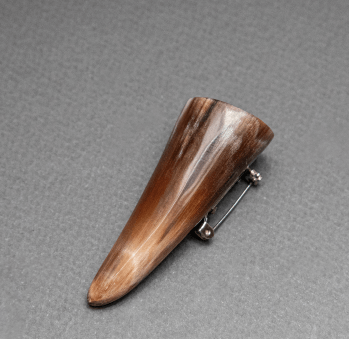
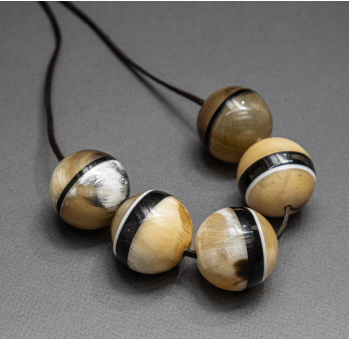
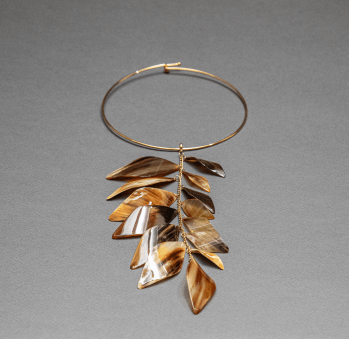
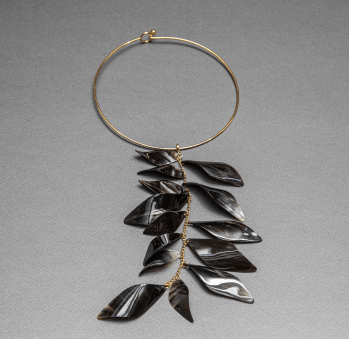
Then, in 2005, she and the fellow artisans she had met during those years of constant weaving were introduced to an idea brought from Chile: working with cow horn. The challenge was enormous. None of them had ever tried it before, and there were no local masters to guide them. They experimented with everything they could think of to make the material pliable—first water, then heat, then even more heat. Gradually they learned how to reshape the horn and polish it to a brilliant shine using progressively finer grades of sandpaper. At first, they mainly produced components for necklaces. A fortunate opportunity arrived when a trading company discovered their work at craft fairs, commissioned custom pieces, and offered them specialized training to master the material. Before those workshops, they thought there was little difference between a thin piece and an ultra-thin one. Afterwards, they understood that the difference between one and five millimeters was enormous. They also learned a technique that completely transformed their possibilities: thermoforming, a process in which the horn is heated before being placed into a mold, allowing them to create remarkable hollow spheres and delicate petals that could be assembled into flowers.
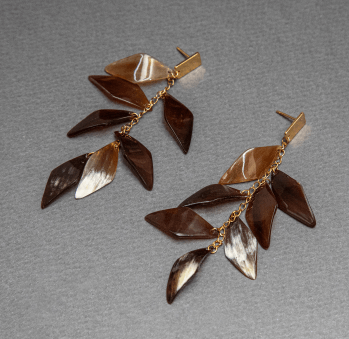
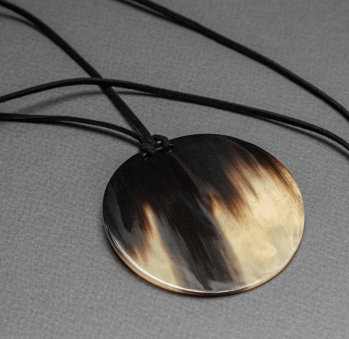
In time, Judith established her own independent workshop and continued deepening her knowledge of hornwork. Today, her days are divided between dyeing horn in boiling water tinted with aniline dyes, which give it an unusual and contemporary finish, visiting the slaughterhouse to carefully select her raw material before allowing it to dry in Neiva’s heat, and, of course, thermoforming. These days she has slowed the pace of her work and shifted toward smaller, more refined creations. She finds great satisfaction in knowing that her daughters are now grown and that she no longer has to work without pause. She can now take her time shaping every petal of every flower, transforming them into earrings and necklaces, because jewelry has always been her true passion. Her workshop bears the name Astaiza Artesanal, a tribute to the grandmother who first inspired her love of creating and whom she remembers every time she speaks its name.
Workshop and process
Craft
Artisans along the way

Artisans along the way



No puede copiar contenido de esta página