

Lidia Beleño
Workshop: Artenea LB
Craft: Basketry
Trail: Sucre Route
Location: Coveñas, Sucre
SCHEDULE YOUR VISIT
Mamey, vía Joval, preguntar por el taller de Lidia Beleño
3216960594
lichob2014@gmail.com
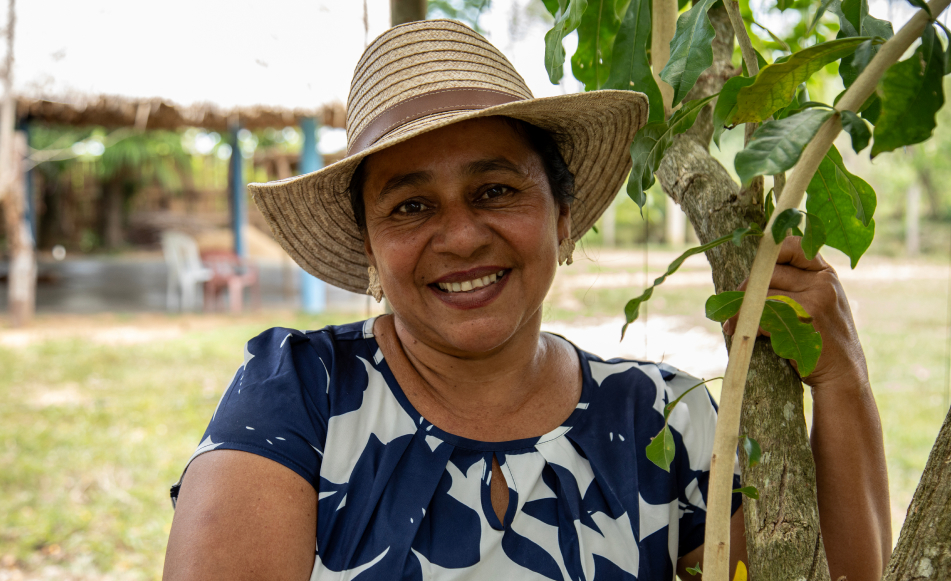
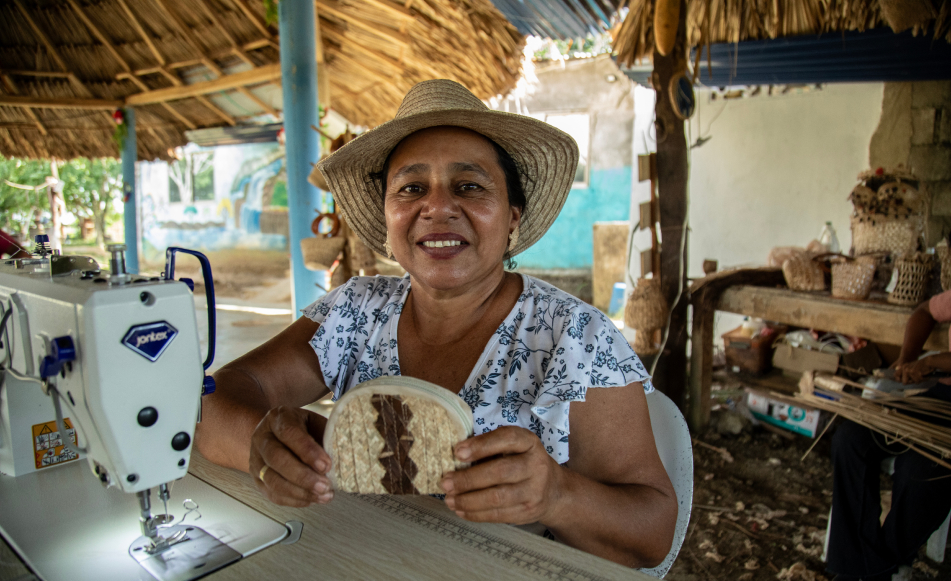
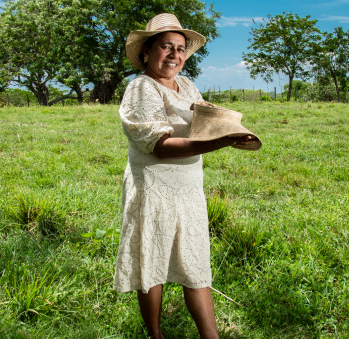
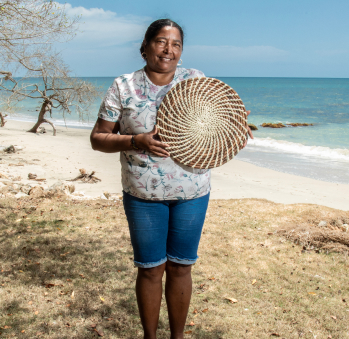
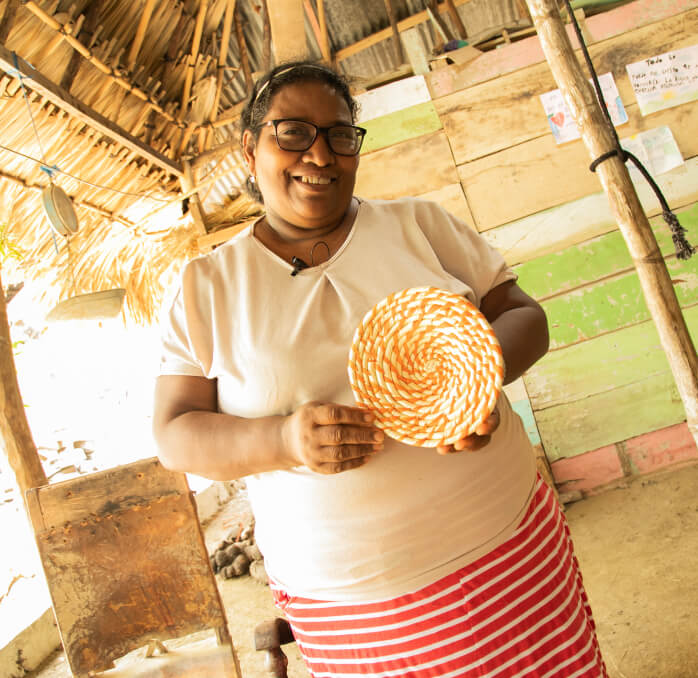
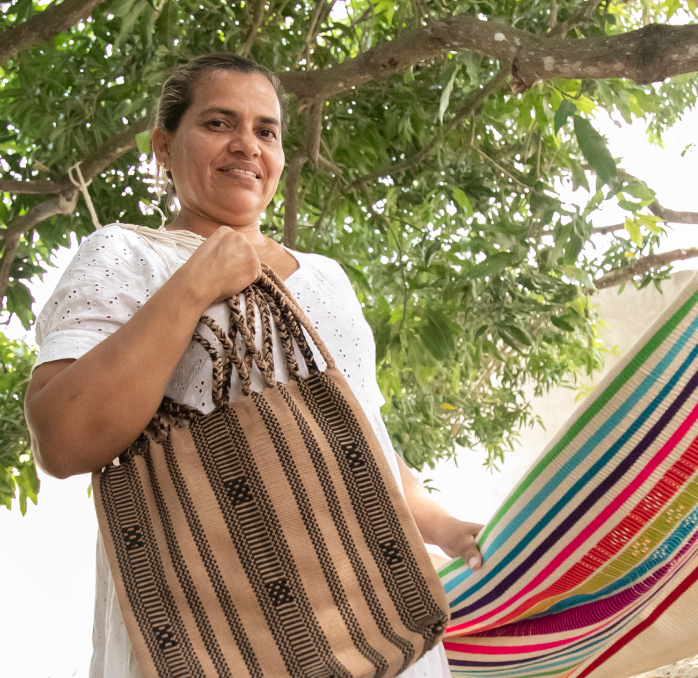
In this story, set just outside the beaches of Coveñas near El Mamey, three forces come together: one remarkable woman and two turning points that changed the course of her life. On the one hand was Lidia, the driving force behind her community, who found herself remembering another anniversary of her mother’s passing, bringing back the kind of grief that settles deep in your bones and must somehow be shaken off. On the other, she felt an urgent need to help supplement her family’s income at a time when money was painfully scarce. Those two forces pushed her to look for a solution. She found it in the abundance of a raw material that had been there before her eyes all along: enea, a beautiful wetland fiber that grows along streams and is known in other parts of Colombia as bulrush. Embracing her Zenú heritage—a culture in which weaving runs through the veins of every generation—she saw a future in artisan craftsmanship. Or rather, she saw a present. And she got to work.
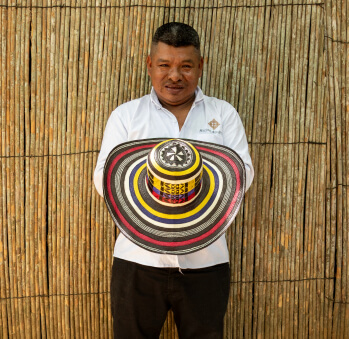
As if fortune had knocked on her door, opportunities arrived before the products themselves. She was invited to participate in an event for rural women in Bogotá, and without letting go of the kite string, she held on tightly and took the leap, asking herself what she could bring from her homeland as a reminder of what it means to be from Sucre. The first step was to sit down with her neighbor, Doña Élida Reyes Castillo, a master weaver with whom she would become inseparable in this venture. Élida had learned as a child to weave the traditional fine caña flecha hat—the iconic sombrero vueltiao—in the intricate fifteen-, nineteen-, and twenty-one-braid styles. There could be no better example to follow. The problem was that where they lived there was no caña flecha, only an abundance of enea. So they began experimenting with this local fiber, handling it, testing it, and wondering whether it might work. As she revisits those memories, Lidia realizes that although she had always believed craftsmanship was not part of her childhood home, she now remembers watching her father twisting cabuya fiber into rope and weaving fique mats. That is when she understands why, on that day when she was thinking about her mother, she instinctively created a pair of enea earrings shaped like woven mats. Through them she honored everything her parents had taught her. It had been there all along, woven into her DNA.
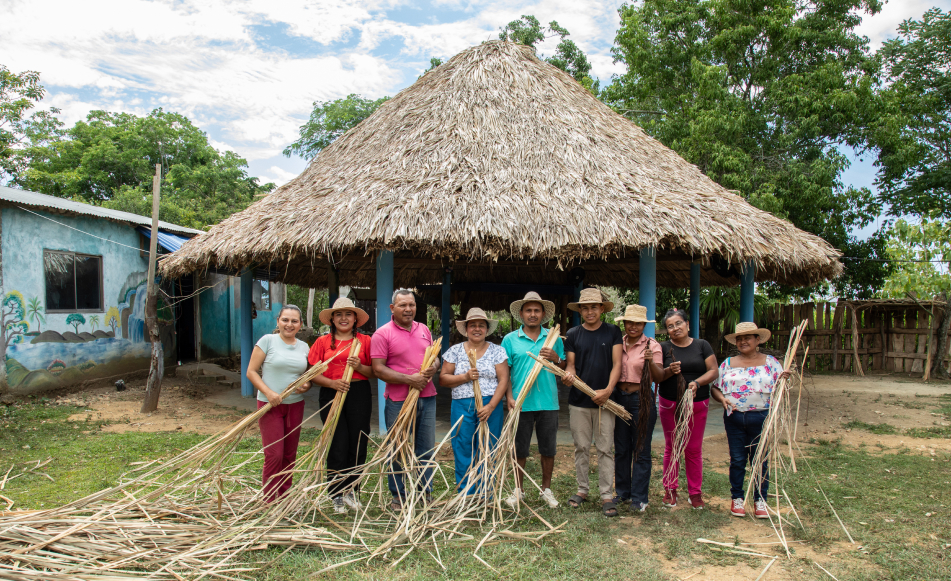
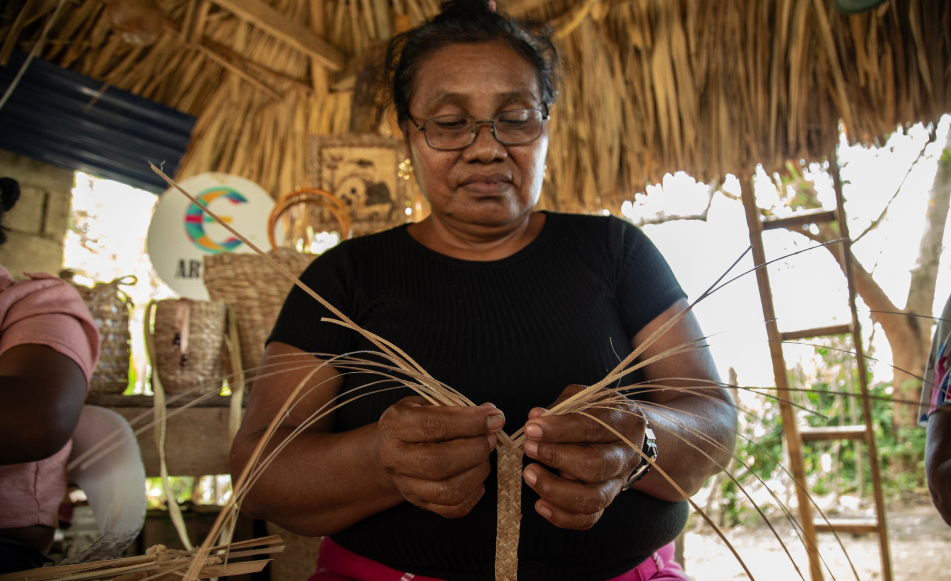
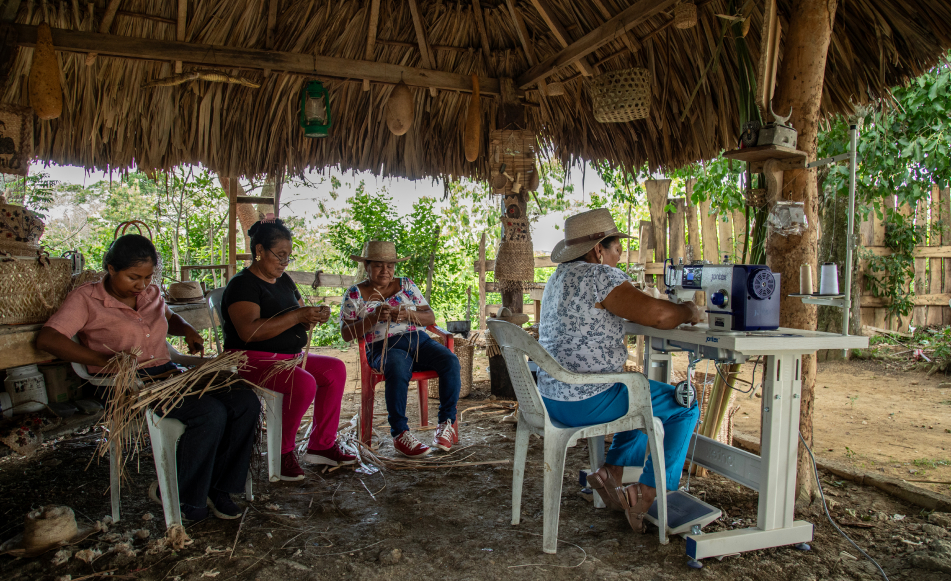
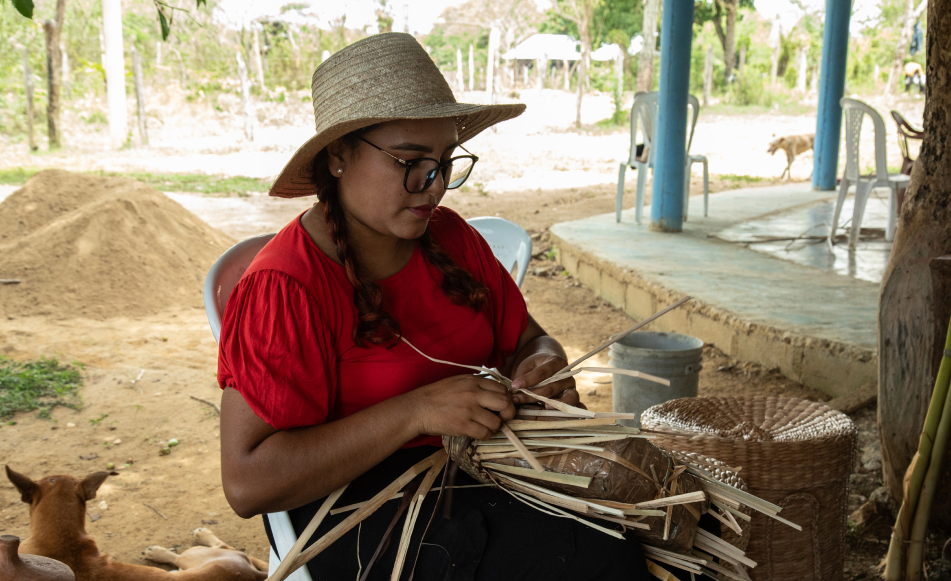
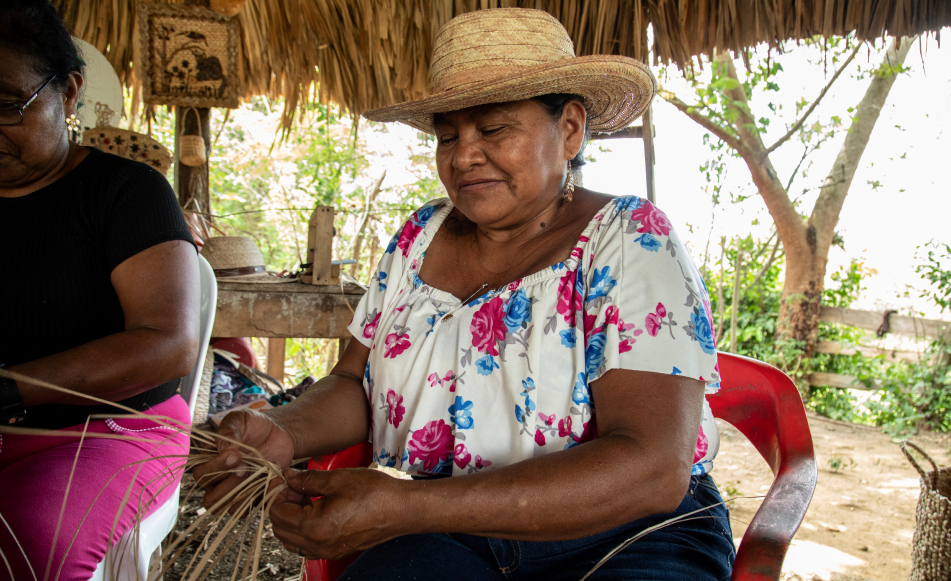
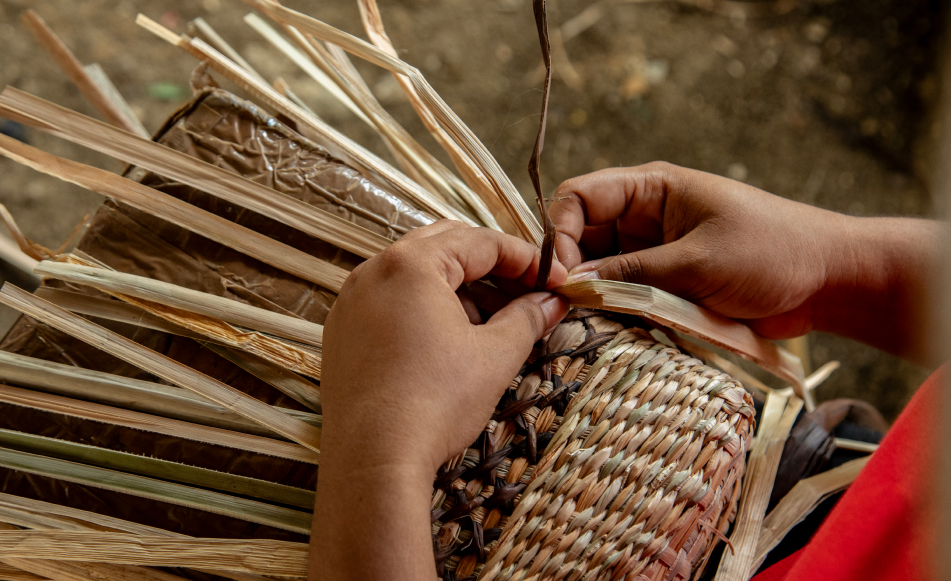
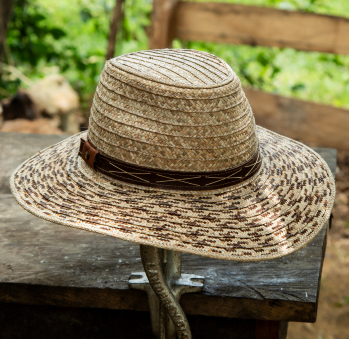
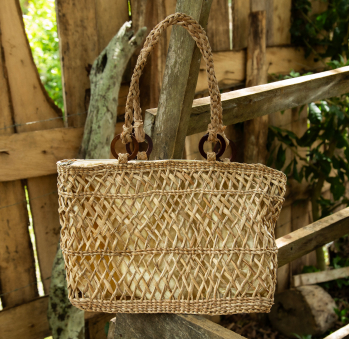
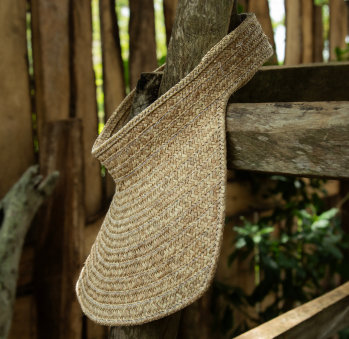
From those first days she vividly remembers watching Élida harvest the enea, dry it, scrape it—or split it, as they say locally—just as one would prepare caña flecha, before beginning to weave. Together they took this search seriously, constantly experimenting with the fiber’s strength and flexibility. Their joy was immense when, after countless trials, they realized it truly worked. More than a decade has passed since they embarked on this adventure, and they have learned almost everything through experience, driven by determination and an eagerness to grow. Along the way they discovered, for example, that enea harvested near the sea is very different from the fiber found around their homes, where the land is drier and higher. The characteristics change noticeably. The enea gathered “down below,” in the mangrove marshes near the coast, has less pith and is stronger and more durable than the plants that grow in inland pastures, making it ideal for weaving hats. The fiber from “up above,” meanwhile, is more delicate and brittle, perfectly suited for handbags.
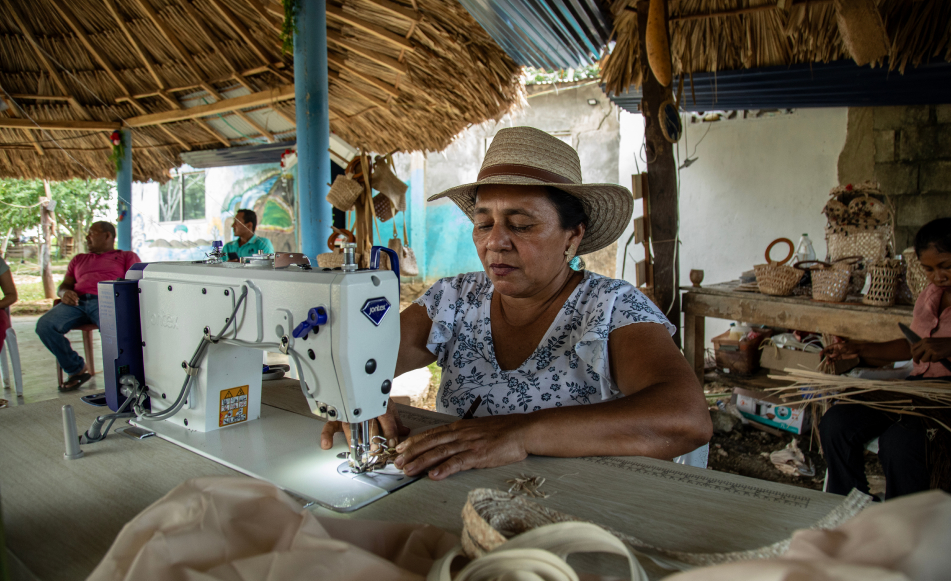
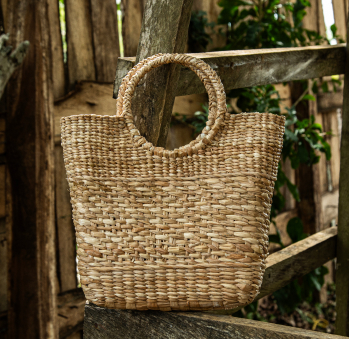
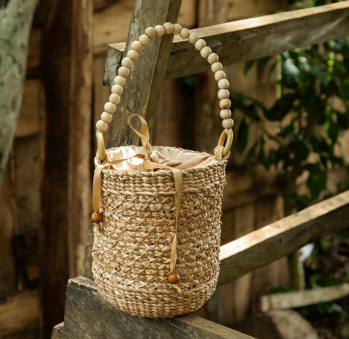
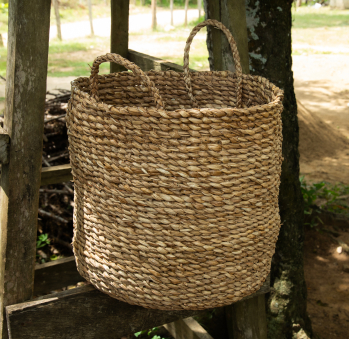
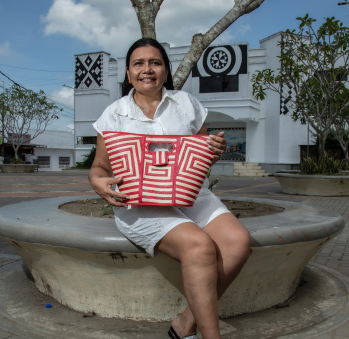
Watching these women at work is witnessing the quiet triumph of teamwork, the celebration that follows uncertainty, and the dialogue of skilled hands that have welcomed new, enthusiastic hands, ensuring that this knowledge will continue to be passed on. Lidia proudly names every member of the family who now works alongside them—Yuliana, Keren, Noemit, Tania, Hermes, Edwin, and Elder. With characteristic conviction, she says that every handbag tells a story. Their designs evoke armadillo shells, caiman skin, and the markings of the hicotea turtle, all inspired by the landscape that surrounds them and translated into beautiful stitches of enea. Today they dream of continuing to grow, improving every day, and refining products they know are unlike any others. Above all, they remain deeply grateful to Mother Earth for placing a fiber like enea in their path, giving them the opportunity to build a better future.
Workshop and process
Craft
Artisans along the way
Artisans along the way



No puede copiar contenido de esta página