
Tulio Sampayo
Workshop: Hamacas Sampayo
Craft: Weaving
Trail: Sucre Route
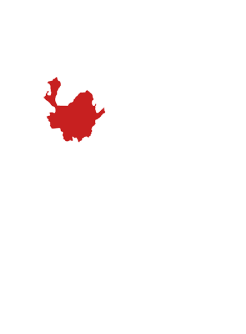
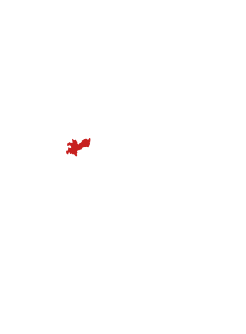
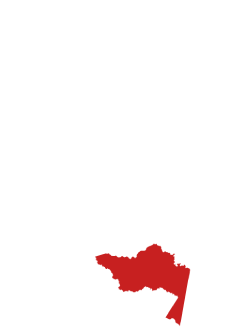
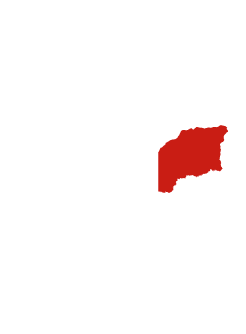
Location: Morroa, Sucre
SCHEDULE YOUR VISIT
Cra 4 #2 I - 05, Barrio 9 de abril, Morroa
3145380623
hamacassampayo@gmail.com, sampayotulio@gmail.com
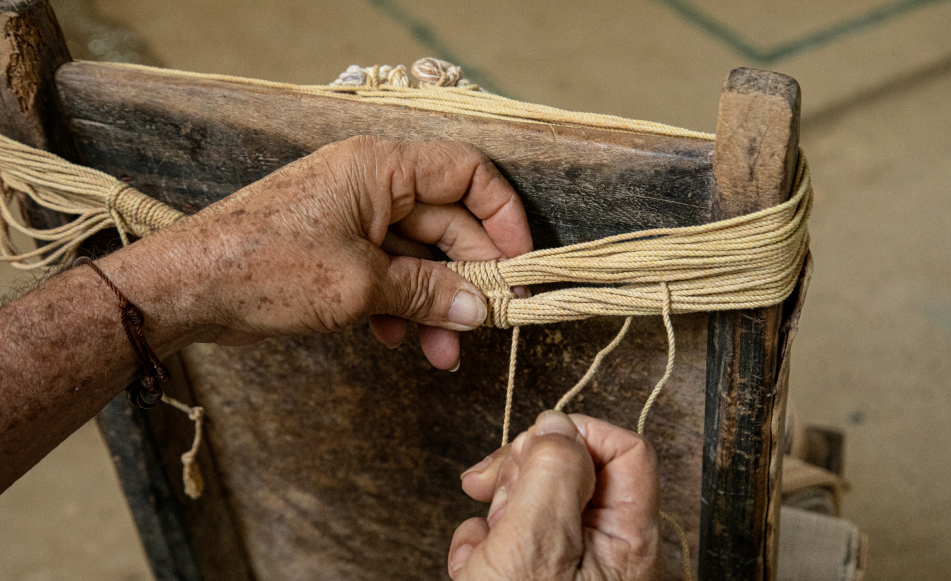
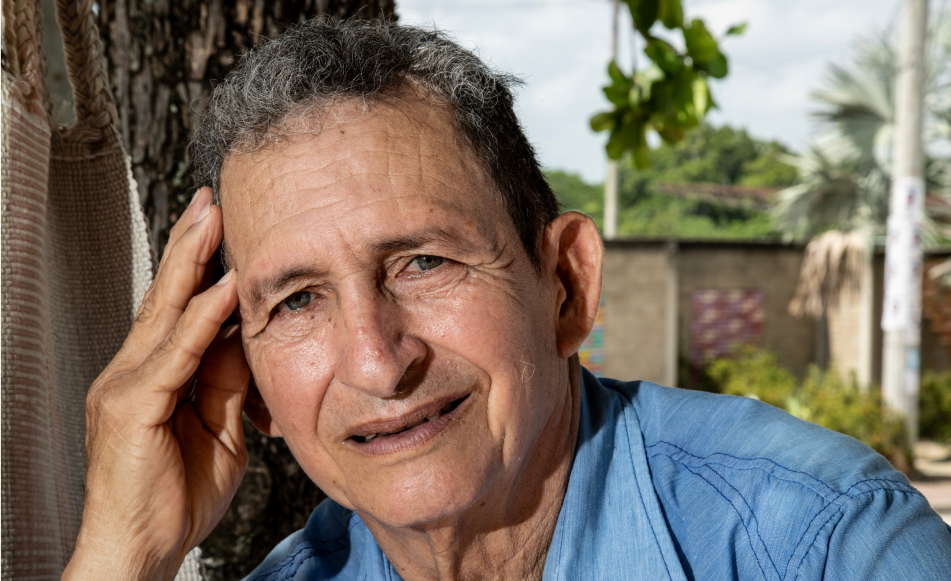
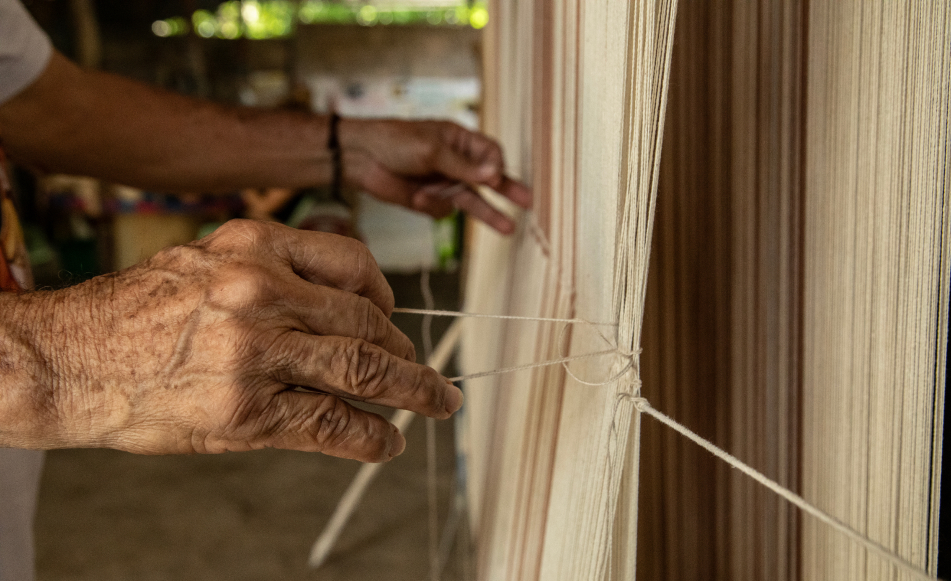
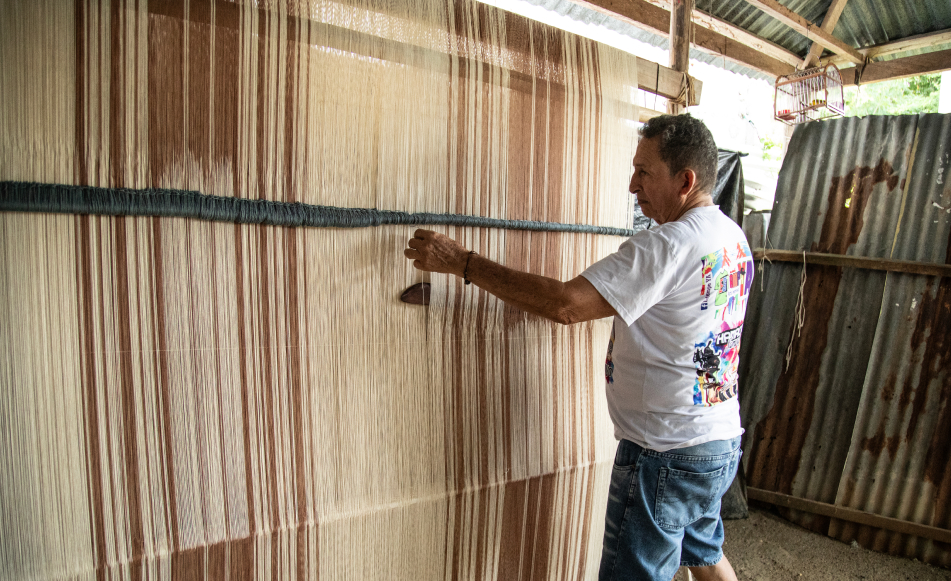
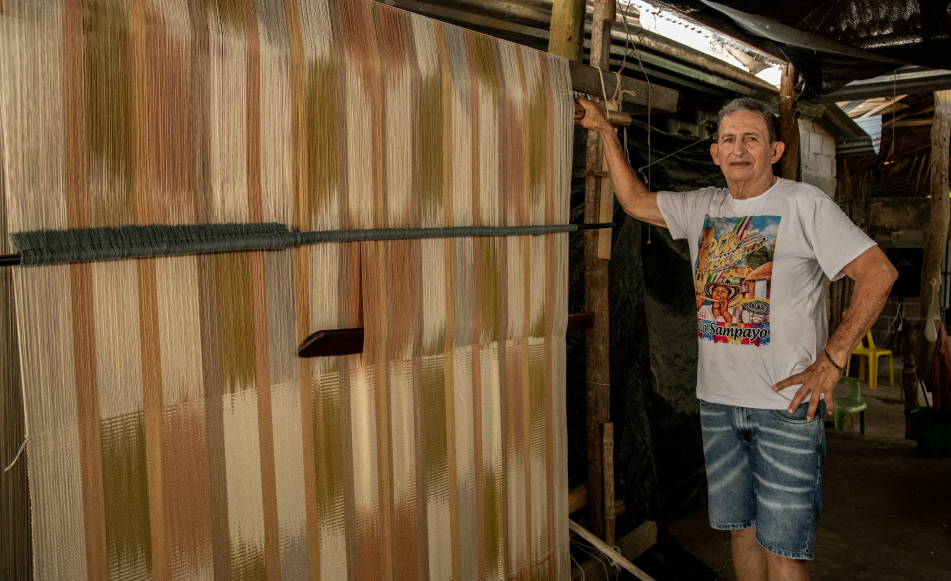
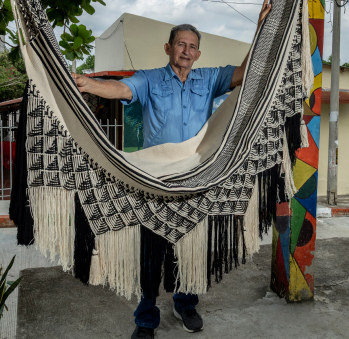
Although his mother used to say they were living a “dog’s life” amid the relentless floods of La Mojana, and all she ever wanted was to return to her hometown of Morroa, about 155 kilometers away, Tulio always loved that watery landscape. It was there that he learned to fish with a cast net, ride horseback across the wetlands when the water receded, and eat ponche—better known elsewhere as capybara. He spent fifteen years in that environment and, he readily admits, they were happy years. He remembers his father tirelessly farming the land and fishing, while his mother was always weaving. Always. Watching her day after day, he began to learn almost without realizing it. He would sit beside her, beating the weft into place with the wooden paddle used in hammock weaving. At first he lacked the strength to tighten the fabric as it slowly emerged on the loom, but as he grew, so did his skill, until he became the master artisan he is today. Still, becoming a full-time craftsperson would take several more decades. When his grandfather died, his mother finally had the reason she had long been hoping for to return to Morroa. And so they did.
The problem was that in Morroa, men simply did not weave. That was considered women’s work—or work for men who, as people used to say, were “on the other team.” In those days, when rigid ideas of masculinity shaped people’s lives, Tulio quietly tucked away the knowledge he had acquired as a child. Instead, he followed paths he wishes he never had to take. He worked as a butcher, slaughtering cattle, and later spent time husking rice, until he managed to save enough money to study Fine Arts in Sincelejo—a way, he says, of finding his way back to beauty. For someone who had always had a few coins in his pocket—after all, as a boy he sold fish and caiman skins alongside his father—living without money proved especially difficult. Then he remembered something his mother had taught all nine of her children: if you know how to weave, you will never truly be in need. So whenever money was scarce, he would weave a hammock, a length of fabric, or a sash. Of course, secretly. Nearly fifty years later, and after the economic hardship brought on by the violence that swept through the Montes de María between 1996 and 2003, he is grateful that those old prejudices have faded away. Today, he says with satisfaction, more than seventy percent of the men in Morroa weave hammocks.
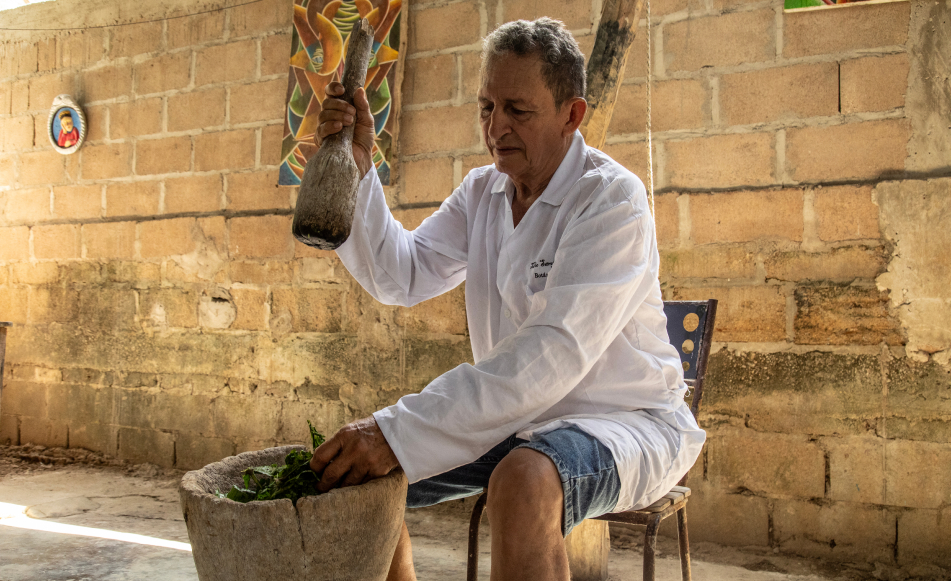
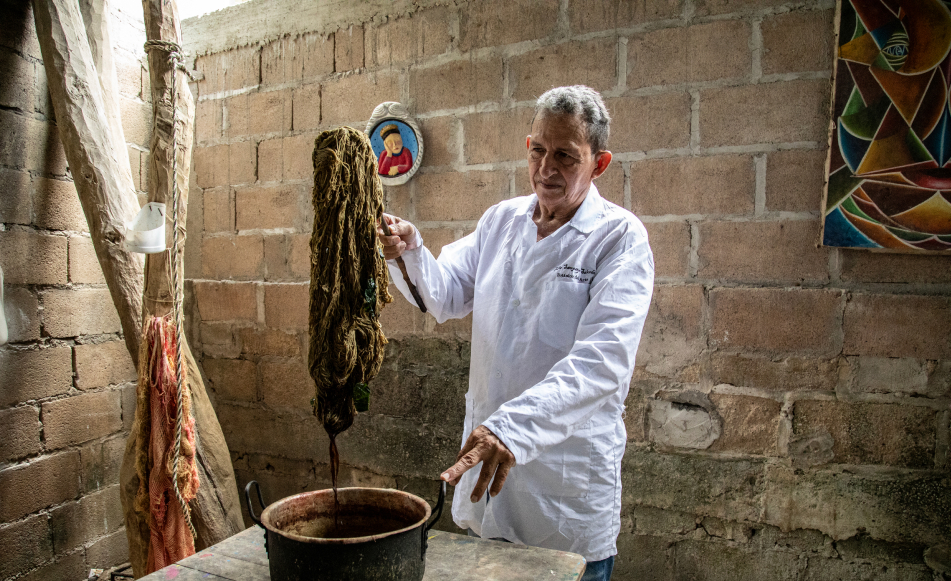
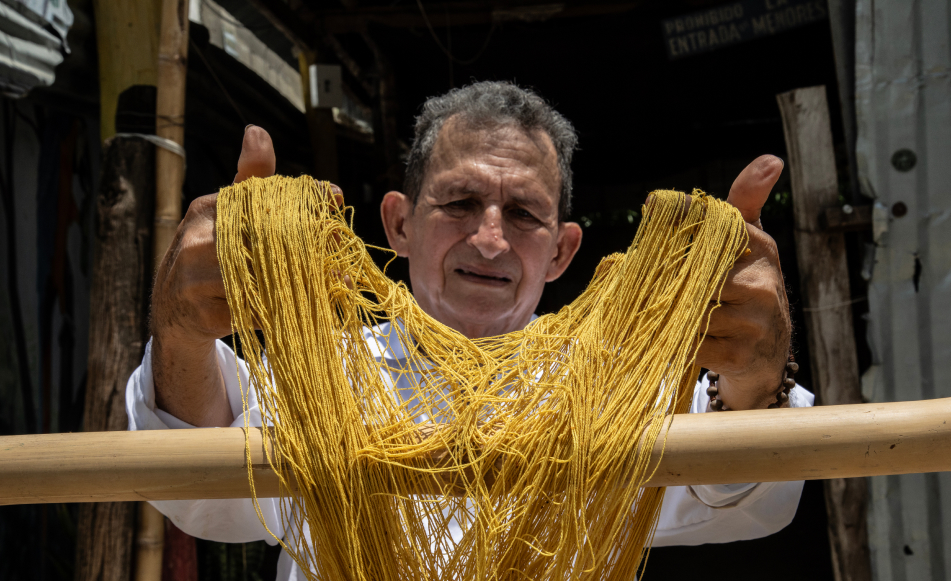
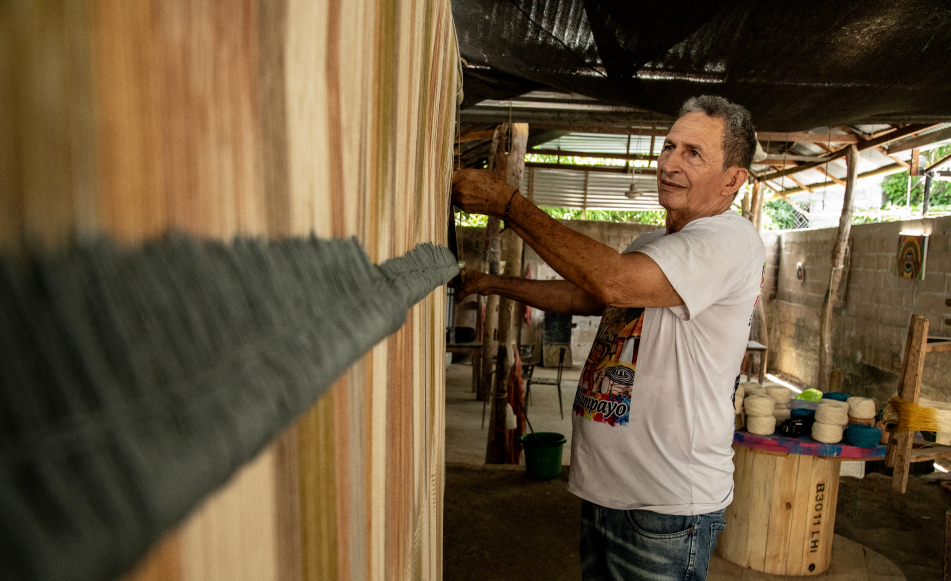
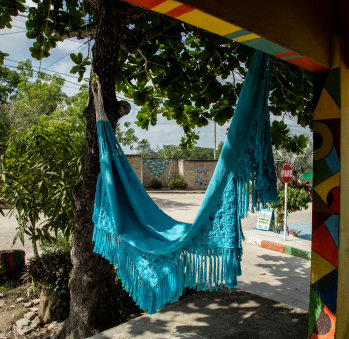
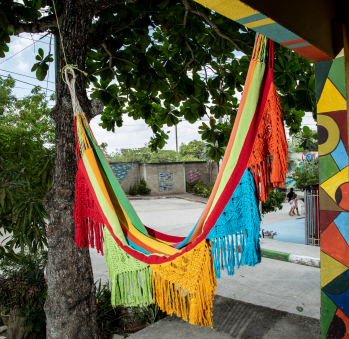
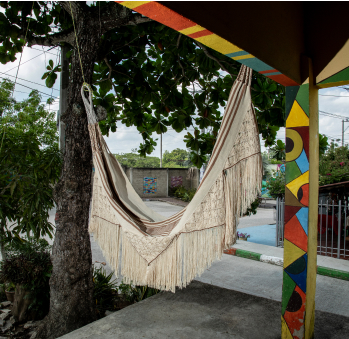
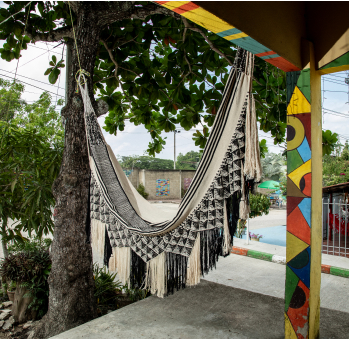
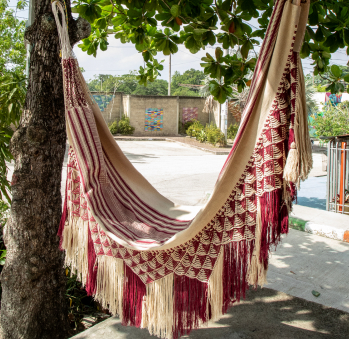
Every time Tulio makes a lampazo hammock—a design divided into eight sections—he feels he is honoring his mother. He also masters the macorina and ranchona styles, although demand for them has dwindled over the years. Yet what truly distinguishes his work, beyond the quality of his weaving, is his mastery of natural dyes. With a background in Fine Arts and color theory, Tulio approaches dyeing like an alchemist. He became fascinated after watching another artisan dye cotton and later taking a specialized course himself. He remembers wandering through the countryside carrying little laboratory bottles, collecting bark, leaves, and flowers. His mother used to laugh whenever she saw him heading into the woods. “There goes the madman into the mountains again.” Over time, he discovered that the singamochila plant could produce an extraordinary palette ranging from soft grays to rich greens. He also learned that colors should never be mixed during a full moon, when they refuse to behave as they should. Instead, the waning moon offers the right moment, because that is when the colors, as he puts it, “get along” with one another.
These days, his life moves between dyeing, weaving, and painting. That is the perfect equation for him, the one that makes him the happiest. And although he has now spent more than half a century living in Morroa, he never stops returning to his beloved Mojana. It is where his childhood still lives, the place that reconnects him to his earliest memories and replenishes his spirit before he returns to his craft.
Workshop and process
Craft
Artisans along the way
Artisans along the way



No puede copiar contenido de esta página