
Yamaris Anaya
Workshop: Taller Alfareras de Albania
Craft: Pottery
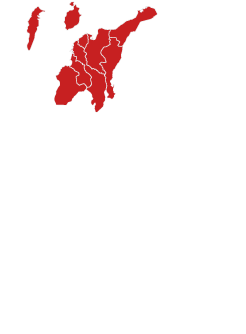
Trail: Sucre Route
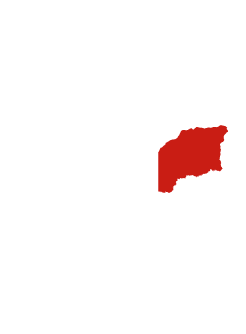
Location: San Juan de Betulia, Sucre
SCHEDULE YOUR VISIT
Albania, San Juan de Betulia, Donde Ramona
3126404688
yamarisanaya25@gmail.com
@yamaris.anaya
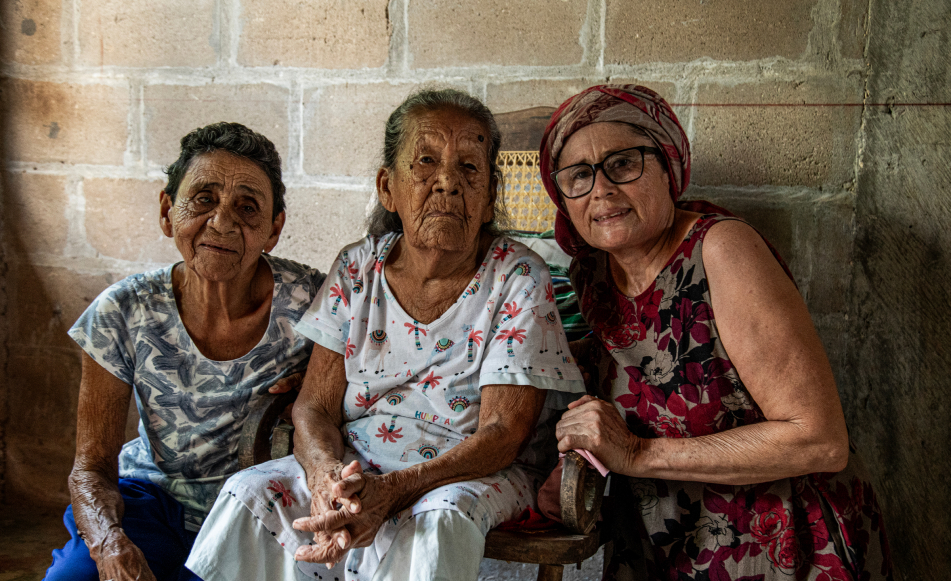
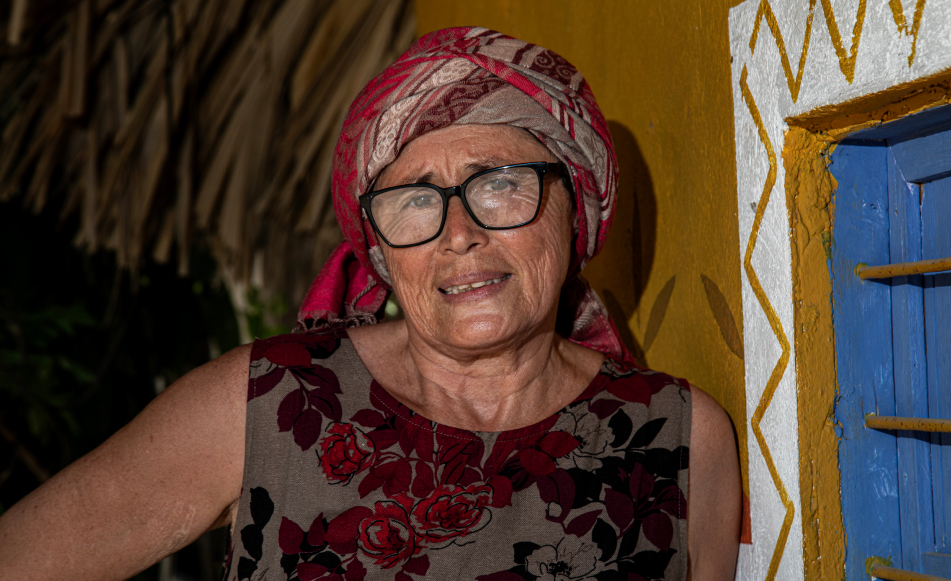
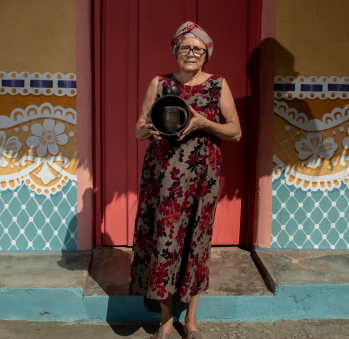
“Mayo”—that is what her grandmother, Andrea Avelina Oviedo, affectionately calls her. Now over a hundred years old, Doña Andrea was the one who first taught Yamaris how to shape clay with her hands and, in doing so, passed on the craft that would become her life’s calling.
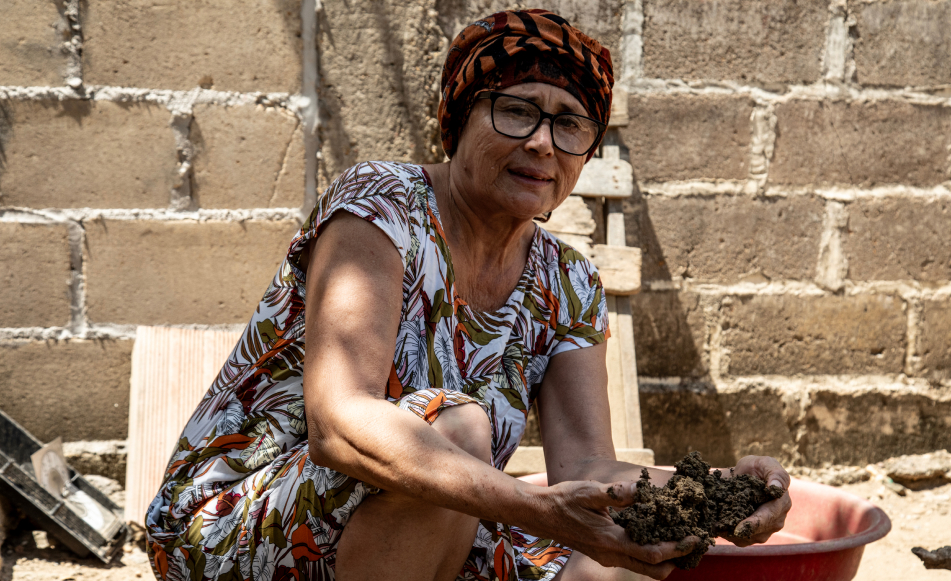
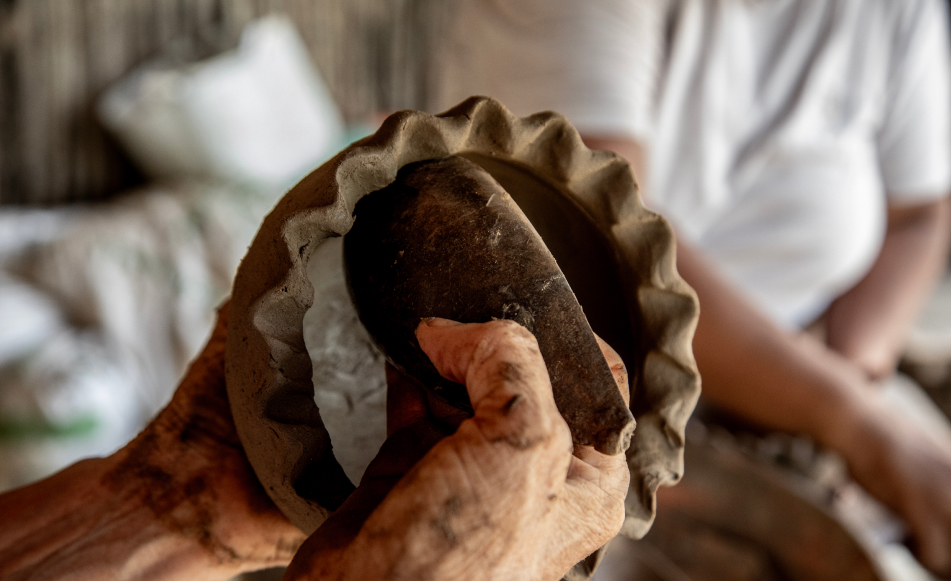
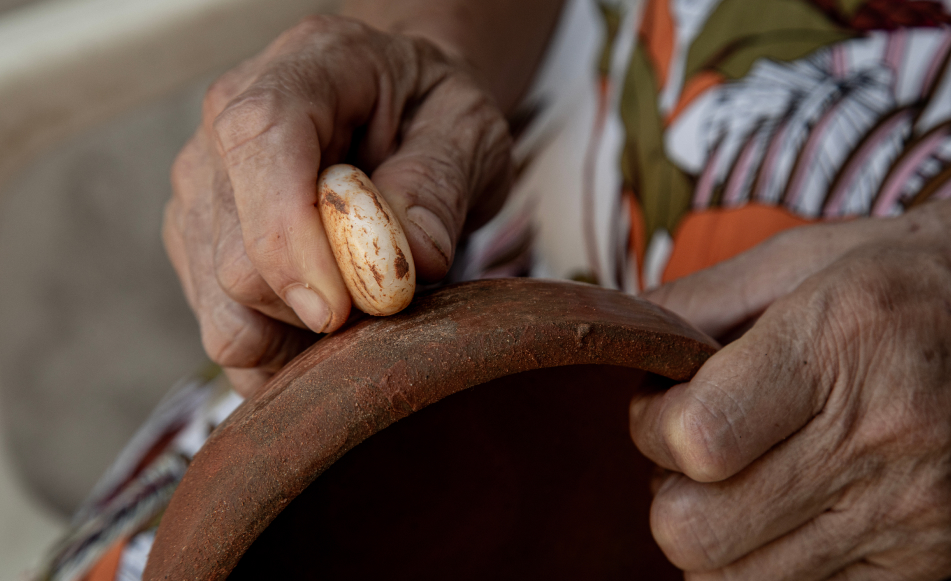
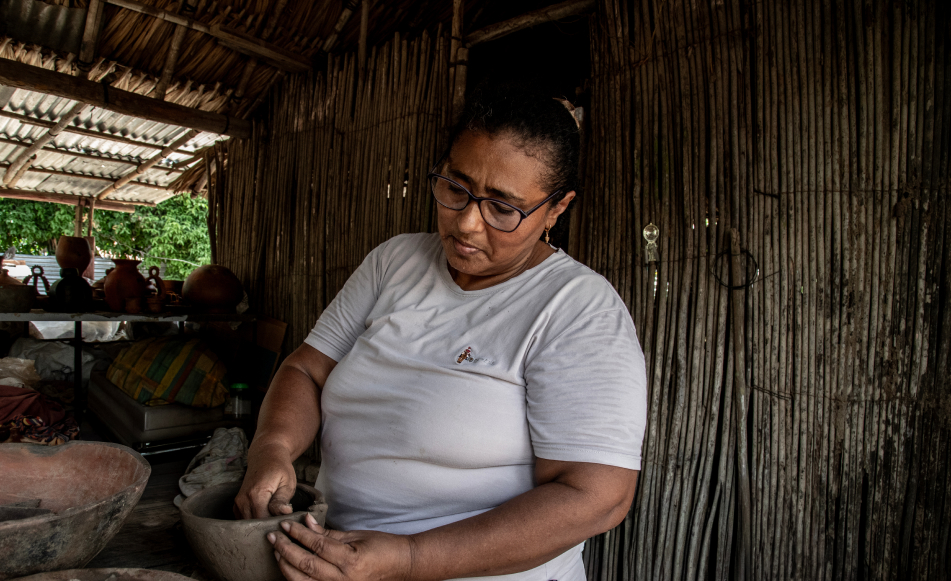
Yamaris treasures those memories. She laughs as she recalls stealing little lumps of clay to make tiny objects of her own until her grandmother finally realized there was no use scolding her. The little girl was never going to stop covering her hands, elbows, and knees with mud if it meant learning. So Doña Andrea shared her secrets, how to recognize the different kinds of clay by their colors, where to gather it, how to carry it home balanced on her head, how to knead it until it reached the perfect consistency, and how to let it dry slowly, resisting the temptation of the deceptive sun, which could leave the clay underfired and weak. With those lessons, she welcomed her granddaughter into the long tradition of the women potters of Albania, in the department of Sucre—a legacy Yamaris carries with immense pride and protects with all her heart. She understands the value of this knowledge and worries that it could disappear as the community’s elderly women gradually pass away.
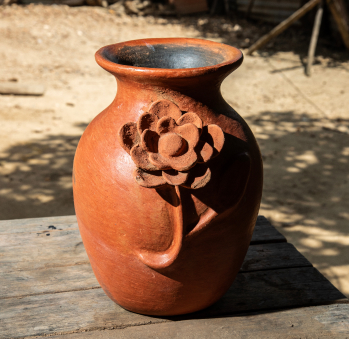
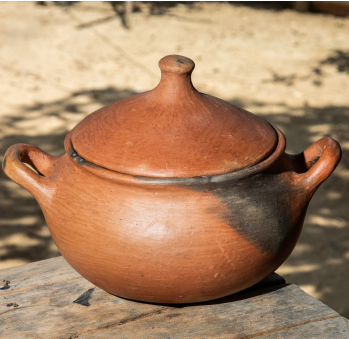
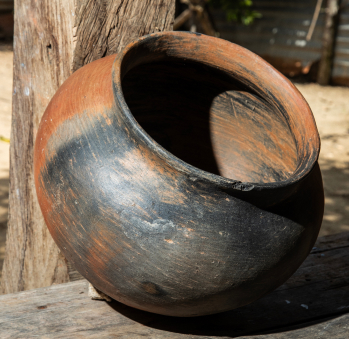
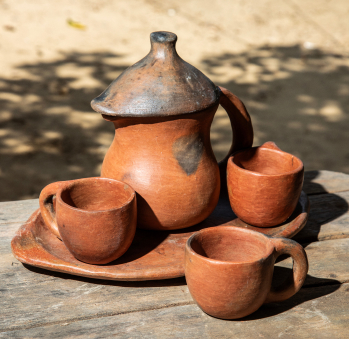
Her concern is well founded. When she was a child, potters could be found throughout the village. Nearly every household had one—or several—women devoted to working with clay. Those were the days when earthenware vessels stored water, cooked meals, and carried supplies. They made moyas, large jars, and water pots used to collect drinking water or ferment ñeque, the local sugarcane spirit that is still enjoyed throughout the region. These vessels were not only used at home. They were so highly valued in neighboring towns that people placed orders in advance. Yamaris still remembers traveling by donkey to Ovejas with her wares loaded for sale. She’ll never forget that time a mule stepped into a hole, sending both rider and cargo crashing to the ground. Amazingly, not a single clay jar broke—the careful packing had protected them all.
What was once one of the defining traditions of the region has now dwindled to fewer than five families still preserving the art of pottery. That is why Yamaris takes her role so seriously. She sees it as her responsibility to keep memory alive by continuing to knead clay with the same enthusiasm that inspired her grandmother.
Not that she needs much encouragement. She still remembers the first time she earned money with her own hands. She asked her grandmother to make flowerpots that her mother could sell. Curiously, her own daughter, Ramona Isabel, never inherited the passion for clay—but her granddaughter did. With grandmother and granddaughter shaping the pottery and her mother handling the sales, they carved out their own place in the pottery-making history of their town.
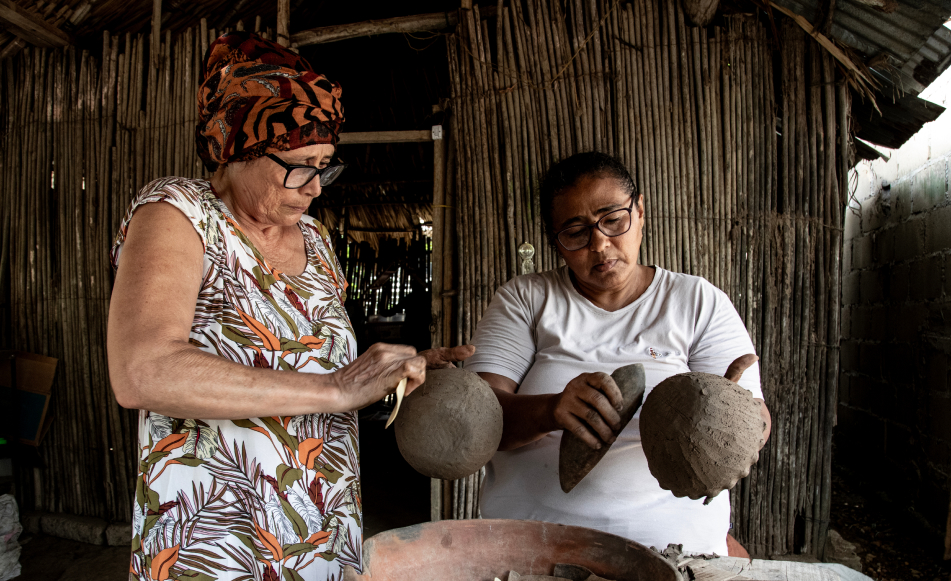
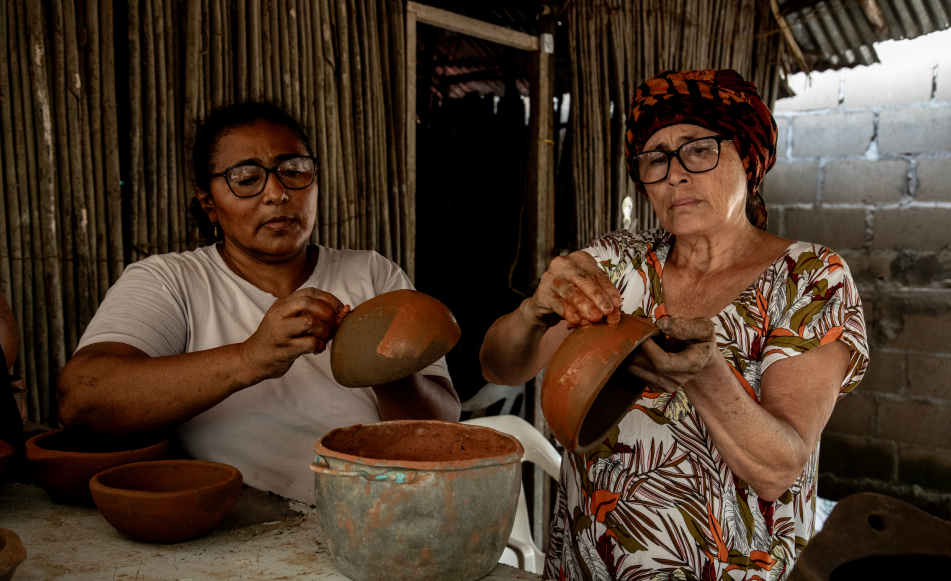
Today, Yamaris works tirelessly alongside her sister. Together they walk a mile and a half to the clay pit—a piece of land that has belonged to their family for generations, though, as she jokingly puts it, “every Tom, Dick, and Harry” has tried to claim it over the years. It is there that she misses her father the most. He was the man she adored, the one with whom she shared an especially affectionate bond. Then, one December 29, he fell gravely ill. By January 20, they were burying him. An old mule kick had damaged his liver years before, and after seven years the injury finally claimed his life. She mourned him deeply and so did her mother. “They were like a pair of doves,” Yamaris says. “Never apart.” They had no choice but to gather their strength and keep moving forward, and that is exactly what they have done ever since. Working with clay eases her sadness, it warms her heart. She eventually married the son of another potter, although he was never enthusiastic about her continuing the craft. “But I never let anyone tell me what to do,” she says with quiet determination. “Not even my father, who used to tell me this work was too hard, too exhausting. But when you truly love something, you love it. That’s the truth.” And she certainly does.
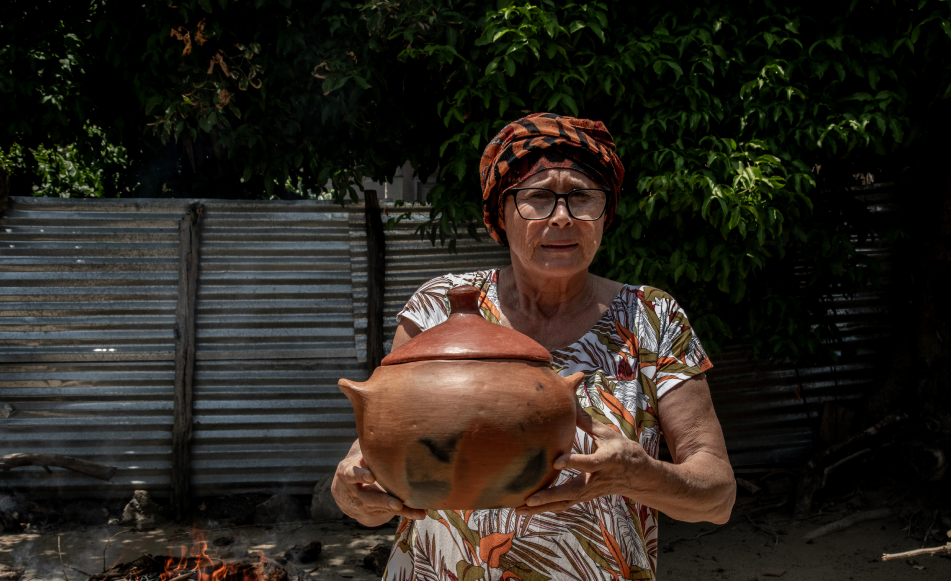
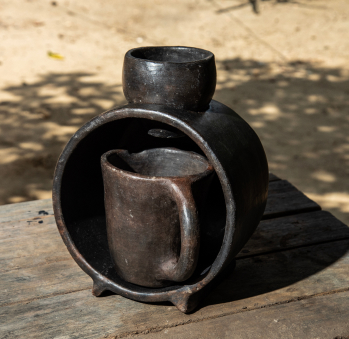
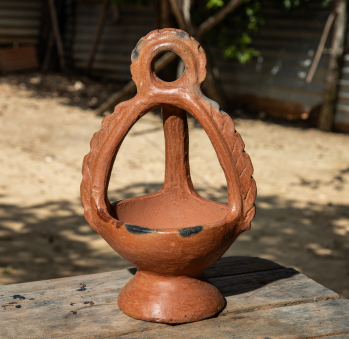
She plunges her hands into the clay just as her grandmother always did, showing visitors the yellow clay, the black clay, and the gray-veined mixtures. She fires them using cow dung as fuel—a closely guarded secret behind the beautiful color of her pottery. Although she still follows every step exactly as her grandmother taught her, she no longer has to travel from town to town selling her work as previous generations did. Through ongoing training and participation in craft fairs, she has combined the physical labor of pottery with the equally important work of promoting her hometown wherever she goes. In doing so, she has become one of the leading voices of her community of potters—a community she hopes she will never have to represent alone. She also takes great pride in having built her home and educated her daughters through the work of her hands. Because, as she says with complete certainty, she is a potter at heart.
Workshop and process
Craft
Artisans along the way
Artisans along the way



No puede copiar contenido de esta página