
Antonio Márquez
Workshop: Antoartezenu
Craft: Weaving
Trail: Sucre Route
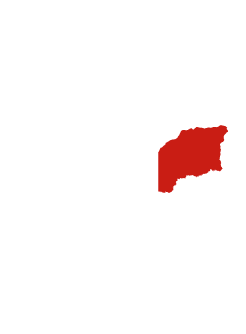
Location: Palmito, Sucre
SCHEDULE YOUR VISIT
Vereda Cruz de Ramal, Calle principal
3226831462
antoartezenu1306@gmail.com
@antoartezenu
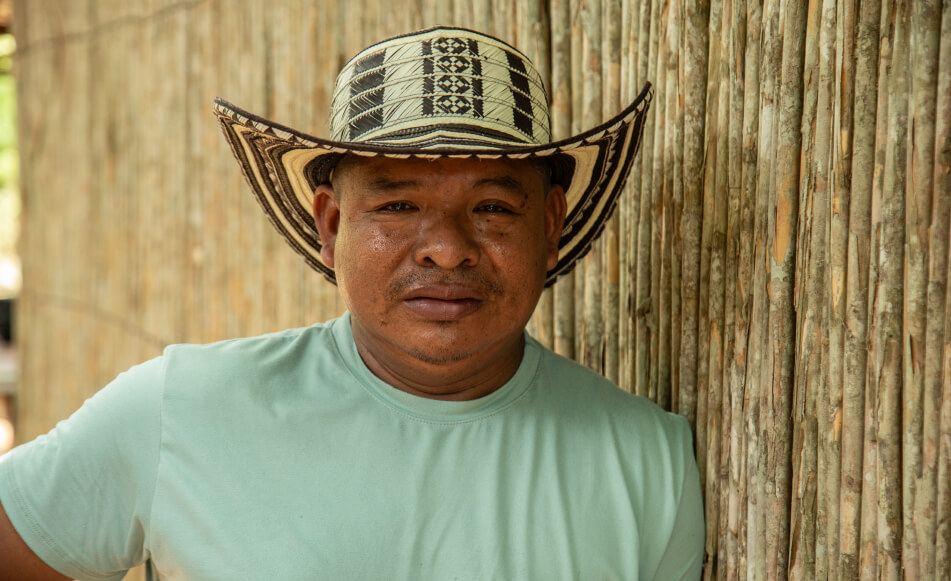
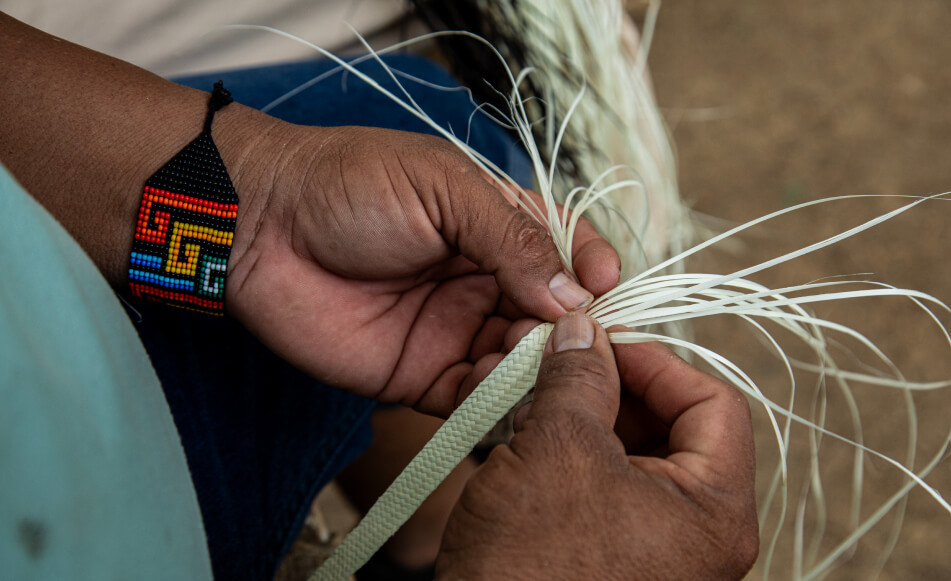
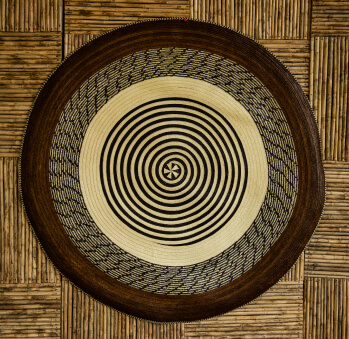
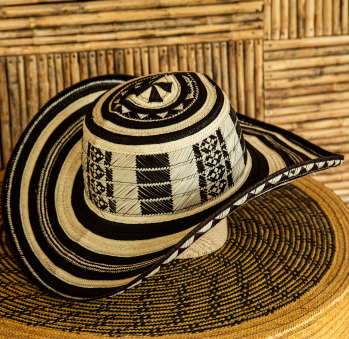
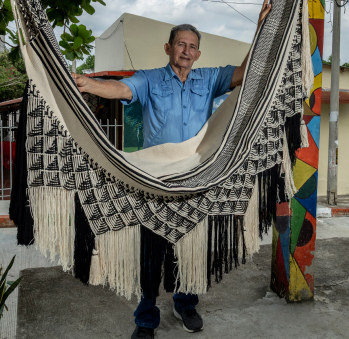
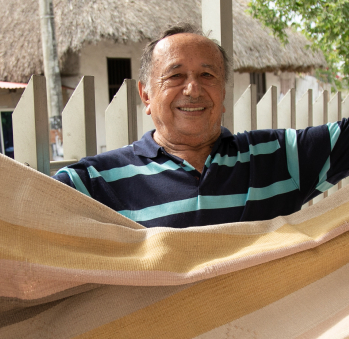
If there is one thing Antonio Márquez has had throughout his life, it is friends—good friends. The kind of people who stood by him through difficult times, who always believed in him, who threw him a lifeline whenever he was on the verge of going under. Listening to him is to witness the gratitude he carries for them, and the clarity with which he recalls the many times his entrepreneurial spirit led him to stumble, only to find those same friends lifting him back onto his feet, without hesitation or conditions. But to understand the life he celebrates today—and those years that tested him so deeply—we have to go back. Back to his childhood, surrounded by his grandparents, his parents, his uncles and aunts, everyone he loved. Back to the rhythmic heartbeat he imagines hearing from inside his mother’s womb, while she wove the caña flecha braid that would one day become Colombia’s iconic sombrero vueltiao, crafted across the savannahs of Sucre and Córdoba.
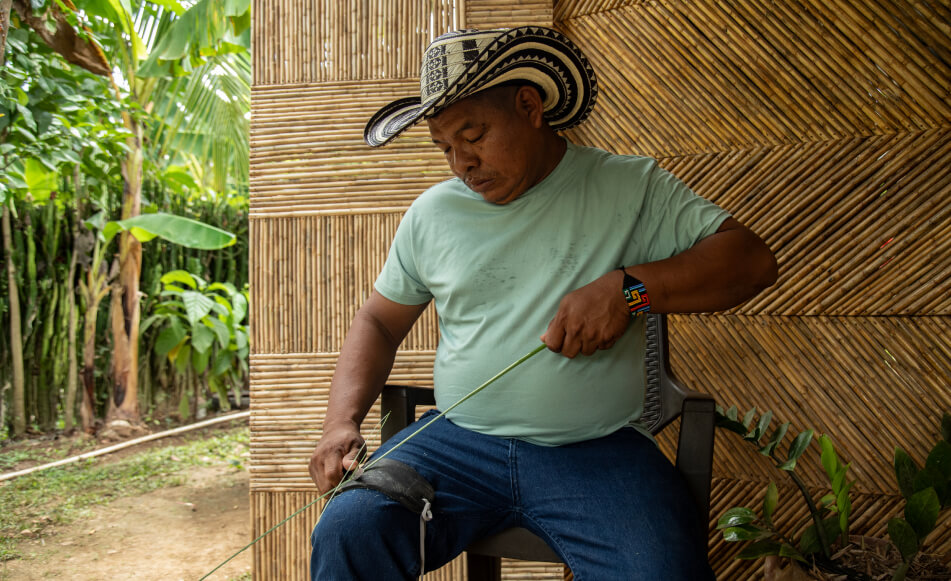
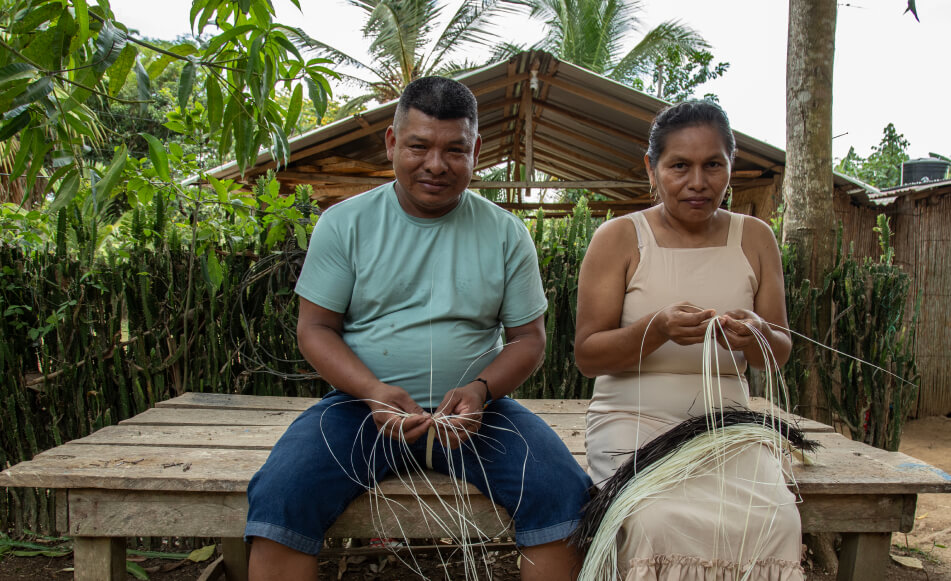
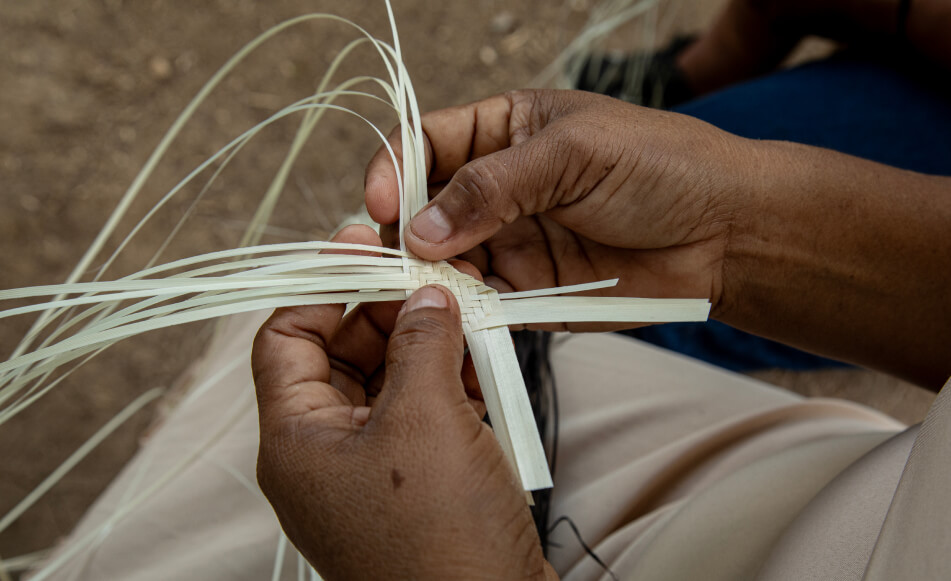
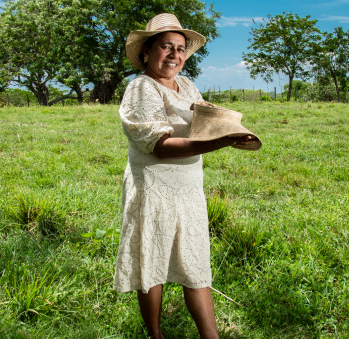
Antonio knows weaving runs through his blood. It runs through the veins of every Zenú child. He remembers watching everyone at home weave—his grandmother, his parents—his curious little eyes following every movement. He remembers pretending to weave when he was only three years old, gathering little strips of fiber until his elders finally handed him the first three strands with which he would learn to braid. He also remembers rushing home from school just so he could weave. As soon as his homework was done, he would sit down to braid. It meant earning a few pesos to buy himself a snack. But more than that, he simply loved doing it. Those formative years taught him that his own hands would always be able to provide for him.
Life did not allow him to continue his studies—not because of who he was, but because of the obstacles that so often get in the way. It was then that his friends changed the course of his life: they told him a workshop needed machine operators. Since he already knew how to use a sewing machine, he took the job. Shortly after arriving, he spotted an opportunity. Instead of throwing away the leftover caña flecha braids from hats and bags, why not turn them into coin purses? He made a few samples for his employers. They loved them. They offered him 1,000 pesos for each one. In a single day he made seventy coin purses—earning what had previously taken him an entire month of work. That was the moment he realized he could make a living from craftsmanship. He struck out on his own, convinced the path ahead was clear. It wasn’t.
He bought a sewing machine and began making bags, wallets, and hats to sell at the market in Tuchín. He worked late into the night, reinvesting every peso he earned into more materials. Whenever the money ran out, he borrowed enough to keep going and replenish his shelves. At one point, he had nearly ten million pesos’ worth of handcrafted goods ready to sell. But prosperity proved elusive. One day he had plenty; the next, almost nothing. For nearly ten years he lived through cycles of gains and losses. His ambition had not yet found solid ground. Perhaps, he reflects, it was because he didn’t own a home. Everything he earned disappeared just as quickly. So one day he asked a fellow townsman to sell him a plot of land. He still didn’t have the money to build a house, when, as he likes to say, providence intervened. Another friend gave him an old roofless house that, to its former owner, had become little more than a burden. Antonio saw only possibility. It was Holy Saturday. The entire community came together to carry the house piece by piece to his new lot, while another friend let him pay later for the sancocho he prepared as a thank-you meal for everyone who helped. As he says himself, he’s been a lucky man.
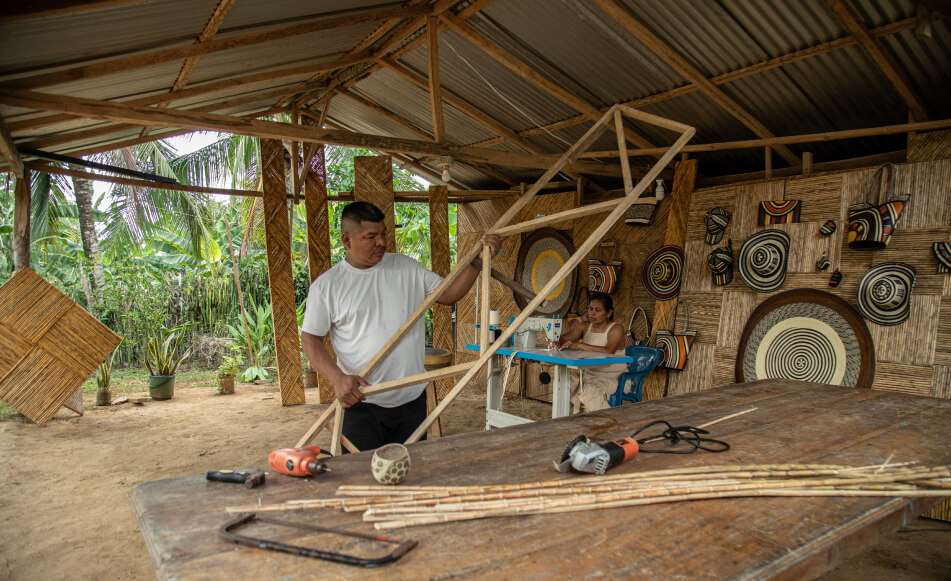
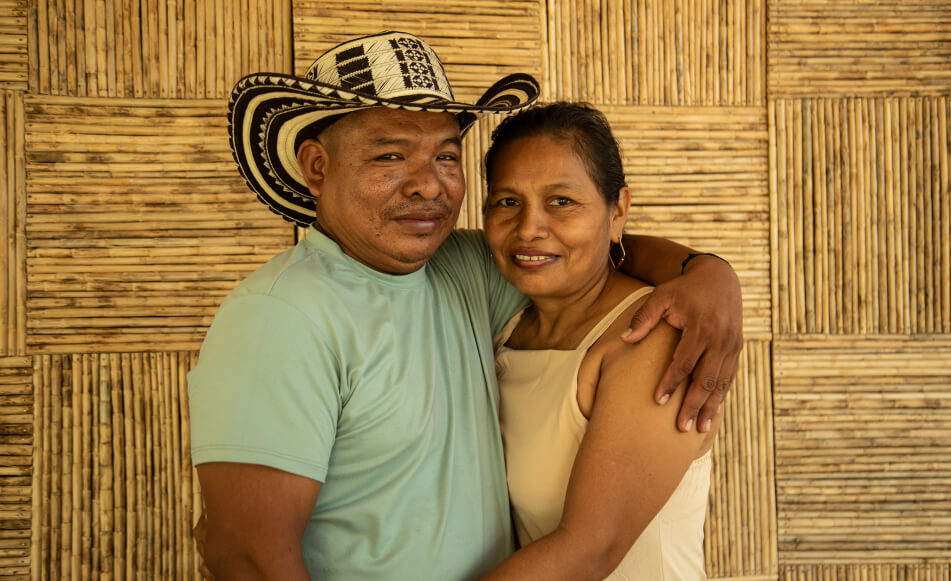
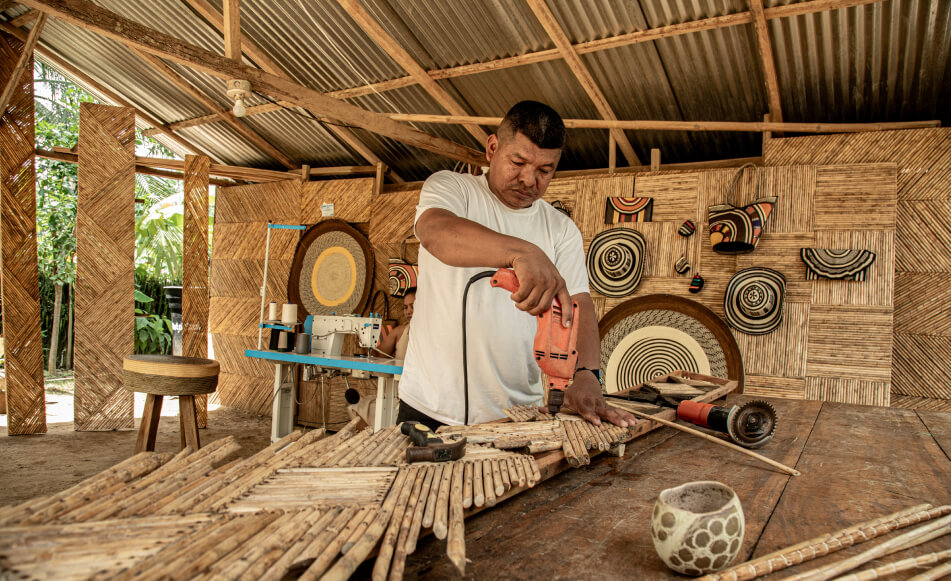
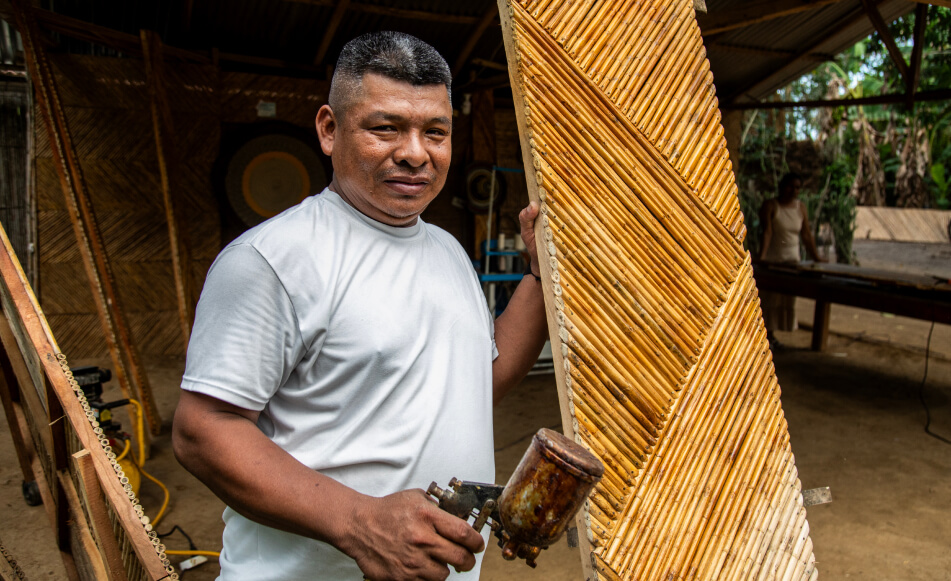
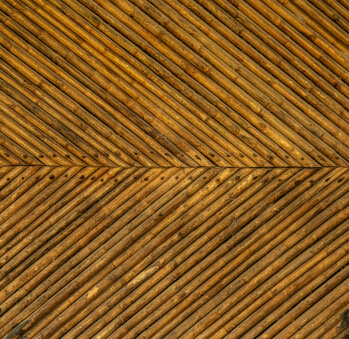
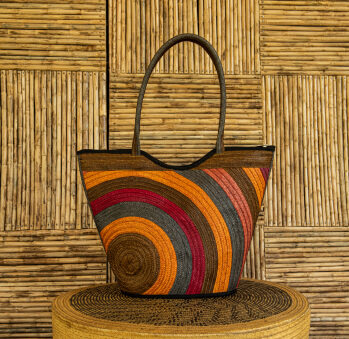
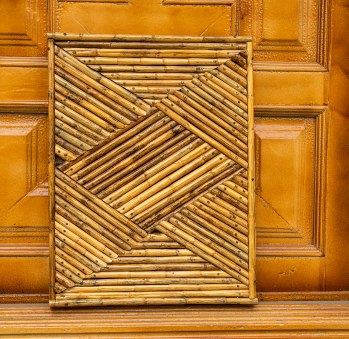
With a new spirit filling him, he was invited to participate in craft fairs. His first was in Cartagena, where he sold everything he had brought. Then came an invitation to New York. Another order arrived to supply an artisan shop in northern Bogotá. And then the pandemic struck. Neither opportunity came to fruition, even though he had already invested everything in producing the order for Bogotá. But once again, fortune found him. In 2021, Artesanías de Colombia invited him to participate in Expoartesano. He rallied his community to weave the caña flecha braid while arranging for the merchandise from Bogotá to be shipped to Medellín. Countless late nights and early mornings allowed him to pay off his debts and prepare for the fair. This time, he returned stronger, determined never to let himself fall so far again. Together with his wife, Carmelita, he set out to reimagine caña flecha. Beyond the traditional braids used for hats and bags, they began incorporating the plant’s dried stalks into architectural ceiling panels and decorative wall systems. It was a breakthrough. Today their work is thriving, and so are they. At last, perseverance has borne fruit. And, as Antonio is quick to remind anyone who asks, none of it would have been possible without his friends.
Workshop and process
Craft
Artisans along the way
Artisans along the way



No puede copiar contenido de esta página