

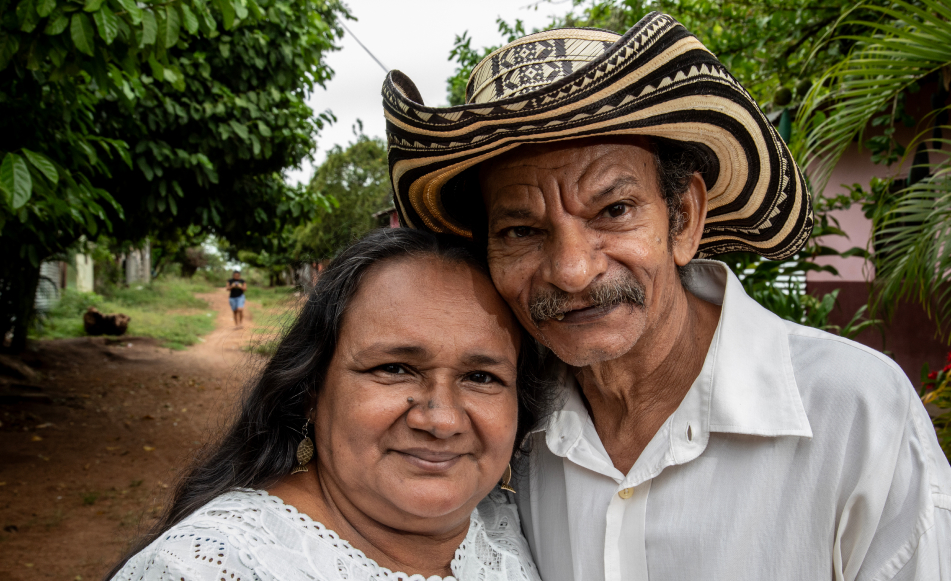
José Galé y Gladys Mercado
Workshop: La Fuente del Totumo
Craft: Work with dried fruits and seeds
Trail: Sucre Route
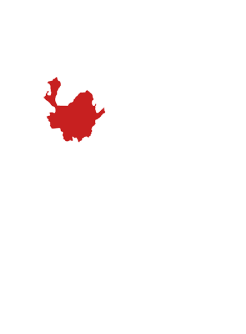
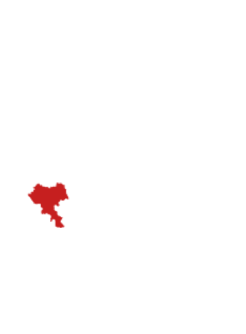
Location: Galeras, Sucre
SCHEDULE YOUR VISIT
Barrio del Chibolo Calle 2B #18A-65
3135418523
joseluisgalemejia@gmail.com
@p/La-fuente-del-totumo-100064088262...
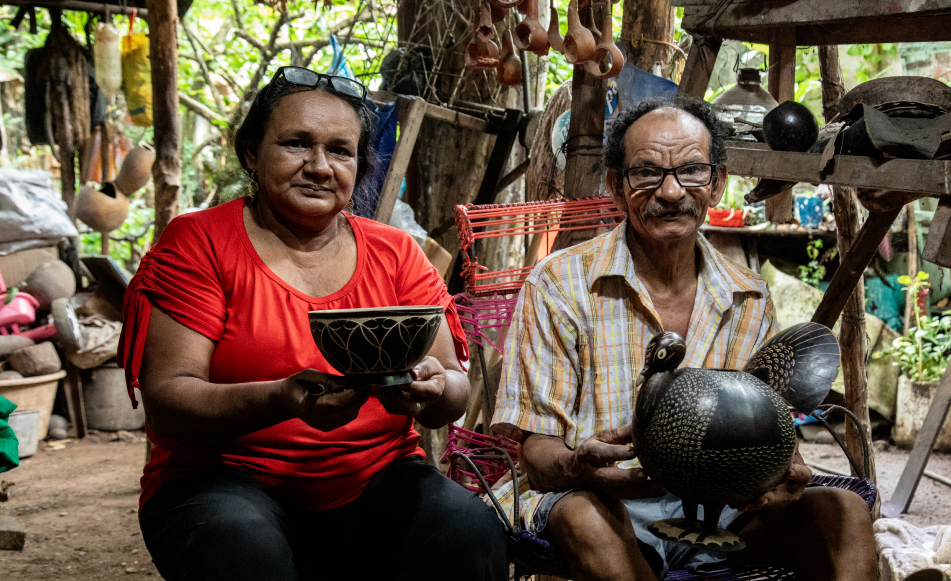
“Out of every brood of chicks, there’s always one scraggly little one—and that was me,” Don José Galé says with a laugh, recalling that among the fourteen children of María Ernestina and Pedro Pablo, he was one of the most resourceful. He grew up surrounded by totumo gourds. They hung everywhere, in countless shapes and sizes, and perhaps because they were so abundant, he spent much of his childhood believing they were worth nothing at all. His father would send him to gather them so they could be chopped up as feed for the chickens. But José saw something entirely different. To him they became toys, helicopters, and little animals of every imaginable kind, brought to life with nothing more than his imagination and his hands. Neighborhood children adored them and would eagerly trade the Christmas presents their parents had given them in exchange for José’s creations. Of course, the adults would scold him. “How could you trick those children like that?”
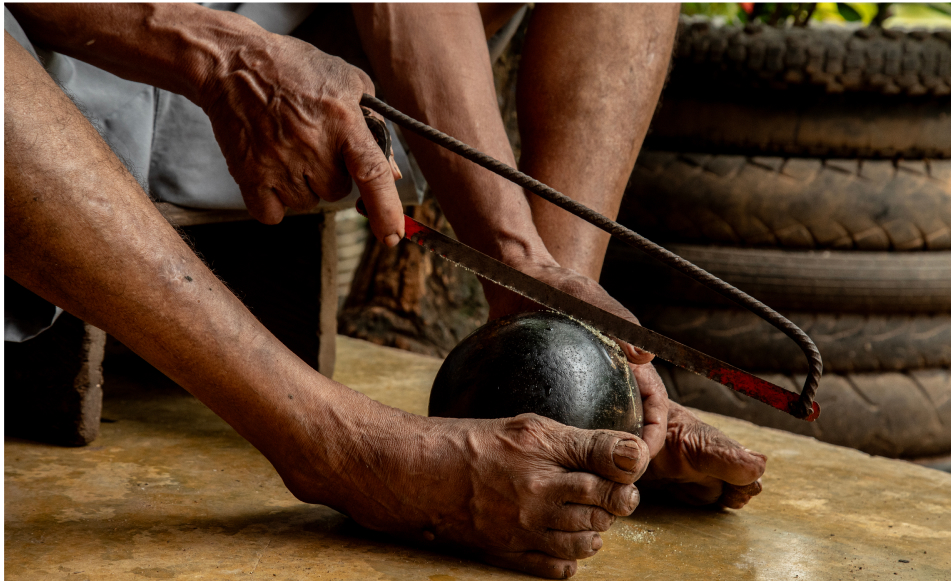
That was his childhood: collecting gourds and getting to know them more intimately with each passing day. On his own, he learned to make the tools he needed to shape the fruit. He fashioned handles for worn knife blades his father brought home from clearing the fields, and hammered nails into improvised implements. One particular memory remains vivid. While delivering firewood to town one day, he stopped to watch a man fitting a handle onto a machete. He studied every movement, watching with absolute concentration as the craftsman drilled the holes and secured the blade. That became his master class.
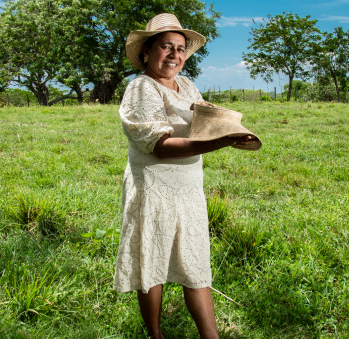
The years passed, and José grew into adulthood. Like his father and brothers, he worked the land. He milked cattle, cleared pasture with axe and machete, and turned the soil with a hoe. It was what people did, what there was to do. Twenty-five came and went. Then thirty-eight. And the totumo was still there. Then, as love often rearranges a person’s life, he fell in love with Gladys Mercado. Nearly forty years later, he laughs at himself when he remembers that, despite trying to win her heart, it never occurred to him that the objects he made from totumo could have been the perfect courtship gift. She was the one who pointed it out. Growing up surrounded by the fruit had made him overlook its value. Only then did he realize that perhaps it was worth something after all.
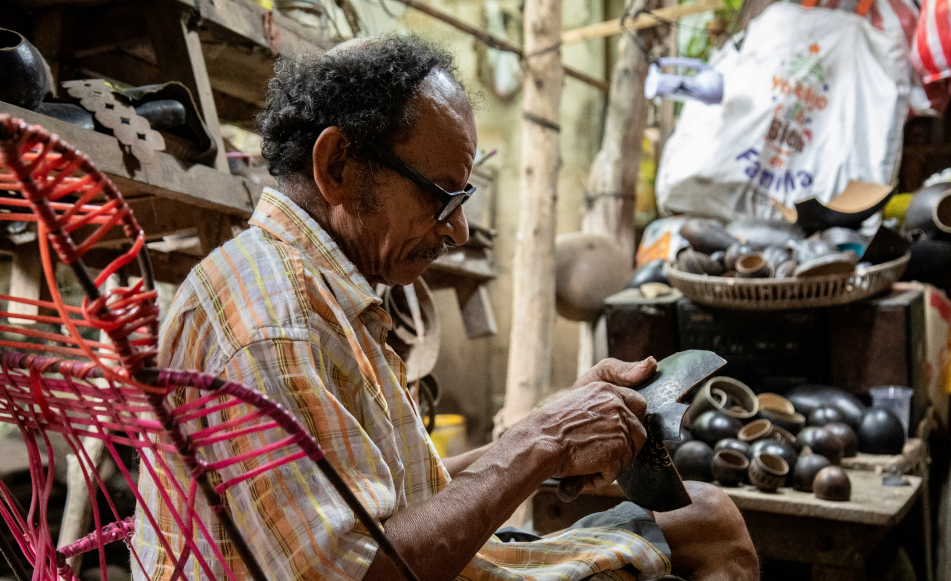
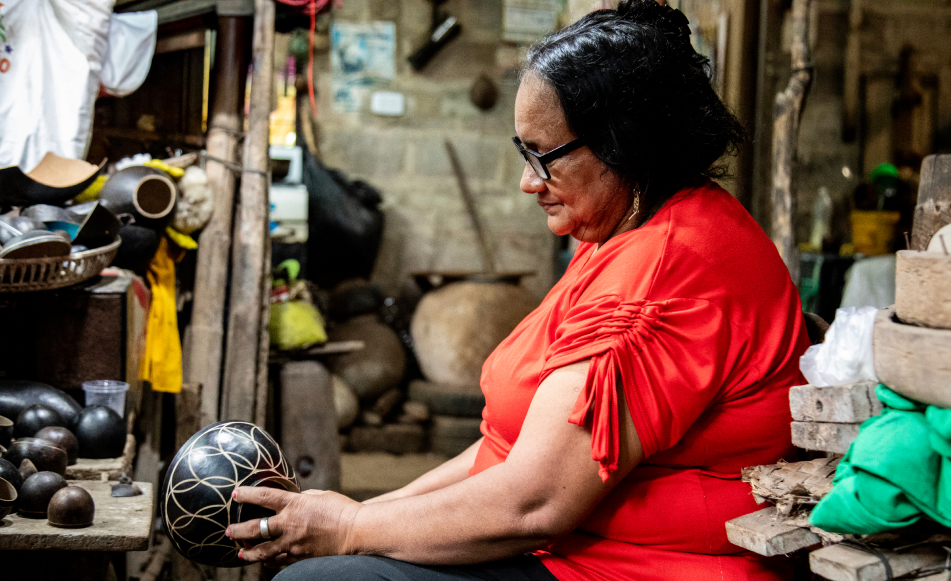
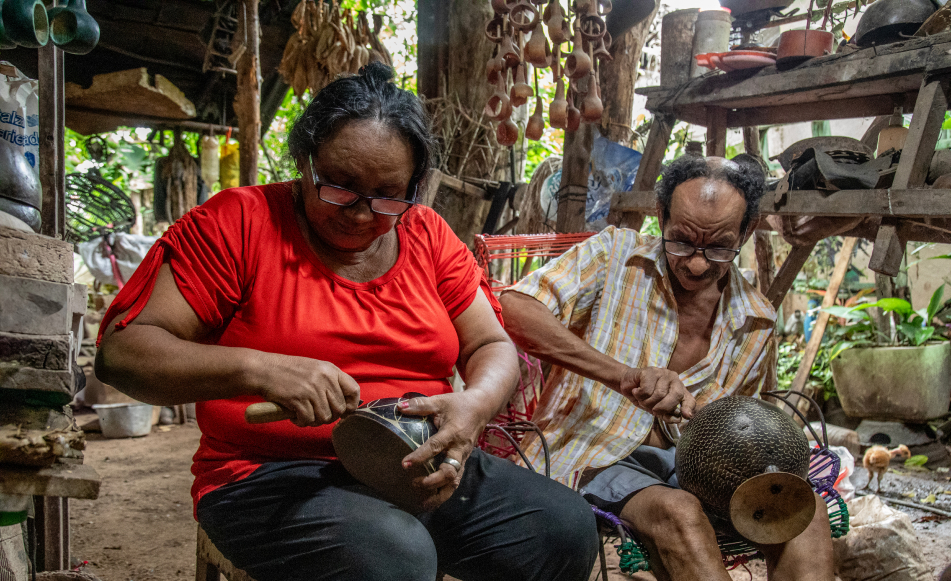
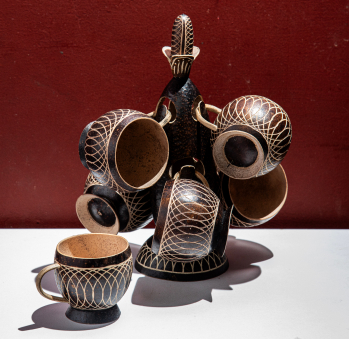
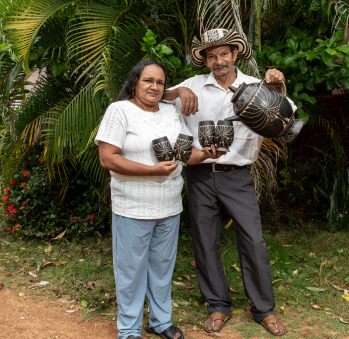
There was one moment that changed everything. During a local bullfighting festival, he brought a collection of totumo pieces to sell, and that afternoon he earned 30,000 pesos. At the time, he normally made only 7,000 pesos in an entire month. He was astonished. By then he and Gladys had begun building a life together. They travelled to La Guajira, where once again people became interested in José’s totumo creations. Everywhere they went, they watched people’s delight at discovering such an unusual material transformed into everyday objects—cups for coffee, bowls, serving vessels. It was, unmistakably, a calling, so together they got to work. José taught Gladys everything he knew and she learned quickly. “In the end,” he says, “I married a master craftswoman, and she married a master craftsman. I taught her some things, but she taught me many more. We’ve spent our lives correcting each other without ever blaming one another.” It is beautiful to hear him speak after so many years, still so deeply in love, placing Gladys at the center of the story, praising her remarkable carving skills. He asks us to imagine painting a horse alongside someone we love. Suppose our horse ends up with one ear drooping. Instead of criticizing the mistake, why not simply imagine the two little horses walking together? That is how these two have lived. Side by side, working hand in hand—and with their hands.
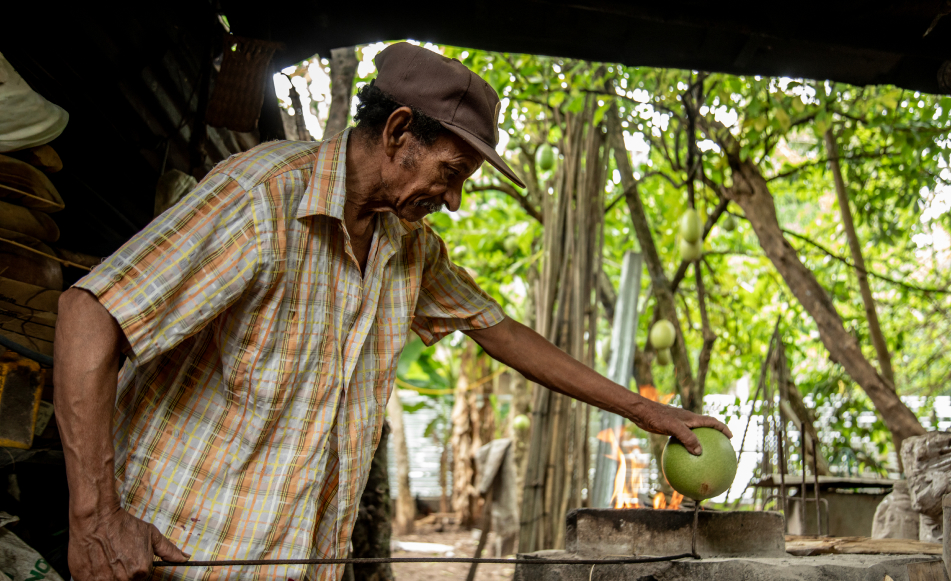
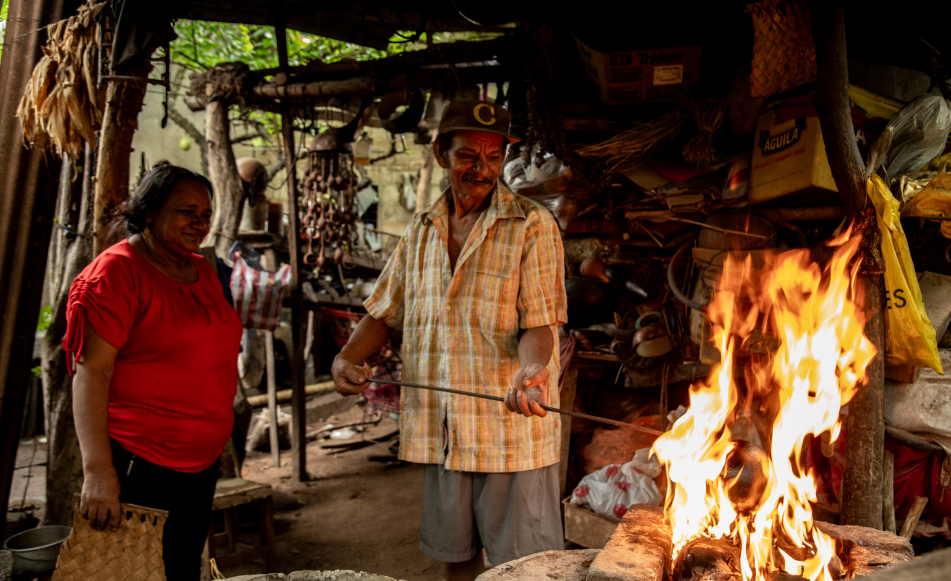
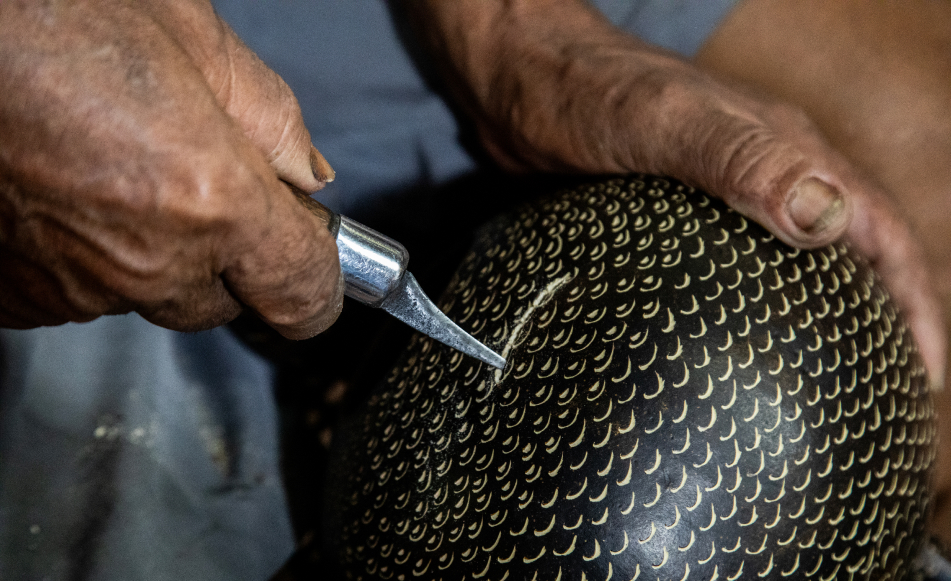
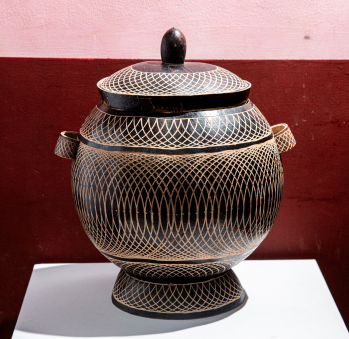
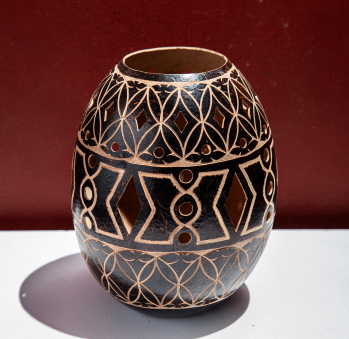
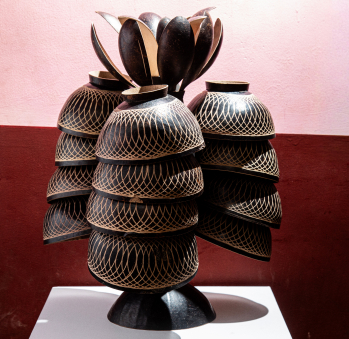
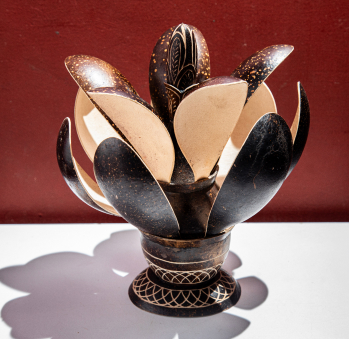
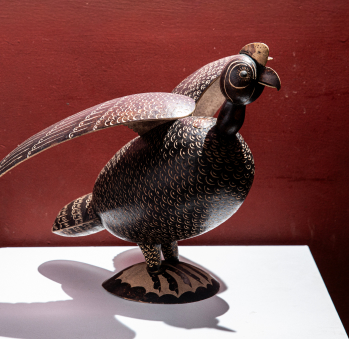
José also believes that nothing from a totumo is ever wasted. Mistakes simply do not exist. If he accidentally cuts too much away while making a vase, then it becomes a cup, that’s all. Every unexpected turn becomes another opportunity to create. And so he and Doña Gladys continue learning, despite already being recognized as masters of their craft. Today they smoke the gourds over a fire fueled by the fruit’s own shell, producing deep, dark surfaces of remarkable elegance. Upon them they carve delicate natural motifs, a style they have mastered over the years. They also delight in the unexpected requests of their customers, happily venturing into new shapes and designs whenever someone imagines something different. Decades have passed this way. Yet, just as in that now distant childhood, their love for the totumo and its endless possibilities remains untouched. The only difference is that today José has found the perfect accomplice—someone with whom he can continue playing the joyful game of creating.
Workshop and process
Craft
Artisans along the way
Artisans along the way



No puede copiar contenido de esta página