


Juan David Vargas
Workshop: LASTRA Taller
Craft: Jewelry
Trail: Antioquia Route
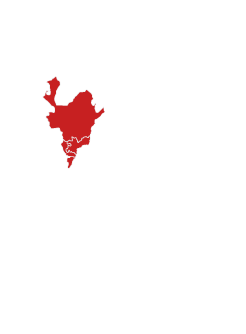
Location: Medellín, Antioquia
SCHEDULE YOUR VISIT
Transversal 41 #77-22, apto 401, Edificio Mar Luisa, Laureles
3197818917
lastrataller@gmail.com
@lastra_taller
@lastrataller
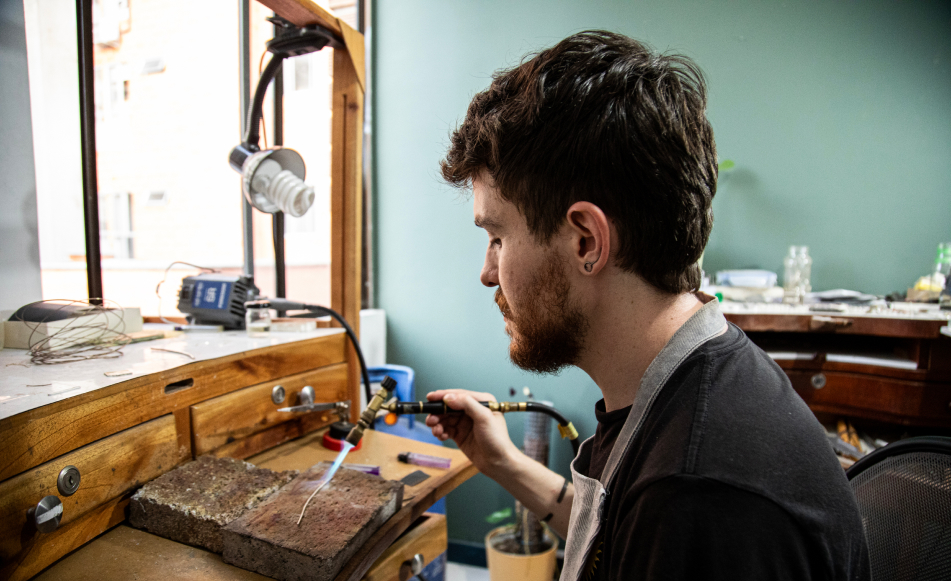
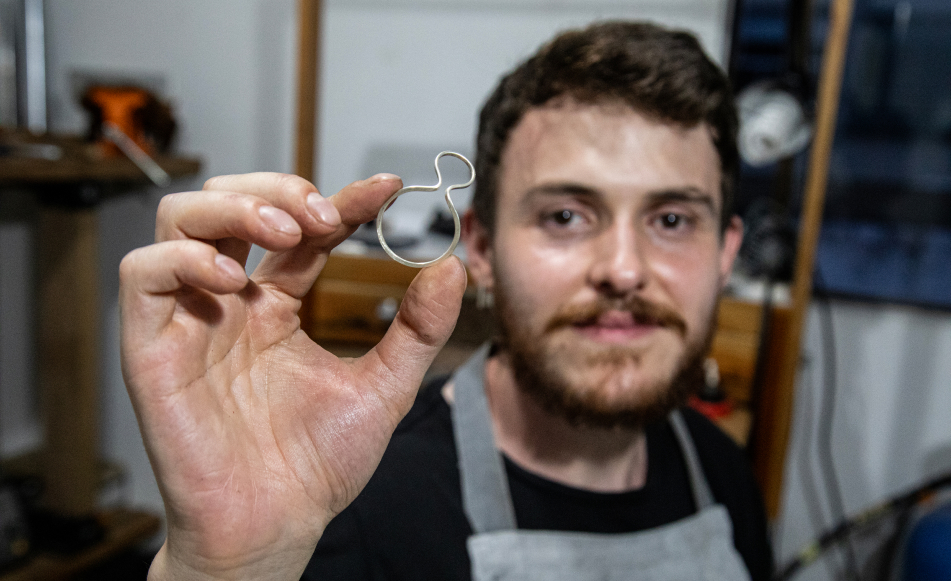
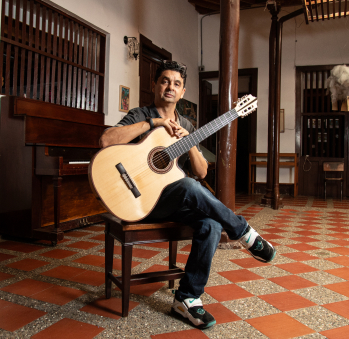
Even before finishing his Architecture degree, Juan David realized that this was not the path he wanted to follow. The only aspect of the discipline he enjoyed at the time was working with his hands—cutting, gluing, and assembling models. The idea of spending his days sitting in front of a computer designing projects did not appeal to him at all, and following an instinctive impulse, he signed up for every art elective he could. That’s how he discovered jewelry making, a craft he has now been immersed in for eight years. The connection was immediate; he soon asked his friend Jesús Suárez to lend him his workshop, where he used his tools and learned under his guidance. Later, they would create the brand Lastra together, which Jesús remained part of until three years ago, when he decided to shift his focus to ceramics.
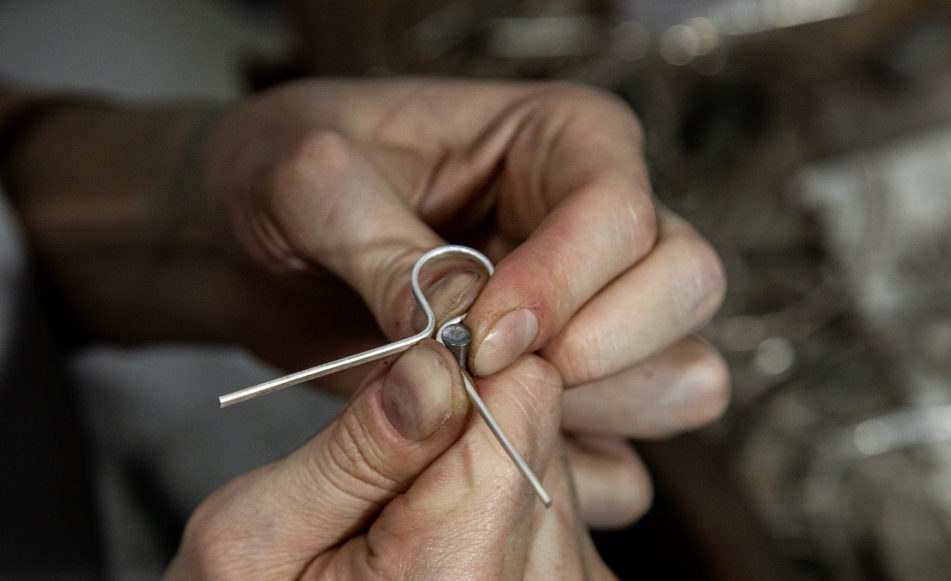
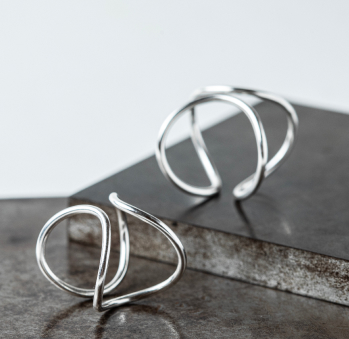
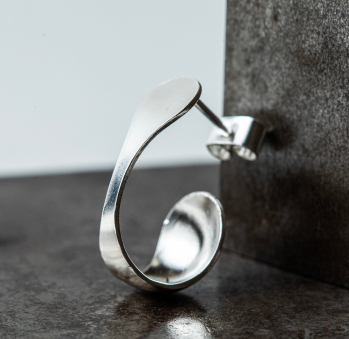
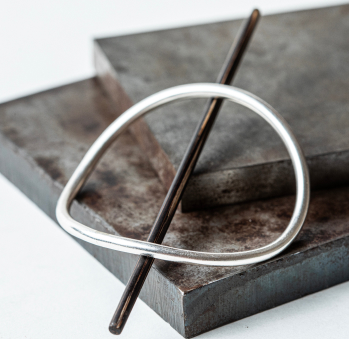
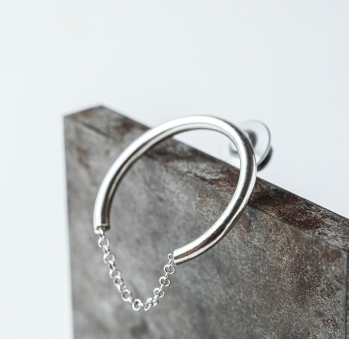
Architecture, however, still accompanies him, especially in the way he observes. He finds inspiration in buildings and chairs more than in nature or in jewelry itself. Just like architectural structures that set their straight lines against the shapes of the landscape, Juan David is fully aware that jewelry also has a support: the body. This is why he has been exploring how the lines of his pieces can follow the shapes of the body—for example, crafting earrings that make room for the curve of the earlobe, or climbers that trace the path of the helix.
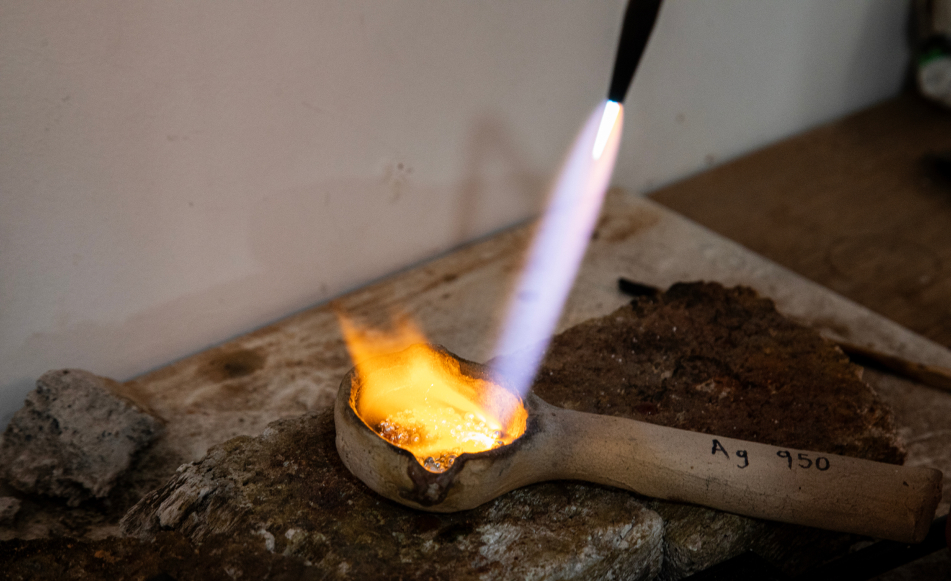
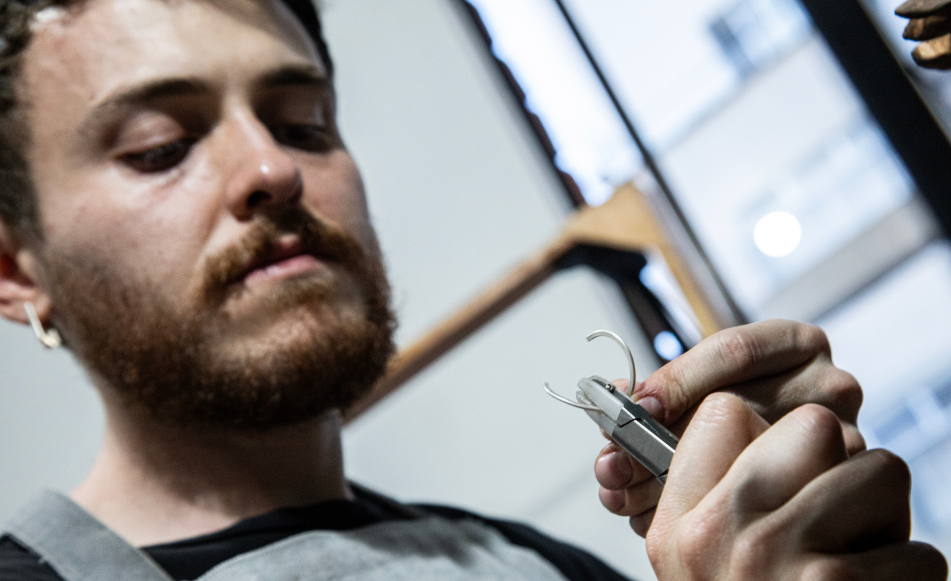
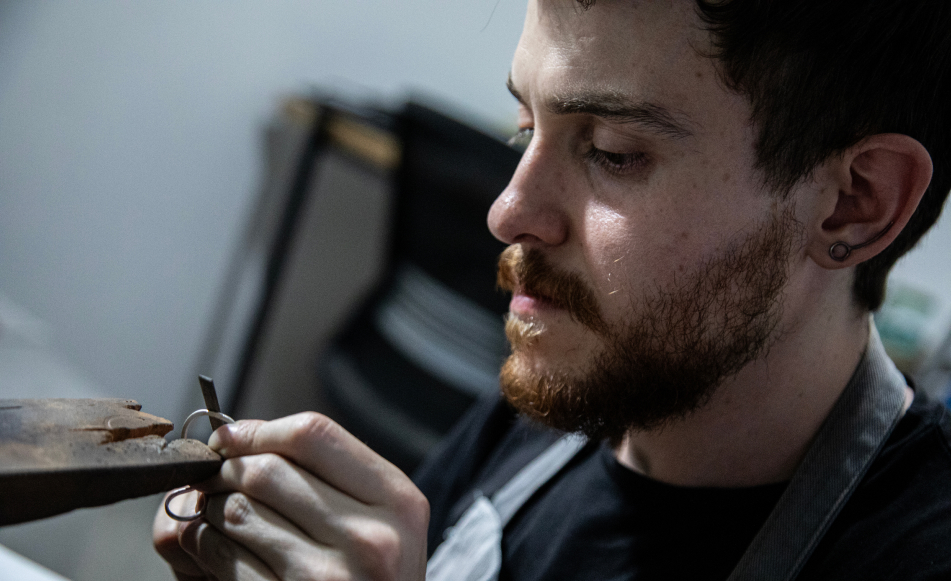
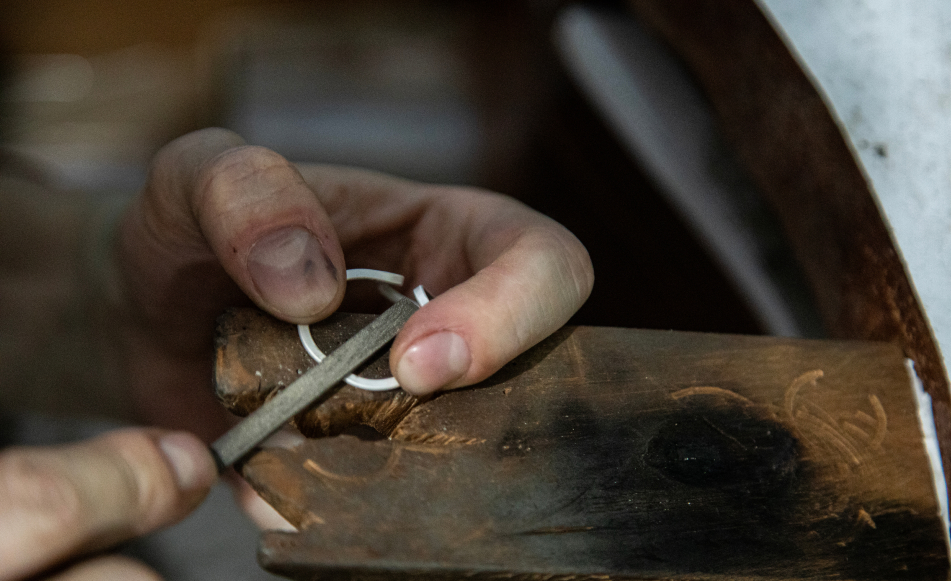
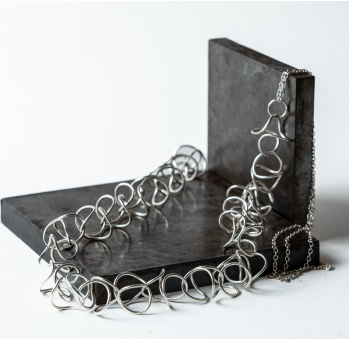
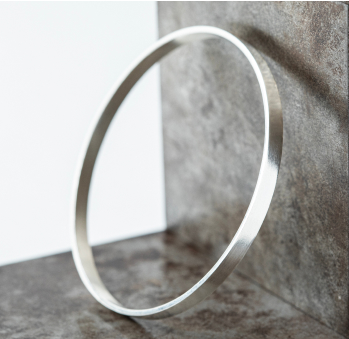
He takes the necessary time to ensure that the metal wires he works with are flawless, the forms he outlines are symmetrical, and the angles sharp. He is meticulous about the finish of his pieces because he knows that, almost always, the work can be polished further. His perfectionist nature makes this approach to the craft come naturally to him. That is why he prefers to finish every piece himself. And while perfectionism has its pros and cons—such as the difficulty of finding the right assistant or delegating—he has found a channel for this trait through jewelry making.
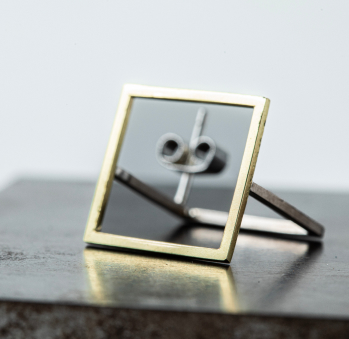
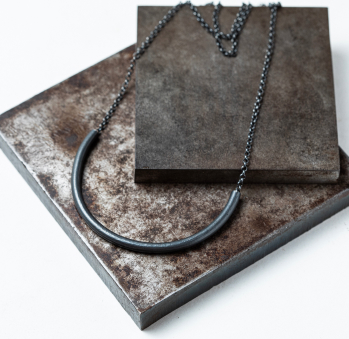
He enjoys doing the same thing all day: immersing himself in the workshop, repeating familiar shapes until they reach exactly the point he imagines, getting up only to prepare lunch, and then continuing. His jewelry draws from minimalism and brings him back to the references that inspired him during his architecture studies: Japanese architects Tadao Ando and Sou Fujimoto, and the modern movement. Whenever he designs, instead of thinking about what he can add, he thinks about what he can remove from the piece. Perhaps for this reason, his jewelry can be worn by anyone drawn to form, planes, and simplicity, and has been well received by both men and women. There is much to learn from a jeweler so attentive to his craft.
Workshop and process

Craft

Artisans along the way







Artisans along the way



No puede copiar contenido de esta página