
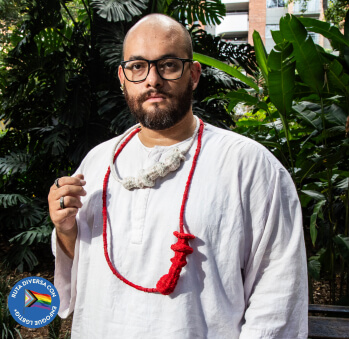
Yeison Marín
Workshop: Maitamá Tejidos Ancestrales
Craft: Weaving
Trail: Antioquia Route
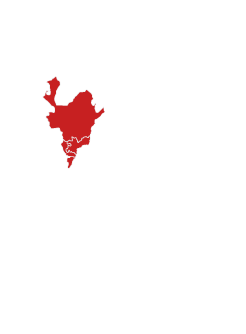
Location: Sonsón, Antioquia
SCHEDULE YOUR VISIT
Calle 3 # 5-29 . Barrio La Calzada, Casa azul de reja negra
3219889606
maitamatejidosancestrales@gmail.com
@maitamatejidosancestrales
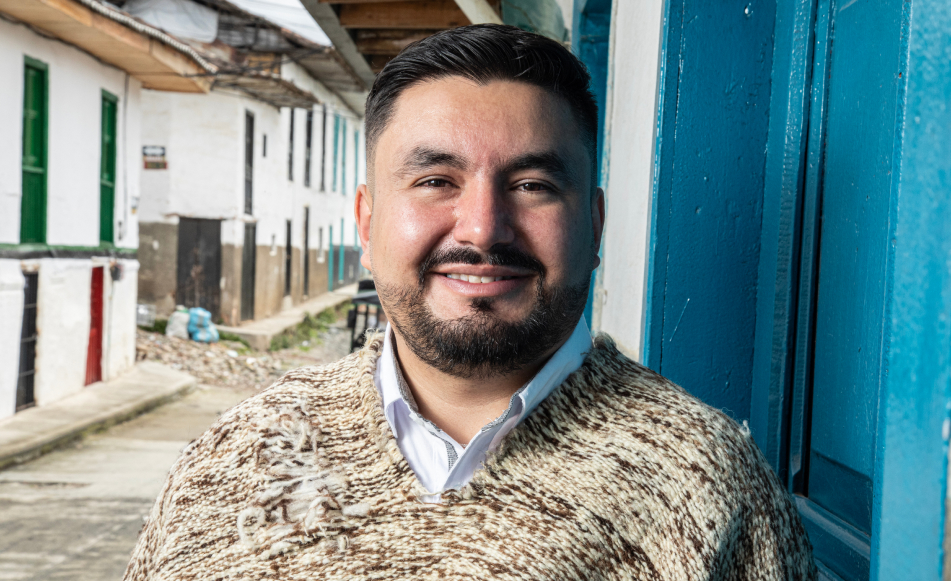
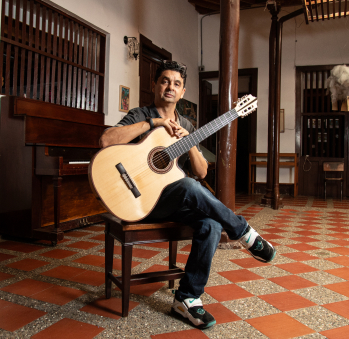
The first time Yeison Marín stood before a loom, during a class offered by Antioquia Mágica at the Sonsón Cultural Center in 2022, he felt so overwhelmed by the thousands of thin threads strung across it that he felt the urge to run away. That afternoon he went home and told his grandmother he was never going back. He knew about human talent management, had worked as an assistant and administrator for the HALO Trust doing humanitarian demining in Putumayo, Casanare, Boyacá, and Norte de Santander; but he knew nothing about artisanal work. Then his grandmother, Rubiela, showed him a small woven mat and told him that if she, at 74, had learned to make it, he could certainly learn to handle a loom. So he set a new goal for himself: even if he didn’t like the class, he would at least understand how this machine worked. And that’s what he did. He arrived at the next session with a notebook in hand, sketched the lines of the loom, and wrote down everything about the treadles, their order, and the thread codes. To his surprise, thanks to having recorded everything, he was put in charge when the instructor returned to Medellín. He was the youngest in the group—a man among so many women weavers from Sonsón.
Looking back, he realizes that during all his work-related travels he would always buy some handicraft to bring home as a gift. The love for the craft was already there. Just like when, as a child, he asked Grandma Rubiela to teach him how to crochet. He didn’t manage to learn then—perhaps it wasn’t the right moment. It would come years later, when he moved to Sonsón to live with his grandparents at age thirteen, after his mother, Consuelo Marín, decided to take him out of the rural village of San José de las Cruces to protect him from forced recruitment, kidnappings, weapons, and the death that loomed over their lands in the early 2000s. She sent him to town trusting the values she had taught him, and knowing his grandparents would guide him when the time came to say no to the armed groups. Yeison, who had already seen his own father and three uncles being recruited by different factions, learned that if there was to be justice, it shouldn’t be with a weapon in hand. So in Sonsón he devoted himself to studying and working—first at a grocery store, then at a funeral home, a job that helped him reconcile with so much death, and a concern that would later lead him to humanitarian demining. It’s remarkable how everything led him to his own healing and restoration.
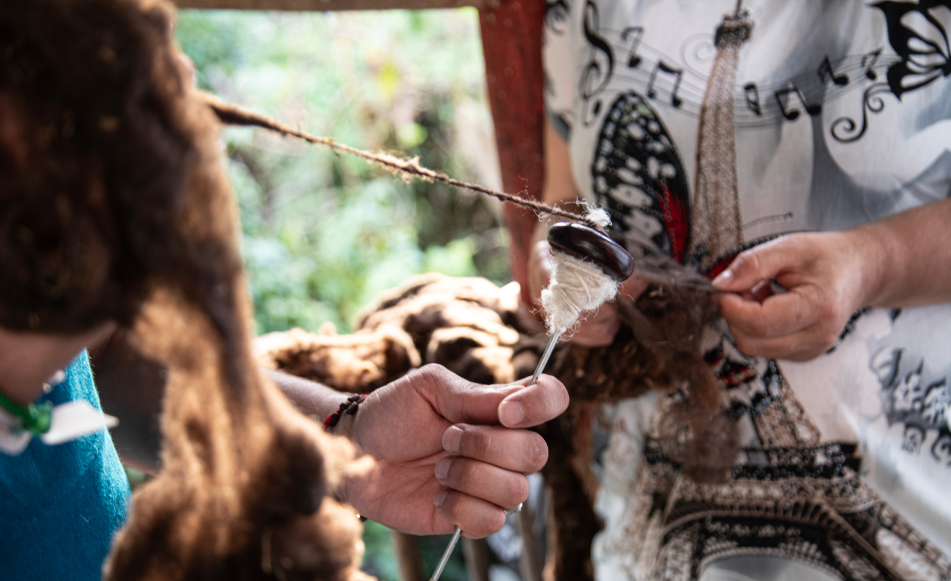
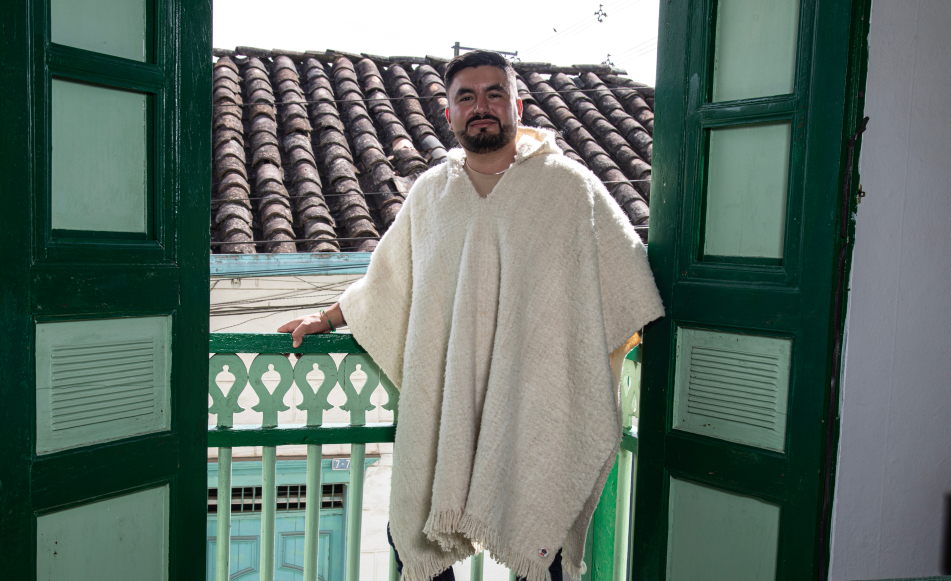
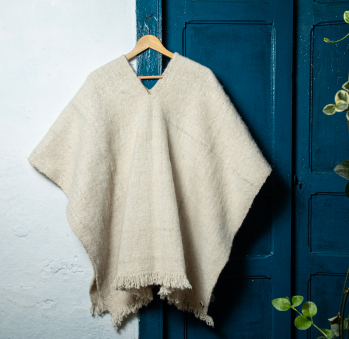
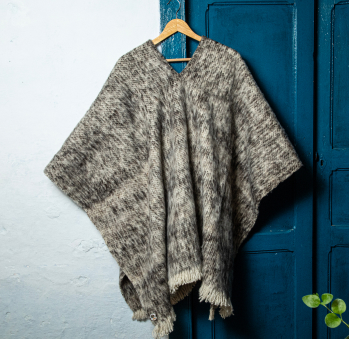
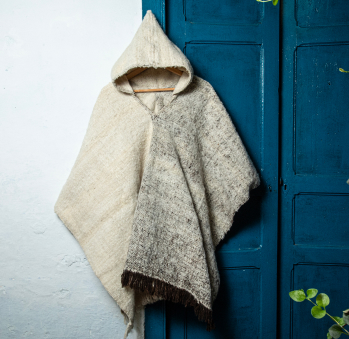
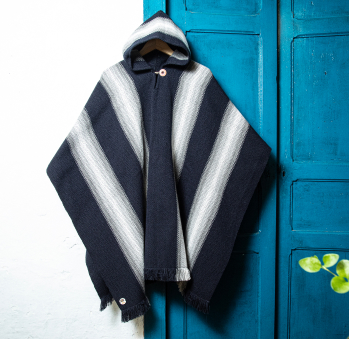
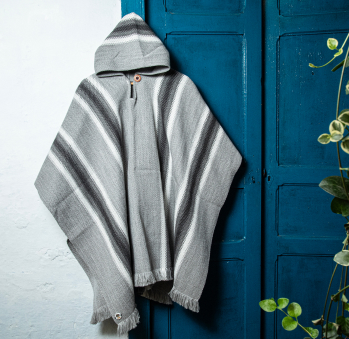
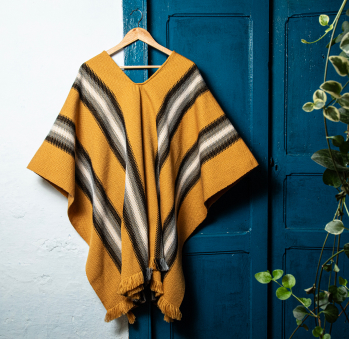
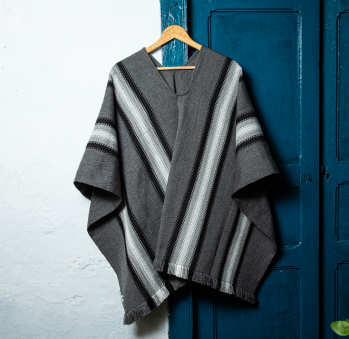
And with that, the questions returned. At some point, he could no longer bear seeing his family only during holidays. So, after his grandfather Reinaldo passed away in 2021, Yeison came back and took responsibility for the care his grandmother, mother, and aunt needed, honoring a life of love and effort. Having returned home, the calling of the craft arrived as a gift. He found the perreleña ruana his grandfather kept in a trunk and remembered the tradition his town had abandoned amid so much violence. Sonsón, with its cold climate, had once been known for producing ruanas and blankets in the rural area of Perrillo. They were woven in wool using vertical looms.
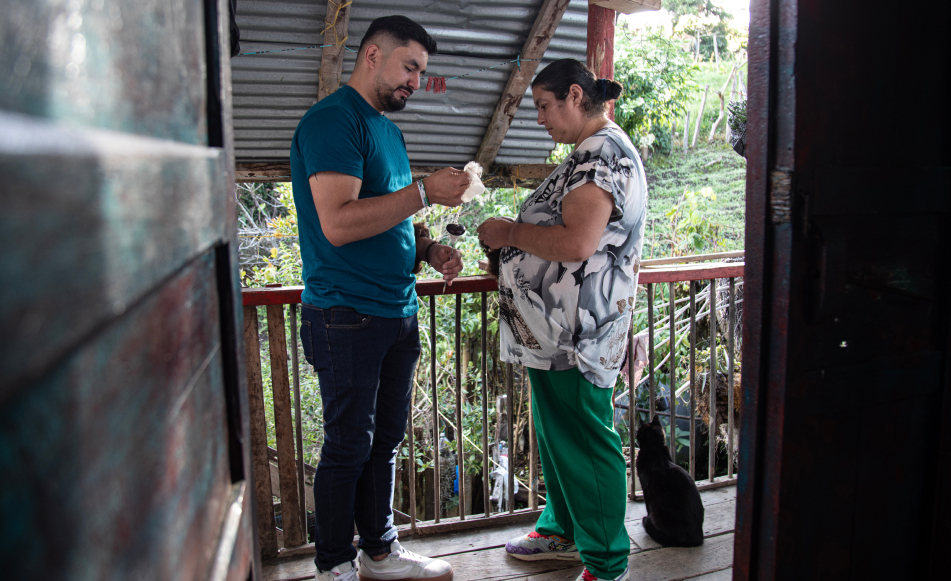
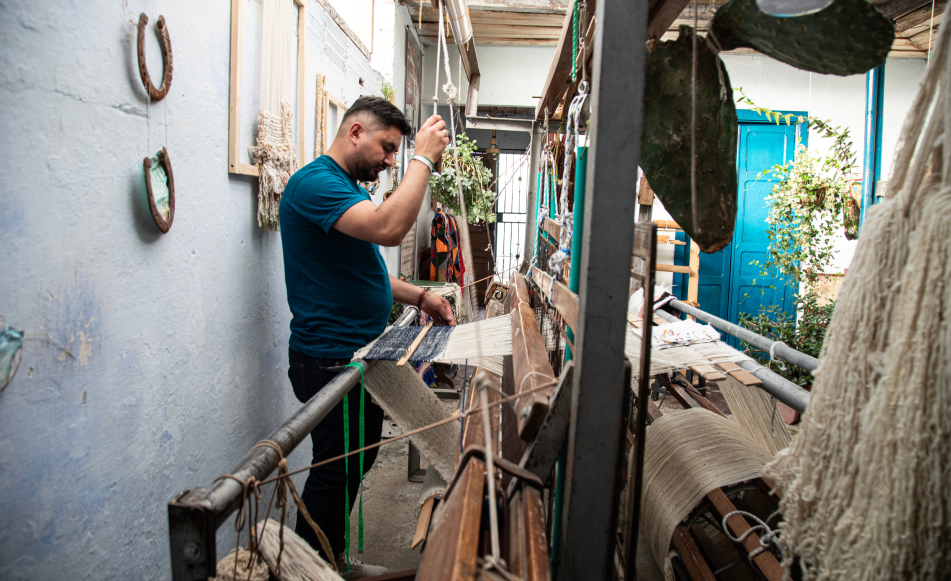
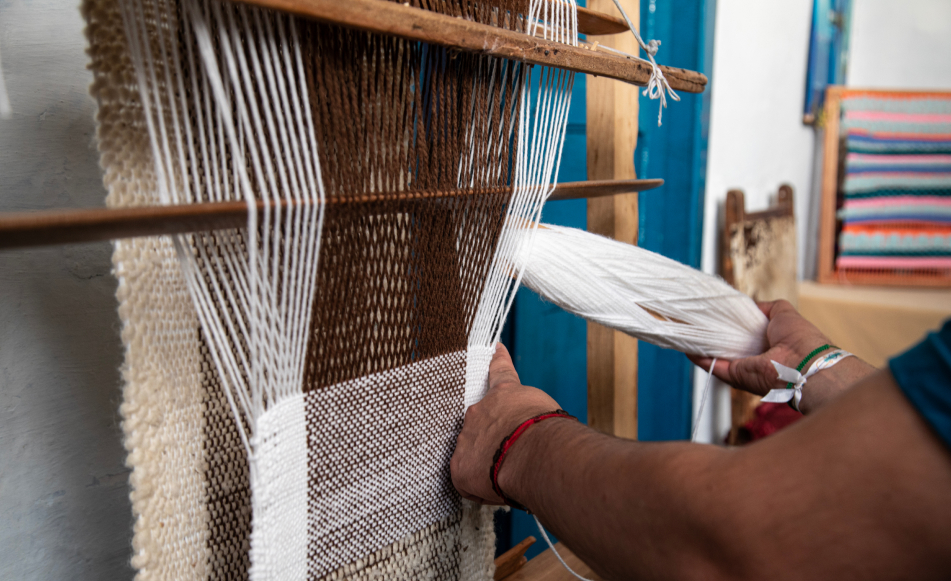
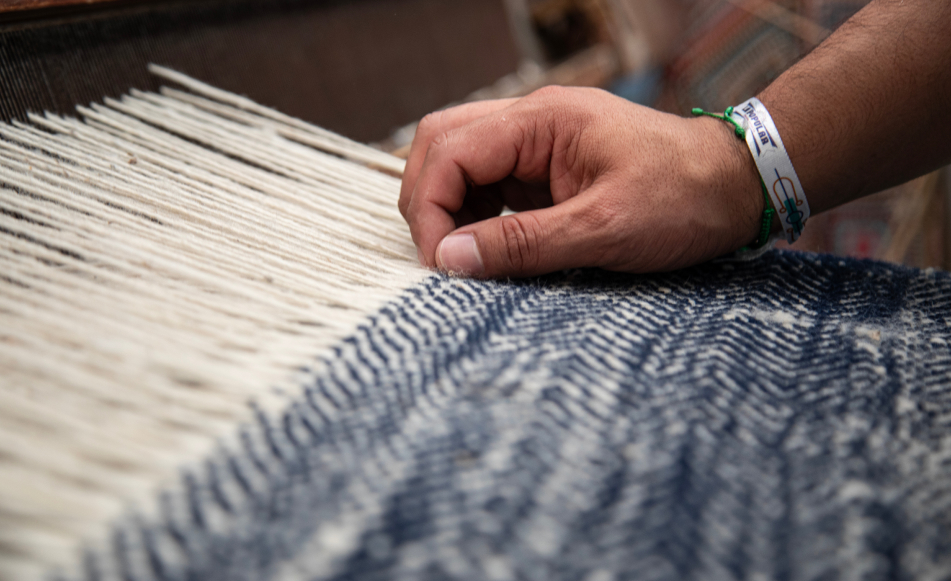
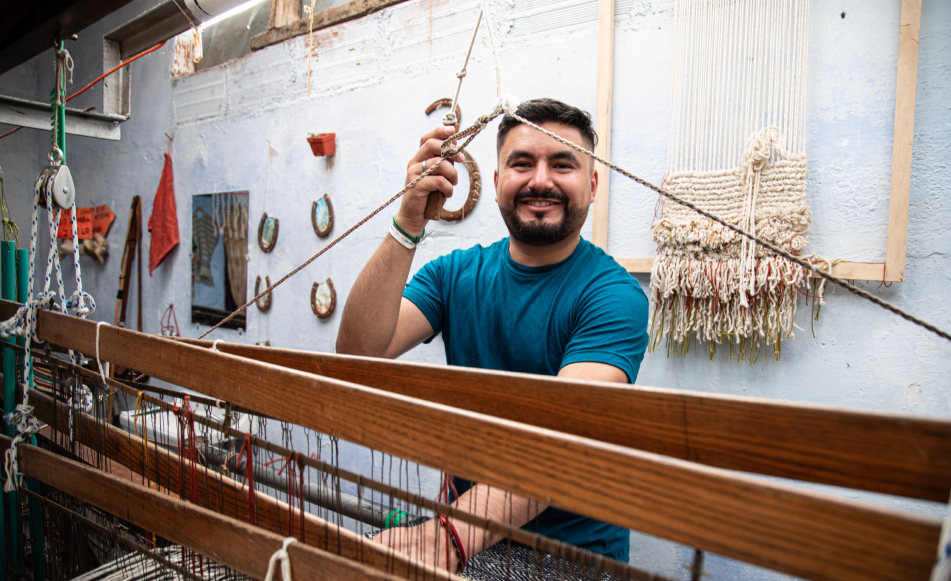
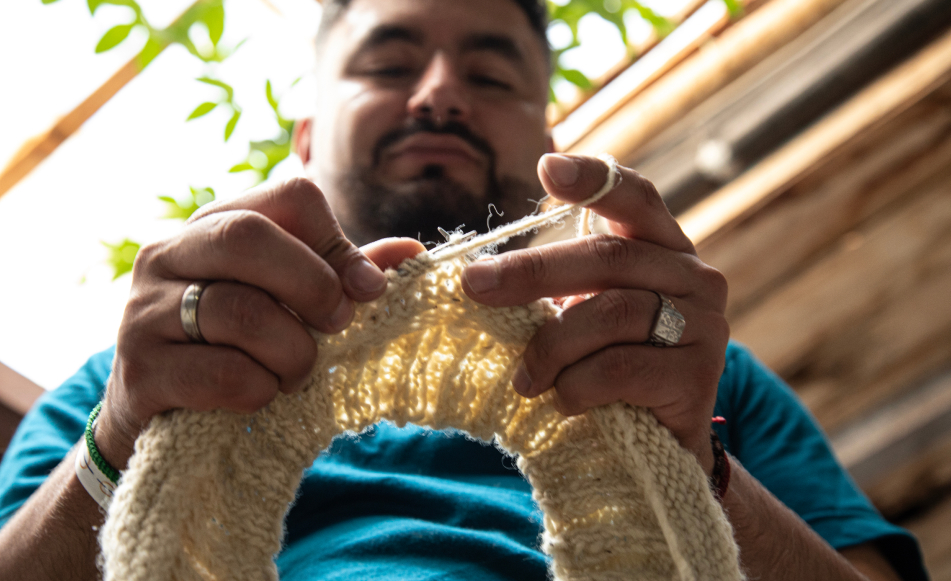
Yeison set out to recover that knowledge. Thanks to the course he took at the Cultural Center, he began searching for answers. He climbed into the attics of his family’s houses, explored their back rooms, and found treasures: a 150-year-old vertical loom that had belonged to his great-great-grandmother, Rosana Granada; a 67-year-old loom kept by his aunts; and a 47-year-old one. Memories surfaced—his aunts hiding the looms from the eyes of children and men, believing the weavings would “turn sour,” like food, if they were seen—and he realized there was no one to inherit the tradition that the women in his family had guarded so carefully from generation to generation. He decided that person would be him. He began asking the women about their stories, reassembled the looms, and even received on loan the horizontal loom from his first classes, which he and the community of weavers now use in his grandmother’s backyard. Thus, in 2024 he opened his workshop, which he named Maitamá Ancestral Weavings after hearing his niece call his grandmother “maíta,” and discovering that Maitamá had been a local cacique. He installed his collection of wondrous machines in the family home, allowing him to care for his elders while weaving—an essential act of reclaiming the craft that violence had nearly erased. After a long journey, Yeison returned home to honor, day by day, the women who raised him, tending to their well-being, keeping the craft alive, and teaching it to those who will carry it forward.
Workshop and process
Craft
Artisans along the way
Artisans along the way



No puede copiar contenido de esta página