
Alexandra Ramírez
Workshop: Creaciones Ancestrales Doña Alexa
Craft: Nonwoven textiles
Trail: Choco Route
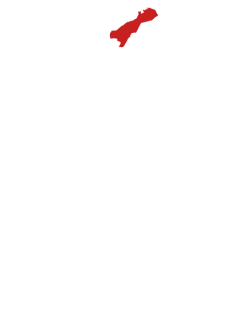
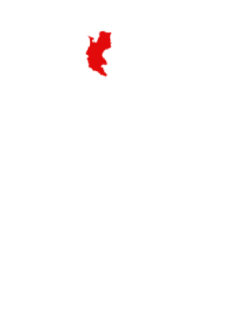
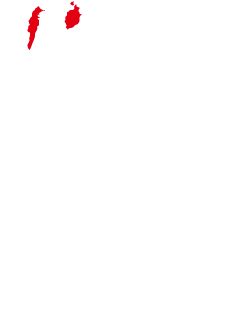
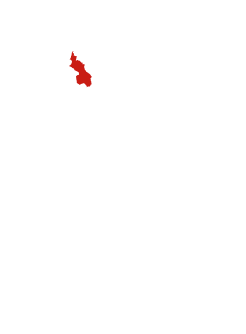
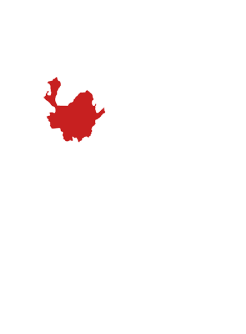
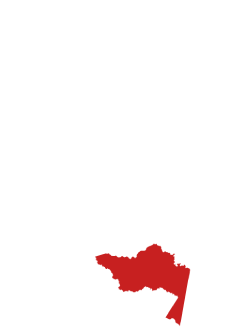
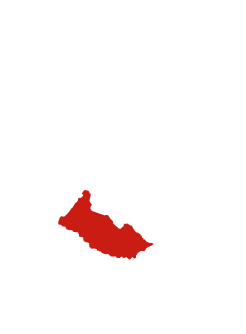
Location: Quibdó, Chocó
SCHEDULE YOUR VISIT
Barrio El Jardín, Zona Minera. Cra 24 #25-33
3104247106
alexaramirezquibdo@gmail.com
@crecionesdonaalexa55
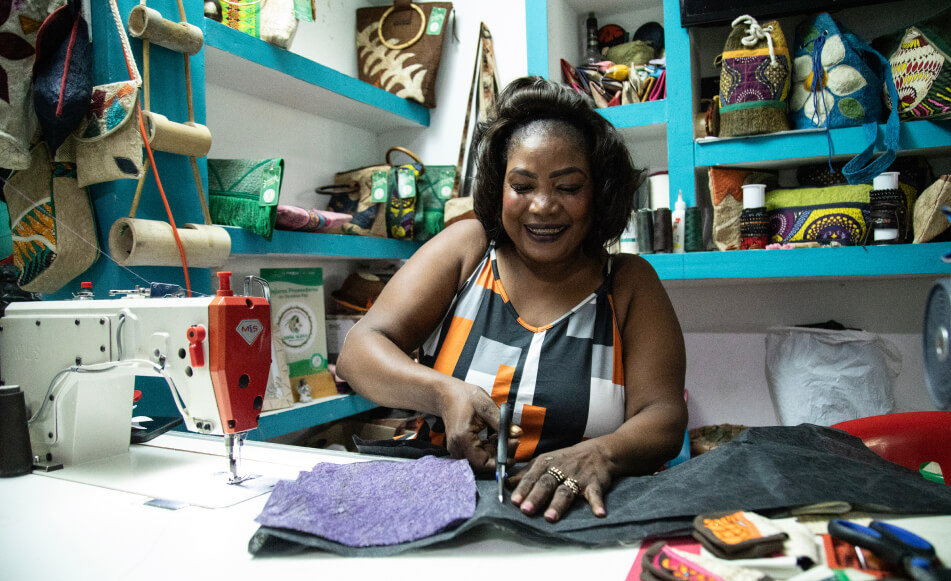
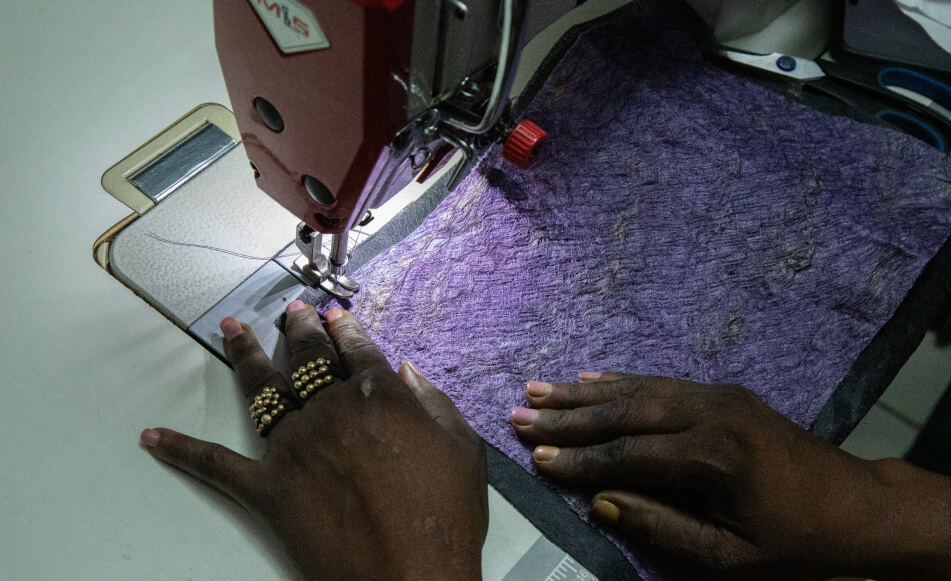
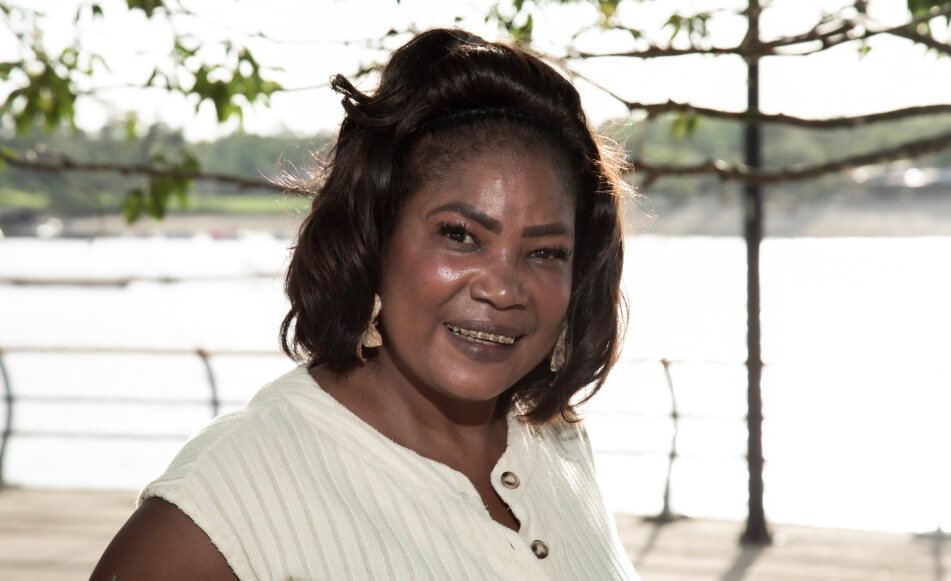
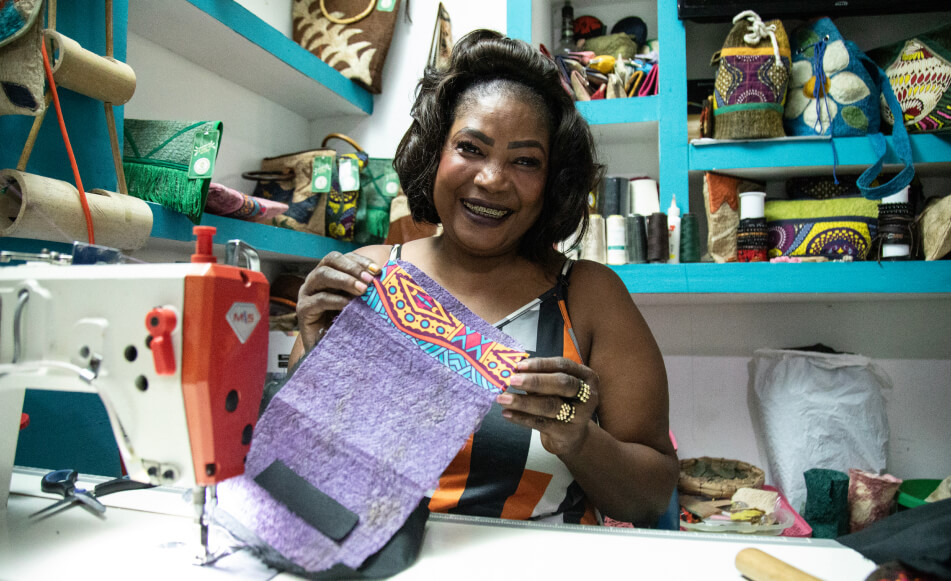
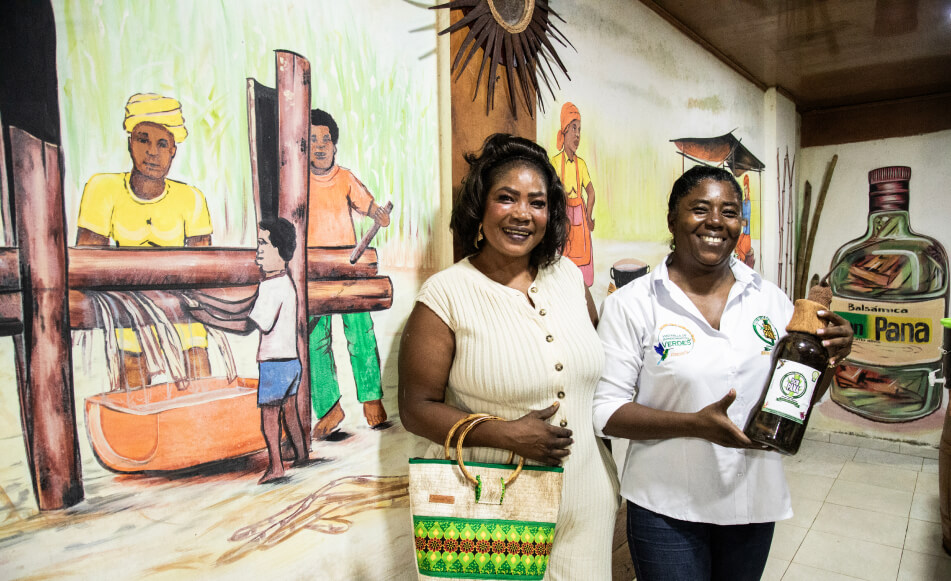
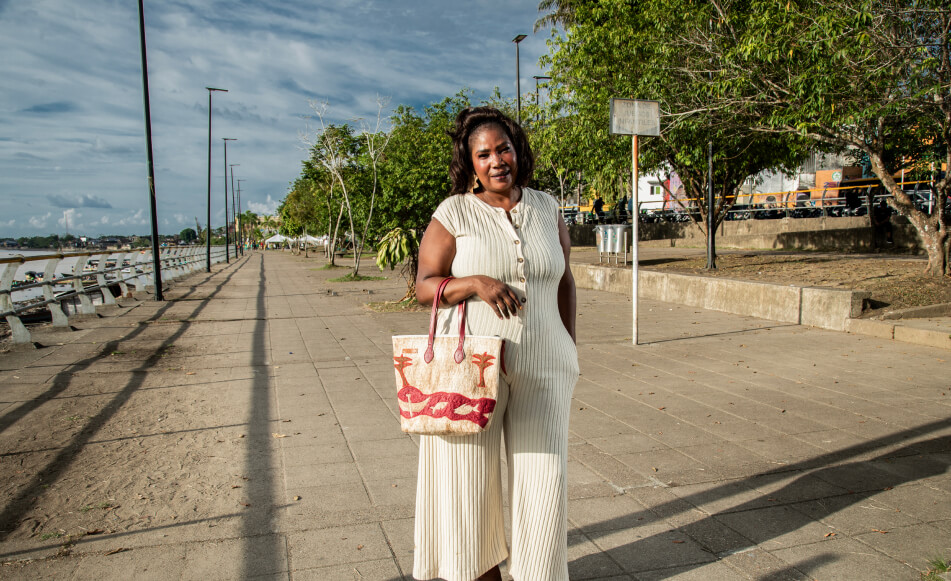
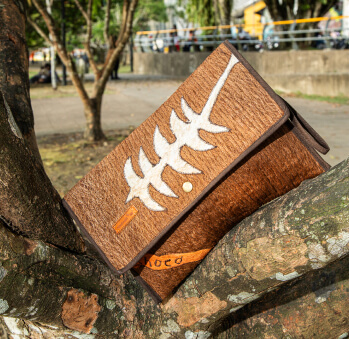
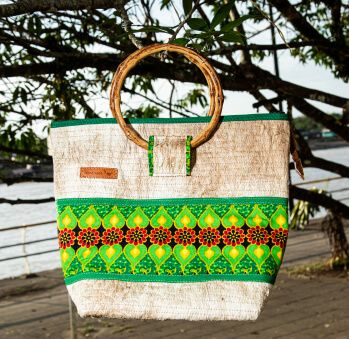
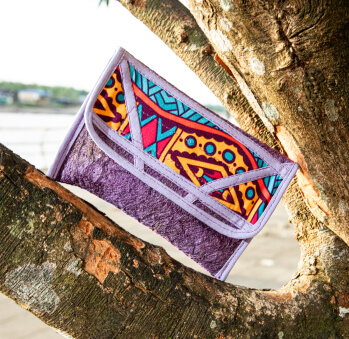
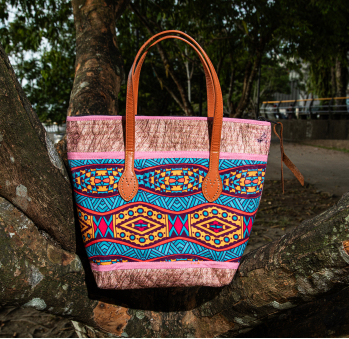
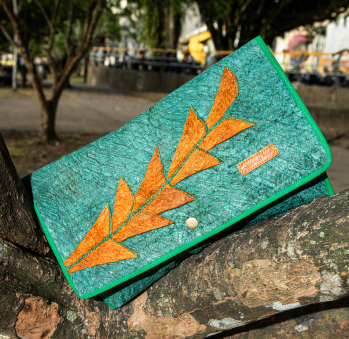
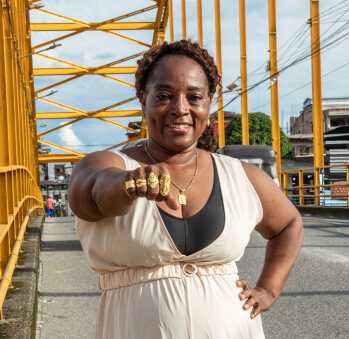
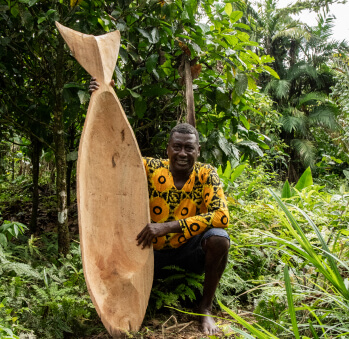
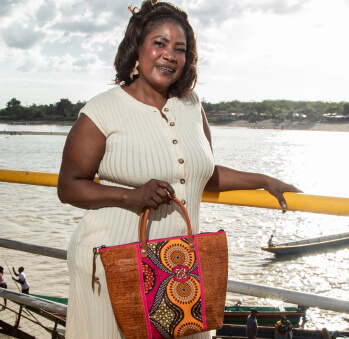
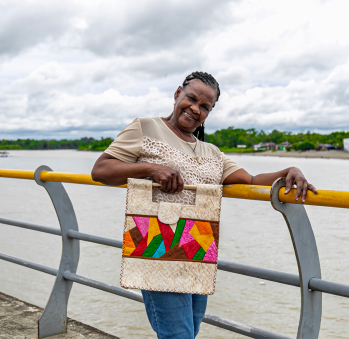
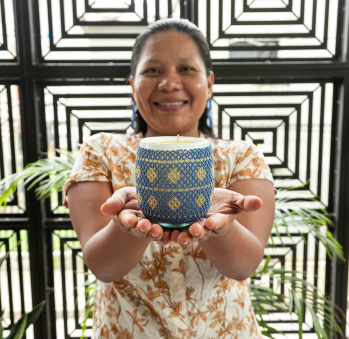
When Alexandra Ramírez introduces herself, she says she comes from Chocó and creates original pieces made from what she calls “plant leathers”—fibers derived from damagua and cabecinegro, her raw materials. She explains that the former comes from a lush tree that grows deep in the rainforest, in the dense vegetation of Chocó, while the latter is obtained from the flower of a palm. She speaks with joy and insists that knowledge must be shared generously, without ego, because she has seen how her craft risks disappearing each time a master artisan passes away and no one in their family continues the tradition. Fortunately, there have been apprentices like her who have taken up that legacy, honoring through their work everything they learned from master artisans such as Doña Flora, Maruja, Ana T., Seño Johana, and Seño Seve.
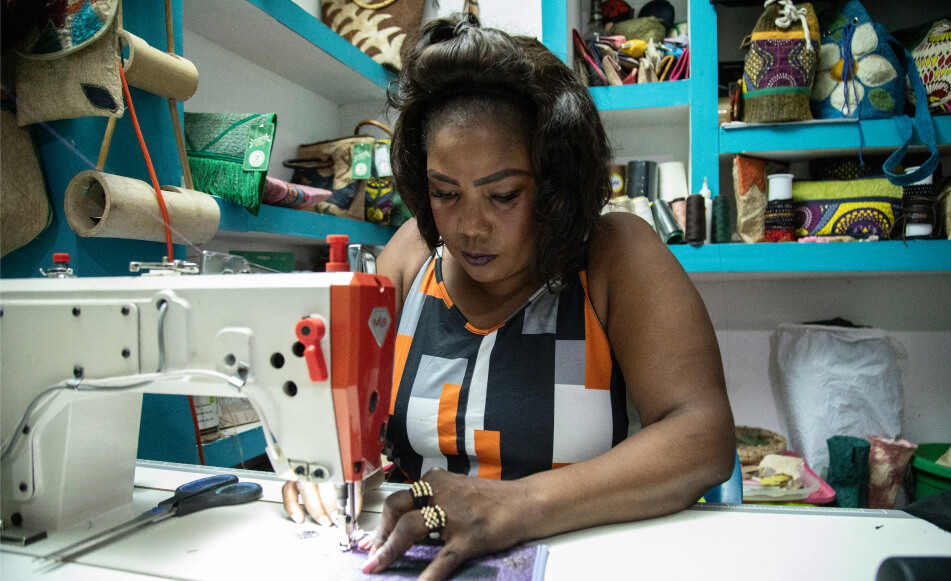
It’s worth going back in time to understand the gratitude and liveliness with which Alexandra approaches her craft. Her father, Marcelino Ramírez Mosquera, was a traditional chirimía musician, better known as “Panadero,” because in his hometown of Istmina he used to sell baked goods—parvas, panochas, maría luisas, and panderos—. That was before he moved to Quibdó to share his musical talent in the capital. If you want to hear him play the clarinet, you can still find him online under “Panadero y sus muchachos.” From her father, Alexandra inherited her cheerful nature, her ability to find solutions to almost anything, and her ease in connecting with people. From her mother, Amparo Machado Cossio, she absorbed sewing skills simply by watching her work—though at the time she had no idea how essential that knowledge would become in her future as an artisan. In fact, when asked whether her mother taught her to sew, Alexandra insists she learned just by observing. She offers another example: one day her brother brought home a motorcycle, and although she had no idea how to ride it, she was eager to try. So she carefully watched how he did it and then gave it a go herself—and succeeded. She learned to ride simply by observing… though, she quickly adds, this is not necessarily a method she recommends!
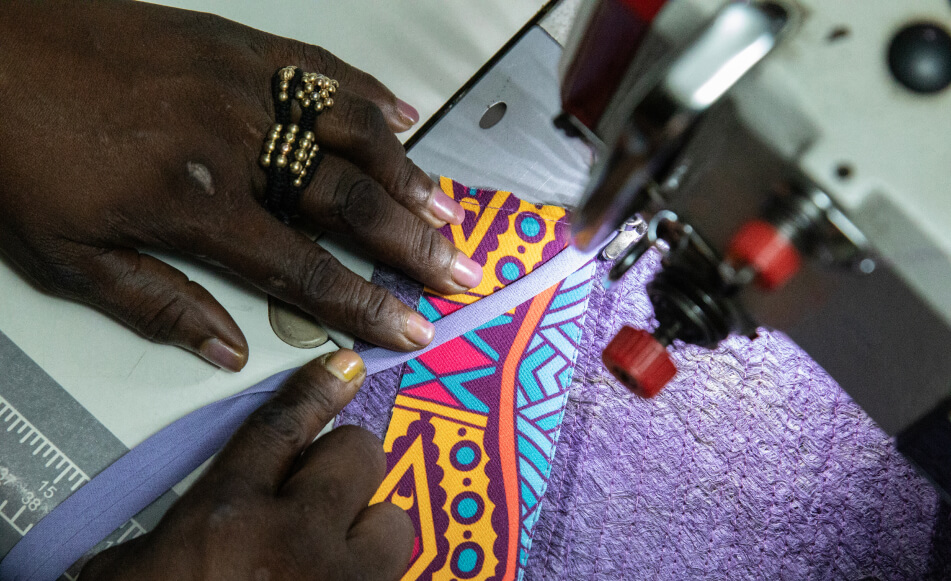
Before working with damagua and cabecinegro, however, Alexandra made a living doing nails—a trade that became her lifeline when, just after turning twenty, she ran off to Medellín following a friend’s false promises. There, she trained at a beauty academy and returned to Quibdó highly skilled in the fundamentals of manicure. Then life took a turn. Encouraged by Seño Seve, she joined the Escuela Taller de Quibdó in 2022. From the very beginning, she knew she had found the right place, and she fell in love with the craft—especially with the fibers she had seen other women use, which she now approached drawing on what she had learned by watching her mother sew.
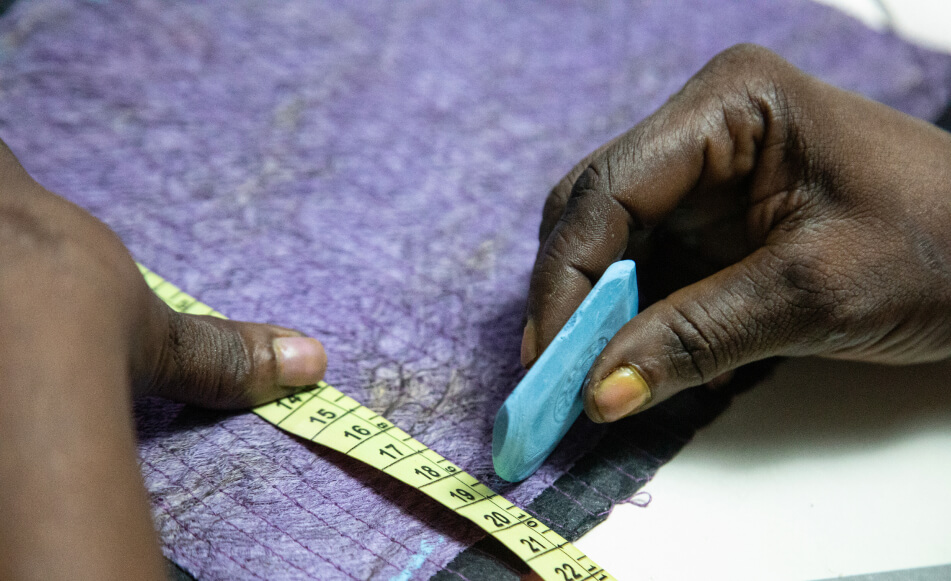
She already knew she loved working with her hands, and she understood that it didn’t matter if her first pieces turned out imperfect—they were made with dedication. That initial awkwardness quickly faded as she practiced and learned how to process damagua and cabecinegro, materials that few people dare to extract from the dense rainforest. Her progress has been remarkable, largely because she chose the best possible strategy: learning directly from those who knew the craft best—the master artisans who had spent a lifetime perfecting their handbags, coin purses, visors, and clutches in these fibers. So she sought them out and asked for their guidance.
She found them by connecting with weaving groups she had met through the Escuela Taller. She made it clear that her questions came from admiration and respect, softening her approach in a way that naturally earned their trust. And she didn’t stop there: after applying their advice, she would return to show them her finished work and, in turn, receive new recommendations. That’s how she learned, for instance, to add inner linings to her bags. Trust and friendship flourished between this apprentice and her teachers, in large part because Alexandra understands that she can always add her own personal touch—giving her pieces a distinctive twist. It’s a principle she now shares with her own students, as she has begun teaching the craft herself. She speaks with excitement about the new generation of artisans emerging in Quibdó—proof of how rich and rewarding it is to share knowledge.
Workshop and process
Craft

Artisans along the way

Artisans along the way



No puede copiar contenido de esta página