
Diva Muñoz
Workshop: Artesanias Oliva Duarte Generación
Craft: Weaving
Trail: Huila Route
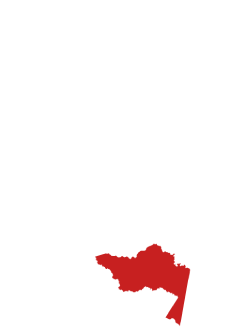
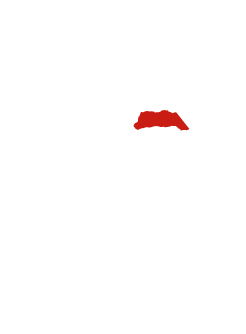
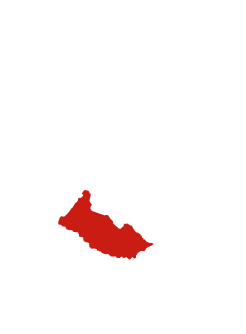
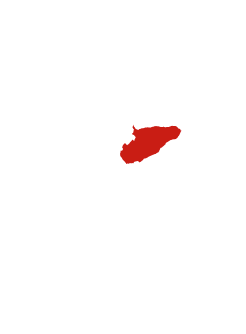
Location: Suaza, Huila
SCHEDULE YOUR VISIT
Centro Poblado Poblado Guayabal Suaza, sobre la Vía Florencia
3204318883
dimudu2106@gmail.com
@artesaniasolivaduarte
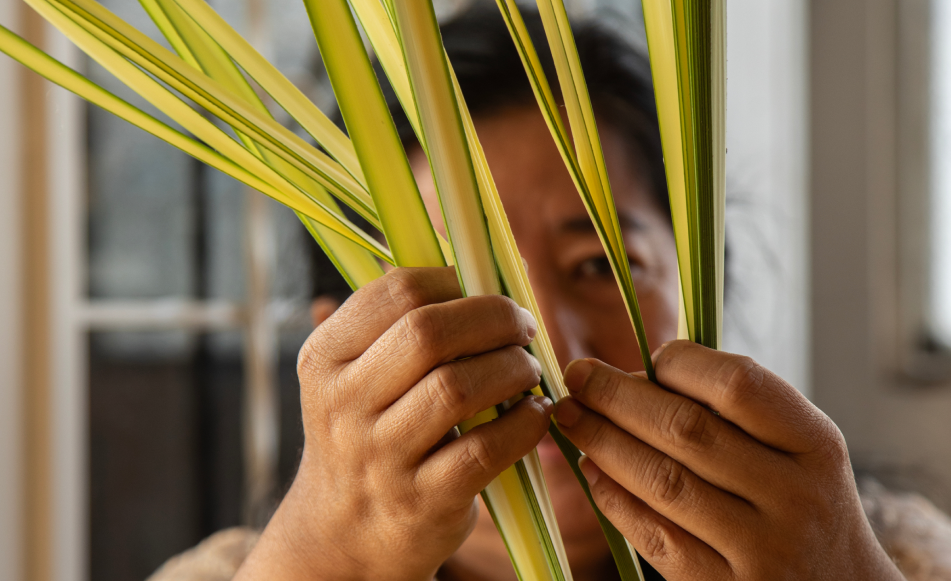
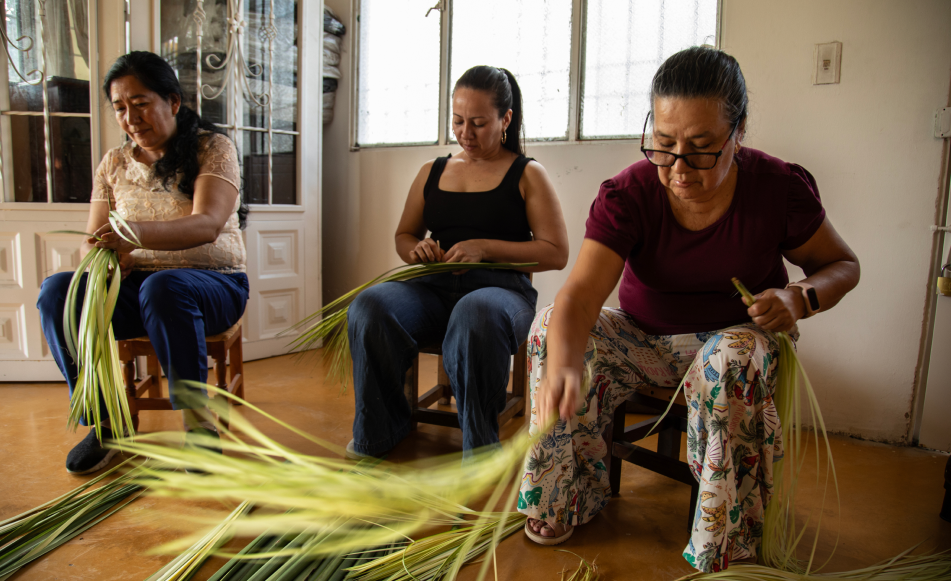
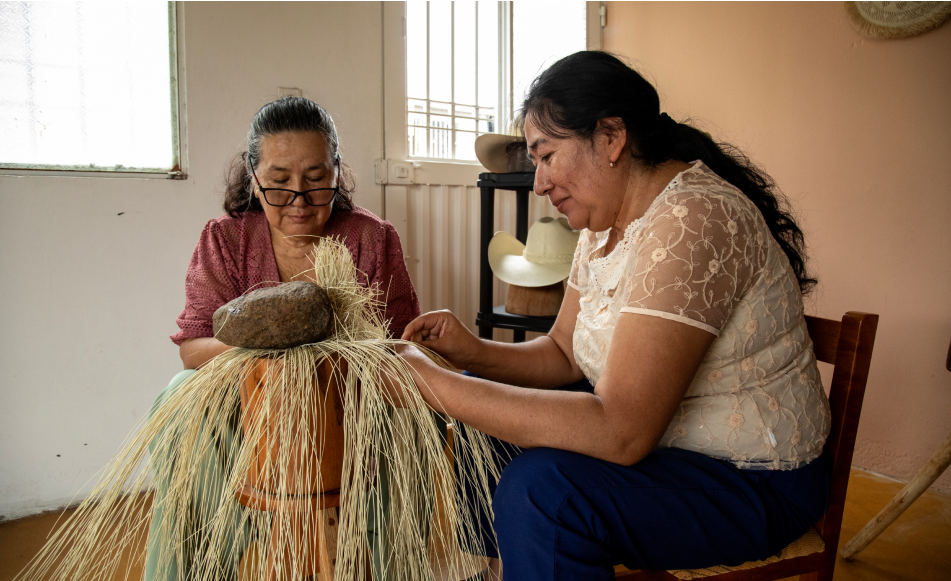
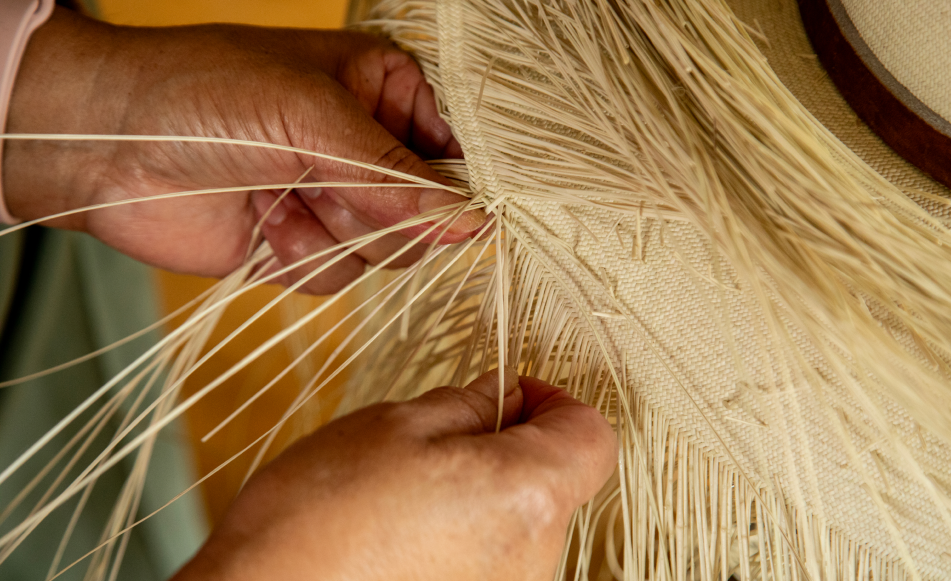
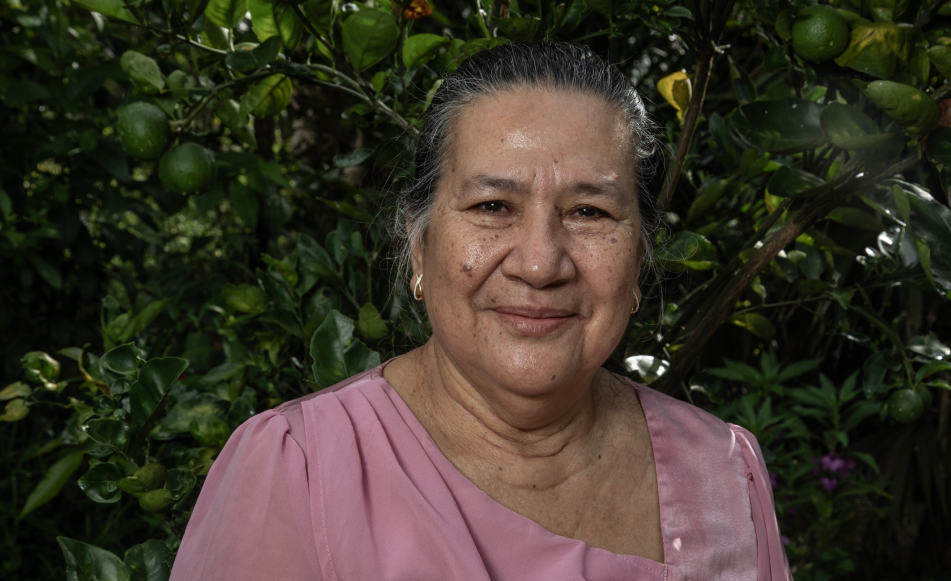
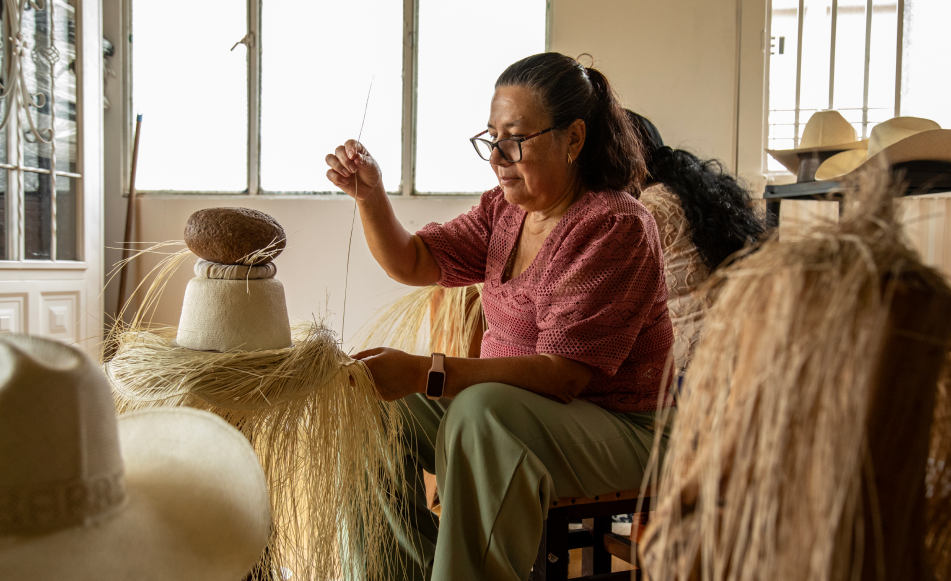
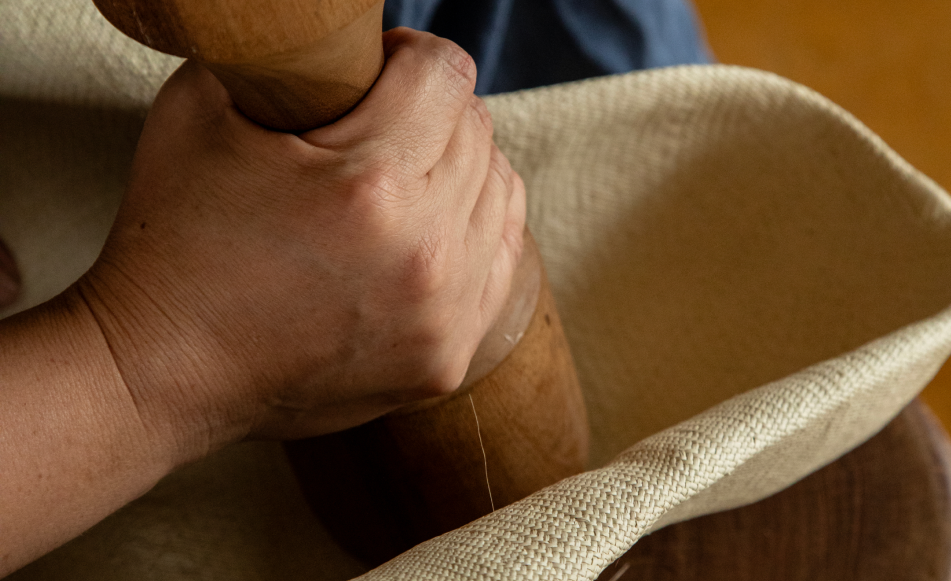
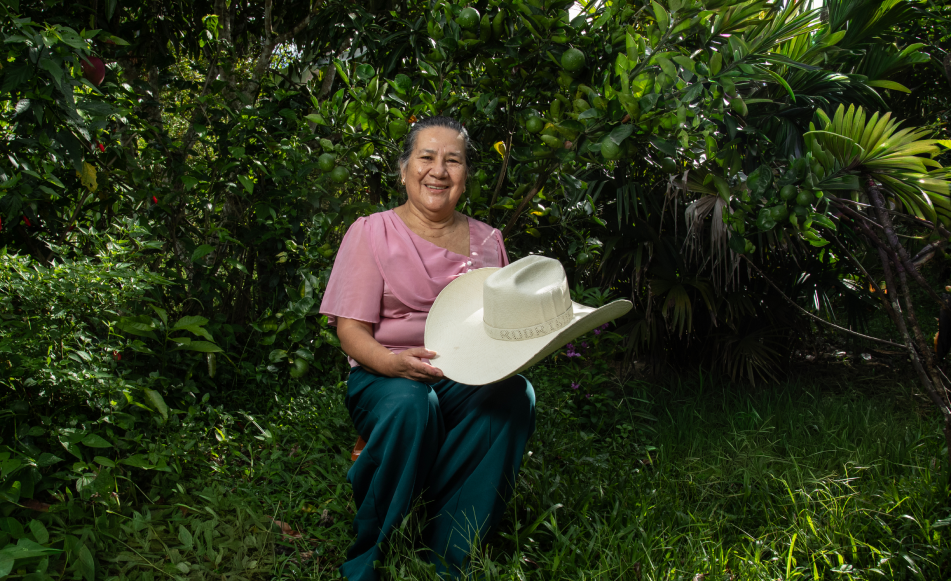
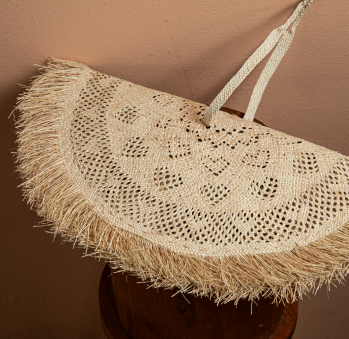
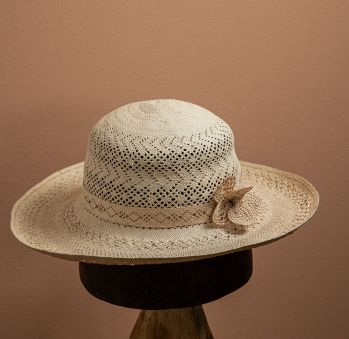
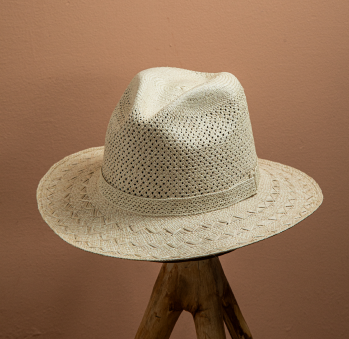
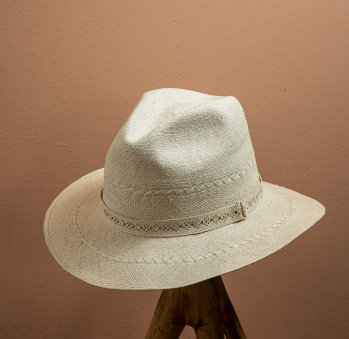
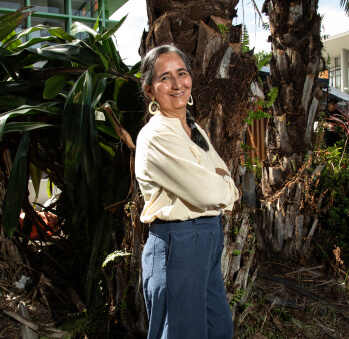
Diva Muñoz Duarte’s character is evident from the very first greeting. She speaks directly, looking you in the eye, with unmistakable confidence. There are two things she knows for certain: first, that the hats woven in Suaza are the finest in Colombia; and second, that her children have not had to endure the hardships she experienced growing up. It was a difficult life that forged her strong, unmistakably Huilense spirit, allowing her to devote herself to a craft that demands extraordinary discipline and perseverance. To illustrate just how demanding it is, she offers a simple example: after preparing the iraca fibers and selecting each strand by hand, two experienced weavers need twenty-five days to complete an extra-fine hat—twenty-five days—after which the finishing and hammering are entrusted to the men. And when Diva says they weave all day, she means their nights as well.
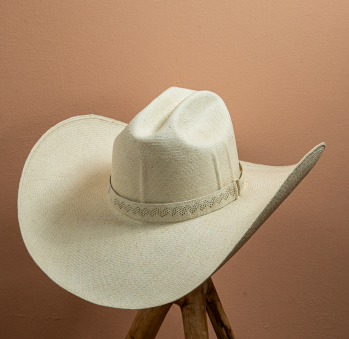
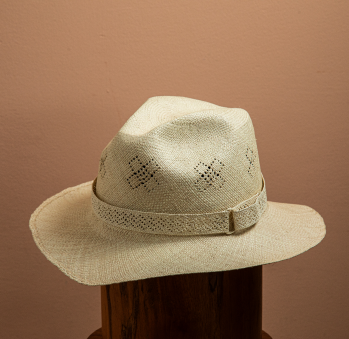
Diva comes from a family of remarkably resilient women. She is the daughter of Oliva Duarte, the master artisan who first replaced the simple cord traditionally wrapped around the crown of Suaza hats with a braided iraca band featuring intricate woven patterns and designs. Beyond being an exceptional and innovative weaver, Oliva achieved the extraordinary feat of raising seven children through hat weaving alone. She did so alongside her aunt, Soledad Ermida Duarte, who was like a second mother to the family. Diva and her sisters called her Mamá Mona, and she remained a lifelong example of strength and generosity. The nine of them lived together in Mamá Mona’s palm-thatch house until it collapsed during the 1967 earthquake. Their neighbors came together to help rebuild it as a bahareque house, because at that time government assistance required the signature of the male head of household—and the Duarte family was proudly a matriarchy. An admirable one, because despite the hardships, the women always found a way to feed everyone.
For that reason, the older sisters learned to work from a very young age. As children they had neither electricity nor running water and were accustomed to bathing in the nearby stream. Diva remembers the long walks she and her sister María Elena took barefoot behind Oliva and Mamá Mona, carrying sacks into which the women placed the tender iracashoots they harvested. Later, when they finally owned rubber shoes, their sister Teresa joined them as well. During the day they wove the hats commissioned by their mother’s clients using the finest fibers while taking advantage of daylight. At night they made additional hats to barter for meat or panela, first by the light of a kerosene lamp and later by candlelight. Their mother finished the hats by polishing them with beaten egg whites, and she often sent Diva to work in neighbors’ homes, where she was paid in palm thatch or plantains to help keep the family pantry stocked.
The years passed with Diva always close to Oliva, constantly weaving. Even after she found work in the newly opened Telecom offices in Suaza, she returned home every evening to continue weaving hats. Later, when she moved to Bogotá and started her own family, her sister María Elena remained by Oliva’s side, helping with every aspect of the workshop. Like the women before her, Diva raised her six children through hat weaving, though under steadily improving conditions for herself and her family. Without hesitation, she says that the hat represents life and health. It has provided clothing, medicine, and sustenance. Whenever she travels to Pitalito for medical appointments, she never leaves home without a small bundle of iraca fiber because, she says, simply touching the hat makes her feel better. She shares that same care with her apprentices, refusing to let them learn by making poorly crafted hats. The secret, she insists, is to give each piece the time it deserves—not to weave merely for speed or quantity, but to select the fibers carefully, pay attention to every knot, and work as she does: “putting technique into it, putting my soul into it, putting everything into it.”
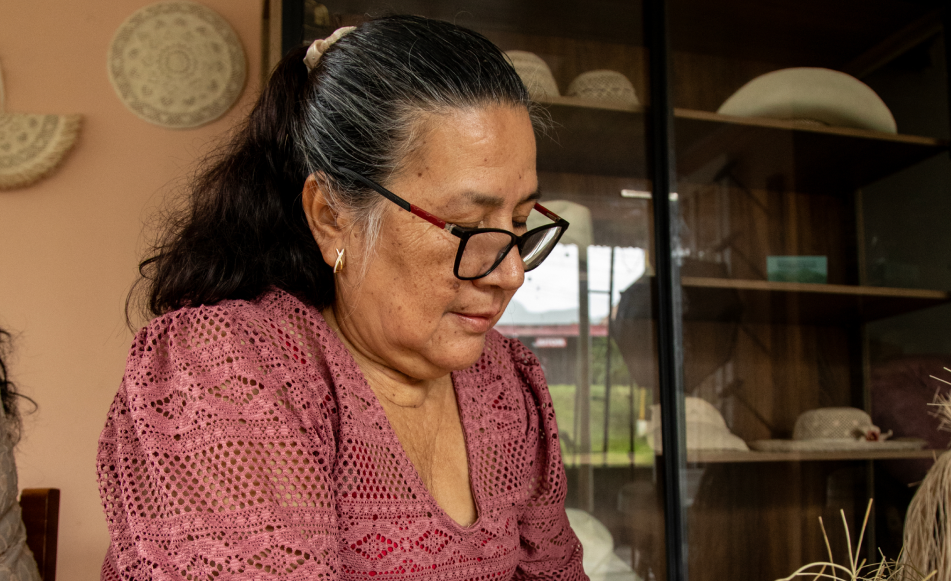
Today, Diva deeply misses the women in her family who are no longer with her—Mamá Mona, her mother Oliva, and her sister María Elena, who passed away in 2023. Yet she feels their presence every time she sits down to weave alongside her sister Teresa and her daughter, María Alejandra, in the same house where generations of the family worked tirelessly for so many years, and where Diva herself now lives.
Workshop and process
Craft
Artisans along the way

Artisans along the way



No puede copiar contenido de esta página