
John Fredy Hoyos
Workshop: Litica, Escultura en piedra
Craft: Stonework
Trail: Huila Route
Location: San Agustín, Huila
SCHEDULE YOUR VISIT
Vereda Llanada de Naranjos, San Agustín
3203169949
fredytallaenpiedra@hotmail.com
@culturaenpiedra
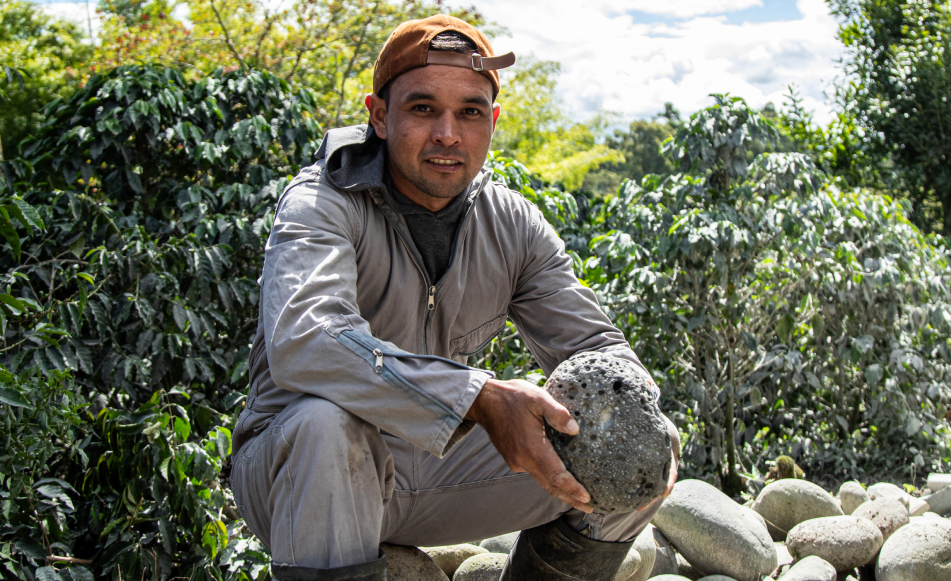
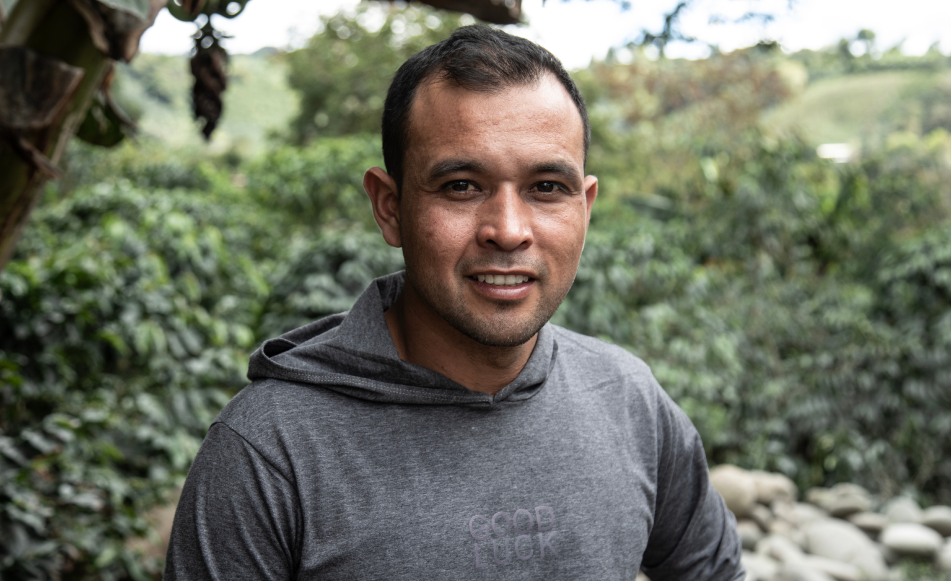
John Fredy Hoyos’s path was set when he was thirteen years old. He had just finished primary school when his uncle, Ángel Miro Guerrero, asked him to become his assistant and apprentice in his stone sculpture workshop. Among all the young people in the village, he chose John Fredy. He must have recognized what is so evident today whenever John Fredy speaks: a particular sensitivity that lights up both his eyes and his voice whenever he talks about his craft. The clearest proof of the destiny his uncle placed before him is that, for the past twenty-five years, John Fredy has devoted himself exclusively to stone carving.
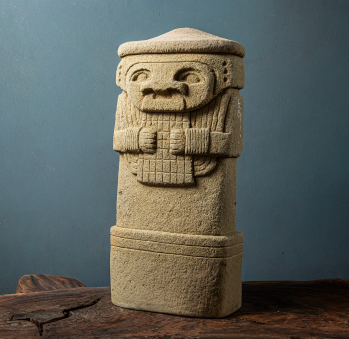
Ángel Miro, from whom he inherited the greater part of his knowledge, had learned the trade on his own. The story of how he became a sculptor is one worth telling: he exchanged the looting of archaeological artifacts for the carving of stone replicas. It was during the 1980s, when tourism to San Agustín was growing rapidly and visitors wanted to take home a small piece of its history—a reminder of the ancient stone sculptures found in the Archaeological Park. At the time, many local people earned a living by probing the ground with long metal rods in search of buried archaeological treasures to sell. That was before Colombia’s 1991 Constitution first established archaeological heritage as protected property, prohibiting its sale, seizure, or acquisition through possession. Ángel Miro understood the significance of that change and realized, at the same time, that he much preferred carving small figures to spending his days digging through the mountains. It also came more naturally to him.
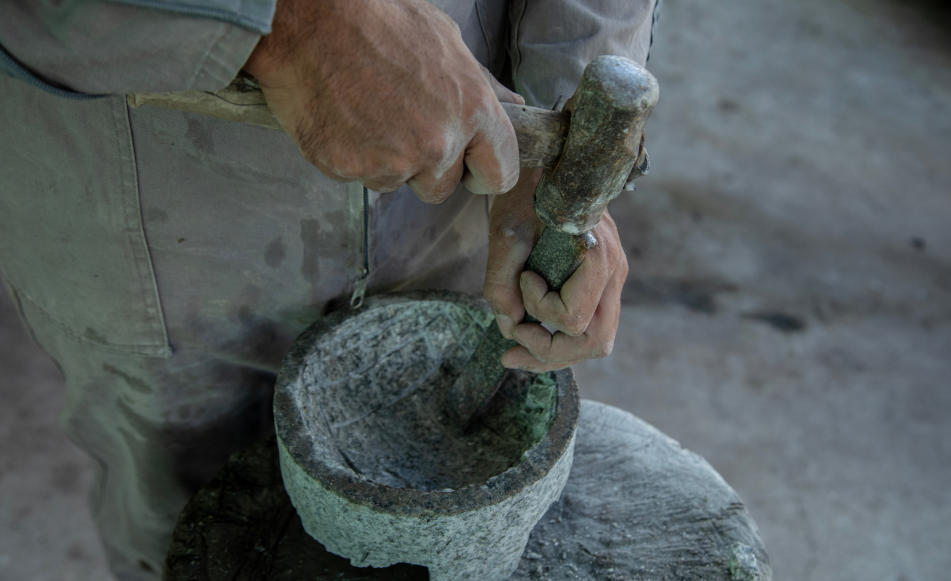
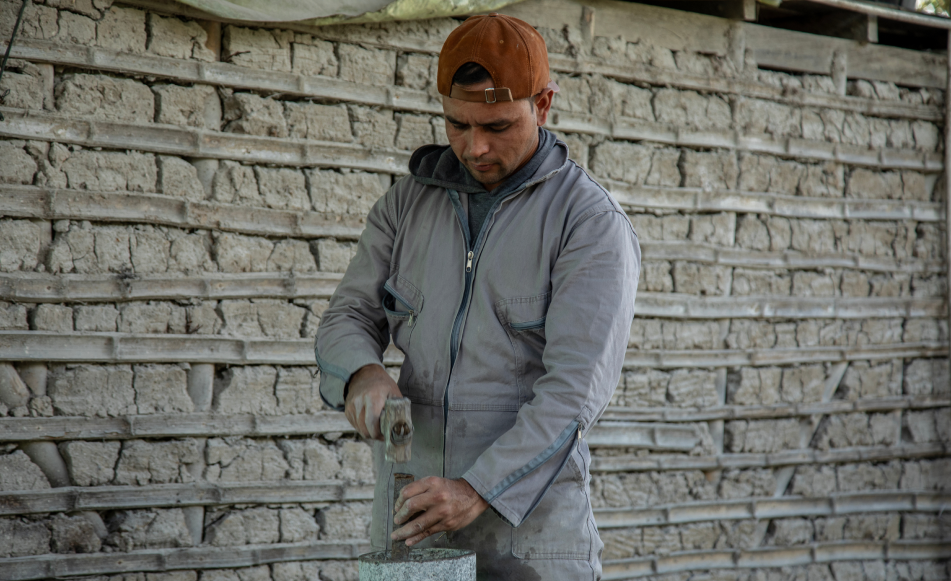
By the time John Fredy entered the workshop, his uncle had already mastered the art of replication. From the very beginning, he placed tools in his nephew’s hands and gave him meticulous instructions about where—and how much—stone to remove. The goal was always to preserve perfect symmetry, balancing high and low relief. Looking back, John Fredy still sees his uncle drawing guide lines, erasing them, and drawing them again until the proportions matched those of the ancient sculptures that inspired his work. They had traded pickaxes and shovels for chisels and mallets, yet they were still driven by the same thrill of uncovering hidden treasures. Before, they moved earth to discover them; now they remove stone to reveal them. During the six years they worked side by side, before Ángel Miro was forced to stop because of declining health and eventually passed away, John Fredy learned enough to begin participating in craft fairs and presenting his own work under his own name.
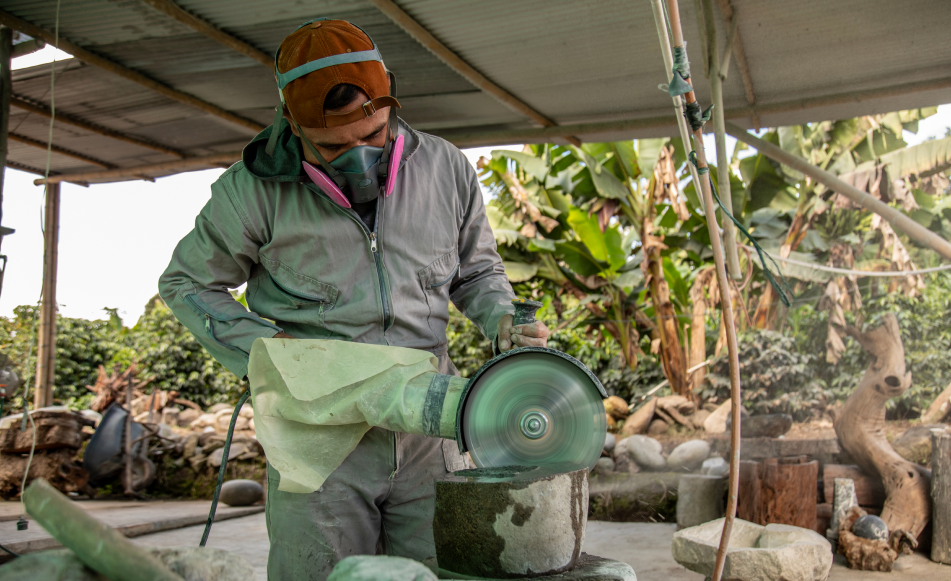
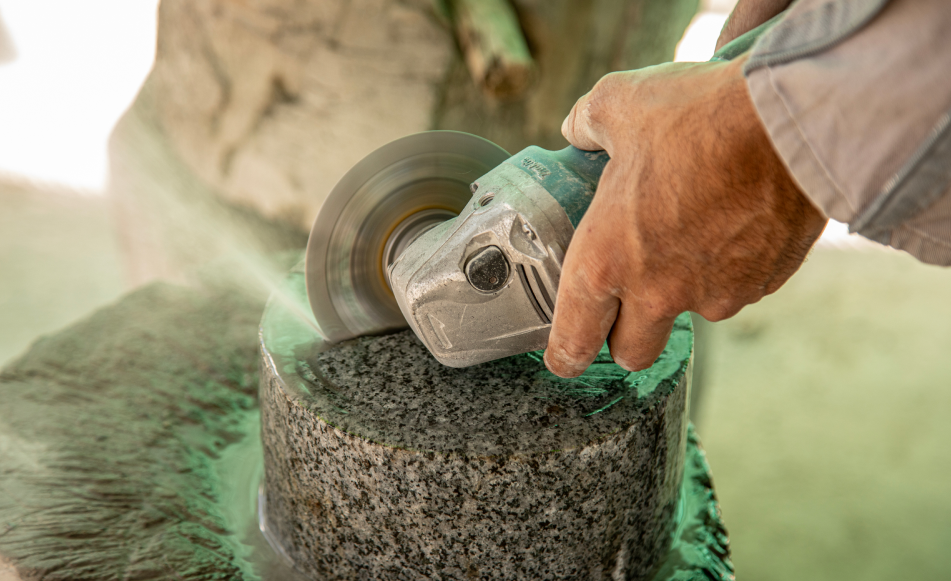
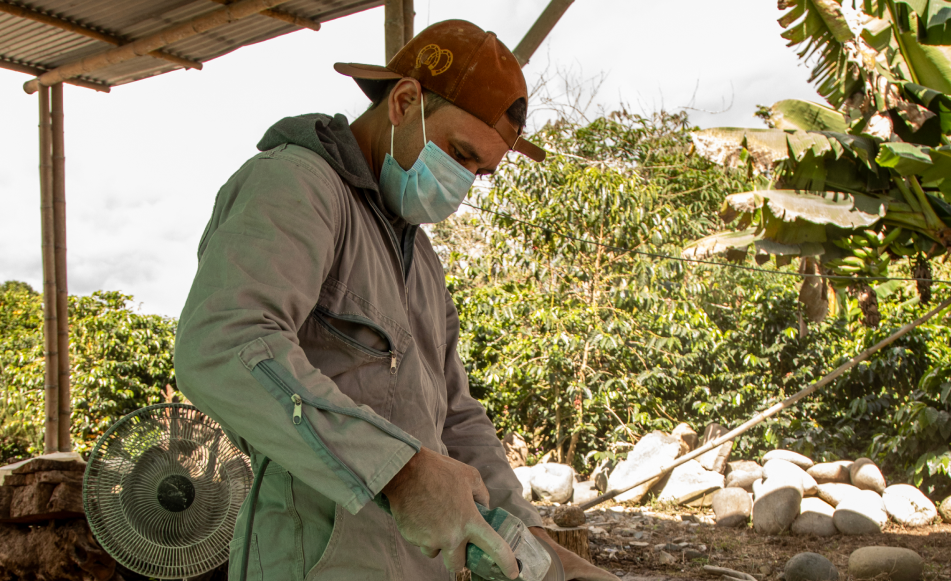
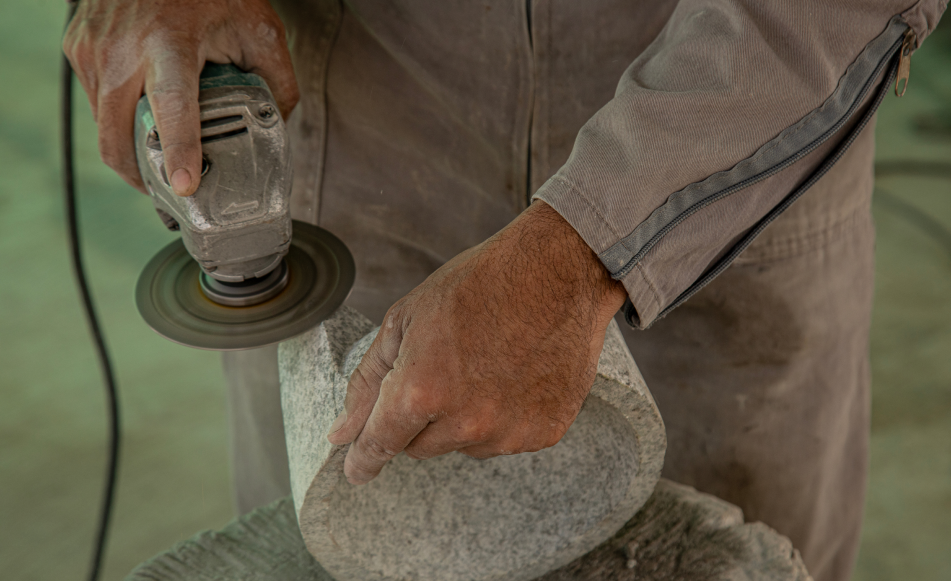
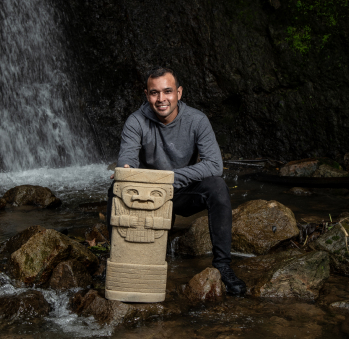
After so many years of practice, he has come to realize that time disappears whenever he carves. Everything around him fades away, and his mind—and his hands—become entirely absorbed in bringing forth the figure he has envisioned: a Double Self, an eagle, or his favorite, the Rain God, crowned by eight rainbows and standing with clenched fists extended in a warrior’s stance. As he works, he cannot help wondering about the original sculptures in the Archaeological Park that he recreates. Who carved them? How did they do it? What were they imagining? How could they achieve such mastery without the tungsten burrs and rotary tools that he now considers indispensable? Those questions are what make the hours seem to vanish. They also deepen his fascination, because through the act of carving he feels he can glimpse something of the people who came before him—the ancient sculptors who lived in these same mountains thousands of years ago.
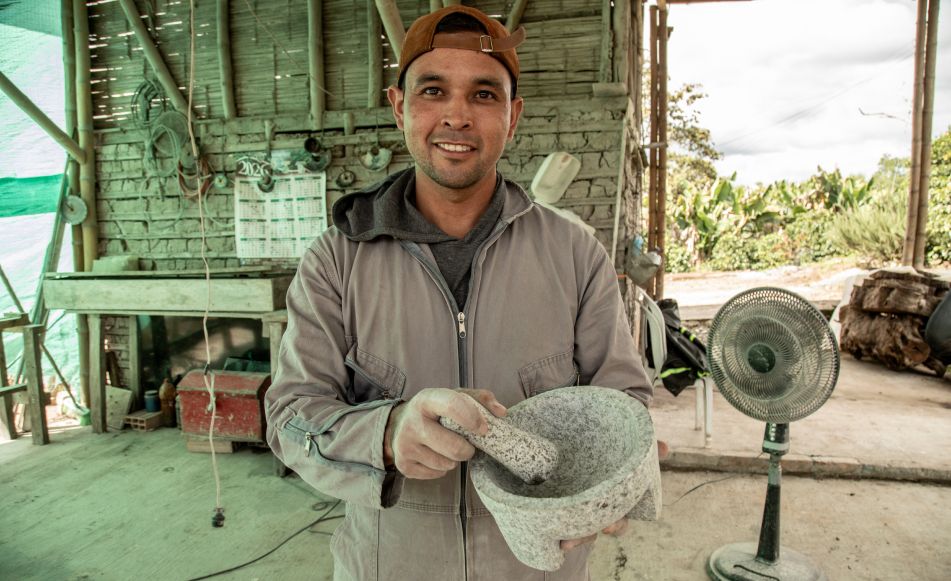
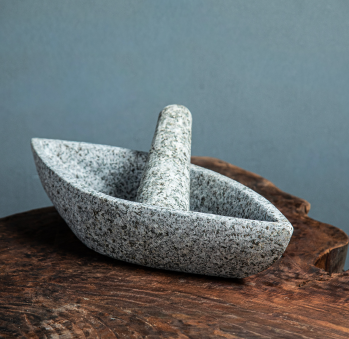
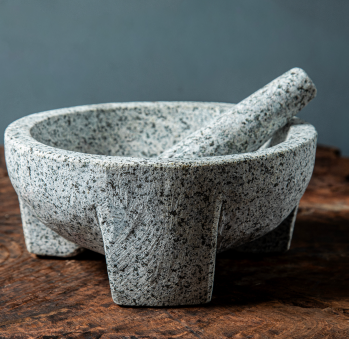
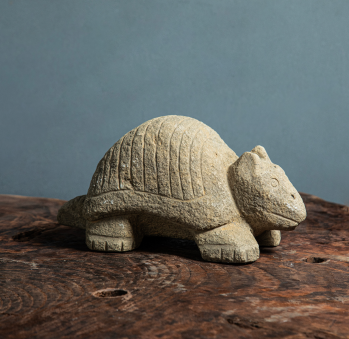
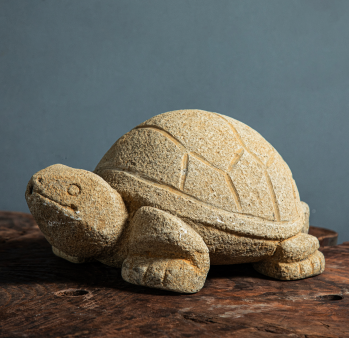
Over time, his repertoire has expanded beyond replicas. He has become especially known for his fountains, in which he replaces traditional stone pedestals with weathered tree roots recovered from the earth. He also creates an elegant collection of mortars and molcajetes, all carefully symmetrical, as well as small stones into which he occasionally carves an iguana or a frog perched along the edge. As he works, his two young sons wander through the workshop. They are still too young to be entrusted with their own chisels and mallets, but he has already watched them trying to discover hidden figures while modeling with clay. Perhaps that is exactly what his uncle once saw in him. One day, he will teach them that the moment a stone carver spots a beautiful rock, he already knows there is something waiting inside it—that there is a figure hidden within, just waiting to be uncovered. That is why he never hesitates to stop along the road and lift a promising stone into his truck. And it is precisely that pursuit of beauty that makes every effort worthwhile.
Workshop and process
Craft
Artisans along the way

Artisans along the way



No puede copiar contenido de esta página