
Patricia Murillo
Workshop: Suaty
Craft: Pottery and Ceramics
Trail: Ráquira - Chiquinquirá Route
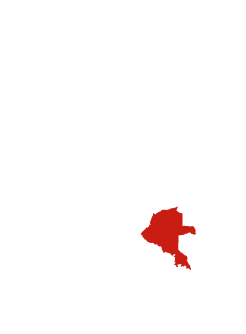
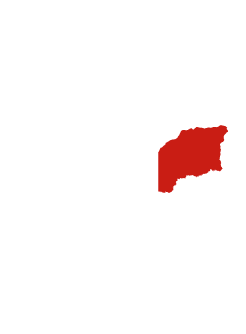
Location: Villa de Leyva, Boyacá
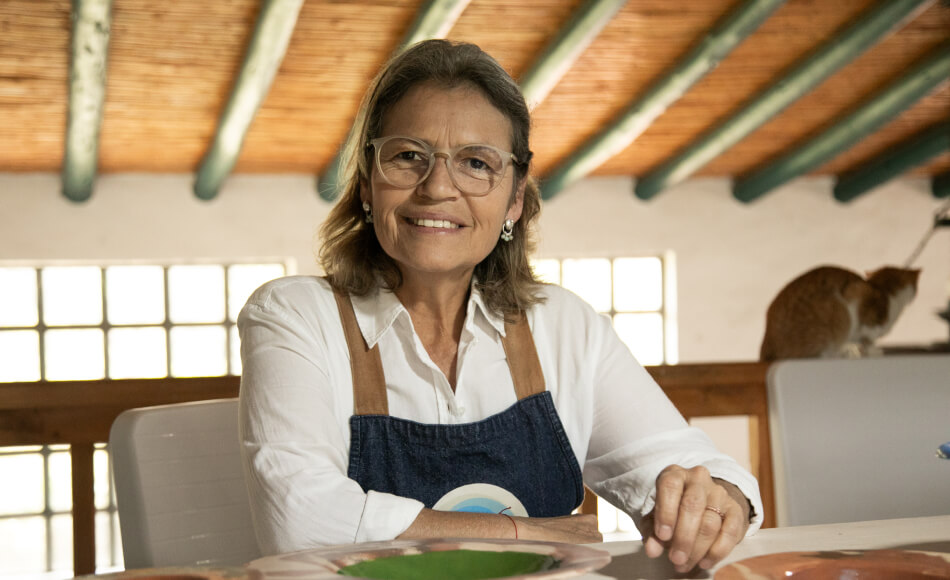
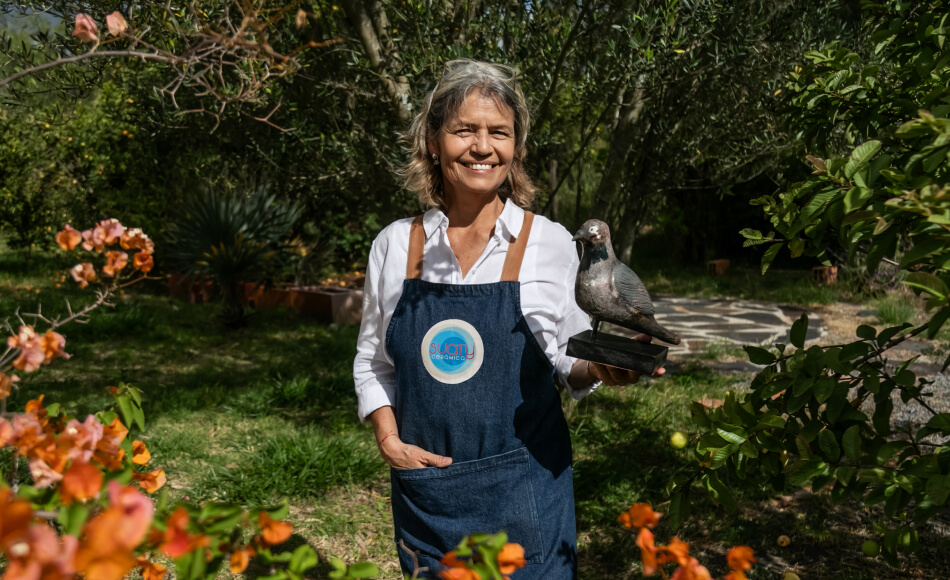
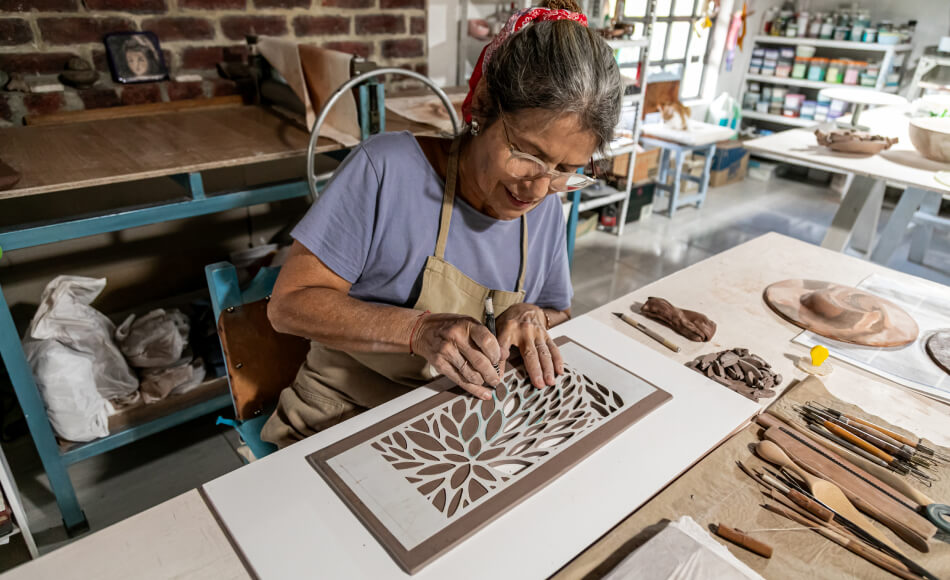
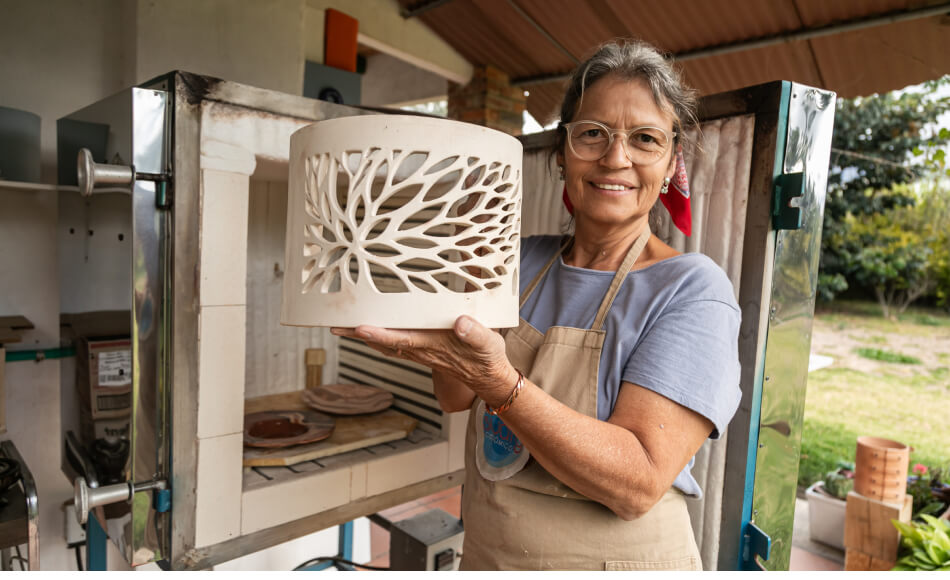
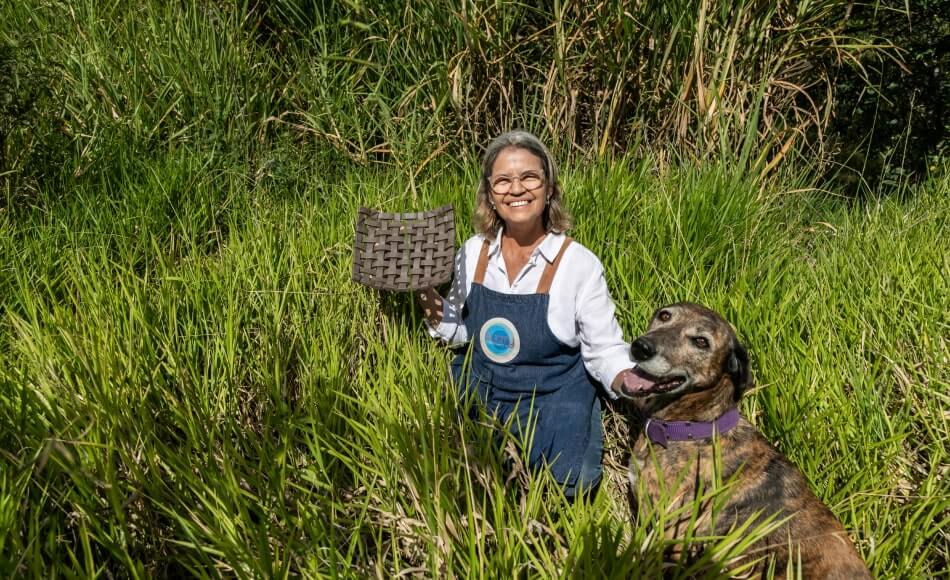
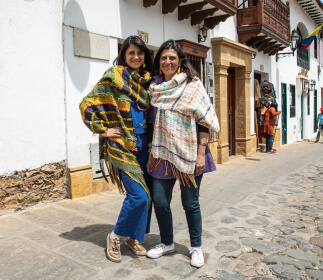
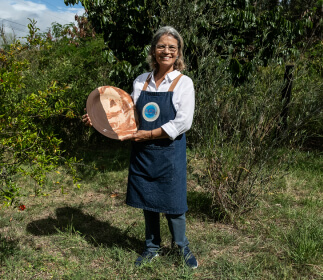
Although Patricia Murillo’s career as a ceramist began and flourished in Sopó, Cundinamarca—a town where she lived for 29 years—life had other plans for her, as she puts it. She ended up moving and settling in Villa de Leyva, Boyacá, in 2019, making this paradise her refuge and the place where she has found the tranquility, warmth, and joy that the clay-rich land provides. It’s here, on the farm where she lives and welcomes her students, just a short distance from town, that she managed to navigate the pandemic and share her knowledge while also learning from other local artisans.
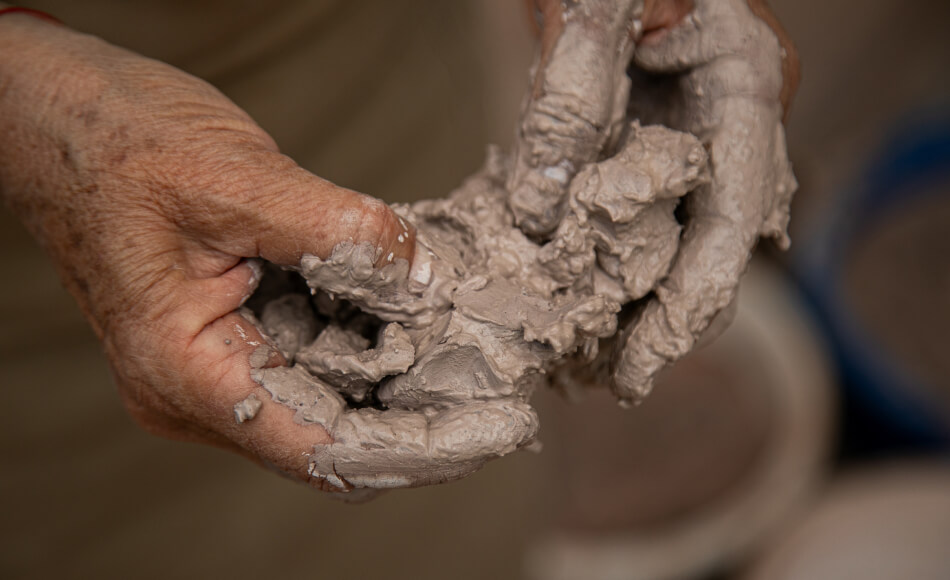
Patricia is generous in conversation, and her passion for teaching is evident from the start. She is patient and affectionate, explaining in great detail how to handle clay, how it should be touched and discovered. She wants everyone to experience the unique sensation that immediately takes her back to her childhood; the clay she gathered on the way to school felt like being coated in chocolate. She laughs as she recalls how she would sink into the clay up to her knees, so great was her pleasure.
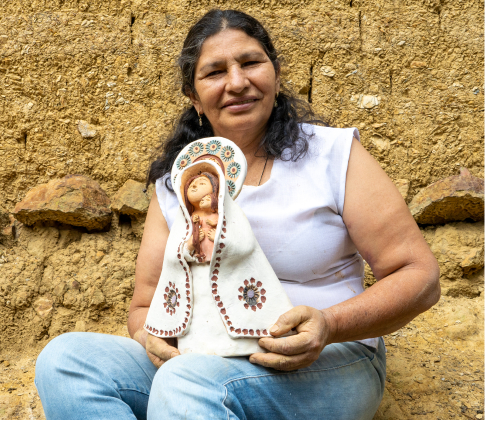
Once again, life, coupled with a particular fondness for architecture, led her to study Industrial Design in Bogotá. This background gives her a perspective on ceramics that blends product functionality with aesthetic ideas. That’s why during her time in Sopó, apart from engaging in extensive community work with women and children, she also created promotional ceramics, tiles, signage, and decorations, such as Virgin figures and murals, for the famous Andrés Carne de Res restaurant.
Her commitment to sustainability has driven her to explore other clay techniques, leading her to investigate more artistic paths and the versatility of clay in high-design utilitarian products. This has been a challenge, especially since she lives near Ráquira, a region renowned for its ceramic artisans who have inherited their craft across generations and preserve this tradition as a legacy.
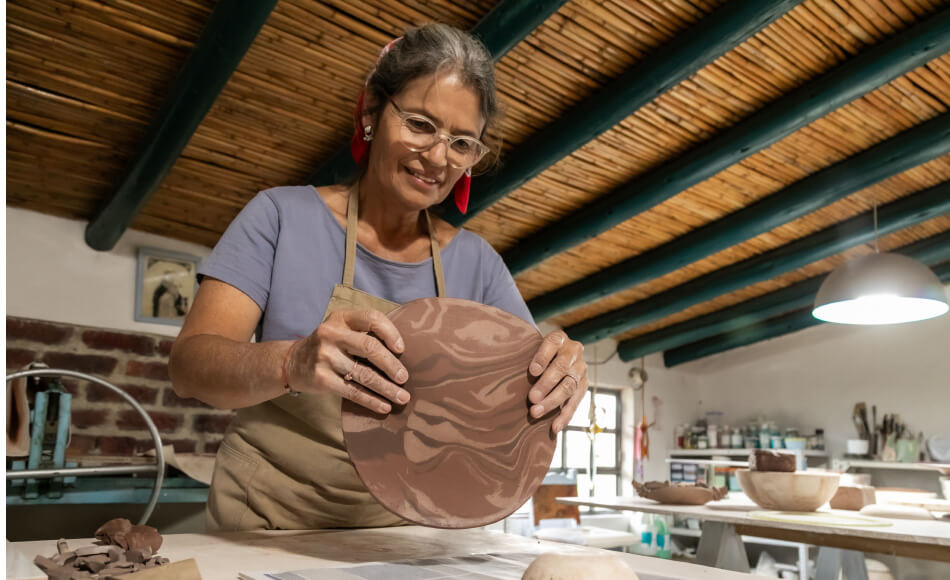
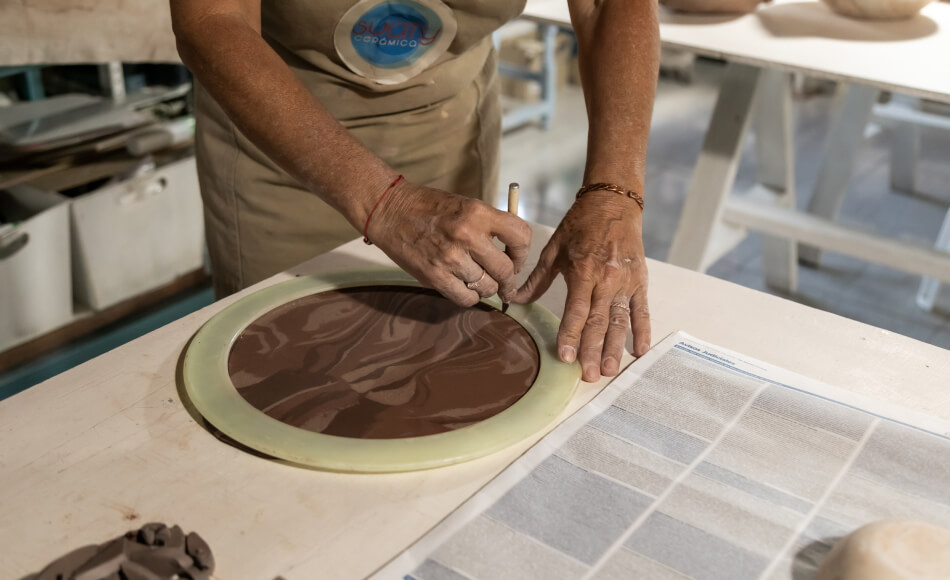
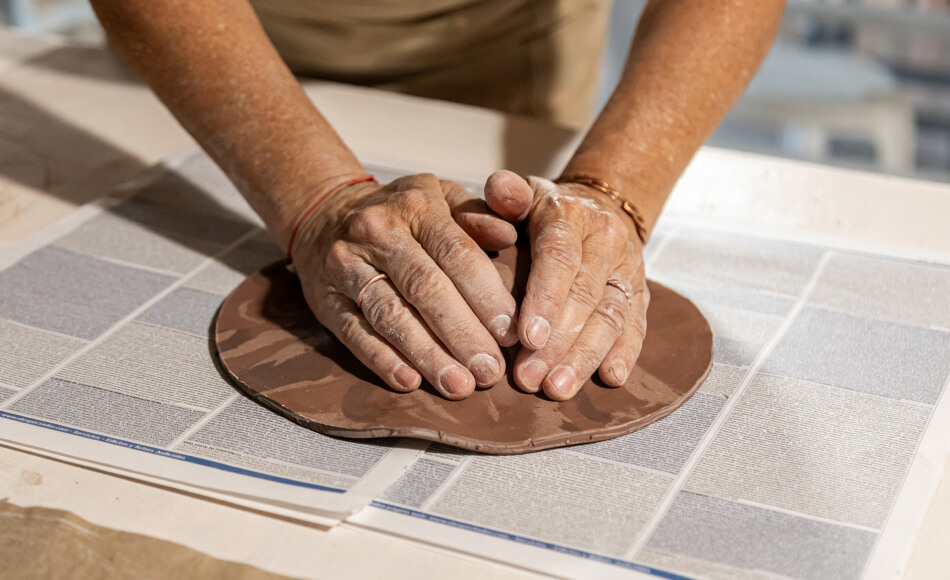
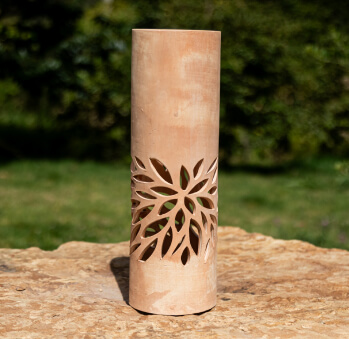
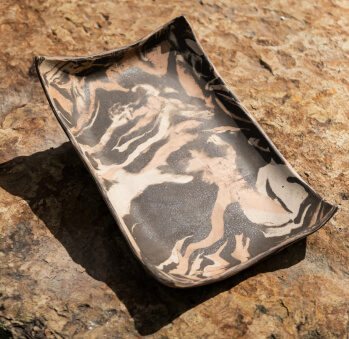
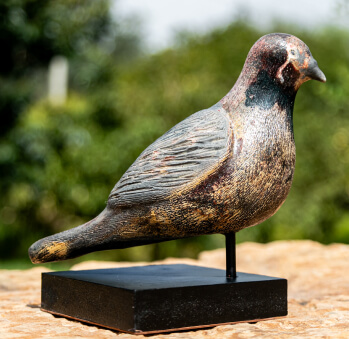
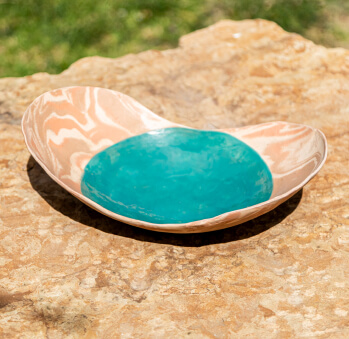
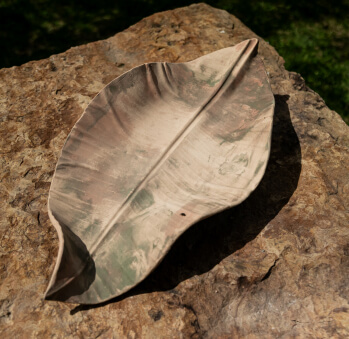
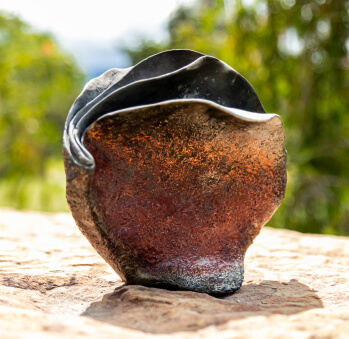
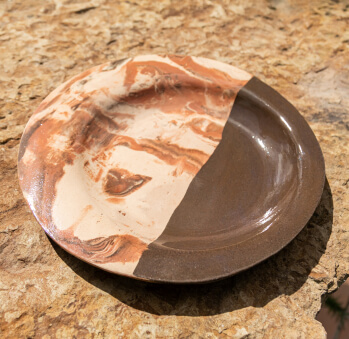
Thanks to the significance of clay in her region and her ever-present curiosity, Patricia has begun exploring nériage and raku, both Japanese techniques. She’s diving into creating both utilitarian and decorative pieces that are gaining considerable attention. Nériage resembles marble in its pattern, achieved by mixing clays of various colors, which, after passing through a rolling mill—stretching the clay like pizza dough—produces unexpected and magnificent patterns. She loves to show how baking and pottery share similarities in their process of stretching the “dough.” And like bread, once the clay is mixed, it forms a unique piece, just as unique as the pattern imprinted in the clay. With equal dedication, she works with raku, another technique requiring a special kiln, producing glazed and decorative pieces. These are often smaller, perhaps a way of immersing herself in meticulous and intimate work. related to the fact that raku was used by Japanese masters for their tea ceremonies, and its ideogram, kangi, translates to tranquility and happiness—qualities Patricia honors by stating she has dedicated her life to ceramics.
Workshop and process
Craft

Artisans along the way
Artisans along the way



No puede copiar contenido de esta página