
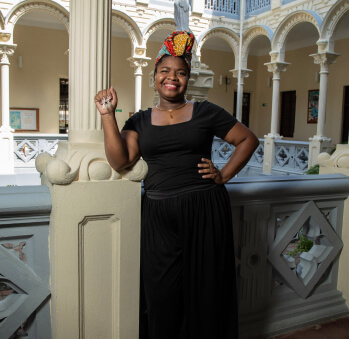
Victoria Gómez Mena
Workshop: Chocó Tierra Mía
Craft: Jewelry and Costume Jewelry
Trail: Choco Route
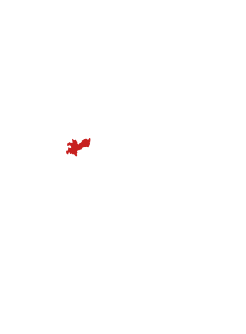
Location: Quibdó, Chocó
SCHEDULE YOUR VISIT
Cra 5 #24-137, Barrio Pan de Yuca
3113654882
chocotierramia8@gmail.com
@chocotierramia
@chocotierramia8
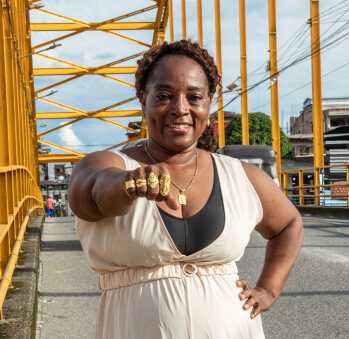
For this artisan, who comes from a family of lawyers, a defining moment came with the shock she experienced when she first left Quibdó. It was then that she truly became aware of her Black identity. In her case, this realization unfolded when she moved first to Medellín and later to Bogotá to study Graphic Design. From the very beginning of her degree, she noticed that while she was familiar with life in Colombia’s political center, the reverse was not true: people would ask her whether “over there,” where she came from, everyone wore shorts all the time, or whether universities even existed. The final straw was an article published around 2010, whose headline she remembers vividly: “Hell does exist—and it’s in Chocó.”
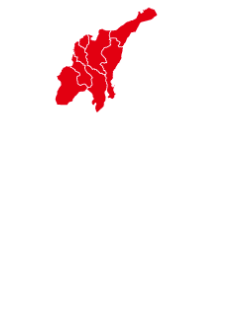
Little by little, Victoria began to ask herself what she could do, using the tools she had, to bridge the gap created by racism and widespread ignorance about her region. Should she act, or leave things as they were? Speak up, or stay silent? It made no sense to spend five years alongside her classmates without any of them understanding her reality. And, as happens to so many women who dare to step outside the expected script, she began to question herself—wondering if she was being overly sensitive or arrogant—and came close to letting it go. Fortunately, her professors encouraged her to keep going. Her first steps were simple but meaningful: she began dedicating her university projects to Chocó, doing things as straightforward as introducing the outline of its map.
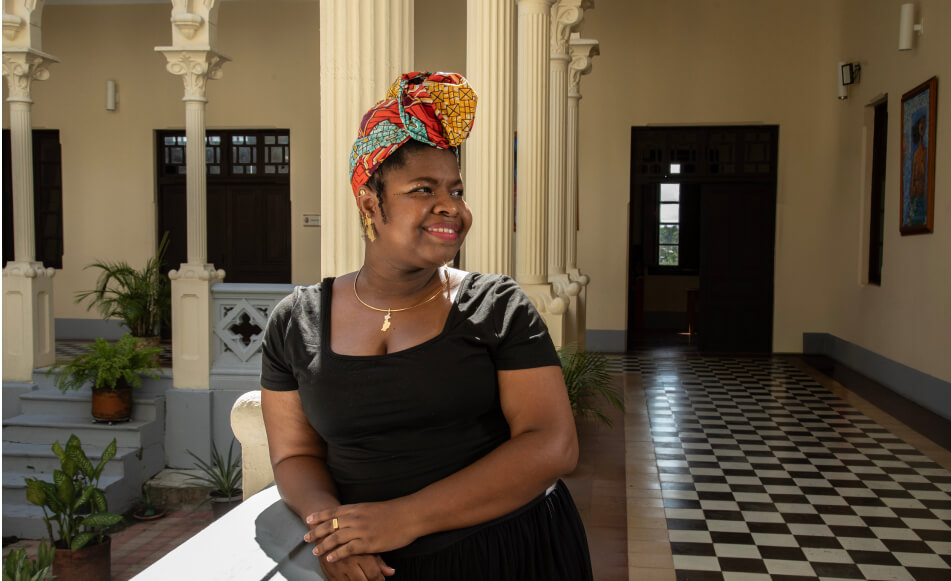
Speaking about her place of origin led her to rethink far more than her work as a designer. At one point, confronted by the constant questions about her people—and even about her hair—she realized she could no longer remember what her natural hair looked like before straightening it; it had been over a decade since she had worn it straight. So, before graduating in Bogotá, she felt the need to align her personal life with what she stood for. She cut her hair very short and let it grow naturally curly again. She wanted her pride in her heritage to be visible from the root. She also wanted to free herself from the harsh chemical process she had endured for years to keep it straight. But choosing not to straighten her hair was far from common at the time, and Victoria soon encountered another challenge: within her own community in Quibdó, straight hair had become so normalized that wearing it curly was often misread as neglect—or even as a sign of financial hardship. She faced this reality during visits home and later, when she returned to live in Quibdó after graduating. More than once, people offered her financial help when they saw her chontuda—a term that was initially used in a derogatory way but which she now fully embraces. Perhaps one of her most meaningful victories was convincing her grandmother—the one most resistant to this new “trend” of natural hair—to wear her hair as it is. What a triumph.
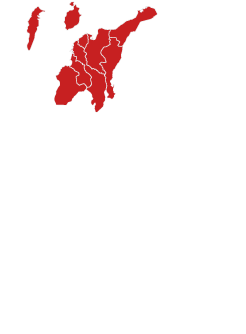
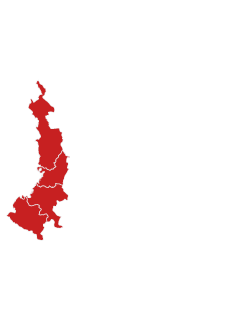
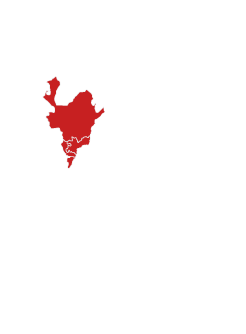
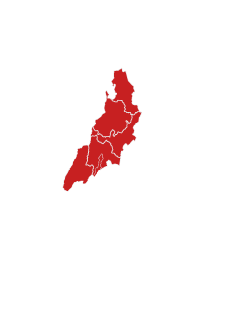
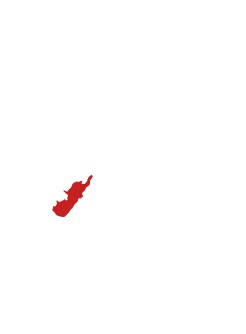
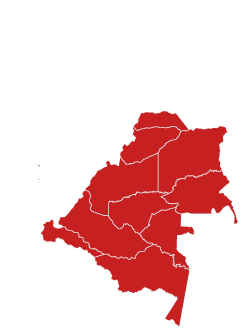
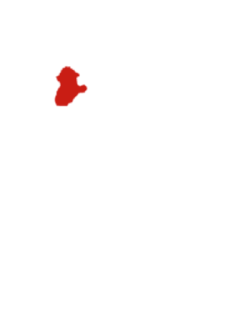
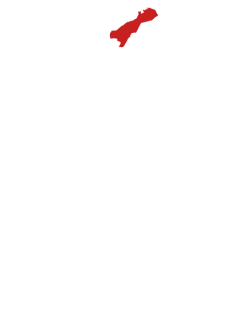
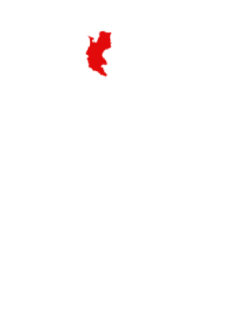
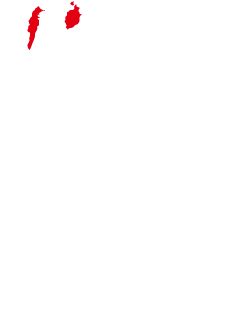
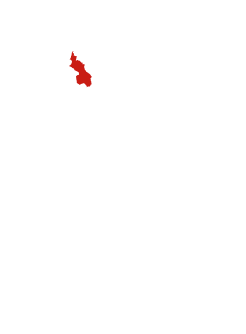
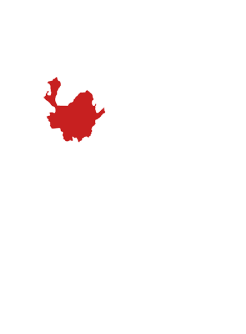
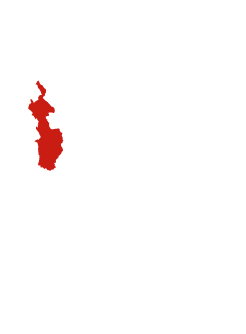
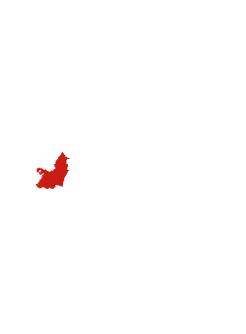
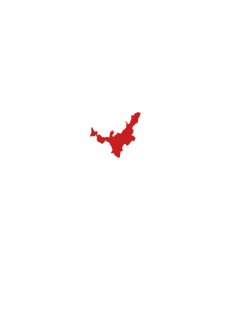
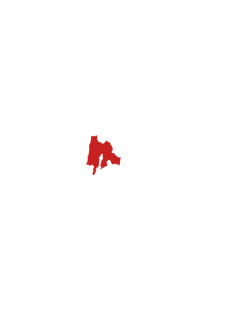
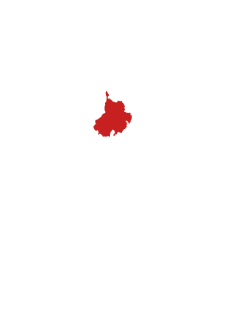
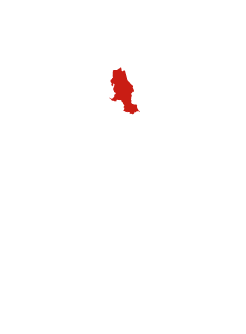
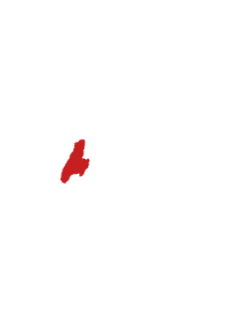
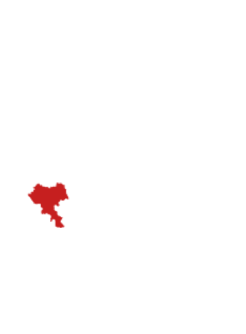
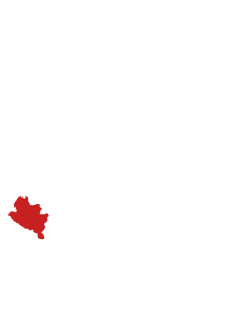
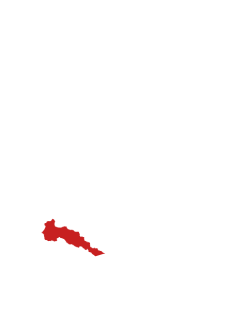
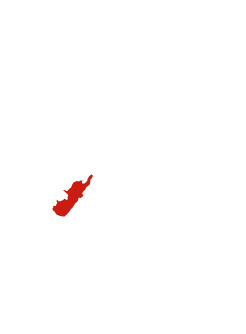
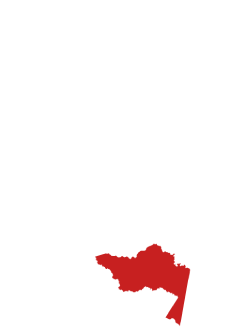
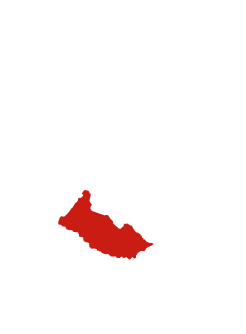
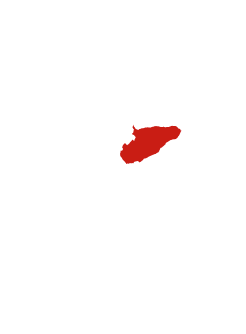
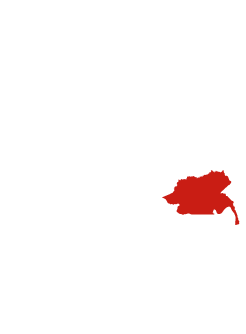
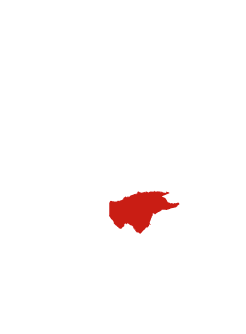
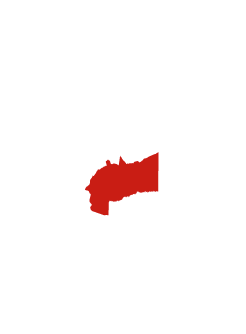
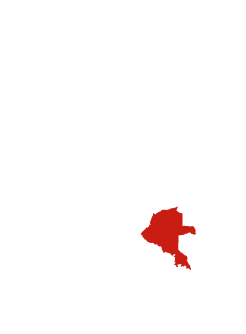
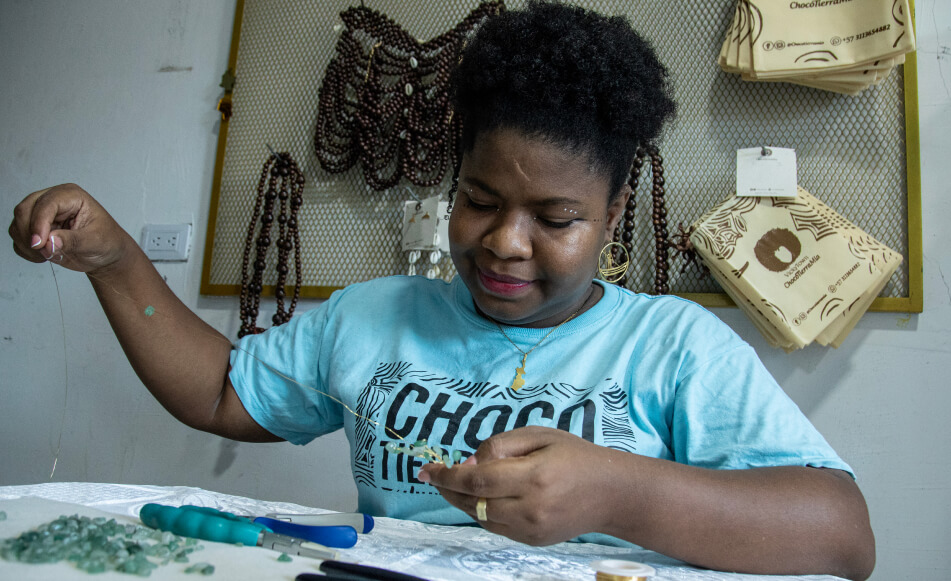
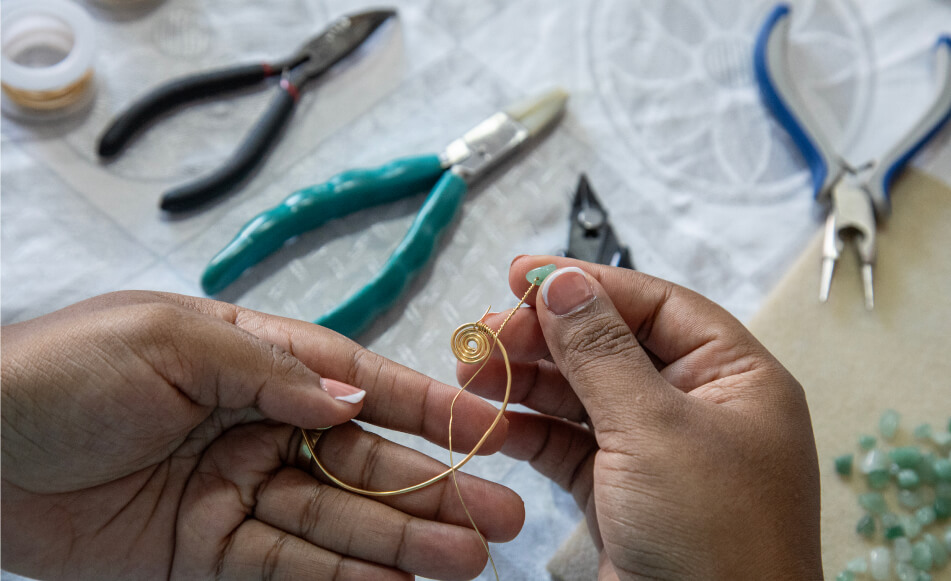
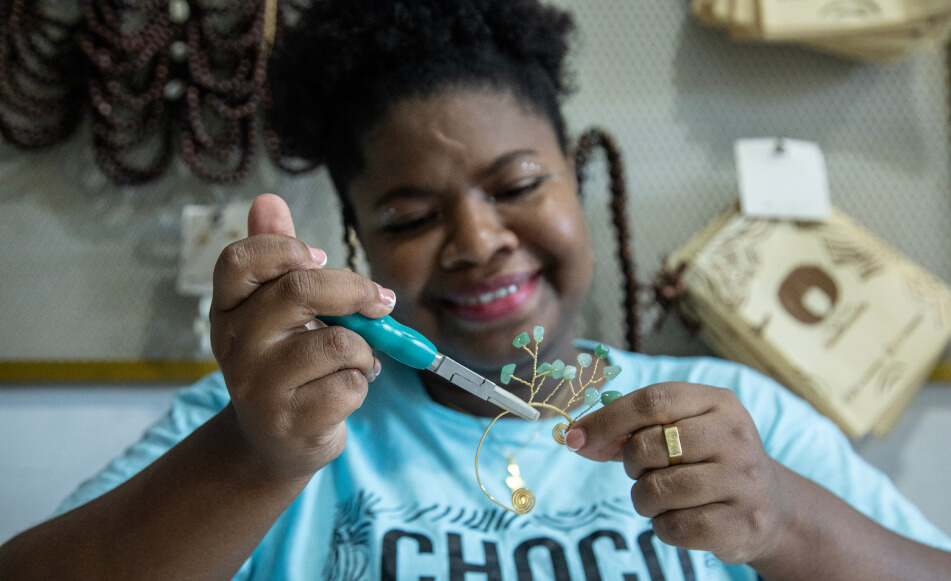
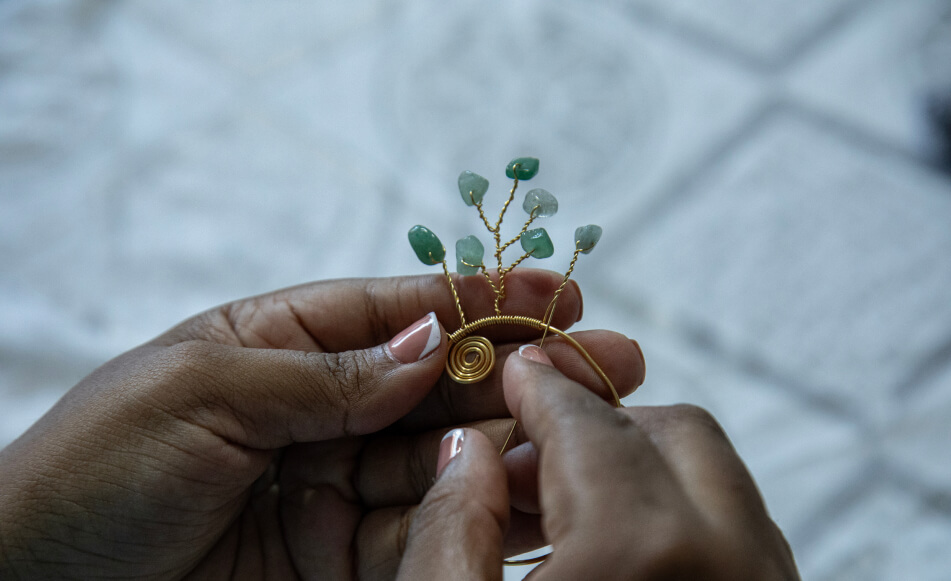
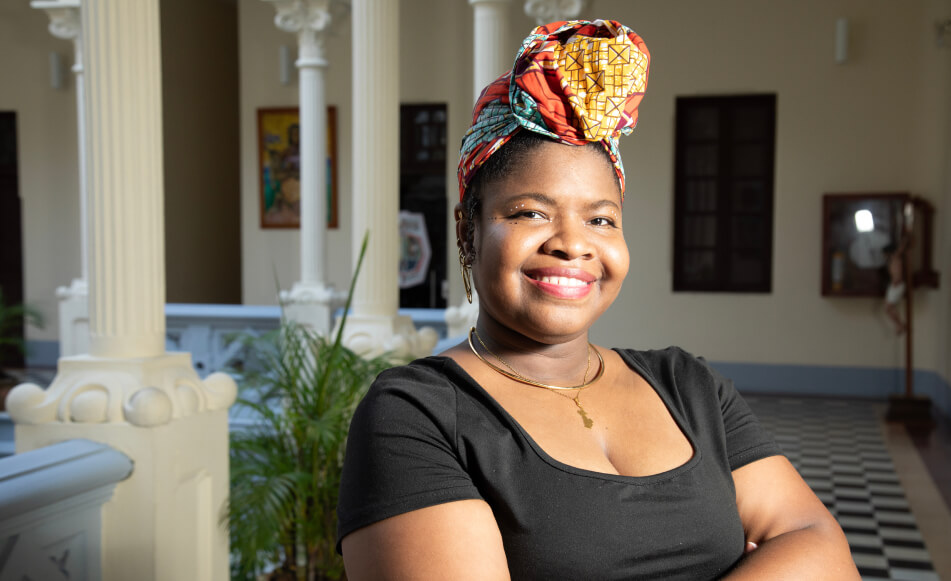
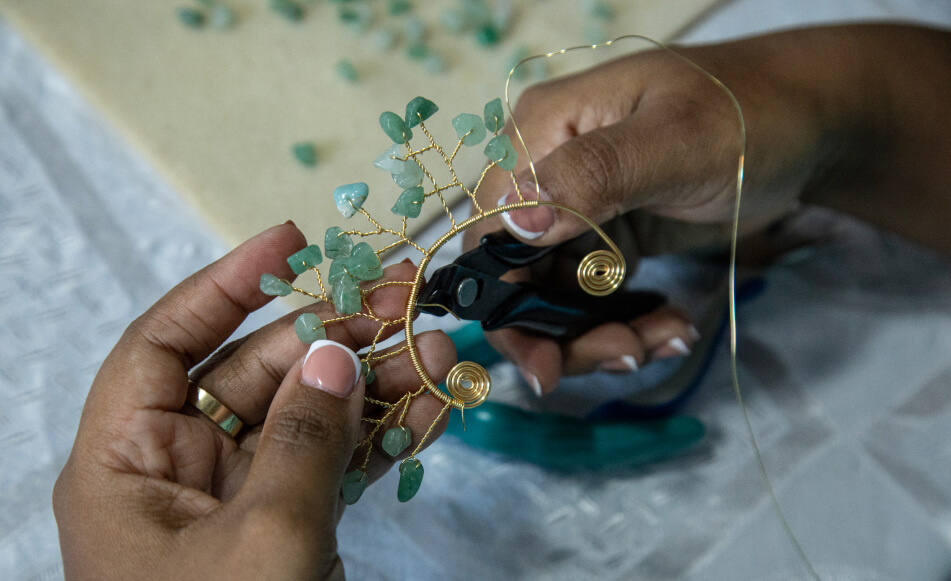
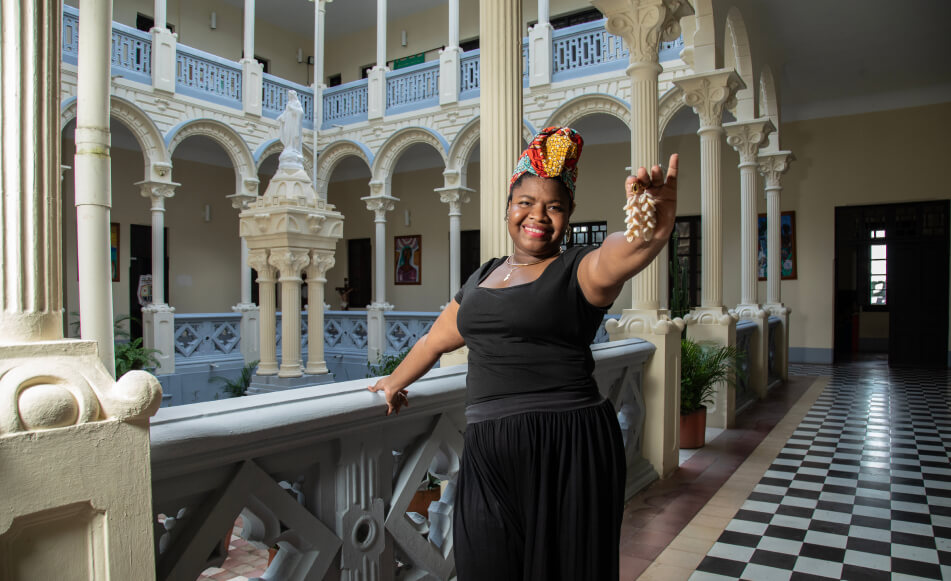
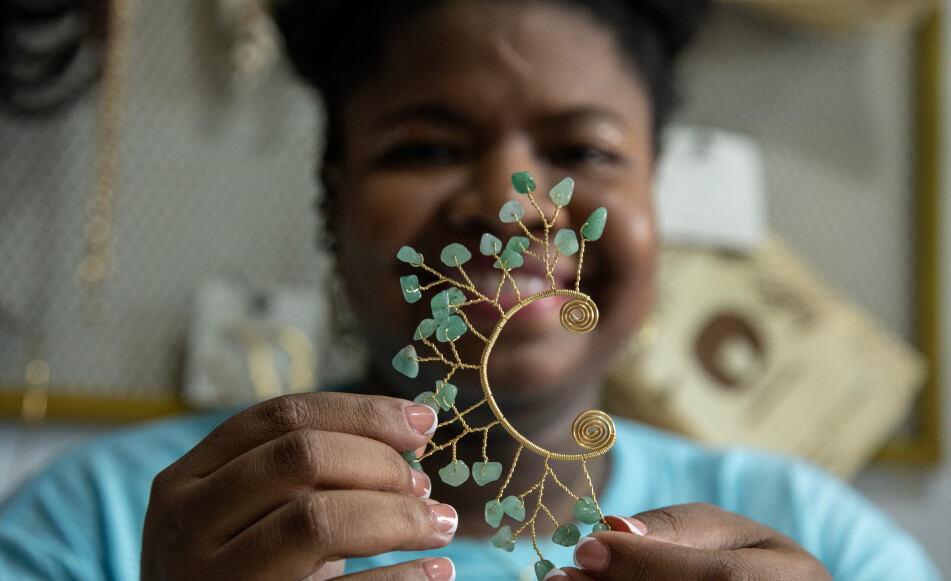
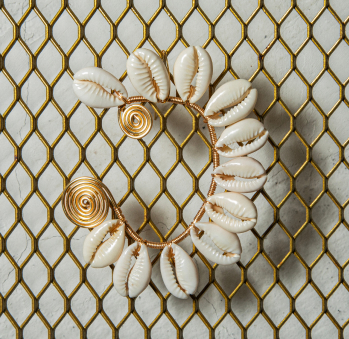
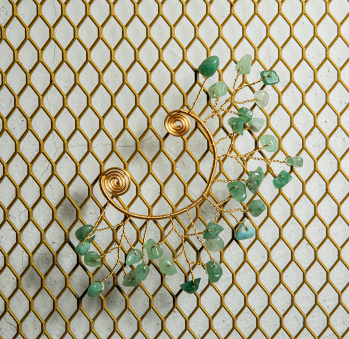
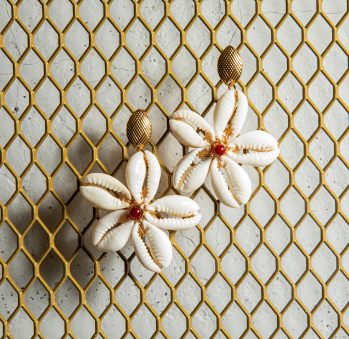
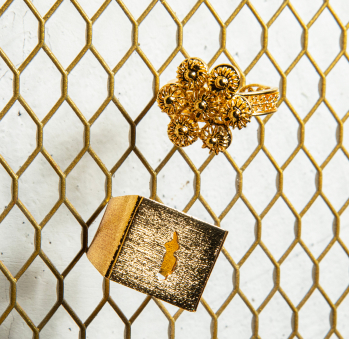
Meanwhile, her entrepreneurial project continued to grow. Her conviction and passion took shape in jewelry through which she could tell the story of her region: earrings and necklaces featuring representations of bogas (river navigators), their loyal paddles, plantain trees, and Choco´s map—ever present—which she sees as resembling a woman wearing a headwrap. Her jewelry brand became a platform for storytelling and a bridge between different ways of seeing the world. It also became a way to bring her family into the project, working alongside her cousins to polish, pierce, and paint the pieces. She also joined forces with other entrepreneurs in costume jewelry, weaving, and even ancestral beverages, with whom she co-founded Expoemprende, a fair designed to market their products independently, without relying on public funding. More and more people have joined along the way, and Victoria is no longer the only “map-obsessed” one. Above all, she is a deeply grounded artisan who has learned to align her craft with the way she chooses to live.
Workshop and process
Craft





Artisans along the way
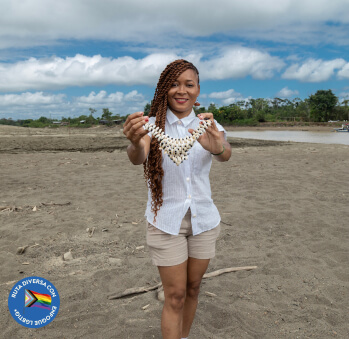
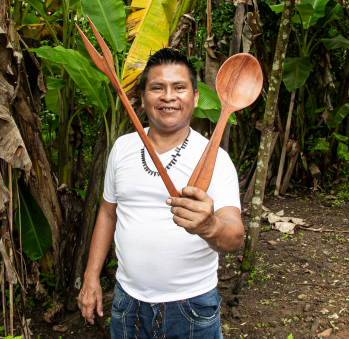
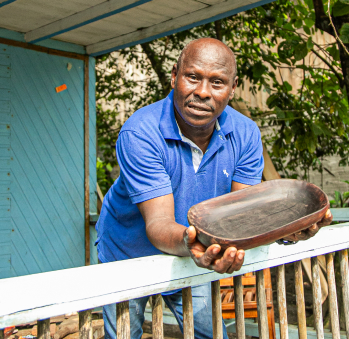
Artisans along the way



No puede copiar contenido de esta página