
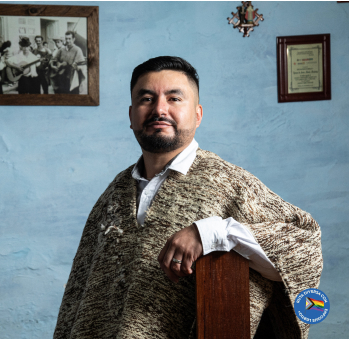
Eduard Martínez
Workshop: Taller Martínez C
Craft: Leatherwork
Trail: Antioquia Route
Location: Jericó, Antioquia
SCHEDULE YOUR VISIT
Cra 3 #6-25, Interior 1 Casa La Cocina
3134416371
tallermartinezc@gmail.com
@tallermartinezc
@tallermartinezc
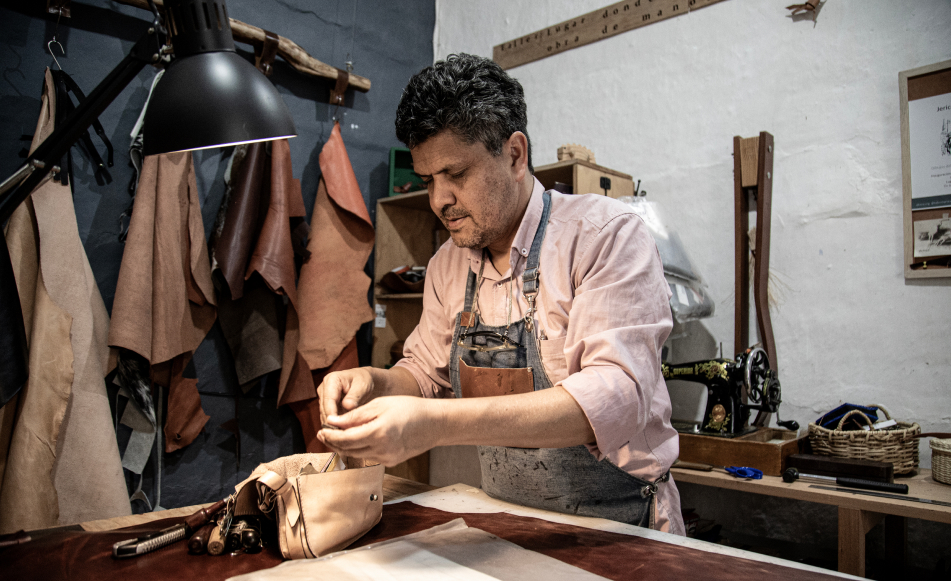
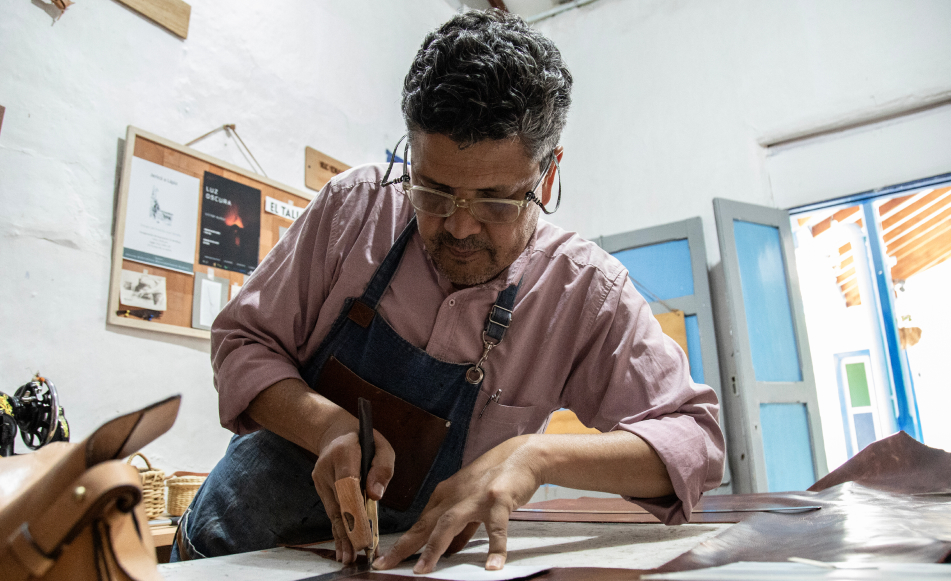
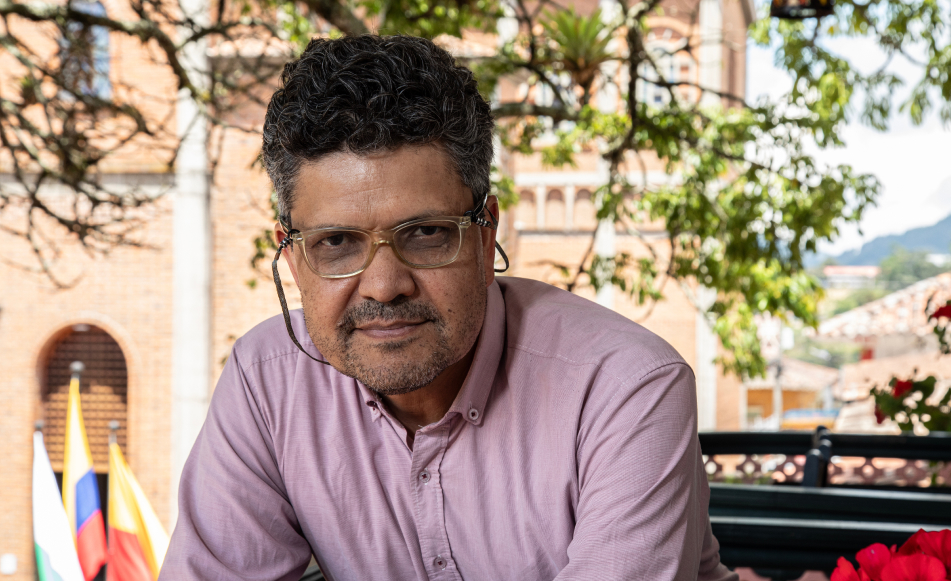
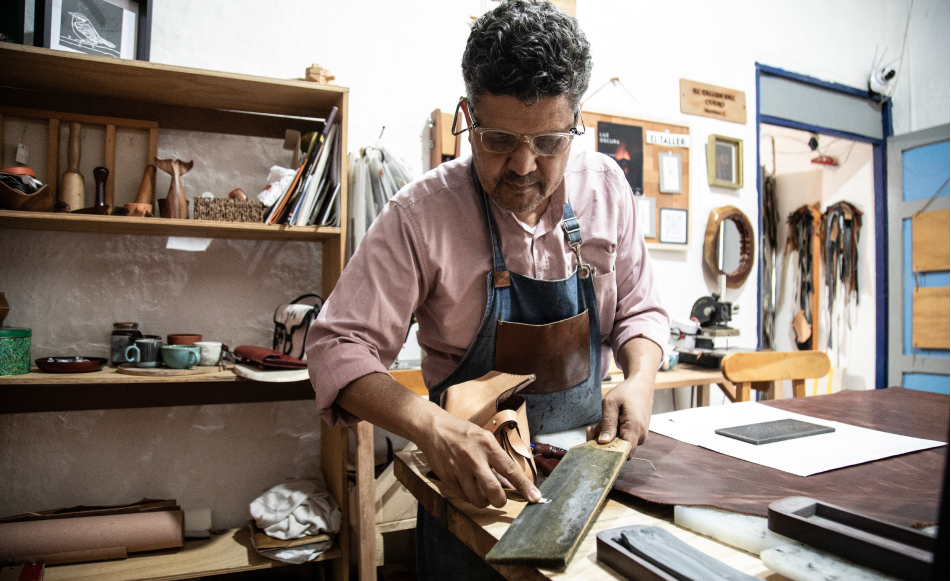
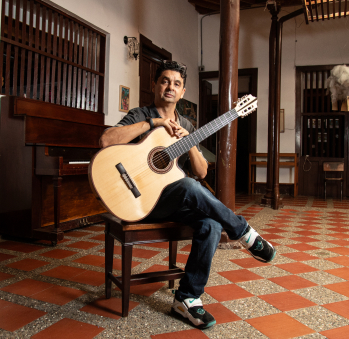
Eduard Martínez has spent half his life working with his hands, yet he feels that only recently has he reached the place he once imagined: creating simple objects through highly sophisticated craftsmanship. It is the result of years of disciplined practice and of mastering leatherwork—a craft he describes with quiet certainty: “Craftsmanship is about holding time.” His life has been devoted to thinking through his hands, refining his knowledge as a leather artisan in the town of Jericó. But his story begins much earlier, when, at the age of twelve, he left his native Medellín to live with his grandmother in the neighboring city of Bello.
“My family were textile workers—my grandmother, my mother, my uncles,” he says, as though speaking of another era, referring to the legendary Colombian textile company Fabricato, whose factory in Bello once employed much of the town. Listening to him, one senses a quiet nostalgia for an industry that shaped Antioquia for generations before gradually fading away. His grandmother, Raquel Cano, who raised him, enrolled him in every course she could find in crafts, drawing, and the arts, while his mother taught him embroidery and macramé. Surrounded by fabrics, looms, and thread, it felt only natural that he would attend a technical high school specializing in the crafts. Later, while studying Fine Arts at university, he opened a workshop with a friend where they made handbags, and he also taught art classes to children. “Back in school we worked constantly with scalpels, utility knives, and cutting tools,” he recalls. From a young age, he tested the dexterity of his hands and quickly discovered that hides fascinated him even more than textiles. It was only a matter of time before leather became his material.
His first lessons in leatherworking came from a master craftsman. Although he learned steadily under his guidance, he spent years applying unsuccessfully to participate in craft fairs. By then he was living in Guarne. When he was finally accepted into a fair in Bogotá, however, a designer from Artesanías de Colombia offered him a piece of advice that changed his life: “You have a very good idea, but you need to study more, because your work is still crude.” Today Eduard remembers those words with gratitude. That honest assessment led him to enroll at the Escuela de Artes y Oficios Santo Domingo, a decision that kept him in Bogotá for nearly twenty years. He laughs now when he remembers believing that a three-month course would be enough. Instead, an entirely new world opened before him. He encountered designers, references, concepts, and techniques that transformed the way he understood his craft.
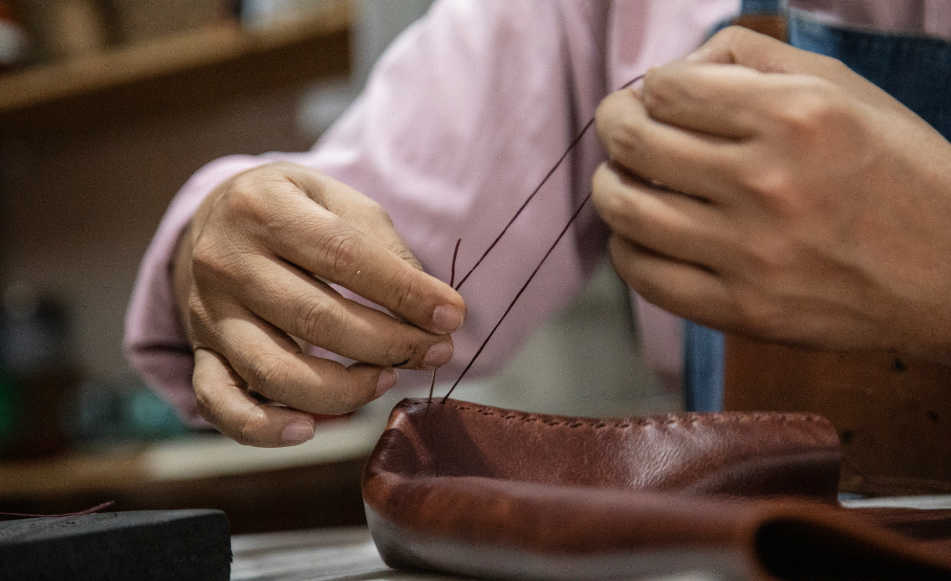
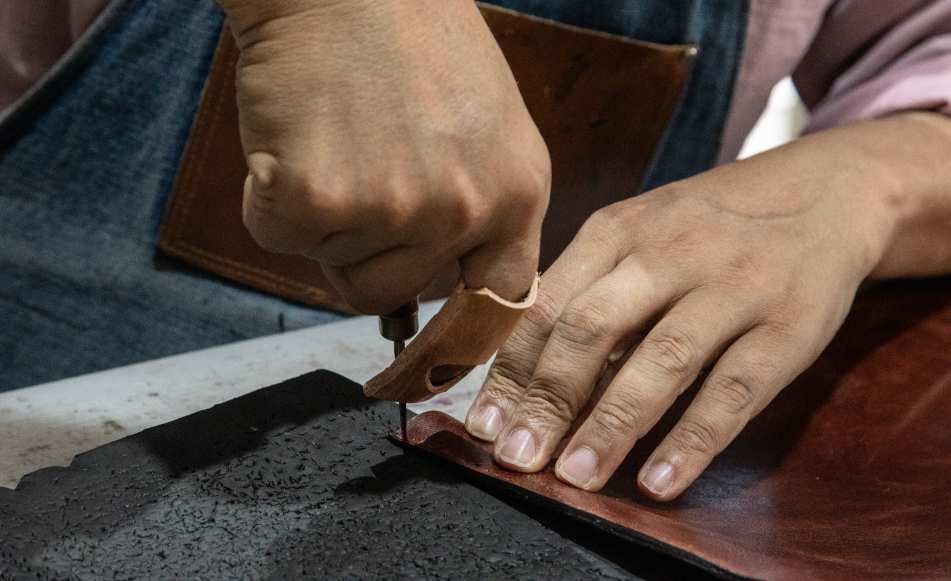
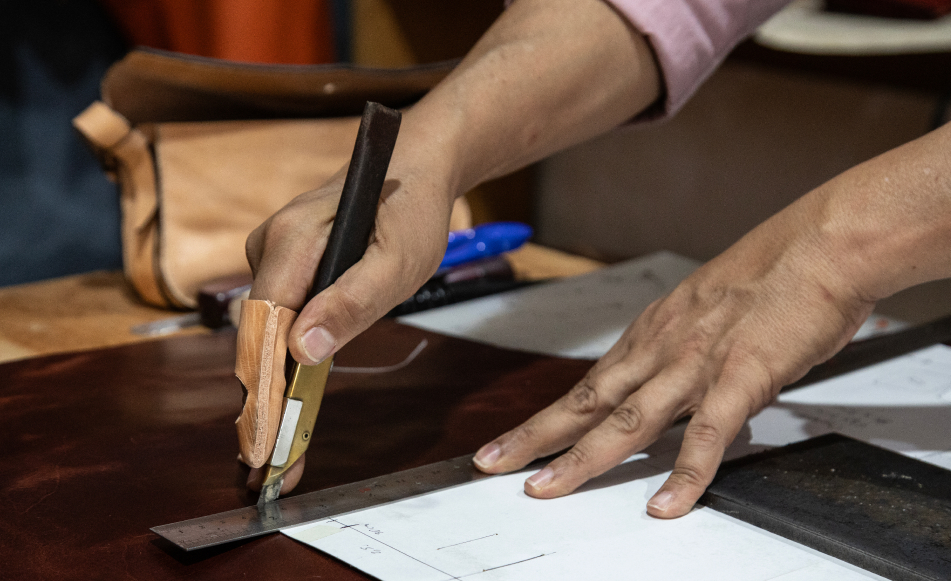
The greatest lesson he learned was how to see. He developed an understanding of taste, trends, markets, style, aesthetics, and visual language. “I refined myself,” he says—and he means it in the most literal sense of becoming more refined. He was introduced to the principles of luxury design and earned a scholarship to study at Santo Domingo under a French master craftswoman from the House of Hermès. He also meticulously studied the handbags of Fendi, learning to recreate them entirely by hand, including their celebrated saddle stitching. He dismantled bags to understand how they were built and immersed himself in the iconic Kelly and Birkin models, grasping not only their construction but also the intangible aura they carry. Those years became the true foundation of his technical mastery.
For a long time, he devoted himself to producing leather goods inspired by those timeless models of design. But once he had acquired the necessary technical command—and the quiet confidence that comes with maturity—he felt ready to develop his own voice. He had no desire to build either a luxury label or a mass-market brand. Instead, he envisioned something different: products for people who would never travel to Paris to buy a handbag, but who appreciate fine materials and thoughtful design without feeling uncomfortable carrying a two-thousand-dollar bag through the streets of Bogotá or Medellín.
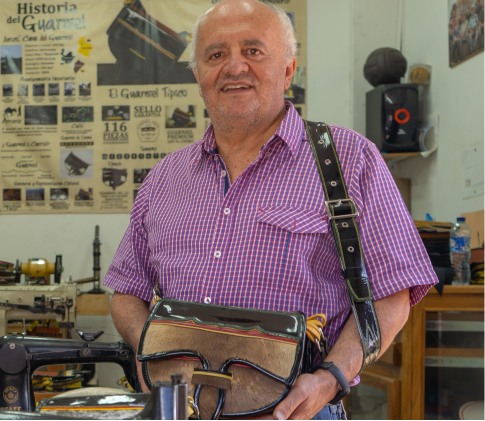
He made another important choice as well: to remain an artisan, working at his bench, rather than pursuing the ever-changing world of fashion design. He had opened a boutique in an upscale neighborhood of northern Bogotá, but the pandemic cornered him, forcing him to leave the city and relocate to Jericó. He already had ties to the town, whose long tradition of leatherwork and guarniel making made it a natural place to begin again.
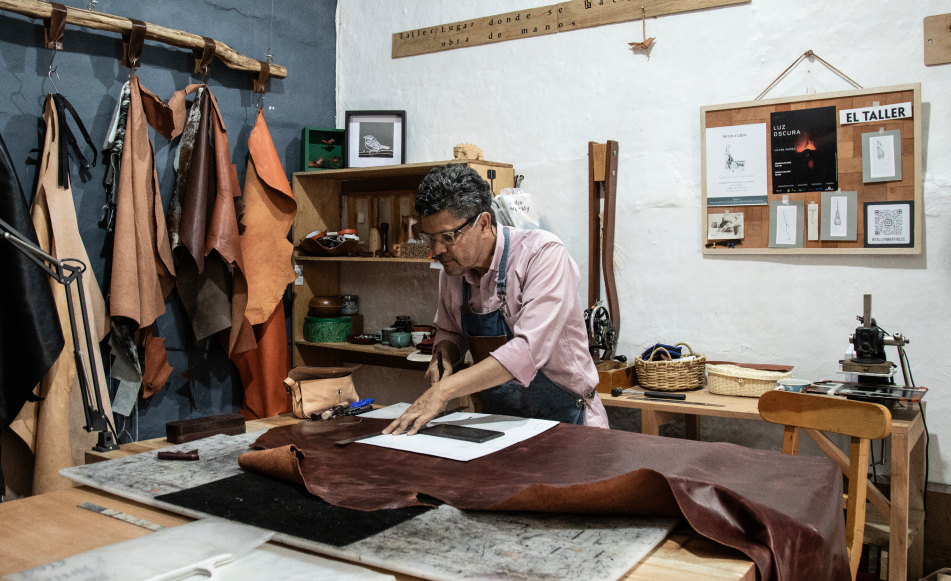
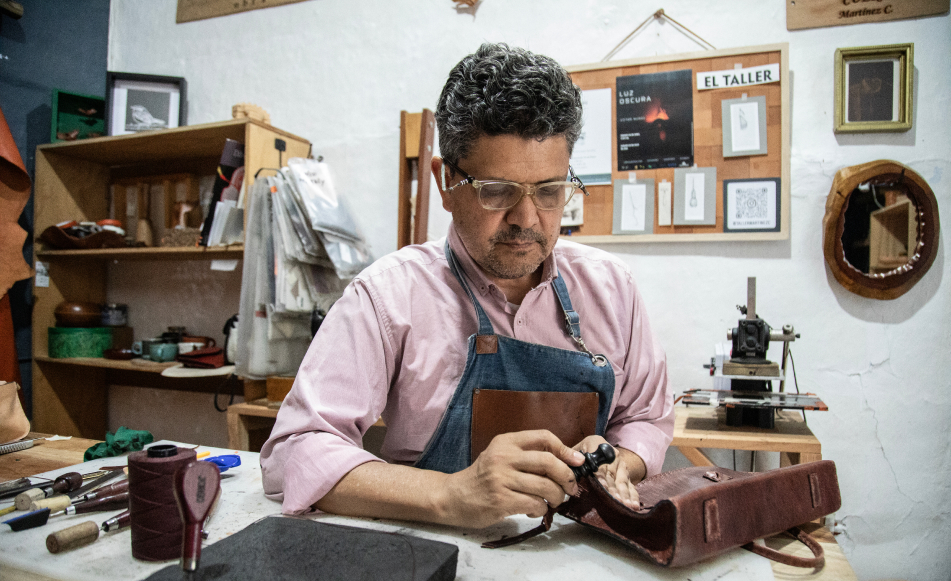
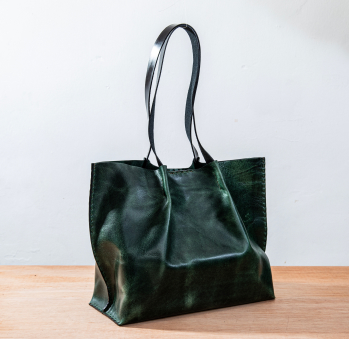
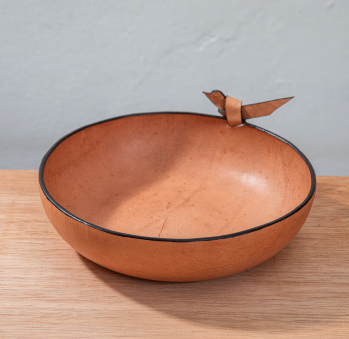
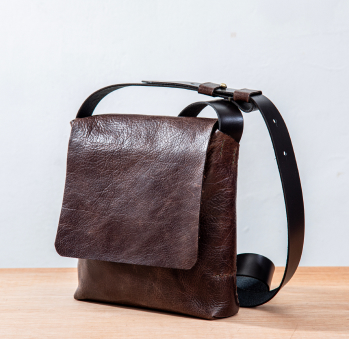
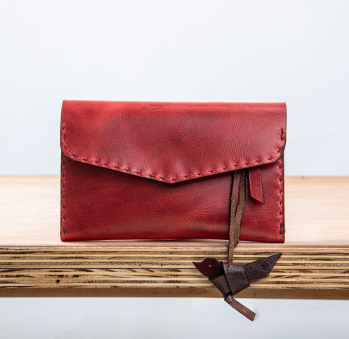
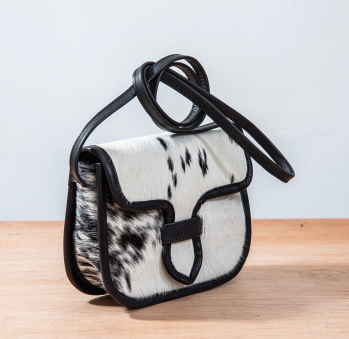
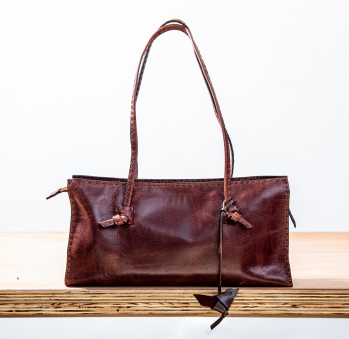
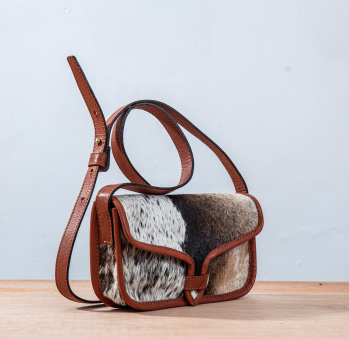
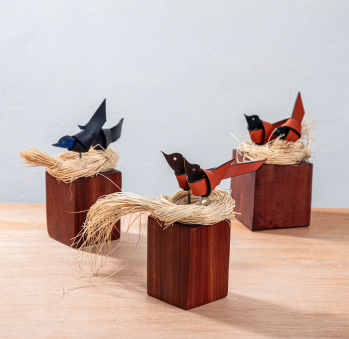
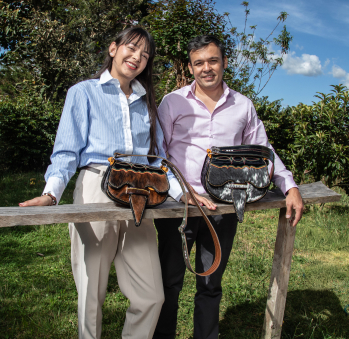
Today he shares a home and workshop with two fellow artisans. There he maintains both his studio and a showroom displaying his work: beautifully crafted leather bags alongside more conceptual explorations. In some of these pieces, he quite literally makes leather take flight, creating the wings of gulls and herons from cowhide, or weaving nests from iraca fiber and local woods populated with tiny leather birds. Looking at his work, it is clear that he continues to explore new ideas. And perhaps that is the greatest achievement time has given him: serenity.
Workshop and process
Craft

Artisans along the way

Artisans along the way



No puede copiar contenido de esta página