



























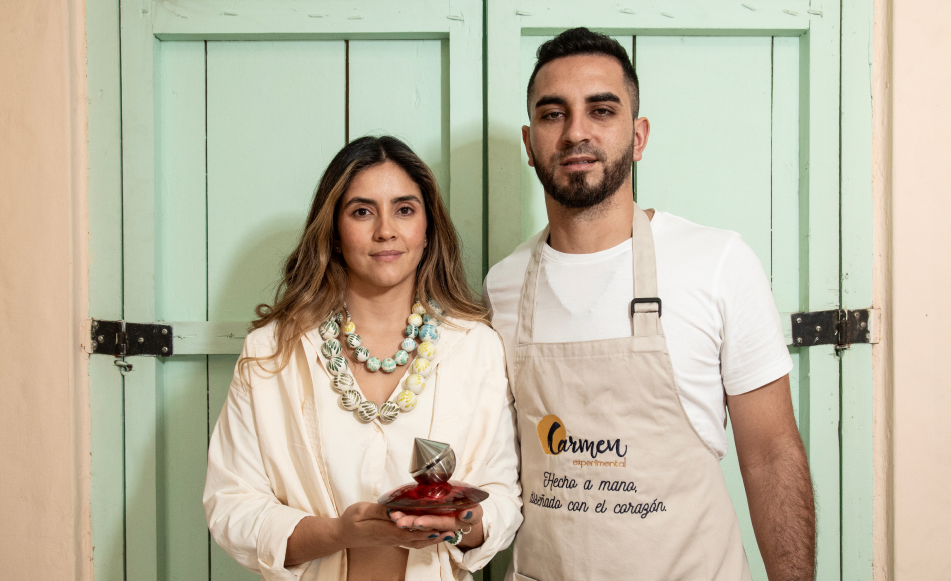
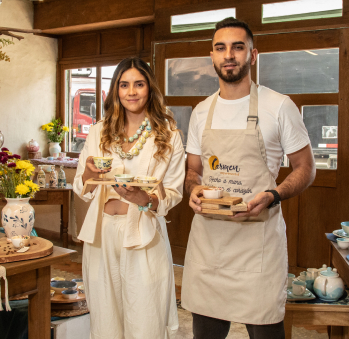
Erica y Sergio Zuluaga
Workshop: Carmen Experimental
Craft: Ceramics
Trail: Antioquia Route
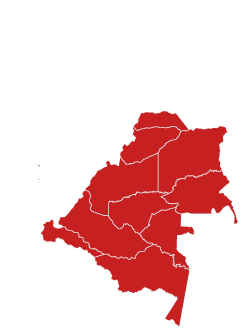
Location: El Carmen de Viboral, Antioquia
SCHEDULE YOUR VISIT
Cra 31 #41a-20
3194799927
comunicacioncarmenexperimental@gmail.com
@carmenexperimental
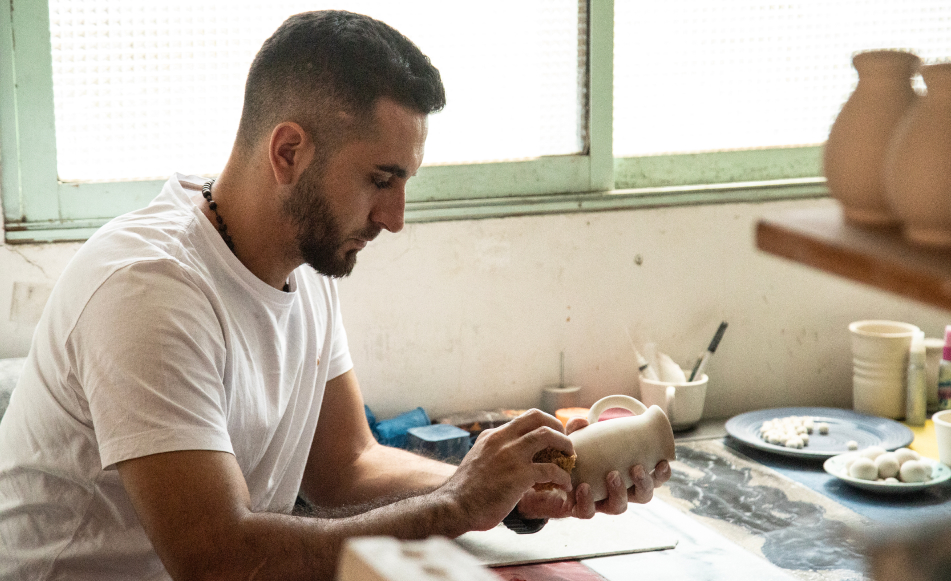
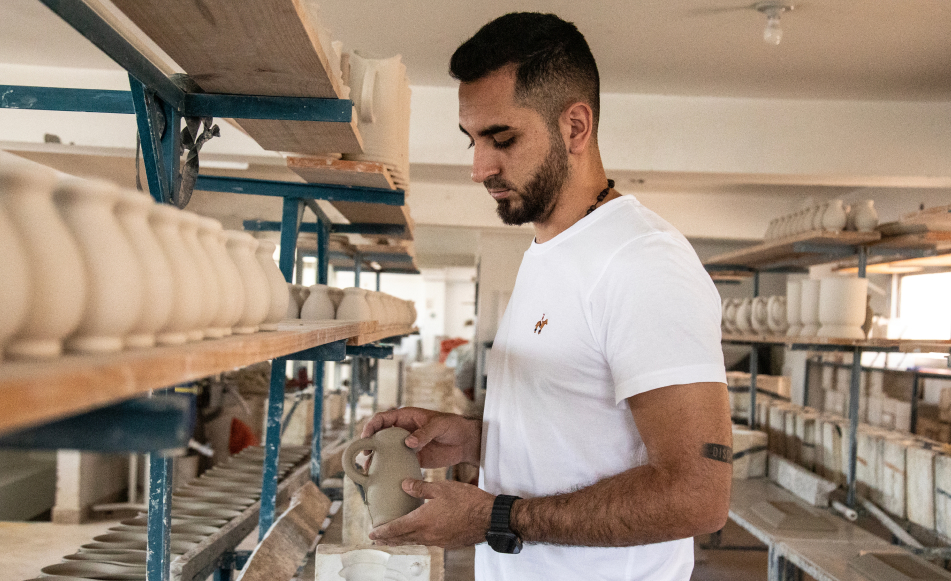
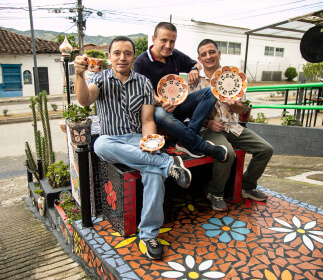
Although the Zuluaga siblings trained in fields that would have suggested they would leave Carmen de Viboral behind, the spell of ceramics ultimately drew them back. Érica studied architecture and Sergio international trade, skills they have put at the service of a dream they have turned into reality: Carmen Experimental. As the children of the founder of one of the town’s most renowned ceramic workshops, Renacer, it was only a matter of time before they decided to carry on the family legacy.
They are a young workshop that truly came into its own around 2020. Although Érica had practiced architecture for several years and later spent some time living in London, a call from her sister-in-law brought her back to town. She filled in during her maternity leave at Viboral Cerámicas, another of the family’s workshops, and that experience rekindled the fascination with clay that she had always carried within her, though she had assumed it belonged only to her father. She realized that the raw material of Carmen de Viboral had an extraordinary relationship with design, and she began to imagine how she might continue this story.
Her fascination met that of her brother Sergio, whom she describes as “the most restless person” she knows—the reader, the endlessly curious one, passionate about production, the potter, the technician. She says that once an idea gets into his head, nothing can dislodge it, and in that regard he is just like their father. And so they began to imagine a shared project, one in which their family history, design, and the desire to make those elements work together would become the perfect formula.
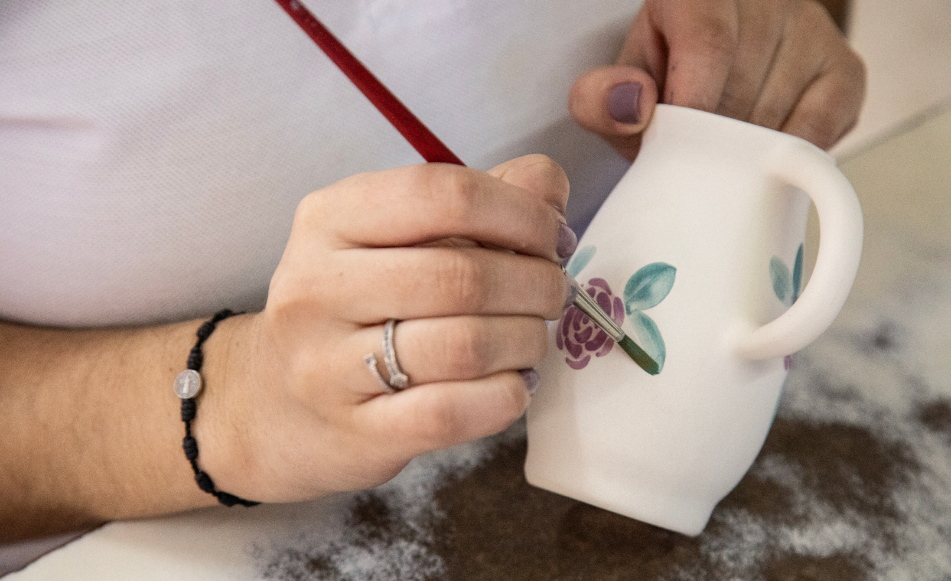
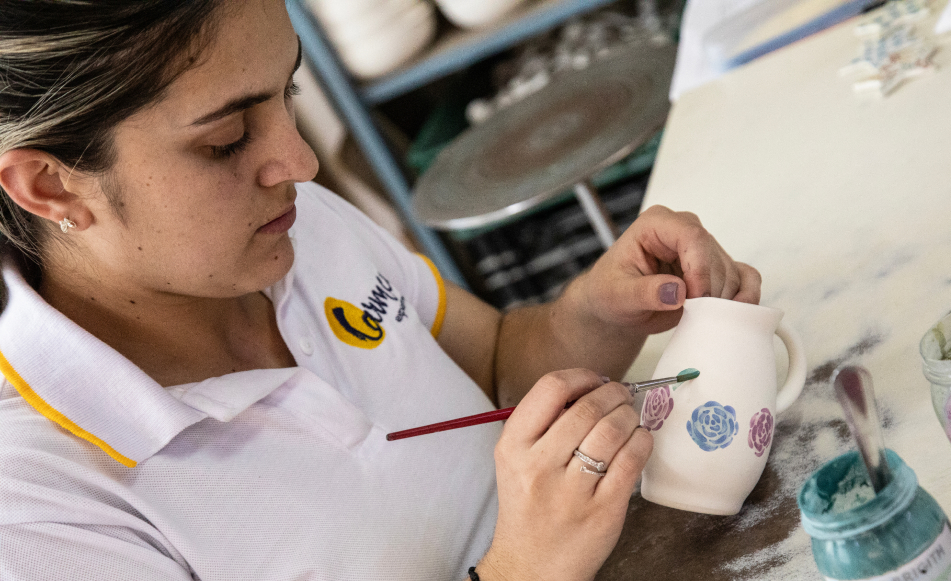
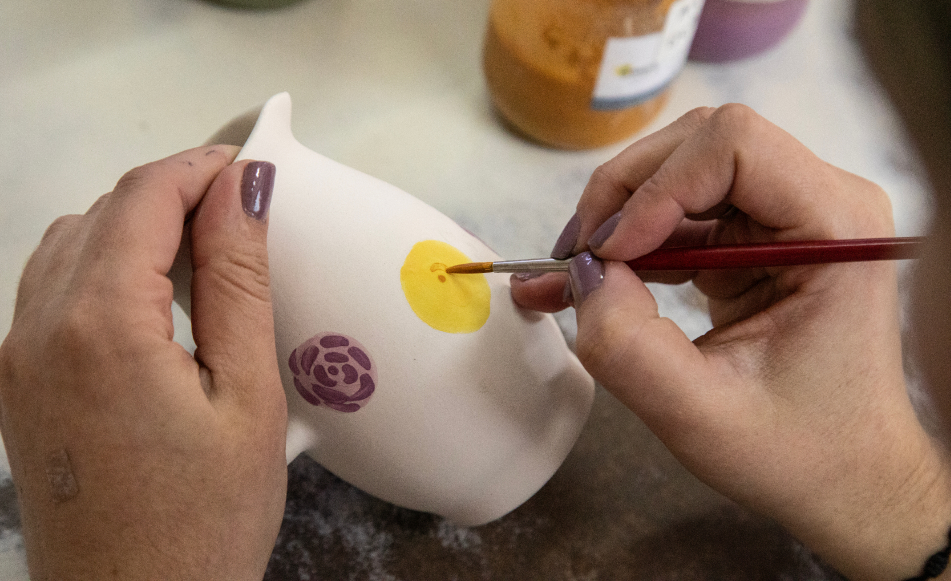
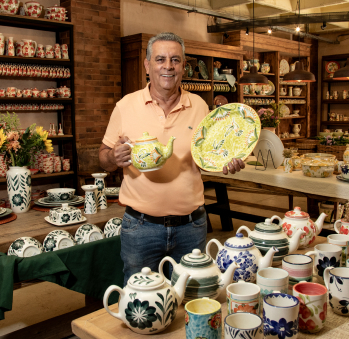
At the same time, an Italian arrived at their father’s workshop looking for someone to produce ceramic pieces for the European market. His name was Romano Rampini, and after visiting every workshop in Carmen de Viboral, he concluded that Renacer could meet his technical standards. He was not interested in the traditional underglaze technique practiced in Carmen de Viboral, in which colors or pigments are applied to a piece before it is covered with glaze. Instead, he was looking for overglaze decoration, in which additional layers of color are applied on top of the glaze. The Zuluagas accepted the challenge. It was Érica and her brother Sergio who devoted themselves most enthusiastically to these ceramic experiments—hence the name of their workshop. So when the pandemic eventually brought their professional relationship with Rampini to an end, though not their friendship, what remained was a lasting passion for making a different kind of ceramics.
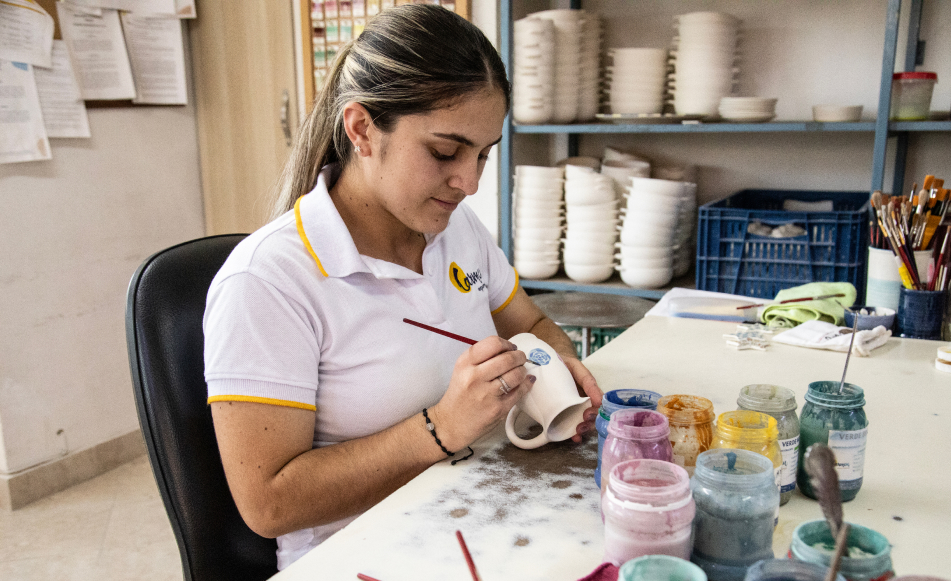
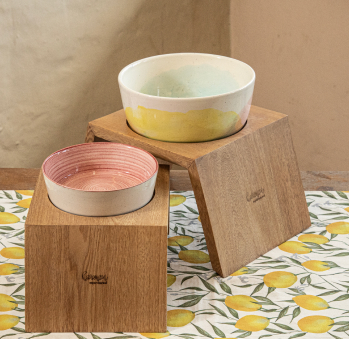
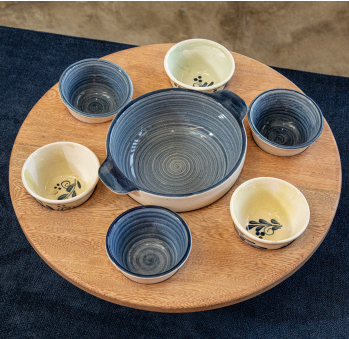
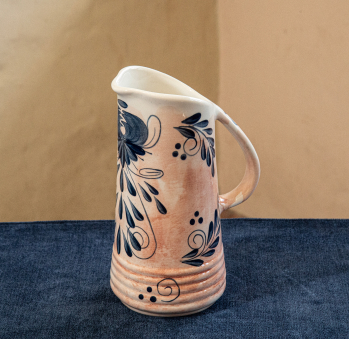
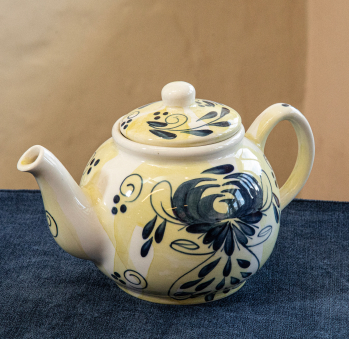
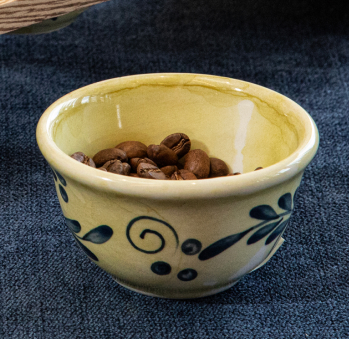
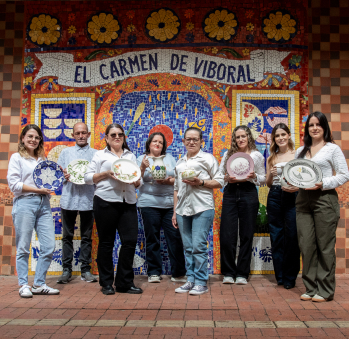
Érica remembers the moment when, encouraged by Sergio, they dared to create something unprecedented in Carmen de Viboral: pet food bowls decorated in the town’s traditional ceramic style. What a bold idea. The experiment was successful, and it led them to ask themselves how they might preserve the traditions of their town while innovating in the products they created. They felt confident enough to take that creative license because their team included several veteran decorators from Carmen’s ceramic factories, especially Renacer, whose technical mastery gave them the confidence to experiment without losing their identity. That is how they began proposing not only functional objects such as the iconic tableware of Carmen de Viboral, but also decorative pieces. Érica’s designer’s mind was in full bloom. Working alongside local cabinetmakers, they developed creations such as table sets in which, for example, ceramic sauce bowls were paired with wooden bases or given distinctive details that made each piece unique. Their imagination has been given free rein.
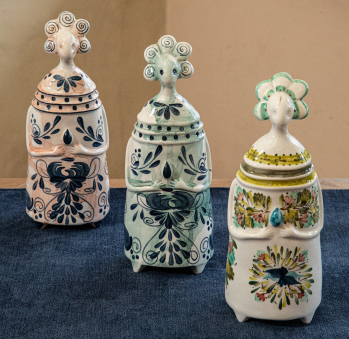
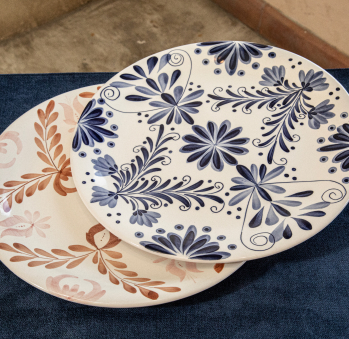
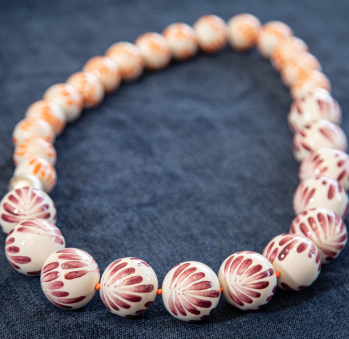
They also began collaborating with artists and seeking their guidance, including the renowned ceramic artist José Ignacio Vélez. Decorative plates measuring sixty centimeters in diameter soon followed, as did an experimental collection of ceramic dolls they called Azulinas. It was their first entirely decorative product: a limited edition of 300 dolls that sold out completely and are still requested today. Encouraged by that success, Érica revived an old dream of hers: making jewelry. Vélez introduced her to Bogotá-based jeweler Pilar Restrepo, and from that meeting emerged a fruitful collaboration in which metals and threads intertwine with ceramic stones and the flowers of Carmen de Viboral. The result has been remarkably successful, earning them the prestigious Lápiz de Acero Design Award in 2025.
This is only the beginning. Their ceramic travel coffee mugs with silicone lids are just one more example of transforming an everyday object with a touch of local tradition. Looking ahead, these siblings envision applying the ceramics of Carmen de Viboral to architecture and furniture design, producing tiles and exploring countless other uses for decorated clay, from washbasins to roof tiles. Their minds are full of possibilities. They chose the name of their workshop well, because experimenting is what they love to do most.
Workshop and process
Craft
Artisans along the way

Artisans along the way



No puede copiar contenido de esta página