












Olimpia Pabón
Workshop: Cerámicas Esmaltarte y Herencias
Craft: Pottery and ceramics
Trail: Antioquia Route
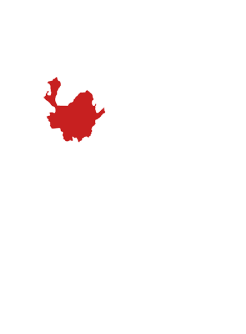
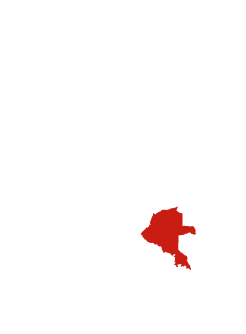
Location: El Carmen de Viboral, Antioquia
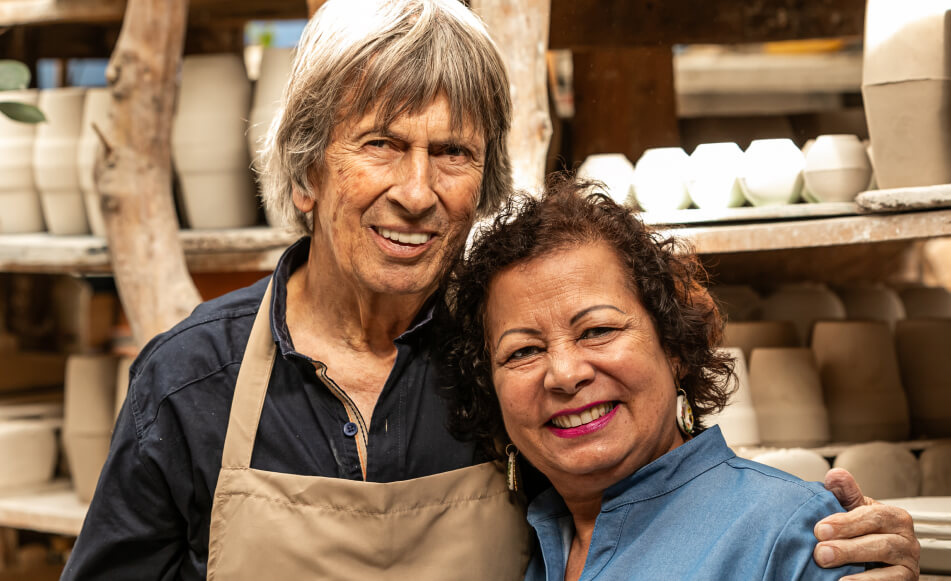
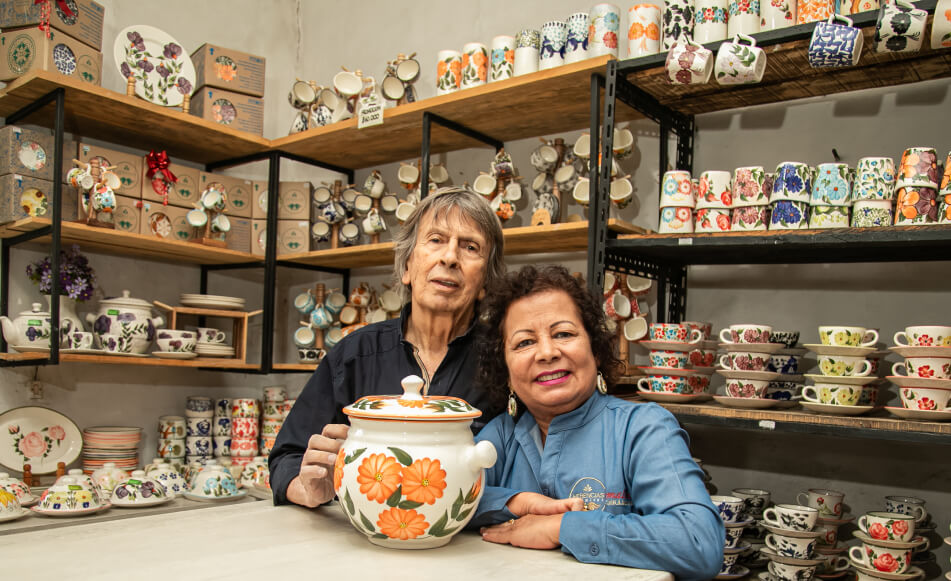
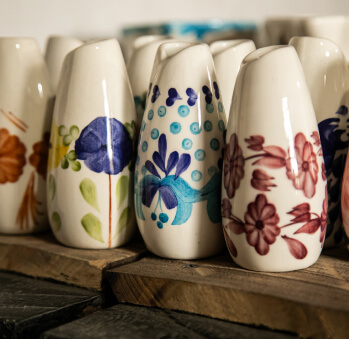
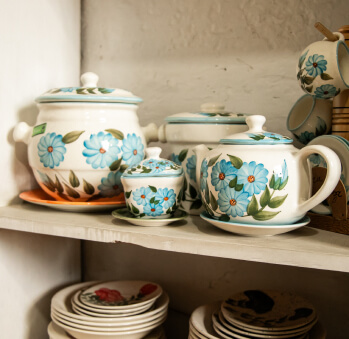
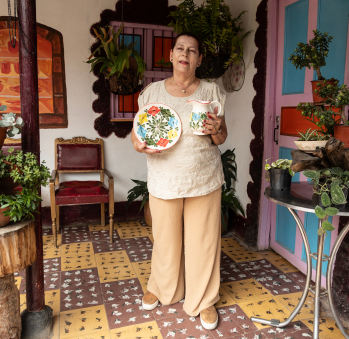
Olimpia Pabón has witnessed the years that—as if acting upon the clay itself—have shaped
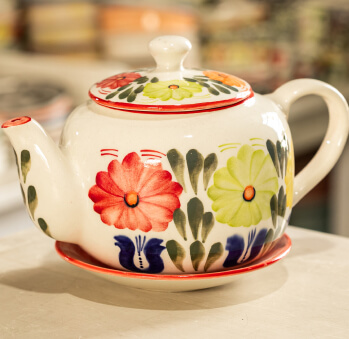
the history of Carmen de Viboral’s famous hand-decorated pottery. Together with her
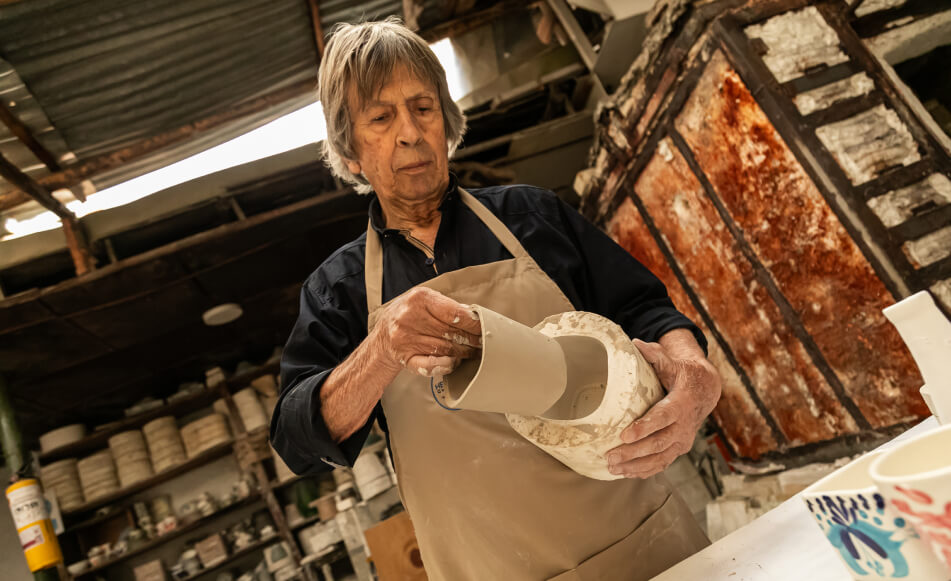
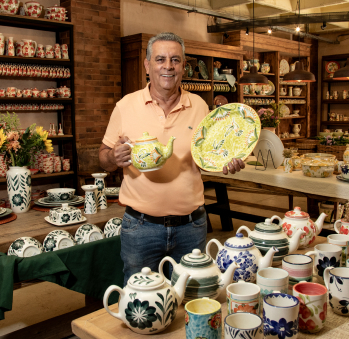
husband, Francisco Cardona—whom we honor in this story following his passing in
2024—they exemplified the Carmen de Viboral community’s commitment to keeping the
pottery tradition alive in their town, even though it nearly disappeared at the end of the 20th
century.
Olimpia was born in Medellín but grew up in Carmen de Viboral, where her mother was from,
and was always surrounded by pottery thanks to her aunts and uncles, who were painters
and workers in the old factories. She met Francisco shortly after she finished high school,
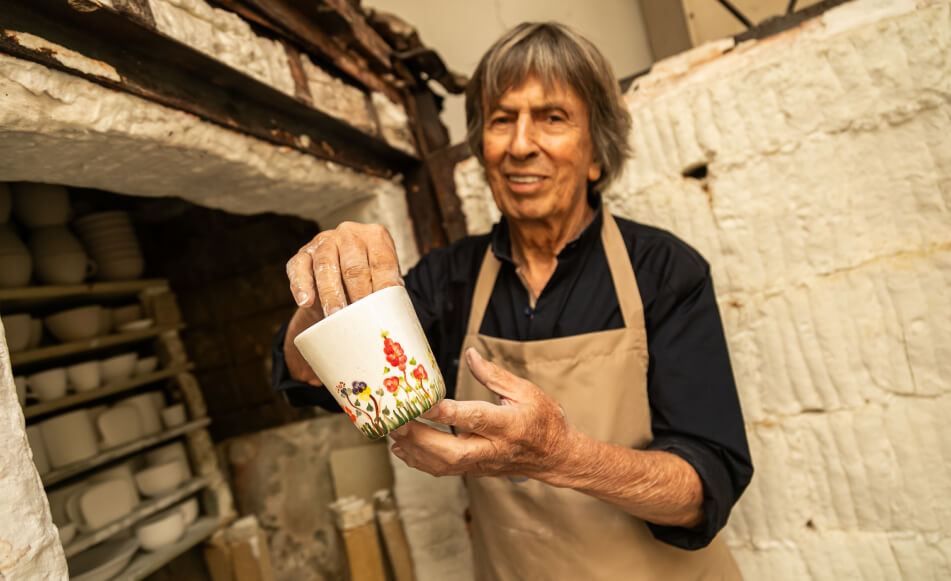
and they built a life together. People said that he never liked to get dirty, which is why he
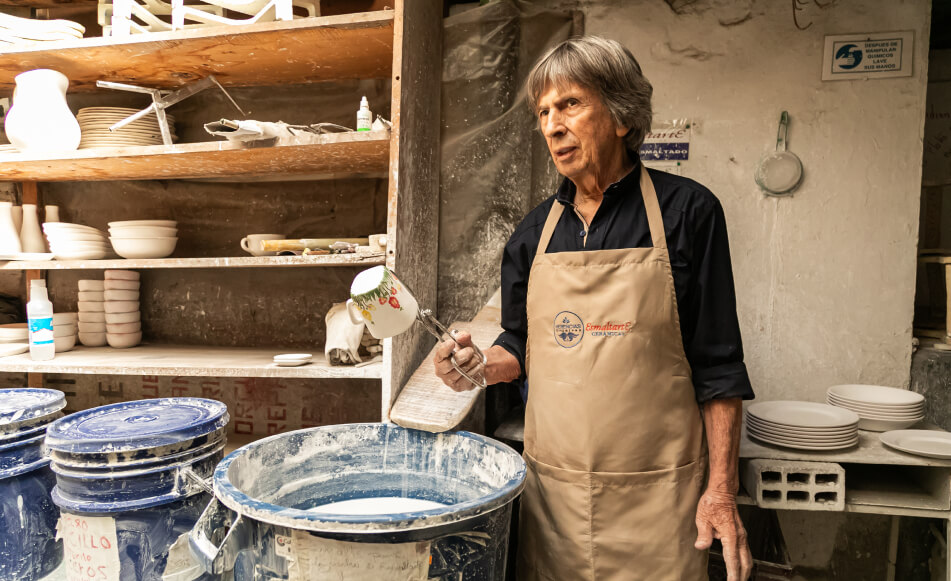
learned to practice the craft of his father, Marco Antonio Cardona, always with impeccable
precision; and that although he was reluctant at first, he very soon grew to love clay—so
much so that he decided to open his own hand-painted pottery workshop, Esmaltarte, years
after his father’s factory closed—like so many others—during the crisis of violence that
affected their region between the 1980s and 1990s. It turned out that while the workshop
was sold, everything Francisco knew couldn’t be sold. So they started from scratch, together
and united by their love for clay.
While Olimpia served as principal of a school for more than 30 years, Francisco decided to
teach anyone who came to him to learn his craft. It pained him to see it disappear after it had
provided for so many families for so many years, and she was concerned about the low
regard and indifference with which artisans were treated, as if they were less than
professionals. So while Olimpia made sure her students learned about their town’s pottery
tradition and guided them in making their first pieces and firing them in the small kiln
Francisco had given her, he trained new generations of artisans in the town’s workshops. A
couple of teachers, each working from their own front lines. Of course, they raised their own
four children according to the same principles, and today those children carry on the legacy
sown with love and dedication by their parents.
After retiring, Olimpia still had plenty of energy left to spearhead initiatives in the ceramics
field. Having observed the artisan world from the outside for so many years, she knew that
what the guild lacked was collaboration. So she supported the creation of Acroloza, a
foundation of pottery producers with whom they have already secured two designations of
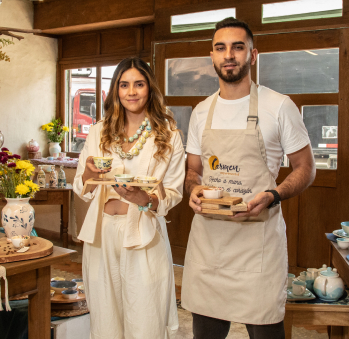
origin for hand-decorated ceramics. Meanwhile, her children decided to open their own
workshop, which they proudly named Herencias, and which distinguished itself from
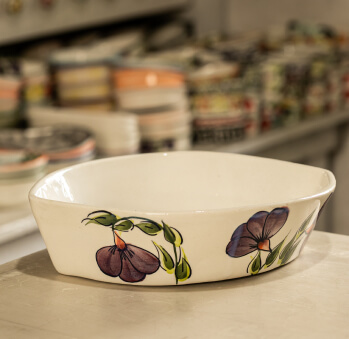
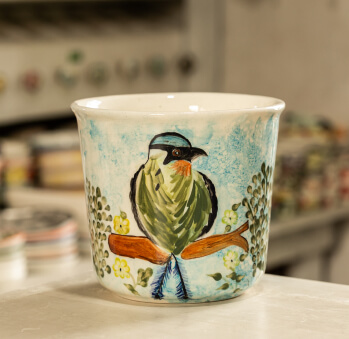
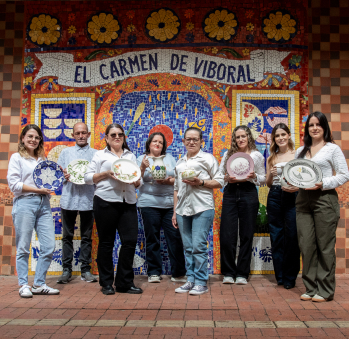
Esmaltarte by offering a more contemporary and experimental design line. The four heirs
and their families—the list includes daughters-in-law and sons-in-law—all work in the
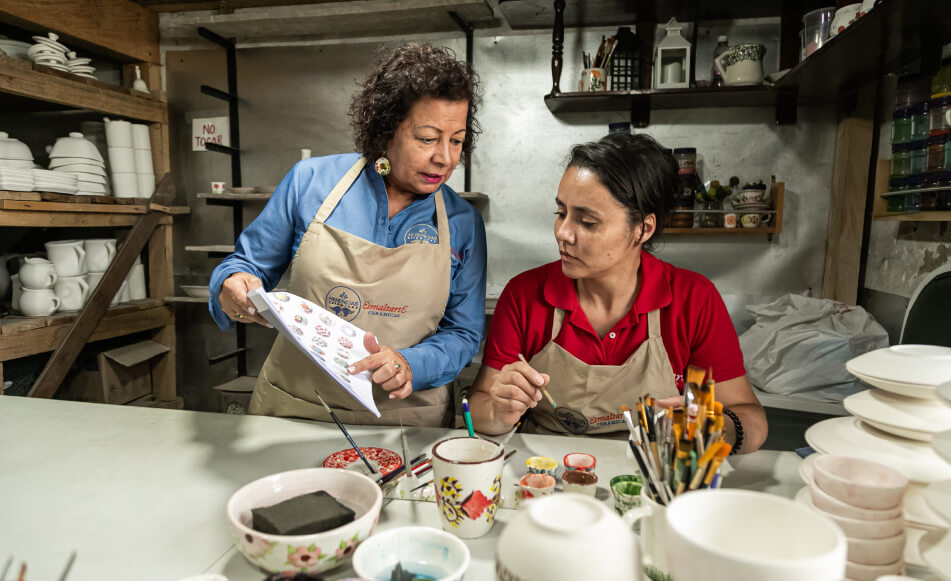
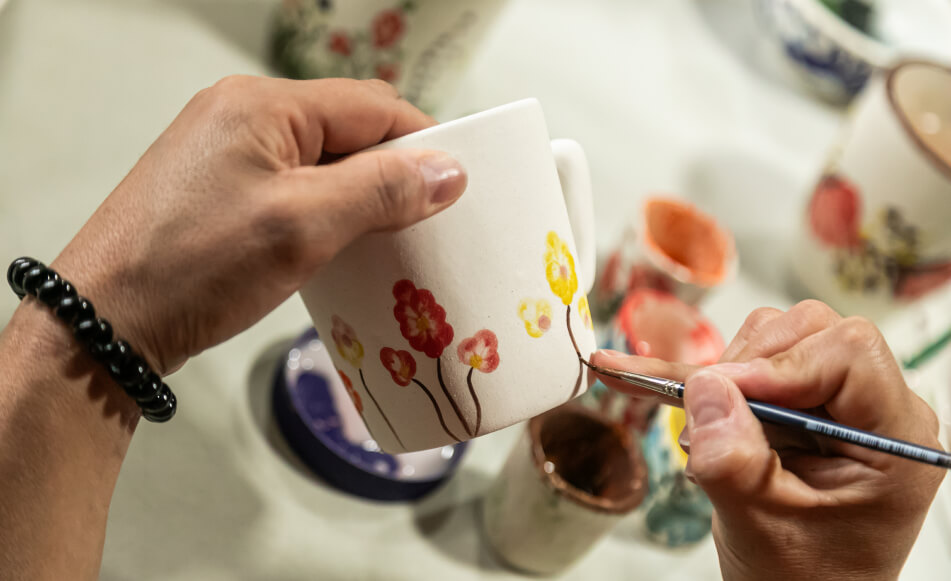
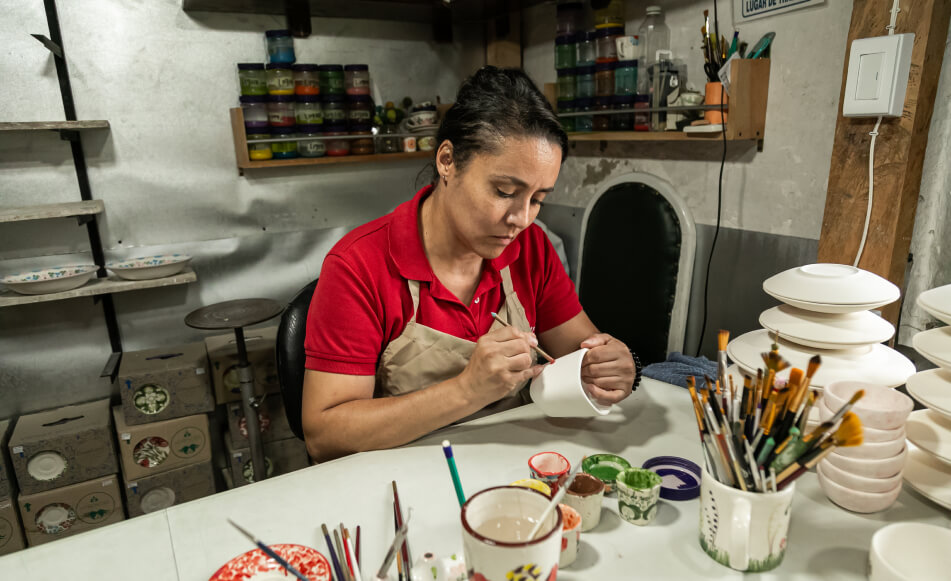
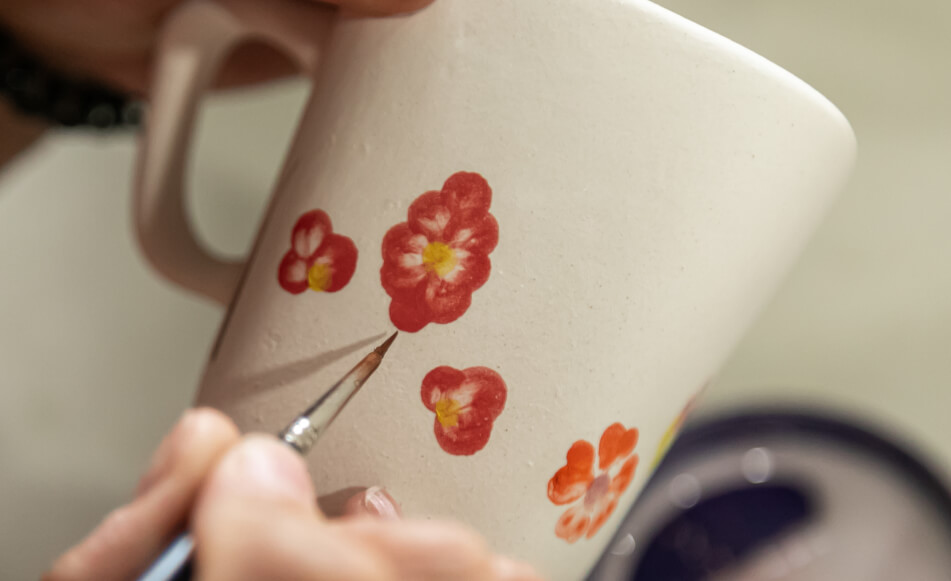
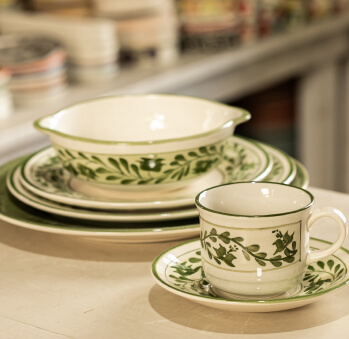
workshop. One of their strengths has been the experiences they offer tourists, during which
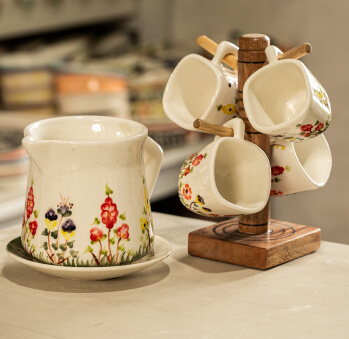
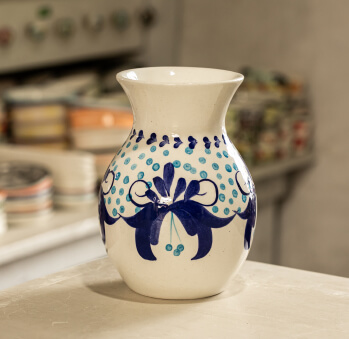
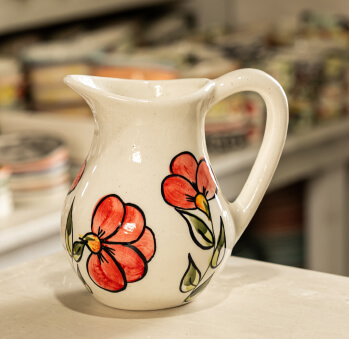
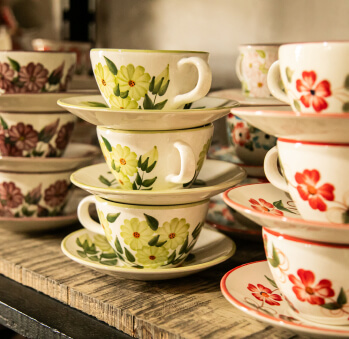
they not only show visitors how each plate, cup, and saucer is made but also let them try
their hand at painting the pieces themselves.
They also tell visitors about the history of their craft, beginning by naming their ancestors
and always remembering Francisco Cardona as the generous master he was—selfless in
sharing his knowledge, as well as organized and dedicated to his work. His generosity,
which stemmed from his love for the craft—a love that went beyond the craft itself—achieved
its goal: to help save Carmen de Viboral’s hand-painted pottery from extinction.
Workshop and process
Craft
Artisans along the way

Artisans along the way



No puede copiar contenido de esta página